Categories
Author: penwithlit
Freelance writer and radio presenter
Some very interesting points and paintings. I have also discovered Wikioo too. There is a feeling of quasi-Jungian balance here.

Harmony With Nature.
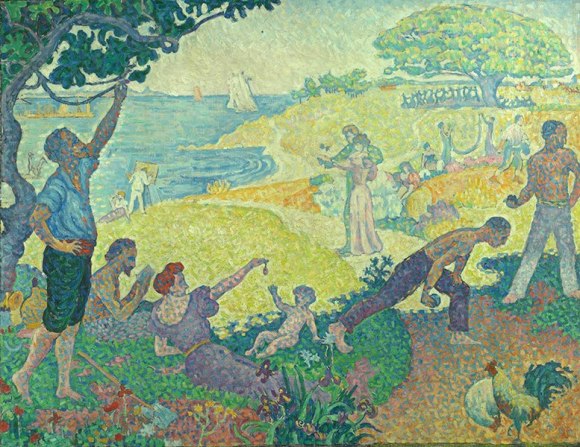 ‘In the Time of Harmony; the Golden Age is Not Passed…’ by Paul Signac,Wikimedia Commons.
“I tried to discover, in the rumour of forests and waves, words that other men could not hear, and I pricked up my ears to listen to the revelation of their harmony.”
Gustave Flaubert
Nature has much to teach us about harmony, if only we would slow down a little and take heed of its ‘revelations.’ If we feel relatively peaceful inside, then that is the time to turn outwards, to see what the environment has to offer us and to teach us.
 Do I Love Orchards, Do I Love Forests – Maria Primachenko. Wikioo.
“Love yourself. Then forget it. Then, love the world.”
Mary Oliver
How often do we pause to discover the intricate and miraculous workings of nature? Can we find a few moments moment to ‘stop and smell the…
View original post 1,970 more words
Brilliant exposition!

The following sonnet was composed by Charles Causley when he was inspired after viewing a 1632 Normandy crucifix.
I am the great sun

I am the great sun, but you do not see me,
 I am your husband, but you turn away.
I am the captive, but you d o not free me,
 I am the captain but you will not obey.

I am the truth, but you will not believe me,
 I am the city where you will not stay.
I am your wife, your child, but you will leave me,
 I am that God to whom you will not pray.

I am your counsel, but you will not hear me,
 I am your lover whom you will betray.
I am the victor, but you do not cheer me,
 I am the holy dove whom you will slay.

I am your life, but if you will not name me,
View original post 357 more words
A slight touch of gentle self irony.

A random survey of self-portraits created by women through the centuries
American cartoonist Barbara Shermund (1899-1978)
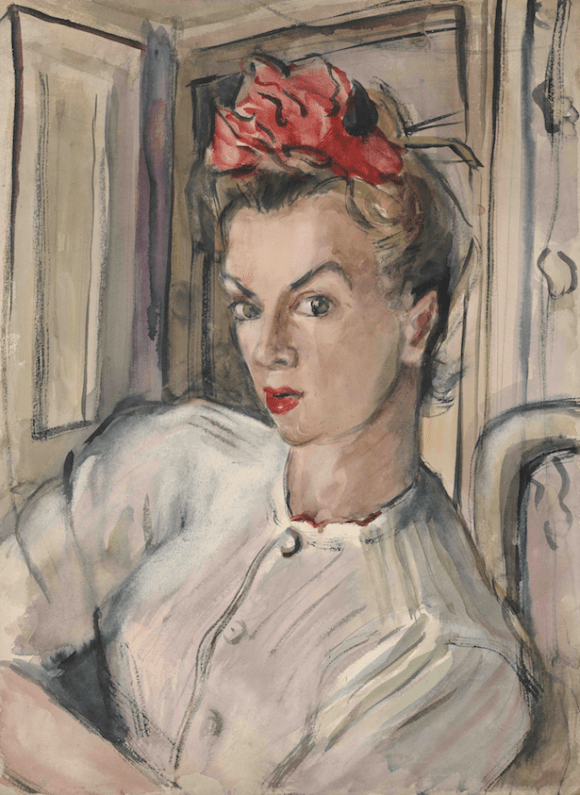
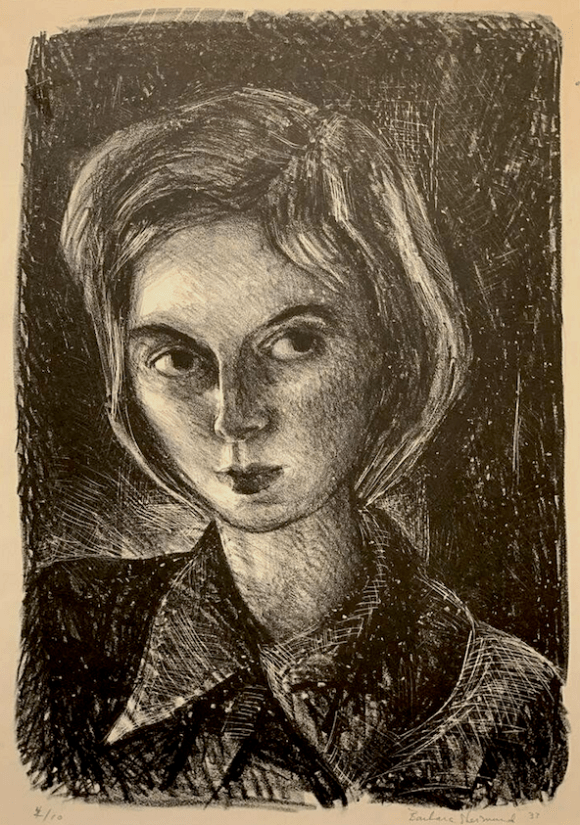
2. Self-Portrait, 1933 / Drawing / Private collection
[3 embedded links above]
Gallery of Barbara Shermund original artwork:
https://www.comicartfans.com/galleryroom.asp?gsub=156689
Categories
Turks Head Wapping, E1

Some unusual colours and thanks for advice on mixing greys. Love the dipped pen sketch too!

I walked to The Turks Head Wapping: a restaurant among trees. After a splendid lunch, I sketched the building.
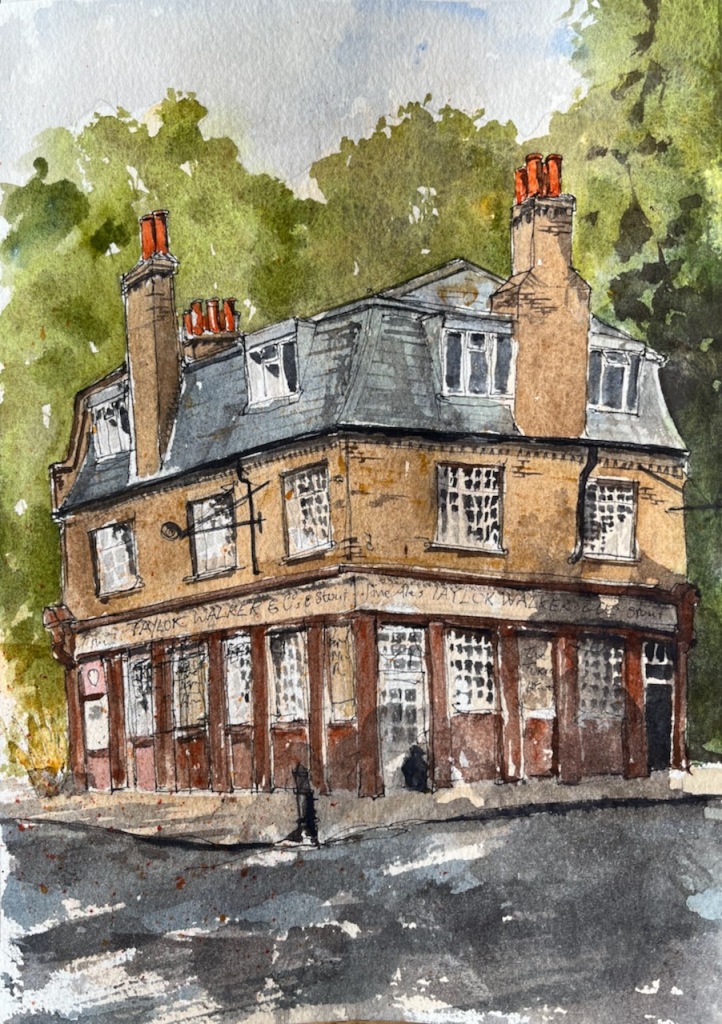
The drawing took me about 50mins on location, pen and ink. I added the colour when I got back to my desk.
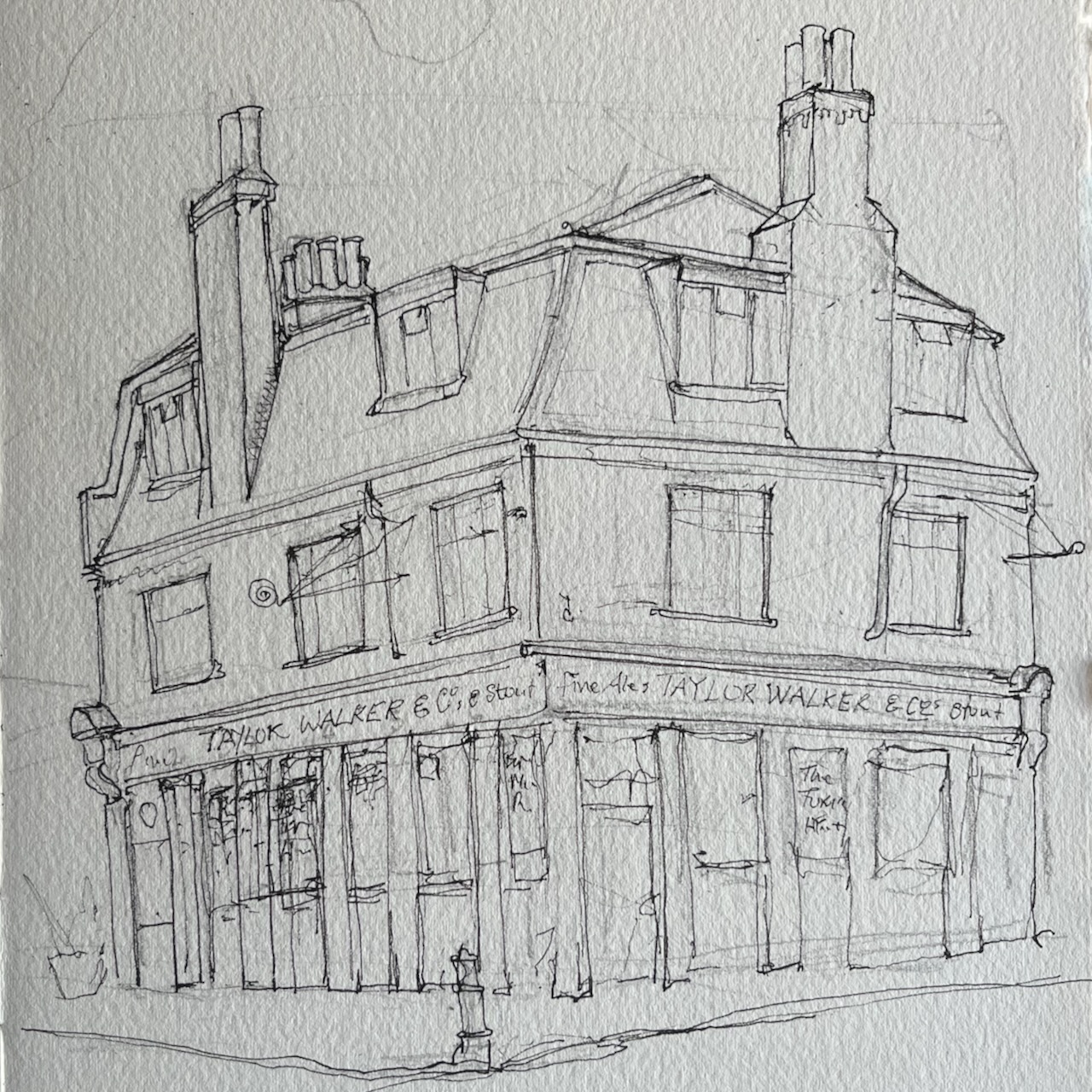
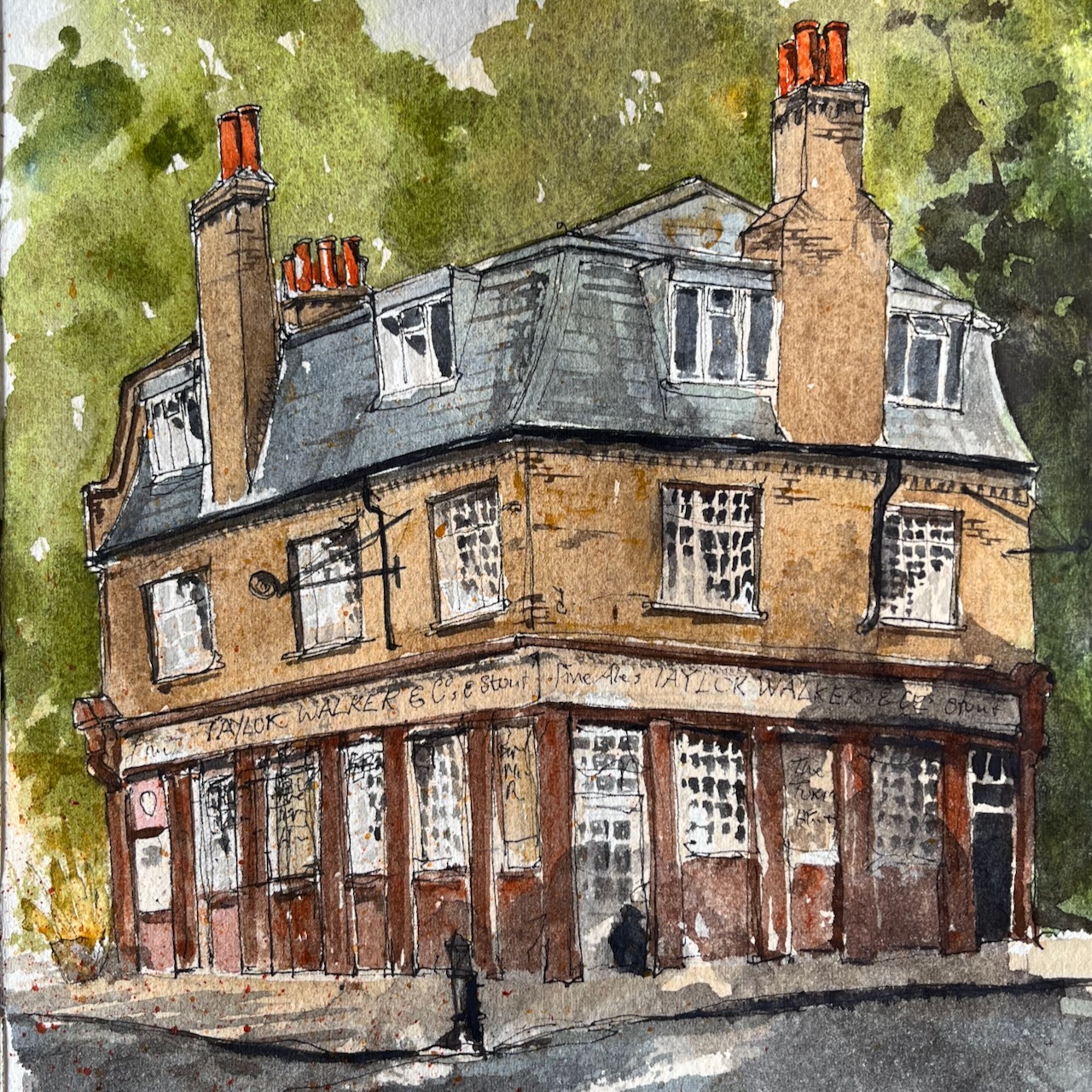
Marvellous chimneys!
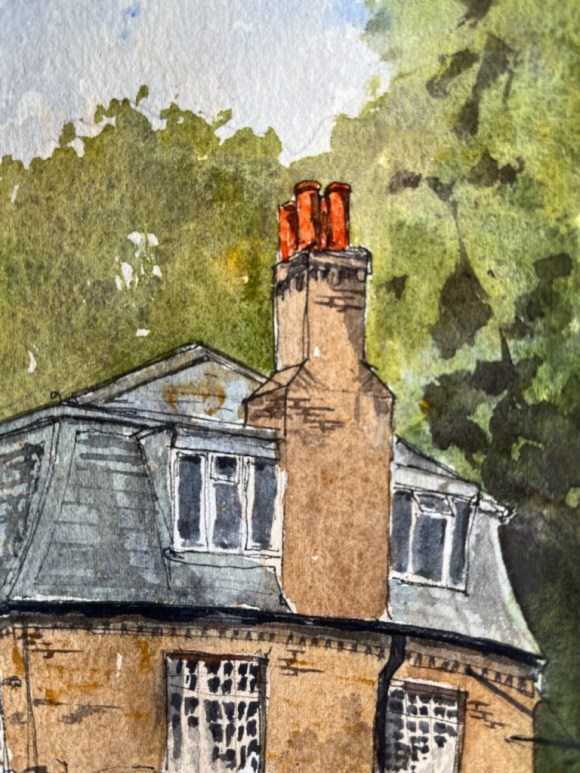

The chimneys are Transparent Pyrrol Orange. Other colours are: Green Serpentine Genuine, Mars Yellow, Burnt Umber, Ultramarine Blue, Permanent Yellow Deep, and Perylene Maroon to get the darker tiled walls. The blacks and greys are Ultramarine Blue mixed with Burnt Umber. These are all Daniel Smith watercolours. The paper is Arches Aquarelle 300gsm NOT, in a sketchbook made by the Wyvern Bindery in Hoxton.
Here is work in progress:


This is a wonderful café-restaurant – recommended. It is east of Tower Bridge, about a 45…
View original post 17 more words
Categories
Hauser: La Califfa


Thanks for Visiting 🙂
~Sunnyside
Categories
Fall Leaves, Hesse, Germany
Beautiful
Categories
The Colony, by Audrey Magee
Sounds fascinating and reminds me of the work of Brian Friel- especially “Translations”. I’ve recently also read “Factory Girls” which was brilliant, poignant and very funny.

Colonisation 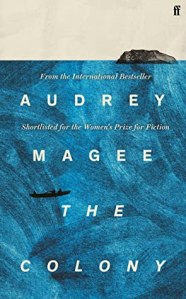 is a theme common enough in contemporary fiction, but I haven’t come across much fiction featuring the English colonisation of Ireland*. Audrey Magee’s The Colony, nominated for the 2022 Booker Prize and the Orwell Prize for Political Fiction, explores the theme in a microcosm of Irish society on a small remote island in the summer of 1979. Unlike heavy-handed critiques of colonisation (which have their place in educating readers about its enduring consequences), The Colony is more subtly nuanced in its depiction of a world in flux.
Magee’s island society is insulated from the Troubles which derived from the colonisation of mainland Ireland; there is only news of bombs or car-jackings in this Irish outpost. Chillingly brief radio reports of sectarian violence punctuate the novel but do not impact on the storyline, except to signal that the violence influences even the matriarch who has staunchly resisted any change…
View original post 1,148 more words
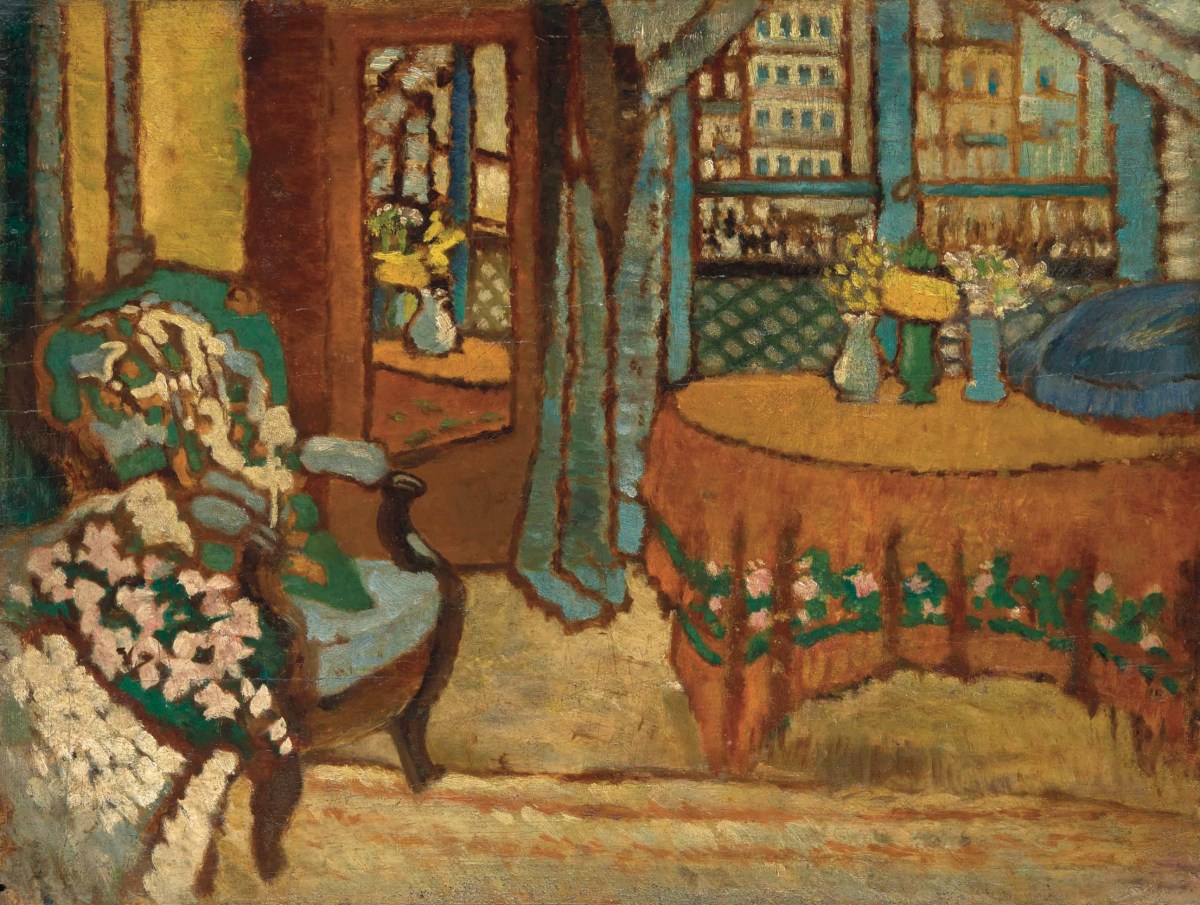
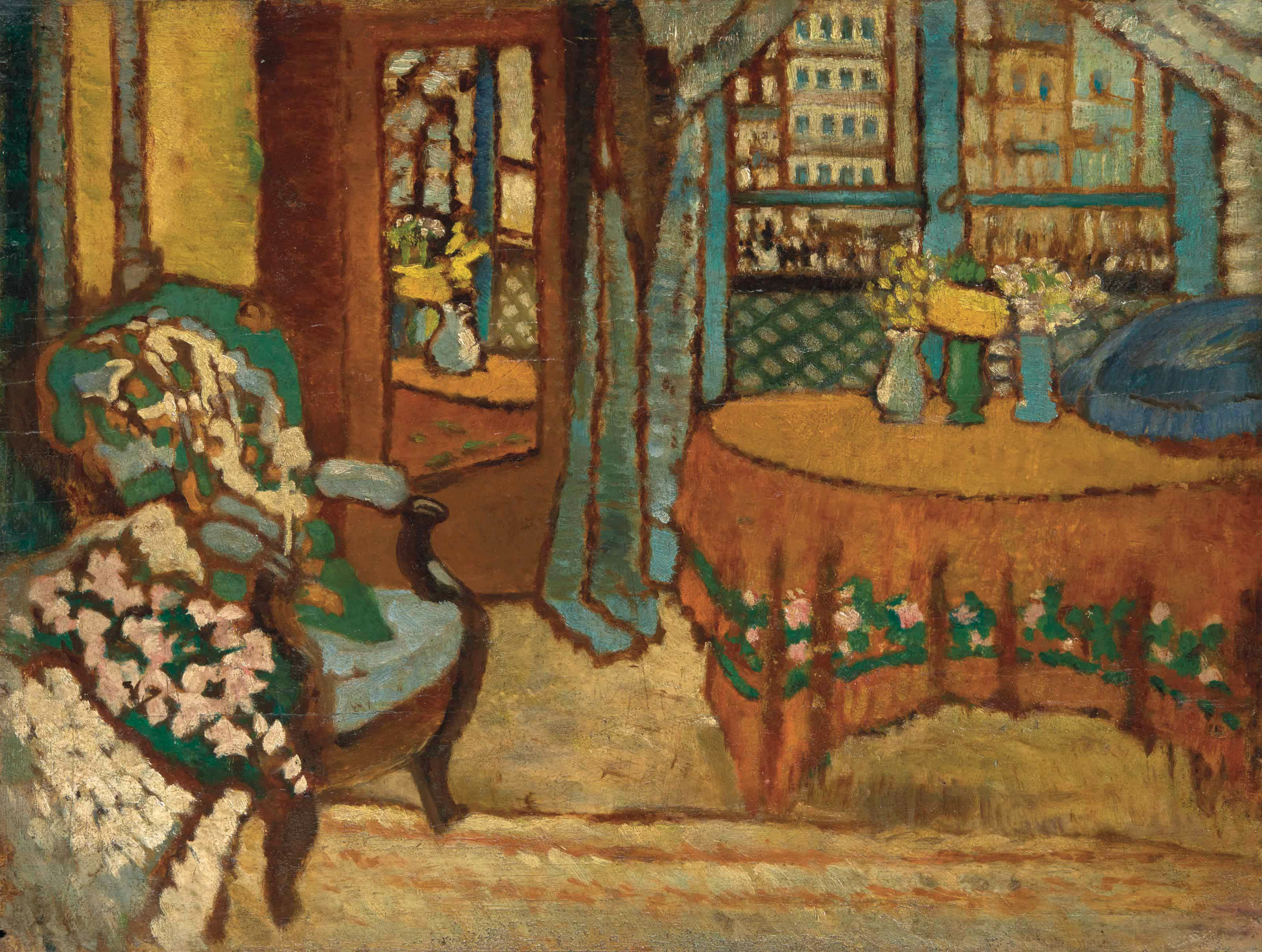
Interesting dark tones and colour contrasts.
![Screenshot_2018-11-13 2017_PAR_14131_0326_000(jozsef_rippl-ronai_interieur_dun_salon_parisien) jpg (JPEG Image, 3200 × 2413[...]](https://penwithlit.com/wp-content/uploads/2022/08/screenshot_2018-11-13-2017_par_14131_0326_000jozsef_rippl-ronai_interieur_dun_salon_parisien-jpg-jpeg-image-3200-c397-2413-1.jpg?w=580)
Image Source: Christie’s
József Rippl-Rónai (23 May 1861 – 25 November 1927) was a Hungarian painter who first introduced modern artistic movements in the Hungarian art.
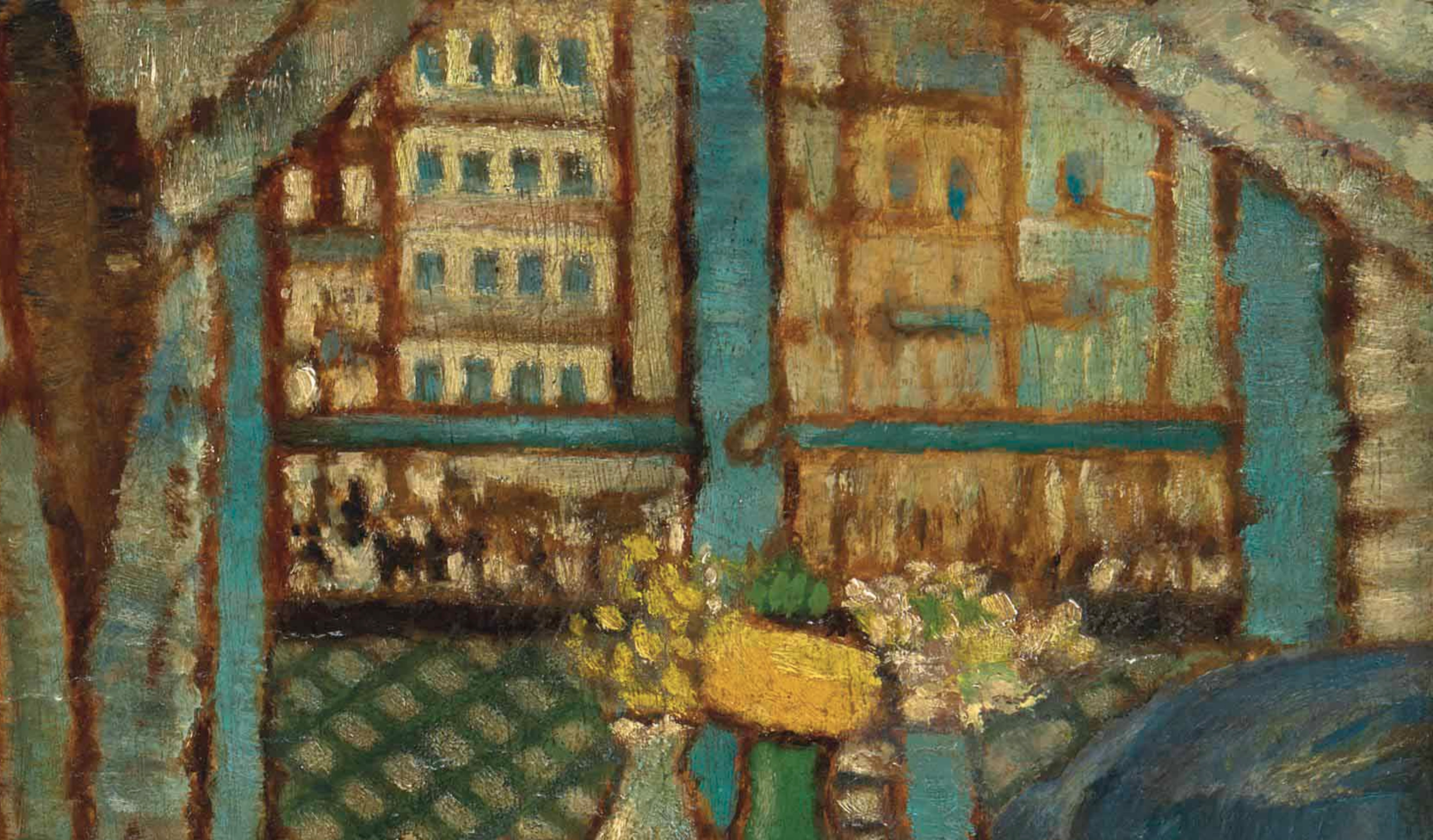
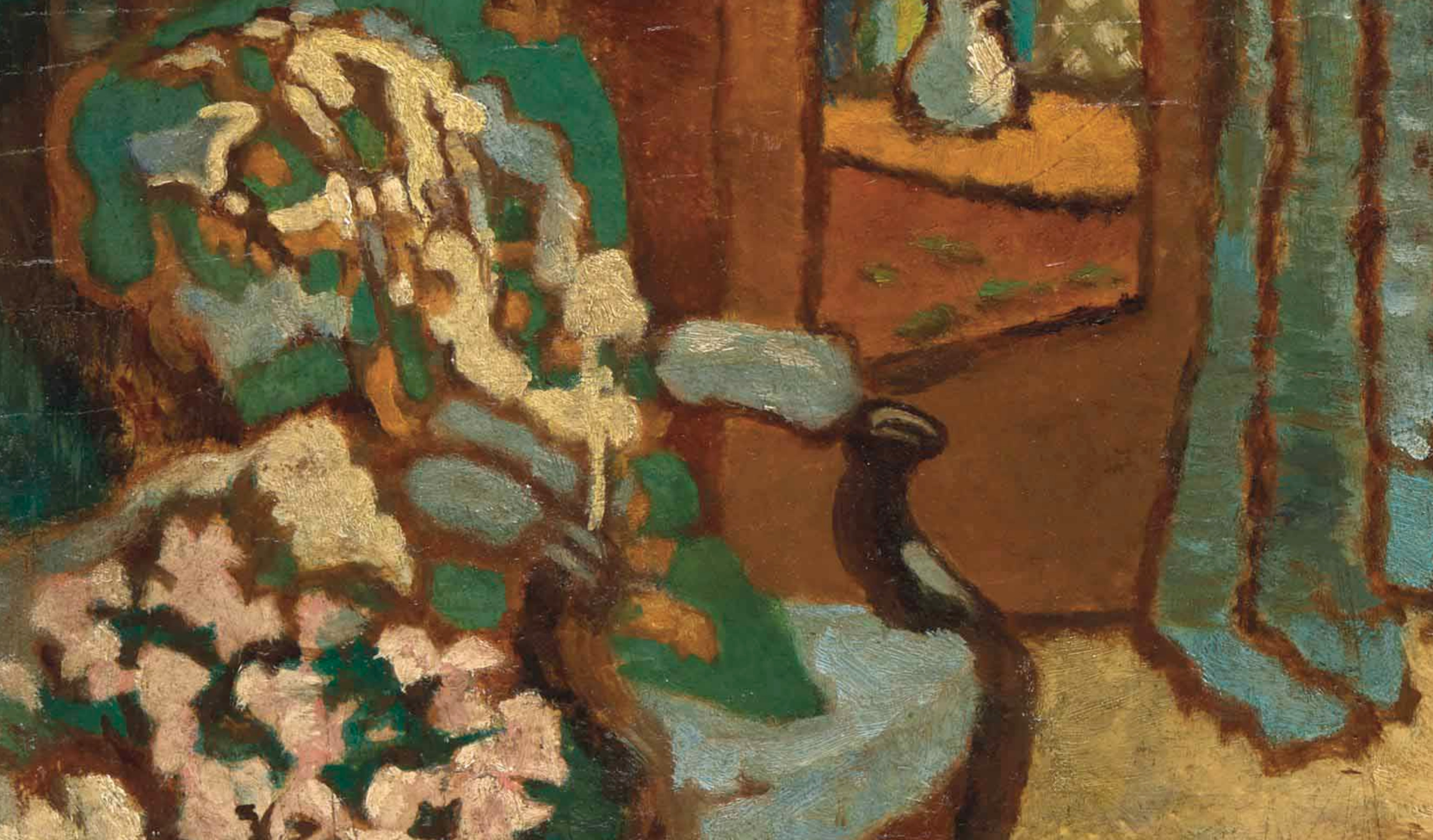
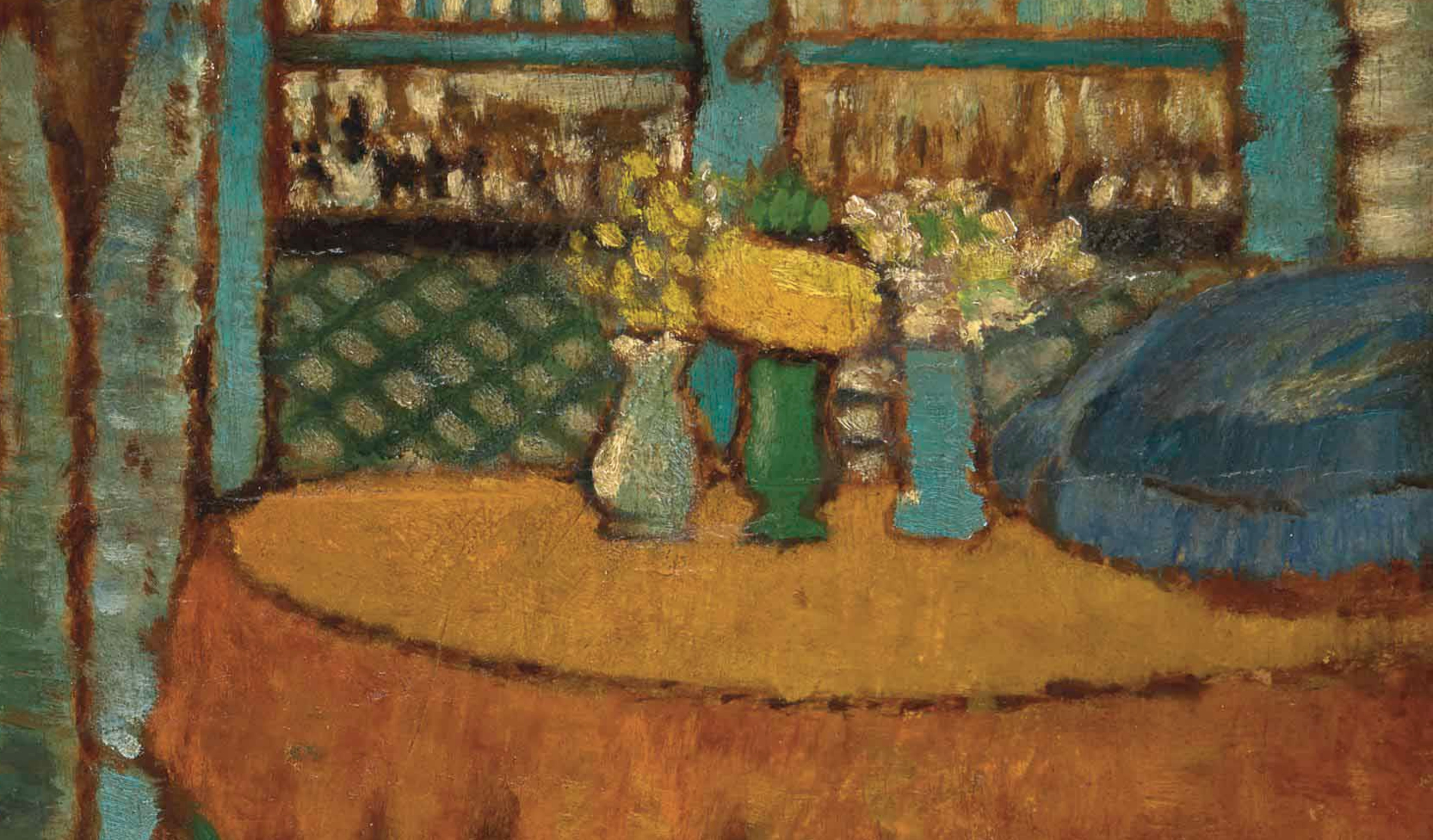
Click for Enlarged Detail
Slideshow best viewed At Sunnyside
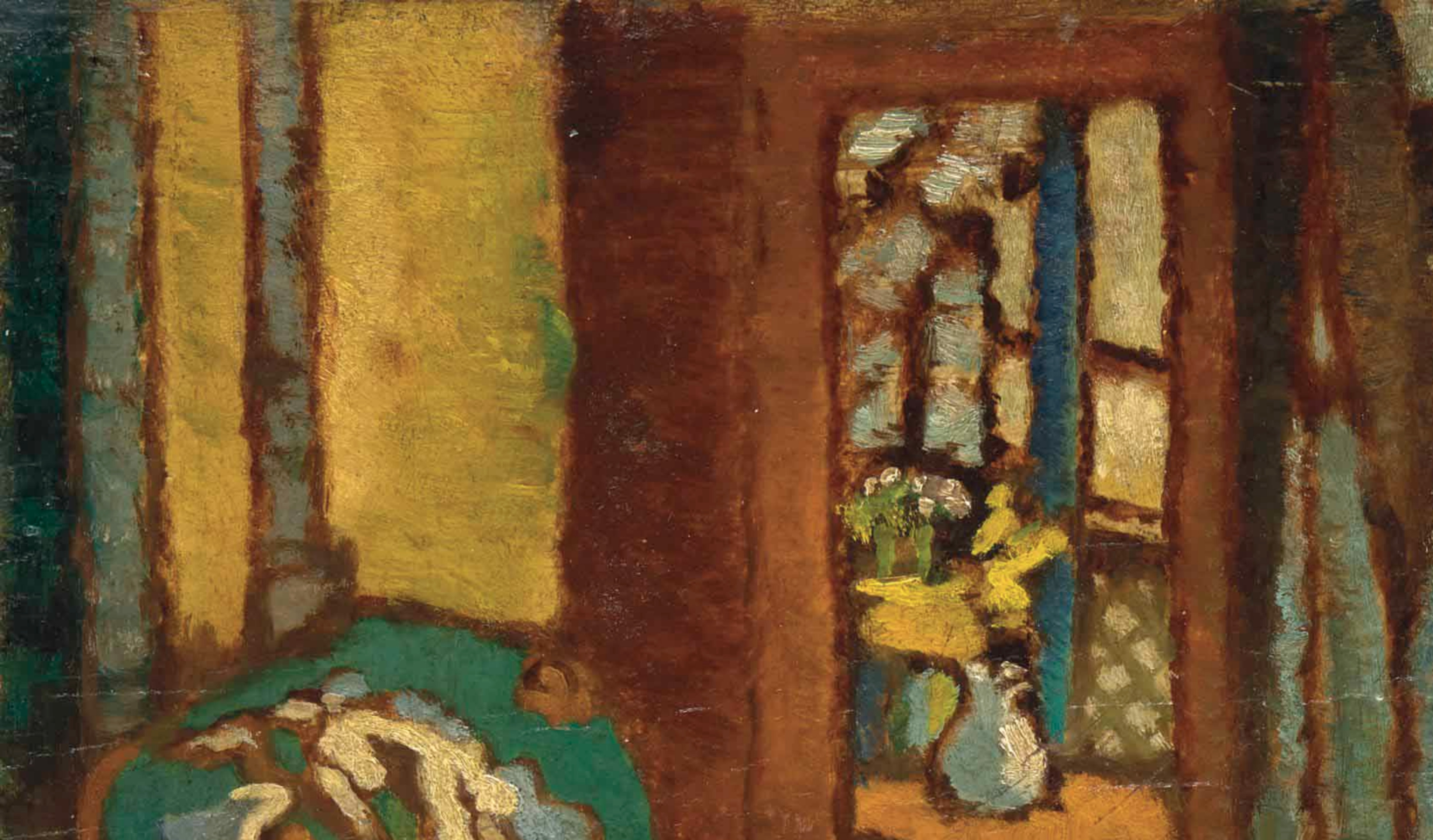
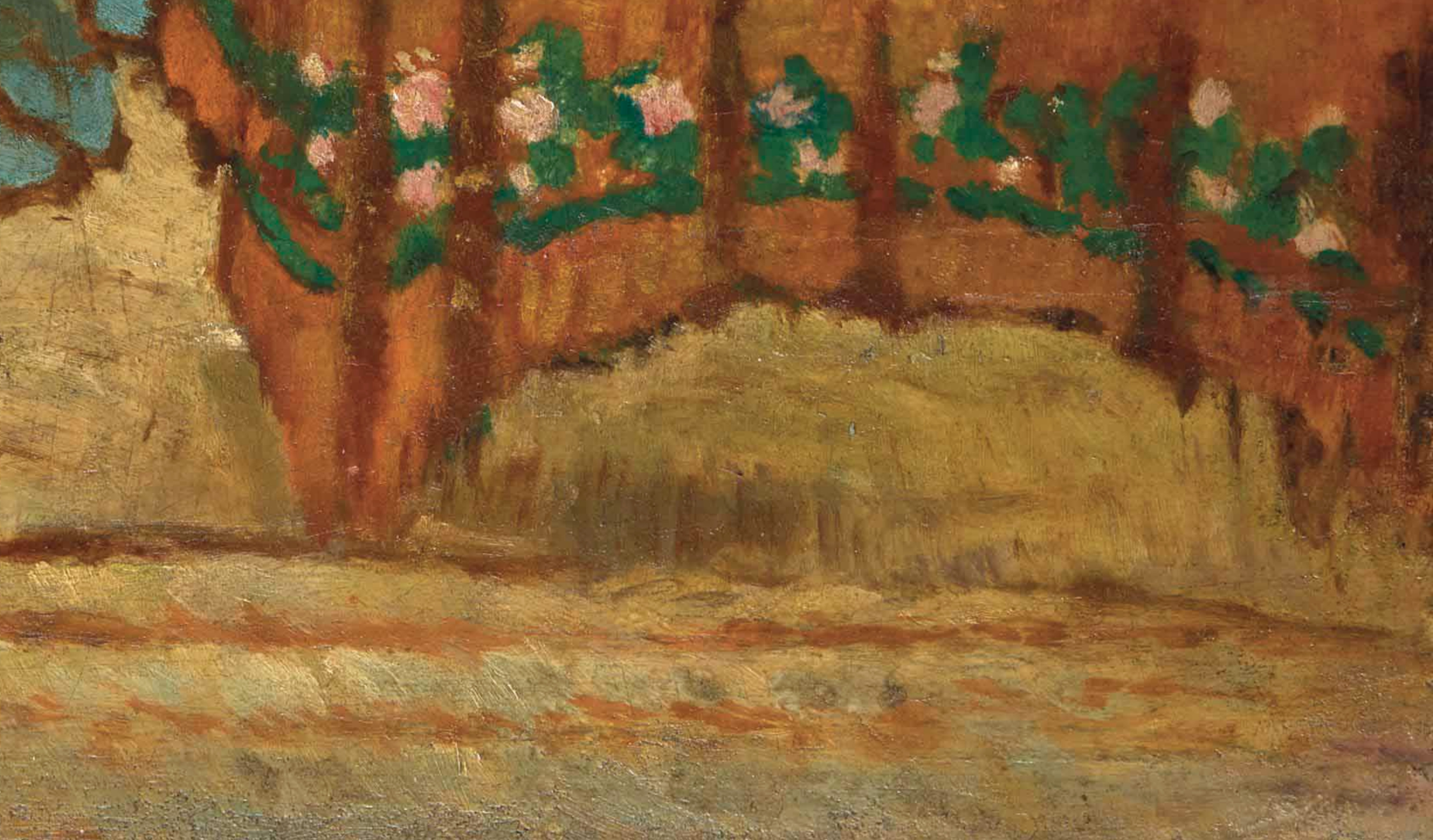
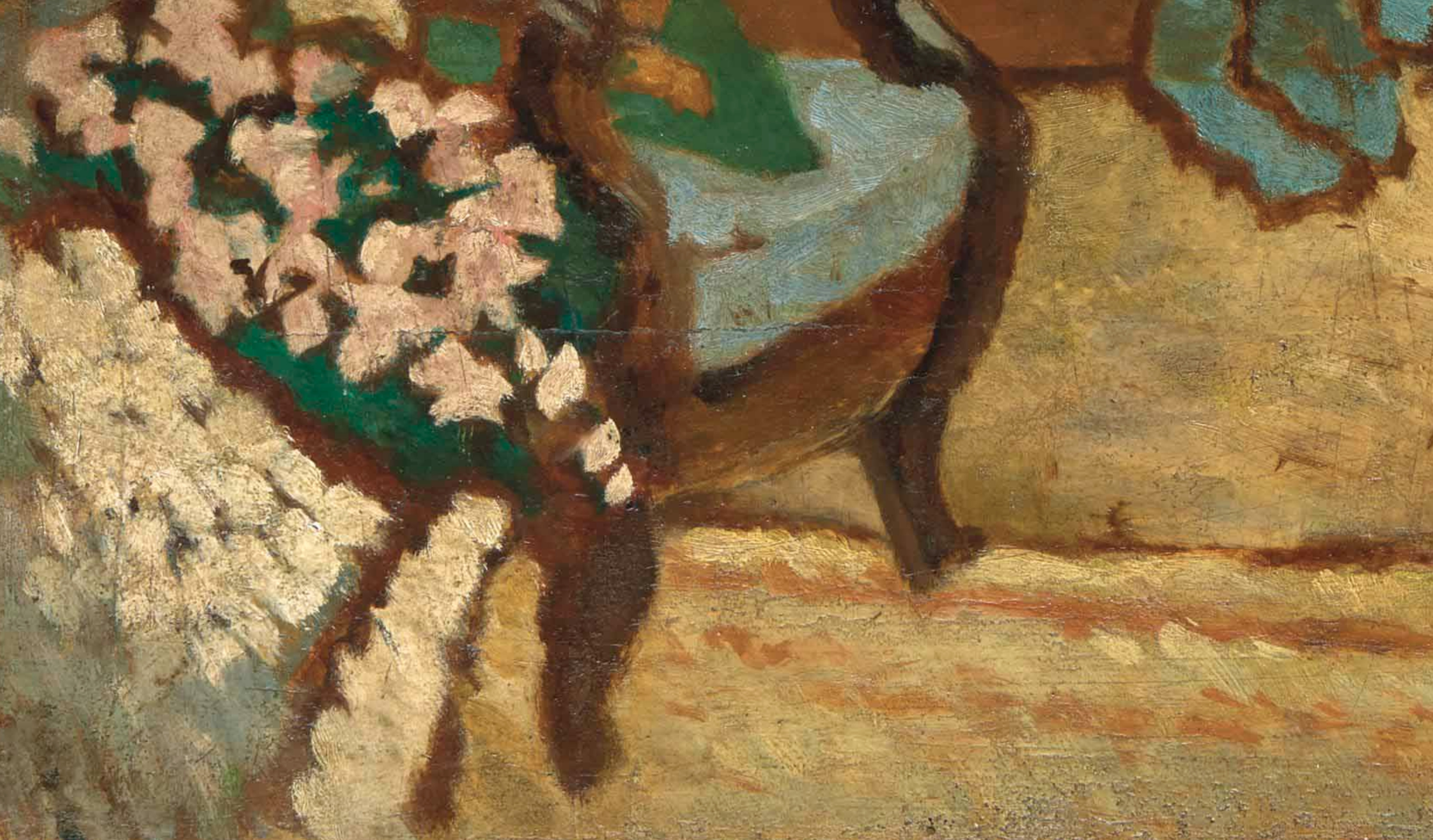
Read More
József Rippl-Rónai at wikiwand
See More
József Rippl-Rónai at wikimedia
József Rippl-Rónai at Fine Arts in Hungary,
- Paintings before 1893
- Paintings between 1893 and 1897
- Paintings between 1898 and 1904
- Paintings between 1905 and 1910
- Paintings between 1911 and 1919
- Paintings after 1919
Thanks for Visiting 🙂
~Sunnyside
McGough such an amiable fellow!
At a recent U3A meeting we looked at‘The Liverpool Poets’who were were/are a number of influential 1960s poets from Liverpool, England, influenced by 1950s Beat poetry. They were involved in the 1960s Liverpool scene that gave rise to The Beatles.
Their work is characterised by its directness of expression, simplicity of language, suitability for live performance and concern for contemporary subjects and references. There is often humour, but the full range of human experience and emotion is addressed.
The poets that are most associated with this label are Adrian Henri, Roger McGough and Brian Patten. They were featured in a 1967 book The Liverpool Scene edited by Edward Lucie-Smith, with a blurb by Ginsberg and published by Donald Carroll.
The anthology The Mersey Sound was published by Penguin in 1967, containing the poems of Adrian Henri, Roger McGough and Brian Patten, and has remained in…
View original post 517 more words
 penwithlit