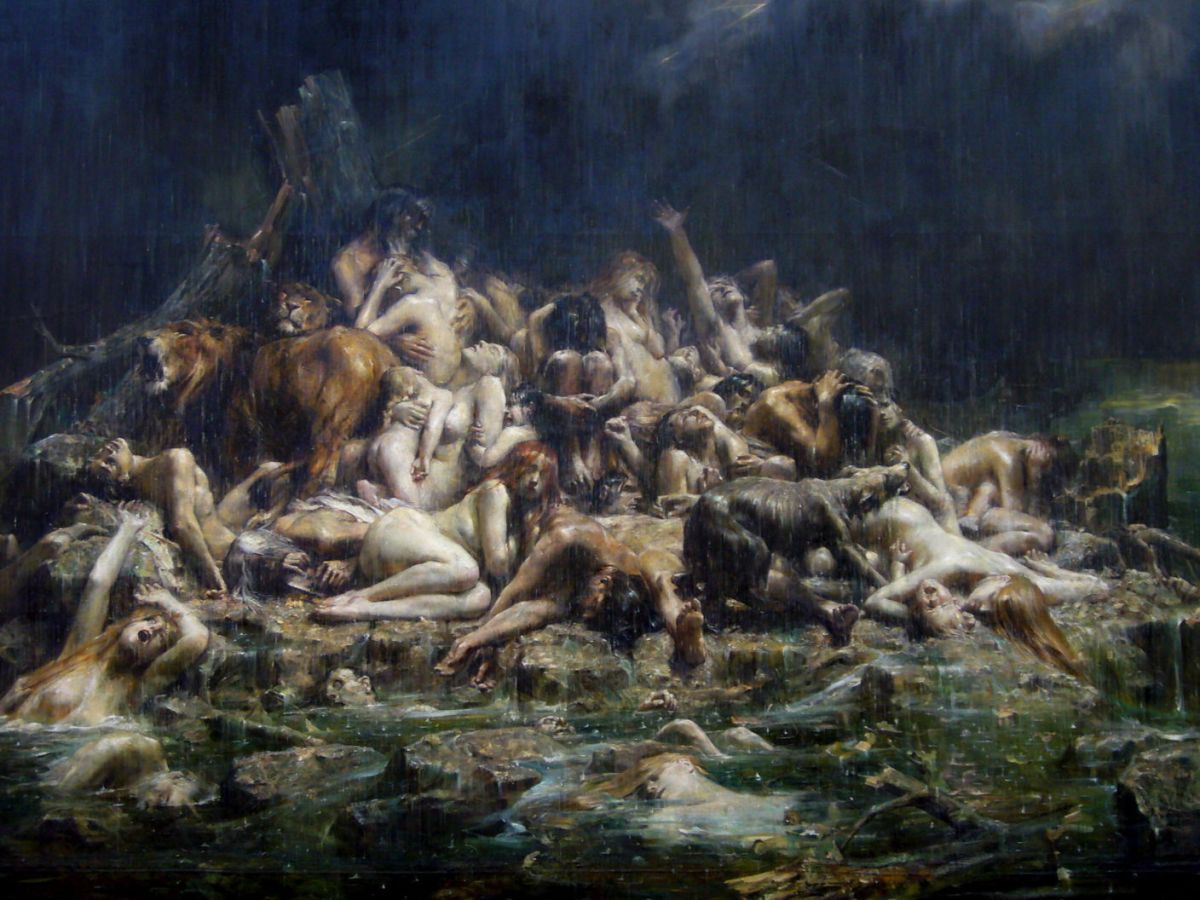
Some great images here.

In the first article of this series, I showed how reluctant European and American painters were to depict rainfall as oblique streaks down an image. There was no such reluctance among Japanese print makers like Utagawa Hiroshige, though.
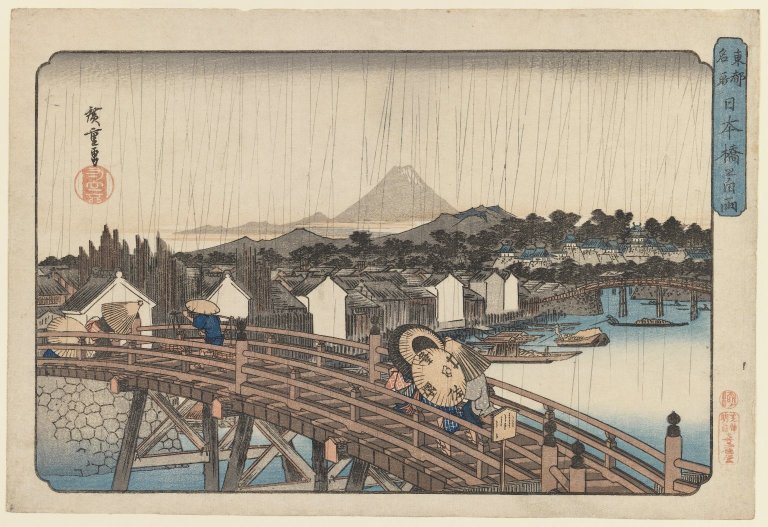 Utagawa Hiroshige (歌川広重) (1797–1858), Evening Shower at Nihonbashi Bridge (Edo, 1830-4), woodblock print, 26.2 × 38.7 cm, Brooklyn Museum, New York, NY. Wikimedia Commons.
These two woodblock prints by Hiroshige show how effective liberal use of rain streaks can be.
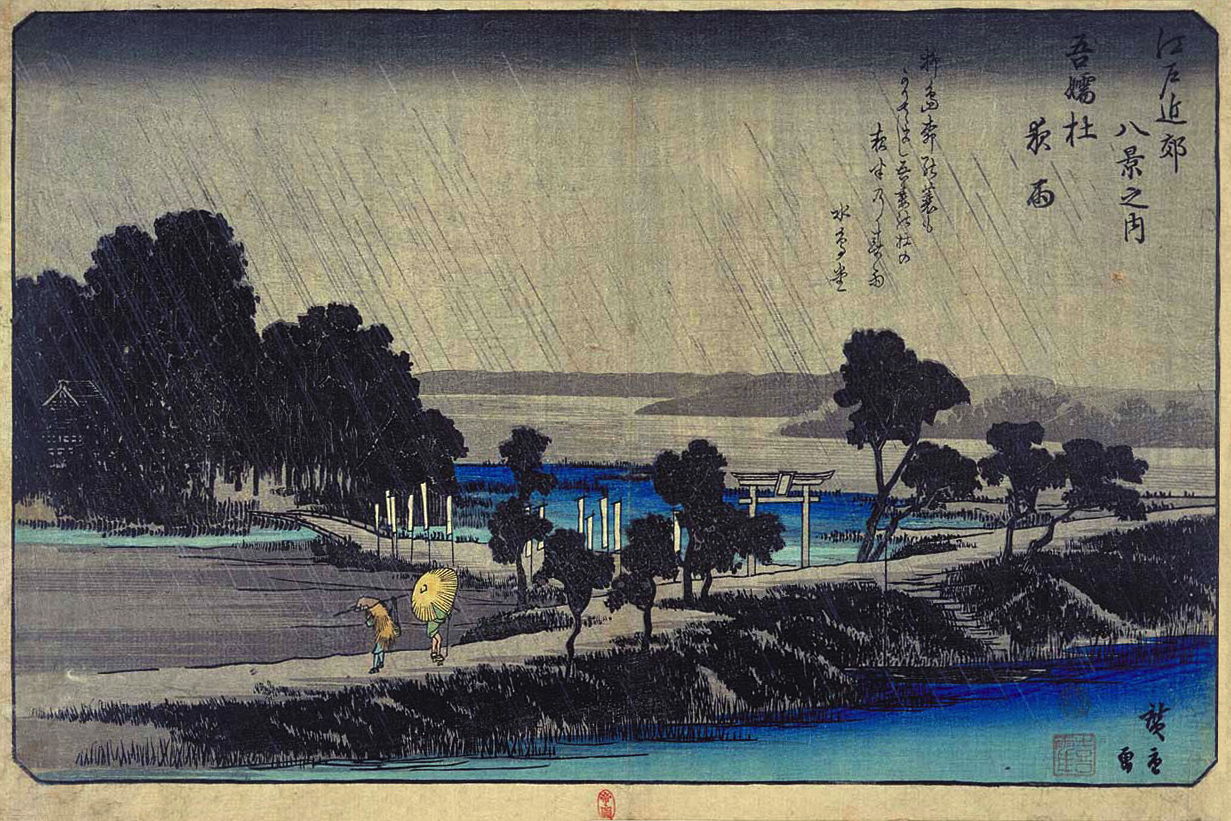 Utagawa Hiroshige (歌川広重) (1797–1858), Evening Rain at Azumi-no Mori (吾嬬杜夜雨) (Edo, 1837-8), woodblock print. Wikimedia Commons.
Among the European painters who saw and were inspired by Hiroshige’s Evening Rain at Azumi-no Mori was Vincent van Gogh.
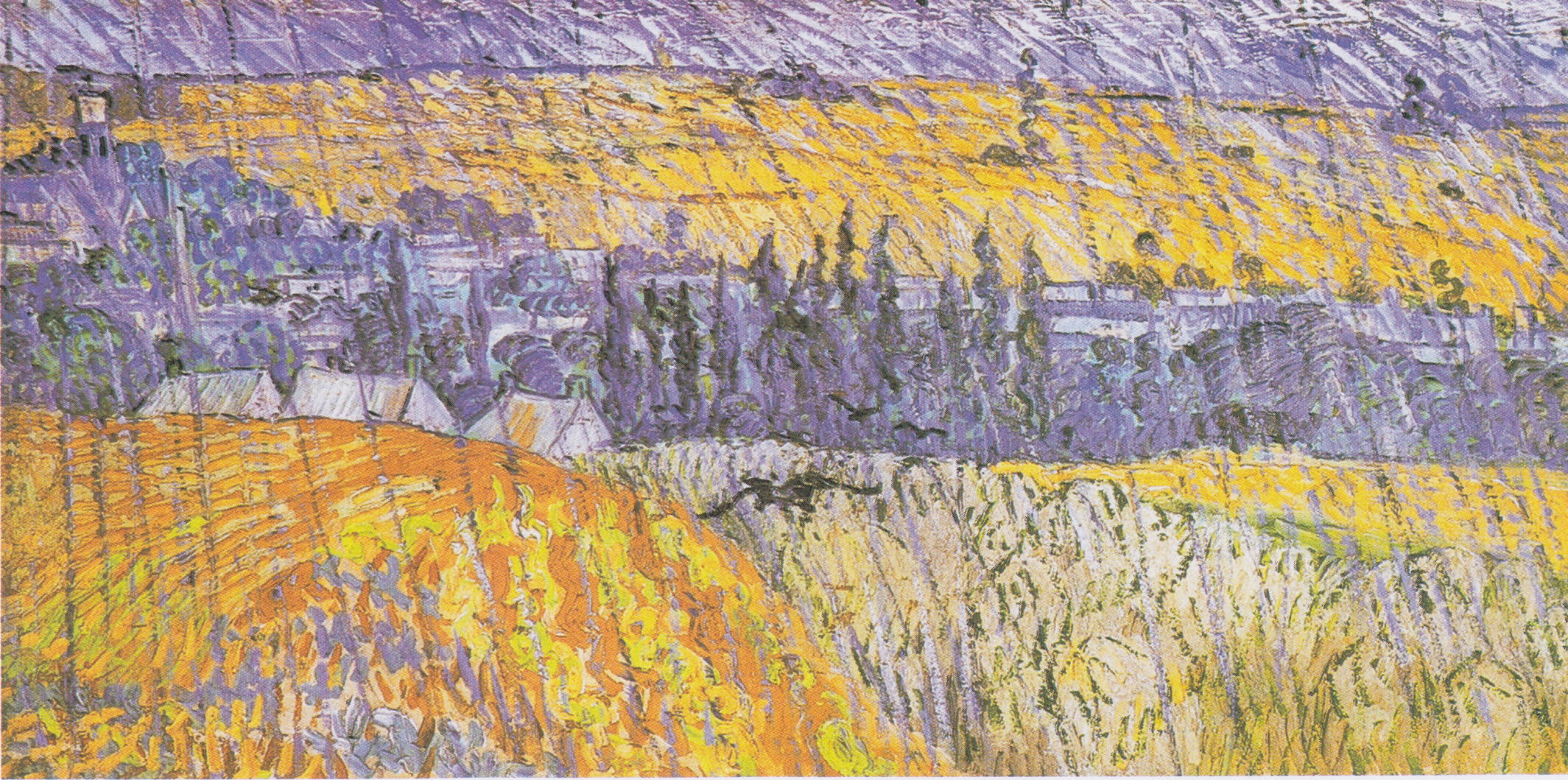 Vincent van Gogh (1853-1890), Rain – Auvers (1890), oil on canvas, 50.3 x 100.2 cm, National Museum of Wales, Cardiff, Wales. Wikimedia Commons.
Painted just a few days before his death, van Gogh’s Rain – Auvers
View original post 910 more words


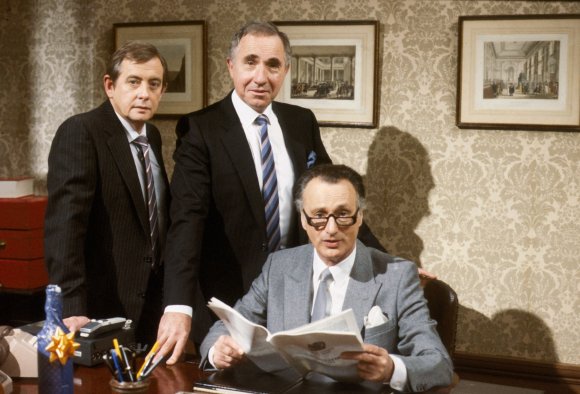 Bernard Woolley: “I’ll just say, ‘The Minister has asked me to thank you for your letter’ and something like ‘The matter is under consideration’, or even ‘under active consideration’.”


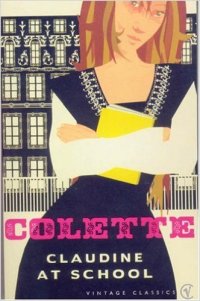 A major effect of my sequential twentieth century challenge is that reading in this way will inevitably take me outside the book itself as an isolated reading experience, and focus some attention on the time, culture and geography of its arising – and, I suspect, I shall happily be drawn into ‘biographical fallacy’ as there is always a life being lived (the author’s) in that time, culture and geography. And sat within the twenty-first century, it will no doubt be interesting to see how much we consider to be modern and new is of course, merely a spiral: specific manifestations may change, but the form remains the same
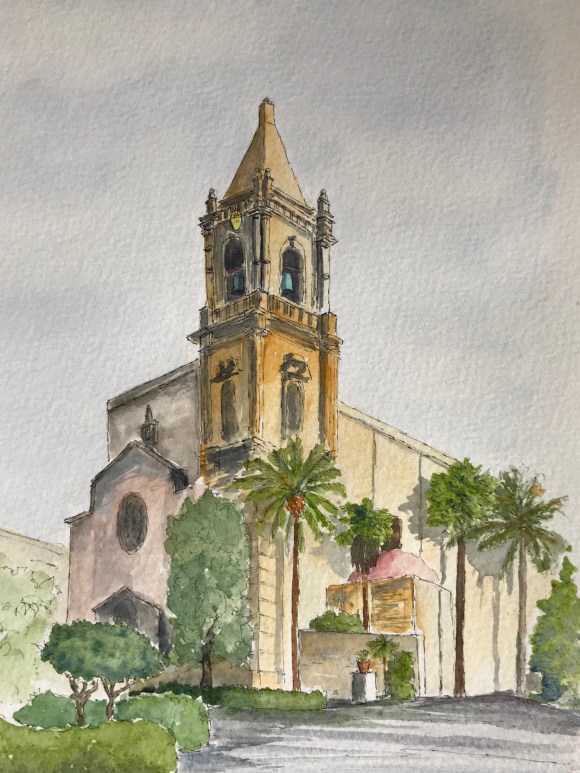 Bell tower of the Sanctuary of the Madonna of Trapani
 penwithlit