This sounds really thoughtful and interesting!

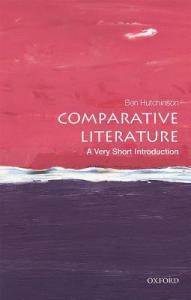 I can’t think of a better way to explain the complexities of the term ‘comparative literature’ than to quote the blurb for this book:
Comparative Literature is both the past and the future of literary studies. Its history is intimately linked to the political upheavals of modernity: from colonial empire-building in the nineteenth century to the postcolonial culture wars of the twenty-first century, attempts at “comparison” have defined the international agenda of literature. But what is comparative literature? Ambitious readers looking to stretch themselves are usually intrigued by the concept, but uncertain of its implications. And rightly so, in many ways: even the professionals cannot agree on a single term, calling it comparative in English, compared in French, and comparing in German. The very term itself, when approached comparatively, opens up a Pandora’s box of cultural differences.
Yet this, in a nutshell, is the whole point of comparative literature. To…
View original post 1,088 more words
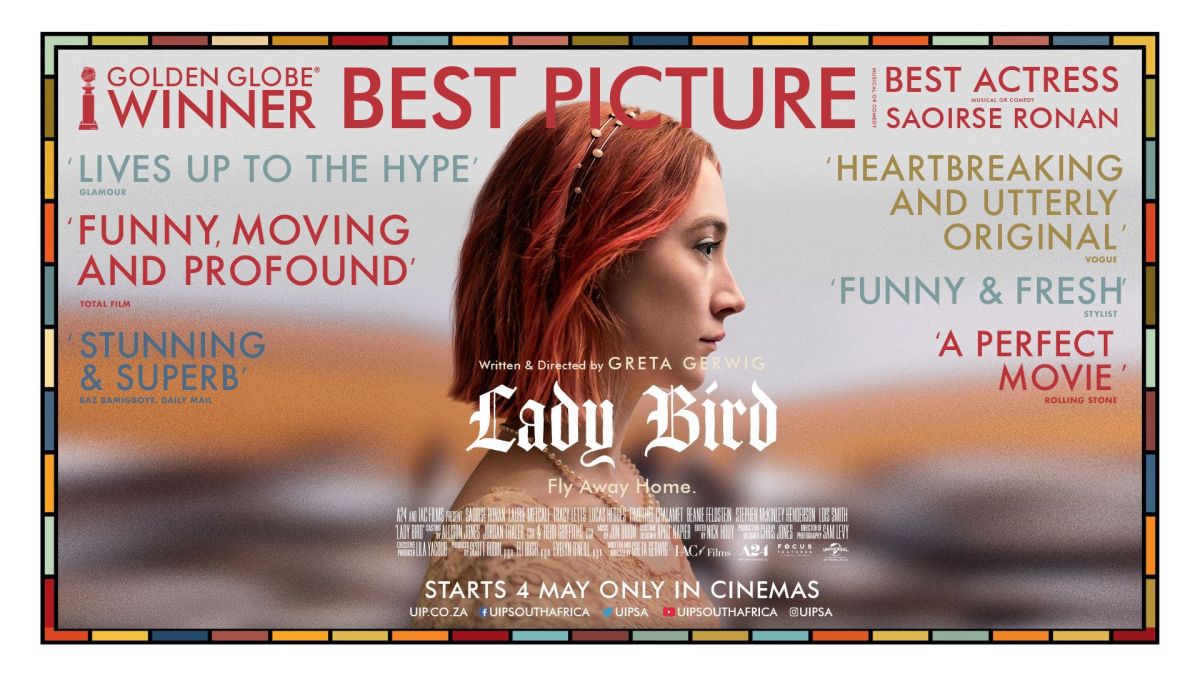

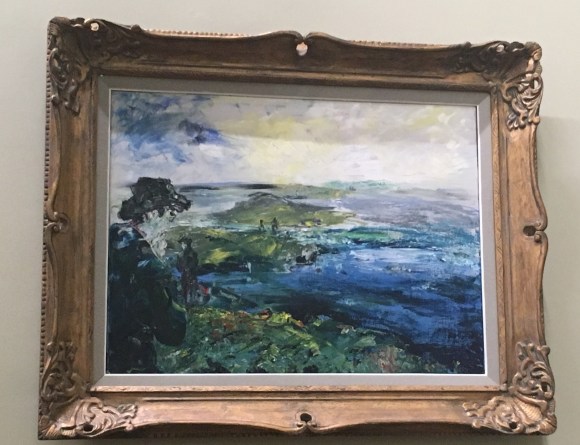 Many Ferries (1948)


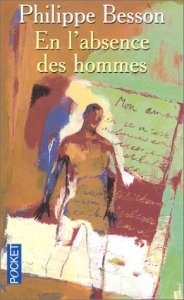 It has taken me ages and ages to read this book because it was a handbag book: I read it in coffee shops, in waiting rooms and on trains. I read it that way because I read the French edition, and I wanted to stop myself from consulting the dictionary every time I was stuck for a word. And even though this means I mainly read it at plot level and probably missed some of its nuances, I still loved reading it because it is a beautiful book.

 penwithlit