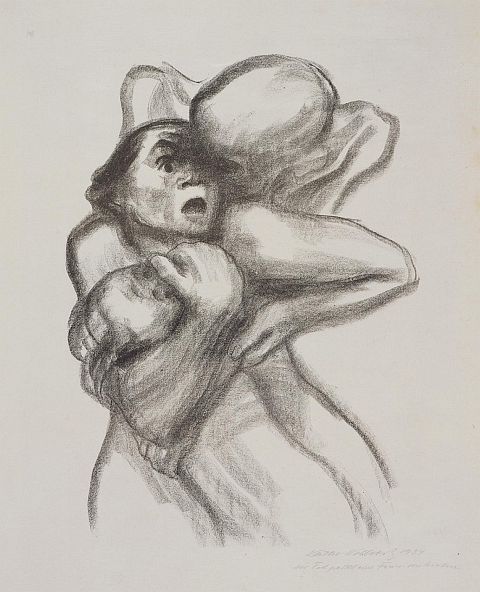
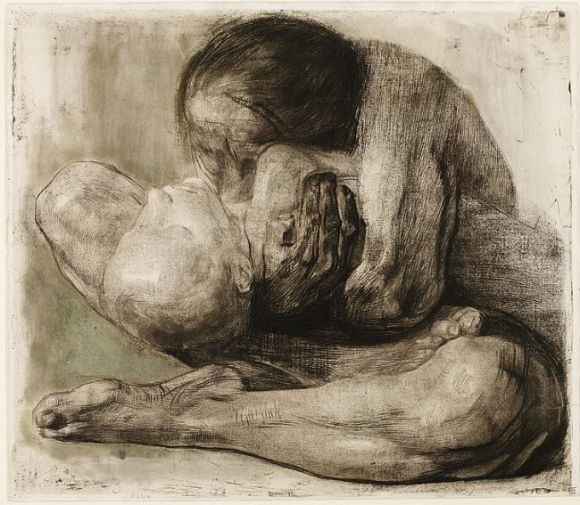
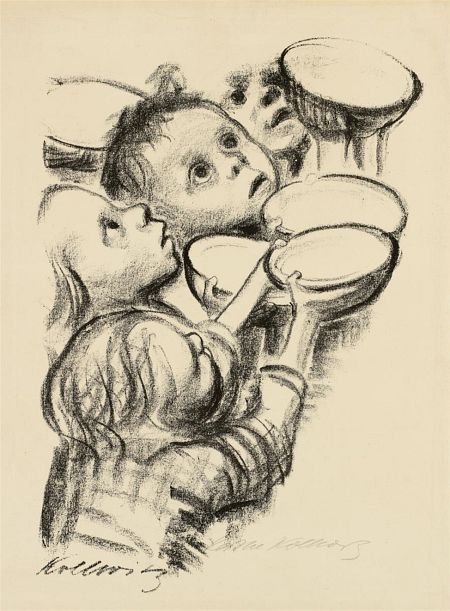
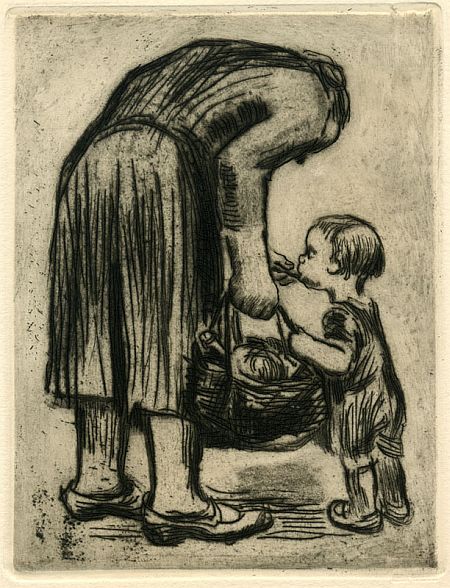
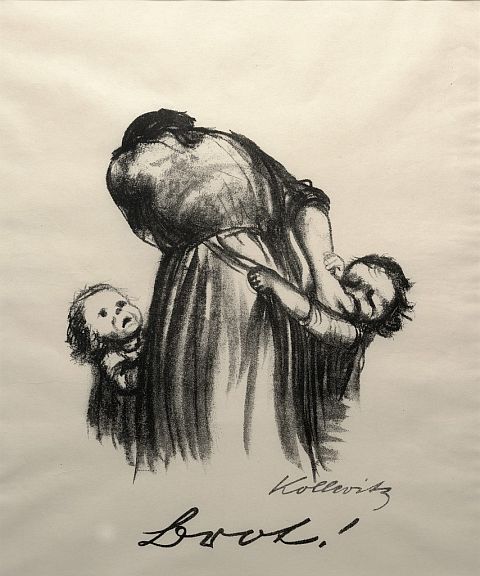
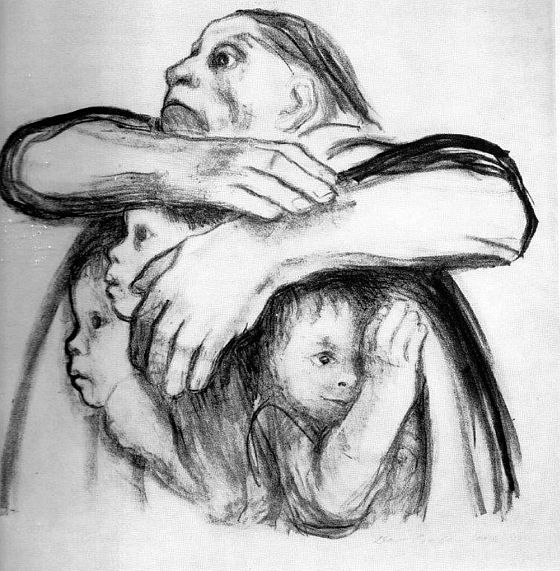
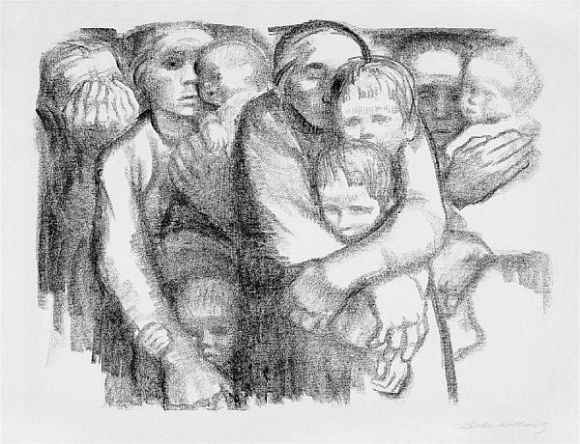
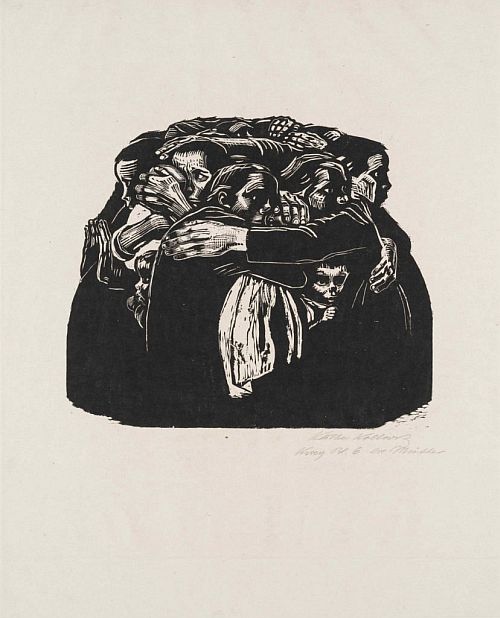
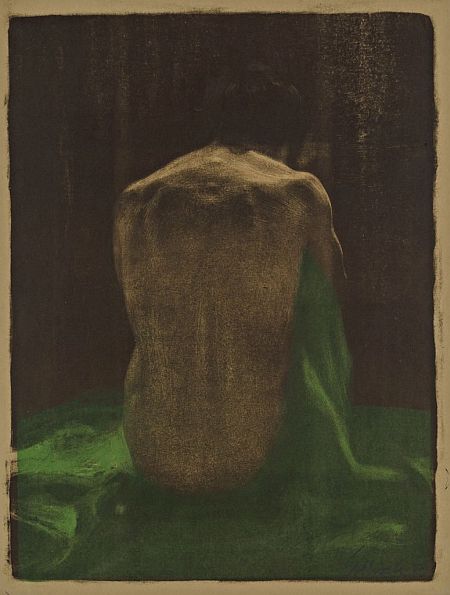
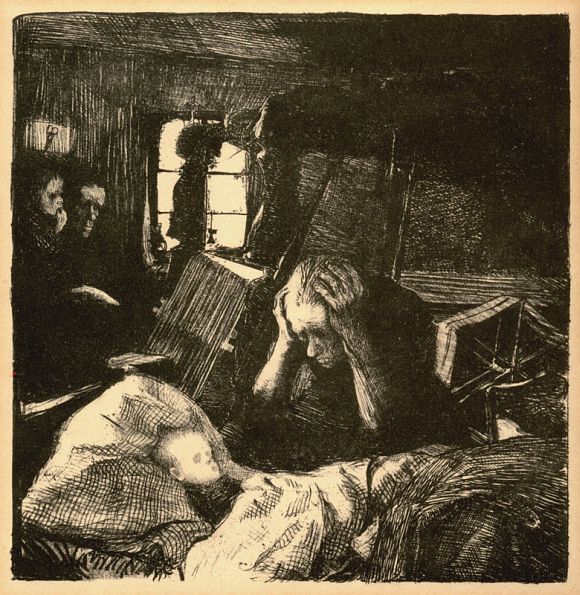
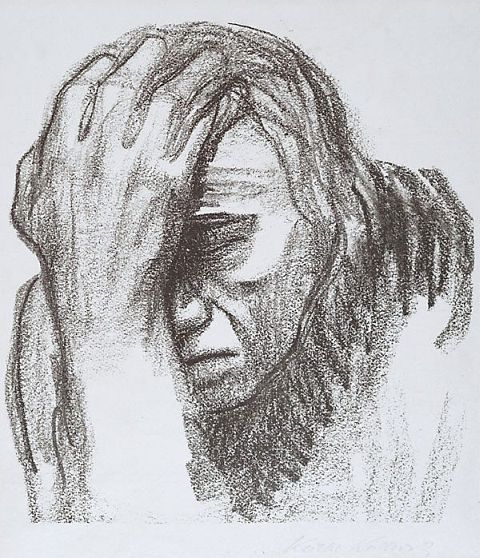
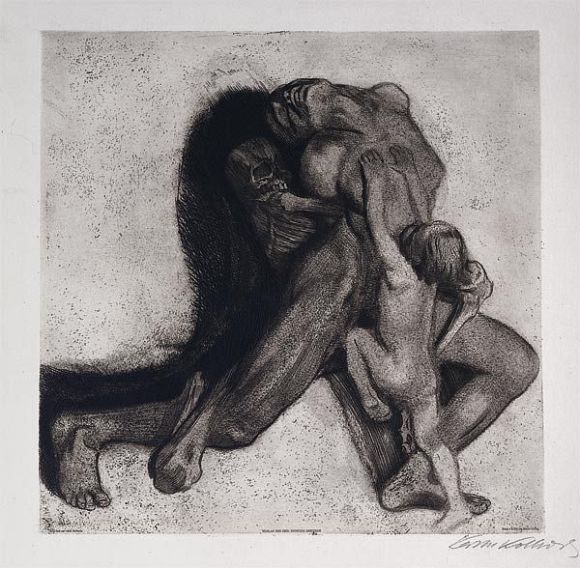
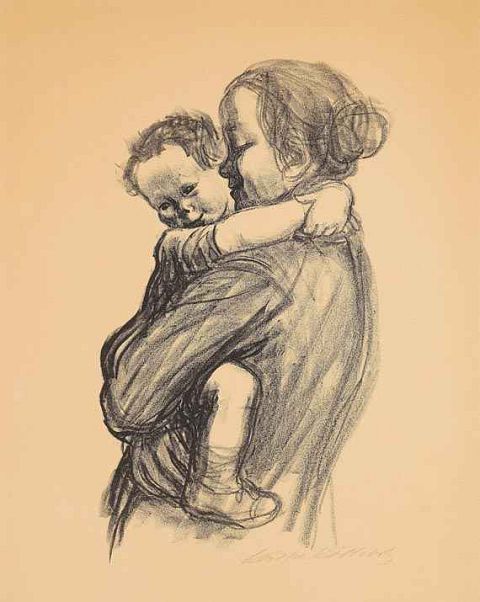
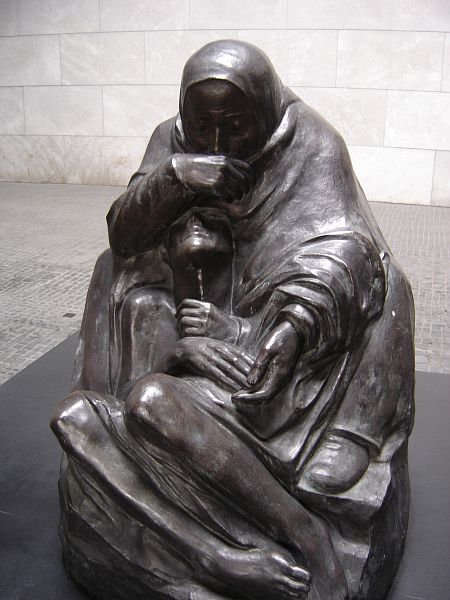
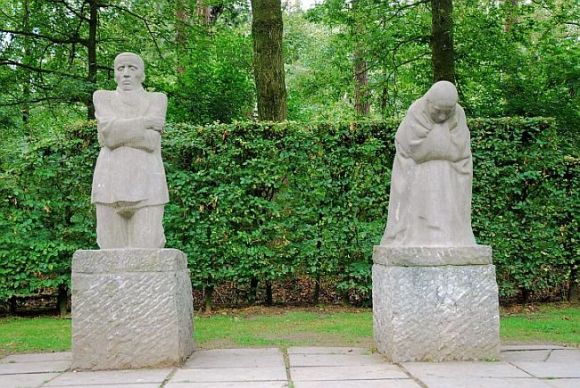
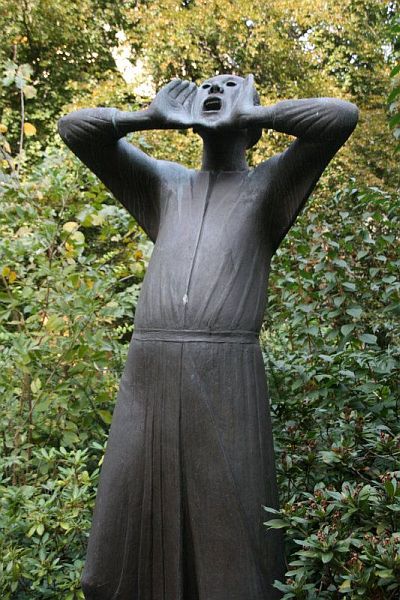
Kollwitz-always remarkable and wonderful charcoal sketches too!
Categories
Freelance writer and radio presenter
Kollwitz-always remarkable and wonderful charcoal sketches too!
Ain’t no sunshine when she’s gone
It’s not warm when she’s away
Ain’t no sunshine when she’s gone
And she’s always gone too long…Wonder this time where she’s gone
Wonder if she’s gone to stay
Ain’t no sunshine when she’s gone
And this house just ain’t no home
Anytime she goes away
Wonder this time where she’s gone
Wonder if she’s gone to stay
Ain’t no sunshine when she’s gone
And this house just ain’t no home
Anytime she goes away
This song has been in the background of the Kaffeehaeuser -and I like that term-as I sometimes, in my Walter Mitty manner, like to imagine Penzance as a sort of Vienna. Sometimes the conversation feels as good as that in the heyday of the Cafe Central! As the darkness of twilight looms with the storm clouds and the sense of life’s losses becomes more a melancholy nostalgia. Outside the colours of the sky are glorious and then the song begins with its evocative repetition of the third verse:-
And I know, I know, I know, I know,
I know, I know, I know, I know, I know
I know, I know, I know, I know, I know
I know, I know, I know, I know, I know
I know, I know, I know, I know, I know
I know, I know,
Hey, I oughtta leave young thing alone
But ain’t no sunshine when she’s gone
The only other song that seems to have a similar effect is, of course, Stormy Weather, which once brought tears to my eyes in -banal and bathetic note– Pizza Express in Truro!
Ain’t no sunshine when she’s gone
Only darkness every day
Ain’t no sunshine when she’s gone
And this house just ain’t no home
Anytime she goes away
Anytime she goes away
Anytime she goes away
Anytime she goes away
The song is so popular that there is naturally a detailed note about its origins back in 1971 on https://en.wikipedia.org/wiki/Ain%27t_No_Sunshine

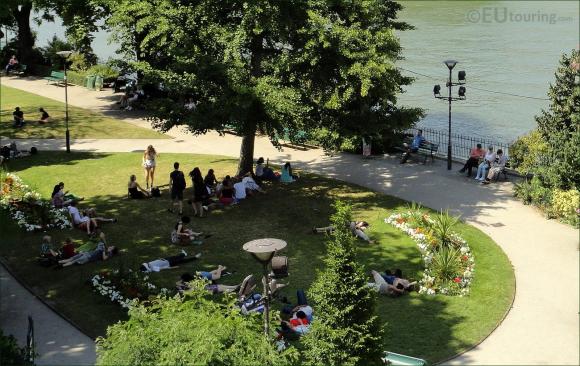
A photo of many people relaxing on the shade provided on Square du Vert Galant, with the sound of the river on either side.
See more Paris photos at www.eutouring.com/images_square_du_vert_galant.html
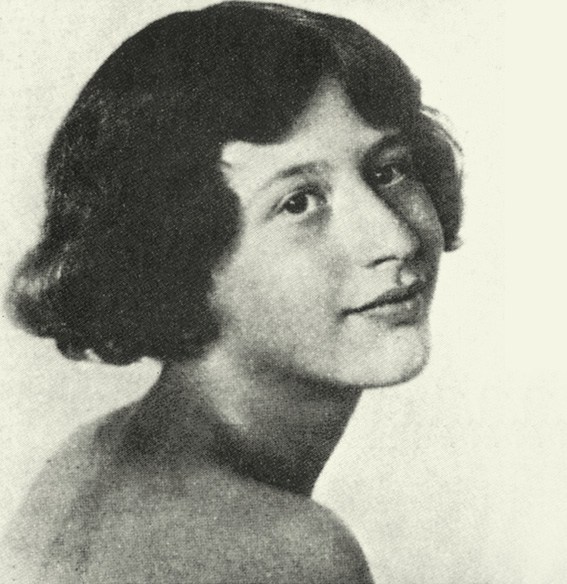 Although people seem to be unaware of it today, the development of the faculty of attention forms the real object and almost the sole interest of studies. Most school tasks have a certain intrinsic interest as well, but such an interest is secondary. All tasks that really call upon the power of attention are interesting for the same reason and to an almost equal degree. ( On the right use of School Studies with a view to the Love of God)
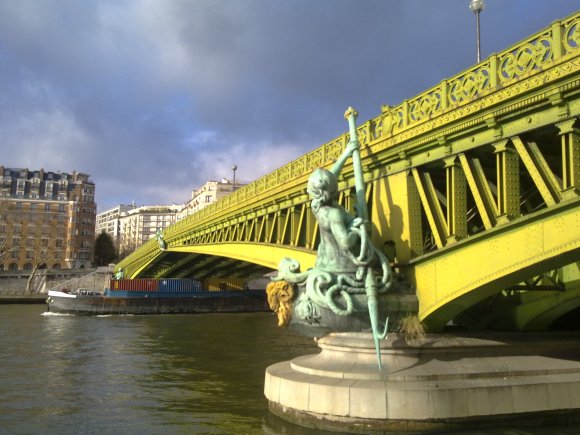
Le Pont Mirabeau
Sous le pont Mirabeau coule la Seine
Et nos amours
Faut-il qu’il m’en souvienne
La joie venait toujours après la peine.
Vienne la nuit sonne l’heure
Les jours s’en vont je demeure
Les mains dans les mains restons face à face
Tandis que sousLe pont de nos bras passe
Des éternels regards l’onde si lasse
Vienne la nuit sonne l’heure
Les jours s’en vont je demeure
L’amour s’en va comme cette eau courante
L’amour s’en va Comme la vie est lente
Et comme l’Espérance est violente
Vienne la nuit sonne l’heure
Les jours s’en vont je demeure
Passent les jours et passent les semaines
Ni temps passé
Ni les amours reviennent
Sous le pont Mirabeau coule la Seine
Guillaume Apollinaire (1912)
There is a translation at https://www.talkinfrench.com/french-poems-english-translations/
I was recently looking at the poetic association of trams and have just come across this poem about a trolley bus from https://sites.google.com/site/poetryandtranslations/various/trolleybus-v-tsoi
My place is on the left and I must go to my seat
I don’t get why they never turn on the heat
Don’t know my neighbor, though it’s now been a year
And we’re sinking, although shallow water is near
And we stare at the ceiling, with a hopeful unease,
On the old trolley-bus that is traveling east
On the old trolley-bus that is traveling east
On the old trolley-bus…
All people are brothers, we’re all six degrees…
And nobody knows why we’re traveling east
My neighbor can’t take it, he wants to break free
But he cannot escape, he doesn’t know where to flee
So we sit and we wonder if we’ll find our peace
On the old trolley-bus that is traveling east
The bus keeps on driving through the driver has fled
And the engine is rusty but we’re moving ahead
And we’re holding our breath, as we stare at the night
Where, for a moment, a star was lit bright
We stay silent, we know that the reason for this
Is the old trolley-bus that is traveling east…
By Victor Tsoi
Translation by Andrey Kneller
In the original Russian:-
Мое место слева, и я должен там сесть,
Не пойму, почему мне так холодно здесь,
Я не знаком с соседом, хоть мы вместе уж год.
И мы тонем, хотя каждый знает, где брод.
И каждый с надеждой глядит в потолок
Троллейбуса, который идет на восток.
Троллейбуса, который идет на восток.
Троллейбуса, который…
Все люди – братья, мы – седьмая вода,
И мы едем, не знаю, зачем и куда.
Мой сосед не может, он хочет уйти,
Но он не может уйти, он не знает пути,
И вот мы гадаем, какой может быть прок
В троллейбусе, который идет на восток.
В кабине нет шофера, но троллейбус идет,
И мотор заржавел, но мы едем вперед,
Мы сидим не дыша, смотрим туда,
Где на долю секунды показалась звезда,
Мы молчим, но мы знаем, нам в этом помог,
Троллейбус, который идет на восток.
Viktor Robertovich Tsoi was a Soviet-Korean singer and songwriter who co-founded Kino, one of the most popular and musically influential bands in the history of Russian music. Born and raised in Leningrad, Tsoi started writing songs as a teenager.

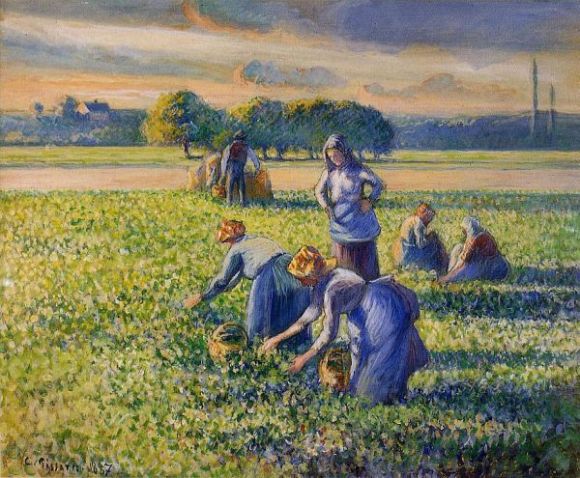
A painting by impressionist master CAMILLE PISSARRO that was seized from its French Jewish owner during World War II is at the center of a court battle beginning Tuesday in Paris after surfacing at an exhibition.
“La Cueillette des Pois” (Picking Peas), a gouache from 1887, emerged earlier this year on display at the French capital’s Marmottan Museum, more than 70 years after being snatched from art collector Simon Bauer in Nazi-occupied France.
A court will on Tuesday begin examining who are the rightful owners — Bauer’s descendants or an American couple who say they had no idea as to its wartime fate when they bought it at auction in 1995.
Bauer, a self-made businessman, was among the thousands of French Jews who were rounded up for deportation in 1944. He narrowly escaped being sent to the Nazi death camps due to a train drivers’ strike.
Read full article HERE
View original post 1 more word
Interesting as this seems to chime in with Niall Ferguson’s new book about the power of secret elites. It also is evidence of British imperialism in the resulting consequences of 1917.

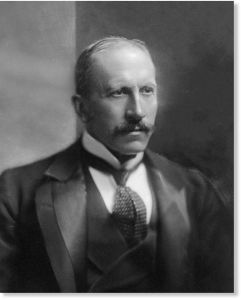
In a sense it was Gallipoli all over again. Hold the Russians fast to the war without allowing them to gain anything from their mammoth contribution. Until the United States entered the war and her troops were on the ground in Europe, Russian troops were valuable, but Russia could not be allowed to share the spoils when the ultimate victory had been secured. It was absolutely essential that the Czar be prevented from mounting a successful offensive in 1917. An Allied conference in St Petersburg was hastily arranged, theoretically to discuss the proposed offensive, reach an agreement to supply vital armaments and boost local morale. Step forward Alfred Milner, undisputed master of the Secret Elite, to lead the British delegation. According to Cabinet papers, Milner was ‘authorised to give assurances on supplies to Russia if in his estimation the Russians could make good use of them’. [1] What power. Armament…
View original post 2,229 more words




 penwithlit