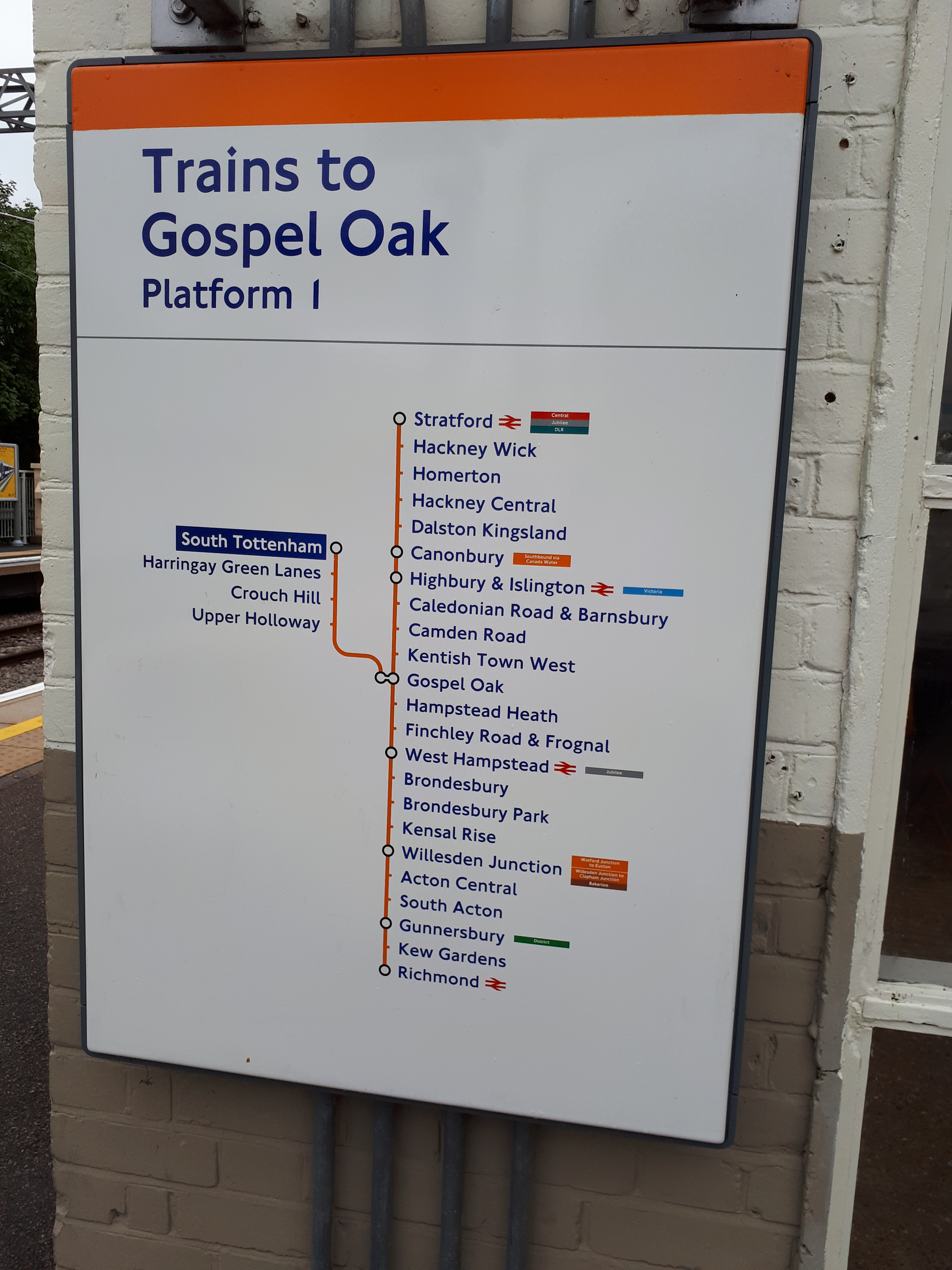
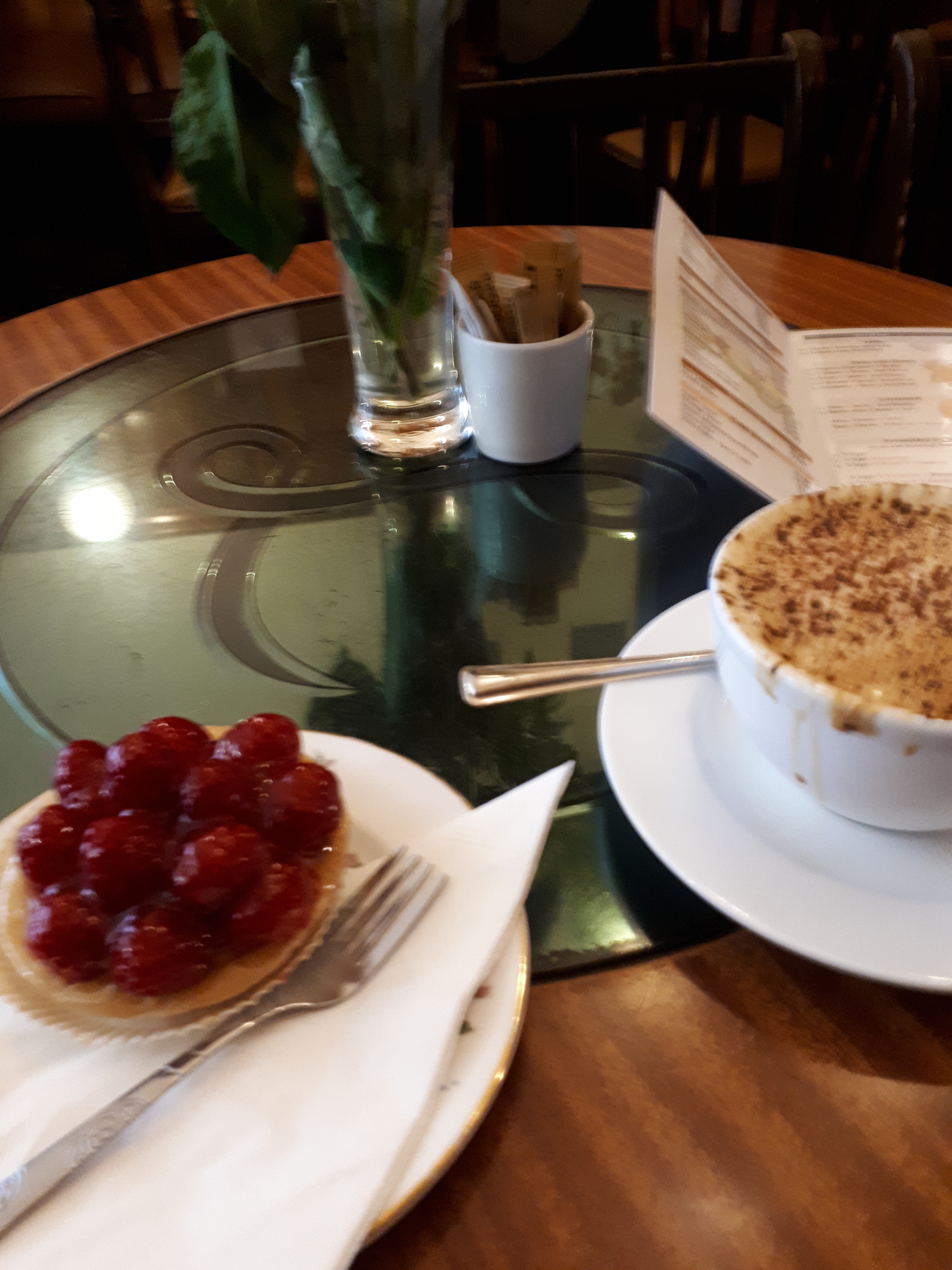
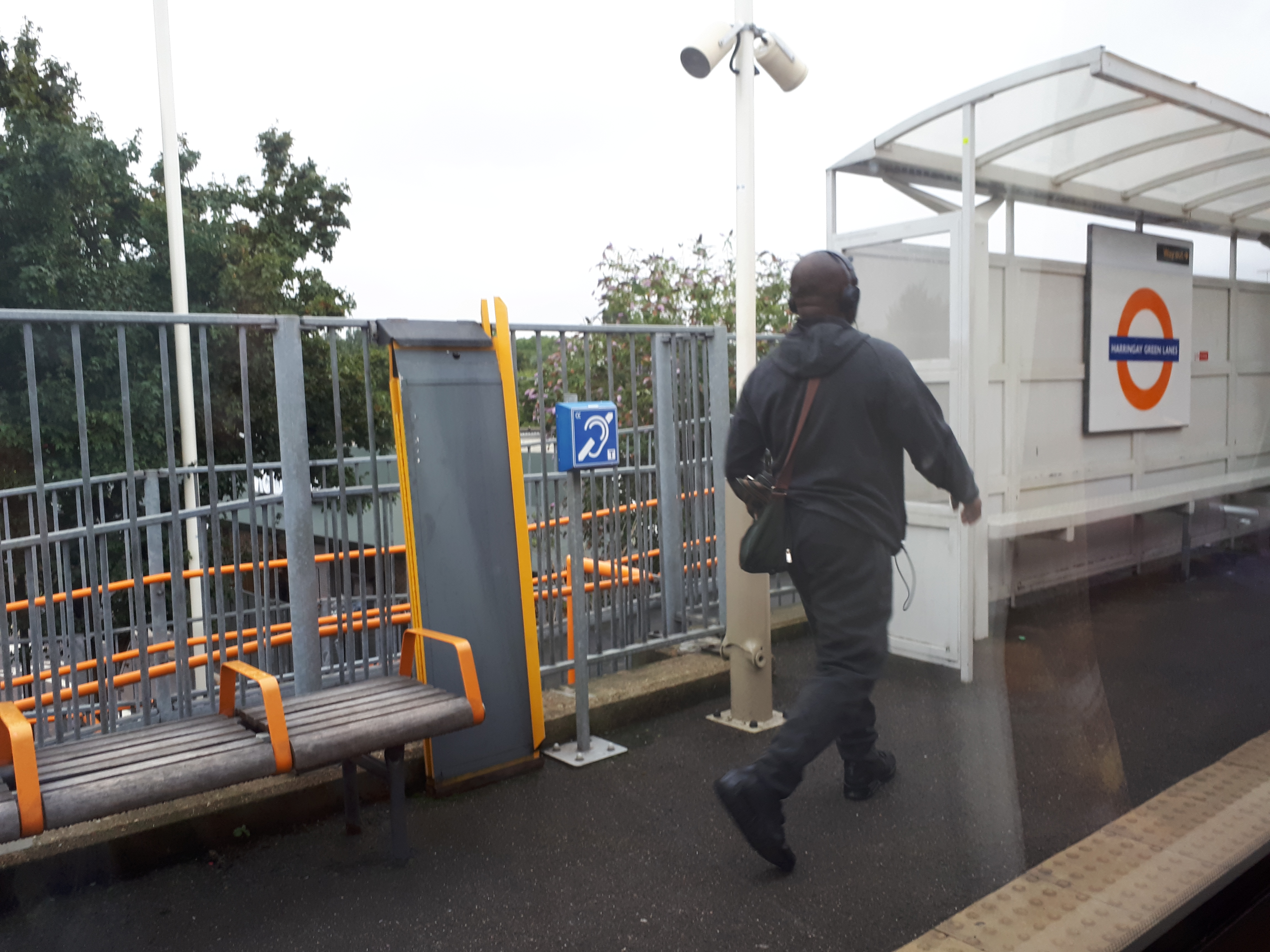
Its less noisy than the underground and gives you some idea of the layout of North London. Especially from South Tottenham to Hampstead. It also seems quite quick and one could easily imagine Betjeman getting lyrical and informative about it. Only the bookshops might prove expensive -I found a nice anthology by Grigson -“The Cherry Tree” and a biography of Byron by Frederick Raphael-quite a combination. Excellent Oxfam bookshop and Louis coffeehouse-now Polish instead of Hungarian.
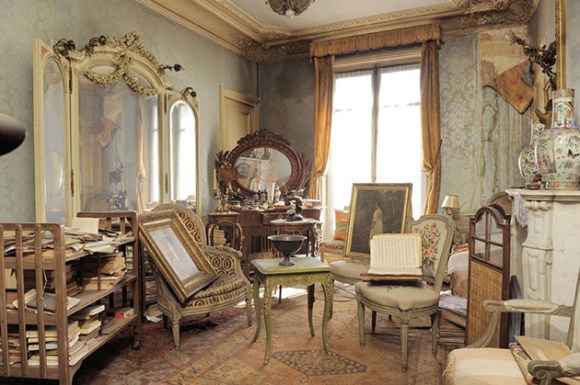
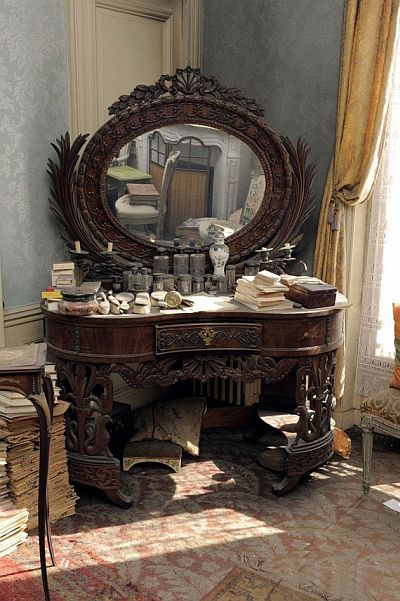
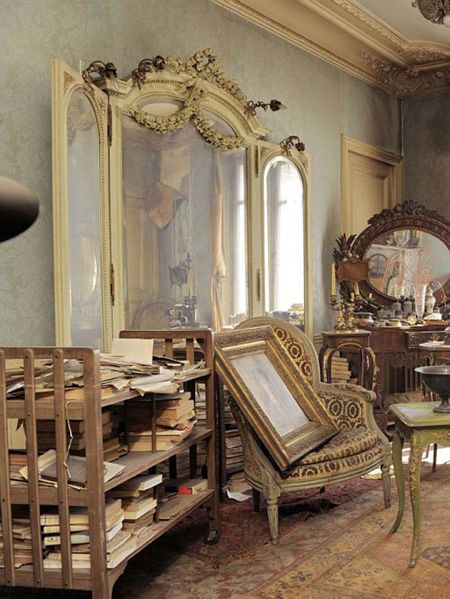
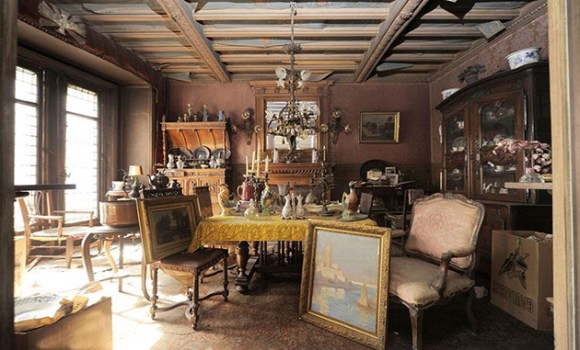
Inside, a painting by Giovanni Boldini (1842-1931) was found, a portrait of the apartment’s owner herself Madame de Florian. The painting was sold for 2.1 million euros and the rest of the items inside of the apartment would be worth thousands as well.
In April 1880, Edgar Degas withdrew from a major project in which he, Mary Cassatt, Pissarro, and others were to publish a joint print journal. Cassatt was naturally upset by this, and for a while her relationship with Degas cooled. She continued to develop her print-making, but her paintings moved on from her previous motifs of women at the theatre.
During the mid-1880s, Cassatt moved away from Impressionism, and concentrated on simpler work with emphasis on line and form. In her print-making, she seems to have worked hardest on developing her drypoint technique, and combining it with subsequent methods for incorporating colour.
Drypoint involves cutting the image into a plate, traditionally of copper, later of zinc, using a tool with a fine point of metal or diamond. Because using that tool, or needle, is similar to drawing, artists already very experienced in drawing normally find this quicker to master than…
I wish, I wish, I wish in vain
I wish I was a youth again
But a youth again I can never be
Till apples grow on an ivy tree
I left me father, I left me mother
I left all my sisters and brothers too
I left all my friends and me own religion
I left them all for to follow you
But the sweetest apple is the soonest rotten
And the hottest love is the soonest cold
And what can’t be cured love has to be endured love
And now I am bound for America
Oh love is pleasin’ and love is teasin’
And love is a pleasure when first it’s new
But as it grows older sure the love grows colder
And it fades away like the morning dew
And love and porter makes a young man older
And love and whiskey makes him old and grey
And what can’t be cured love has to be endured love
And now I am bound for America
Coriolanus, 1959, the Shakespeare Memorial Theatre. Directed by Peter Hall. Menenius (Harry Andrews), Valeria (Vanessa Redgrave) and Virgilia (Mary Ure) witness Volumnia (Edith Evans) raging at the tribunes, Sicinius Brutus (Robert Hardy) and Junius Brutus (Peter Woodthorpe). Photo by Angus McBean. (c) RSC
On Thursday 3 August 2017 one of the UK’s best-loved actors, Robert Hardy, died. His family described him as “Gruff, elegant, twinkly, and always dignified” and most of his admirers would agree. I remember him best as Robert Dudley in the 1971 TV series Elizabeth R to Glenda Jackson’s Queen, just one of his many roles. Late in life he found an entirely new audience through…
The German language is famous for stringing short words together to make long words, sometimes really long words. Even Germans find it occasionally ridiculous. But it does make it a bit easier for someone just learning the language to puzzle out the meanings of unknown words. Unfortunately, as in English, sometimes it’s not so obvious. Here is a list of my favorite compound German words, along with a literal translation of each part. See if you can guess what they mean.









 penwithlit