Categories
Author: penwithlit
Freelance writer and radio presenter

Categories
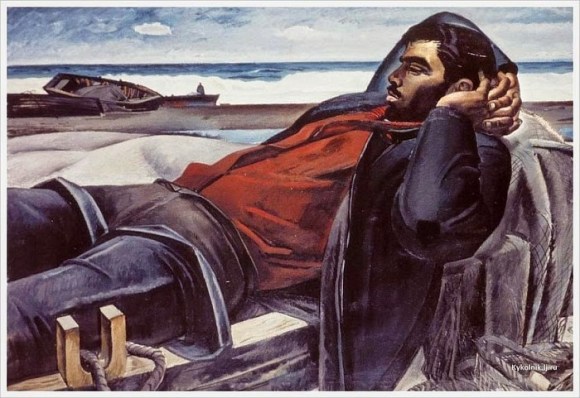
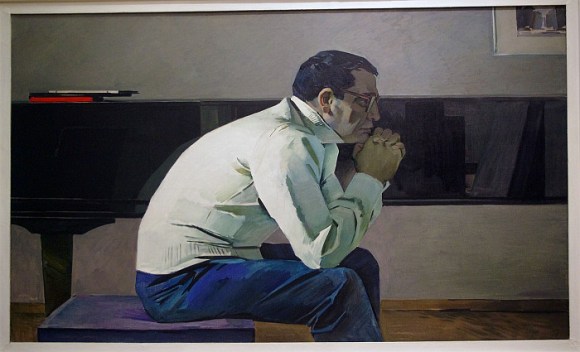
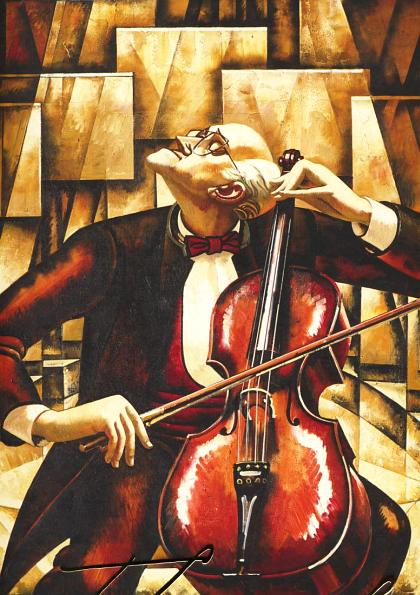
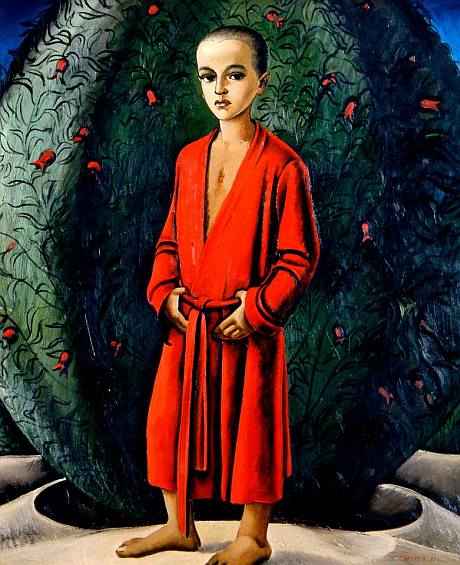
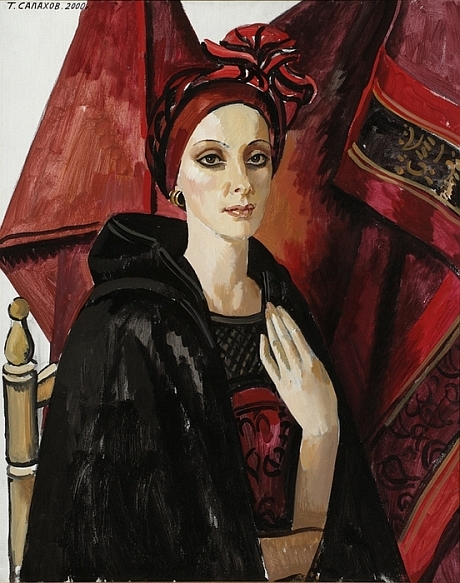
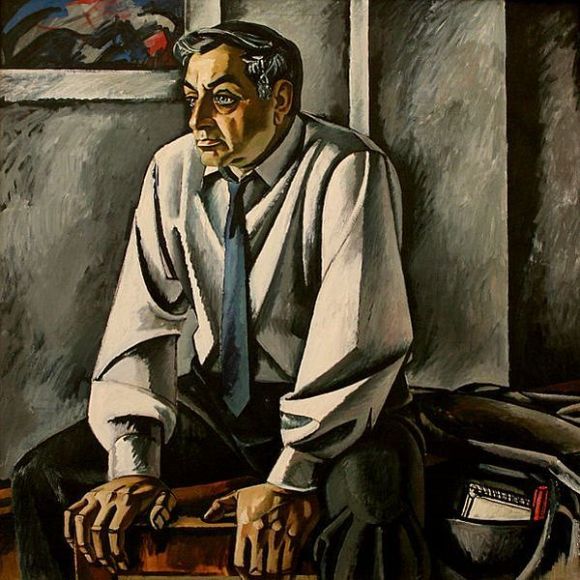
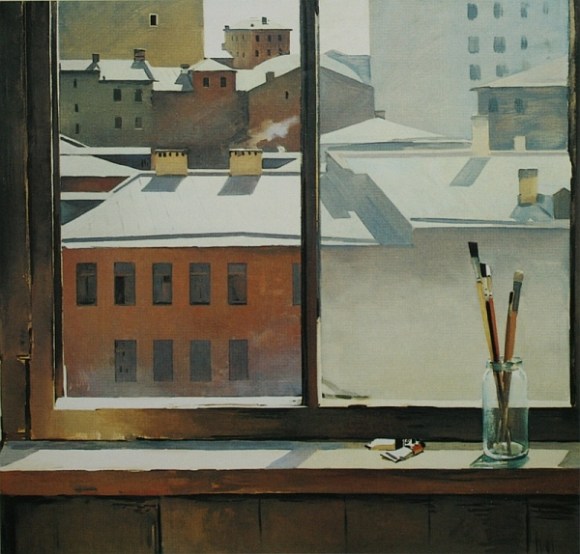
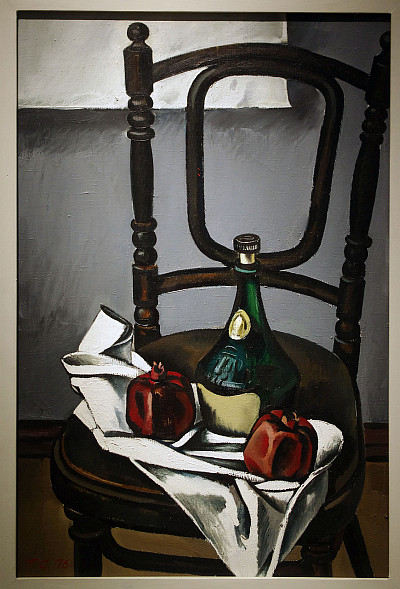
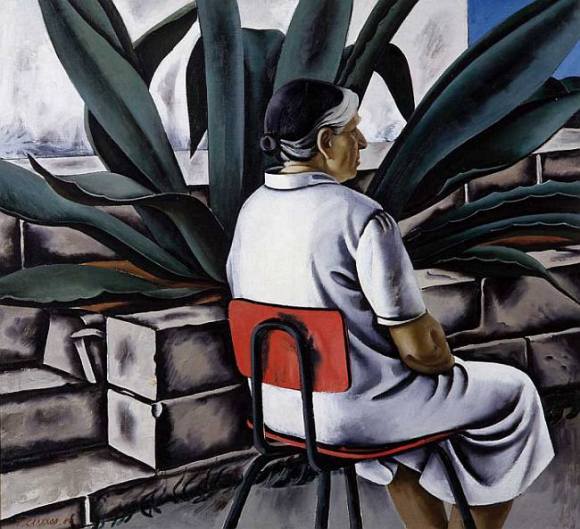
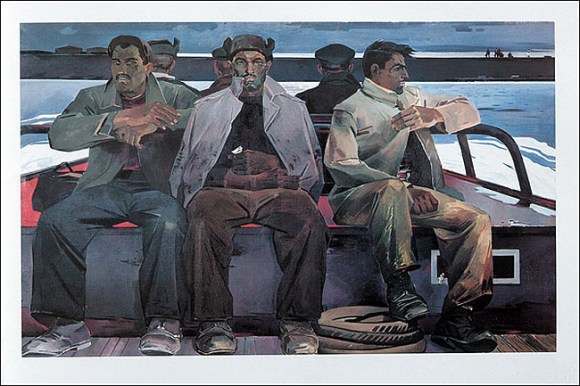
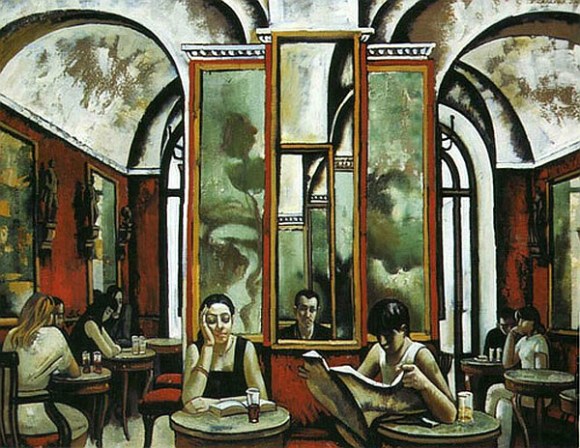
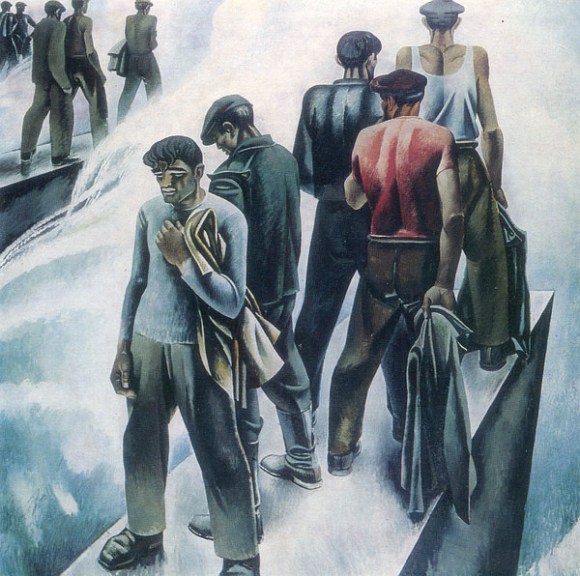
TAHIR SALAHOV
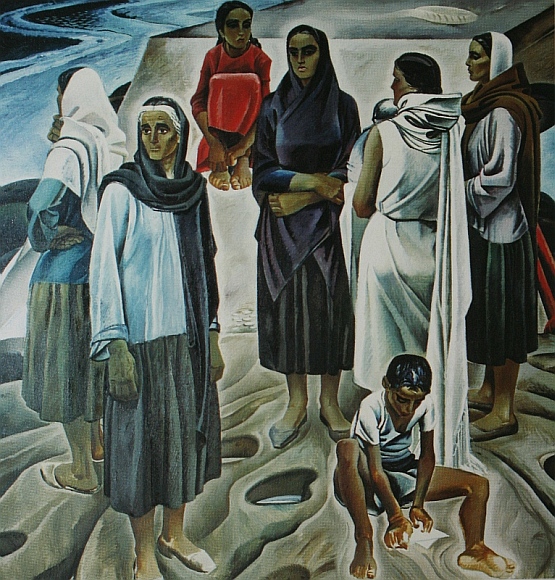
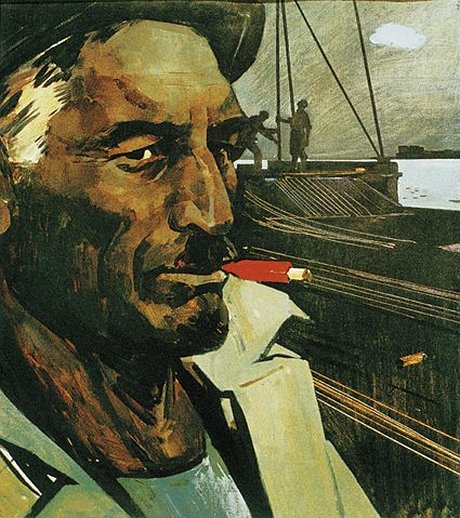
Categories
TAHIR SALAHOV
Visit the post for more.
Source: TAHIR SALAHOV
A friend has just handed me a copy of this poet’s collection which is entitled “The Still Unborn About the Dead” published by Anvil Press Poetry. Here is a short example:-
Afternoon of a Song
I was propping the striped air
between your eyes and mine
I was propping the stripped air
of that yellow-green afternoon.
Between the sweet tympana
I was propping a long sound.
Diaphanous fingers
touching it and seem to snatch,
from the second’s
heard being of then,
our bodies so long.
How beautiful and how gentle,
lightening struck in the heights
with their long mantles of cloud,
and stars under their arms!
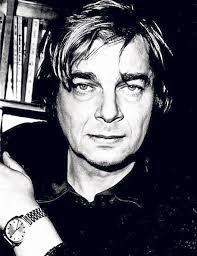
There is more information at https://en.wikipedia.org/wiki/Nichita_St%C4%83nescu and a poem in English at https://www.poemhunter.com/poem/unwords/
Categories
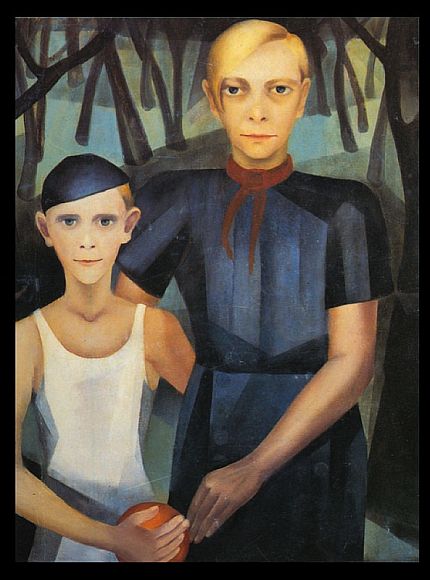
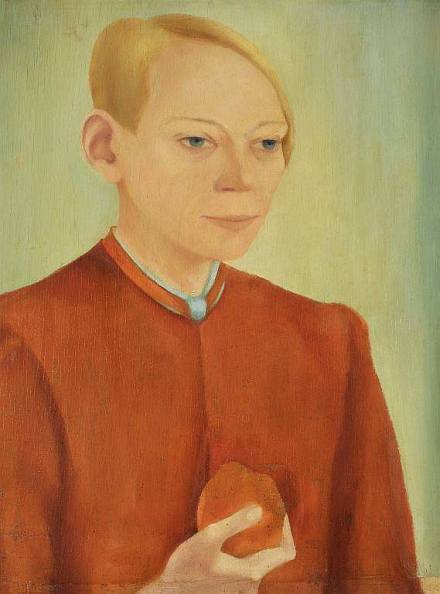
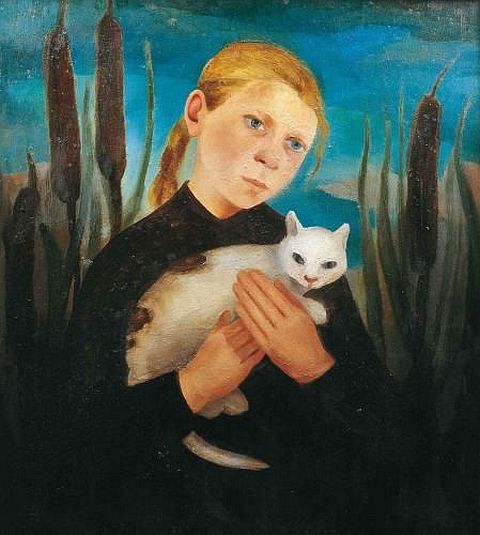
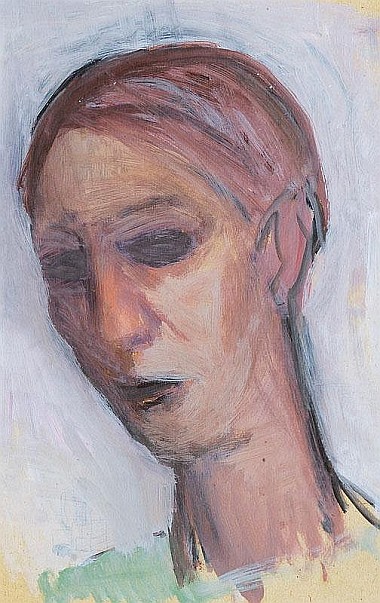
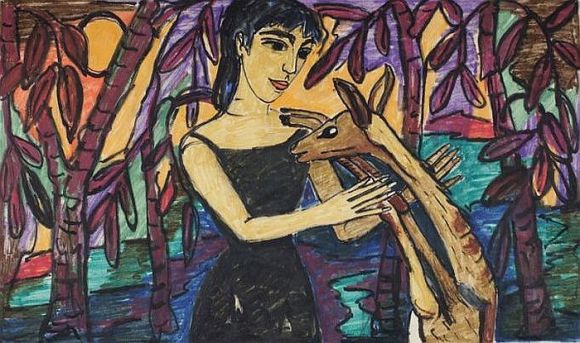
KATE DIEHN-BITT
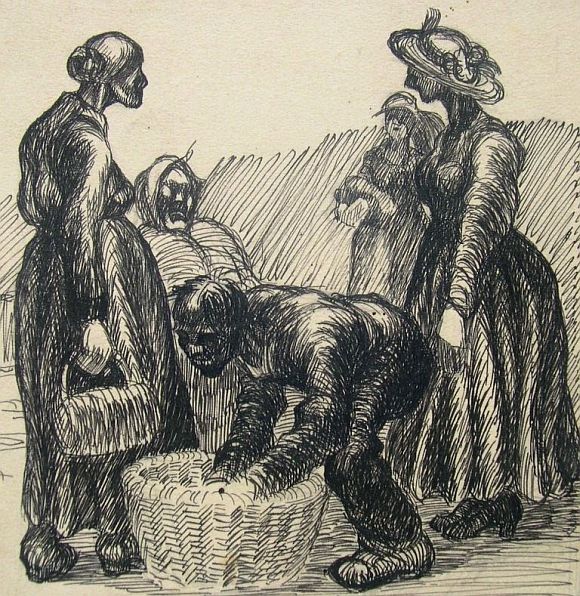
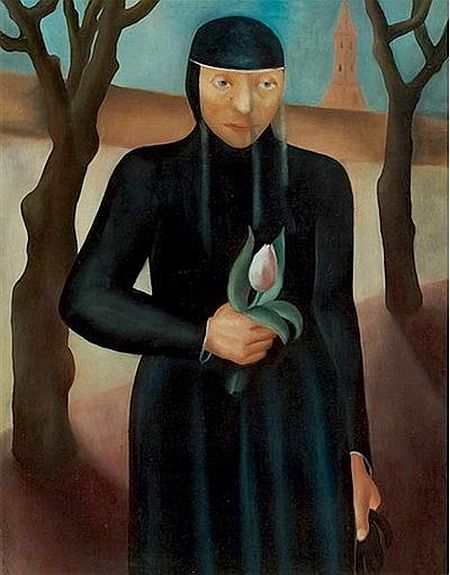
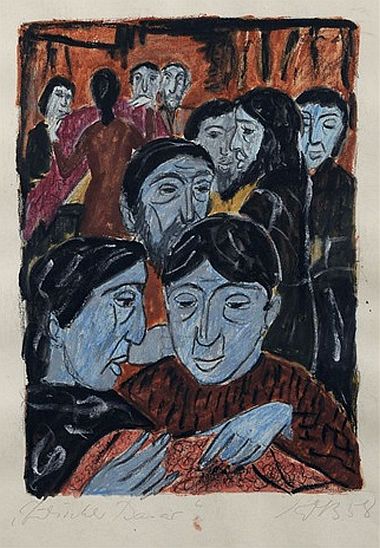
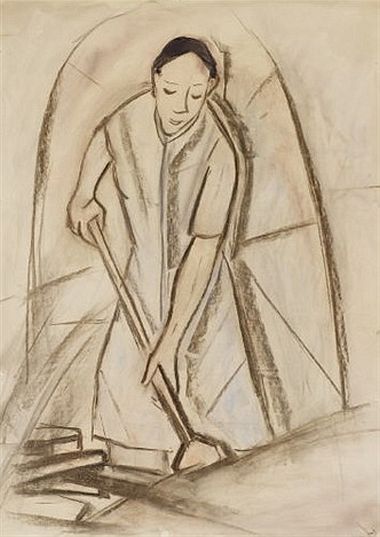
Fascinating work and a new discovery for me. As Wikipedia,de says “In den frühen fünfziger Jahren zieht sich jedoch Kate Diehn-Bitt vom öffentlichen Leben weitgehend zurück und legt alle Funktionen nieder. Sie beschäftigt sich mit dem Alten Testament und mit dem Thomas Mann-Werk „Joseph und seine Brüder“. Auffallend ist die Zuwendung zur Literatur, sie liest in dieser Zeit sehr viel. Besonders das Schicksal der Juden beschäftigt sie. Kate Diehn-Bitts Stiefvater war Jude, viele seiner Angehörigen kamen in den Konzentrationslagern um.”


Categories
BERLIN´S HOCHBAHN TURNS 115!
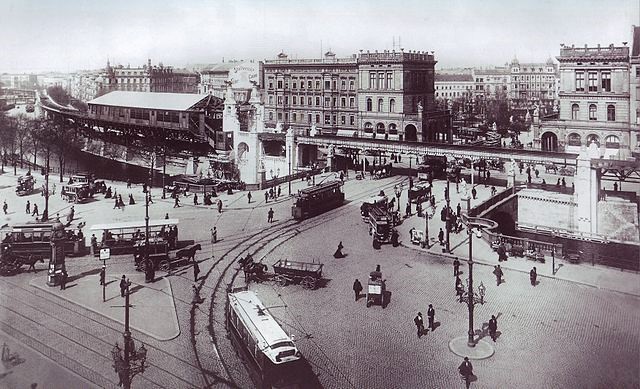

After nearly six years of construction and over a decade-long tug-of-war with various authorities, on February 18, 1902 Berlin´s first electric and predominantly elevated city railway opened for service.
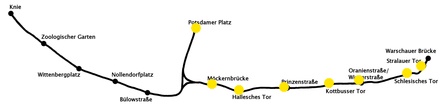
The construction of Stammstrecke, or “Core/Stem Line” connecting Warschauer Brücke with Zoologischer Garten – two important railway junctions in the east and the west of the city (or, rather, cities since Charlottenburg and Schöneberg, which were to profit from the connection, were independent cities then), made its architects and engineers involved in the project face completely new challenges.
They also had to face a particularly strong wave of scepticism, bordering on hostility. Everybody wanted to get connected but nobody wanted either to see or to hear the trains dashing through their streets along steel viaducts. Not to mention the fact that their level of enthusiasm for the viaducts themselves was, to put it mildly, negligible.
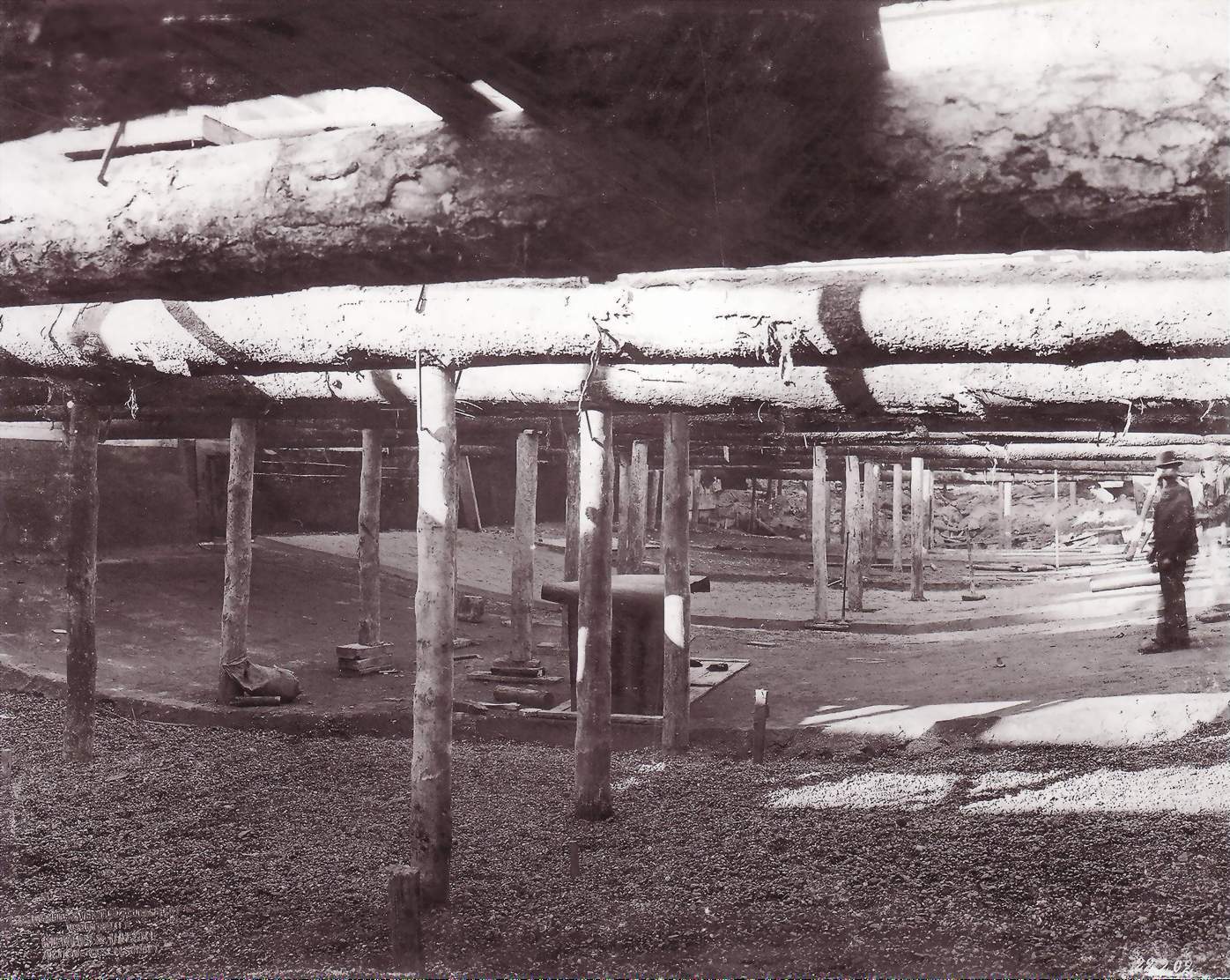 Excavated U-Bahn tunnel in Charlottenburg…
View original post 1,230 more words
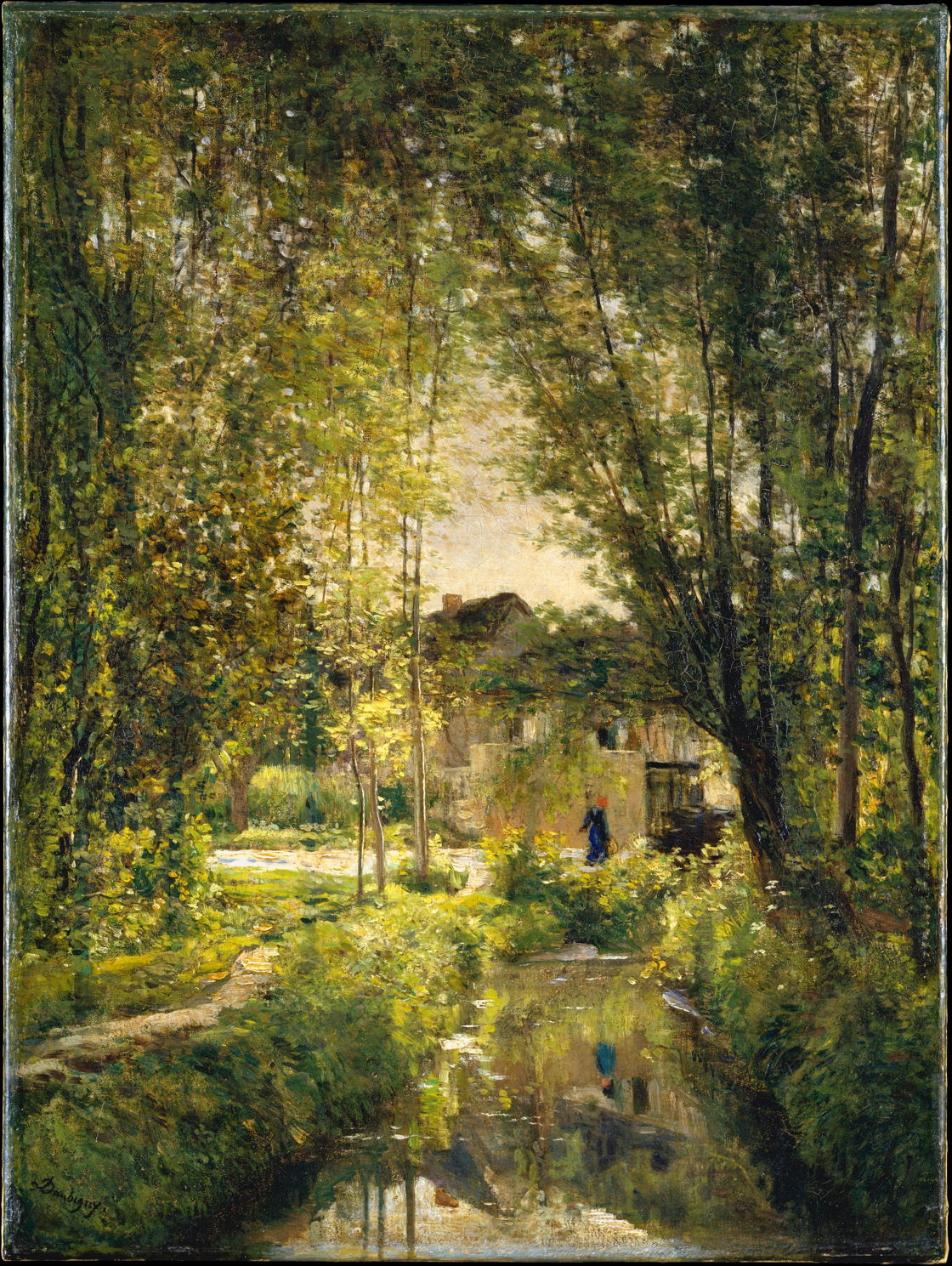
A fascinating introduction to intersting and important paintings.

Two hundred years ago today, Charles-François Daubigny was born in Paris. My previous article traced his career up to 1863, and showed a small selection of his paintings. This article concludes that account.
In 1865, Daubigny visited London, where he had lunch with Whistler. Back in France, he continued painting his superb and highly innovative river landscapes in the Île de France, the countryside around Paris, which he knew from his childhood.
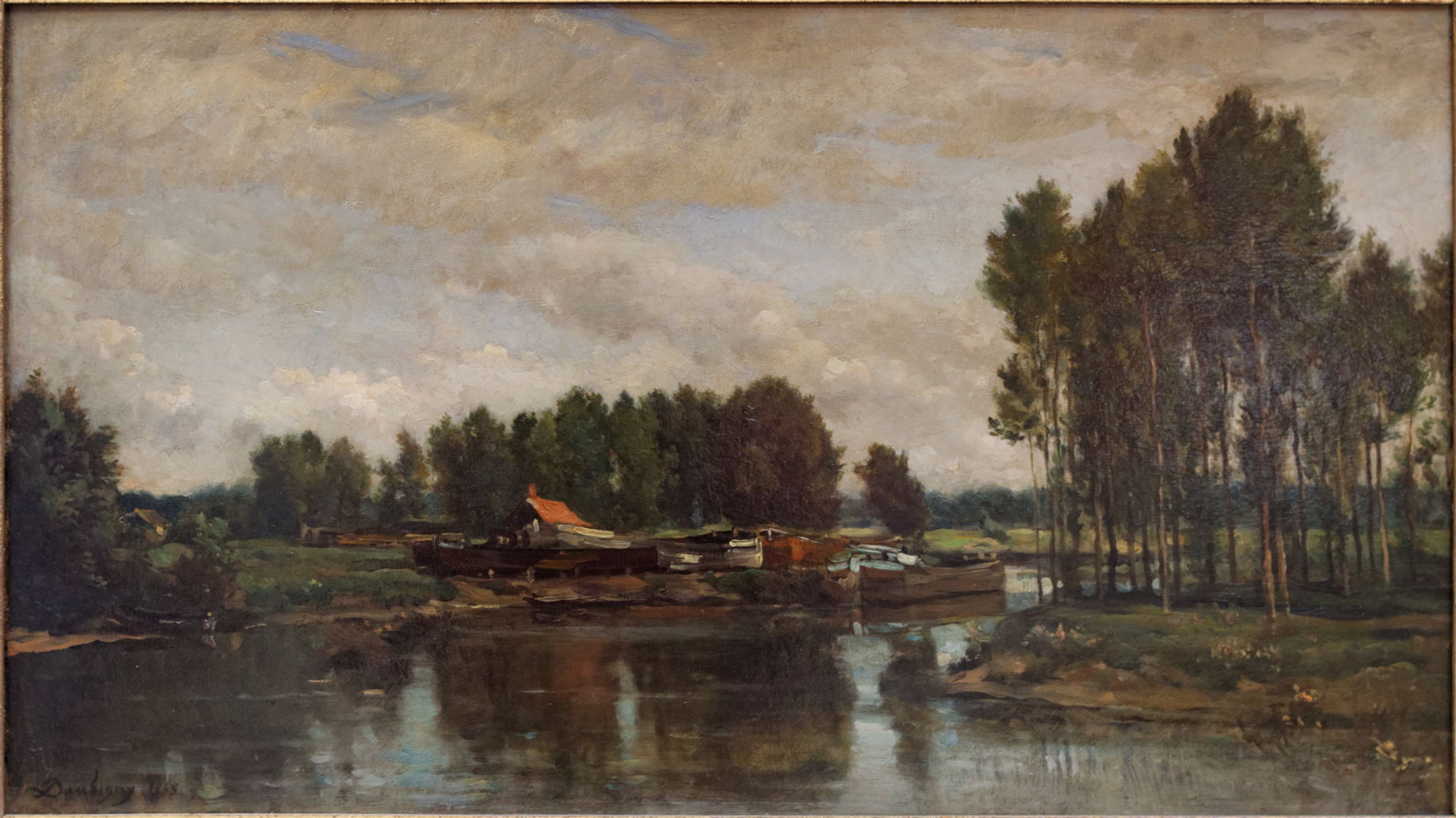 Charles-François Daubigny (1817–1878), Boats on the Oise (1865), oil on panel, 36 x 67 cm, Musée du Louvre, Paris. Wikimedia Commons.
Working on the bank or in his floating studio, paintings such as his Boats on the Oise (1865) were generally well-received, although there were still critics who complained about his lack of Salon finish.
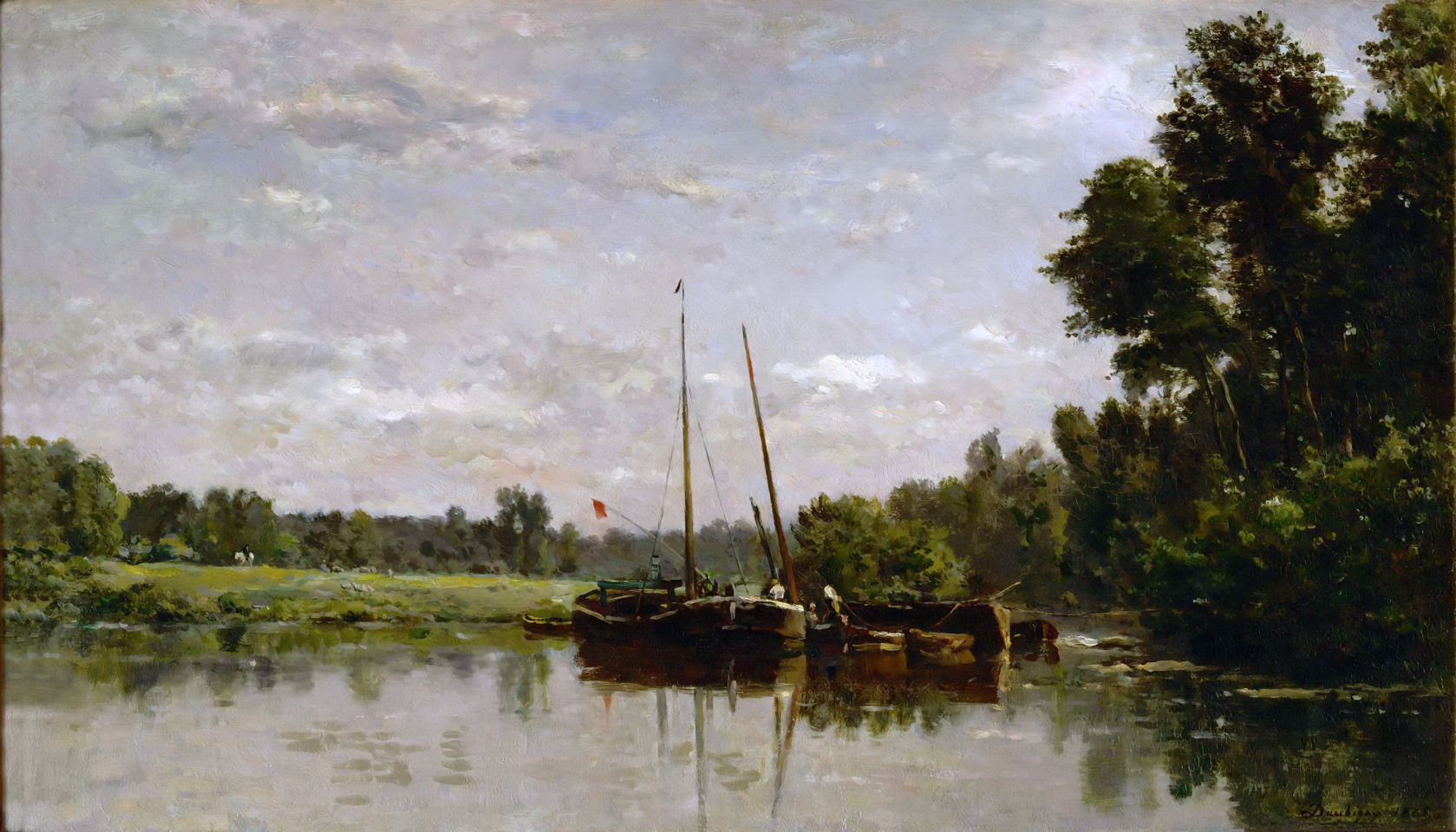 Charles-François Daubigny (1817–1878), Les péniches (Barges) (1865), oil on panel, 38 × 67 cm, Musée du Louvre, Paris. Wikimedia Commons.
Les péniches (Barges)…
View original post 1,025 more words
Categories
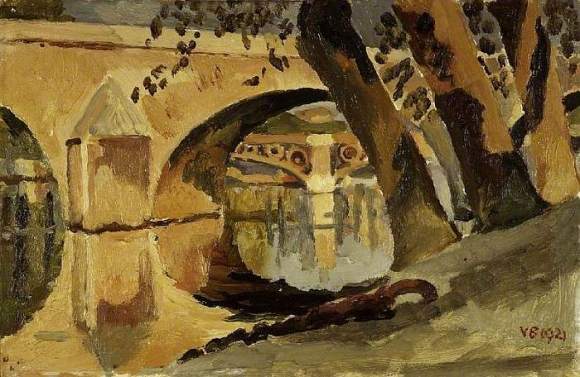
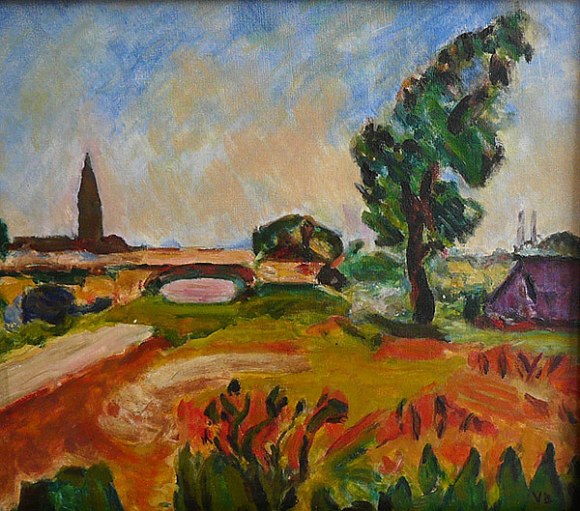
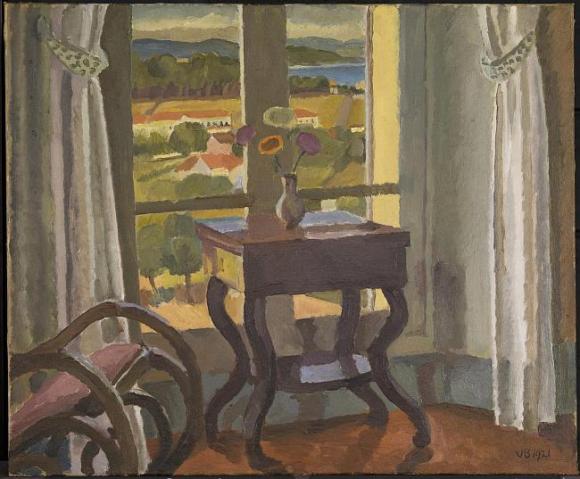
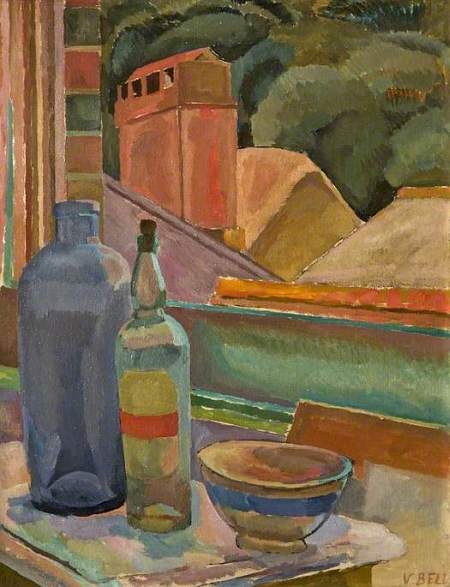
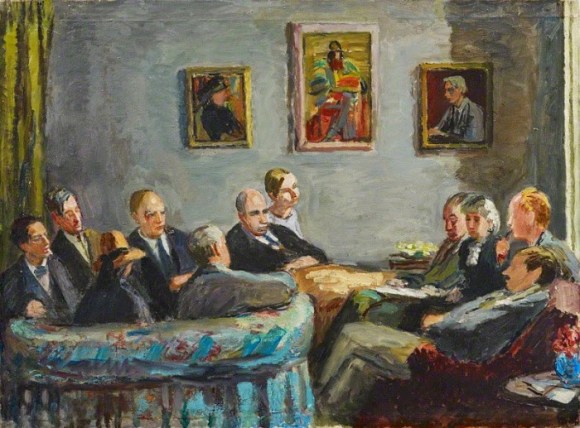
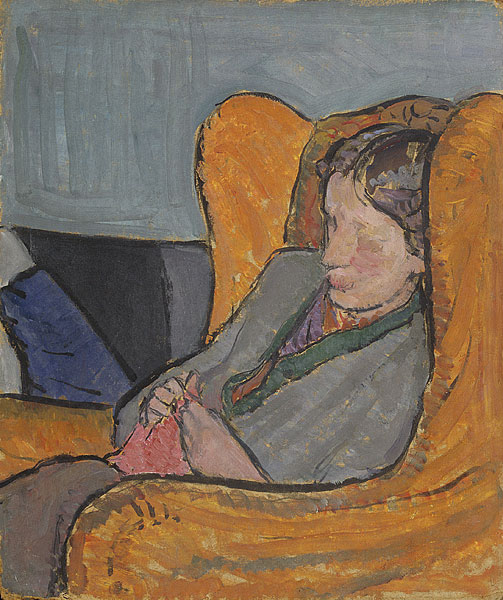
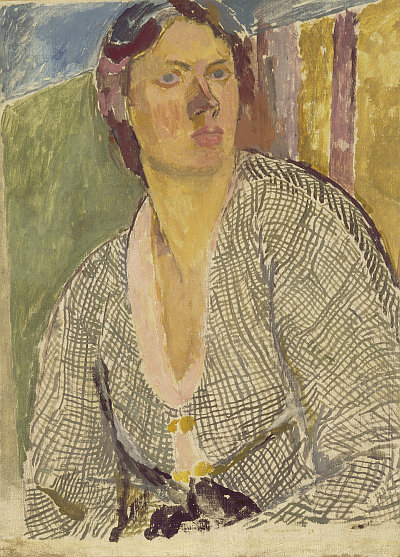
VANESSA BELL
More lovely work by another woman painter!





Categories
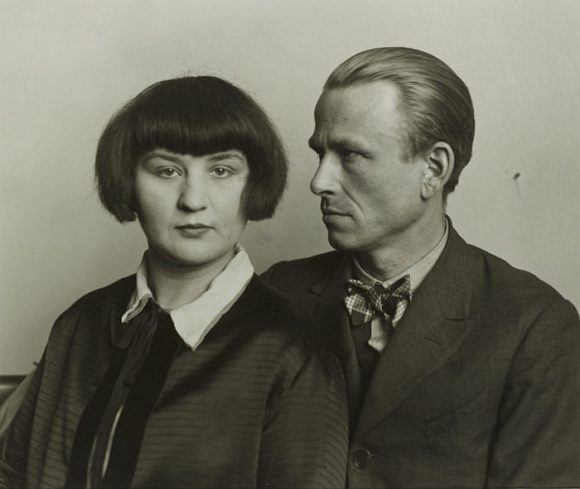
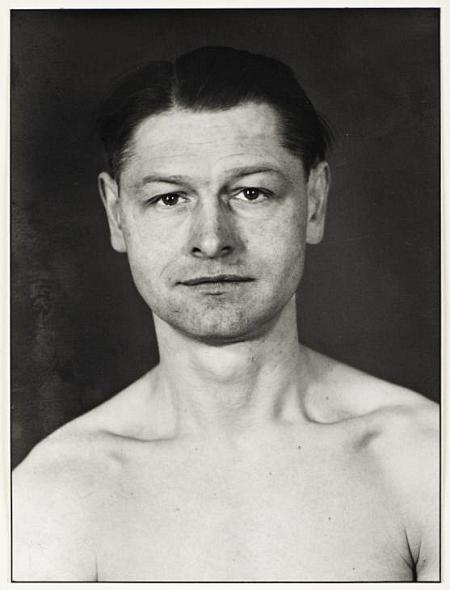
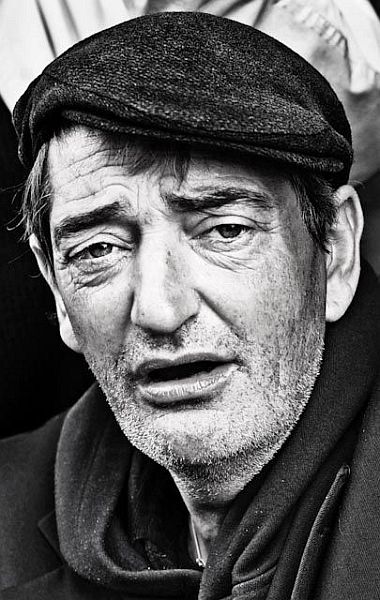
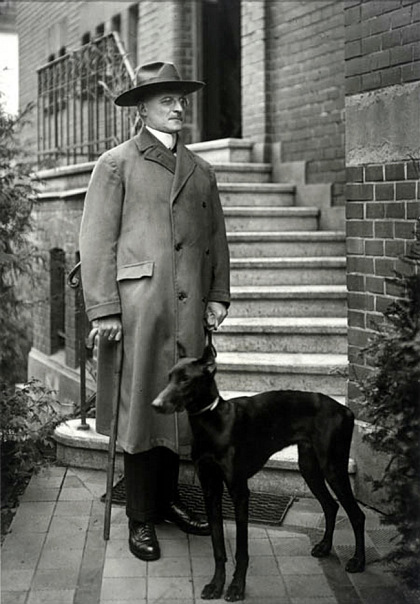
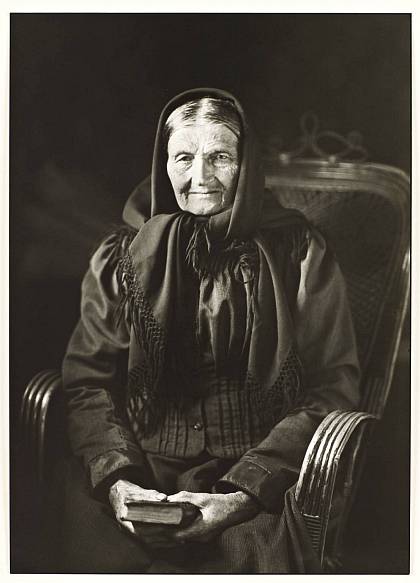
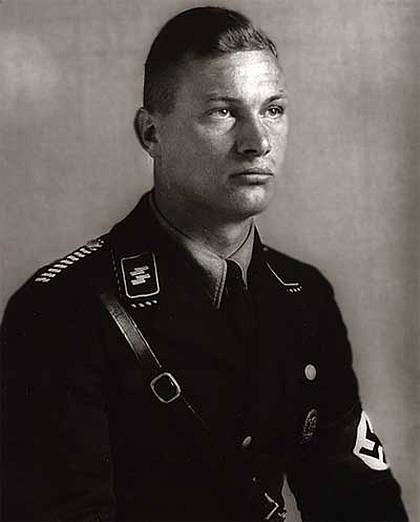
AUGUST SANDER
Really great photography!






Categories
On Missing Out
An interesting commentary on the incisive and accessible work of Adam Phillips.

Adam Phillips talks about the missing life that we narrate internally. We are missing out on a life we dream about, pinning away for whatever it is we do not have at the moment. Thereby forfeiting the positive experience of the life we have. He subtitled his book: In Praise of the Unlived Life. It is a wonderfully assessable thesis that engages the psychoanalytic devotee in a conversation that is about the inner landscape of human existence. He begins with desire as the source of both satisfaction and frustration.
Being absorbed in the everydayness of existence is the art of life. Being alone with our inner landscape is a process that some enjoy more than others. For some, the everydayness of life ought to be avoided for fear that it will bring about more fear. It has the capacity of madness, and what we know about analysis is that at…
View original post 894 more words
 penwithlit