Beautiful song! Reminds me somehow of “Field of the Cloth of Gold” in Shakespeare and also a painting in Proust!

One of the most beautiful songs I have ever heard….

Hear More
Thanks for Visiting 🙂
~Sunnyside
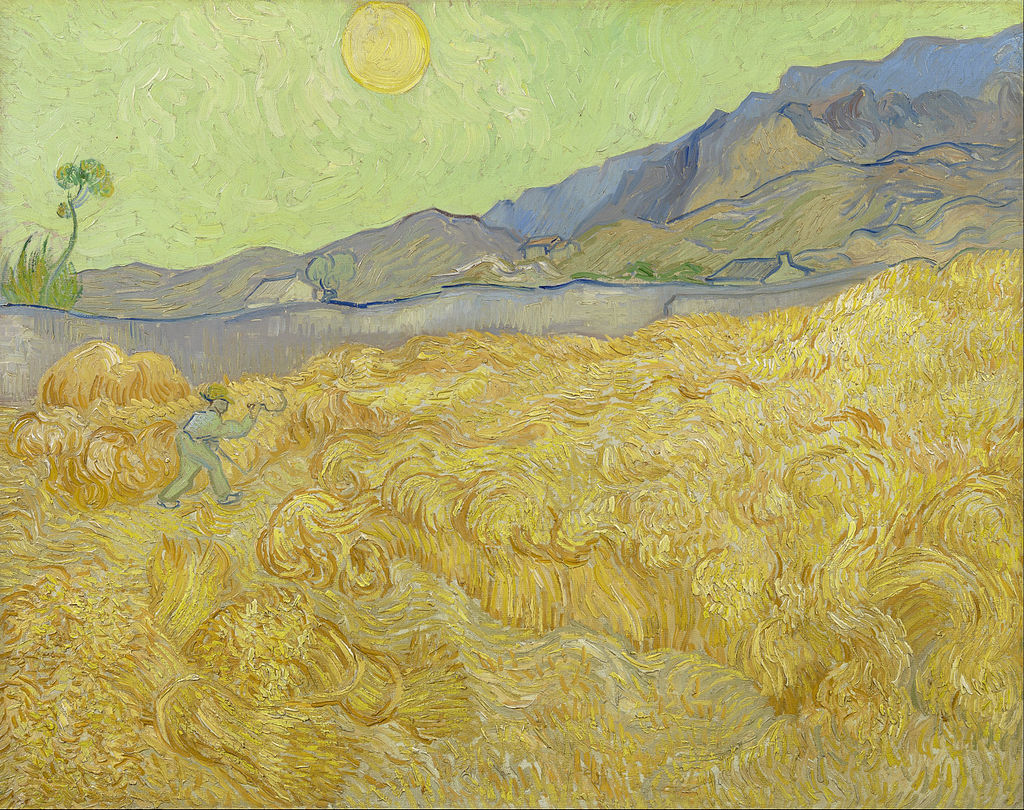
Beautiful song! Reminds me somehow of “Field of the Cloth of Gold” in Shakespeare and also a painting in Proust!
One of the most beautiful songs I have ever heard….
~Sunnyside

1. Self-portrait, 1926 / Oil painting / Cornell University Library Digital Collections

Just love these dark colours and the whole scene reminds me of the poetry of London as expressed by Charlotte Mew.
This series looks at paintings made by members of the Camden Town Group. Although largely forgotten today, they played an important role in the transition of British art from the nineteenth century to Post-Impressionism and more recent movements and styles. Their legacy lives on in the London Group.
This article provides a systematic table of contents, and an index of the dominant themes in the paintings covered in articles in this series.
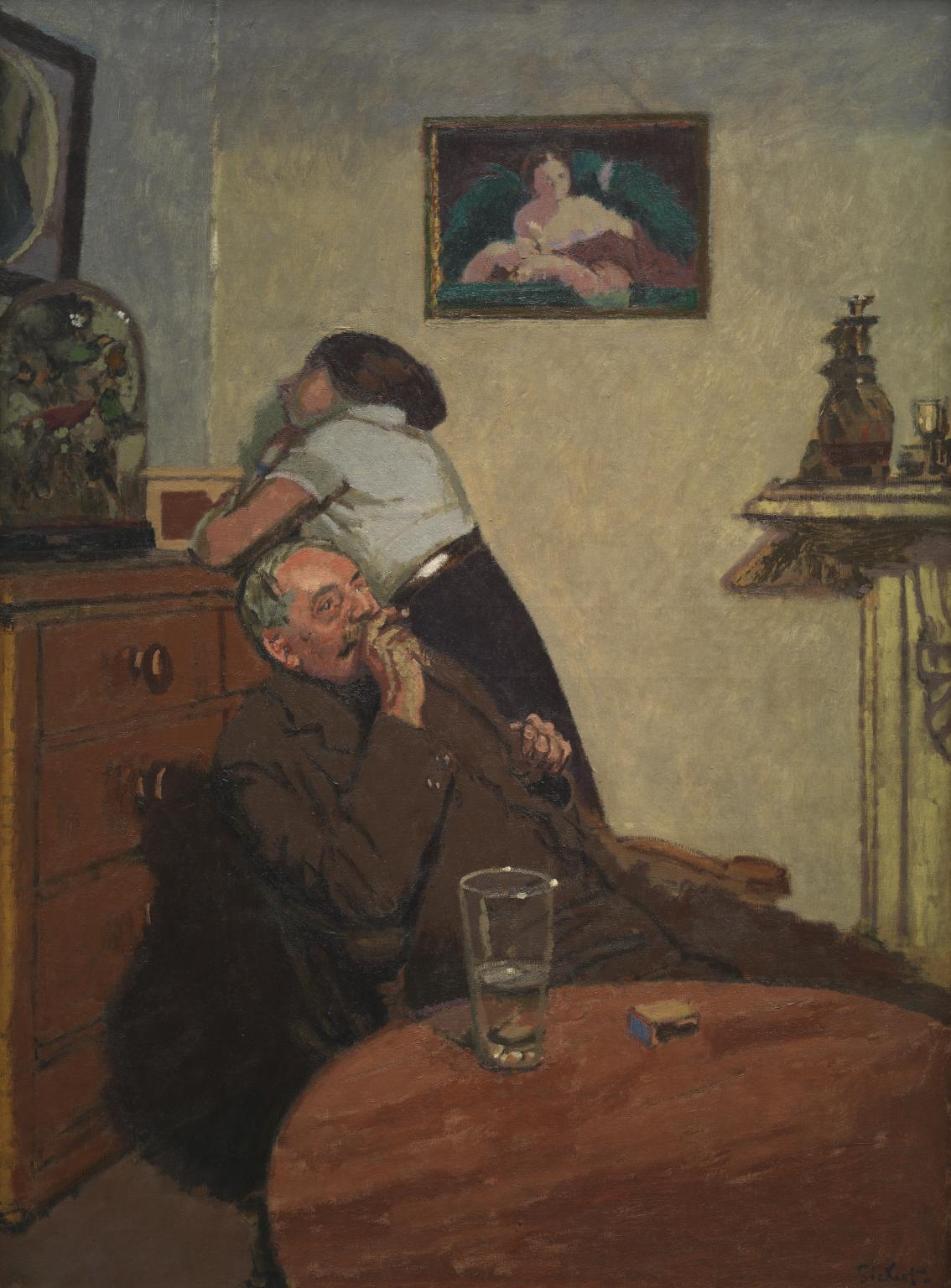 Walter Richard Sickert (1860–1942), Ennui (c 1914), oil on canvas, 152.4 x 112.4 cm, The Tate Gallery (Presented by the Contemporary Art Society 1924), London. © The Tate Gallery and Photographic Rights © Tate (2016), CC-BY-NC-ND 3.0 (Unported), https://www.tate.org.uk/art/artworks/sickert-ennui-n03846
In 1911, not content with his existing Fitzroy Street Group of artists, Walter Sickert formed the Camden Town Group, consisting of exactly sixteen elected male painters; they decided to exclude women, although several…
View original post 448 more words
For here and now the new valkyries ride
The Spanish constellations
As over the Plaza Cataluña
Orion lolls on his side;
Droning over from Majorca
To maim or blind or kill
The bearers of the living will,
The stubborn heirs of freedom
Whose matter-of-fact faith and courage shame
Our niggling equivocations-
We who play for safety,
A safety only in name.
Whereas these people contain truth, whatever
Their nominal façade.
Listen: a whirr, a challenge, an aubade-
It is the cock crowing in Barcelona.
Sleep, my body, sleep, my ghost,
Sleep, my parents and grand-parents,
And all those I have loved most:
One man’s coffin is another’s cradle.
Sleep, my past and all my sins,
In distant snow or dried roses
Under the moon for night’s cocoon will open
When day begins.
These lines from MacNeice’s poem written in 1938 sadly seem apposite today. The lines refer to the bombing of Barcelona when fascists killed some 1300 people. They also refer to his response which is to seek solace in sleep. https://en.wikipedia.org/wiki/Bombing_of_Barcelona
For a fascinating discussion of MacNeice’s work take a listen to https://www.lrb.co.uk/podcasts-and-videos/podcasts/close-readings/on-louis-macneice
Now, of course the Spanish Civil War was a totally different situation from the current situation from the Russian invasion of Ukraine. However, the melancholy tone of Autumn Journal resonates with my personal feelings about current events. Firstly, weapons have become vastly more destructive and in a few days the casualties and destruction have become enormous and sadly mch more about to be revealed. In both conflicts, ethnic and religous belief would appear to be active. Although mercenaries and International Brigades are involved the ideological factors such as a belief in Marxism are radically different in form.

The cock which crowed in respect to Barcelona is an Easter image relating to betrayal. Just as with Covid the current response by politicians to the current crisis is totally underwhelming and indicates too how domestic and isolationist narratives have obscured a wider view as to how to resolve or even contain this conflict.
So this melancholia pervades from 80 or more years ago-
Our niggling equivocations–
We who play for safety,
A safety only in name
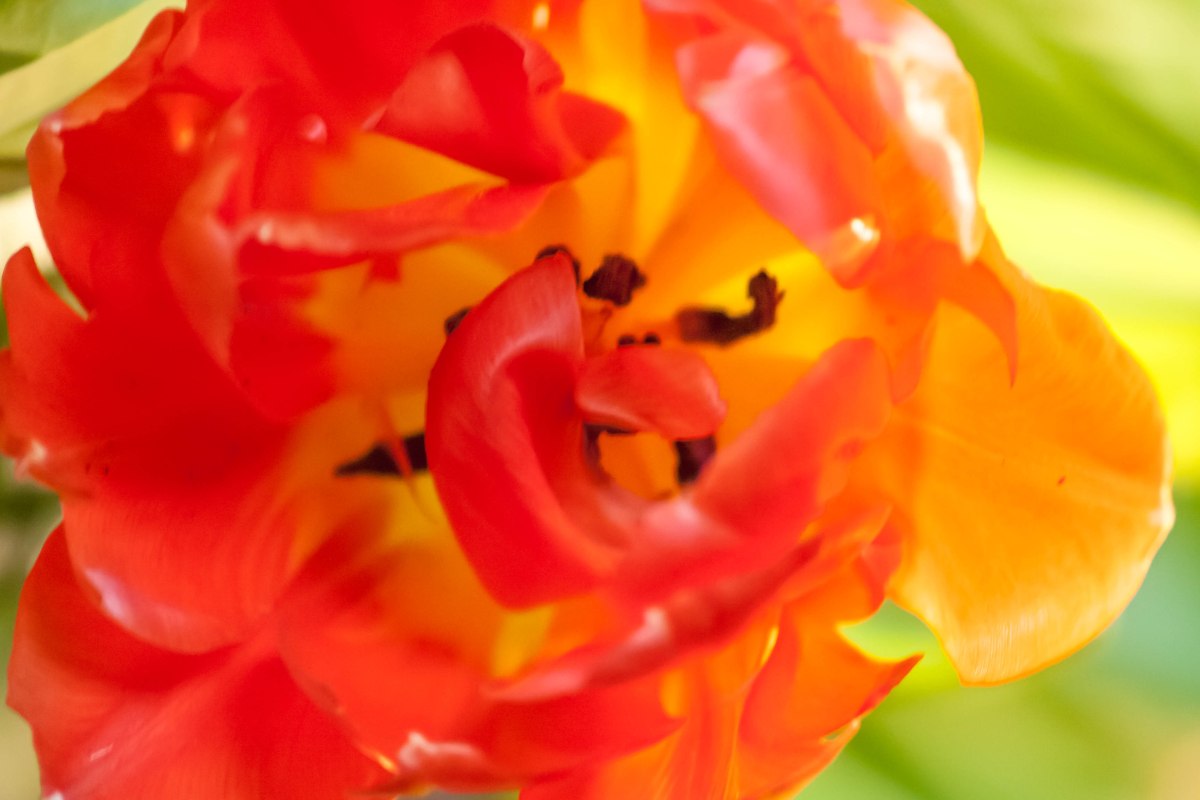
Regen, Hagel, Schnee und Sonnenschein,
hin und her, auf und ab,
so muss das sein.
Es blüht und sprießt,
was wachsen kann,
so fängt die Sommerjahreshälfte an.
(c) Lyrix 2022
Is there a particular reason for 1954? If I had to hazard a guess I would have thought that was a great time for post-war German literature. I always confuse Elisabeth Taylor with Elisabeth Jane Howard who wrote the Cazalet novels which have been made into a DVD https://www.goodreads.com/series/73774-cazalet-chronicles
On Monday 18th April, Karen and Simon will be kicking off the #1954Club, a week-long celebration of books first published in 1954. Their ‘Club’ weeks are always great fun, and I’m looking forward to seeing all the various tweets, reviews and recommendations flying around the web during the event.
Perhaps unsurprisingly, given my fondness for fiction from the 1940s and ‘50, I’ve reviewed various 1954 books over the past few years. So if you’re thinking of taking part in the Club, here are some of my faves.

Who Was Changed and Who Was Deadby Barbara Comyns
There is something distinctly English about the world that Barbara Comyns portrays here, a surreal eccentricity that could only be found within the England of old. Set in 1911, three years before the advent of the First World War, Who Was Changed and Who Was Dead has all the hallmarks of…
View original post 1,000 more words
I always confuse Norman Davies with the ebullient Norman Stone- another expert on Eastern Europe with splendid linguistic skills. I would also recommend Adam Zamoyski’s book Warsaw 1920 which was quite fascinating. Davies book on Wroclow (Breslau) is in my mind currently because of the situation in Lviv (Ukraine).
 It’s well over thirty years since I first came across and read this monumental work by Norman Davies, who is the current expert par excellence on Polish history, so much so that all of his works have been translated into Polish and seem to rank alongside native-born historians’ work…
He begins by making it clear that it’s not merely the physical/ geographical location of Poland in the Central European plain sandwiched between Germany and Russia that creates many of that nation’s difficulties, but also Poland’s rule, and lack of it, too. He manages dexterously to pick his way through the minefield of the borderlands, national allegiances and historical changes in a way only recently paralleled by Timothy Snyder; he also demolishes a good number of nationalist myths and sacred cows along the way. It’s worth reminding ourselves that this history was written in the days of…
View original post 434 more words


 penwithlit