Beautiful!!

Sometimes we don’t realize the beauty of what’s in our own backyard. I captured these images on a recent walk through my neighborhood.
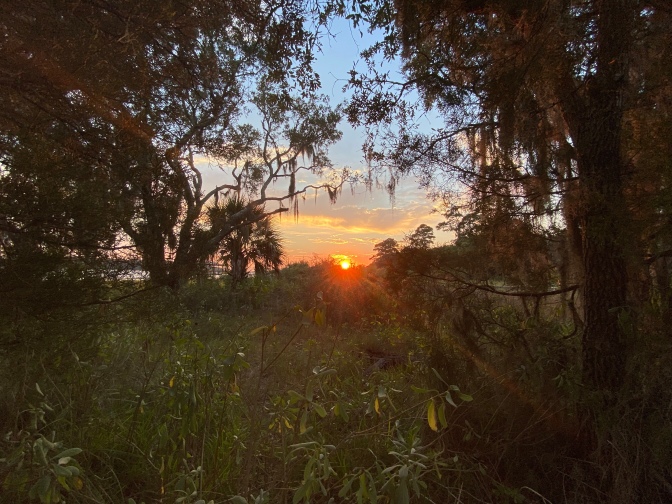

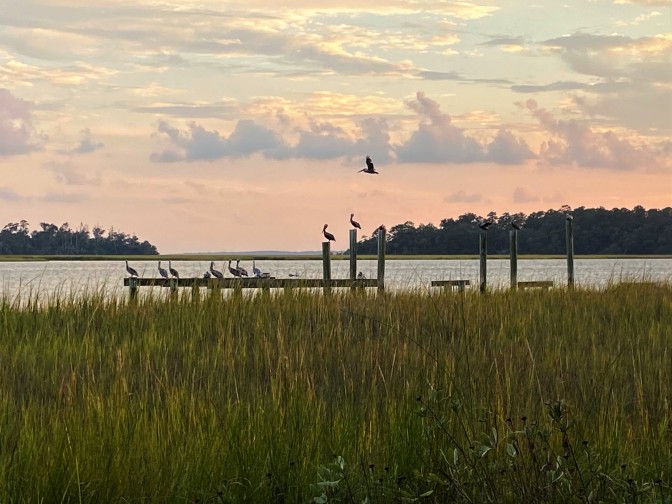
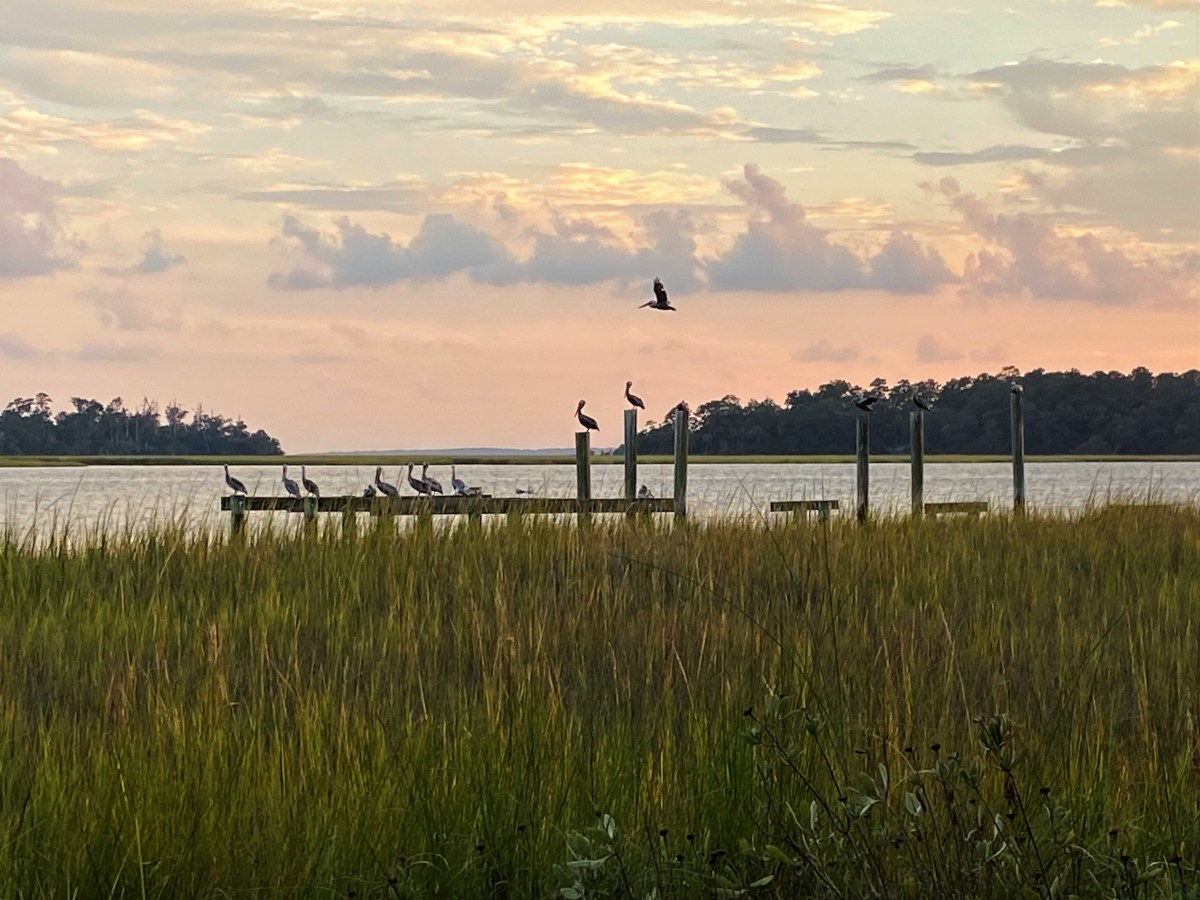
Beautiful!!
Sometimes we don’t realize the beauty of what’s in our own backyard. I captured these images on a recent walk through my neighborhood.
Sweet and poignant too.
last night I had a dream
falling leaves swirled
and the smell of campfire
as I walked alone
down a darkened alley
my mind on thoughts
other than the present
at some point
the street lights came on
and you spoke to me
it was all in my head
but you were speaking
and I could hear you
as I listened to catch every word
my face felt wet
and I woke
with my pillow damp
and my heart empty

Love this! The poetry of delapidated industrial places. Very Stephen Spender- been occupied by telegraph poles and electric supply lines in the Cornish village where I live.
I walked from Margate Railway station to Botany Bay. Out on a headland, I encountered this extraordinary building. Later, I went back to draw it.

You can see – I hope – that my viewpoint was low. I was sitting on the ground by the side of the road. The road is frequented by dog-walkers. I learned something from this low viewpoint: civilised dogs are not used to people sitting on the ground. Many of the dogs were loose, and came rushing up to me, barking in admonition, or alarm, or delight. The owner hurried after, calling in vain after their hound. The dog sat next to me, barking in alarm, or pride, depending on the breed. Either “Danger! Danger! There’s someone sitting on the ground!!” or, if an ancestral hunting dog, “Look, revered owner…
View original post 505 more words

The problem is that we are so ignorant about China and its history. I have only read Simon Winchester on “Bomb, Book and Compass: Joseph Needham and the Great Secrets of China” which was fascinating. Chinese and the history are neglected together with the more recent repression and the complex cyber wars so rapidly developing. Thank you for these suggestions.
I once was introduced to Ted Hughes at what was then Roehampton Instute for Higher Education. Sadly he was well into his cups, so to speak and had nothing to say either to me or the fellow who had introduced me. Neverthless, he had a monumental presence.
The Thought-Fox
I imagine this midnight moment’s forest:
Something else is alive
Beside the clock’s loneliness
And this blank page where my fingers move.
Through the window I see no star:
Something more near
Though deeper within darkness
Is entering the loneliness:
Cold, delicately as the dark snow
A fox’s nose touches twig, leaf;
Two eyes serve a movement, that now
And again now, and now, and now
Sets neat prints into the snow
Between trees, and warily a lame
Shadow lags by stump and in hollow
Of a body that is bold to come
Across clearings, an eye,
A widening deepening greenness,
 Brilliantly, concentratedly,
Coming about its own business
Till, with a sudden sharp hot stink of fox
It enters the dark hole of the head.
The window is starless still; the clock ticks,
The page is printed.
Ted Hughes (1930 - 1998)
This poem was included in ‘The…
View original post 835 more words
Most interesting and useful background to this unsettled period.
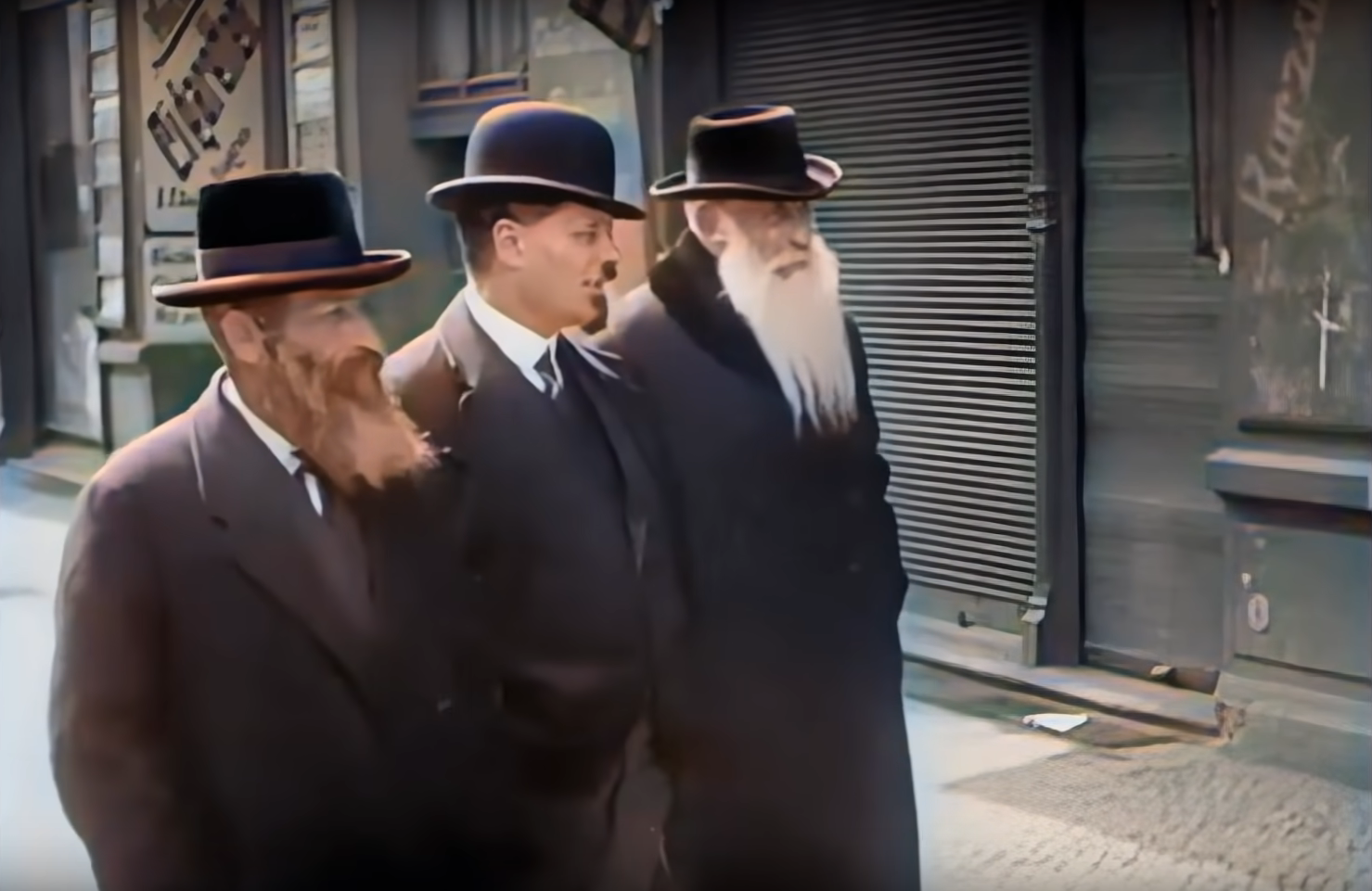 Clip from film of three (?) Jewish men, one sporting Hitler moustache and a goatee. (YouTube)
This video of Berlin made in 1927 – halfway between World War I and World War II – by German filmmaker Walter Ruttman, takes viewers through a day in the life of the metropolis, from morning to noon to night. Every slice of German society from high to low is documented, clip by clip, with a sound track rising or falling in tempo with the upbeat or downbeat scenes rolling by. The colorization retains the feel of the historic black and white. A sense of foreboding overcasts much of the film, whether the scenes are happy or sad. I’ve never seen a more subtle evocation of an entire culture and society, and this portrait of the Weimar Republic heralds the coming storm without pity.
As the day opens, shots of a train, trackage and…
View original post 224 more words
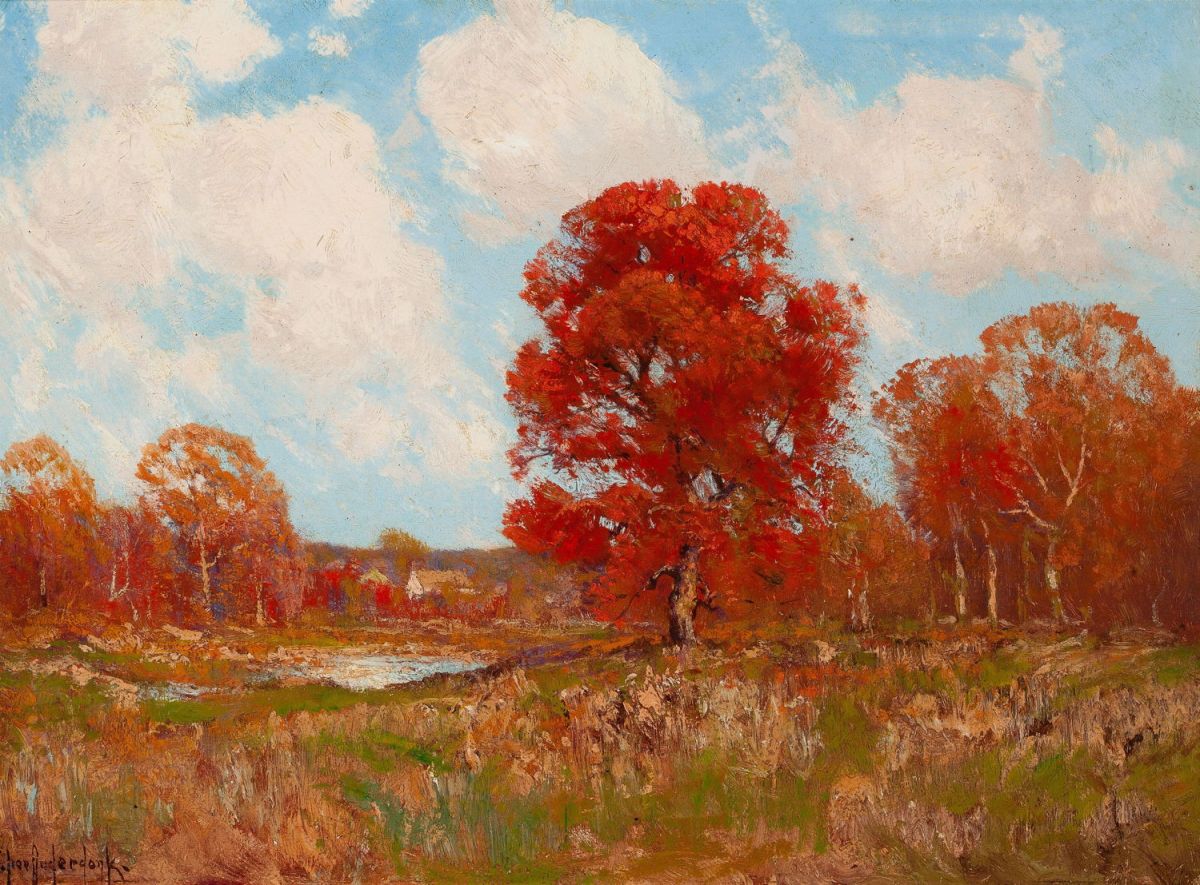
Adrian Stokes was a visitor to St Ives, wrote poetry and was analysed by Melanie Klein, herself. Some lovely seasonal paintings here.
In the first of these two articles yesterday, I showed a series of paintings of the changing colours and fall of leaves in the autumn/fall. This concludes my selection, starting from after about 1890. It’s time for even more leaf-peeping.
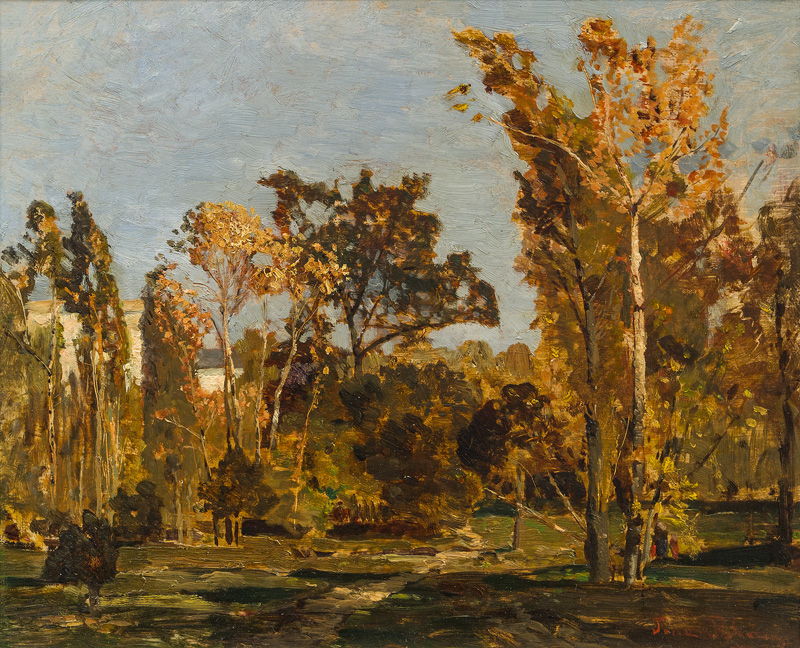 Tina Blau (1845–1916), Prater Gardens (date not known), oil on wood, 25.5 x 32 cm, Private collection. Wikimedia Commons.
The Austrian Post-Impressionist landscape painter Tina Blau painted her favourite park, Vienna’s Prater Gardens, as its trees were just starting to change colour one autumn, probably around 1890.
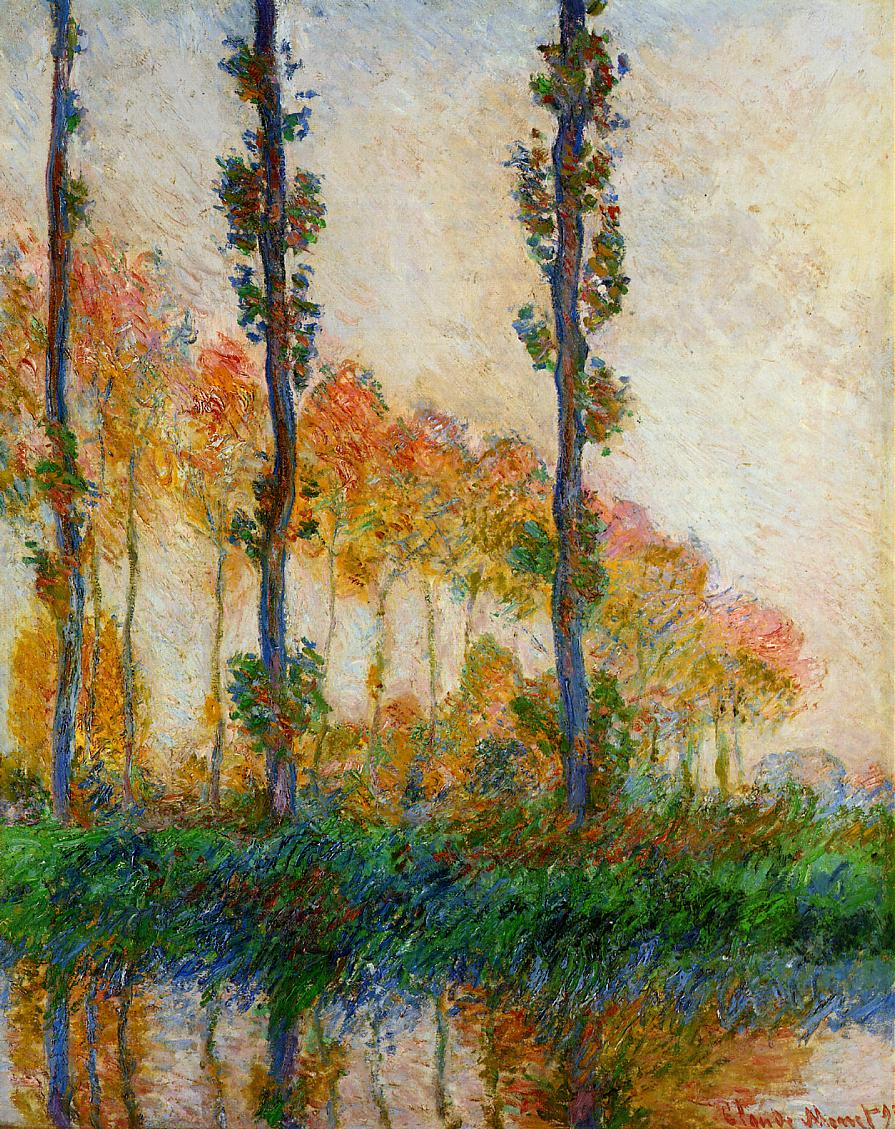 Claude Monet (1840-1926), The Three Trees, Autumn (1891) W1308, oil on canvas, 92 x 73 cm, Private collection. WikiArt.
Several of Monet’s series of paintings include the colours of autumn – here, the distinctive poplars sweeping alongside the River Epte, a few kilometers from his home at Giverny.
 William Merritt Chase (1849–1916), October (c 1893), oil on canvas, 101.6 x 101.6 cm, Private…
View original post 879 more words
Larkin is doubtless a great poet and a huge influence on successors. I think U.A. Fanthorpe is among these. His politics and attitudes are quite a different matter. There is an underlying sadness in this poem relieved in the final line.
The Trees
The trees are coming into leaf
Like something almost being said;
The recent buds relax and spread,
Their greenness is a kind of grief.
Is it that they are born again
And we grow old? No, they die too.
Their yearly trick of looking new
Is written down in rings of grain.
Yet still the unresting castles thresh
In full grown thickness every May.
Last year is dead, they seem to say,
Begin afresh, afresh, afresh.
Philip Larkin (1922 – 1985)
It is spring in Canberra, so these words are very apt. And as it is now Australian spring so May translates to September.
S1 … I do like that second line of the first stanza – like something almost being said – it articulates that almost opening of buds and leaves and gives voice to the season; personifying. The last line of this stanza catches…
View original post 333 more words
Yeats, lovely Yeats
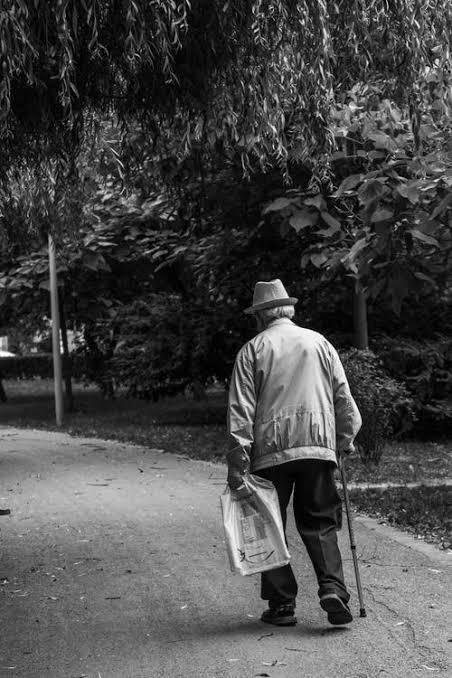
When you are old and grey and full of sleep,
And nodding by the fire, take down this book,
And slowly read, and dream of the soft look
Your eyes had once, and of their shadows deep;
How many loved your moments of glad grace,
And loved your beauty with love false or true,
But one man loved the pilgrim soul in you,
And loved the sorrows of your changing face;
And bending down beside the glowing bars,
Murmur, a little sadly, how Love fled
And paced upon the mountains overhead
And hid his face amid a crowd of stars.
I think these points are very useful especially in relation to current motivation for tackling, for example Climate Change. Prevailing cynicism and manic denial are playing a disturbing role in U.K. politics at present.
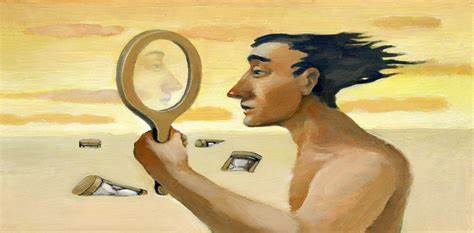
A bias is something, that we believe to be true, but in reality it might not be. These biases can relate to our own perception – how we see ourselves and how we think to see ourselves. They can also relate to how we see the world around us in relation to ourselves and how we think to see it relation to ourselves.
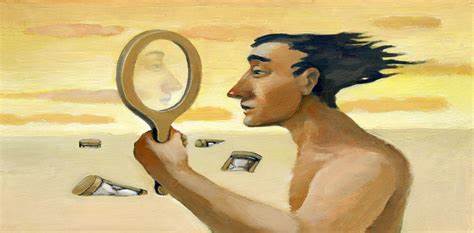
Does our own reflection hold true to what we believe is true? Who we think we are , whether what we enjoy, follow or do holds as good or bad? And if not, would rather believe so?
Biases can be harmful, if they lead us to making false ideas or assumptions about ourselves and others, but also if they support prejudices or stereotypes. Think about not “looking young enough” to be a reporter, or too old to try out something that could bring joy to oneself. –…
View original post 854 more words


 penwithlit