Fascinating stuff! There always seems more to discover on this topic including Polish and Scandinavian artists drawn into the ambit of German art in this fertile period.

Expressionism in Germany is particularly associated with two major groups which emerged before World War One: Der Blaue Reiter in Munich and Die Brücke in Dresden, artistic communities which reacted against the bourgeois culture and wanted to change art and society. For those interested in seeing German Expressionist works now, obvious destinations are the Lenbachhaus in Munich or the Brücke Museum in Berlin. But closer to home, Leicester has a large collection of German Expressionist works which grew out of an exhibition of “Mid-European art” held there in February 1944. The exhibition was instigated by the then director of Leicester museums, Trevor Thomas (his is a fascinating life story – dismissed from his role in Leicester after the war following a court appearance for public indecency at a time when homosexuality was illegal, the last person to see Sylvia Plath alive…) and featured works belonging to a German emigré collector…
View original post 745 more words

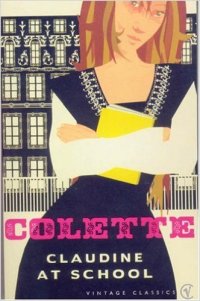 A major effect of my sequential twentieth century challenge is that reading in this way will inevitably take me outside the book itself as an isolated reading experience, and focus some attention on the time, culture and geography of its arising – and, I suspect, I shall happily be drawn into ‘biographical fallacy’ as there is always a life being lived (the author’s) in that time, culture and geography. And sat within the twenty-first century, it will no doubt be interesting to see how much we consider to be modern and new is of course, merely a spiral: specific manifestations may change, but the form remains the same
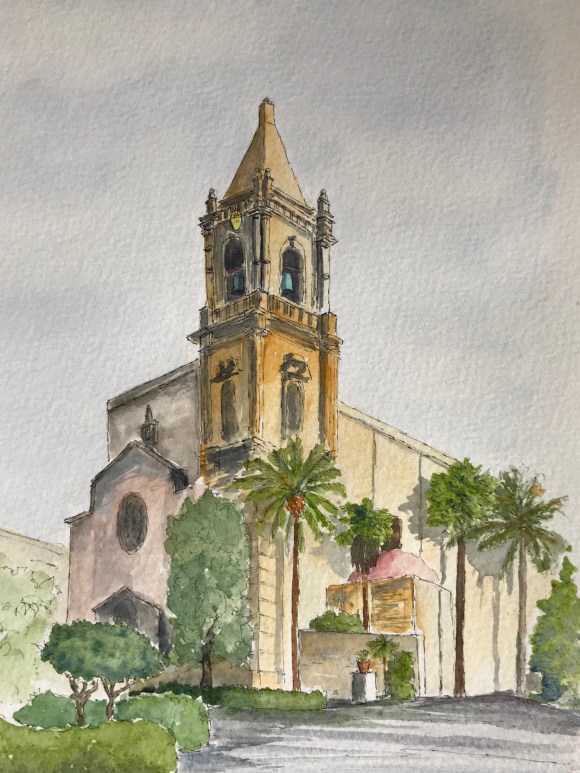 Bell tower of the Sanctuary of the Madonna of Trapani


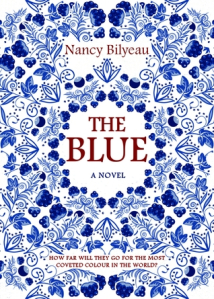 I enjoyed this historical novel, recommended to me by


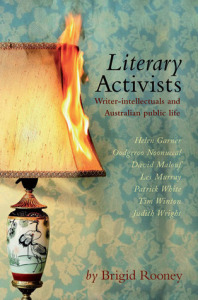 I wish I had time to finish this book, but it’s due back at the library. (As usual, *shrug* I have borrowed too many books at once).
 penwithlit