Categories






So do you know the land where the lemon trees bloom?

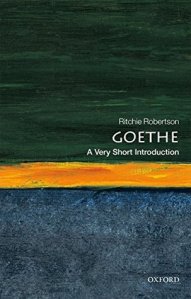 This Very Short Introduction does exactly what a VSI should do. It introduces the reader to its subject and explains why it is significant, and it’s pitched at a non-academic audience in accessible language and with a coherent organisation of the content. Ritchie Robertson’s Goethe, a Very Short Introduction made me want to drop what I’m currently reading and find out more about this great German writer.
Goethe (Wikipedia Commons)Johann Wolfgang von Goethe (1749-1832) was a celebrity novelist at the age of 25! His debut novel, TheSorrows of Young Werther (see my review) was an early example of the Sturm und Drang literary movement, but today its passionate evocation of hopeless young love would place it on the YA shelves (and the film studios would option it and he’d have a mega advance to set him up for life). But as Robertson explains in the preface, there…
View original post 1,510 more words
Categories
We Worry
Climate change requires that we give it urgent attention. Maybe people in Germany are better informed and acid rain has damaged many forests there too.

People living in Germany are the most worried about climate change, according to new analysis of 18 countries published this week.
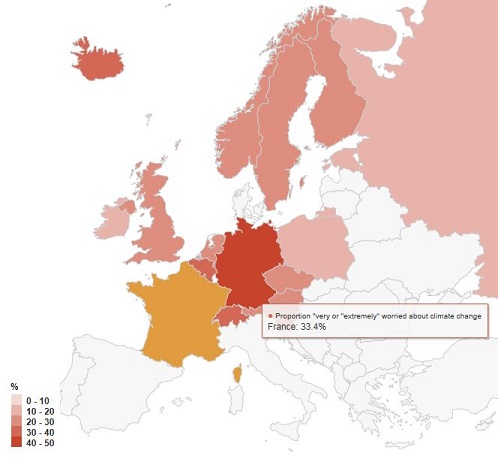
The National Centre for Social Research (NatCen) examined data collected by the European Social Survey on public attitudes to climate change of 16 European countries, Russia and Israel.
Of these 18 countries, it found Germans are the most concerned, with 44% “very or “extremely” worried about climate change. At the other end of the spectrum, just 15% of Poles say they are “very or “extremely” worried.
Meanwhile… Chaos hits European flights as snow snarls major hubs. Germans worry about that kind of stuff, too. They’re always leaving Germany in the winter to escape the cold weather.
Der Winter hat in vielen Teilen Deutschlands zu chaotischen Zuständen geführt. In einigen Regionen zählte die Polizei in der Nacht zum Montag Hunderte Einsätze.
PS: Get your free sample of of Brain…
View original post 20 more words
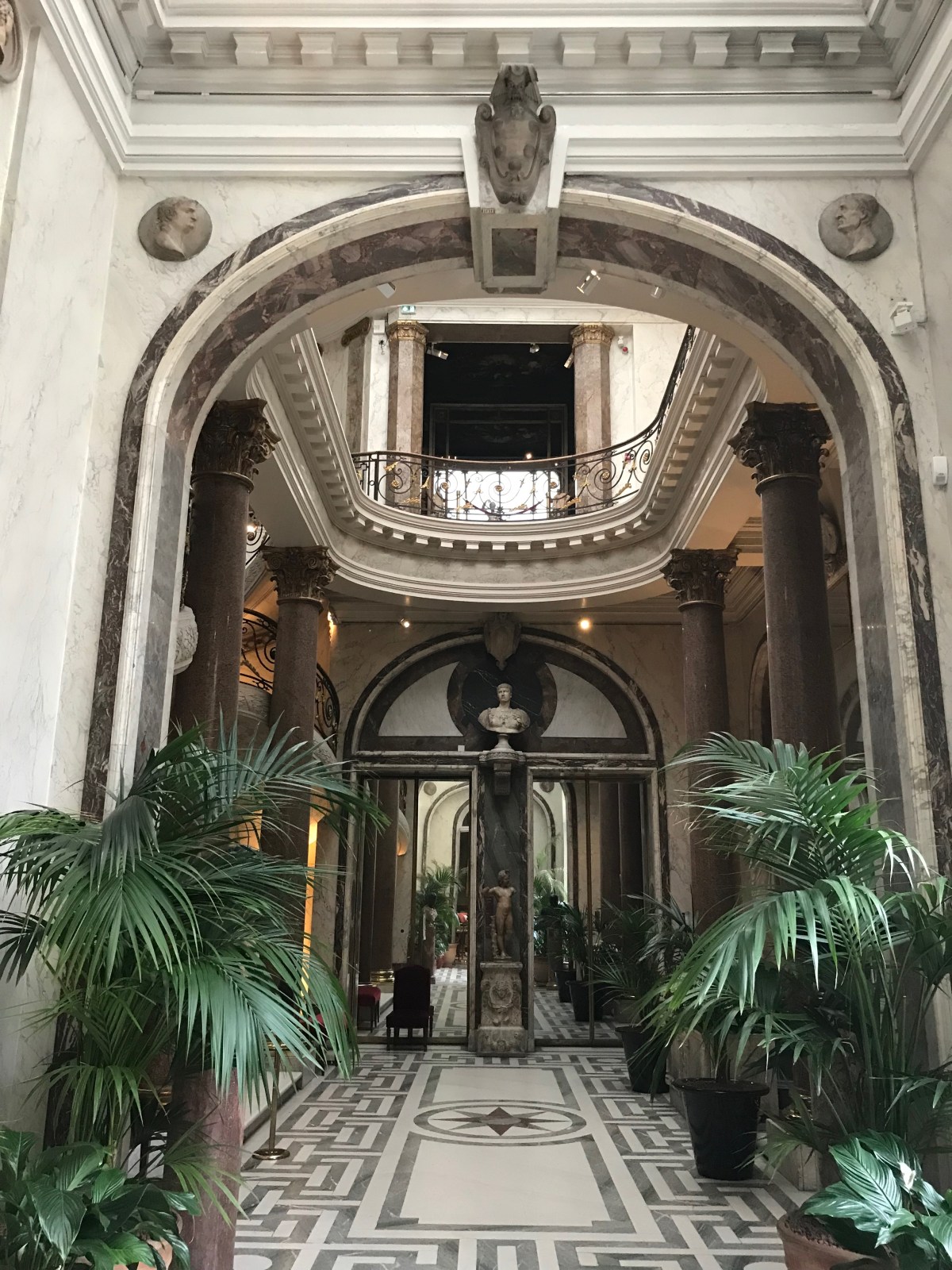
A wonderful gallery with a great restaurant-lovely!

…I feel strongly that the visual arts are of vast and incalculable importance. Of course I could be prejudiced. I am a visual art.” ~ Kermit the Frog
Kermit is, of course, absolutely right. Art, indeed The Arts, are vital for helping us understand ourselves and our place within society. Perhaps most importantly, however, immersion in art is a joyful, inspirational experience.
In my last two posts, I wrote about our recent trip to Paris and our visit to the Museé Marmottan Monet. This was not our only arty experience, however – oh no! In fact, we found ourselves in a gallery that we had not visited before, and what an unexpected treat it was.
The Museé Jacquemart-Andre began life as the private mansion of Édouard André and his wife Nélie Jacquemart and was used by them to house their considerable collection of treasures collected during extensive travelling, and…
View original post 208 more words
Categories
altes Schild • old sign
No return to Gin palaces!
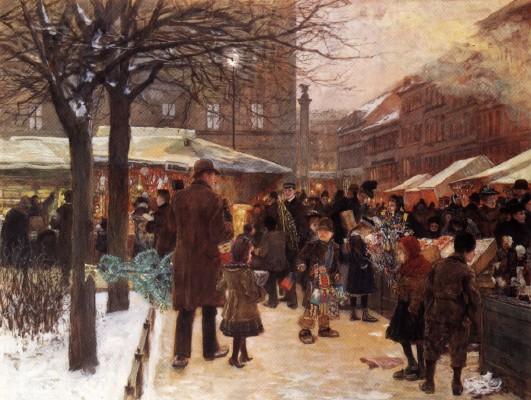

 Berliner Weihnachtsmarkt by Franz Skarbina, 1892.
The painting we would like to introduce today is the 1892 “Berlin’s Christmas Market” by Franz Skarbina.
The Christmas Market painted by the artist eight years before the end of the nineteenth century was located in Berlin’s Lustgarten: in the background on the left you can see the western edge of the old Stadtschloß, the Royal City Palace, while the buildings on the right form the line of the soon-to-be-demolished Schloßfreiheit.
Schloßfreiheit was a small street which used to run along the palace’s western front facade and separated it from the Cöllnischer Stadtgraben (now known as the Spreekanal). Built in 1672, it comprised ten buildings whose owners, having paid heavy money for constructing houses on very unstable, marshy grounds, enjoyed a series of financial privileges such as freedom from many forms of taxation practised in Berlin at the time. They were also free from…
View original post 453 more words
Always worth returning to The Sonnets
Categories
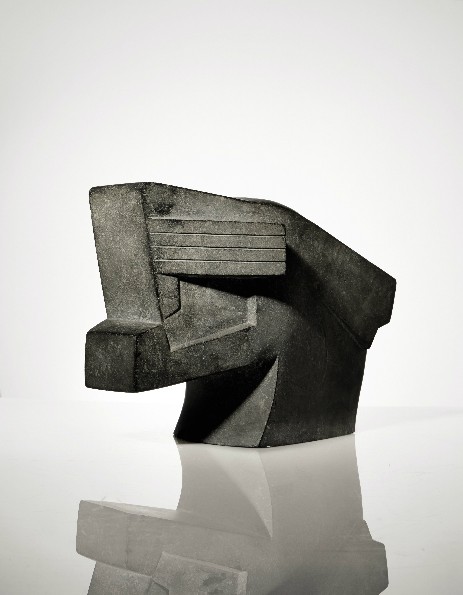
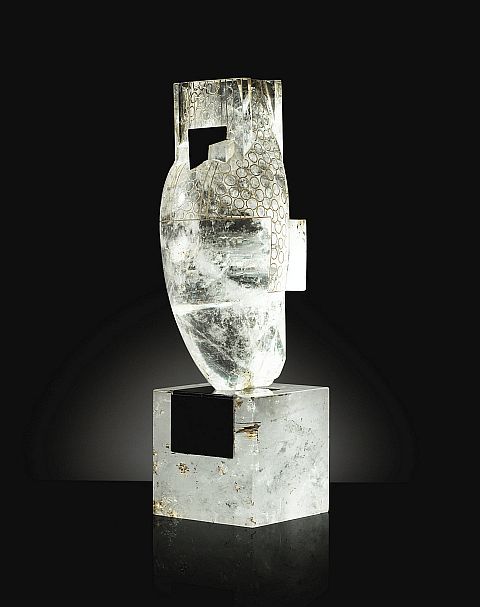
JOSEPH CZAKY
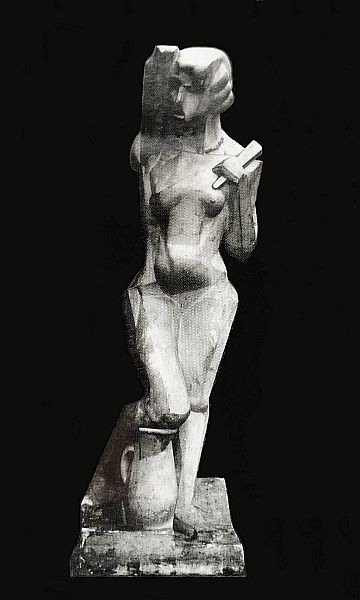
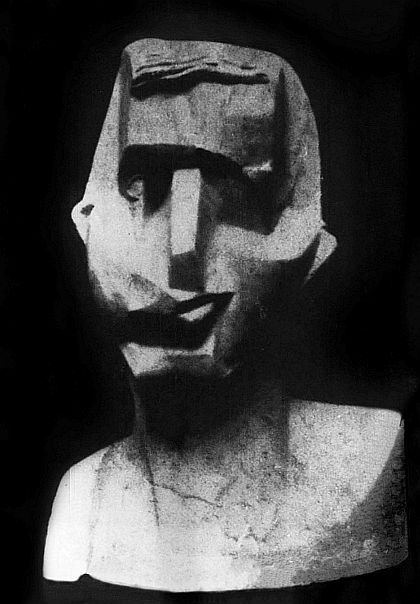
This reminds me of the sculptures of Zadkine.
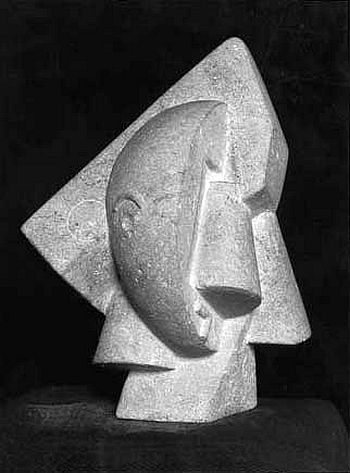
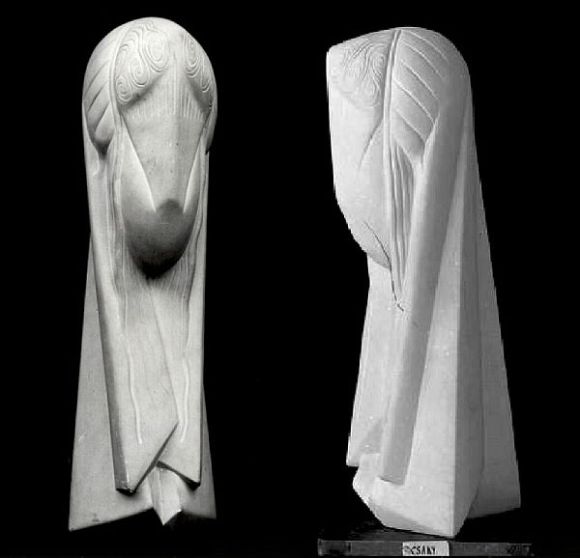
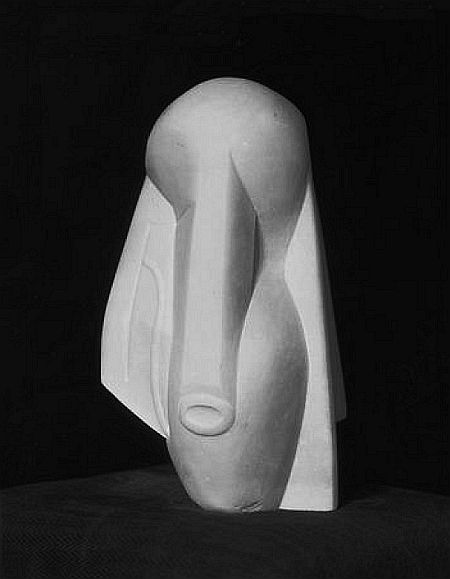
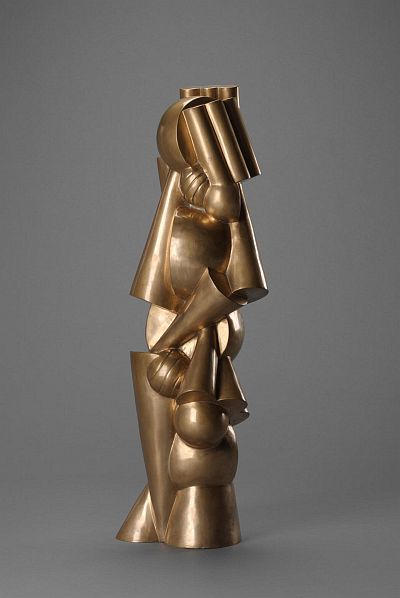


|
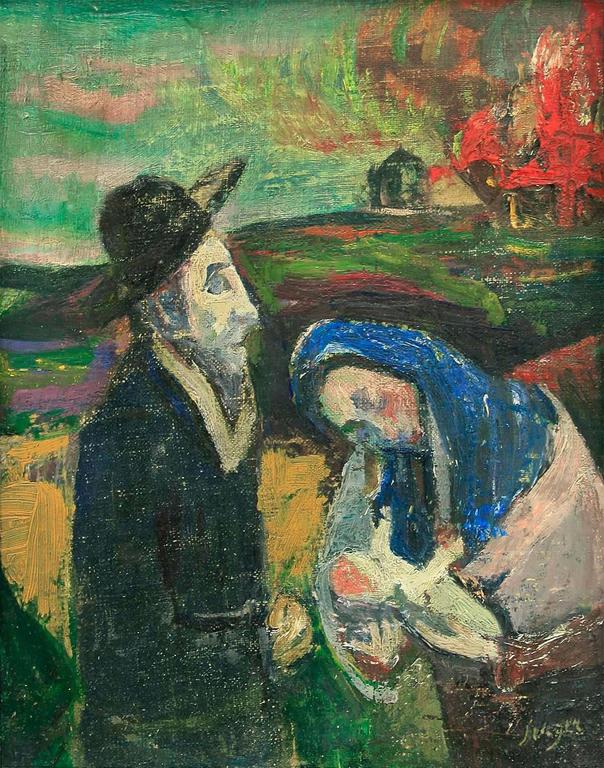
With prune-dark eyes, thick lips, jostling each other Thinking, each of them, the worst is over Here if anywhere is feasible. Their glances Into the hinterland of their own future With faces of people’s friends. But these are mostly And meanwhile the city will go on, regardless Being endorsed on a vulcanite table, lines of washing To a bouquet that is bound for somebody’s beloved Till something or other turns up. Something-or-Other Gangways – the handclasp of the land. The resurrected, And officialdom greets them blankly as they fumble |

This poem appeared just about a year after MacNeice visited America where he met Auden and Isherwood amongst other prominent figures during a short lecture tour. It appeared at a time of extreme danger for Britain:- Dunkirk was a recent event and The Blitz too was starting. I am of the opinion that Auden and Isherwood need little justification for having left the country. They had worked bravely on “Journey to War” in Manchuria and Isherwood’s novels gave a clear insight into the rise of the Nazis and the persecution of leftists, Jewish people and so on. That is by the way, since although this poem could be considered in some ways slight, it has interesting parallels with the comparable plight of refugees today. Given Trump, entering America has become extremely difficult in the past year. In addition, it gives an insight into the New York seascape and skyline which I seem to remember has been written about movingly by two Jewish exiles, Rose Ausländer (Januar in New York) and I think, Mischa Kalako.
The poem itself is obviously of it’s time and the first line is rather brutal on facial characteristics. There are some interesting words like ‘milliner’ and ‘vulcanite’ that have dropped out of common parlance rather. I particularly like-‘Into the hinterland of their own future’ which suggests the confusion of trying to find in a new environment some reference to the land left behind. It also contains, I think, perhaps unconsciously, reference to MacNeice’s hinterland as an Irish born poet as well as much effective and ambivalent use of religious imagery. His father became a bishop of the Anglican Church of Ireland.
I only want to say that the clearest exposition of such philosophical concepts comes from the books and YouTube interviews by the Labour politician (U.K.) Bryan Magee. He interviewed Iris Murdoch – the philosopher and novelist Iris Murdoch who wrote much about Existentialism. It is of course a philosophy which has a strong connection with literature of various sorts. Thanks for your short introduction to V.S.Is!!
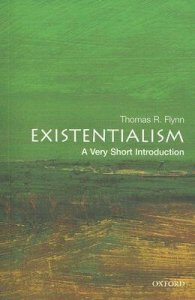 Oh dear, it looks as if I’ve been bandying around the term ‘existentialist’ without really knowing what it means…
In the Preface to my latest adventure with the Very Short Introductions series, Thomas R. Flynn tells me that most people associate existentialism with Jean-Paul Sartre and Simone de Beauvoir and the Left-Bank Parisian cafés where they hung out. And the problem with that is that existentialism tends to get ‘packaged’ as a cultural phenomenon of a certain historical period which tends to get linked to the problems of that era and not really relevant to our own. Flynn is on a mission to correct that because he says that existentialism is a way of doing philosophy that is still current.
So his first chapter, ‘Philosophy as a Way of Life’ is about demolishing the idea of philosophy as a doctrine or system of thought. Philosophy, he says…
View original post 1,564 more words
 penwithlit