Categories

I have Simenon’s autobiography somewhere to read. There is perhaps an influence of Balzac here somewhere.

Sneaking this in as my contribution to Karen and Simon’s #1940Club, a week-long celebration of books first published in 1940. (You can find more info on the event here.)
The Strangers in the House is one of Simenon’s romans durs – ‘hard’, psychological novels with an existential edge. Like much of this author’s work, Strangers features a crime; however, the mystery and its resolution are not the most important elements here. Instead, Simenon is more concerned with delving into the psyche of his protagonist, Hector Loursat, a reclusive lawyer whose hermit-like existence is disturbed by a shocking event…

Since the departure of his wife, Geneviève, eighteen years ago, Loursat has had little to do with the outside world, including his fellow inhabitants of Moulins, the French town where he lives. Instead, he spends his days reading his vast collection of books while drinking copious quantities of Burgundy, emerging…
View original post 948 more words
Categories
Torelli: Violin Concerto Op.8, No.8

Nice combination!


Artistic Director: Mathisha Panagoda
Hat Tip
Many thanks to Claudio Capriolo at la regina gioiosa for introducing me to this performance in the post Op. 8 n.8.
See More
Read More
10 things to know about poet painter Chu Teh-Chun
Chu Teh chun: The Man Behind the Legendary Painter
Chu Teh-Chun in Three Works: Symphonic, Calligraphic, Lyrical
Thanks…
View original post 4 more words
Categories
Woodbridge Tide Mill IP12
That seems a delightfully cosy and productive scene!

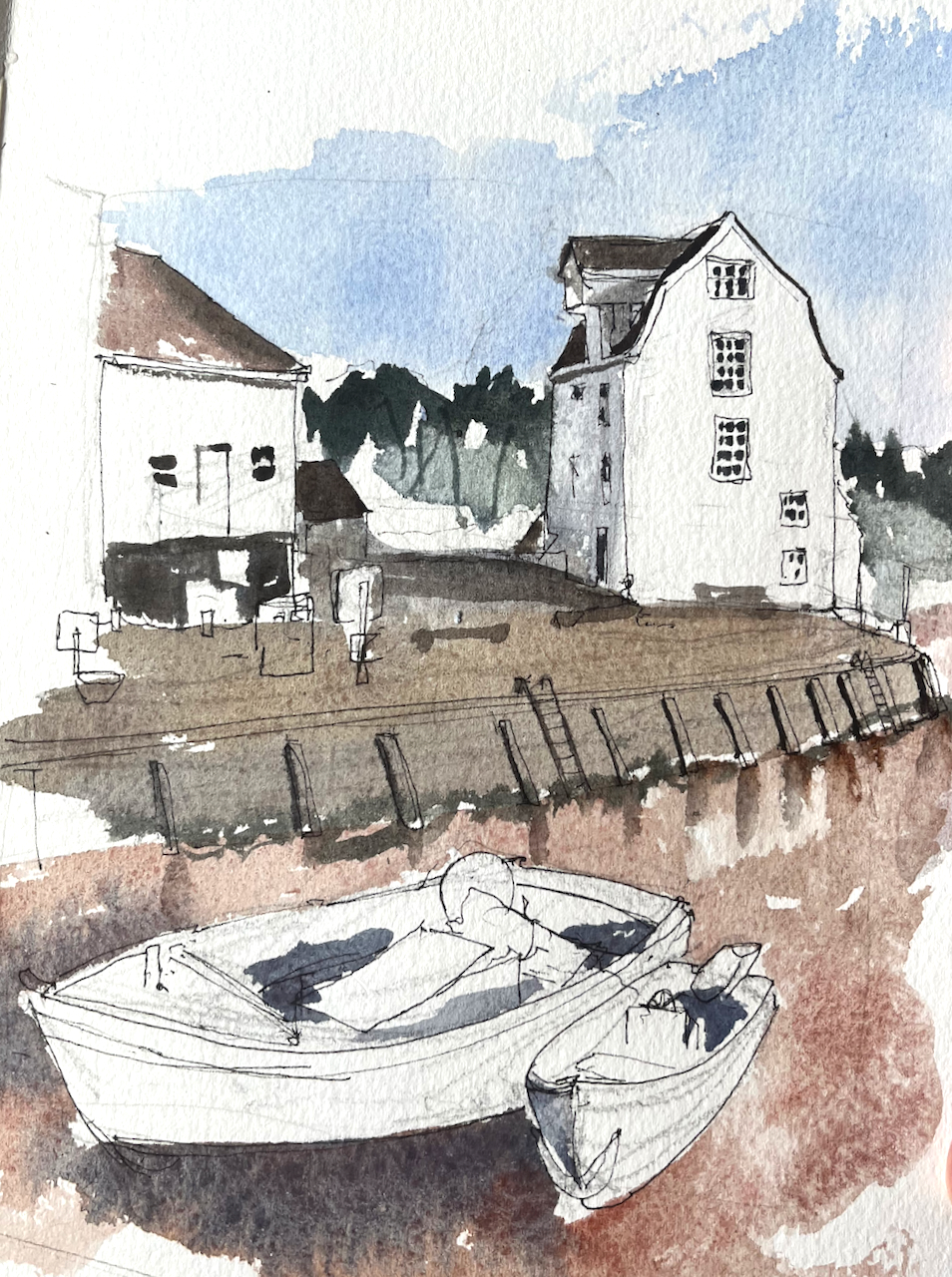
I sketched the wonderful Woodbridge Tide Mill earlier this month.
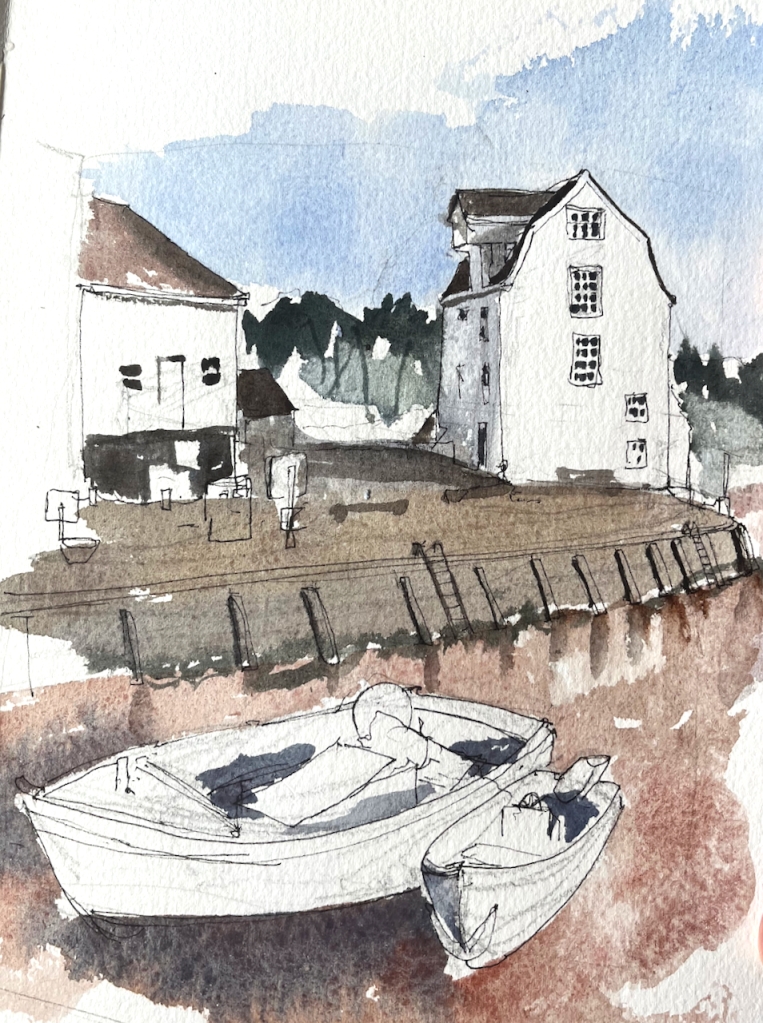
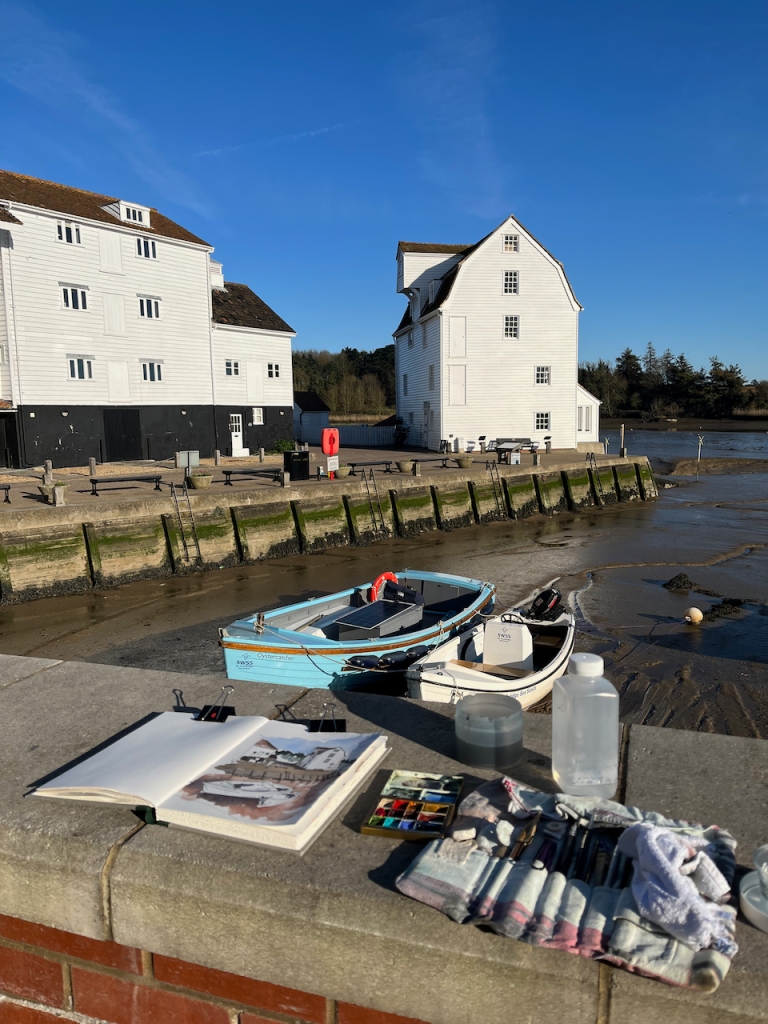
The boats in the foreground are “Oystercatcher” on the left, and “Isla” on the right.
The Tide Mill was working when I visited. Huge wheels turned powerfully as water poured down from the Mill Pond. The water drives a millstone which grinds flour. There is also a tide-operated mobile phone charger in the mill!

This picture took me about an hour, drawn and coloured on location.


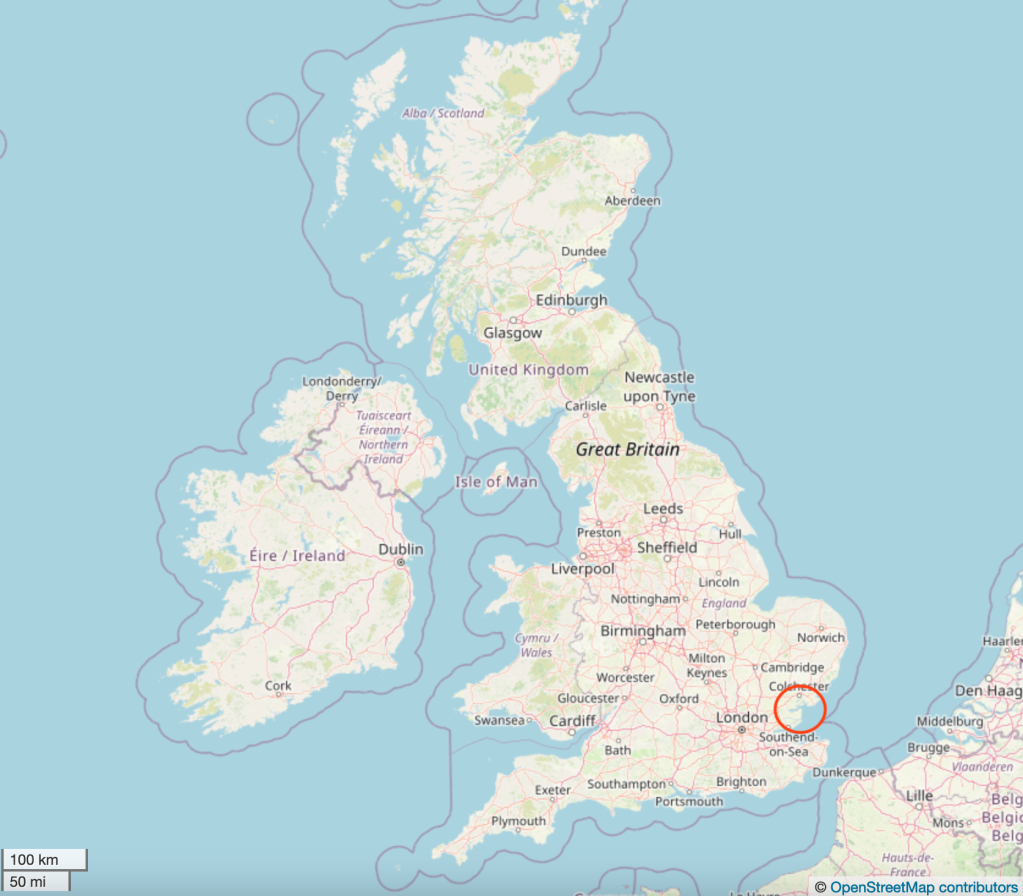
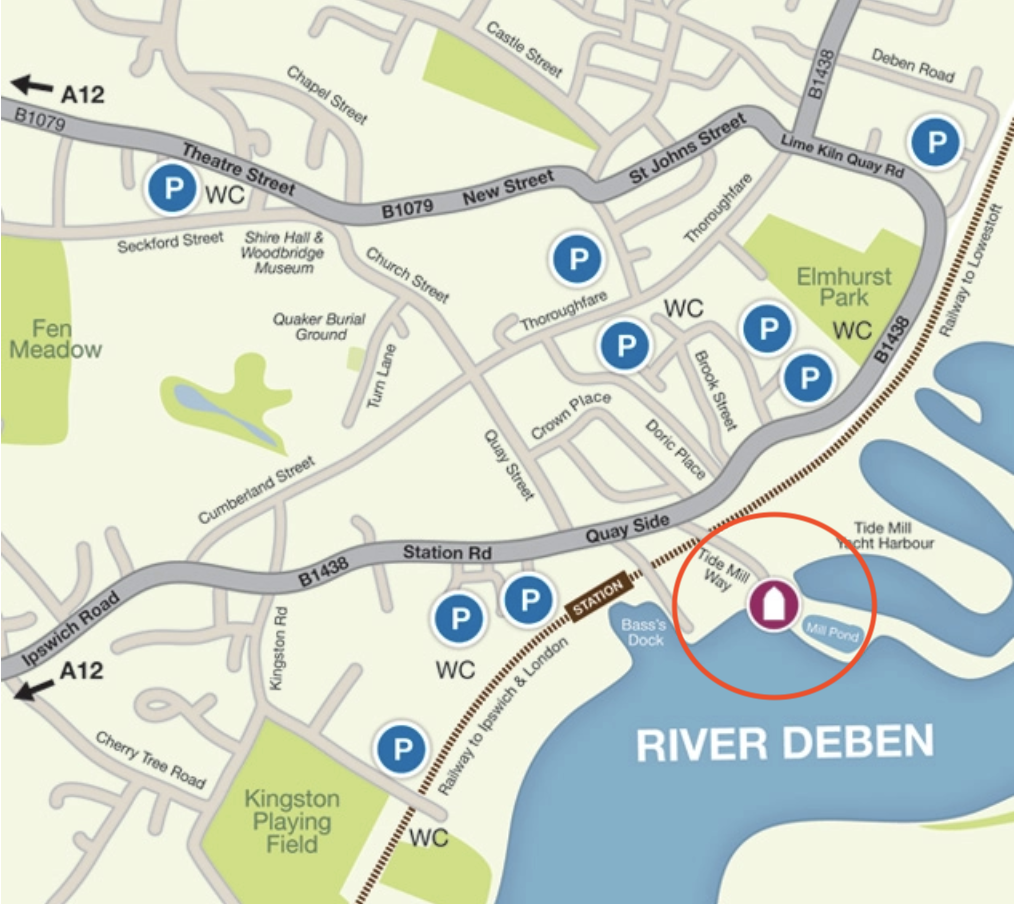
Here are some maps so you can find the Tide Mill. It’s a short walk from the railway station.


Wonderful Bonnard- most gentle impressionist.

“In 1912, Pierre Bonnard bought a country house called Ma Roulotte (“My Caravan”) at Vernonnet, a small town on the Seine. This painting shows the dining room there, with cats perching on the chairs and Marthe de Méligny, the artist’s wife, leaning on the windowsill. Bonnard, who considered himself “the last of the Impressionists,” emphasized the expressive qualities of bright colors and loose brushstrokes in this picture. He united the interior with the exterior through the open window and door, and linked the forms by bathing them in related hues. Unlike the Impressionists, however, Bonnard painted entirely from memory. And like the Symbolists, he wanted his works to reflect his subjective response to the subject.”
Read More
View original post 76 more words
Categories
White magnolia flower

Categories
Siberian squill

Categories
Abandoned Railroad Tunnel, France
Categories
St Markos Church, Belgrade, Serbia
Breaded cutlets and rowan gin sounds a delightfully formidable combination!

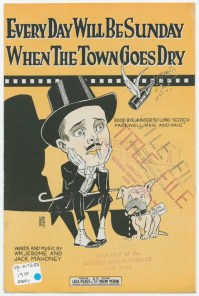
When our man Alexander Voloshin and his fellow émigrés, who had seen their share of suffering in the Old World, landed in the United States in the 1920s, they found much to celebrate — but one thing stuck in their craw. That something was prohibition and the Volstead Act, the puritanical law of the land, which wasn’t done away with until 1933. The émigrés had already had a taste of dry living. As I show in one of the first sections of 1917: Stories and Poems from the Russian Revolution, the Tsarist ban on the sale of alcohol during the Great War led to much frustration and, with the coming of the Revolution, to mass raids on cellars and warehouses where wine and vodka were stored. It also led to clever workarounds.
In the brief third chapter of the second part of his epic, On the Tracks and…
View original post 420 more words
 penwithlit
