Categories
Uncategorized

1909-1911: why politics never really changes

Itsonlychemo's avatarIt's only chemo

A few facts about the 1909-1911 period, from the People’s Budget to the Parliament Act, taking in two elections along the way, which show us that there is nothing new under the sun.

  • Both elections in 1910 resulted in a hung Parliament with about 70 Irish Nationalists, and 42 Labour MPs.
  • The Unionists (Conservatives) won 2,270,753 votes to the Liberals 2,157,256 but the Liberals had one extra seat.
  • There were three major parties in Parliament during this era, and after 1910 the Liberal majority was somewhat reliant on them for majorities.
  • The Liberal government was accused of being in hock to Irish Nationalist support.
  • In 1906 the Liberals increased their seat count by 214, and in January 1910 they lost 123 seats. These sorts of swings were not unusual in this period. In 1945 Attlee increased his seat count by 239. No winning party then increased by over a hundred…

View original post 338 more words

Categories
Uncategorized

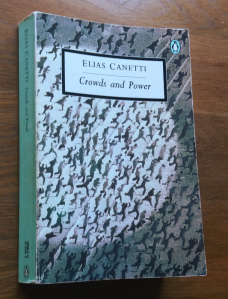
‘Crowds and Power’ by Elias Canetti (GLM IX)

Jonathan's avatarIntermittencies of the Mind

Elias Canetti’s Crowds and Power is a book I first read many years ago and one that I had intended to re-read for quite a few years now. With my reading of Stifter’s Witiko taking place only at the weekends I thought Crowds and Power would be a great book to read during the weekday commute; it’s non-fiction, which I sometimes find easier to read on a crowded bus, and it’s split into small chapters. Given that I’d considered Crowds and Power to be a favourite of mine when I first read it, I was surprised to find I was less enamoured with it second time around. Still, its positives outweigh its negatives and I would still recommend it to anyone at all interested in the subject.

Crowds and Power was first published as Masse und Macht in 1960 and was translated into English by Carol Stewart in 1962. It…

View original post 1,055 more words

Categories
Uncategorized

Kommt ein Engel geflogen – Adventpost von Susanne Haun

Lovely, lovely drawings!!

Susanne Haun's avatarSusanne Haun

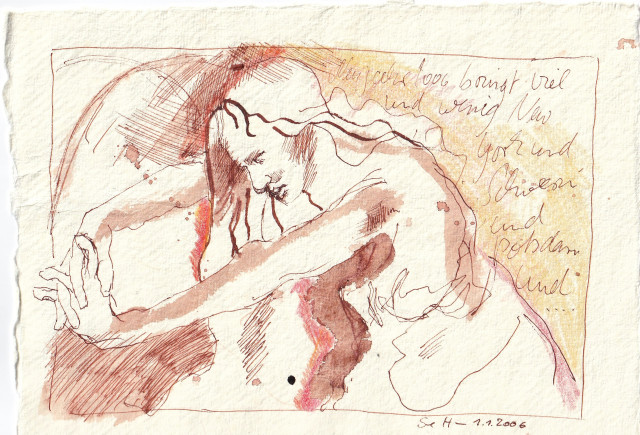
1 - Susanne Haun, Ein Engel in New York und Schwerin, 1.1.2006, 15 x 10 cm, Tusche, Buntstift und Aquarell auf Silberburg Büttenpapier1 – Susanne Haun, Ein Engel in New York und Schwerin, 1.1.2006, 15 x 10 cm, Tusche, Buntstift und Aquarell auf Silberburg Büttenpapier

Kommt ein Engel geflogen – Adventpost von Susanne Haun

Sagt mir doch nicht

Es gäbe keine Engel mehr

Wenn ihr die Liebe gekannt habt

Ihre rosigen Flügelspitzen

Ihre eherne Strenge

Marie Luise Kaschnitz, deutsche Schriftstellerin (1901 – 1974)


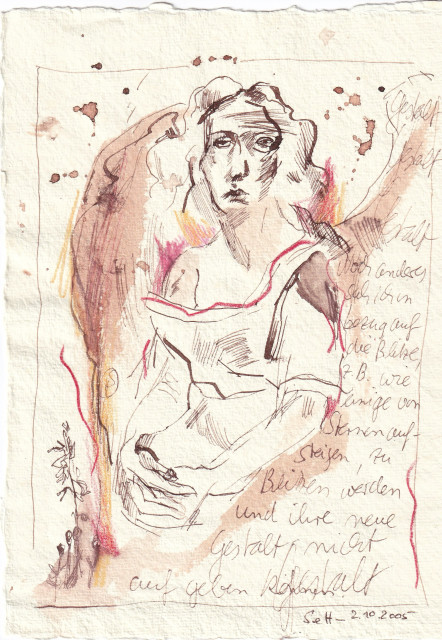
Die Engelsthematik zieht sich durch mein gesamtes Oeuvre. Sie erscheinen mir als Wesen, die beschützen, mahnen, lieben, beraten, also in vielfältiger Funktion unterwegs sind.

2 - Susanne Haun, Wie einige von Sternen aufsteigen, 2.10.2005, 20 x 15 cm, Tusche, Buntstift und Aquarell auf Silberburg Büttenpapier2 – Susanne Haun, Wie einige von Sternen aufsteigen, 2.10.2005, 20 x 15 cm, Tusche, Buntstift und Aquarell auf Silberburg Büttenpapier

Und wie jedes Jahr nähert sich Weihnachten schnell, plötzlich und unerwartet.

So ist es gut, sich schon jetzt Gedanken um die Weihnachtsgeschenke zu machen. Vielleicht ein Schutzengel für das Familienoberhaupt*in oder Blumen für die Liebste, die nicht welken?

Aufgrunddessen biete ich als besonderes…

View original post 229 more words

Categories
Uncategorized

#Non-Fiction Mr Putin: Operative in the Kremlin

Categories
Uncategorized

Slovakia photo gallery

Categories
Uncategorized

Auguste Renoir 8: 1901-1905

Some lovely and intriguing paintings!

hoakley's avatarThe Eclectic Light Company

When Renoir entered the twentieth century, his painting was successful. Figurative works, portraits and a steady stream of nudes, were much in demand, although he hadn’t changed his style or approach too much. It was in his landscapes, painted more for his own pleasure, that he was most progressive, and truly Post-Impressionist. By the start of 1901, a total of eight of his paintings were in French museums, and many had sold for good sums to collectors both in Europe and the USA.

His life, though, was limited by his progressively worsening rheumatoid arthritis. He regularly ‘took the waters’ at healing spas around France, and was spending more time each year in the more comfortable warmth of the south of France. When he stayed in the north, he preferred to be near his wife’s family in Essoyes, where he had a property. In the summer of 1901, he exchanged a…

View original post 995 more words

Categories
Uncategorized

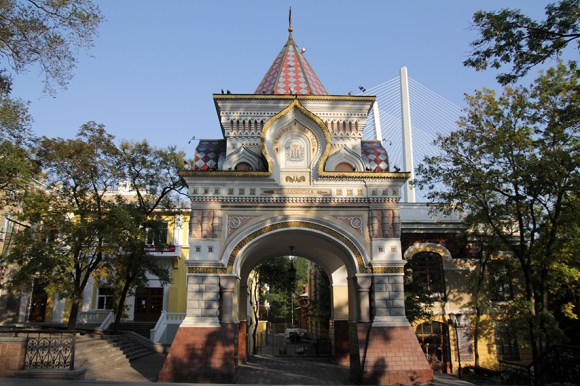
Impressions…Vladivostok, Russia

Great photographs!!

Anne Bernecker's avatarANNE BERNECKER

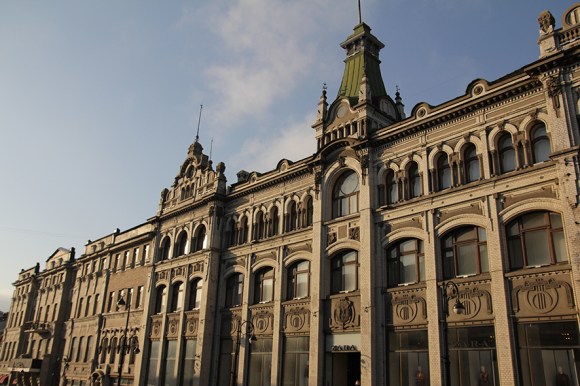
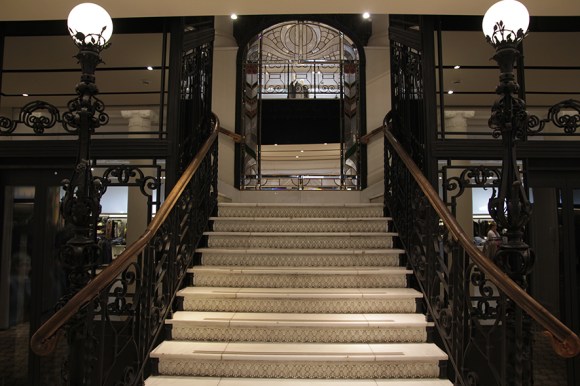
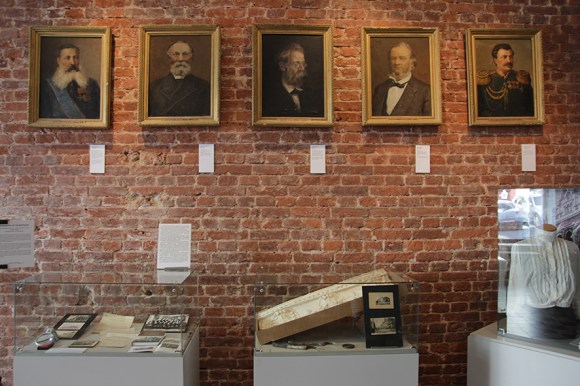
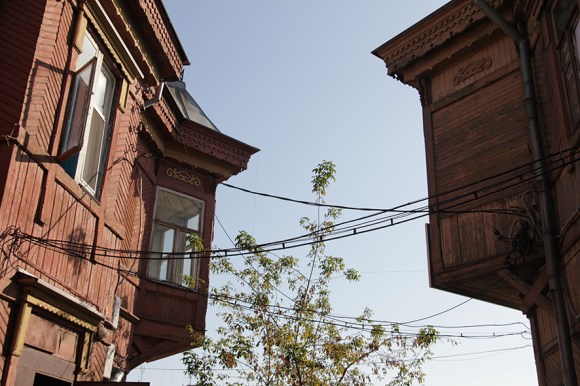
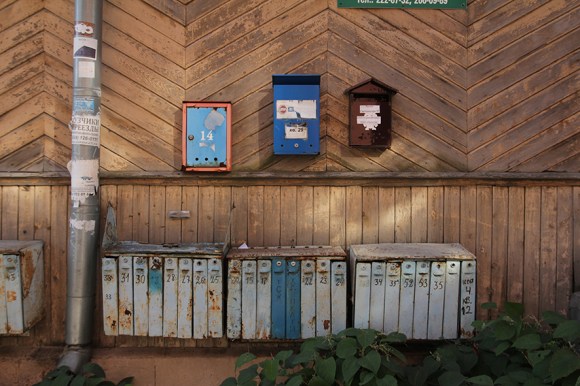
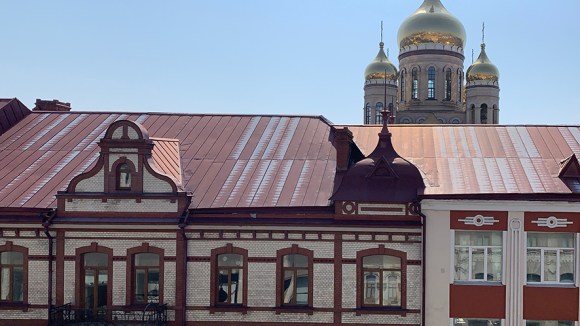
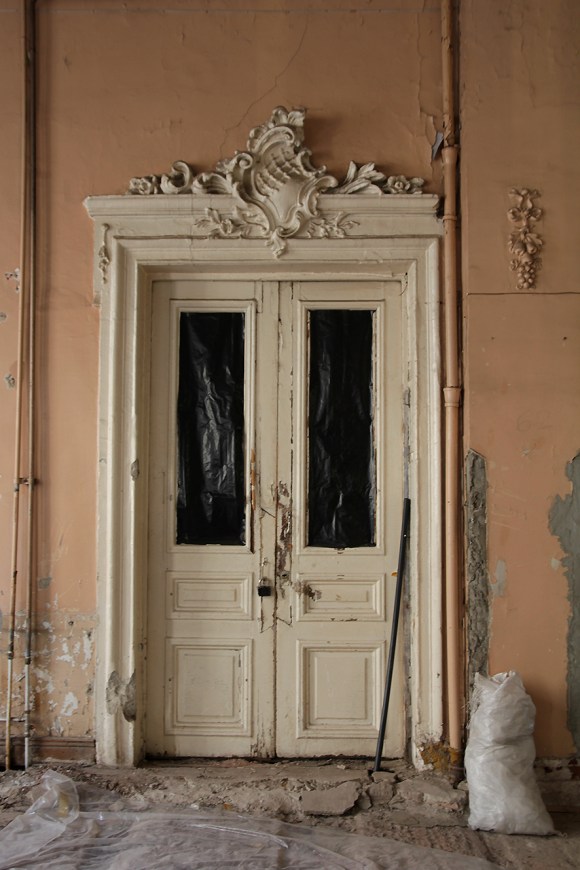
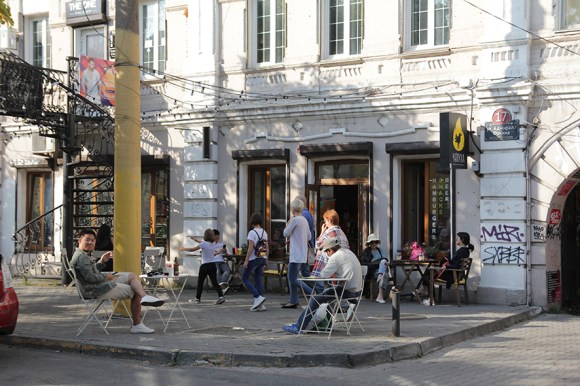
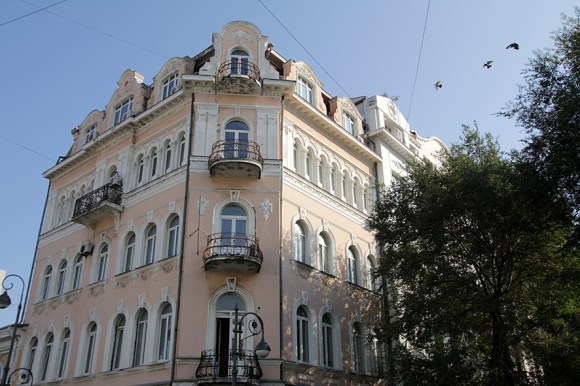
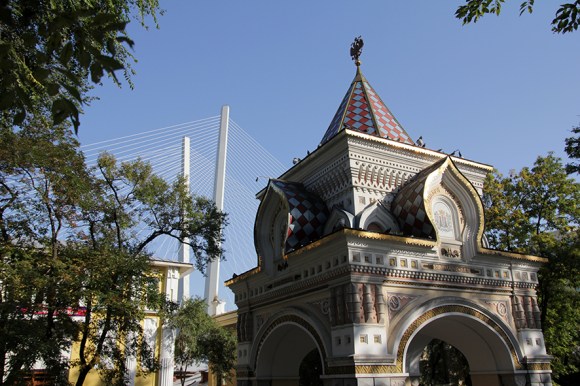
After Blagovechensk we took the night train to Khabarovsk and then onto Vladivostok. An impressive Russian city on the pacific, where my great-grandfather Adolf Dattan was running the Kunst & Albers department store until the First World War. It was such a fantastic trip, following the footsteps of of our ancestor and to understand more about his life and achievements.

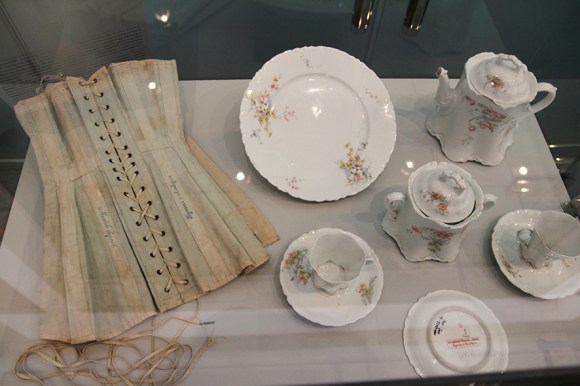
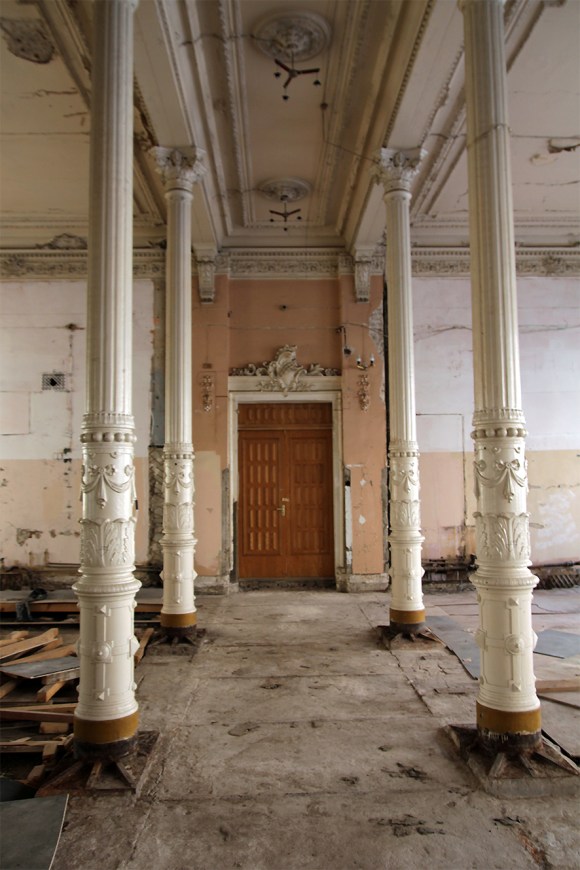
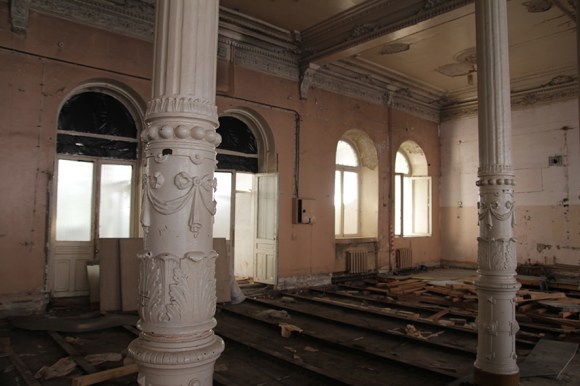
Thank you also for everyone at the Arseniev Museum, for the private tour of the Kunst & Albers exhibition and through the city. It was so inspiring to hear more about Adolf Dattan’s life, to visit the former department store, the Dattan house and former dining hall he built, and to find out that he also used to produce fashion and porcelain for Kunst & Albers.

Thank you for everyone who helped making it an amazing and unforgettable trip!!

View original post

Categories
Uncategorized

Hayle: South Quay

Great photographs in this post!!

Categories
Uncategorized

Hayle: Penpol Creek

Categories
Uncategorized

J’accuse

Looks brilliant and so important for Europe today.

directactufr's avatarDirect-Actu.fr le blogzine de la culture pop et alternative

Pendant les 12 années qu’elle dura, l’Affaire Dreyfus déchira la France, provoquant un véritable séisme dans le monde entier.
Dans cet immense scandale, le plus grand sans doute de la fin du XIXème siècle, se mêlent erreur judiciaire, déni de justice et antisémitisme. L’affaire est racontée du point de vue du Colonel Picquart qui, une fois nommé à la tête du contre-espionnage, va découvrir que les preuves contre le Capitaine Alfred Dreyfus avaient été fabriquées.
A partir de cet instant et au péril de sa carrière puis de sa vie, il n’aura de cesse d’identifier les vrais coupables et de réhabiliter Alfred Dreyfus.

View original post