Categories
Uncategorized

Roger

apolla13's avatarNames Throughout the Ages

Roger is an English given name meaning “famous spear” made up from Germanic elements hrod (famous, fame) and ger (spear). It’s also a surname originating from the given name. As an Irish surname it’s also been used as an anglicized form of Gaelic Mac Ruaidhrí meaning “son of Ruaidhrí”, the latter the Irish form of Rory meaning “red king” made up from Old Irish rúad (red) and  (king).

Origin: Proto-Indo-European

ea2907fc685b7e51598d766cdfabcdfaPinterest

Variants:

  • Rodger (English)
  • Rogier (Dutch)
  • Rutger (Dutch)
  • Rüdiger (German)
  • Ruggiero (Italian)
  • Ruggero (Italian)
  • Rogério (Portuguese)
  • Hrodger (Ancient Germanic)
  • Hroðgar (Anglo-Saxon)
  • Hrothgar (Anglo-Saxon)
  • Hróarr (Ancient Scandinavian)
  • Hróðgeirr (Ancient Scandinavian)
  • Roar (modern Norwegian form of Hróarr)
  • Ruth (Limburgish short form of Rutger)

View original post

Categories
Uncategorized

Folk Songs: ‘When You and I Were Young, Maggie’

Very sweet and moving.

At Sunnyside - Where Truth and Beauty Meet's avatarAt Sunnyside - Where Truth and Beauty Meet

I first saw a recording by the group Mignarda (http://www.Mignarda.com) at Cap’s Blog in his post Se sei con me.  By their own words,

“As Mignarda (http://www.Mignarda.com), we typically perform music from the 16th century, but while taking a break from recording the music of John Dowland, we did an impromptu rendition of this lovely old song.”

This “impromptu rendition” of When You and I Were Young, Maggie is below. ❤️

The poem was written for Maggie Clark of Glanford, Ontario by poet George Washington Johnson. George and Maggie became engaged, married, and moved to Cleveland, but Maggie died less than a year later in May 1865 and was buried near her old home. Washington returned to Canada where he taught at the University of Toronto.

The poem was published in 1864 in a collection entitled ‘Maple Leaves’ and, after Maggie’s death, Johnson arranged for…

View original post 425 more words

Categories
Poetry Uncategorized

Impatient Apparition

I have been reading John Aubrey

recently, how it was common to

see visions, apparitions

and lions wandering as lightning strikes

in the Agora- or perhaps the seasons

are out of joint-out of synch.


And anyway you didn’t phone me

at home to tell me why

you were not coming today

as you do this day every week

early really at nine thirty

unpredictable irregularity

makes me quite shirty


No text or phone call by

ten past ten and then

I hope you are quite o.k.

Some good reason you did

not arrive today.


No post either-so feeling

somewhat put out and cut off

my unconscious seems to have ploughed

you up- so as I slammed

the door- it was you I saw-


Torso emerging in a forward frozen pose-

in some limbo-like

grey or perhaps bright red-

half alive but perhaps half dead

legs concealed beneath the tiled path

for ever immobile-

I am sorry to have left you

quite like that.


i

Categories
Uncategorized

Georgiana

apolla13's avatarNames Throughout the Ages

Georgiana is the feminine form of George, the English form of Greek Georgios, which means “farmer, earthworker” from georgos made up from Greek elements ge (earth) and ergon (work).

Nicknames: Georgie, Gia, Giana, George, Anna

Origin: Ancient Greek, Proto-Indo-European

ed23e1a1cfd7d631aee2a9f10e65fd88Pinterest

Variants:

  • Georgianna (English)
  • Georgeanna (English)
  • Georgia (English, Greek)
  • Georgina (English, Dutch, German, Spanish)
  • Georgine (English)
  • Georgene (English)
  • Georgette (French)
  • Georgine (French)
  • Georgelle (English)
  • Jorja (English)
  • Gergana (Bulgarian)
  • Đurađa (Serbian, Croatian)
  • Djuradja (Serbian)
  • Đurđa (Croatian)
  • Đurđica (Croatian)
  • Jiřina (Czech)
  • Györgyi (Hungarian)
  • Giorgia (Italian)
  • Giorgina (Italian)
  • Georgeta (Romanian)

Male forms:

  • George (English, Romanian)
  • Georgios (Ancient Greek, Greek)
  • Georgius (Latinized Greek)
  • Giorgos (Modern Greek)
  • Yiorgos (Greek)
  • Yorgos (Greek)
  • Gjergj (Albanian)
  • Gevorg (Armenian)
  • Kevork (Armenian)
  • Gorka (Basque)
  • Georgi (Bulgarian)
  • Jordi (Catalan)
  • Jory (Cornish)
  • Đuro (Croatian, Serbian)
  • Juraj (Croatian, Slovak)
  • Đurađ (Serbian, Croatian)
  • Jure (Slovene, Croatian)
  • Juro (Croatian)
  • Jiří (Czech)
  • Georg (Danish, German, Swedish, Norwegian, Icelandic, Estonian)
  • Jørgen (Danish, Norwegian)
  • Joeri…

View original post 106 more words

Categories
Uncategorized

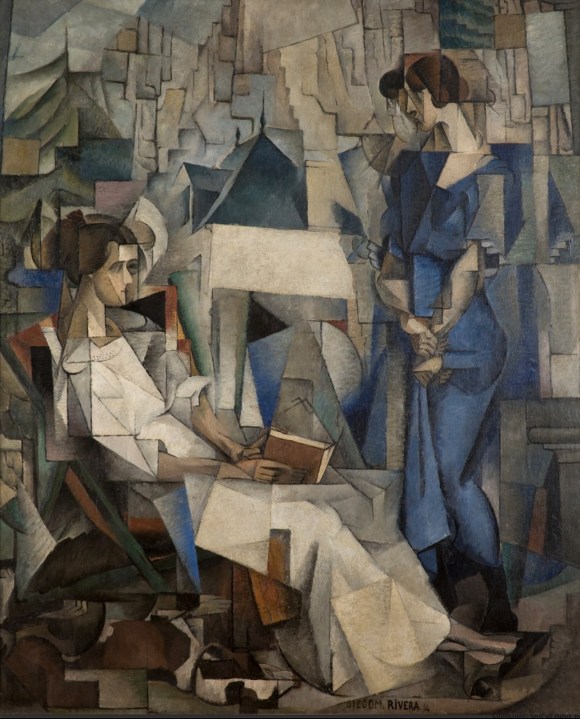
Diego Rivera: Two Women (1914)

At Sunnyside - Where Truth and Beauty Meet's avatarAt Sunnyside - Where Truth and Beauty Meet

screenshot_2019-01-10 art in context - the arkansas arts center Diego Rivera, Mexican (1886 – 1957), Dos Mujeres (Two Women), 1914, Oil on canvas, Arkansas Arts Center Foundation Collection: Gift of Abby Rockefeller Mauzé, New York. Public domain US, Link: https://www.arkansasartscenter.org/art-in-context
“I know now that he who hopes to be universal in his art must plant in his own soil. Great art is like a tree, which grows in a particular place and has a trunk, leaves, blossoms, boughs, fruit, and roots of its own. The more native art is, the more it belongs to the entire world, because taste is rooted in nature. When art is true, it is one with nature. This is the secret of primitive art and also of the art of the masters—Michelangelo, Cézanne, Seurat, and Renoir. The secret of my best work is that it is Mexican.”    Diego Rivera

Click for Enlarged Detail

“The secret of my best work is that it is…

View original post 103 more words

Categories
Uncategorized

Jago

Fascinating links…

apolla13's avatarNames Throughout the Ages

Jago is the Cornish form of Jacob or James, both of which derive from Hebrew Ya’aqov meaning “holder of the heel” or “supplanter”. Jago is also a surname originating from the given name.

Origin: Hebrew

d2e6c11bed57b60753f6b41e627aa53dPinterest

Variants:

  • Iago (Welsh, Galician, Portuguese)
  • Yago (Spanish)

View original post

Categories
Uncategorized

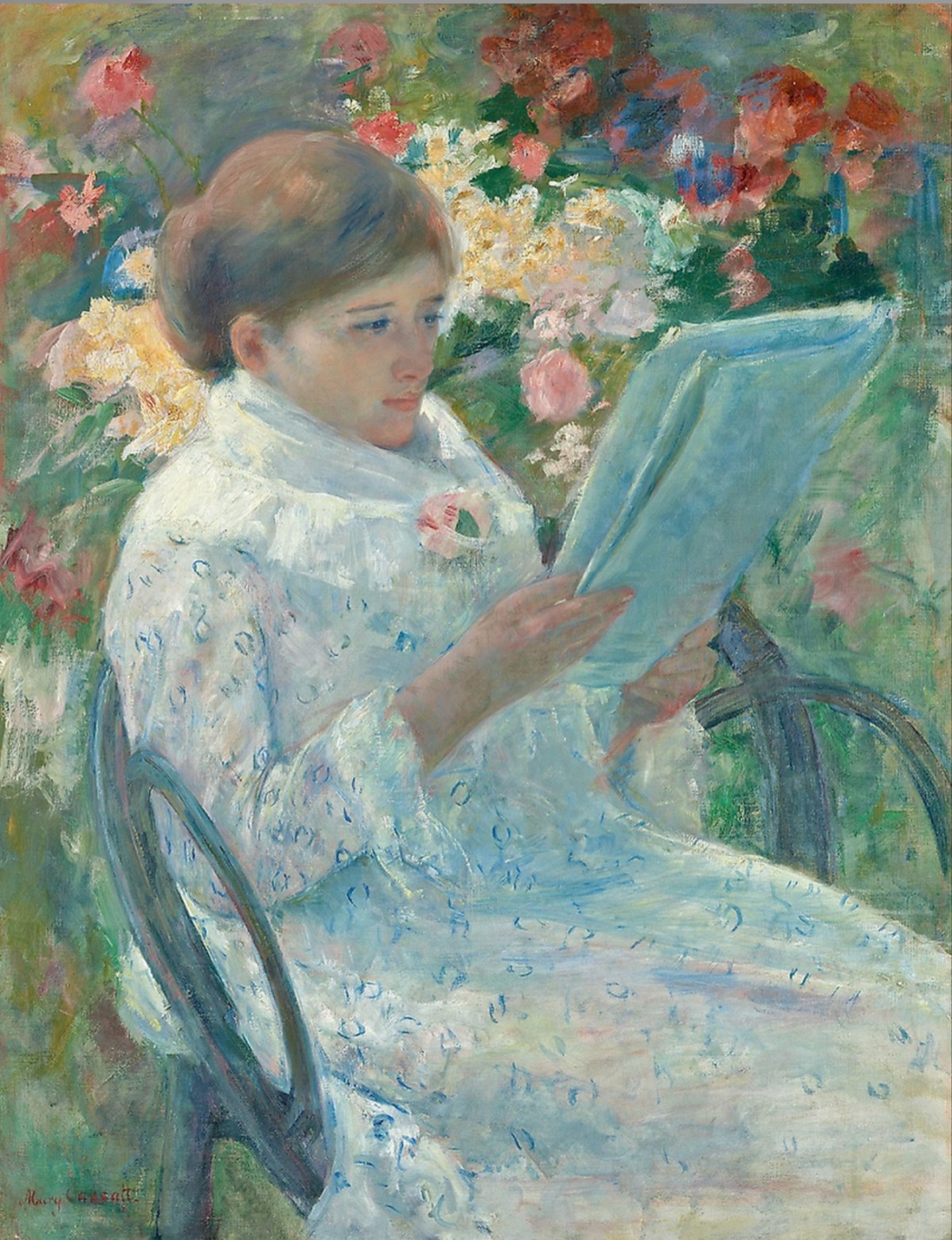
Mary Cassatt: On a Balcony (1878-1879)

At Sunnyside - Where Truth and Beauty Meet's avatarAt Sunnyside - Where Truth and Beauty Meet

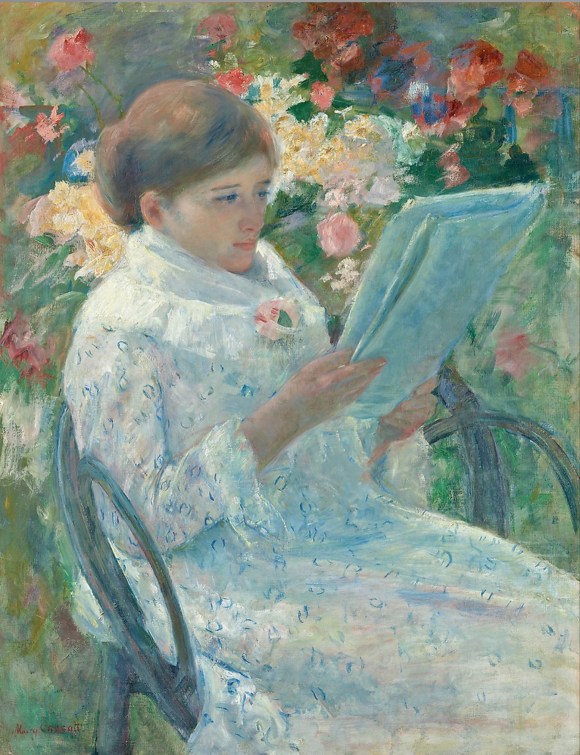
Screenshot_2018-12-26 Discover Art Artists The Art Institute of ChicagoOn a Balcony, 1878/79, Mary Cassatt, American (1844–1926), Oil on canvas, Signed lower left: “Mary Cassatt”, 89.9 × 65.2 cm (35 1/2 × 25 5/8 in.), Credit Line: Gift of Mrs. Albert J. Beveridge in memory of her aunt, Delia Spencer Field, Source: (Art Institute of Chicago)

Cassatt Catches Quiet Moments

During Mary Cassatt’s early Impressionist period, she frequently focused on the activities of middle-class women in society—at the theater or taking tea, for example. At first glance, the arresting painting ‘On a Balcony’, which was shown in the 1880 Impressionist exhibition, appears to depict a woman in a public setting.

However, the blue rail of the balcony, visible near the top of the painting, defines the enclosed space of a private garden, while the woman’s morning dress further indicates the intimacy of her location. Cassatt signaled the modernity of her subject through the woman’s choice of reading…

View original post 90 more words

Categories
Uncategorized

Jenifry

apolla13's avatarNames Throughout the Ages

Jenifry is a Cornish female name, the Cornish form of Welsh Gwenfrewi. It’s made up of Welsh elements gwen (white, fair, blessed) and frewi (reconciliation, peace)  though it’s possible the latter element could derived from Welsh ffrwd (brook, stream) so the name essentially means “blessed/fair peace” or “blessed/fair brook”.

Nicknames: Jen, Jenny

Origin: Proto-Celtic, Proto-Indo-European

9923144af852fda2f60ba2ea09bb1515Pinterest

Variants:

  • Gwenfrewi (Welsh)
  • Winifry (Welsh, English)

View original post

Categories
Uncategorized

Venezianische Liebe

Very beautiful and reminds me of the lovely names of fishing boats where I grew up; “Girl Renee” and “Sweet Promise”.

Wolfregen & Constanze's avatarDas poetische Zimmer

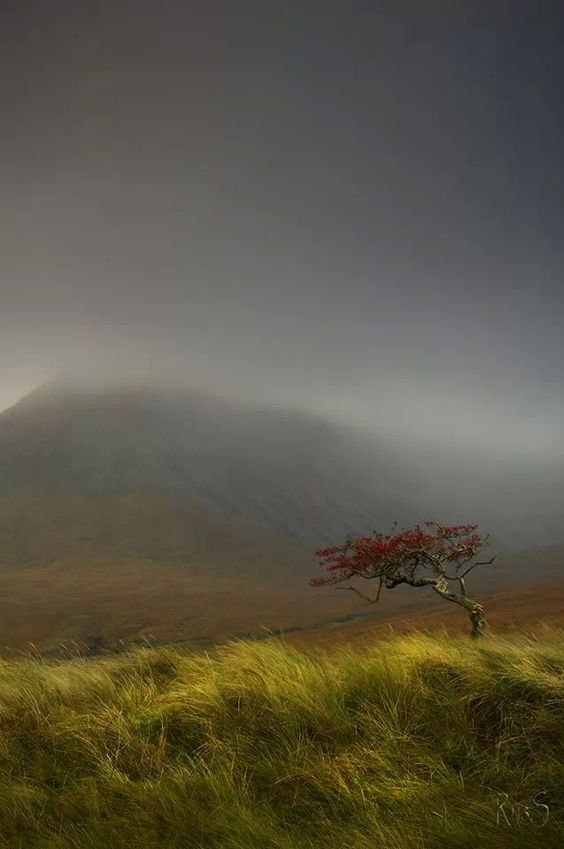
Iwan Konstantinowitsch Aiwasowski: Eine Bucht in der Nähe Venedigs (1842)
Die schöne Beatrice

Bernardos Kunst, der Gondelbau,
Venedig staunen ließ:
Er liebte eine schöne Frau,
Die Beatrice hieß;
Ihr wollte er bauen,
Der Schönsten der Frauen,
Zeigen, wie lieb er sie hat,
Die schönste Gondel der Stadt.

In seiner Werkstatt unbemerkt
Gedieh das schöne Boot,
Lackschwarz, mit edlem Holz verstärkt,
Im Innern rosenrot;
Ein Vorhang aus Spitze,
Gepolsterte Sitze,
Kissen aus strichweichem Samt,
Darauf ein Herz, das entflammt.

Er baute dran ein halbes Jahr,
Stieg sonntags noch hinab,
Und als die Gondel fertig war,
Schloss er die Werkstatt ab;
Wie herrlich die Planken,
Die Zacken und Ranken,
Kunstvoll das goldene Dach,
Ob Beatrice noch wach?

Die schönsten Kleider zog sie an,
Als sie die Gondel sah,
Ihr Name stand geschnitzt daran,
Sie war den Tränen nah;
Sich Träume bewahren,
Zum Lido zu fahren,
Liebevoll lud er sie ein
Vorm Haus…

View original post 35 more words

Categories
Uncategorized

Rowan

apolla13's avatarNames Throughout the Ages

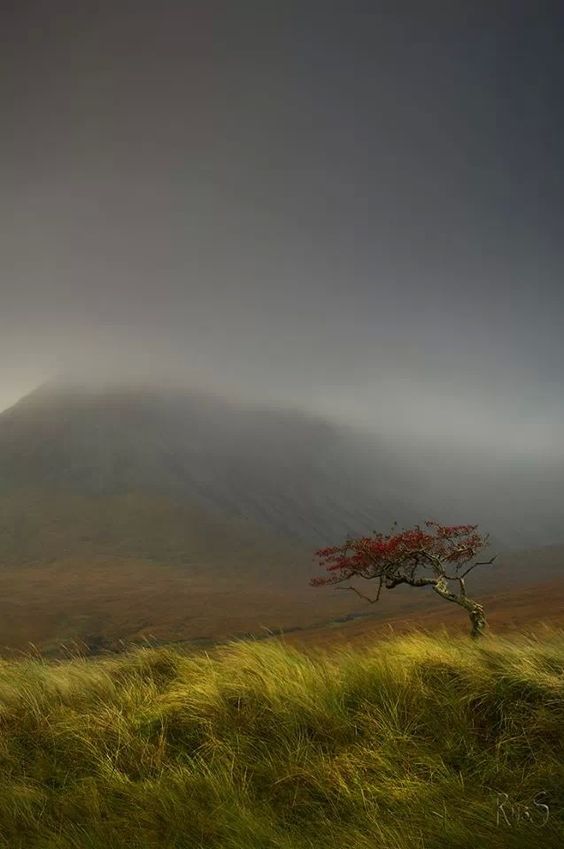
Rowan comes from an Irish surname which is the anglicized form of Ó Ruadháin meaning “descendant of Ruadhán”, the latter meaning “little red one”, a diminutive of Irish ruadh meaning “red”, derived as a nickname for someone who had red hair or a ruddy complexion. It derives from a Proto-Indo-European root. In Irish mythology, Ruadhán is the son of the Brigid, a goddess of poetry, healing, and smith craft. Rowan is also the name of a genus of trees which derives from the same root word as above.

Origin: Proto-Indo-European

7028a844940c817db2b943e1769abd36Pinterest

Female forms:

  • Rowanne (English)
  • Rowen (English)
  • Rowenne (English)

Male forms:

  • Ruadhán (Irish)
  • Rowen (English)

View original post