Zur Vernissage Querbrüche habe ich von einem lange nicht mehr gesehenen befreundeten Ehepaar, die ich bei der Geburtsvorbereitung vor 24 Jahren kennenlernte, einen Blumenstrauß mit einer Hortensie bekommen. Ich habe mich sehr über das Wiedersehen und auch über die Hortensie gefreut.
Hortensie – 23,5 x 32 cm – Tusche auf Aquarellkarton (c) Zeichnung von Susanne Haun
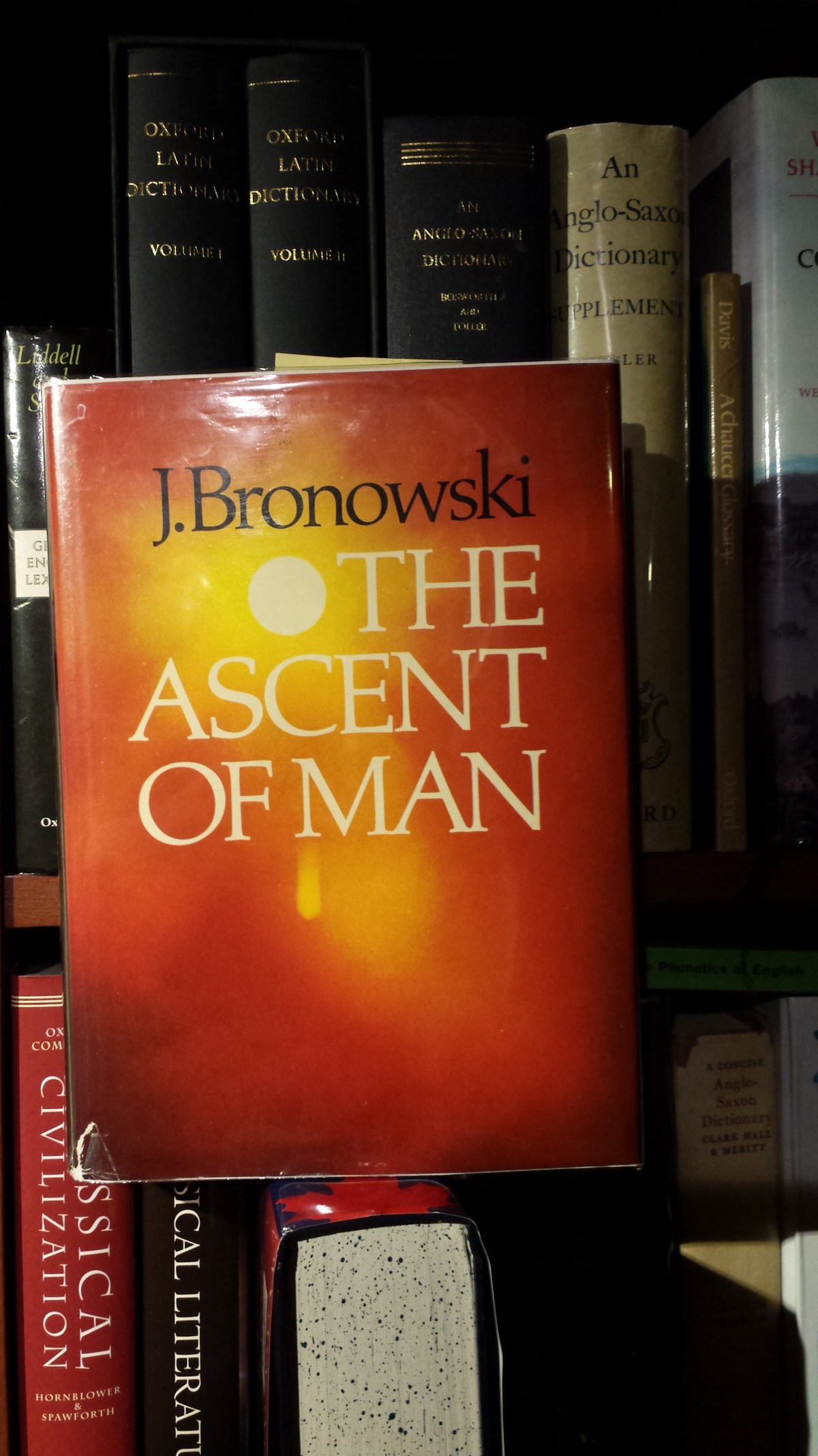
Here the great age opens. Physics becomes in those years the greatest collective work of science — no, more than that, the great collective work of art of the twentieth century.
J. Bronowski, The Ascent of Man, p. 330
When I was twelve years old I watched a most remarkable television program. This program did not so much change my life — I was twelve, just barely conscious of a life as something my own — as it set the primary intellectual course of my life. My parents generously bought me the big book that was basically a transcript of the show. I have treasured that book for forty years.
I’ve recently finished a reread of Jacob Bronowski’s The Ascent of Man and I found it an exhilarating, inspiring experience again. But the sweetness is tempered by a sad and tragic bitterness on which I will touch. Bronowski’s gentle…
I am posting this and another recent article on the other cultural history series for comparison -“The Ascent of Man” by Jacob Bronowski also worth revisiting
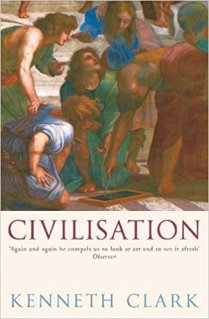
I first heard of Kenneth Clark (1903-1983)—the British art historian best known for his 13-part BBC documentary series Civilisation (1969)—in 2011. I watched all the episodes some time in 2012 but only recently went through the companion volume Civilisation: A Personal View. Clark, who had served as the director of the Ashmolean Museum in Oxford and the National Gallery in London, presents a sweeping and fascinating survey of Western Europe in this project—from the fall of the Roman Empire up till the post-Marxist situation. He makes sense of society through the lens of art (mostly visual and concrete) and offers a subjective assessment of the flow of ideas.
I am yet to come across another documentary on history and culture that matches the class and sophistication of this one. The title of the series was troubling for the art historian and broadcaster. While the…
Have your ever felt like you’ve
Wanted to be insatiable,
Unobtainable,
Untouchable,
But your wings are glued to your back and
Your tongue is tied by the invisible thread
Binding your words, or
Have you ever felt like screaming your heart out
Lyrically and passionately,
But weren’t able to find the “appropriate” word,
Or the “correct” synonym,
Because I have.
I’ve wanted to be reason I’m awake at night,
The reason I’m haunted by the all the words
Choking my throat,
All those thoughts I’m swallowing, and
All those beliefs trying to claw their way out
In the form of a free verse,
Without being stopped by rhymes,
Or the correct punctuation,
Without being told my sentences can’t
Reach a page they don’t belong to.
I want my words to roam around,
To string themselves into stanzas
Freely,
To lose themselves in the world of passion, And to morph into…
Ain’t no sunshine when she’s gone
It’s not warm when she’s away
Ain’t no sunshine when she’s gone
And she’s always gone too long…Wonder this time where she’s gone
Wonder if she’s gone to stay
Ain’t no sunshine when she’s gone
And this house just ain’t no home
Anytime she goes away
Wonder this time where she’s gone
Wonder if she’s gone to stay
Ain’t no sunshine when she’s gone
And this house just ain’t no home
Anytime she goes away
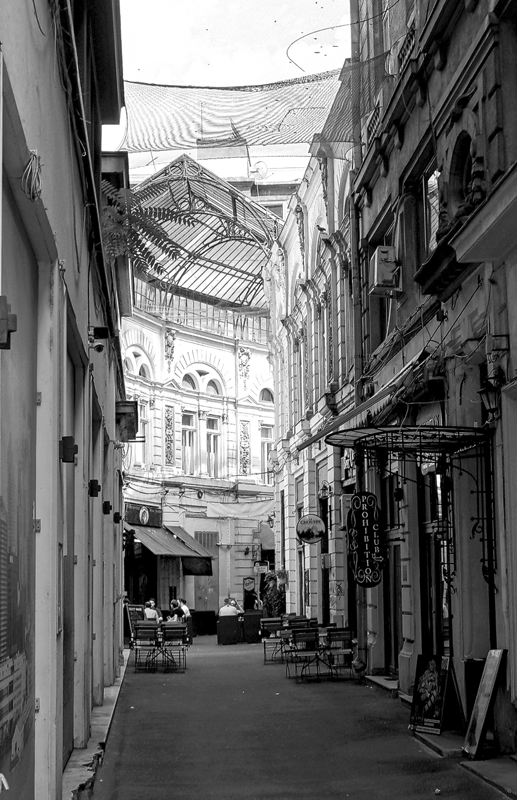
This song has been in the background of the Kaffeehaeuser -and I like that term-as I sometimes, in my Walter Mitty manner, like to imagine Penzance as a sort of Vienna. Sometimes the conversation feels as good as that in the heyday of the Cafe Central! As the darkness of twilight looms with the storm clouds and the sense of life’s losses becomes more a melancholy nostalgia. Outside the colours of the sky are glorious and then the song begins with its evocative repetition of the third verse:-
And I know, I know, I know, I know,
I know, I know, I know, I know, I know
I know, I know, I know, I know, I know
I know, I know, I know, I know, I know
I know, I know, I know, I know, I know
I know, I know,
Hey, I oughtta leave young thing alone
But ain’t no sunshine when she’s gone
The only other song that seems to have a similar effect is, of course, Stormy Weather, which once brought tears to my eyes in -banal and bathetic note– Pizza Express in Truro!
Ain’t no sunshine when she’s gone
Only darkness every day
Ain’t no sunshine when she’s gone
And this house just ain’t no home
Anytime she goes away
Anytime she goes away
Anytime she goes away
Anytime she goes away

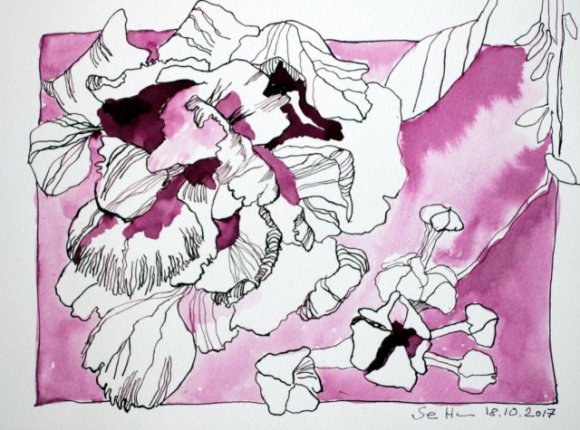 Hortensie – 23,5 x 32 cm – Tusche auf Aquarellkarton (c) Zeichnung von Susanne Haun

![20140417_205133[1]](https://penwithlit.com/wp-content/uploads/2017/10/20140417_20513311.jpg?w=221&h=395)






 penwithlit