Categories
Uncategorized

Sunrise on Impressionism: 17 Pierre-Auguste Renoir

The DVD “Renoir” by French screenwriter, producer and director Gilles Bourdos is very worth the time to view.

hoakley's avatarThe Eclectic Light Company

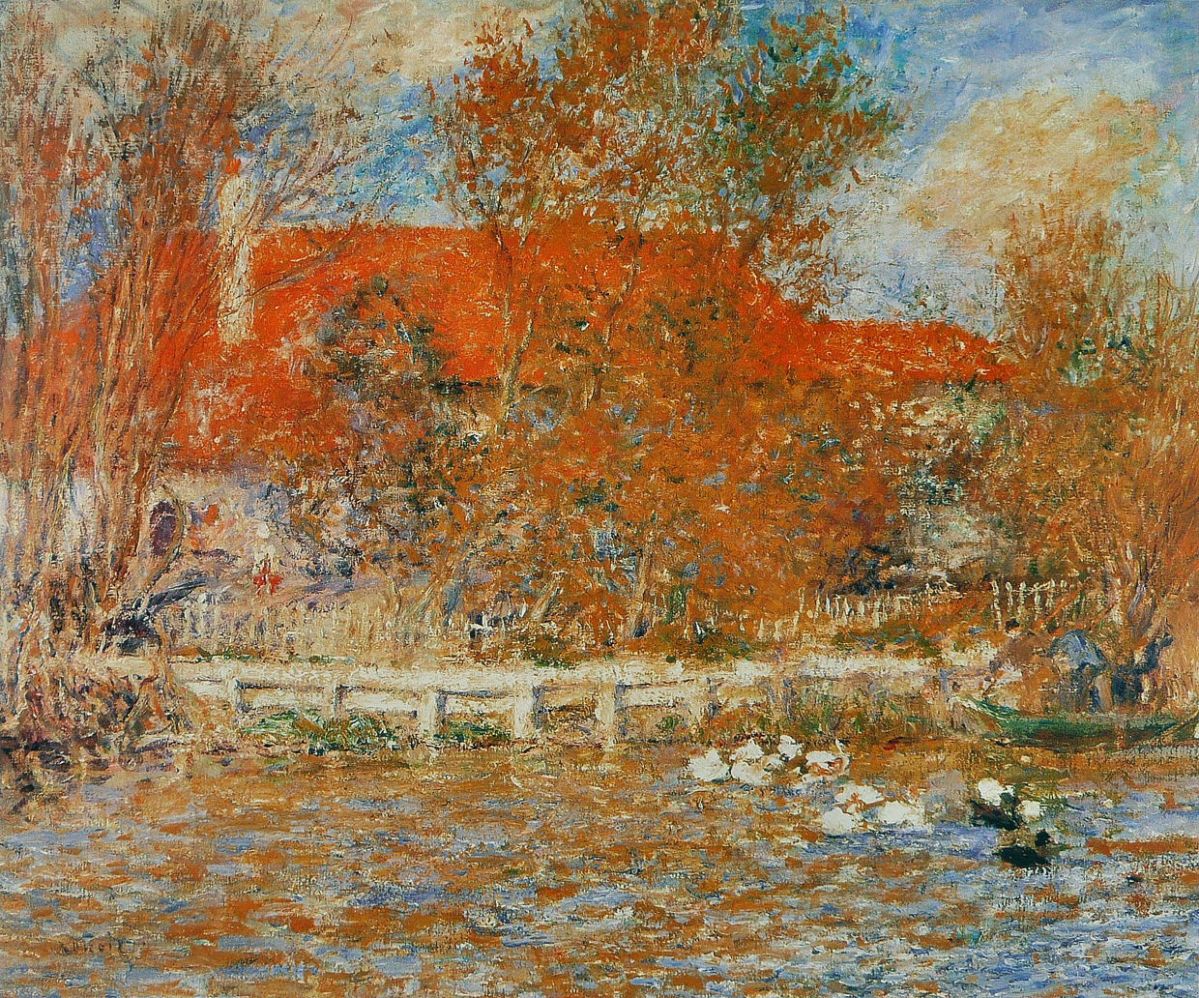
There’s a modern tendency to think of Pierre-Auguste Renoir (1841–1919) as not being one of the true French Impressionists, as if he somehow abandoned the movement and went off to paint only portraits and buxom nudes. As the core Impressionist with the greatest figurative skills, his work embraces more genres, but it’s all too often forgotten how central he was to the development of Impressionist landscape painting.

Renoir was born in Limoges, just to the west of the middle of France, on 25 February 1841. His father was a tailor, and the family soon moved, when Auguste was but a toddler, to seek their fortune in Paris. As a child, he showed an early aptitude for drawing and singing, and was taught music by the composer Charles Gounod.

The Renoirs’ relocation didn’t bring the expected change in fortune, so once he was thirteen, young Auguste started his apprenticeship at a…

View original post 1,501 more words
Categories
Uncategorized

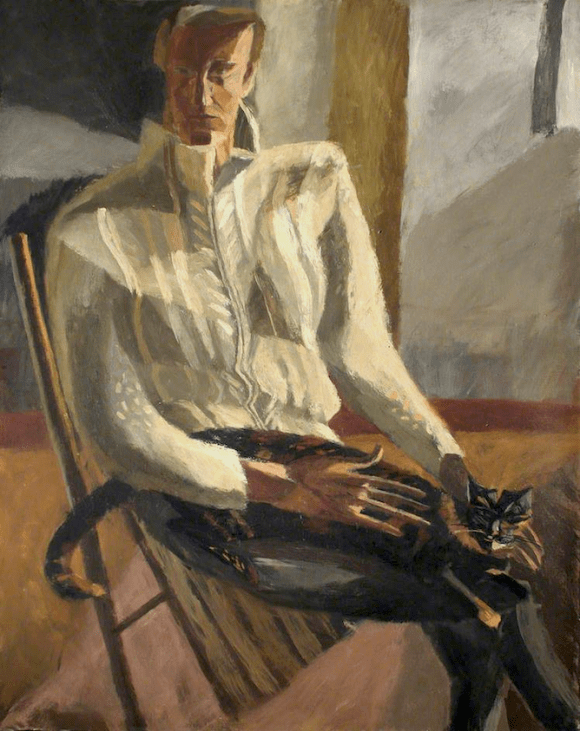
Great Uncle John Aldridge, a very English painter

This work is so amazing, fascinating and wonderfully evocative!

milodickinson's avatarMilo Dickinson

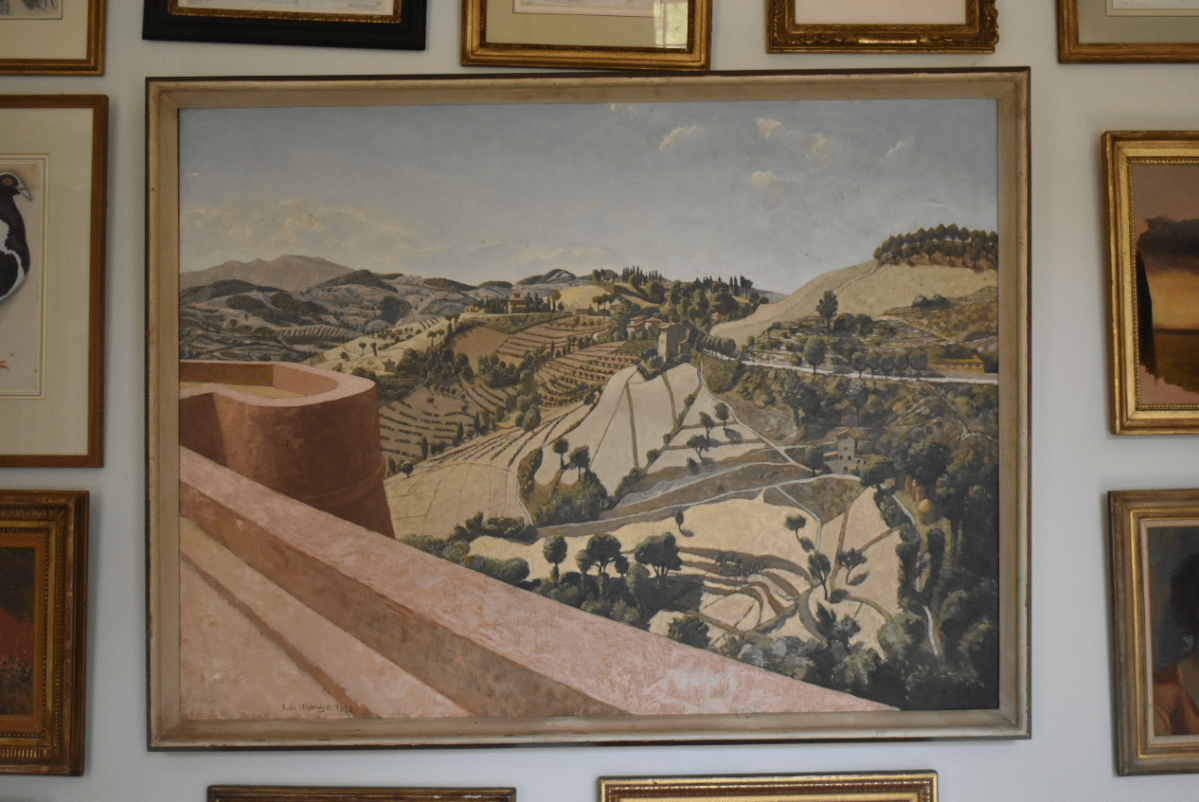
John Aldridge was my grandmother’s half-brother and has always been known to me as Uncle John. He was a painter, designer and book illustrator, active from the 1930s until his death in 1983. Although not very well-known, he worked for many years alongside Eric Ravilious and Edward Bawden, two artists who are more or less established in the national consciousness.

My mother and her siblings knew John when he was an older man, by then a semi-establishment figure, a teacher of young artists at The Slade and a member of the Royal Academy.

The family walls are plastered with his work,some paintings and many drawings, most of them rescued from old folders that were discovered after my grandmother’s death.

John was said to have been a kind and gentle soul. Attractive, erudite and very intelligent, he studied the Classics (or ‘The Greats’ as it was then called) at Oxford. Here…

View original post 1,255 more words

Categories
Uncategorized

Seaside, Portencross, Scotland

Categories
Uncategorized

Geometric Sunset, Livorno, Italy

Categories
Uncategorized

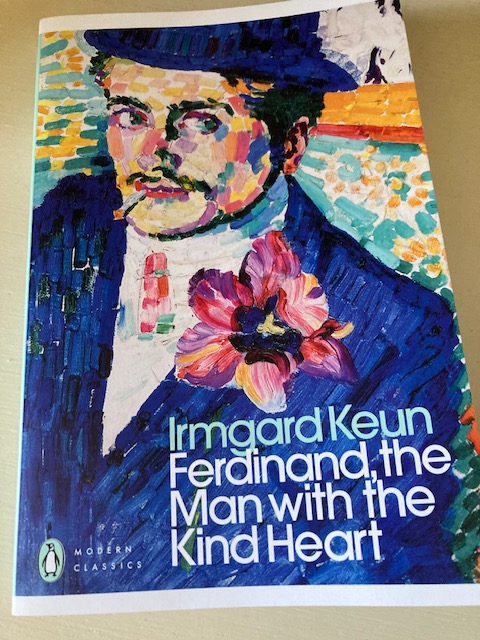
Ferdinand, the Man with the Kind Heart (tr. Michael Hofmann)

I really like Keun and intrigued by her relationship with Joseph Roth. Hoffman is a brilliant translator too. Currently reading Käsebier conquers the Kurfürstendamm
Novel by Gabriele Tergit

JacquiWine's avatarJacquiWine's Journal

The German writer Irmgard Keun lived a fascinating life. Having enjoyed great success with her first two novels Gilgi, One of Us (1931) and The Artificial Silk Girl(both of which I adored), she found herself blacklisted when the Nazis swept to power in 1933. By 1936, Keun was travelling around Europe in the company of her lover, the Jewish writer Joseph Roth. After Midnight (1937) and Child of All Nations (1938) were written while Keun was in exile abroad, with the writer finally returning to Germany in 1940 under an assumed name – possibly helped by a false newspaper report of her suicide. A final novel, Ferdinand, the Man with the Kind Heart, was published in Germany in 1950 but has only recently been translated into English by Michael Hofmann in 2021.

Ferdinand differs from Keun’s earlier novels by virtue of its focus on a male character. So while

View original post 857 more words

Categories
Uncategorized

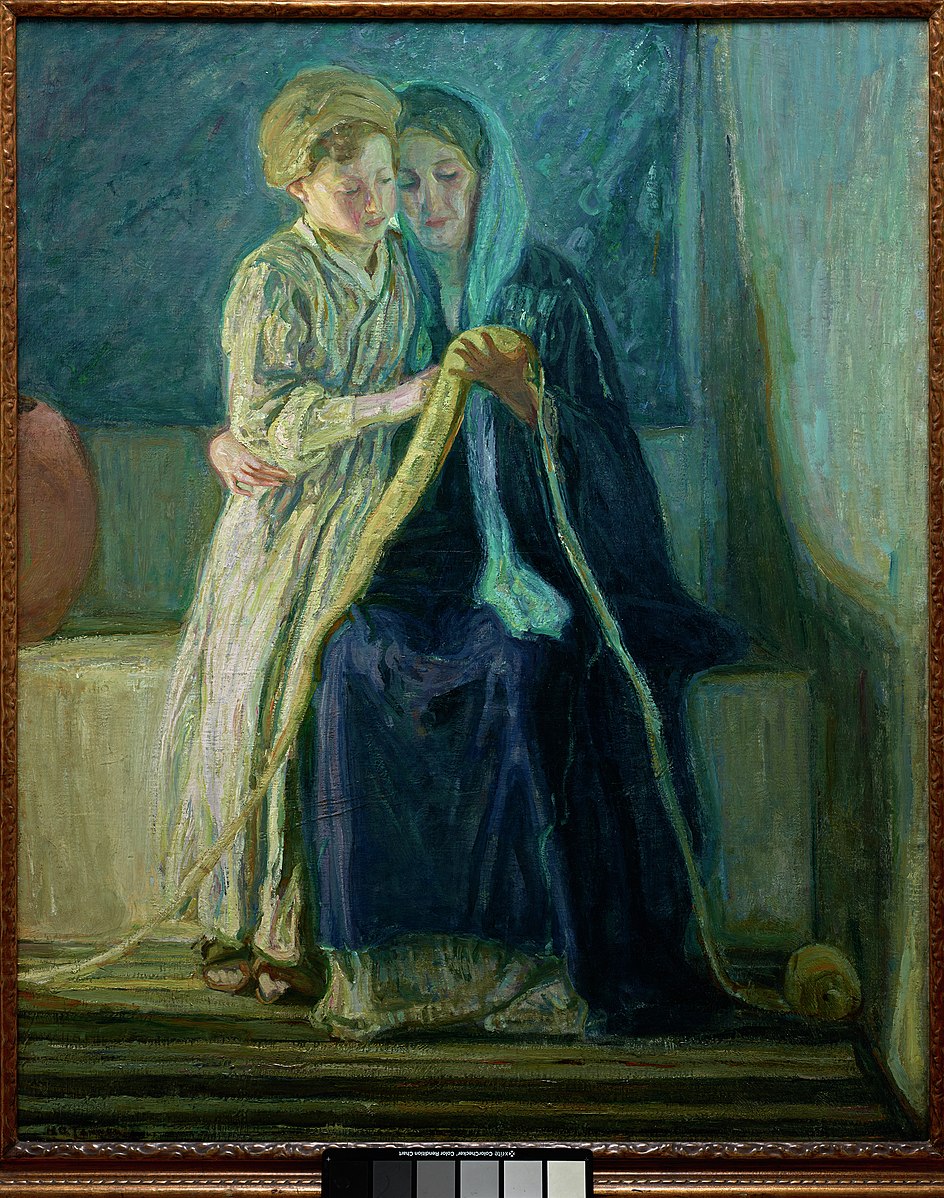
Henry Ossawa Tanner: Christ and His Mother Studying the Scriptures (1909)

Beautiful

At Sunnyside - Where Truth and Beauty Meet's avatarAt Sunnyside - Where Truth and Beauty Meet

Henry Ossawa Tanner, Christ and His Mother Studying the Scriptures, 1909, oil on canvas, Dallas Museum of Art, Image Source: wikimedia

Christ and His Mother Studying the Scriptures presents a dramatic, yet intimate scene. The figures of Christ and Mary clasp each other tenderly as they each hold the scroll from which they read, their physical bond an outward acknowledgment of their spiritual unity. Henry Ossawa Tanner’s lush, densely painted surface is restricted to shades of blue, purple, and gold, bathing the figures in a warm, golden light, a metaphor for the illumination gleaned from the scroll. His combination of the broken brushwork, Tonalist colors, and Symbolist subject matter has been compared to that of Albert Pinkham Ryder, without that artist’s obsessively overworked surfaces. Thanks to existing photographs, we know that Tanner used his wife and son as models for Mary and Jesus, giving the work a double resonance…

View original post 73 more words

Categories
Uncategorized

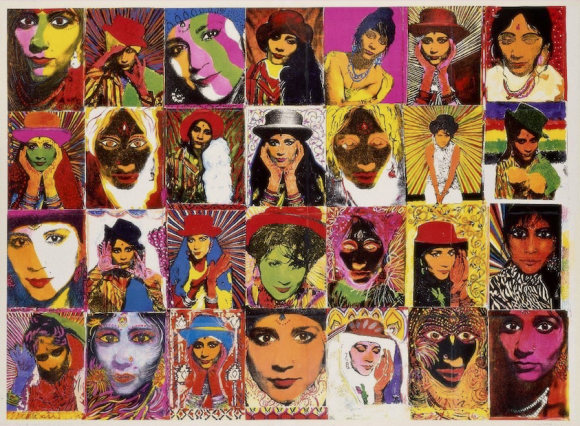
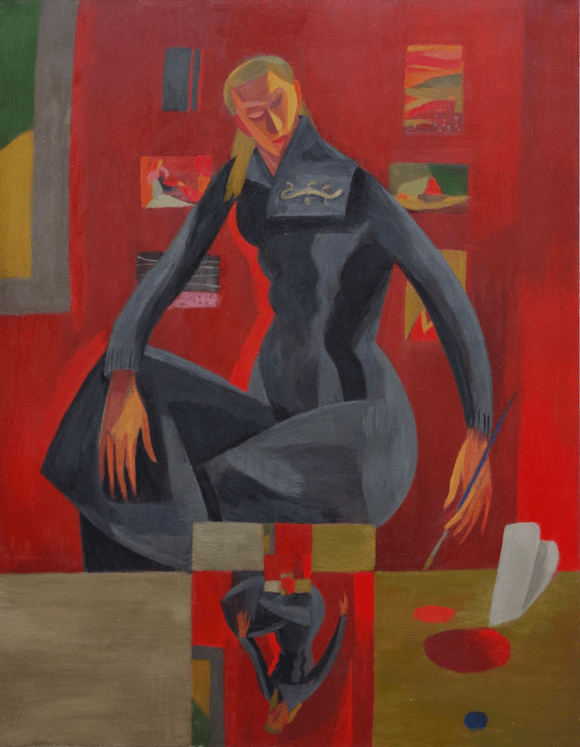
Autoportrait Day 281~ Chila Kumari Burman

Categories
Uncategorized

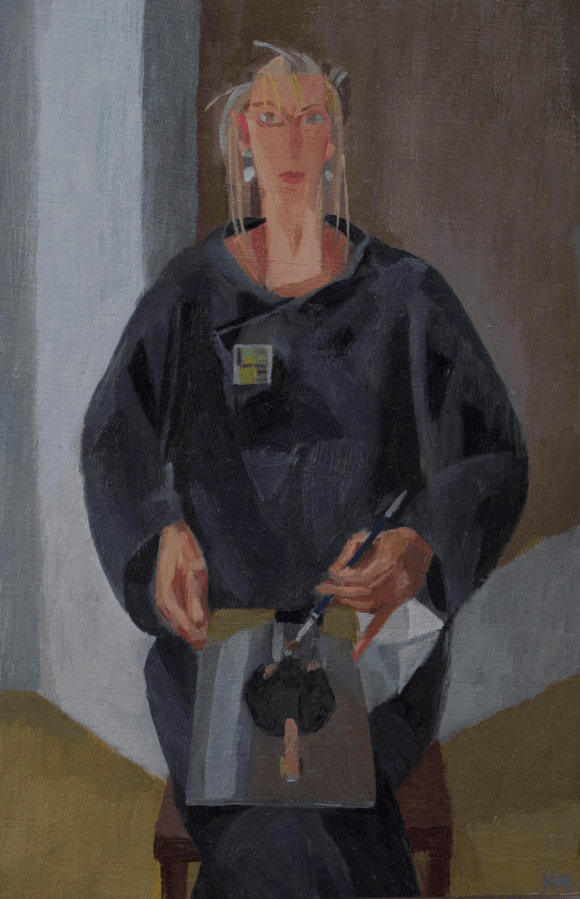
Autoportrait Day 280~ Mary Mabbutt

Categories
Uncategorized

The Internal Guilt-Tripper: Why You’re Partially Responsible for Some of Your Most Negative Feelings

Very useful and interesting and capable of being explored and adapted, I think.

Leon Garber, LMHC's avatarLeon's Existential Cafe

Internal pressure is often externalized and disavowed.

Most of us have a strong tendency to blame others for how we’re feeling. Consider the moments in which you chastised your friend or spouse for making you feel angry or for guilt-tripping you. In our minds, the lever that controls our emotions resides elsewhere, with others, as though we aren’t, to some extent, agents of our own thoughts and feelings.

And much of the time, our own agency largely remains unconscious. But think about feelings and their relationships with our interpretations and expectations. What if you didn’t expect yourself to constantly cater to a co-dependent partner? What if it isn’t your duty to resolve all of his problems? The internal pressure to become someone else’s savior matches with the external pressure to resolve another’s problems. Individuals who chronically complain pull for sympathy and aid, but there’s also a hard-wired part in many…

View original post 550 more words

Categories
Uncategorized

Debussy’s Clair de Lune I

Delightful!!

At Sunnyside - Where Truth and Beauty Meet's avatarAt Sunnyside - Where Truth and Beauty Meet

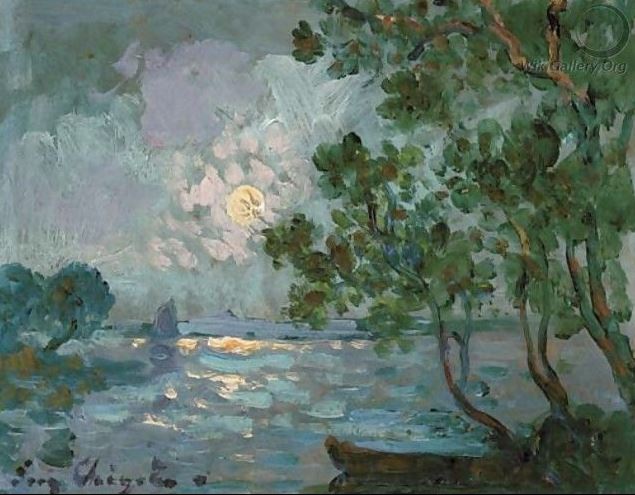
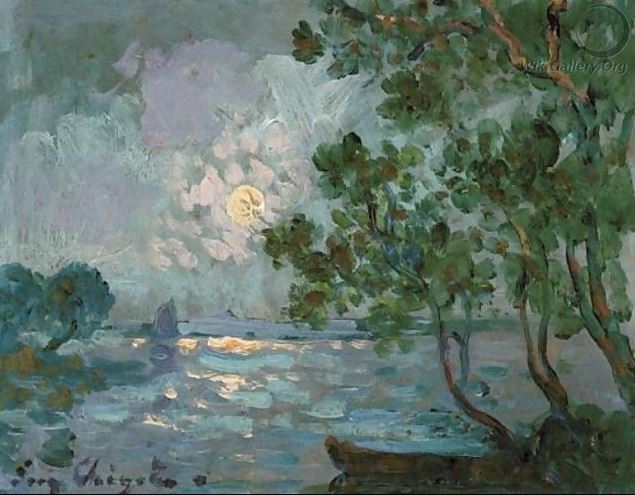
Eugène Chigot (1860 – 1923), Clair de Lune (Moonlight), Image Source wikimedia

Clair de Lune is Debussy’s most famous work, but what can we learn from the cultural and aesthetic world in which it was written? Let’s deconstruct Clair de Lune. (Listening In)

Read More

Eugène Chigot at wikiwand

See More

Eugène Chigot | Artnet

Thanks for Visiting 🙂

~Sunnyside

View original post