Well, a fascinating and absolutely lengthy list which could understandably convert anyone to intensive analysis of short passages. I certainly wish I had read the Classics in greater depth years ago- esp. Greek drama. The few books that I have managed in French and German have become memorable. Interesting, that you met Bloom and I wonder how you might update the canon?
Category: Uncategorized
Categories
Paintings of 1920: Landscapes 3
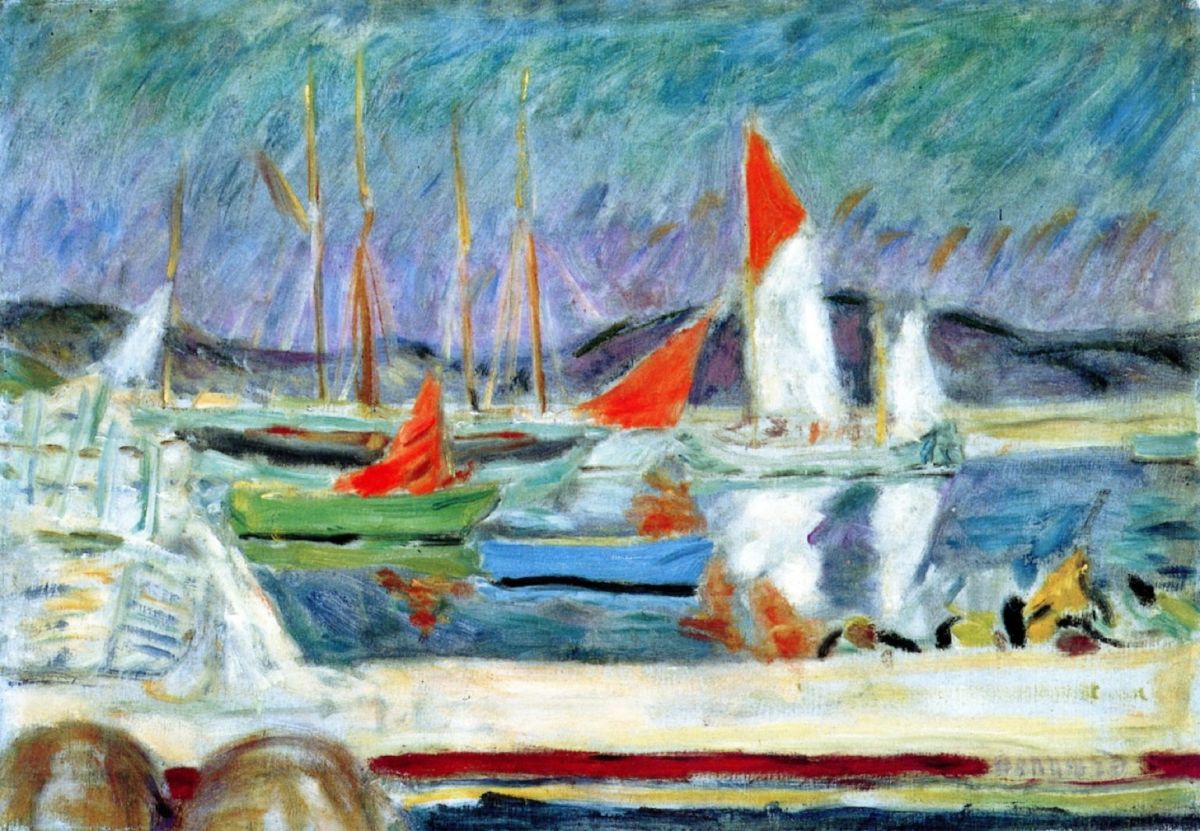
Some very interesting paintings here from 100 years ago and the advent of Modernism.

In this final look at a selection of paintings which were completed in or around 1920, I include more landscapes in more modern styles from around the world.
My first landscape artist is something of a misfit here, as he was on his journey to Surrealism at the time.
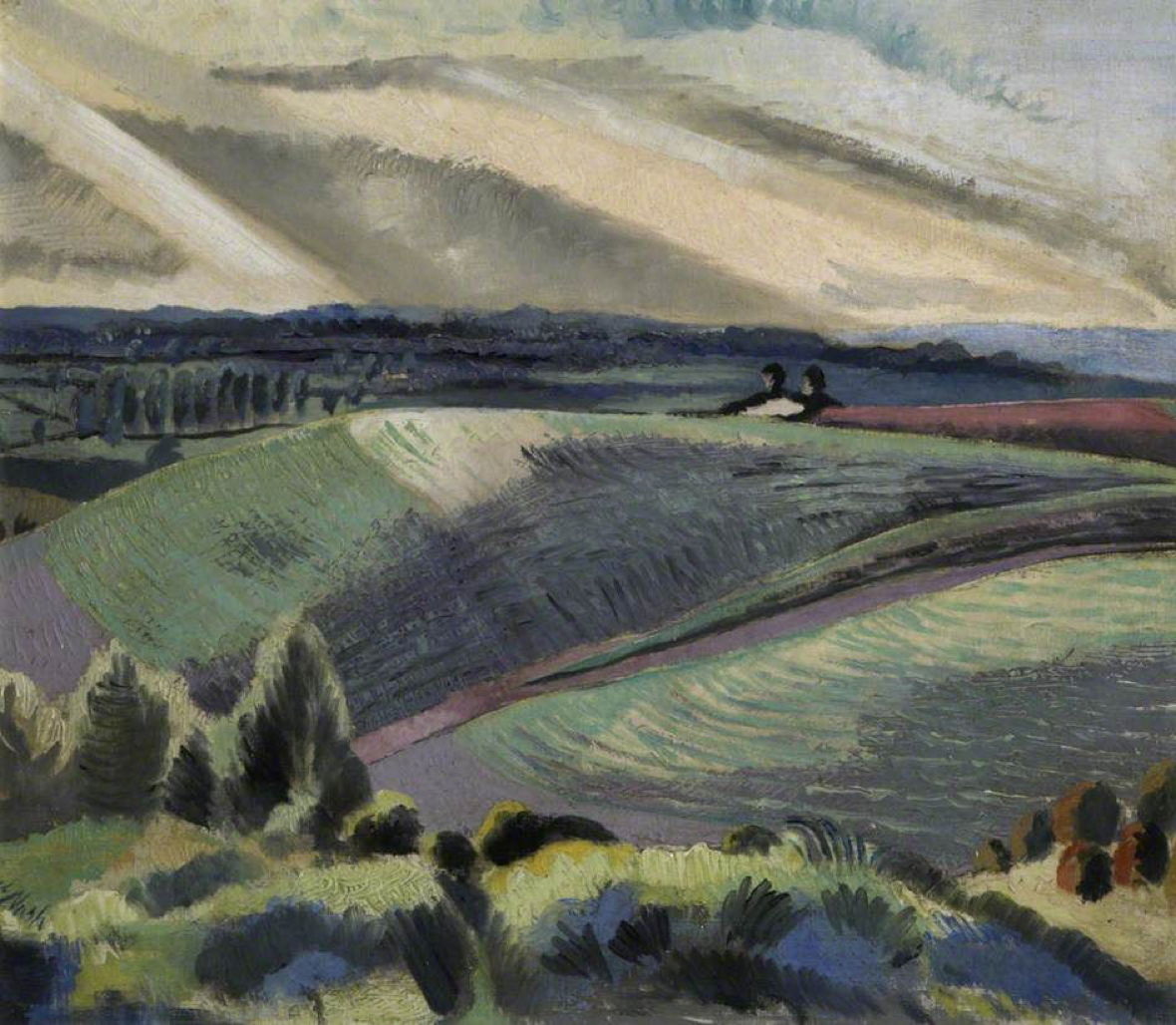 Paul Nash (1892–1946), Cotswold Hills (c 1920), oil on canvas, 49.1 x 59.2 cm, Plymouth Museum and Art Gallery, Plymouth, England. The Athenaeum.
Paul Nash’s view of the Cotswold Hills shows the rolling countryside near his family home in Buckinghamshire, England. Although it breaks from the military regularity and desolation of his war paintings, the shafts of sunlight are disturbingly reminiscent of those in his war painting of the Menin Road from just a couple of years before.
More popular among the landscape artists of the day were various degrees of Impressionism and post-Impressionism.
 Anna Althea Hills (1882-1930), Spell of the…
View original post 745 more words
Categories
Unexpected pleasures
Well, I wasn’t too sure about travelling as I like many others have been somewhat locked down. In the midst of packing the stress was a little relieved when an old friend told me of his birdwatching activities somewhere in Suffolk. He had seen some rare type of Artic traveller which no one else in his group had glimpsed. I asked him had he perhaps imagined this. Fortunately my voice modulation must have kicked in and he didn’t hear this question.
My cases were less heavy than expected and I was able to use the bus rack easily.The driver greeted me by name and I realised it was a friend and laconic poet who asked me my destination. He writes amusing and whimsical poems about his experiences at the wheel. A lady on board was telling of her success at University Challenge. She had worked out the origin of a Polish dog as being Pomerania. Upon arriving at the Station I had expected a phalanx of officials impeding any travel. Clearly, I have been reading too many novels like Anna Seghar’s Transit.
Instead I was in fact welcomed by Railway staff with coffee, biscuits and offered drinking water. This is totally unexpected and quite cheering too. Even the usually locked down waiting room was open. Here two elderly fellows were cheering each other like characters in a late Kingsley Amis novel. One was telling of his experiences at a recent wedding where one gentleman was surrounded by multiple ex-wives at the celebration table. Then he remarked of another jolly lady who spent some six hours at the event. “All that time” he related,”she had two glasses, one in each hand”. Hence, people are ticking over in their every day lives. We could do with Molly Panter Downes or her contemporary equivalent to record such matters.

Categories
Emma Barnes ~ Mr Keynes’ Revolution
Maynard- the man who got the magic money tree to multiply!

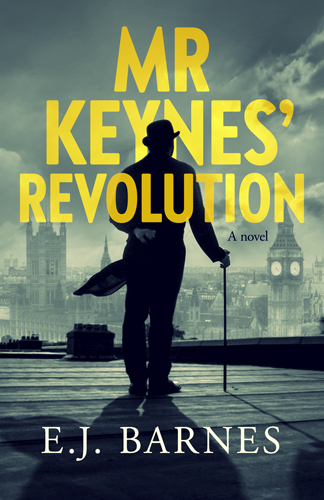
John Maynard Keynes wanted to change the world through economics. Arguably, he succeeded, because he had to. The world was in a giant slump after the Great War, and Britain had an unprecedented unemployment crisis. He was the intellectual as well as the governmental voice behind, namely, higher government expenditure and lowering of tax rates to help economic demand during the instability between the wars. Yet putting all that aside, Keynes also lived a personal life of great fascination. It is the brilliance of Emma Barnes’ book about him that she manages to capture both the man and the mind in a highly informative and charming novel; one trusts in an important history lesson, whilst one also joins in with the joys and quarrels of ‘high society’.
Lydia Lopokova, a pretty, quirky Russian ballet dancer, is another key element to the tale and our understanding of Keynes’ life. An unlikely…
View original post 307 more words
Lovely print!!

Persimmon and Cicada, with poem by Chikujin (or Takehito)
Attributed to Katsushika Hokusai
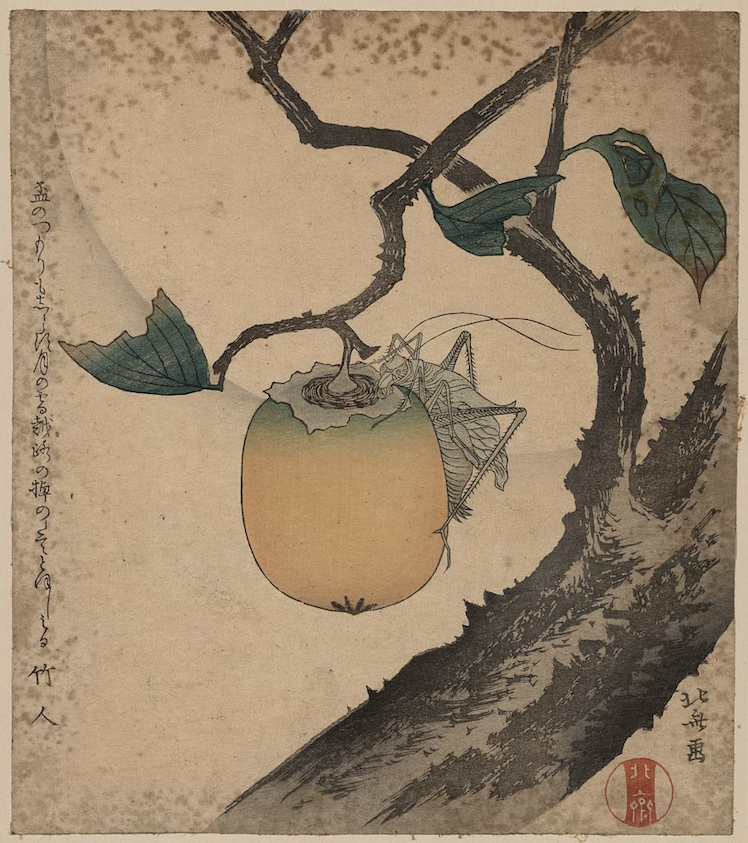 Edo period / Surimono woodblock print in shikishiban format
7 11/16″x6 13/16″ / Various collections, including Harvard Art Museums, Cambridge, MA
[There are five embedded links above]
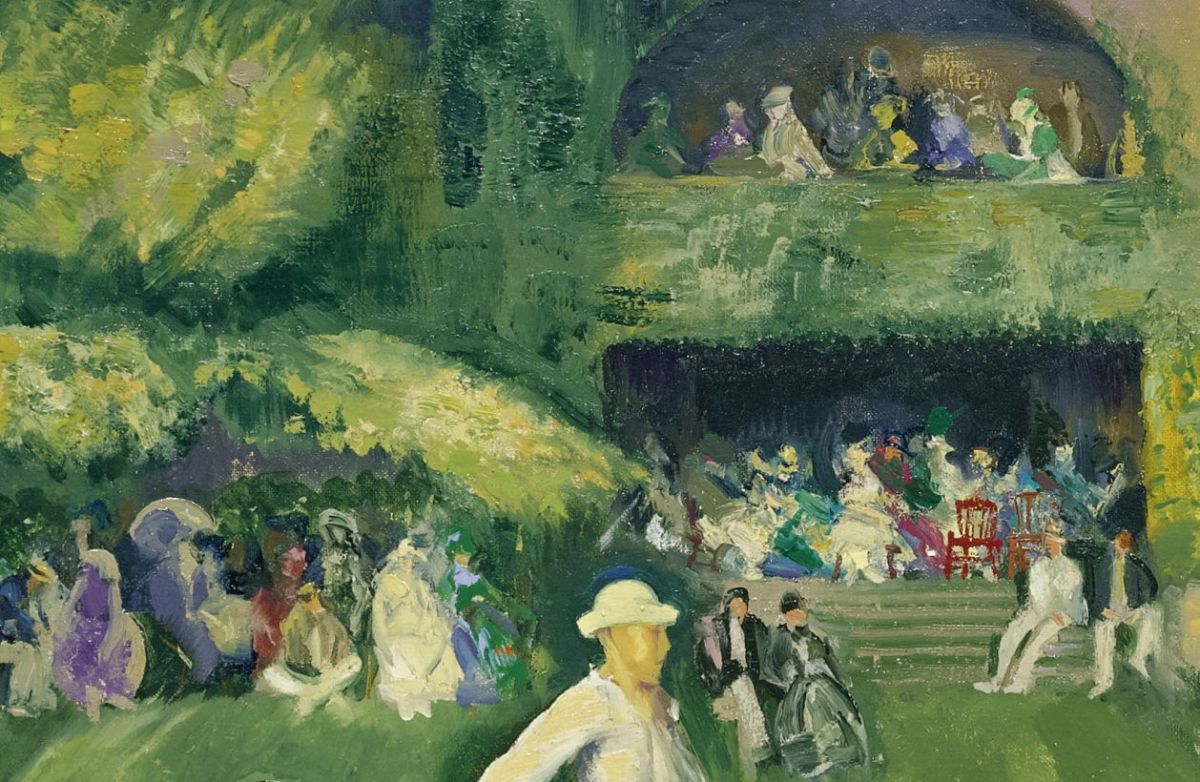
An interesting range of styles of work here from 100 years ago. Only the vivid colours in the last few pictures seem more modern.
This week’s look back at paintings from exactly a century ago moves on from the narrative and figurative works I showed last week to a selection of genre paintings, and makes a start on the many landscapes to come.
Although Naturalism and ‘social realism’ are supposed to have faded away by the twentieth century, after the Great War there were still plenty of fine painters who were depicting scenes from everyday life in realist style. Among them was Friedrich Eckenfelder, who reminds us that, while motor taxis may have been crowding the streets of the cities, in the German countryside little had changed.
 Friedrich Eckenfelder (1861–1938), White Horses with a Jolly Peasant Group in the Wagon (c 1920), oil on canvas, 86.5 x 112.5 cm, Private collection. Wikimedia Commons.
White Horses with a Jolly Peasant Group in the Wagon is one of Eckenfelder’s largest studio paintings, and shows a merry…
View original post 786 more words
Interesting Sonnet and separated from another interestingly at 37 on a similar theme. Patterson mentions the restless quality of the final sestet.

Tony Harrison is a poet whom I feel I know rather well from his television appearances. He seemed to be on the box quite a lot around 2000 or so. By any criteria his is a radical poet from Leeds. In my imagination I see him as a radical voice from that period along with another favourite poet, Tom Paulin. Harrison is an engaged poet from Leeds and is probably best known for his long poem “V” which was published in 1985. He is an immensely clever poet immersed in his Northern background with which is radicalism is associated and his broad knowledge of the classics. He is a playwright, a film-maker and a translator. https://en.wikipedia.org/wiki/Tony_Harrison
In the poem which I discovered recently he is addressing his view of history. How the past has been recorded is an issue that perhaps becomes more pressing as we age. There is much debate about statues currently, who we should remember and what is both consciously and unconsciously addressed. What should we pass on to future generations and how to counteract distressingly current propoganda. This poem comes from the new edition of Selected Poems by Tony Harrison published by Penguin – you can find it here https://en.wikipedia.org/wiki/Tony_Harrison He is travelling with his children over moorland-
Past scenic laybys and stag warning signs
the British borderlands roll into view.
They read: Beware of Unexploded Mines
I tell my children that was World War II.
Those borderlands are becoming politically more controversial, there is a simple rhyme-scheme with those dangerous residues beneath the surface. The poem makes the link between khaki uniforms and cavalry twill. It brins to mind the smart casual wear demanded of upper ranks in their so called leisure time. The areas forbidden to play are those marked off by signs and fences which remind the reader of enclosures and the imperial system of trade providing employment in a regulated manner to mill workers. The latter similarly having their time divided by tolling bells.
Mill angelus, and church tower twice as high.
One foundry cast the work-and rest-day bells-
the same red cottons in the flags that fly
for ranges, revolutions, and rough swells.
The alliterative Rs remind us not only of the Union Jack but that to some it was considered the butcher’s apron. The rough swells is almost classical ( Homer’s wine-dark sea) and rowdy posh boys with the ambivalent firing ranges in the background.
Categories
Paper Memories
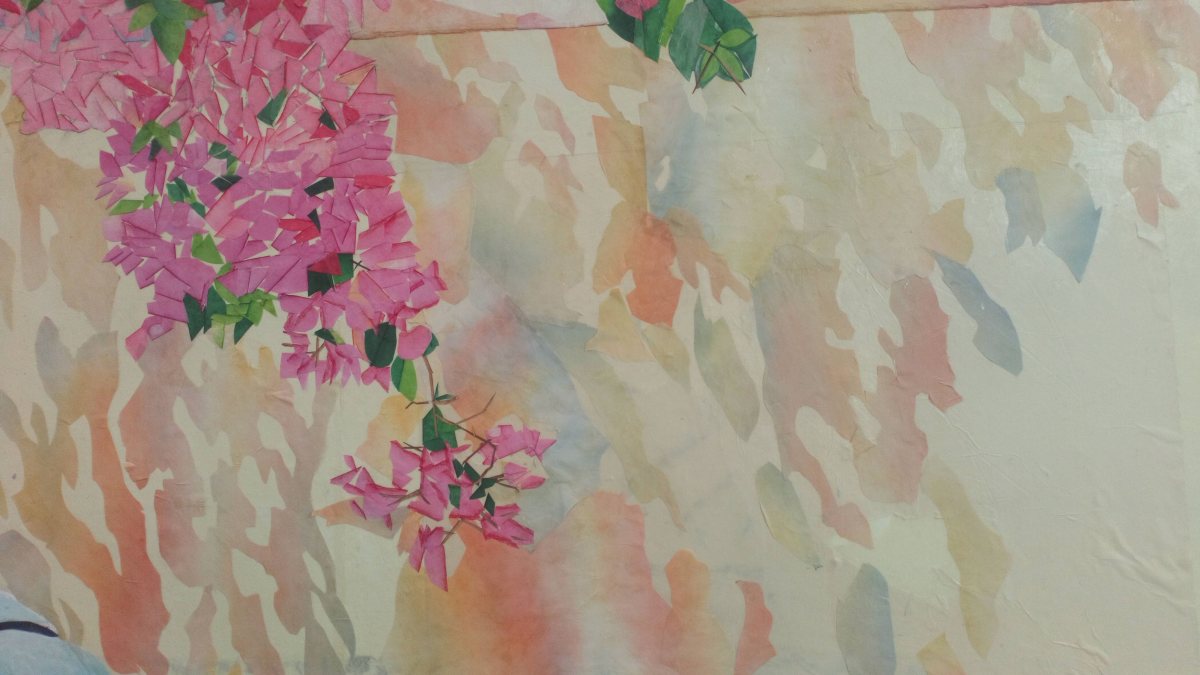
Very interesting perceptions raised here and philisophical ideas about contingency and social aspects of knowledge etc.

No surprises – the peak of freshness revealing itself only in virtual unreality.
The gritty everyday mere variations on a theme grown grey.
A card in the post injects tales of different lives, all struggling within similar scenes,
but with different characters and different dreams.
Outdoors we become more distant; not only in physicality but in personality, venting inner frustrations in public confrontations as we queue for packaged food in stiff winding formation.
One thing – nature remains the same, takes no heed of gradual change; the conclusion of casual encounters or the fearful flinching or the braving of traffic and thorns in homage to our new motto ‘social distancing.’
I fill my time with paper cuttings, shaping paper realities and marvelling how paper nothings become paper somethings, distinct from my static surroundings.
I cling to paper memories, remnants of unwelcome worlds – tickets sacred in their very materiality –…
View original post 42 more words
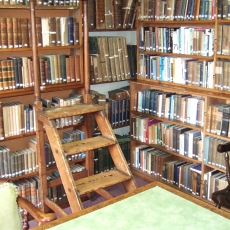
Thank you for that- normal service will return at the Morrab as soon as possible!

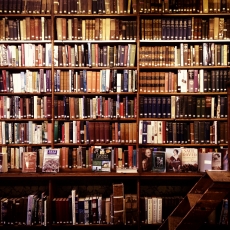 Image Courtesy of the Morrab Library
Okay, that’s a bit of a stretch, but surely Gilbert & Sullivan would have had their pirates sing about the Morrab , an independent library situated in Penzance’s Morrab Gardens if they could have fit it in.
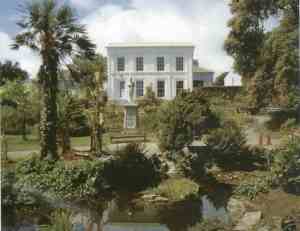 Image Courtesy of the Morrab Library
The Morrab sounds like an ideal location for a Victorian operetta penned by the famous duo. Even the name seems apt. Morrab is derived from the Cornish words “mor,” meaning sea, and “app” meaning shore or coastal land.
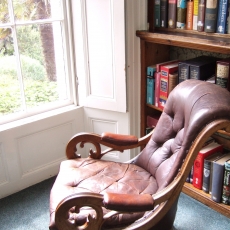 Image Courtesy of Morrab Library
Set amidst beautiful gardens overlooking the sea, The Morrab is the sixth largest independent library in the United Kingdom.
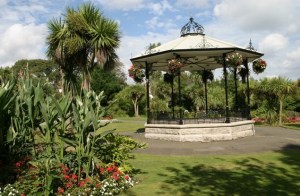 Image Courtesy of Morrab Library
It is remarkable because it houses a marvelous series of collections which have gradually been acquired since the library was founded in 1818. The Morrab houses more than 55,000 volumes and is strong in literature…
View original post 96 more words
 penwithlit