Categories
Literature Poetry Uncategorized

Deux Barbaras-Autumn Leaves

Miri it is while sumer i-last
With foulës song;
Oc now neghëth windës blast
And weder strong.
Ei, ei, what this night is long,
And Ich with wel michel wrong
Sorwe and murne and fast.

Dis, quand reviendras-tu ?

Voilà combien de jours, voilà combien de nuits,
Voilà combien de temps que tu es reparti,
Tu m’as dit cette fois, c’est le dernier voyage,
Pour nos coeurs déchirés, c’est le dernier naufrage,
Au printemps, tu verras, je serai de retour,
Le printemps, c’est joli pour se parler d’amour,
Nous irons voir ensemble les jardins refleuris,
Et déambulerons dans les rues de Paris,

Dis, quand reviendras-tu,
Dis, au moins le sais-tu,
Que tout le temps qui passe,
Ne se rattrape guère,
Que tout le temps perdu,
Ne se rattrape plus,

Le printemps s’est enfui depuis longtemps déjà,
Craquent les feuilles mortes, brûlent les feux de bois,
A voir Paris si beau dans cette fin d’automne,
Soudain je m’alanguis, je rêve, je frissonne,
Je tangue, je chavire, et comme la rengaine,
Je vais, je viens, je vire, je me tourne, je me traîne,
Ton image me hante, je te parle tout bas,
Et j’ai le mal d’amour, et j’ai le mal de toi,

Dis, quand reviendras-tu,
Dis, au moins le sais-tu,
Que tout le temps qui passe,
Ne se rattrape guère,
Que tout le temps perdu,
Ne se rattrape plus,

J’ai beau t’aimer encore, j’ai beau t’aimer toujours,
J’ai beau n’aimer que toi, j’ai beau t’aimer d’amour,
Si tu ne comprends pas qu’il te faut revenir,
Je ferai de nous deux mes plus beaux souvenirs,
Je reprendrai la route, le monde m’émerveille,
J’irai me réchauffer à un autre soleil,
Je ne suis pas de celles qui meurent de chagrin,
Je n’ai pas la vertu des femmes de marins,

Dis, quand reviendras-tu,
Dis, au moins le sais-tu,
Que tout le temps qui passe,
Ne se rattrape guère,
Que tout le temps perdu,
Ne se rattrape plus

That’s how many days, that’s how many nights,
How long have you been gone,
You told me this time, it’s the last trip,
For our hearts torn, this is the last shipwreck,
In the spring, you’ll see, I’ll be back,
Spring is pretty to talk about love,
We will go together to see the flowering gardens,
And stroll through the streets of Paris,

Quoting Paroles at https://www.youtube.com/watch?v=ZlgVIC_7dvI

“Dis, quand reviendras-tu ?” est une chanson sortie en 1962, écrite, composée et interprétée par Barbara. Dans cette chanson, l’auteure-narratrice écrit une lettre à un amant dont elle attend inlassablement le retour pour l’inciter à revenir à ses côtés. La qualité exceptionnelle d’écriture de cette chanson ainsi que la sensibilité de l’interprétation de Barbara en font un monument de la chanson française.

https://en.wikipedia.org/wiki/Barbara_(singer)

Categories
Uncategorized

Vale Carmen Callil, founder of Virago Press (1938-2022)

A sad loss but what a creative person!

Lisa Hill's avatarANZ LitLovers LitBlog

One of the most significant publishers of my lifetime died in London yesterday.

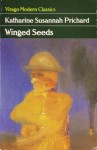
Born and educated in Melbourne, Dame Carmen Thérèse Callil, DBE, FRSL (1938 – 2022) was the founder of Virago Press in 1973.  She was a champion of women’s writing and published some of the most important writers of our age such as Angela Carter, Maya Angelou and Margaret Atwood while also bringing back into print a backlist of authors such as Antonia White, Willa Cather,  and Rebecca West.

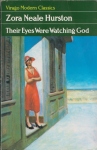
Virago covers were always distinctive — I can pick them out on my paperback shelves in an instant just by the cover of the spine.  They featured superb art works such as the detail from ‘Carolina Morning‘ by Edward Hopper on the cover of Their Eyes were Watching God.  All the titles I have also have insightful introductions such as the one by Drusilla Modjeska for Winged…

View original post 131 more words

Categories
Uncategorized

#French Literary Prizes Nominated Books 2022

Very interesting and useful information.

Categories
Uncategorized

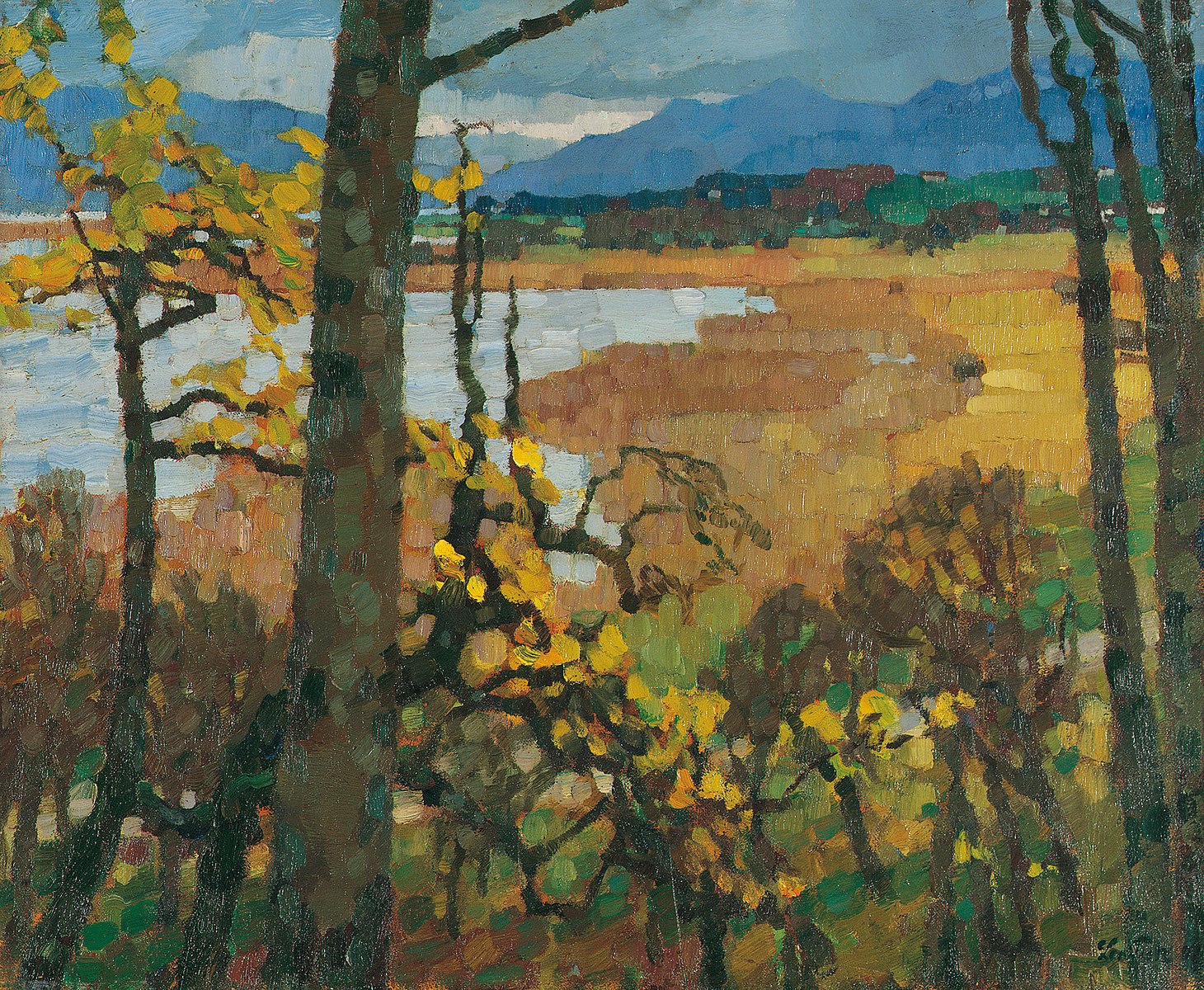
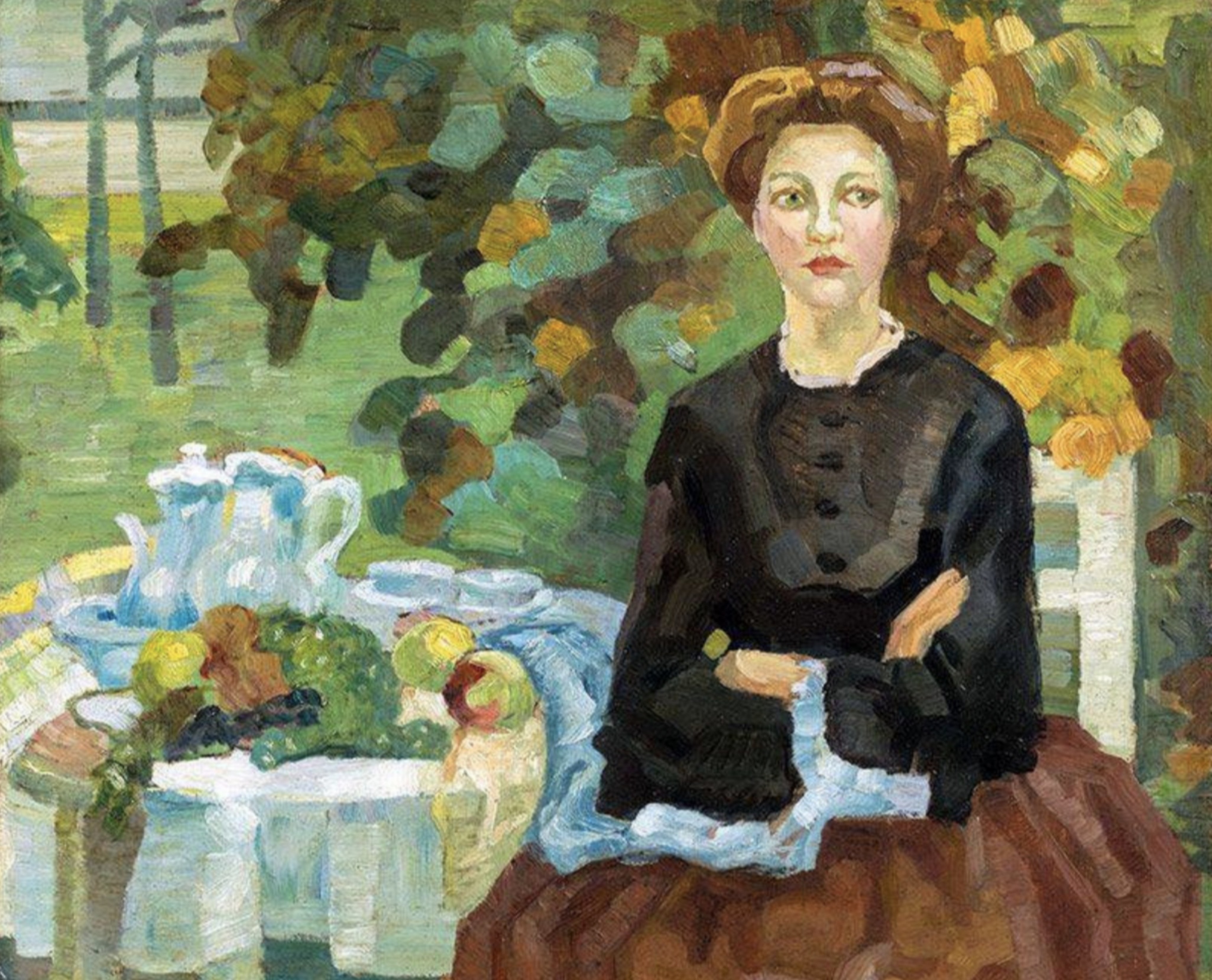
Leo Putz: Herbst am Chiemsee (1907)

Another favourite!

At Sunnyside - Where Truth and Beauty Meet's avatarAt Sunnyside - Where Truth and Beauty Meet

Leo Putz, Herbst am Chiemsee, 1907, Image Source: wikimedia

Read More

Leo Putz at wikiwand

See More

Leo Putz at wikimedi

Thanks for Visiting 🙂

~Sunnyside

View original post

Categories
Uncategorized

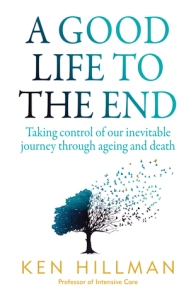
A Good Life to the End, by Ken Hillman

Sounds like an important read raising some significant issues.

Lisa Hill's avatarANZ LitLovers LitBlog

A Good Life to the End has to be one of the most depressing books I’ve read this year, but it’s an important one that faces up to some unpleasant facts.
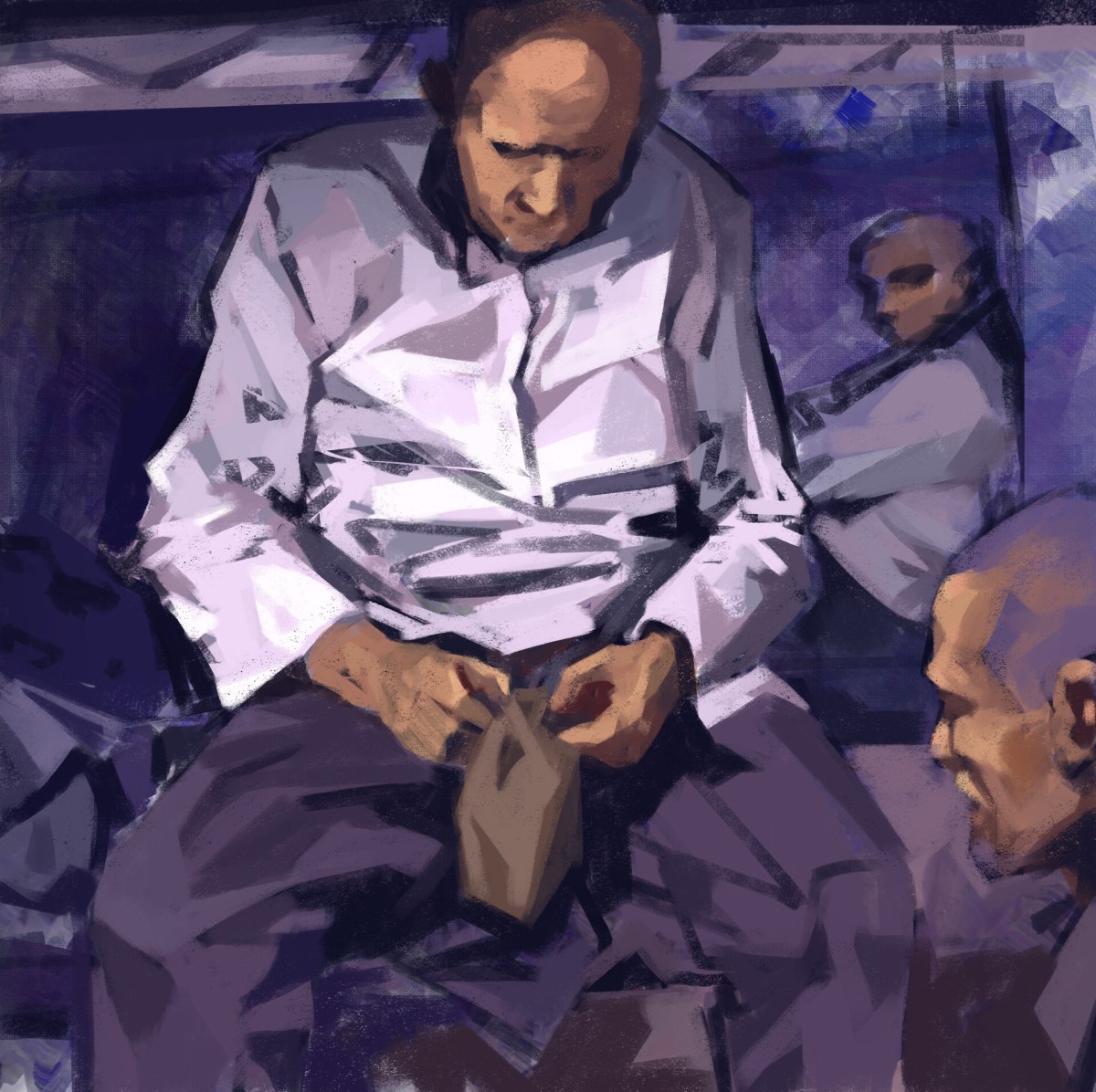
Although I think it deserves a wider audience, I think the book will have most resonance for those of us confronting the end of life for aged parents, who are having to make decisions for loved ones no longer able to make those decisions for themselves, and who are realising that the same issues apply to us as we ourselves get older.

Professor Ken Hillman is Professor of Intensive Care at the University of New South Wales (SWS Clinical School), and an actively practising clinician in Intensive Care, at Liverpool Hospital.  He’s also the presenter of the TED talk ‘We’re doing dying all wrong’, though I didn’t see that till I Googled his profile for this review.

After the uplifting…

View original post 526 more words

Categories
Uncategorized

Rhododendron Forest, Nepal

Categories
Uncategorized

Ancient Entry, Sigurta Park, Verona, Italy

Categories
Uncategorized

Film Review: Le Havre (Finland)

Sounds very good- great introduction to some contemporaty themes.

imogen's avatarImogen is Reading and Watching the World: On Books, Film, Art & More

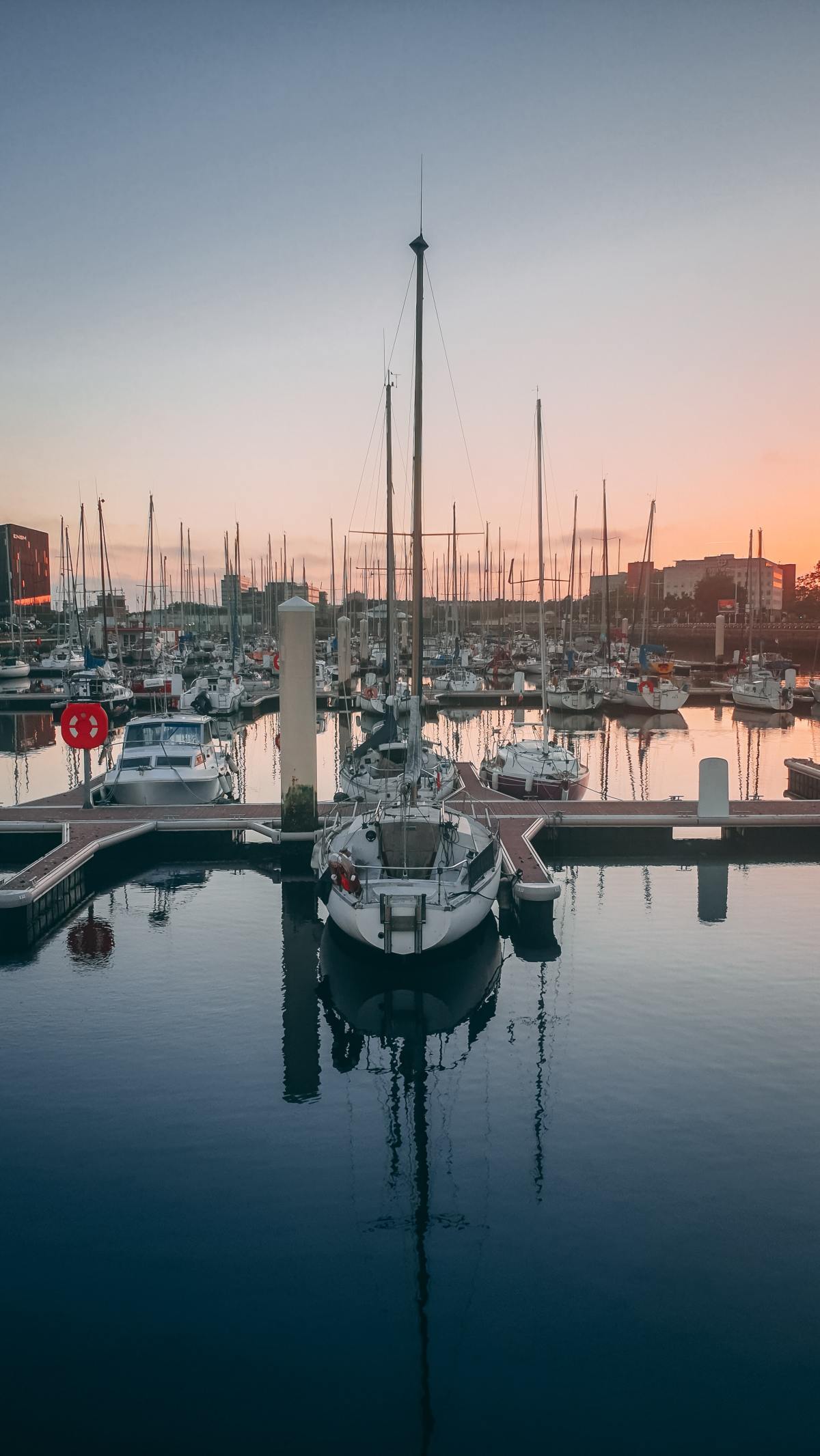
The 2011 film Le Havre tells the beautiful tale of implacable ageing shoe-shiner Marcel Marx (the late André Wilms), who goes out of his way to help immigrant boy Idrissa (Blondin Miguel) evade the authorities to be reunited with his mother. With French dialogue, and set in the Normandy port town of Le Havre, the movie is nevertheless written and directed by Aki Kaurismäki, widely considered to be Finland’s most prominent director. The dialogue is minimal and straightforward: I could understand most of it without subtitles.

When a container ship arrives in Le Havre from Gabon with refugees aboard, Idrissa, a young boy who had been aiming for London, is the only one to flee the immigration authorities. Marcel, who lives a modest, working-class life with his attentive wife and dog Laika (sharing a name with the famous Soviet space dog), comes across the boy by chance during a lunch…

View original post 214 more words

Categories
Uncategorized

Reflections on Mykola Khvylovy’s “Stories from the Ukraine” – By Simon Maass

Categories
Uncategorized

Autumn: Dante Gabriel Rossetti and Leo Putz

At Sunnyside - Where Truth and Beauty Meet's avatarAt Sunnyside - Where Truth and Beauty Meet

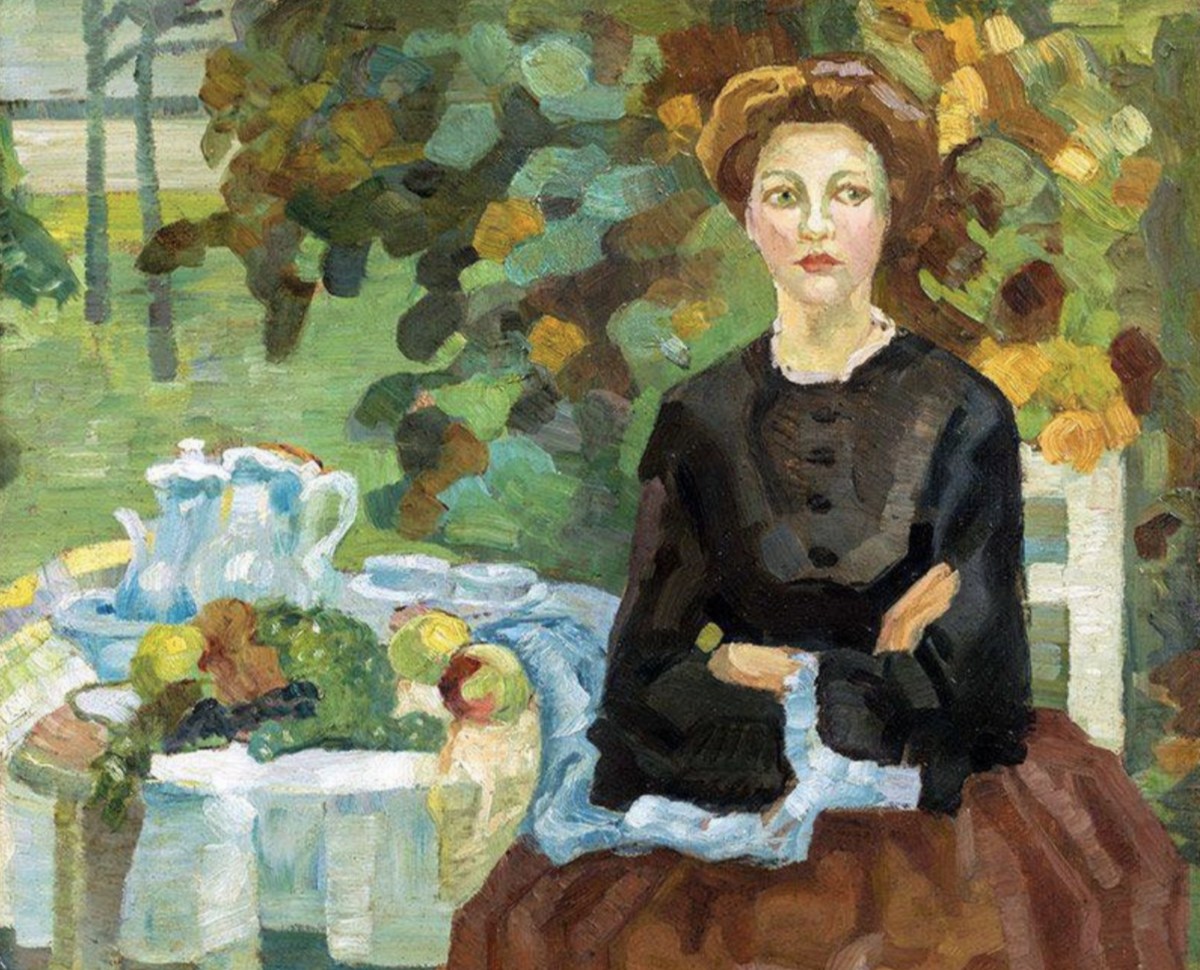
Autumn Song by Leo Putz

 Autumn Song
By Dante Gabriel Rossetti

Know'st thou not at the fall of the leaf
How the heart feels a languid grief
Laid on it for a covering,
And how sleep seems a goodly thing
In Autumn at the fall of the leaf?

And how the swift beat of the brain
Falters because it is in vain,
In Autumn at the fall of the leaf
Knowest thou not? and how the chief
Of joys seems—not to suffer pain?

Know'st thou not at the fall of the leaf
How the soul feels like a dried sheaf
Bound up at length for harvesting,
And how death seems a comely thing
In Autumn at the fall of the leaf? 

Poetry Foundation

Read More

Leo Putz at wikiwand

See More

Leo Putz at wikimedia

Thanks for Visiting 🙂

~Sunnyside

View original post