
A random survey of self-portraits created by women through the centuries
French/Tuscan painter Elisabeth Chaplin (1890-1982)
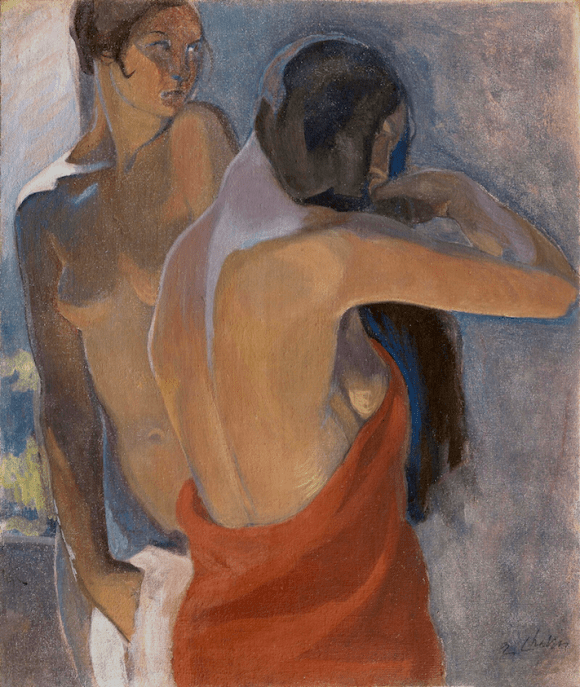
1. Two Nudes or Double Self-portrait, c.1918 / Oil on canvas / Private collection

Freelance writer and radio presenter
1. Two Nudes or Double Self-portrait, c.1918 / Oil on canvas / Private collection
Michael Bird is an engaging and perceptive writer and broadcaster and his work deserves attention. Here are some impressive sound programmes-
Broadcasting
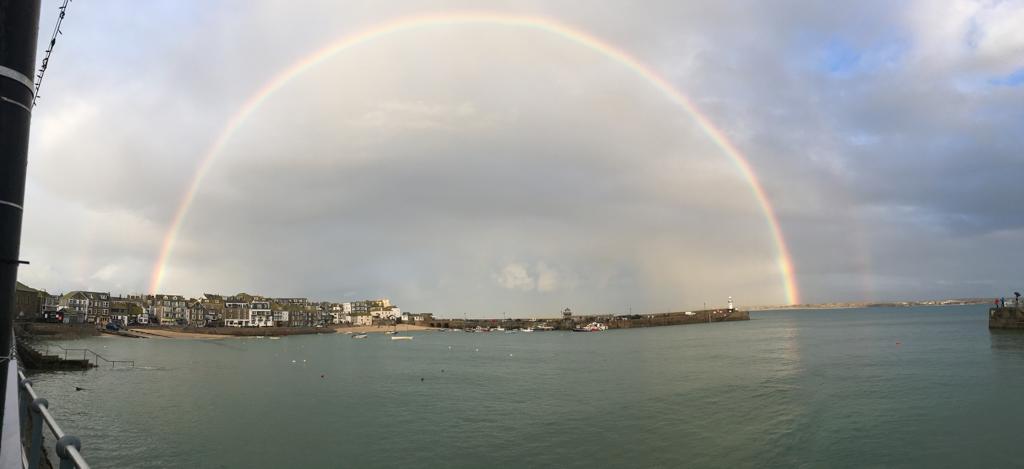
This programme on the Solomon Browne Lifeboat Tragedy is at https://www.bbc.co.uk/sounds/play/m0012plp
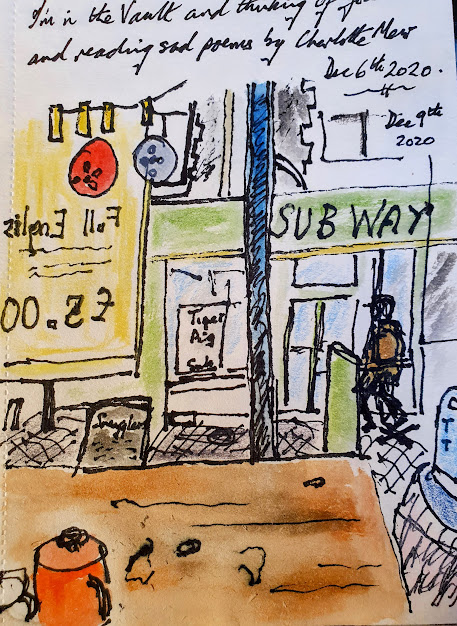
Schools out and all that entails.
Sun shines on mountains of tomatoes, avocados and oranges.
Tourists looking for something shuffle up Causewayhead.
Locals mostly look a bit lost- some injured or otherwise afflicted.
Seems that about a quarter of shops are closed;
no carpets, no papers and no haircuts.
Pigeons warble and peck under
regimented baskets of scarlet petunias
adding a patina of civic cheer.
In here, a voluble teenager
pronounces and pontificates on
the unlikely history of India,
seemingly annoyed that the food
has not turned up in time.
Lost in the gap between fantasy
and the arrival of the fatty sausage sandwich.
September, results and Speech Day await.
Wunderbar!
Another acquisition this month; Leuthen (Gedicht) by Christian Friedrich Scherenberg.
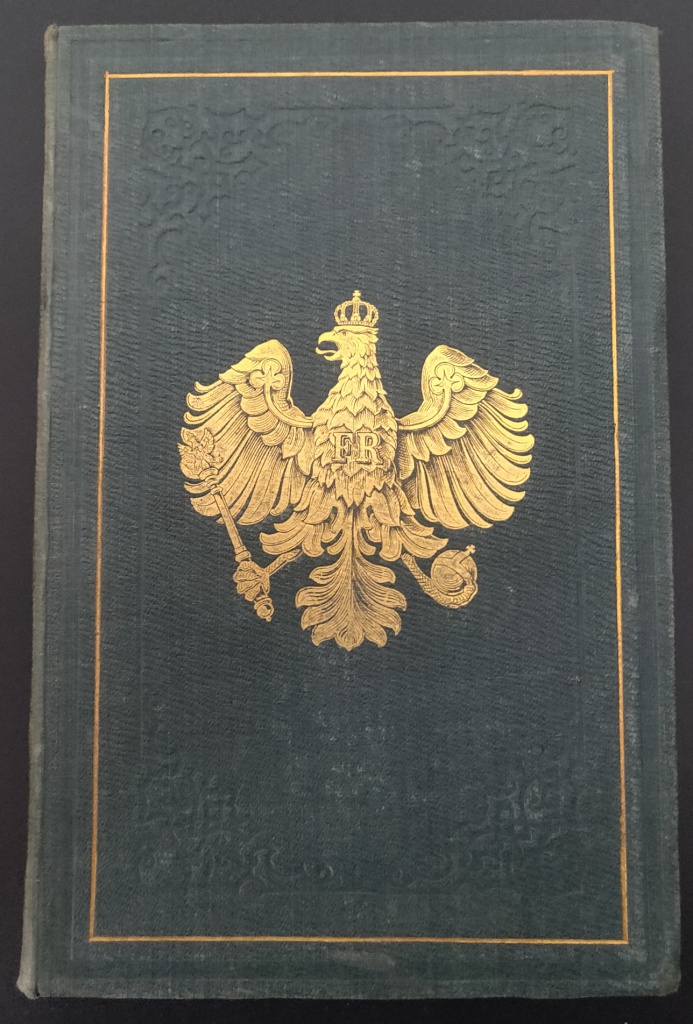
I have yet to read it all, but the first verse seems to fit well with the famous painting of Fritz after the battle of Kolin.
In Nimburg am Brunnen, die Schatten über sich,
Auf einem alten Röhrstamm sitzt König Friedrich,
Von seiner Zeit schlechtweg der König titulirt,
Wiewohl noch mancher König zu seiner Zeit regiert,
Und malt mit seinem Krückstock, der aller Welt bekannt,
Versunken in sich selber, Figuren in den Sand.
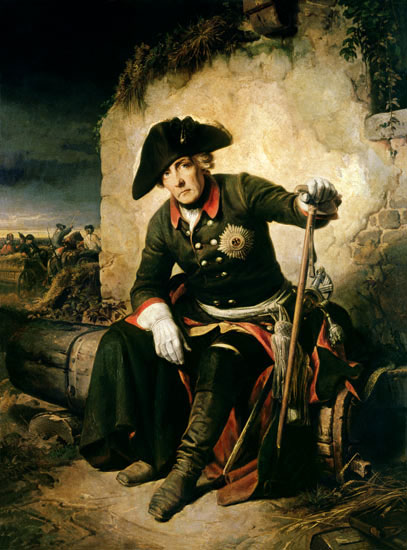
Or indeed the one below, which I’ve never seen before, both painted before the book was written (1852).
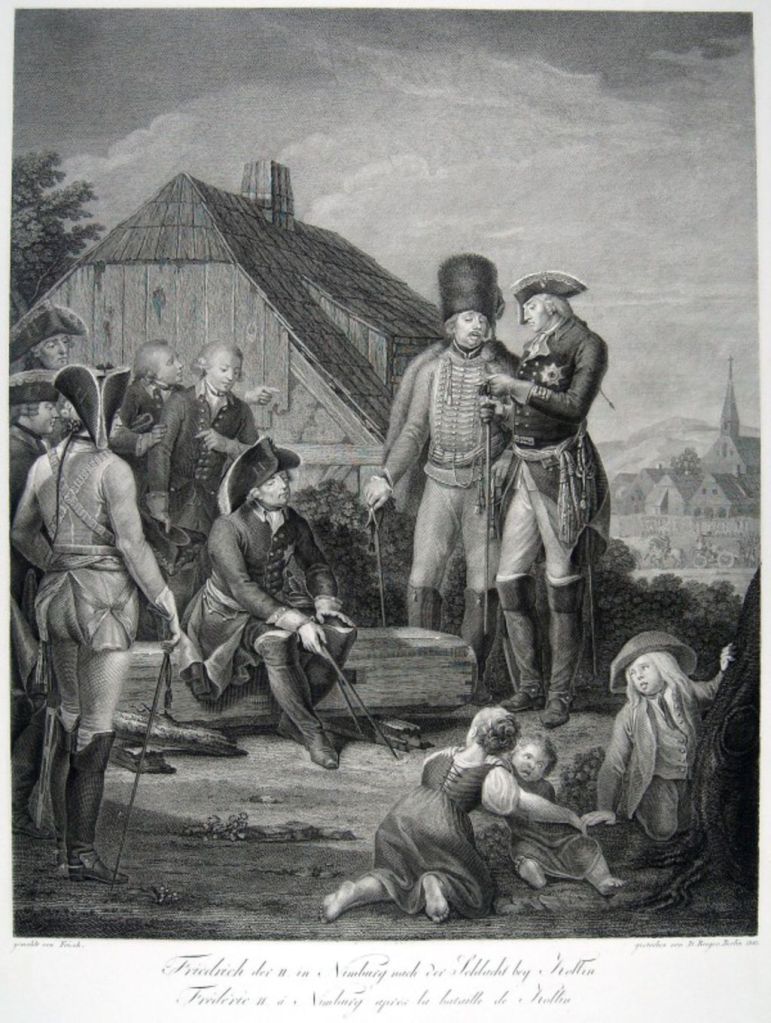
To finish, a Zungenbrecher:
Der Leutnant von Leuthen befahl seinen Leuten nicht eher zu läuten, bis der Leutnant von Leuthen seinen Leuten das Läuten befahl.
Does anybody still say this after all these years?
Friday 8 July marked the bicentenary of Shelley (4 August 1792 – 8 July 1822) and below are some lost words only discovered in 2006 from a political pamphlet.
Shelley’s poem was “lost” for nearly 200 years, before a single copy of the pamphlet was“rediscovered” in 2006, and a decade later bought by Oxford’s Bodleian Library, so finally it could be read by the public again
“Shall rank corruption pass unheeded by,
Shall flattery’s voice ascend the wearied sky;
And shall no patriot tear the veil away
Which hides these vices from the face of day?
Is public virtue dead? – is courage gone?”
These lines are taken fromPoetical Essay on the Existing State of Things, an excoriation of the moral devastation wreaked in late Georgian Britain two centuries ago. It was written by Percy Bysshe Shelley and published anonymously in 1811, in support of the…
View original post 117 more words

Choose an artist whose work you admire deeply. This is Step One. Find a specific picture that is a favorite and copy some part of it. If you can find a detail in a book or on the internet, you can focus your attention on a manageable portion of the picture. I chose a detail that includes several apples, but I think I might focus on just one apple later today… because I’m in a Cezanne mood and individual Cezanne apples are deep.
Step Two involves taking chances. Here the apples are circles. Considerable time passed before I noticed that Cezanne apples are not apple shaped. They’re more Platonic. They are beautiful renditions of a kind of ideal roundness with beautiful gradations of red and yellow. So you can put the apples where you think they go. And if…
View original post 154 more words
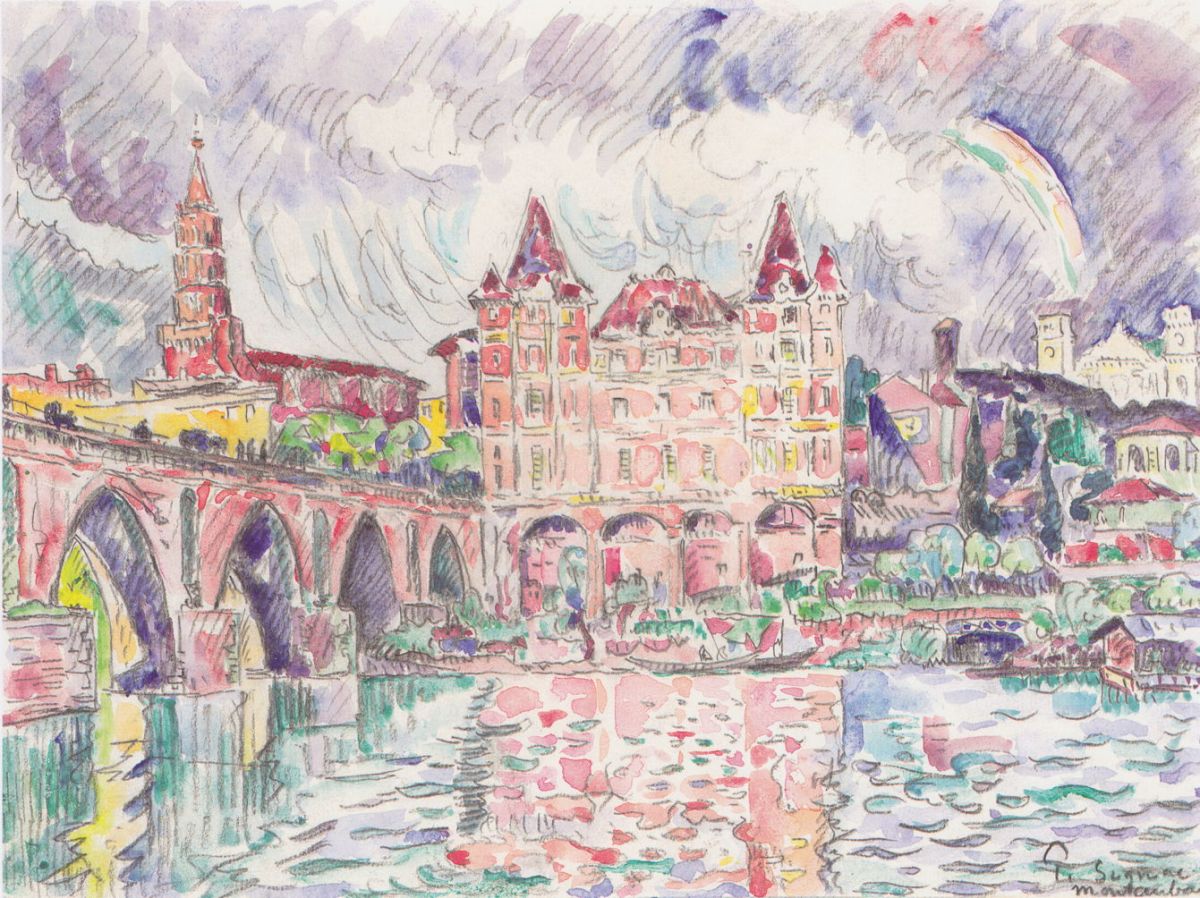
These are very lovely, colourful and light.
By the end of the First World War, Paul Signac (1863-1935) was painting more finished watercolours than he was oils. This change was encouraged by a successful exhibition of those watercolours in Paris in November 1921.
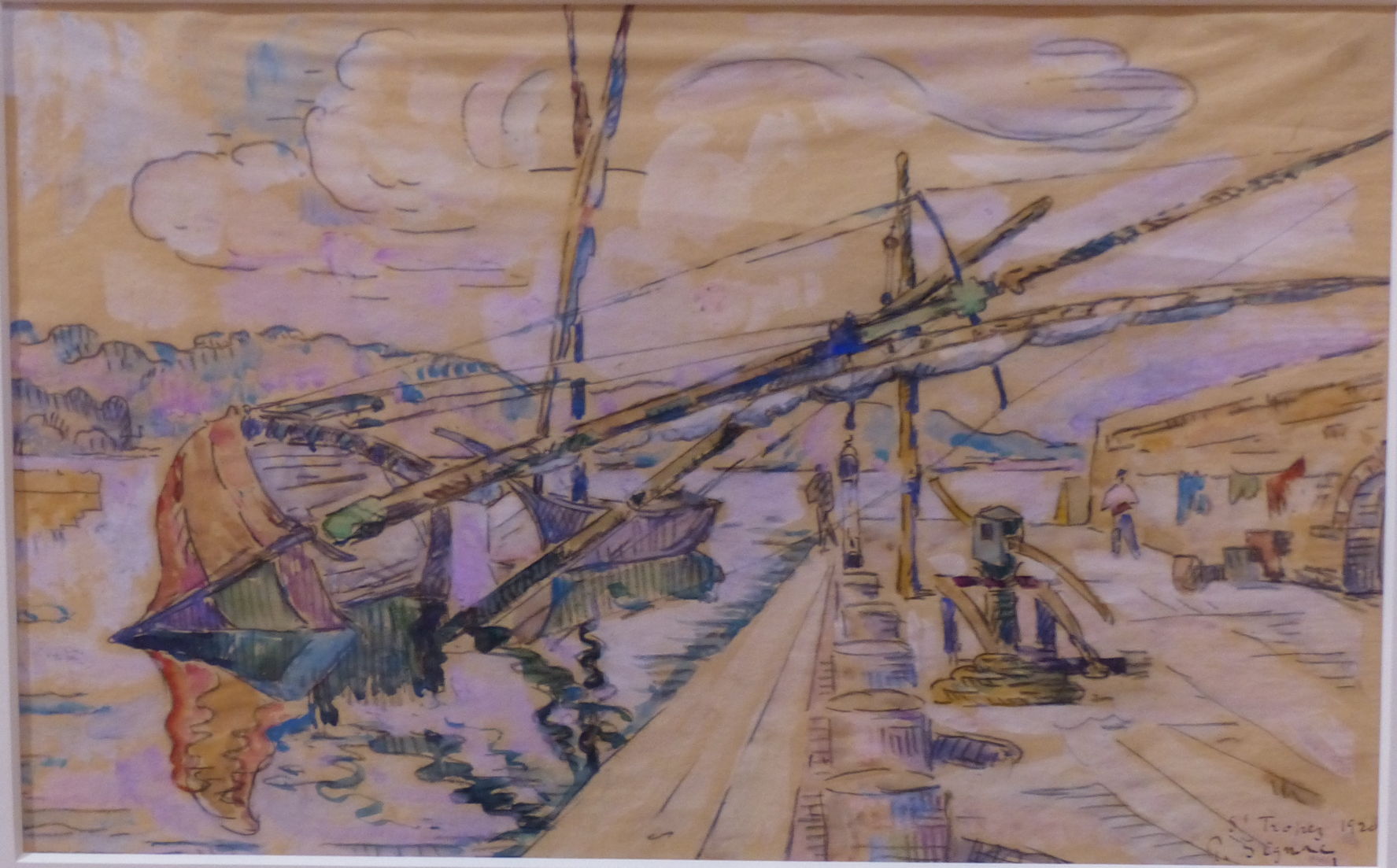 Paul Signac (1863-1935), Saint-Tropez, Boat being Careened (1920), further details not known. Image by Finoskov, via Wikimedia Commons.
Signac’s Saint-Tropez, Boat being Careened from 1920 is an unusual view of a boat which has been deliberately grounded alongside the quay, to allow maintenance to be performed on its hull. As a longstanding yachtsman he had considerable insight into this procedure.
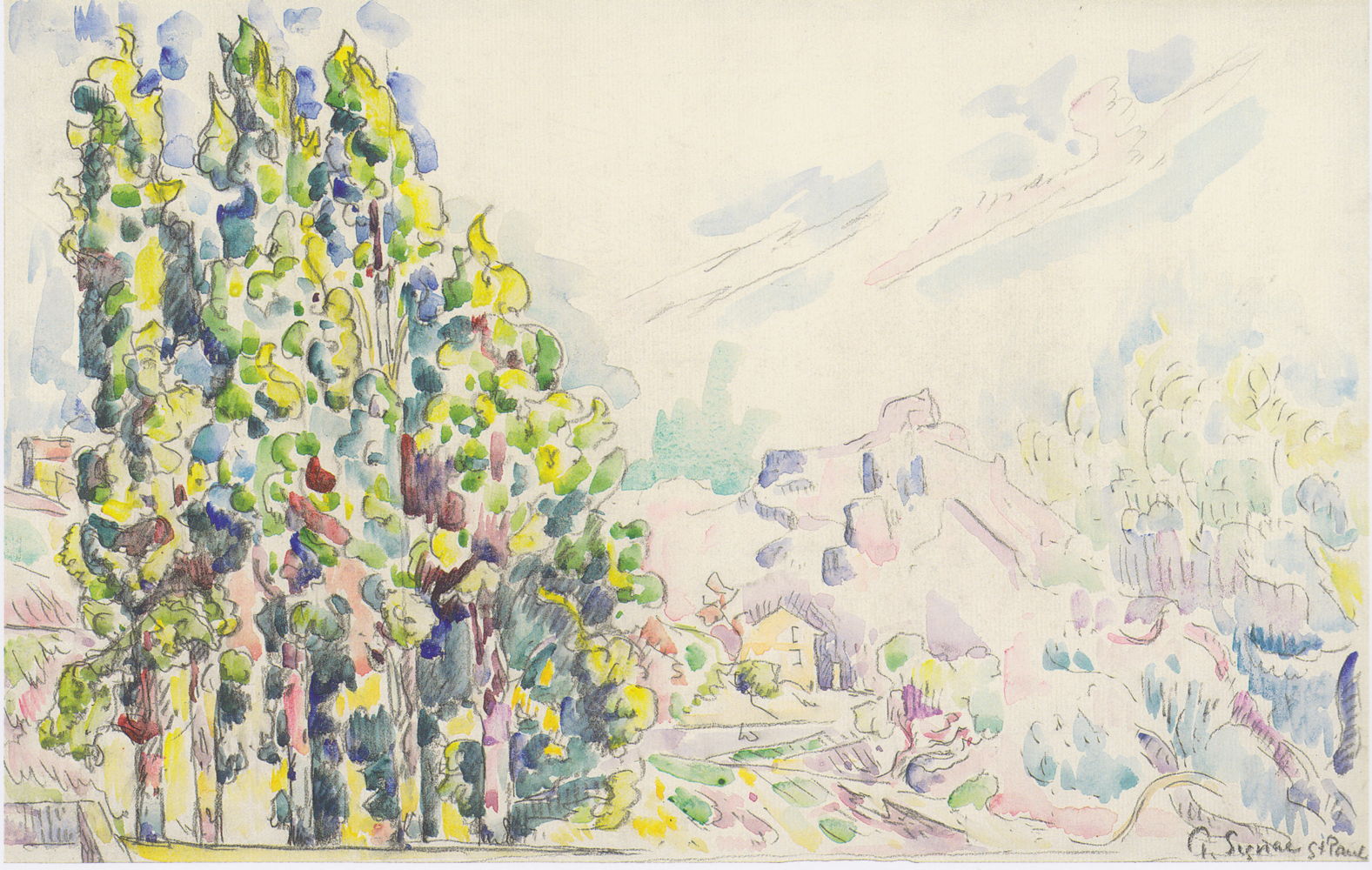 Paul Signac (1863-1935), Saint-Paul-de-Vence (c 1921), black chalk and watercolour, 28.4 x 44.7 cm, Albertina, Vienna, Austria. Wikimedia Commons.
Saint-Paul-de-Vence is a sketch of this hilltop mediaeval town on the Côte d’Azur, close to the border with Italy, painted in about 1921.
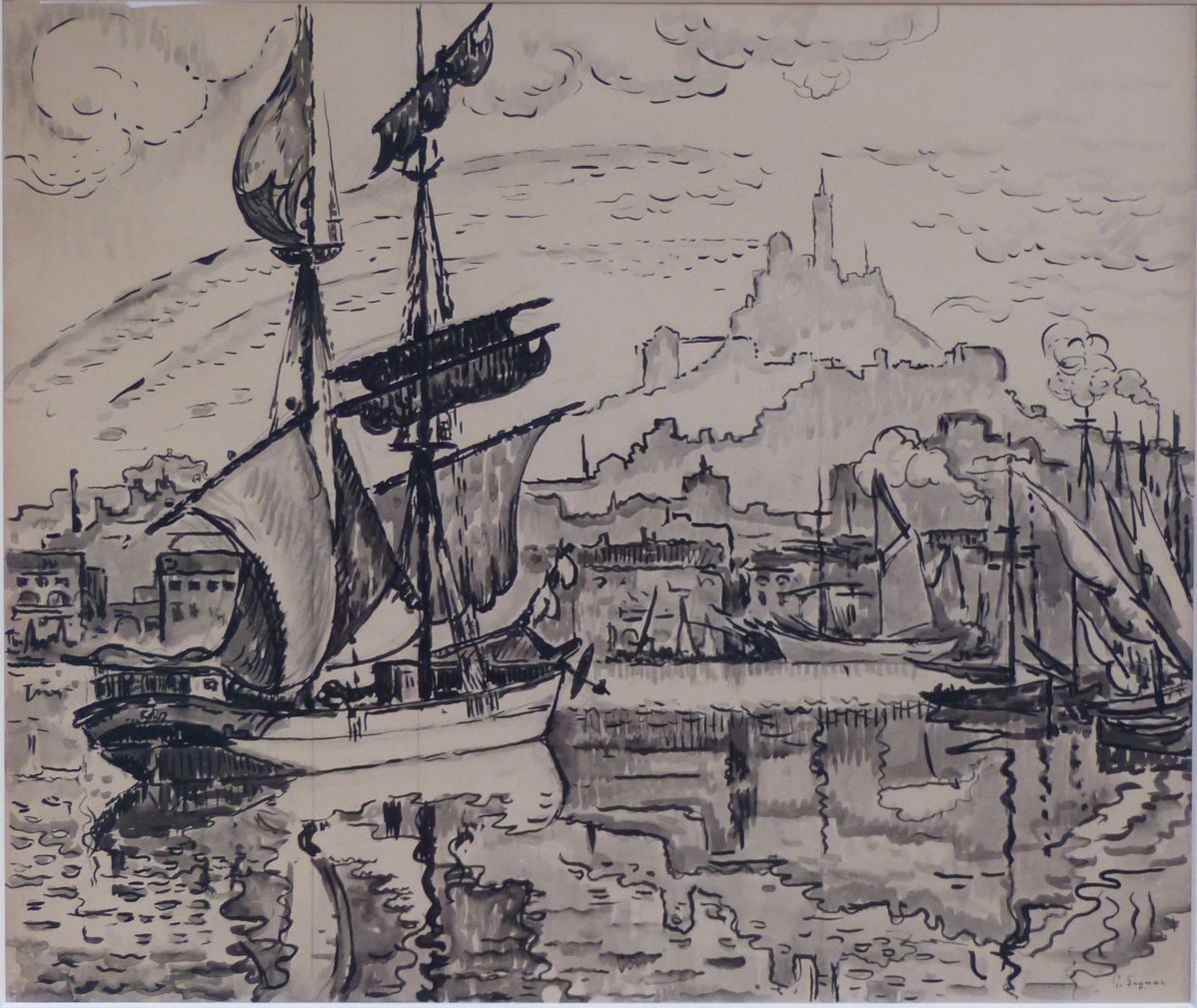 Paul Signac (1863-1935), Marseille, Bonne Mère (1922), further details not known. Image…
View original post 537 more words
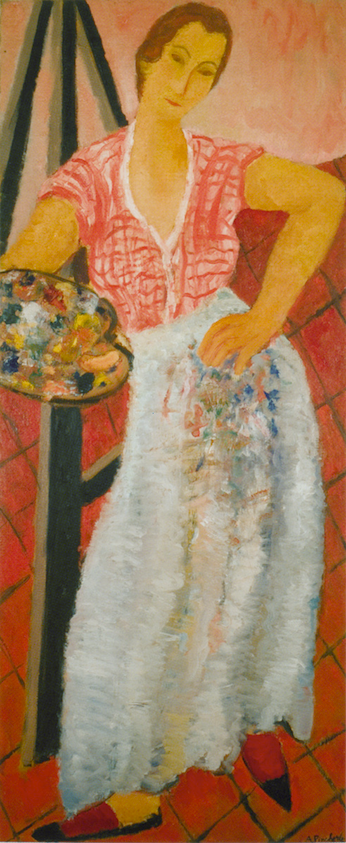
Self-portrait, c.1931-32 / Oil on canvas / Uffizi Gallery, Florence, Italy
This looks very beautiful like a dream!


 penwithlit