Categories
Author: penwithlit
Freelance writer and radio presenter




See More
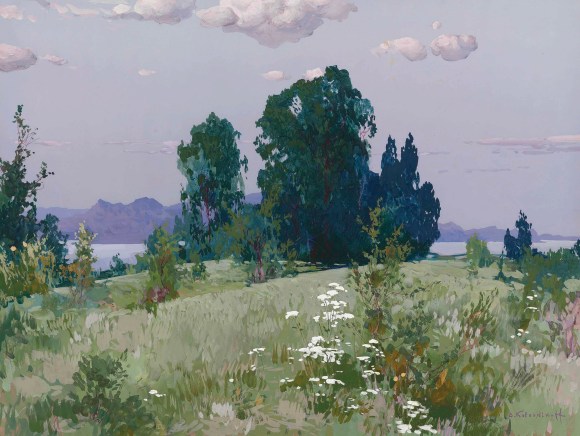
Tag: Stepan Kolesnikov At Sunnyside
Stepan Kolesnikov at Christie’s
Stepan Fedorovich Kolesnikov at MutualArt
Stepan Feodorovich Kolesnikov | Artnet
Read More
Stepan Kolesnikov at Lines and Colors
Thanks for Visiting 🙂
~Sunnyside
I have read but a little Samuel Beckett- one play and a novel but his persona I find intriguing and his clearly having studied Joyce interests as well. I found a tome-like collection of his poetry second hand and have been looking at some of his translations from French. He translated Rimbaud, Breton and the surrealist poet, Paul Eluard. I notice that a collection of the latter’s poetry is soon to be published in both French and English. Beckett also translated a poem called “Delta” from Italian by Eugenio Montale. Beckett too wrote fluently in French and demonstrates his fascination for arcane usage. Here is an example-
Tristesse Janale
C’est toi, o beauté blême des subtiles concierges,
La Chose kantienne, l’icone bilitique;
C’est toi, muette énigme des aphasiques vierges,
Qui centres mes désirs d’un trait antithétique.
O mystique carquois! O flèches de Télèphe!
Correlatif de toi! Abîme et dure sonde!
Sois éternellement le greffé et la greffe,
Ma superfétatoire et frêle furibonde!
Ultime coquillage et palais de la bouche
Mallarméenne et emblème de Michel-Ange,
Consume-toi, o neutre, en extases farouches,
Barbouille-toi, bigène, de crispations de fange,
Et co-ordonne enfin, lacustre conifère,
Tes tensions ambigues de crête et de cratère.
Using Google Translate and adjusting this curious poem reads-
Sadness Janale
It is you, o pallid beauty of the subtle concierges, The Kantian Thing, the bilious icon; It is you, mute enigma of aphasic virgins, Who centers my desires with an antithetical trait.
O mystical quiver! O arrows of Telephus! Correlative of you! Abyss and hard probe! Be eternally the grafted and the graft, My superfluous and frail furious!
Ultimate shell and palate of the Mallarméan mouth and emblem of Michelangelo, Consume yourself, o neutral, in fierce ecstasies, Smear yourself, bigène, with mire contractions,
And finally coordinates, coniferous lacustrine, Your ambiguous tensions of ridge and crater.
Essentially this seems difficult although each stanza has a cluster of meaningful concerns. There are many fascinating words with allusions to place names and classical studies. The imperious voice of the poem marked by imperatives is not without a comic undertone or so it seems to me. It has made me aware of Beckett’s command of the French language and his dreamlike imagery.
A considerable amount to ponder here. Some of these comments are in agreement with the considerable work of Betty Joseph.

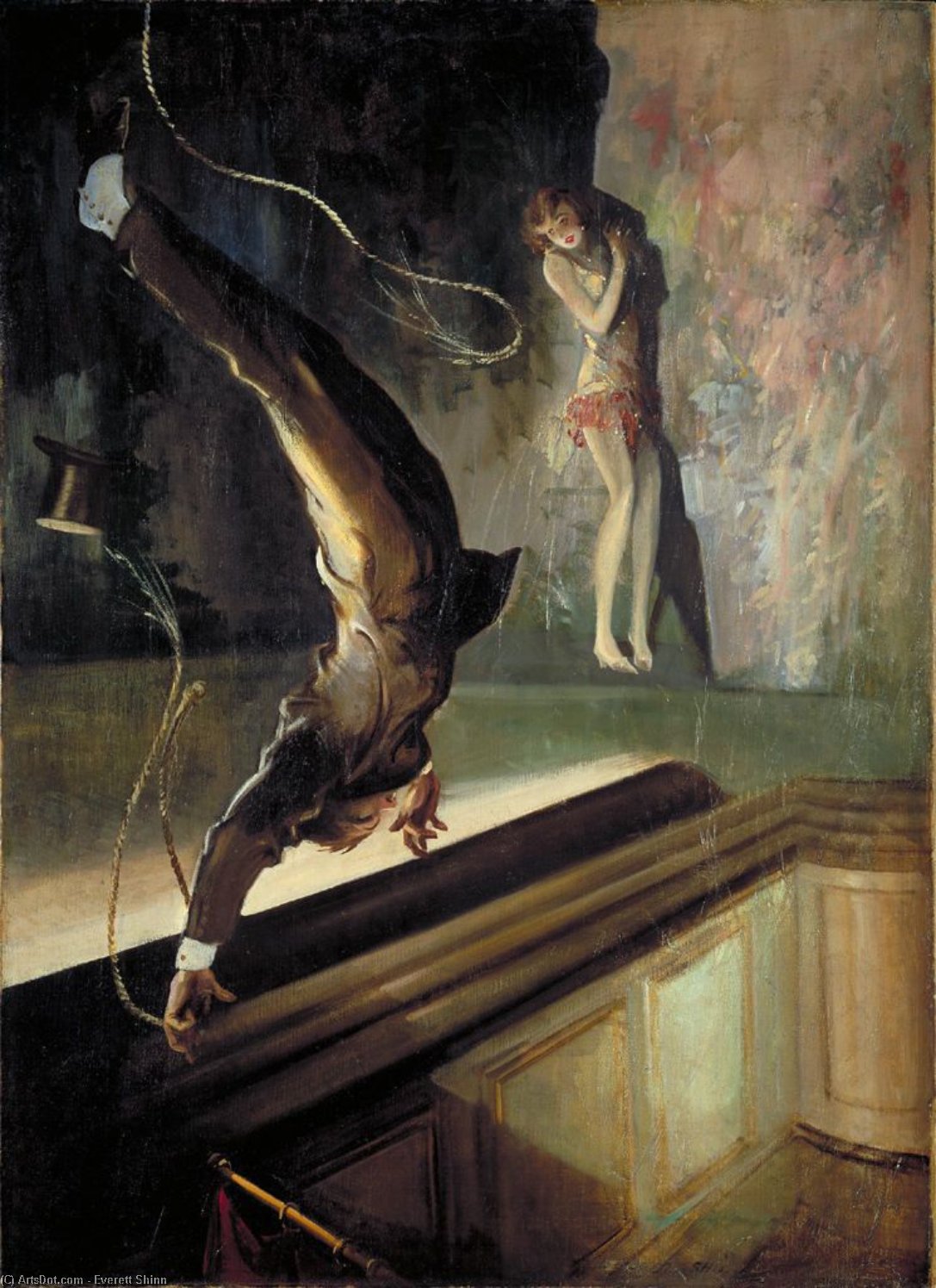 Acrobat Falling. Everett Shinn. Wikioo.
“Our greatest glory is not in never falling, but in rising every time we fall.”
Confucius
We all make mistakes, and therapists are no different in this regard. Learning from these mistakes is a crucial way of developing and refining our skills, no matter how experienced we may be. We can find examples of this learning from error through perusing the writings of many celebrated therapists throughout history.
Whatever our mistake, it is important to have awareness of what it might be about, and how it can reflect both the patient and the therapist. This can lead to more self-understanding for the therapist and, perhaps, further knowledge about the patient, or both.
For example, if we, as therapists, are talking more than usual, are we reacting to some internal pressure from the patient, to find answers, get it all right? If so, we will have…
View original post 1,084 more words
Categories
Heddy Lamarr (Misconnected)
Communication only partial
the latching you designed
seems to glitch
So that signals disappear
down some tremendous
existential void.
Wires are somehow more
secure than your bluetooth
despite its representation
as a reliable mechanical
gearwheel safely
locked in a Newtonian Universe.
How can I connect
with you? What message
can reach you up there?
Here I remain
with weakened pulses
and unreliable links
living with Beckett and Bion.
Categories
Purple hyacinth

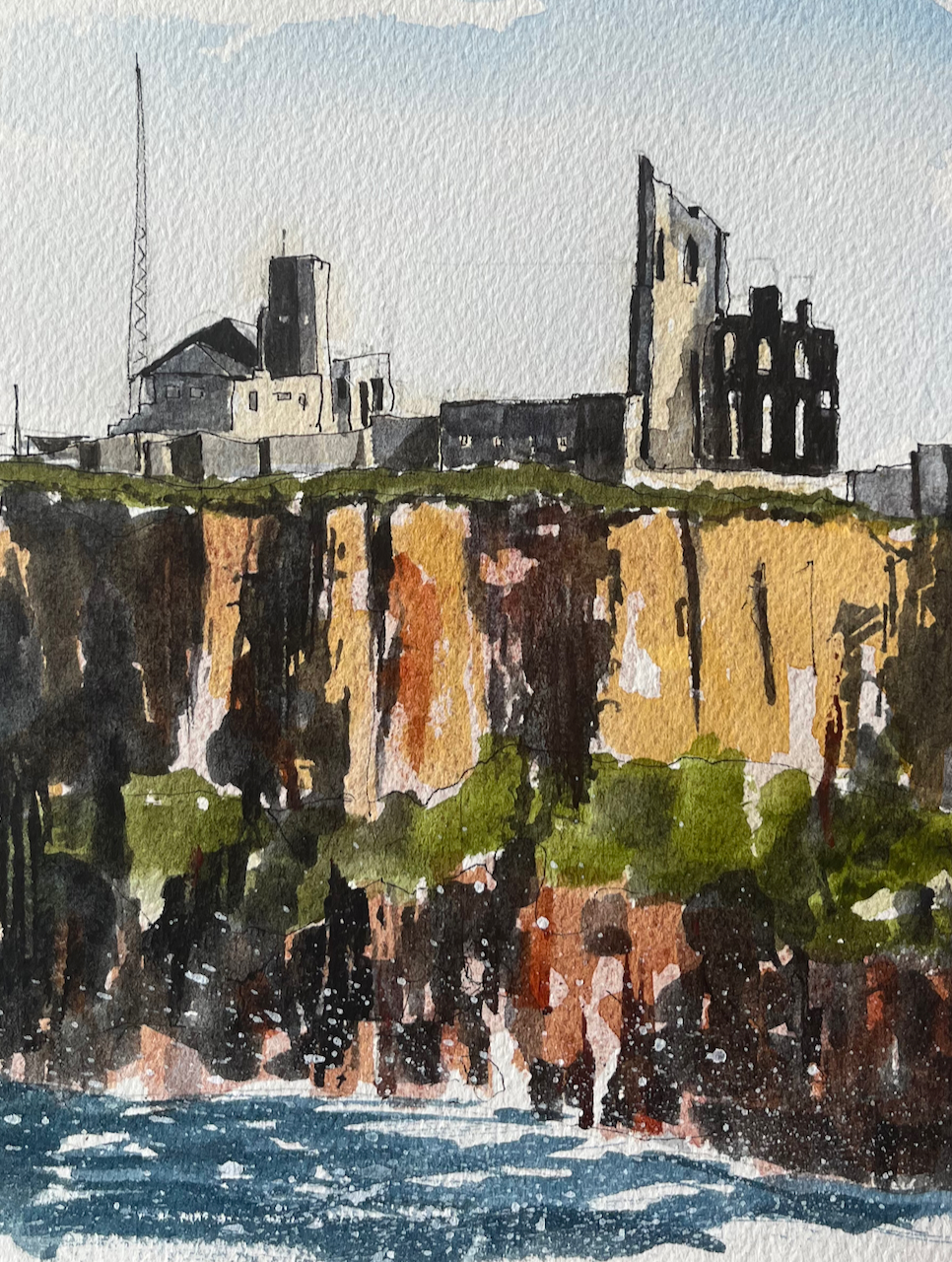
The priory in particular looks quite imposing and austere.

Here is a view of the Coastguard Station and Tynemouth Priory, seen from across King Edwards Bay, on the North-east coast of England.
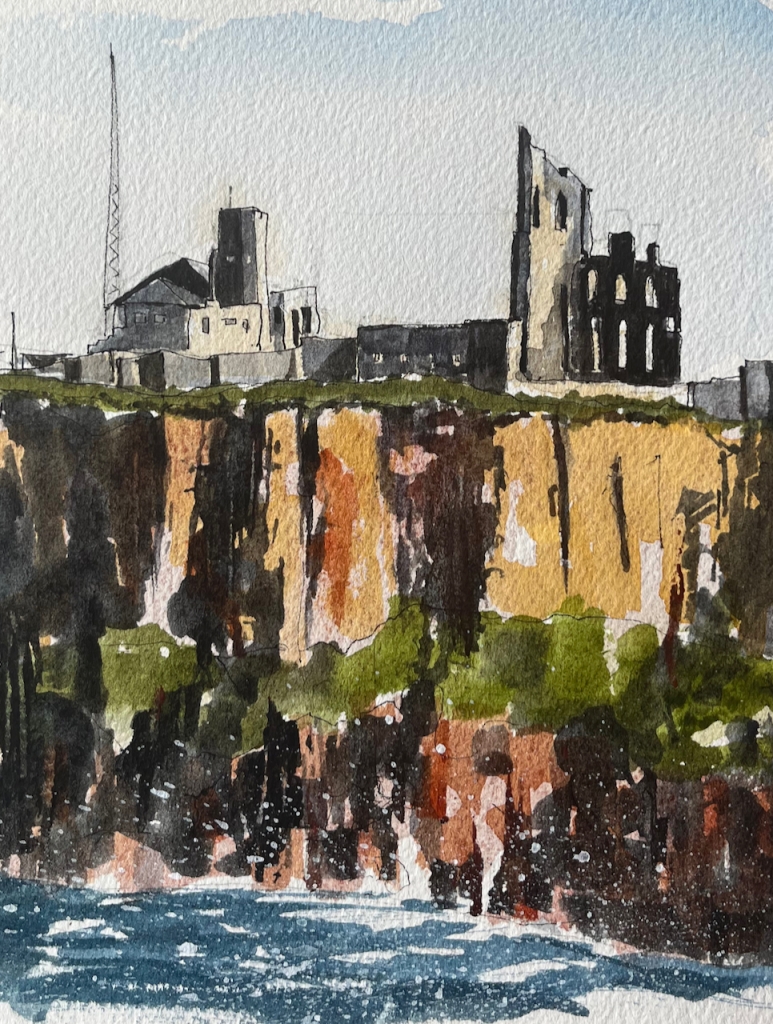
They both are, in their own ways, continuations of the cliffs below. The coastguard station with its massive concrete architecture, the priory with its soaring stone columns. And as if to emphasize how transitory are our human constructions: both are now disused, at least for their original functions.
Parts of the original priory which still survive are the West side of the nave, from the 12th century. “..in January 1539 the priory fell victim to the nationwide Dissolution of the Monasteries” says the English Heritage website. The headland then became a military fortification in wars which followed, right up to the 1939-45 conflict, where guns were stationed there. Some of the gun emplacements remain…
View original post 170 more words
Categories
Odilon Redon: Le crucifix

Lovely colours against the darkness surrounding.
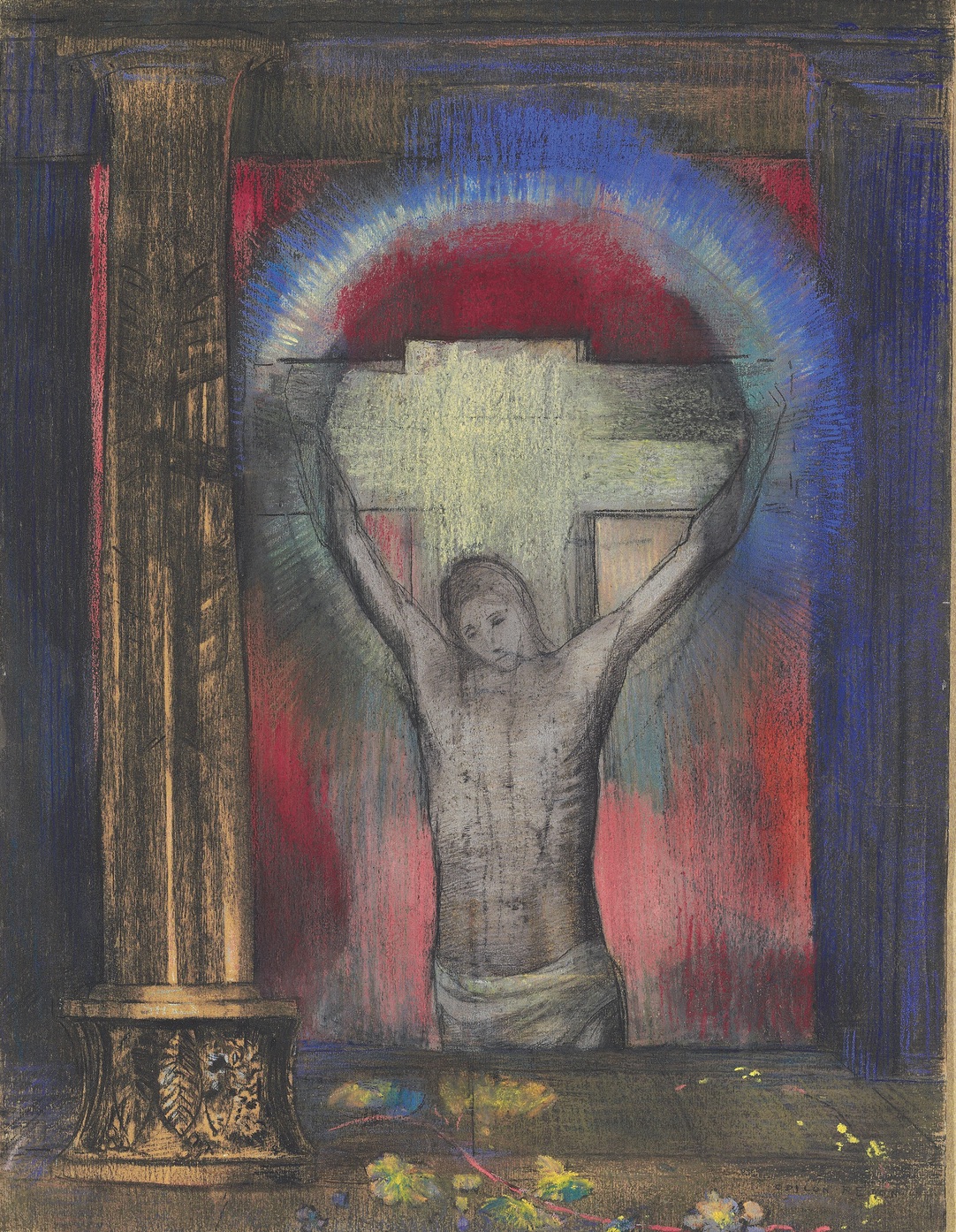
“Redon’s interpretations of the life and sacrifice of Christ contain elements of his liberal social outlook and generally underplay the traditional devotional aspect of such imagery. The present work is especially beautiful for its spiritual treatment of abstract elements in the composition. Interlocking vertical and horizontal forms frame the scene, and Christ is viewed half-length, emphasizing the interior drama of his suffering. The rainbow-like arc of light behind the cross represents the hope of salvation. The colours radiate forward from the rear of the composition in the way that light passes through stained glass. The overall effect is serenely contemplative; the picture seeks not inspire religious fervour, but to provide a balm for the troubled mind. ‘Redon identified Christ’s redemption of…
View original post 103 more words
Categories
Lewis Percy by Anita Brookner
Sounds very poignant and in the Bowen and Pym vein!

Anita Brookner is probably best known for novels like Hotel du Lac – those exquisitely-crafted stories of loneliness and isolation, typically featuring unmarried women living quiet, unfulfilled lives while waiting for their unobtainable lovers to make fleeting appearances. However, just like its predecessor, the superb Latecomers,Lewis Percy differs from Brookner’s earlier novels in that it features a male protagonist – in this instance, the eponymous Lewis Percy. Nevertheless, it is another triumph, demonstrating that Brookner is just as adept at mining the inner lives of her male characters as she is at dissecting their female counterparts. I loved this novel’s closeted, claustrophobic mood and hope to find a place for it in my end-of-year highlights.

The novel follows Lewis from his student days in Paris in 1959 to his late thirties, some sixteen years later, by which point he remains a man out of his times – bookish…
View original post 965 more words
That sounds interesting and a complement to a book I read a couple of years ago called Border by a Bulgarian writer who has decamped to Scotland. Central Europe always fascinating, sad and seemingly historically tangled.

(Multiple translators)
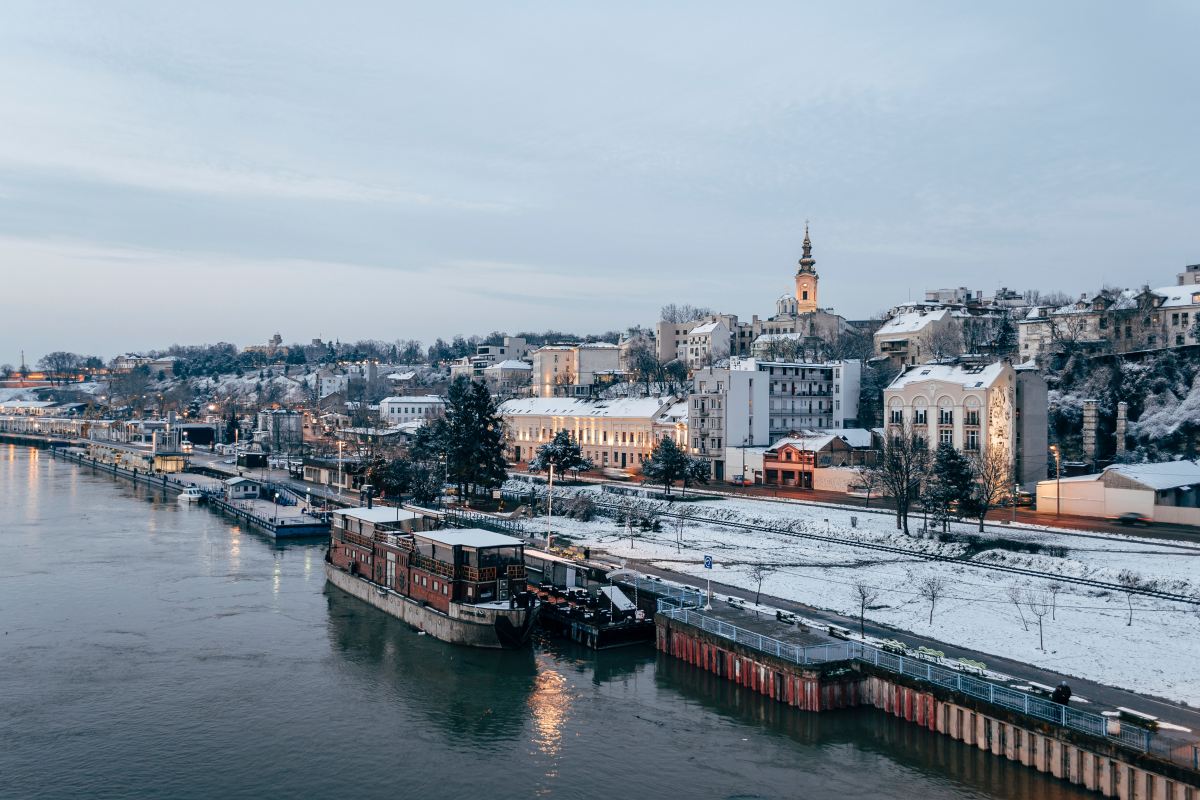
A slightly strange one this, which was recommended as a good read on Serbia in the Lonely Planet’s Armchair Explorer book (which I’ve currently lost amid the chaos caused by our building work, but hope eventually to unearth).
The title made me wince a bit, but this is a non-fiction book that is a mixture of national pride, self-deprecation and black humour, written and illustrated by Serbian novelist and artist Momo Kapor (1937-2010), and seemingly always intended for an English-speaking readership.
Unapologetically reinforcing as many stereotypes as it debunks, the book is interesting on food and culture, often witty, and sometimes gratingly sexist:
“things have changed … especially the Belgrade girl. She is no longer a somewhat plump little woman, whose appeal was in being unprotected and helpless … Today’s Belgrade girls are marked by an often slender, tall figure… [man in late 60s then waxes lyrical…
View original post 156 more words
 penwithlit