
A random survey of self-portraits created by women through the centuries
Asian American painter Susan Chen (born 1992)

Streetcars of Desires, 2020 / Oil on canvas / Meredith Rosen Gallery, NYC
Streetcars of Desires, 2020 / Oil on canvas / Meredith Rosen Gallery, NYC
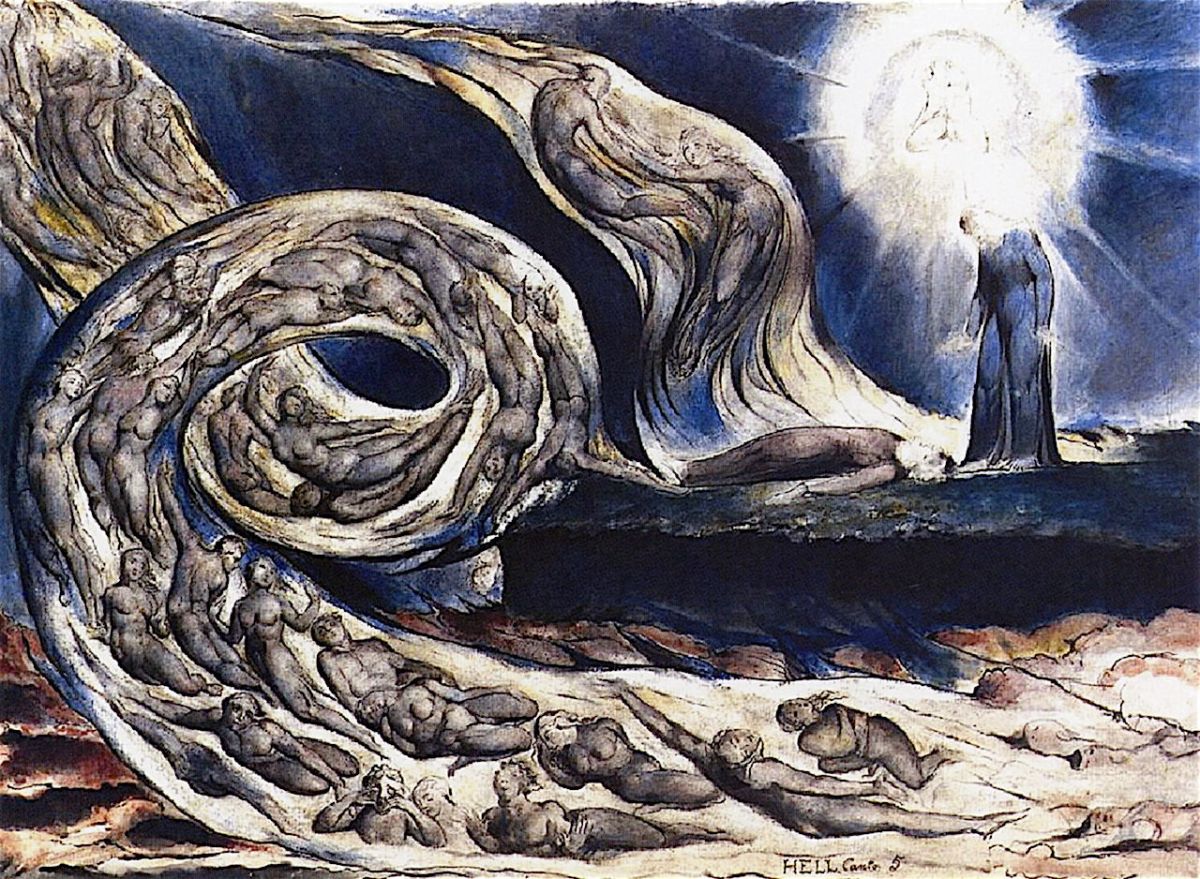
Blake – magnificent
One of the factors I previously identified as causes of the failure of British narrative painting was lack of formal academic training, which was rectified with the formation of the Royal Academy Schools in London in 1769, when they had their first intake of 77 pupils. A decade later, they enrolled one of their most famous artists, William Blake (1757–1827).
Blake had been born in what is now Broadwick Street, Soho, London, and started as a pupil at a drawing school in The Strand in 1767 or 1768. In 1772, as Hogarth did fifty years before, he started a seven-year apprenticeship with James Basire as an engraver. Basire was a traditional line engraver on copper, and Blake would have gained a sound and practical understanding of that craft. Among the tasks which he undertook was to make copies of the royal tombs in Westminster Abbey for the Society of Antiquaries…
View original post 2,518 more words
Nice
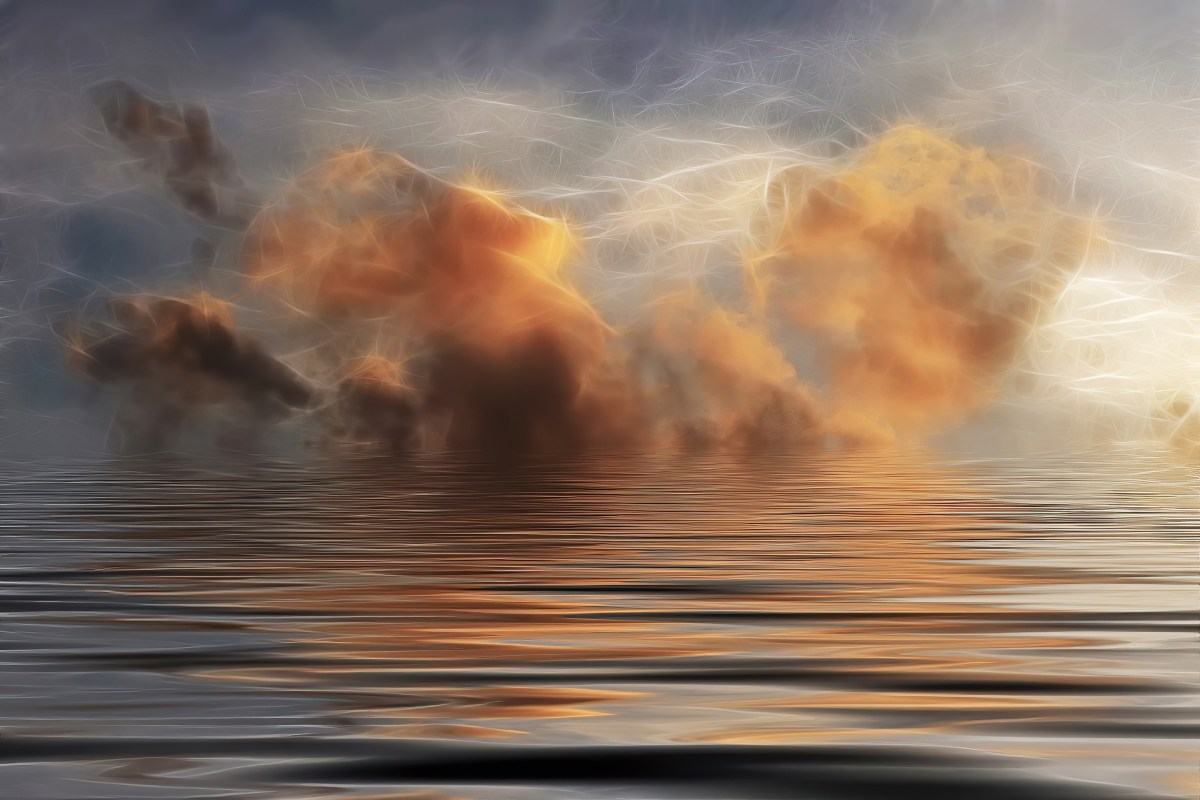
Russian officials claim
Ukraine's planning
hydroelectric Kakhovka Dam's destructionMoscow intends
to
scapegoat
Kyiv.
The Septolet is a poem consisting of seven lines containing fourteen wordswith a break anywhere in between the two parts. Both parts deal with the same thought and create a picture.
“Which of these films was Dirk Bogarde
not in? One hundredweight of bauxite
makes how much aluminium?
how many tales in ‘The Decameron’?”
General Studies, the upper sixth, a doddle, a cinch
for anyone with an ounce of common sense
or a calculator
with a memory feature.

The lines above are from one of Google’s suggestions for Armitage’s top best poems. This poem is actually about teenage sexuality and has a surprising and mildly interesting ending, I think. However, having shared the poets exam room ambience as a youngster, as well as having invigilated many many tests and examinations it is the first few lines that I would like to peruse here.
More soon but you can read the whole poem at https://www.poeticous.com/simon-armitage/you-may-turn-over-and-begin
This sounds a really engaging and thought provoking read at a time where authoritarianism is attempting to threaten what were regarded as traditional democracies.
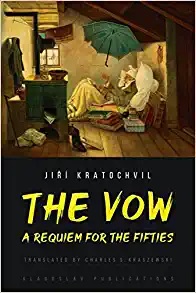 I haven’t read much Czech literature, only the usual Kafkas and Josef Skvorecky’s The Cowards (see my review) so I turned to Michael (The Complete Review) Orthofer’s Guide to Contemporary World Fiction (2016) for some guidance in interpreting Jiří Kratochvil’s The Vow: A Requiem for The Fifties (published in Czech as Slib in 2009). Alas, Jiří Kratochvil (b.1940) doesn’t get a mention and this is probably because The Vow is the first of his books to be translated into English, and it’s taken until 2021 for that to happen…
As you can see from his page at Goodreads, and his Wikipedia page Kratochvil is a prolific Czech writer. In 1991 he was awarded the Tom Stoppard Prize for his book Medvědí román (“A Bear’s Novel”) and in 1999 he was awarded the Jaroslav Seifert Prize.
The Vow is a very interesting book, but it’s challenging. Set…
View original post 995 more words

Lovely colour combination.

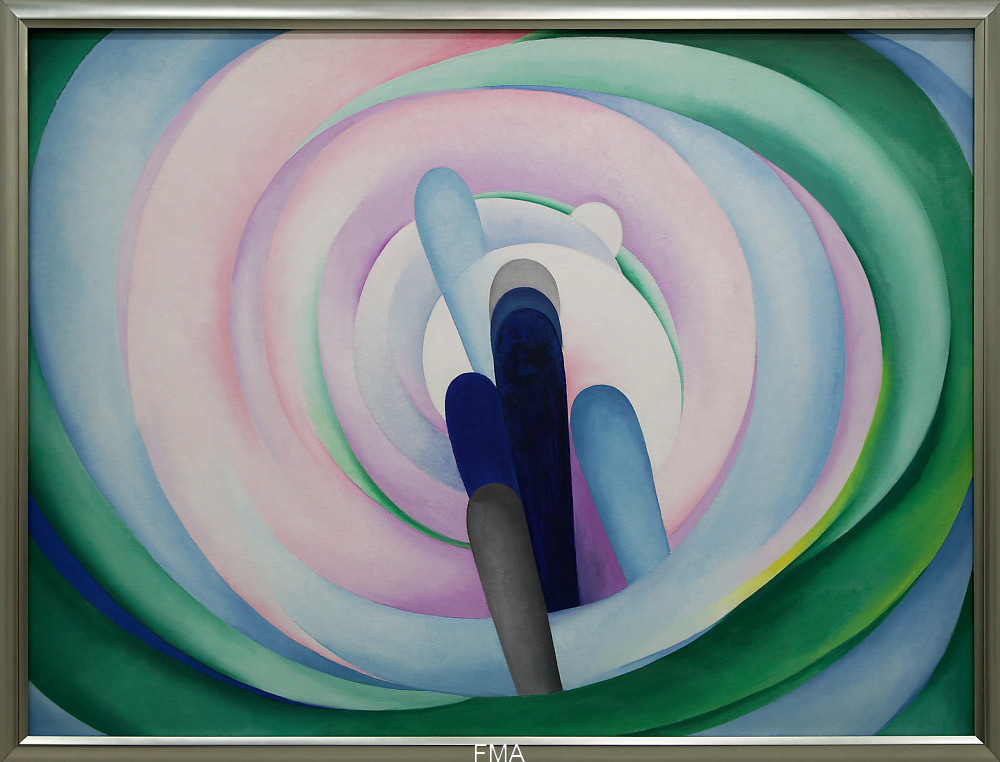
“Georgia O’Keeffe’s early abstractions, although not as well known as her later southwestern paintings, played a pivotal role in the development of American modernism. Grey Blue & Black—Pink Circle is the culmination of O’Keeffe’s Special series, a body of abstract drawings and paintings that she made during the 1920s. She created these works outside the influence of the New York mainstream and before her initial contact with the works of Wassily Kandinsky, whose treatise On the Spiritual in Art had a measurable impact on her later abstract style.
The nodes in the center of the painting recall the headdress of Hopi kachina dancers (and the headdresses of the eponymous kachina dolls); the surrounding whorls of color amplify the suggested motion of the dance and the consonant rhythms of the universe…”
Adapted from
- Eleanor…
View original post 50 more words
A thoroughly interesting and informative blog post.Great!!
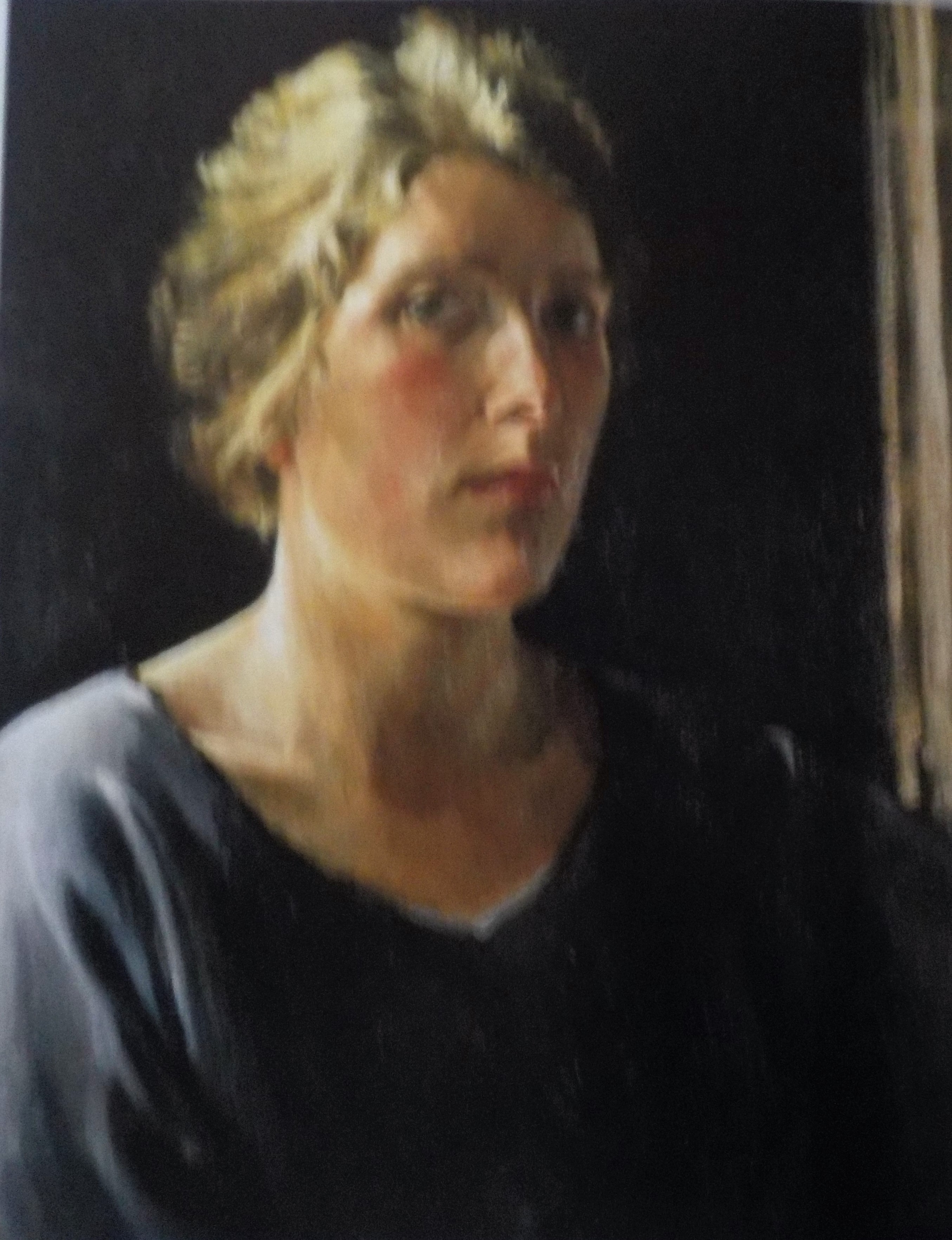
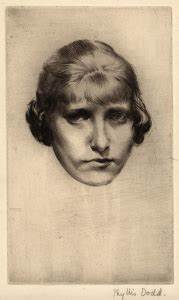
Phyllis Dodd: ‘Self Portraits.’
Phyllis Dodd was born in 1899 in Chester. Her parents encouraged her early interest in art. Attending the Queen’s School, Chester at the age of eight she won a Royal Drawing Society prize in 1909, drawing her friend Freda from memory. Her father Charles Dodd would take her to the Walker Art Gallery in Liverpool, his death when Phyllis was sixteen was a severe blow. Her mother took in paying guests to send her to Liverpool School of Art, 1917–21, where Will Penn taught her the use of a limited palette; by the 1950s she developed an interest in more positive colour.
In 1921 Phyllis won a Royal Exhibition to the Royal College of Art, 1921–25. This prized and coveted award allowed her £90 a year and expenses towards art materials and travel expenses. Her friends and colleagues at the RCA included Henry Moore (1898-1986), Raymond…
View original post 1,340 more words
The winner of the 2022 HNSA Historical Prize was announced last night…
*drum roll*
Corporal Hitler’s Pistol, by Tom Keneally, see my review
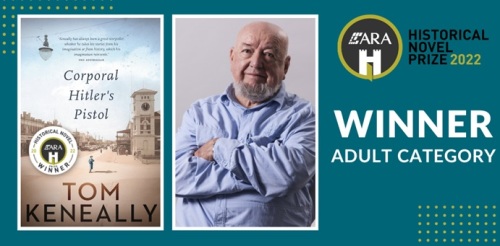
In a generous gesture, Keneally has chosen to share his prize (worth $50,000) He is giving $4000 each to the shortlisted authors Robyn Mundy (Cold Coast, see my review) and Geraldine Brooks. (Horse).You can read about this is in his acceptance speech at the HNSA website.
Update, later the same day, from the Guardian newspaper, with my apologies for my error. The links are to my reviews.
“Receiving the prize, Keneally said he would give $4,000 (£2,200) to the six authors who made the ARA prize longlist: Karen Brooks, Lauren Chater, Steven Carroll, Portland Jones, Kim Kelly and David Whish-Wilson.
Geraldine Brooks and Robyn Mundy, who were also shortlisted with Keneally, already received $5,000 from the prize for their achievement.”
View original post 23 more words


 penwithlit