Contemplative-lovely.

A random survey of self-portraits created by women through the centuries
Polish painter Irena Luczynska-Szymanowska (1890–1966)
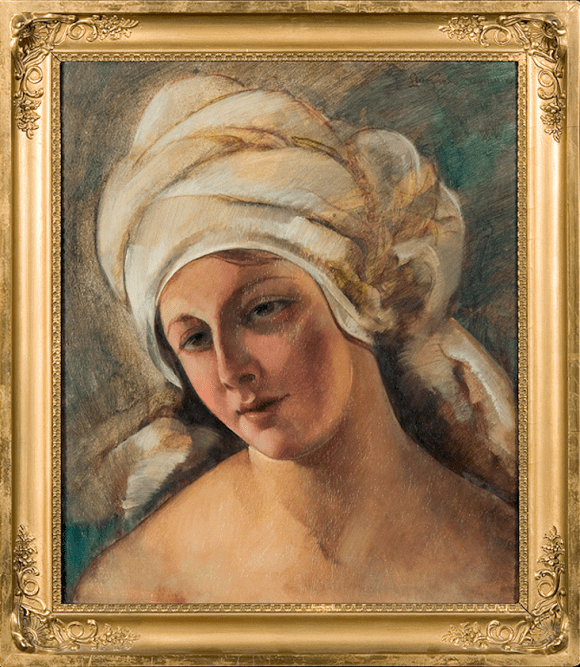
Autoportret, before 1920 / Oil on cardboard / Private collection
Contemplative-lovely.
Autoportret, before 1920 / Oil on cardboard / Private collection


“This monumental view of the Hudson River Valley was painted from memory in the artist’s London studio. Cropsey adopted a high vantage point, looking southeast toward the distant Hudson River and the flank of Storm King Mountain. A small stream leads from the foreground, where three hunters and their dogs gaze into the sunlight. All along the meandering tributary there are signs of man’s peaceful coexistence with nature: a small log cabin, grazing sheep, children playing on a bridge, and cows standing placidly in the water. Here, man neither conquers nor is subservient to nature; both coexist harmoniously…”
Jasper Francis Cropsey at wikiwand
Jasper Francis Cropsey at The National Gallery of Art
Jasper Francis Cropsey at wikimedia
~Sunnyside
Miri it is while sumer i-last
With foulës song;
Oc now neghëth windës blast
And weder strong.
Ei, ei, what this night is long,
And Ich with wel michel wrong
Sorwe and murne and fast.
Dis, quand reviendras-tu ?
Voilà combien de jours, voilà combien de nuits,
Voilà combien de temps que tu es reparti,
Tu m’as dit cette fois, c’est le dernier voyage,
Pour nos coeurs déchirés, c’est le dernier naufrage,
Au printemps, tu verras, je serai de retour,
Le printemps, c’est joli pour se parler d’amour,
Nous irons voir ensemble les jardins refleuris,
Et déambulerons dans les rues de Paris,
Dis, quand reviendras-tu,
Dis, au moins le sais-tu,
Que tout le temps qui passe,
Ne se rattrape guère,
Que tout le temps perdu,
Ne se rattrape plus,
Le printemps s’est enfui depuis longtemps déjà,
Craquent les feuilles mortes, brûlent les feux de bois,
A voir Paris si beau dans cette fin d’automne,
Soudain je m’alanguis, je rêve, je frissonne,
Je tangue, je chavire, et comme la rengaine,
Je vais, je viens, je vire, je me tourne, je me traîne,
Ton image me hante, je te parle tout bas,
Et j’ai le mal d’amour, et j’ai le mal de toi,
Dis, quand reviendras-tu,
Dis, au moins le sais-tu,
Que tout le temps qui passe,
Ne se rattrape guère,
Que tout le temps perdu,
Ne se rattrape plus,
J’ai beau t’aimer encore, j’ai beau t’aimer toujours,
J’ai beau n’aimer que toi, j’ai beau t’aimer d’amour,
Si tu ne comprends pas qu’il te faut revenir,
Je ferai de nous deux mes plus beaux souvenirs,
Je reprendrai la route, le monde m’émerveille,
J’irai me réchauffer à un autre soleil,
Je ne suis pas de celles qui meurent de chagrin,
Je n’ai pas la vertu des femmes de marins,
Dis, quand reviendras-tu,
Dis, au moins le sais-tu,
Que tout le temps qui passe,
Ne se rattrape guère,
Que tout le temps perdu,
Ne se rattrape plus
That’s how many days, that’s how many nights,
How long have you been gone,
You told me this time, it’s the last trip,
For our hearts torn, this is the last shipwreck,
In the spring, you’ll see, I’ll be back,
Spring is pretty to talk about love,
We will go together to see the flowering gardens,
And stroll through the streets of Paris,
Quoting Paroles at https://www.youtube.com/watch?v=ZlgVIC_7dvI
“Dis, quand reviendras-tu ?” est une chanson sortie en 1962, écrite, composée et interprétée par Barbara. Dans cette chanson, l’auteure-narratrice écrit une lettre à un amant dont elle attend inlassablement le retour pour l’inciter à revenir à ses côtés. La qualité exceptionnelle d’écriture de cette chanson ainsi que la sensibilité de l’interprétation de Barbara en font un monument de la chanson française.
A sad loss but what a creative person!
One of the most significant publishers of my lifetime died in London yesterday.
Born and educated in Melbourne, Dame Carmen Thérèse Callil, DBE, FRSL (1938 – 2022) was the founder of Virago Press in 1973. She was a champion of women’s writing and published some of the most important writers of our age such as Angela Carter, Maya Angelou and Margaret Atwood while also bringing back into print a backlist of authors such as Antonia White, Willa Cather, and Rebecca West.
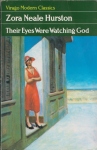
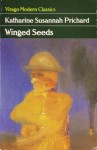 Virago covers were always distinctive — I can pick them out on my paperback shelves in an instant just by the cover of the spine. They featured superb art works such as the detail from ‘Carolina Morning‘ by Edward Hopper on the cover of Their Eyes were Watching God. All the titles I have also have insightful introductions such as the one by Drusilla Modjeska for Winged…
View original post 131 more words
Very interesting and useful information.

Another favourite!
~Sunnyside
Sounds like an important read raising some significant issues.
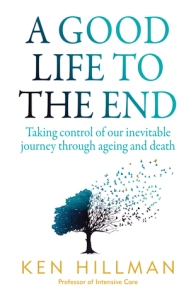 A Good Life to the End has to be one of the most depressing books I’ve read this year, but it’s an important one that faces up to some unpleasant facts.
Although I think it deserves a wider audience, I think the book will have most resonance for those of us confronting the end of life for aged parents, who are having to make decisions for loved ones no longer able to make those decisions for themselves, and who are realising that the same issues apply to us as we ourselves get older.
Professor Ken Hillman is Professor of Intensive Care at the University of New South Wales (SWS Clinical School), and an actively practising clinician in Intensive Care, at Liverpool Hospital. He’s also the presenter of the TED talk ‘We’re doing dying all wrong’, though I didn’t see that till I Googled his profile for this review.
After the uplifting…
View original post 526 more words
Sounds very good- great introduction to some contemporaty themes.

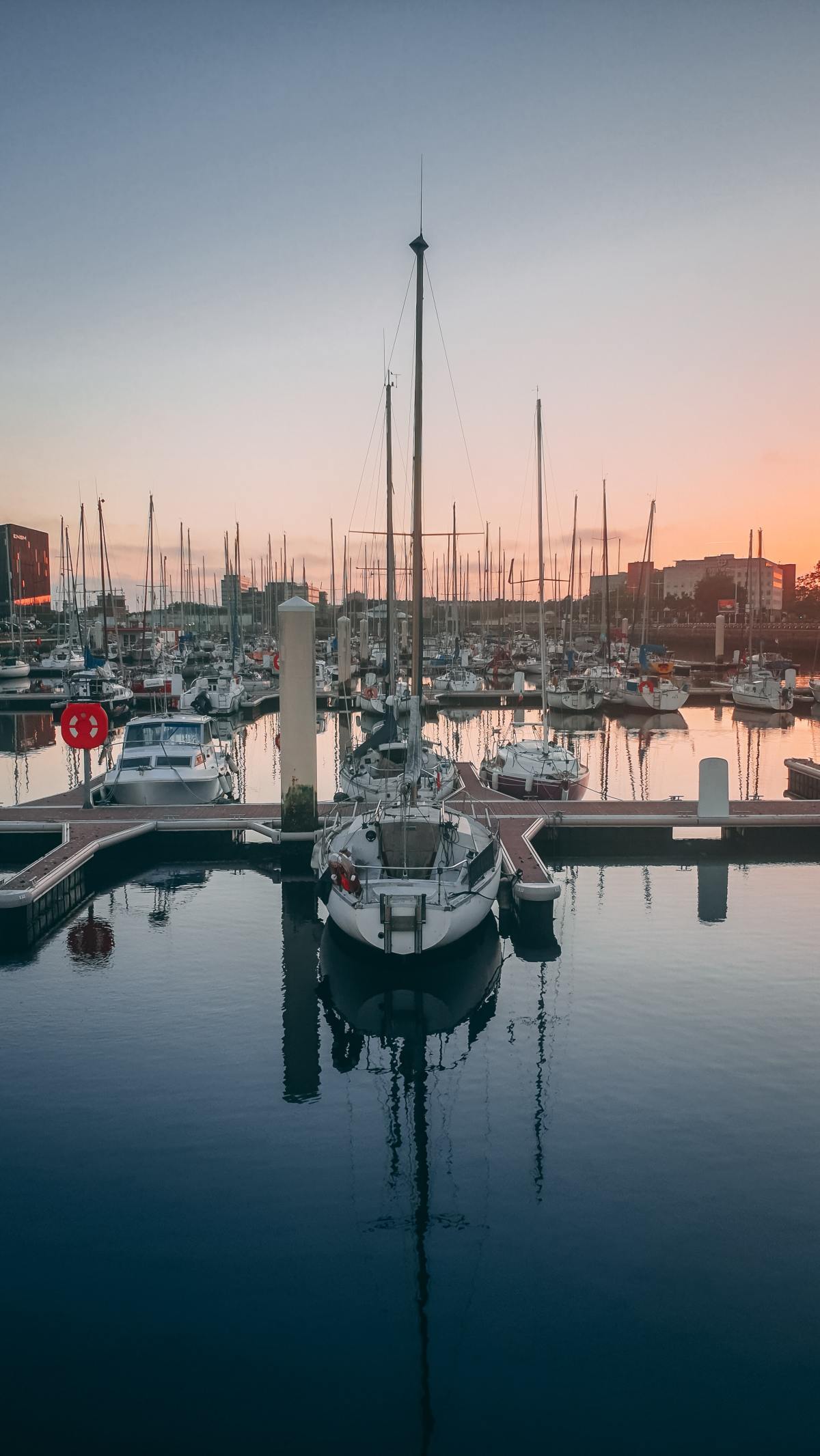
The 2011 film Le Havre tells the beautiful tale of implacable ageing shoe-shiner Marcel Marx (the late André Wilms), who goes out of his way to help immigrant boy Idrissa (Blondin Miguel) evade the authorities to be reunited with his mother. With French dialogue, and set in the Normandy port town of Le Havre, the movie is nevertheless written and directed by Aki Kaurismäki, widely considered to be Finland’s most prominent director. The dialogue is minimal and straightforward: I could understand most of it without subtitles.
When a container ship arrives in Le Havre from Gabon with refugees aboard, Idrissa, a young boy who had been aiming for London, is the only one to flee the immigration authorities. Marcel, who lives a modest, working-class life with his attentive wife and dog Laika (sharing a name with the famous Soviet space dog), comes across the boy by chance during a lunch…
View original post 214 more words


 penwithlit
