Categories
Uncategorized

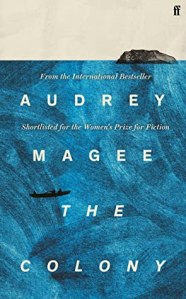
The Colony, by Audrey Magee

Sounds fascinating and reminds me of the work of Brian Friel- especially “Translations”. I’ve recently also read “Factory Girls” which was brilliant, poignant and very funny.

Lisa Hill's avatarANZ LitLovers LitBlog

Colonisation is a theme common enough in contemporary fiction, but I haven’t come across much fiction featuring the English colonisation of Ireland*.  Audrey Magee’s The Colony, nominated for the 2022 Booker Prize and the Orwell Prize for Political Fiction, explores the theme in a microcosm of Irish society on a small remote island in the summer of 1979.  Unlike heavy-handed critiques of colonisation (which have their place in educating readers about its enduring consequences), The Colony is more subtly nuanced in its depiction of a world in flux.

Magee’s island society is insulated from the Troubles which derived from the colonisation of mainland Ireland; there is only news of bombs or car-jackings in this Irish outpost.  Chillingly brief radio reports of sectarian violence punctuate the novel but do not impact on the storyline, except to signal that the violence influences even the matriarch who has staunchly resisted any change…

View original post 1,148 more words
Categories
Uncategorized

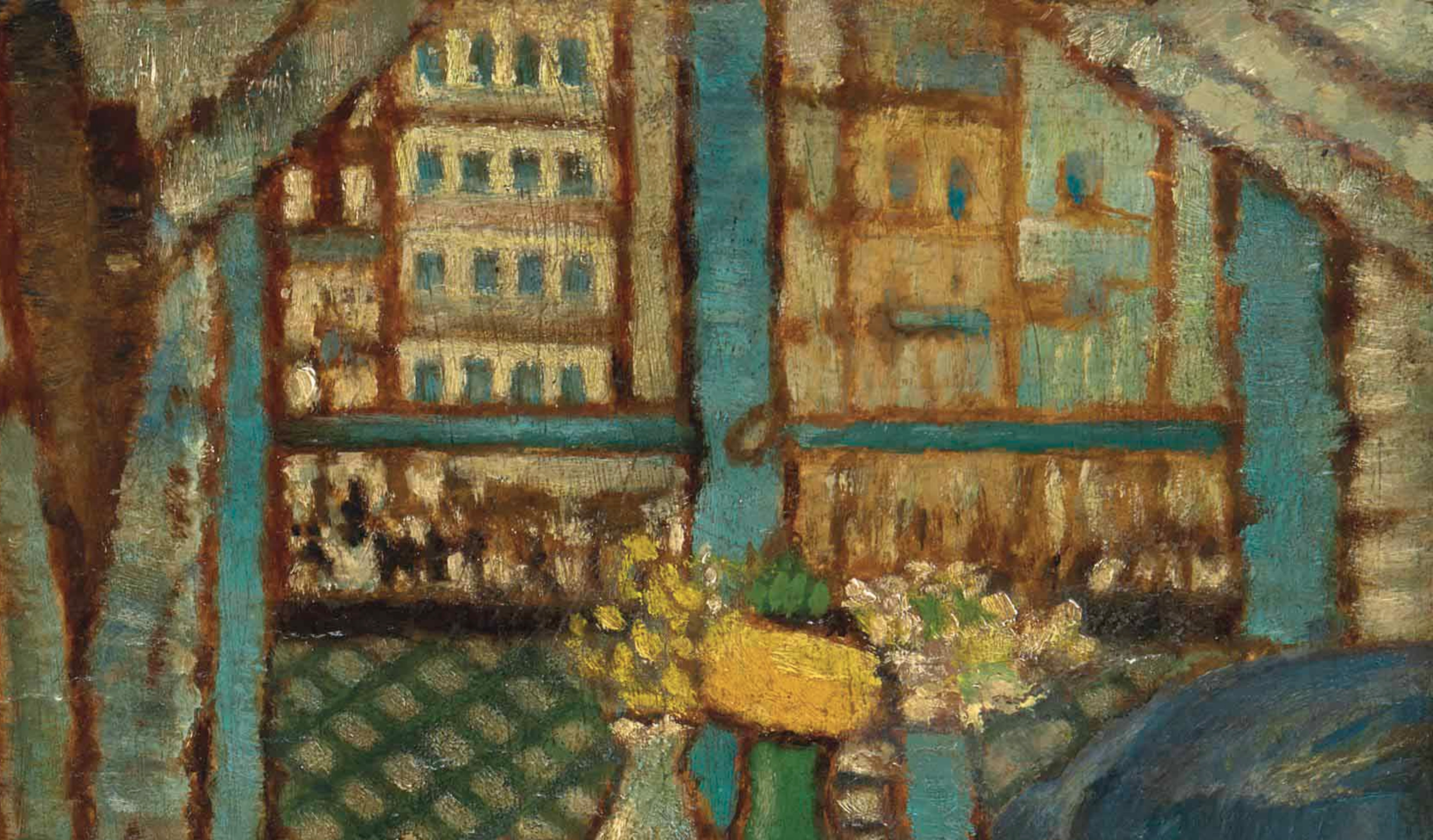
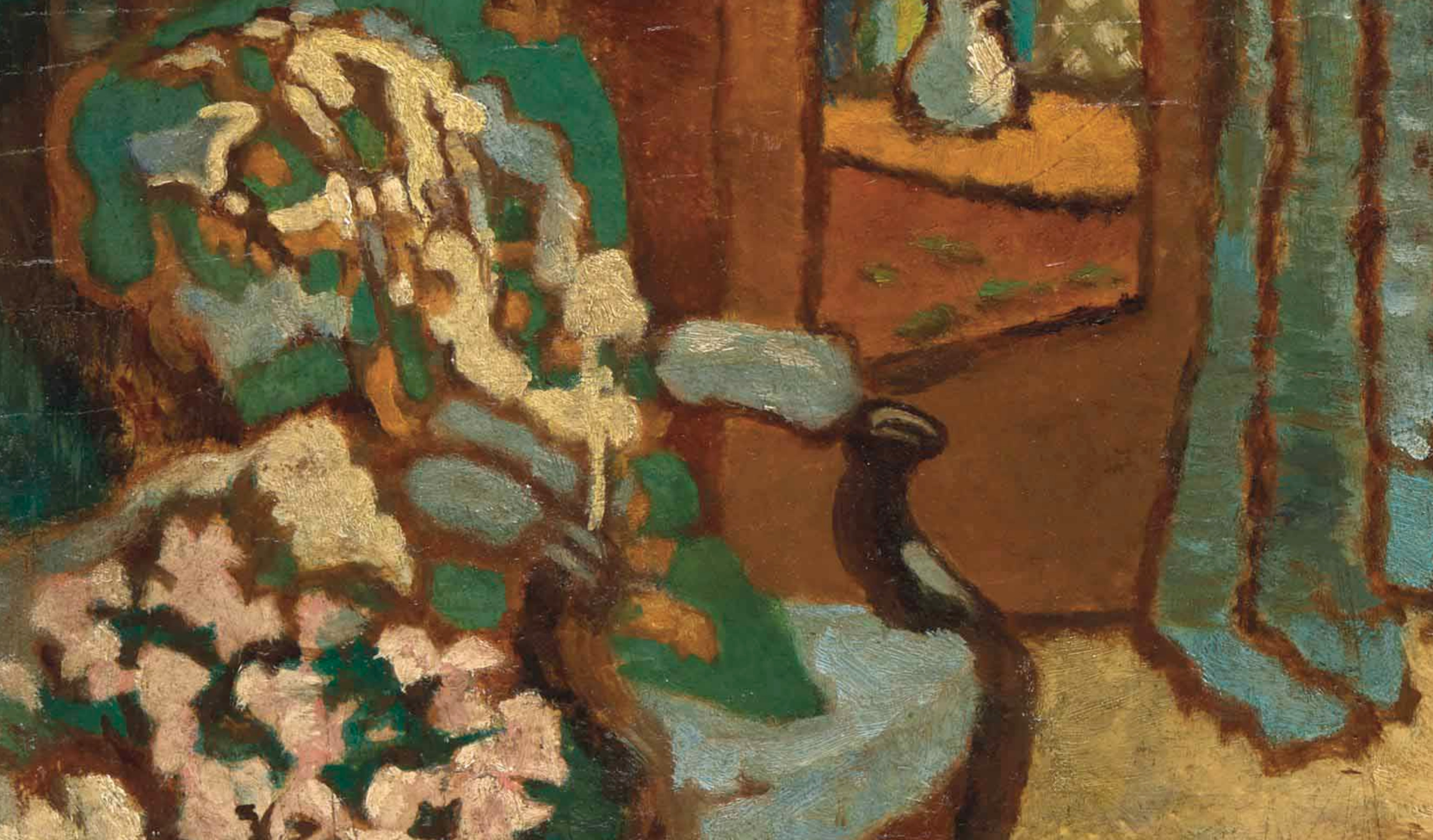
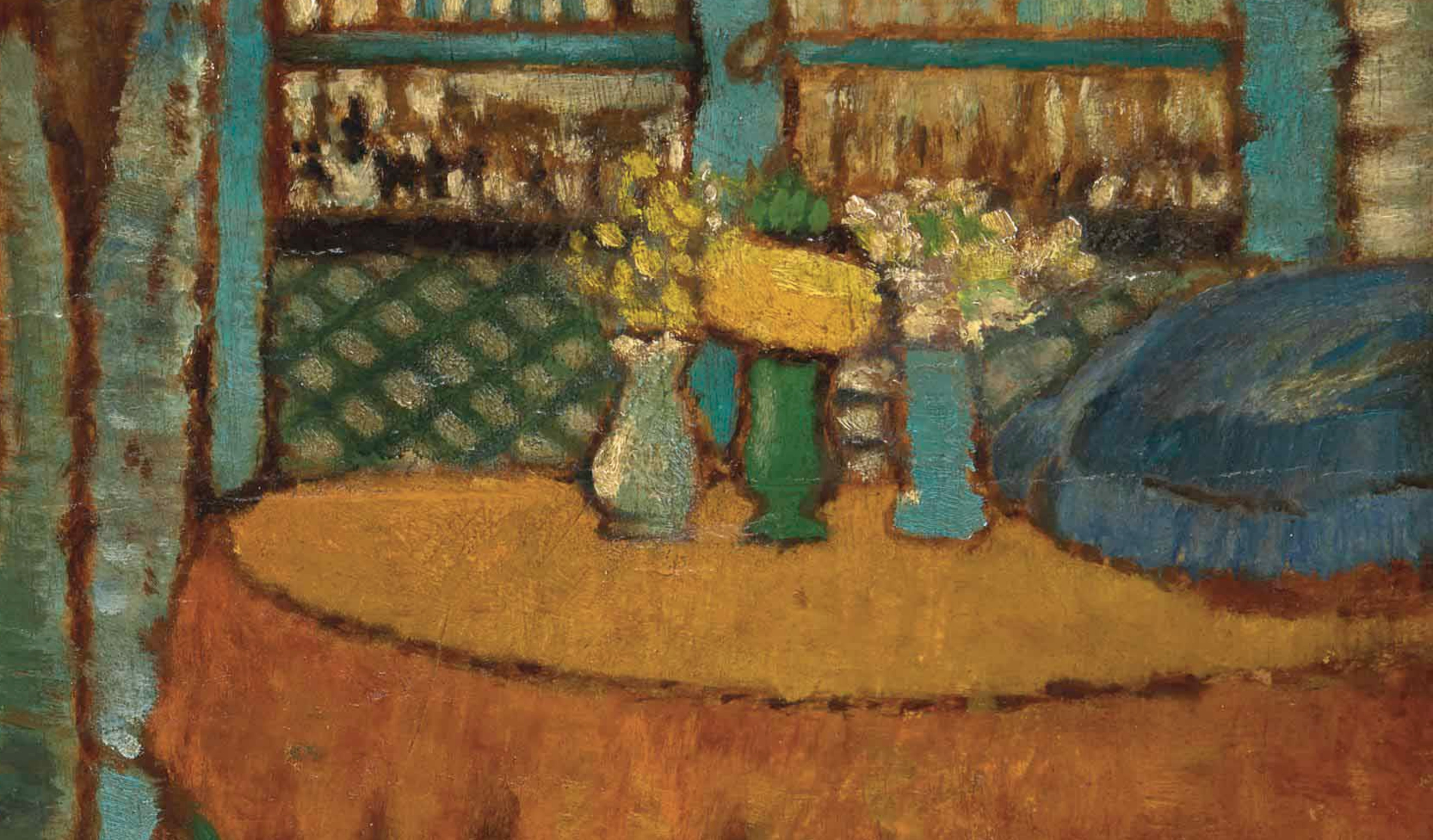
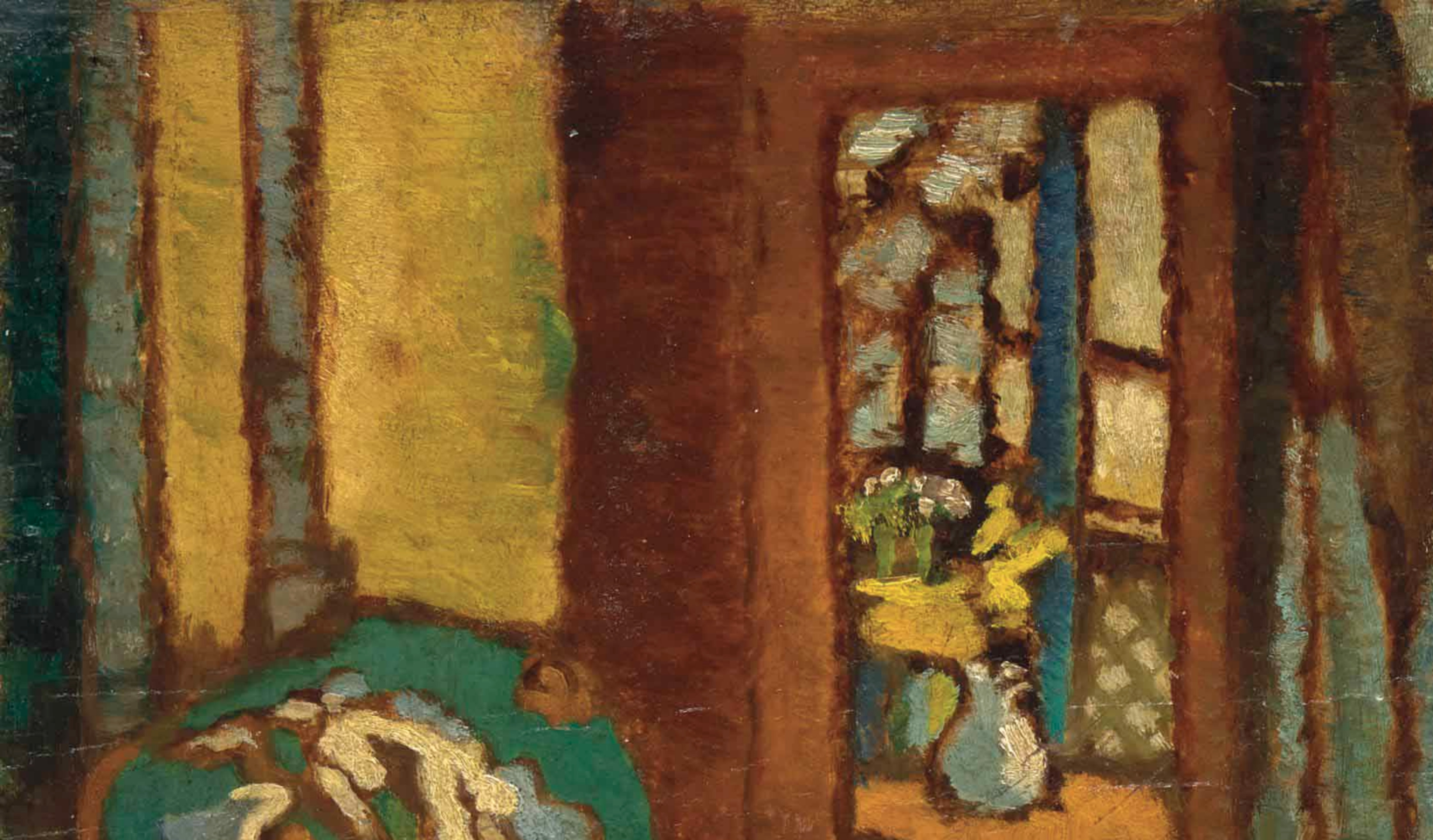
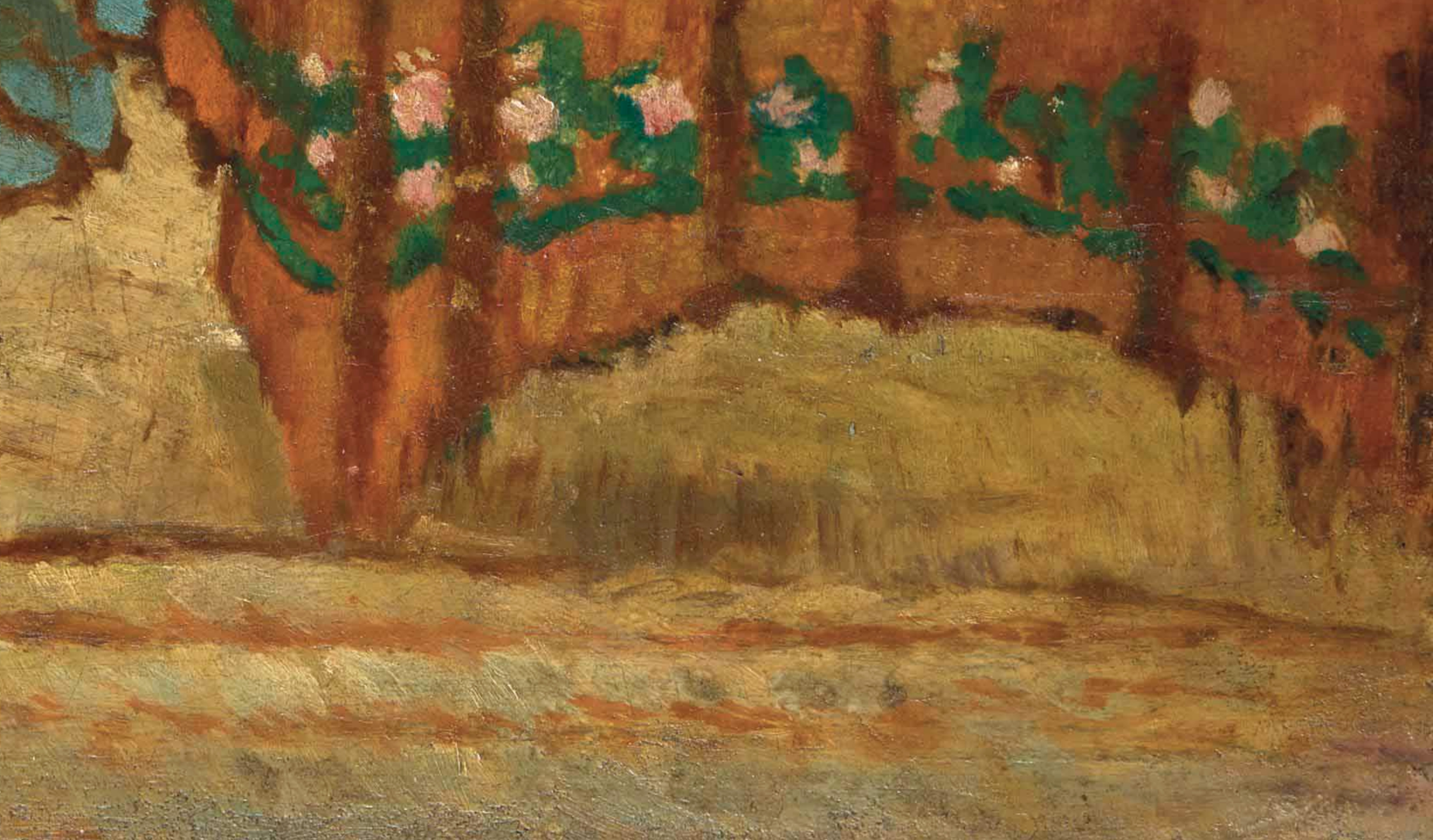
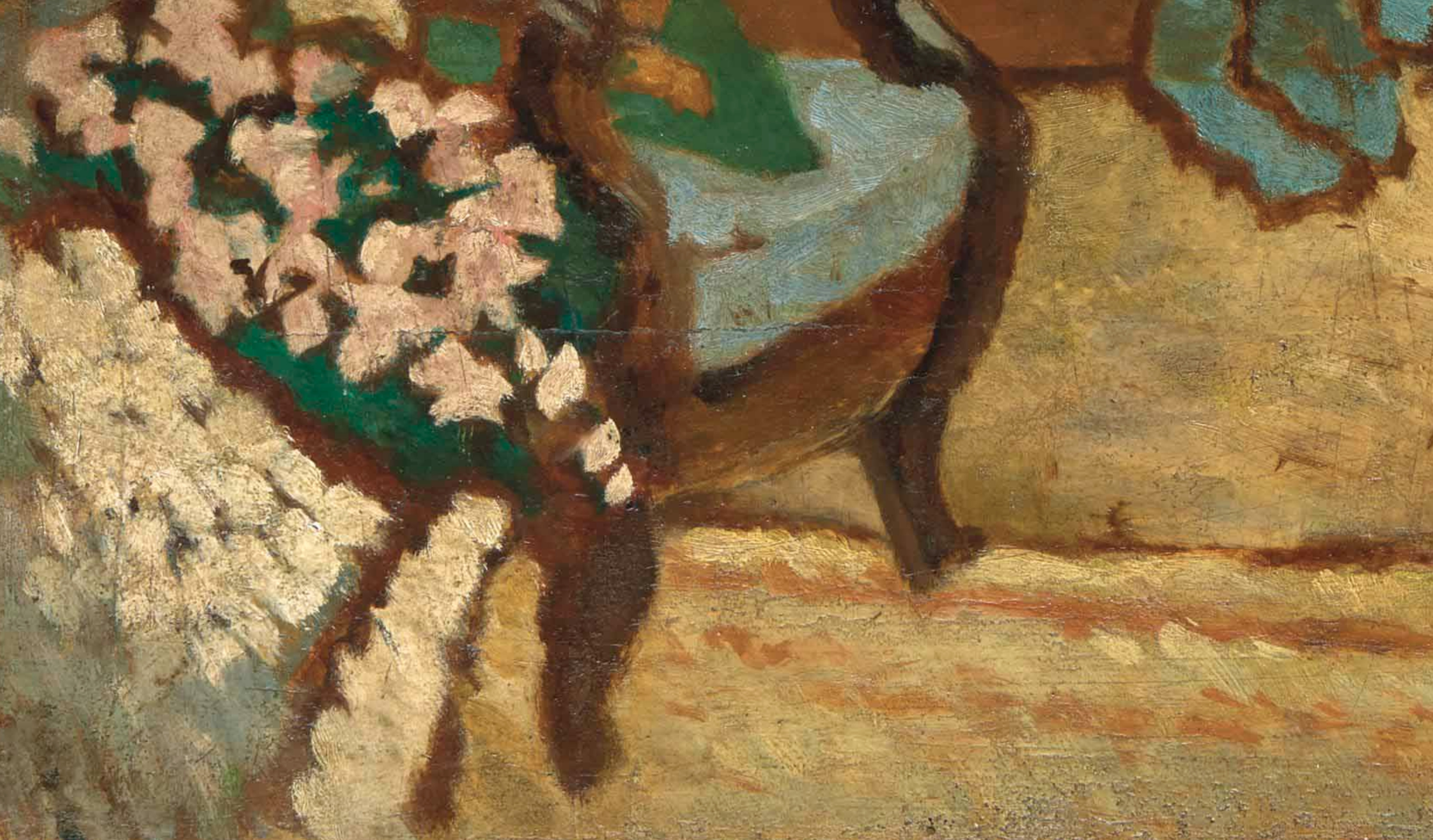
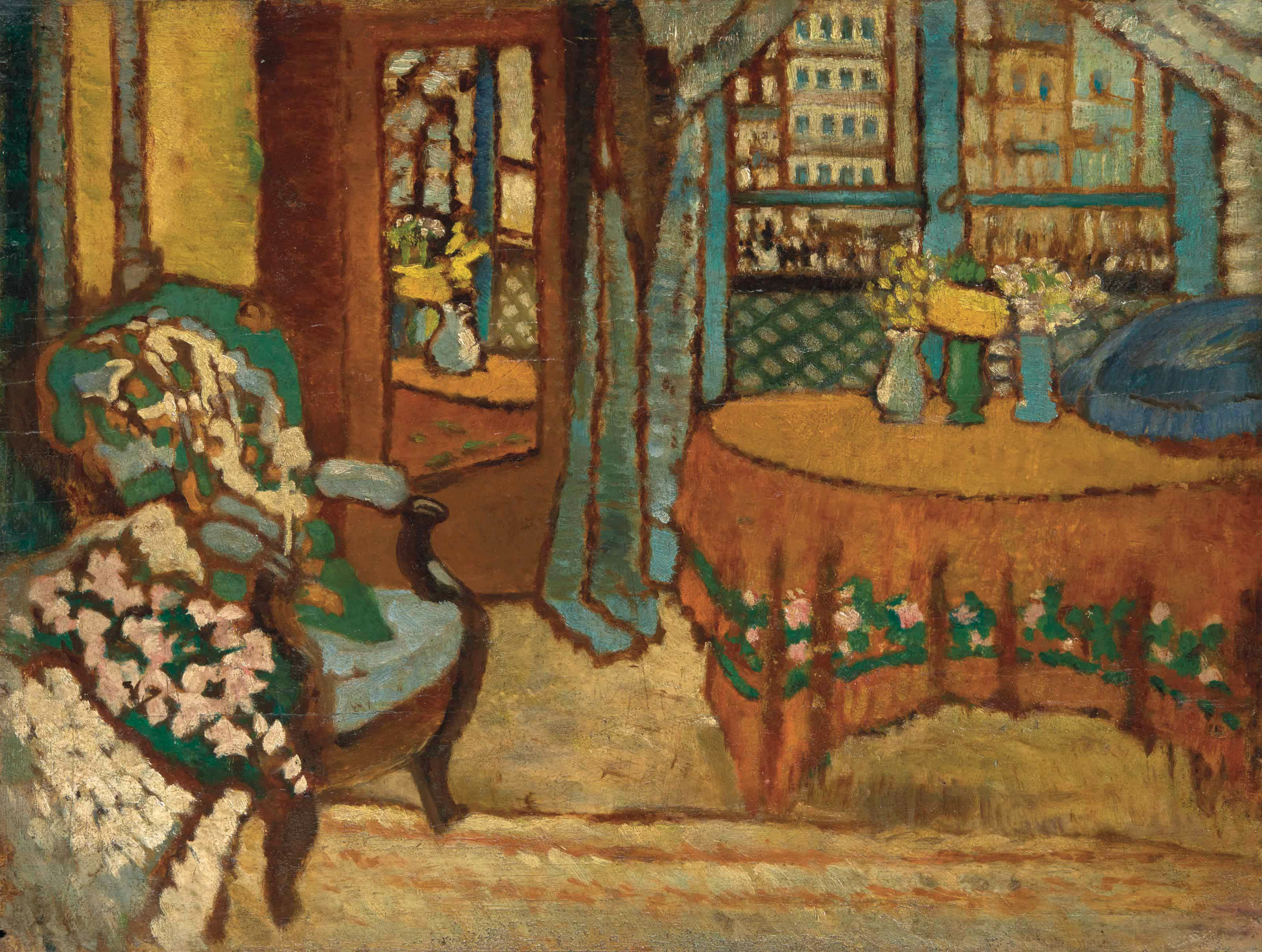
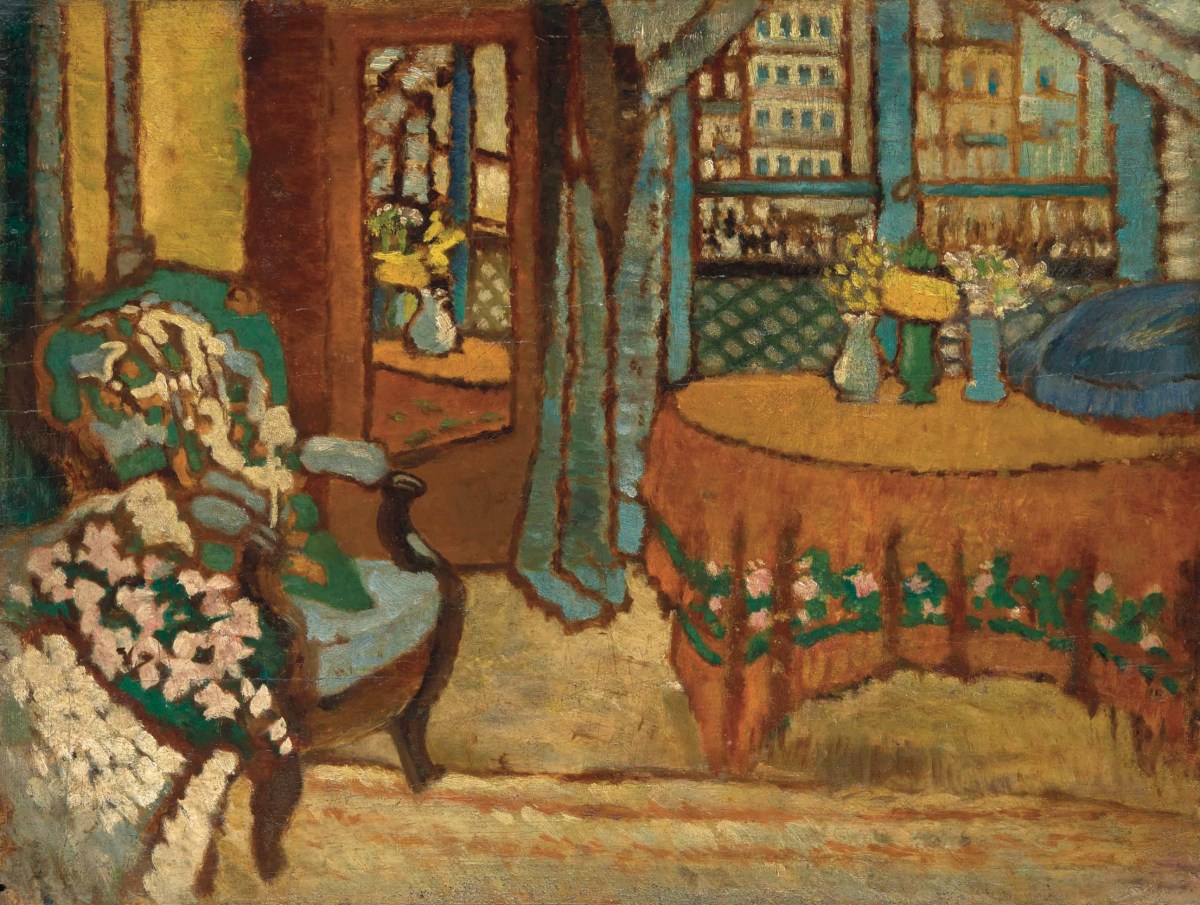
József Rippl-Rónai: Intérieur d’un salon parisien (après-midi) (1910)

Interesting dark tones and colour contrasts.

At Sunnyside - Where Truth and Beauty Meet's avatarAt Sunnyside - Where Truth and Beauty Meet

Screenshot_2018-11-13 2017_PAR_14131_0326_000(jozsef_rippl-ronai_interieur_dun_salon_parisien) jpg (JPEG Image, 3200 × 2413[...]
József Rippl-Rónai (1861-1927), Intérieur d’un salon parisien (après-midi), oil on panel, 12 x 16 in., Painted circa 1910
Image Source: Christie’s

József Rippl-Rónai (23 May 1861 – 25 November 1927) was a Hungarian painter who first introduced modern artistic movements in the Hungarian art.

Click for Enlarged Detail

Slideshow best viewed At Sunnyside

Read More

József Rippl-Rónai at wikiwand

See More

József Rippl-Rónai at wikimedia

József Rippl-Rónai at Fine Arts in Hungary,

Thanks for Visiting 🙂

~Sunnyside

View original post

Categories
Uncategorized

The Liverpool Poets – Roger McGough – Comeclose and Sleepnow

McGough such an amiable fellow!

richinaword's avatarmy word in your ear

At a recent U3A meeting we looked at‘The Liverpool Poets’who were were/are a number of influential 1960s poets from Liverpool, England, influenced by 1950s Beat poetry. They were involved in the 1960s Liverpool scene that gave rise to The Beatles.

Their work is characterised by its directness of expression, simplicity of language, suitability for live performance and concern for contemporary subjects and references. There is often humour, but the full range of human experience and emotion is addressed.

The poets that are most associated with this label are Adrian Henri, Roger McGough and Brian Patten. They were featured in a 1967 book The Liverpool Scene edited by Edward Lucie-Smith, with a blurb by Ginsberg and published by Donald Carroll.

The anthology The Mersey Sound was published by Penguin in 1967, containing the poems of Adrian Henri, Roger McGough and Brian Patten, and has remained in…

View original post 517 more words

Categories
Uncategorized

Autoportrait Day 233~ Martine Gutierrez

Christy's avatarThe Misty Miss Christy

A random survey of self-portraits created by women through the centuries

American visual and performance artist Martine Gutierrez (born 1989)

Line Up 5, 2014 / Photograph of artist amidst a crowd of mannequins
Various collections, including Mount Holyoke College Art Museum, South Hadley, MA

[2 embedded links above]

View original post

Categories
Uncategorized

Four Mini Book Reviews

I miss Berlin and Schöneberg in particular;Isherwood territory but interesting in many other ways.

imogen's avatarImogen is Reading and Watching the World: On Books, Film, Art & More

I’ve been on holiday in Berlin for a week, and I’m catching up with my 20 books of summer posts before I head off again for a few nights: these were books 9, 10, 11 and 12 of my 20, all by UK authors. I’ve gone off-grid a bit from my original list of 20 books.

Mr Norris Changes Trains by Christopher Isherwood.

I felt I needed to read this 1930s, Berlin-set novel, given our last-minute trip to Berlin. It’s a pacy, often funny novel (“I must have been already drunk when I arrived at the Troika, because I remember getting a shock when I looked into the cloakroom mirror and found that I was wearing a false nose”), which takes a darker and more sinister turn. The implacable William Bradshaw, who is loosely based on the author himself (who lived in the city as an English teacher and sometime…

View original post 275 more words

Categories
Uncategorized

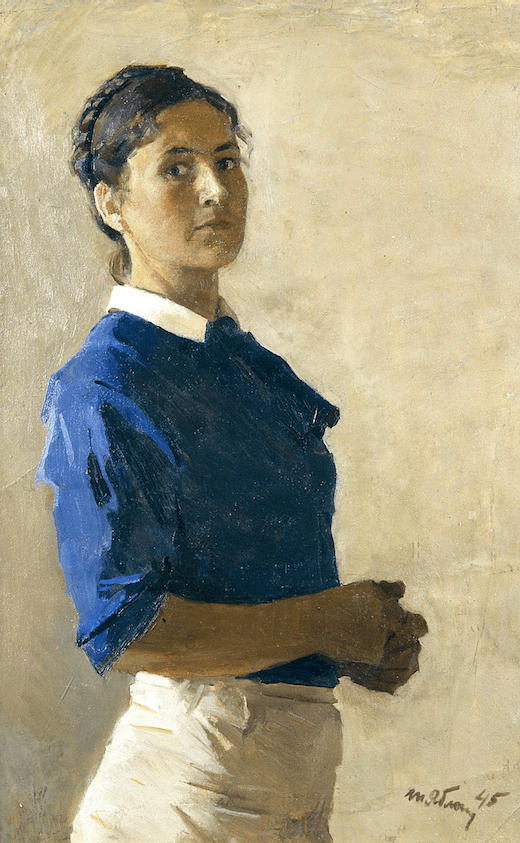
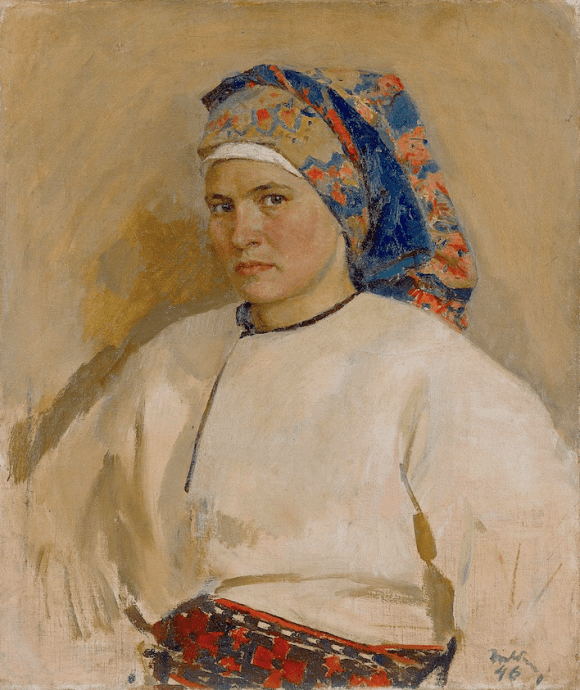
Autoportrait Day 229~ Tetyana Yablonska

Categories
Uncategorized

Paintings of Henri-Edmond Cross 2: Water and light

Quite new to me but very lovely!

hoakley's avatarThe Eclectic Light Company

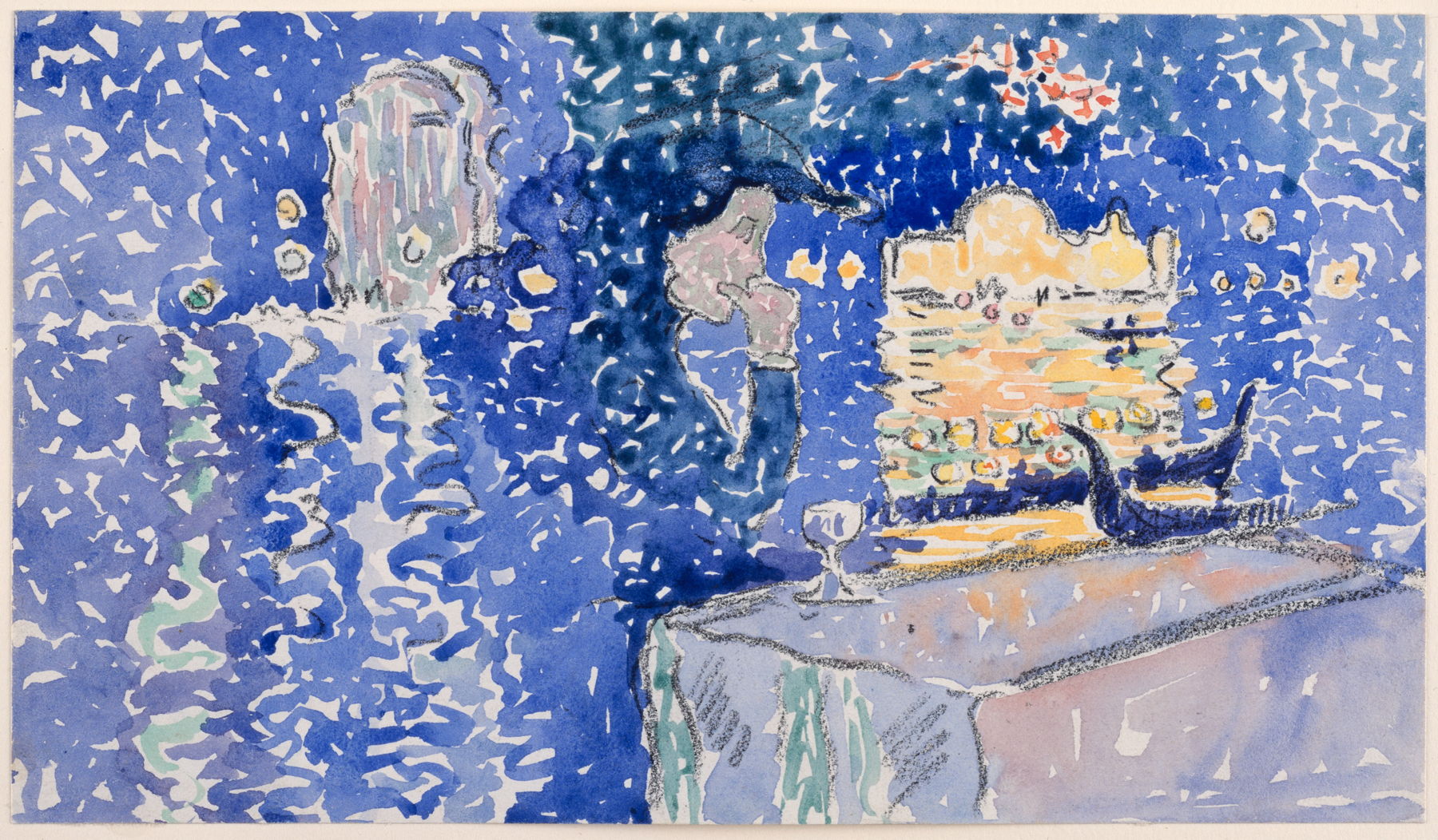
In the first article of this series of two, I traced the career and paintings of Henri-Edmond Cross (1856–1910) up to the dawn of the twentieth century, by which time he was living in the small village of Saint-Clair, not far from his close friend Paul Signac, on the French Mediterranean coast. In 1903, he travelled with his wife to the city of Venice, where he painted extensively.

crossnightfestivalredeemer Henri-Edmond Cross (1856–1910), Night of the Festival of the Redeemer (Venice) (1903), watercolour over pencil on white wove paper, 14 x 24.3 cm, Metropolitan Museum of Art, New York, NY. Wikimedia Commons.

One of Cross’s surviving watercolours from this first visit shows the Night of the Festival of the Redeemer (1903). This is the Festa del Redentore, held on the day of the Feast of the Most Holy Redeemer, to give thanks for the delivery of the city from the plague of…

View original post 841 more words

Categories
Uncategorized

Bastion House, 140 London Wall

You raise some very important issues here!

Jane's avatarJane Sketching

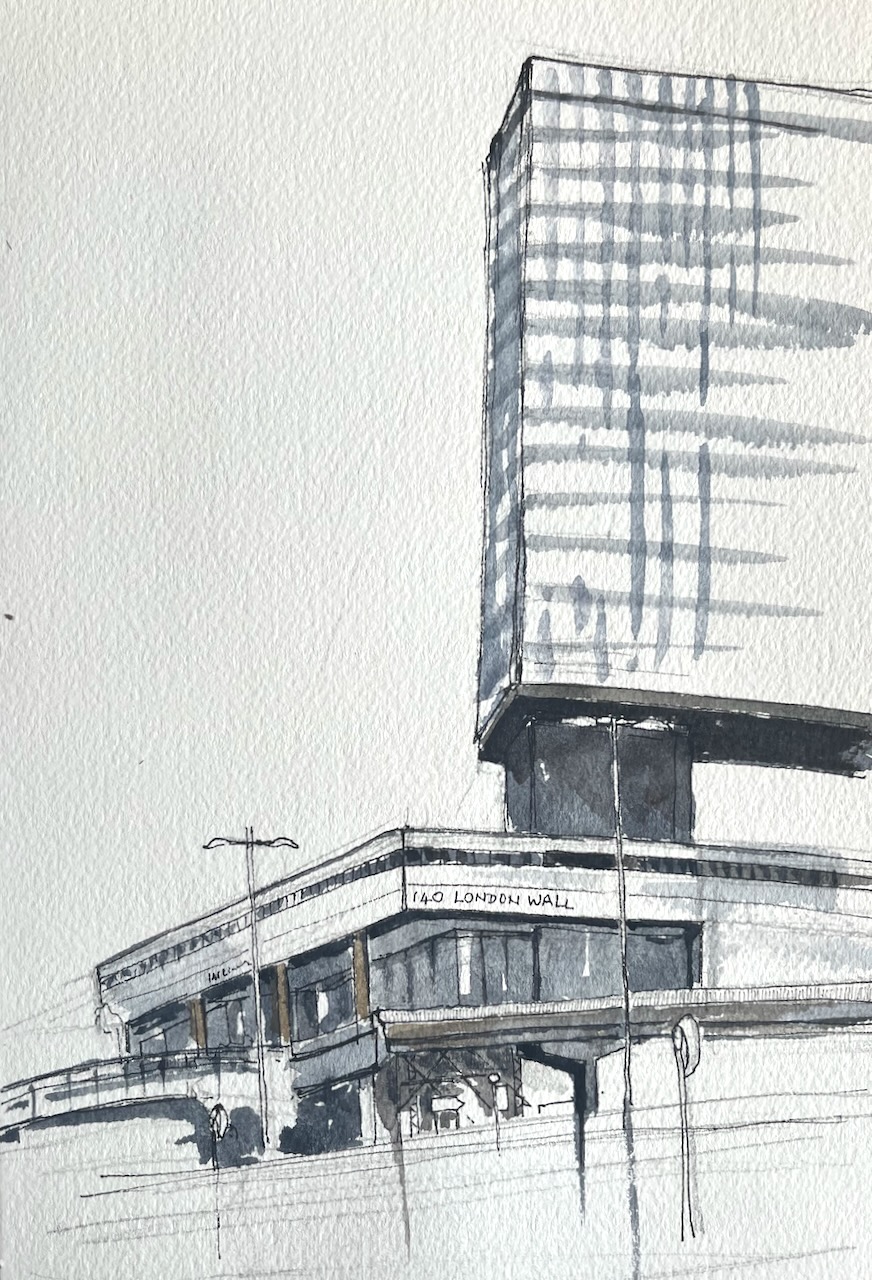
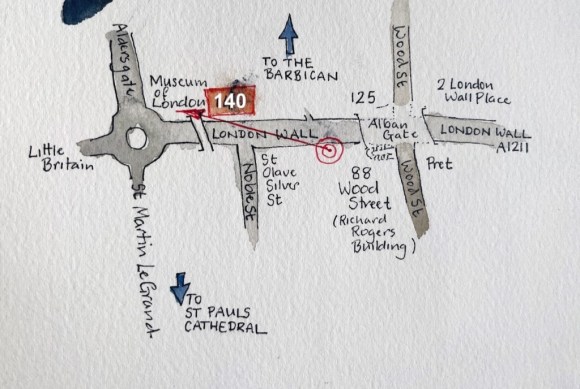
Earlier this month, I made a quick sketch of Bastion House, from London Wall.

140 London Wall, Bastion House, sketched 2nd August 2022 from London Wall, in sketchbook 12

Here’s a map:

The architect was Philip Powell of Powell and Moya. The building was completed in 1976. I like this building. It reminds me of the “obelisk” in the film “2001 – A Space Odessey”.

The City of London have the idea that they are going to demolish this building, and the Museum of London next to it, and build three large office blocks: bigger and wider than the existing buildings, providing some 750sq ft of commercial office space.

This mystifies many of us, as we witness empty office blocks all around this location. It also angers us, as such huge buildings will take sun from the residential estate to the North. There seems to be a case for pausing…

View original post 59 more words

Categories
Uncategorized

Thoughts on an antisemitic children’s author

ben Alexander's avatarThe Skeptic's Kaddish 🇮🇱

, maybe it’s a kind of lack of generosity towards non-Jews. I mean, there’s always a reason why anti-anything crops up anywhere; I mean, if you and I were in a line moving towards what we knew were gas chambers, I’d rather have a go at taking one of the guards with me; but they [the Jews] were always submissive.

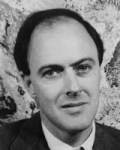
Roald Dahl (1916 – 1990)

Who was Roald Dahl?

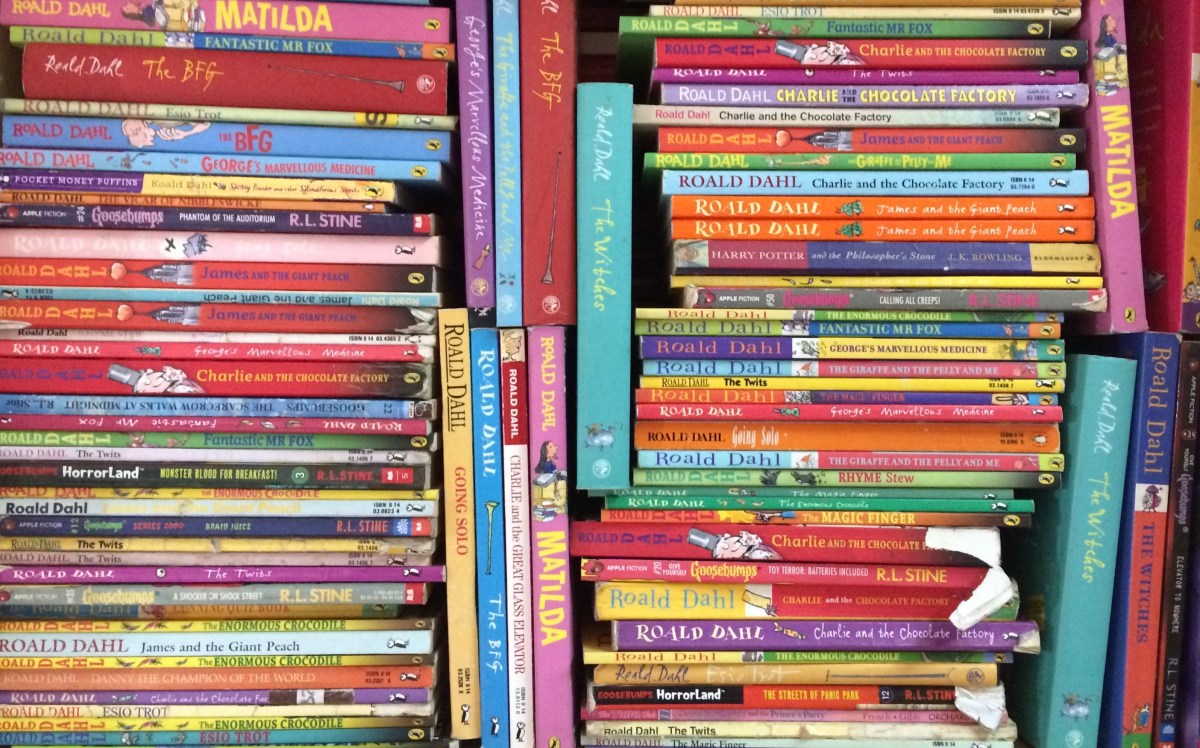
On the chance that you are unfamiliar with Roald Dahl, the world famous children’s author, he is best known for ‘Charlie and the Chocolate Factory’, a novel adapted to film twice: in 1971(with Gene Wilder) and then again in 2005(with Jonny Depp).

Not only was Roald Dahl prolific, but many of his books became wildly successful and remain so to this day. You may have heard of such titles as ‘The BFG’, ‘George’s Marvellous Medicine’…

View original post 861 more words

Categories
Uncategorized

The Edinburgh Mystery and Other Tales of Scottish Crime – a themed anthology   

It sounds like an ideal Christmas present or for someone who has their exam results- good or not so good!

JacquiWine's avatarJacquiWine's Journal

Over the past few years, the publishing arm of the British Library has been carving out a very successful niche for itself, reissuing a whole host of treasures from the Golden Age of crime fiction. The Edinburgh Mystery and Other Tales of Scottish Crime is part of their occasional series of anthologies, bringing together a range of short stories connected to Scotland. Some of the mysteries are by Scottish writers, while others are set in the country itself, ranging from city-based tales, such as the titular piece, to mysteries rooted in more remote areas such as the Highlands and Islands.

As ever with these anthologies, some entries are stronger than others; and while the quality of stories feels more variable here than in some of the BL’s other themed anthologies, the best stories are very good indeed. Hopefully this review will give you a flavour of what to expect, should…

View original post 1,038 more words