Categories
Uncategorized

Siegfried Sassoon: Reconciliation

litgaz's avatarLIT.GAZ.

When you are standing at your hero’s grave,
Or near some homeless village wherehe died,
Remember, throughyour heart’s rekindlingpride,
The Germansoldiers who were loyaland brave.

Men foughtlike brutes; and hideousthings were done;
And you have nourishedhatred, harshand blind.
But in that Golgothaperhaps you’ll find
The mothersof the men who killedyour son.

I only came across this poem recently: what a powerful one it is, in the light of some of his others, and its theme. After the war, there is peace, and a coming to terms with what happened before, however difficult that may be.

Sassoon creates a situation that would have been familiar to his readers; British relatives would have to travel to France or Belgium to visit either the grave of a loved one, if a grave existed, or to see the dead soldier commemorated somewhere…

View original post 579 more words
Categories
Uncategorized

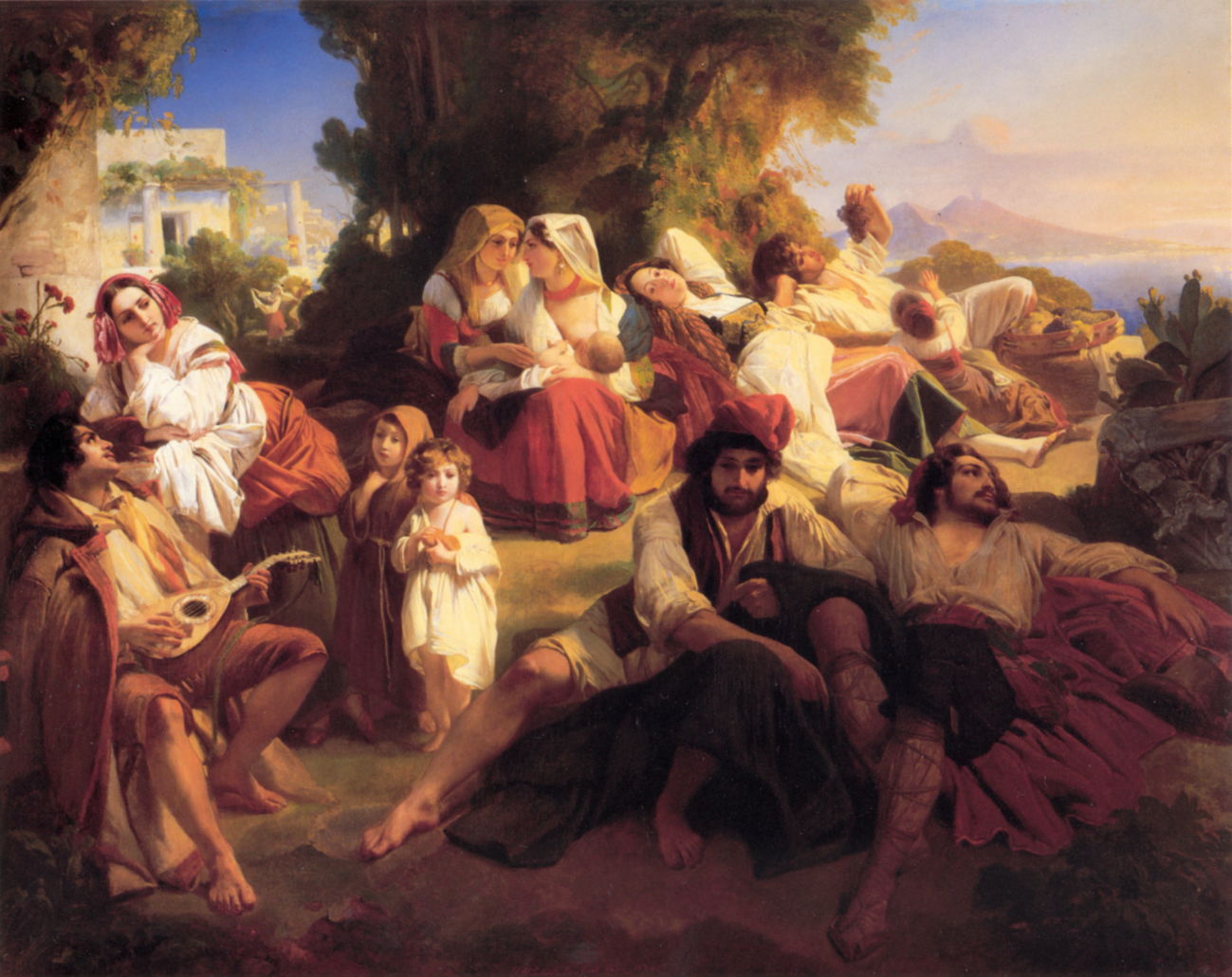
Dolce Far Niente: Paintings of blissful laziness 1

hoakley's avatarThe Eclectic Light Company

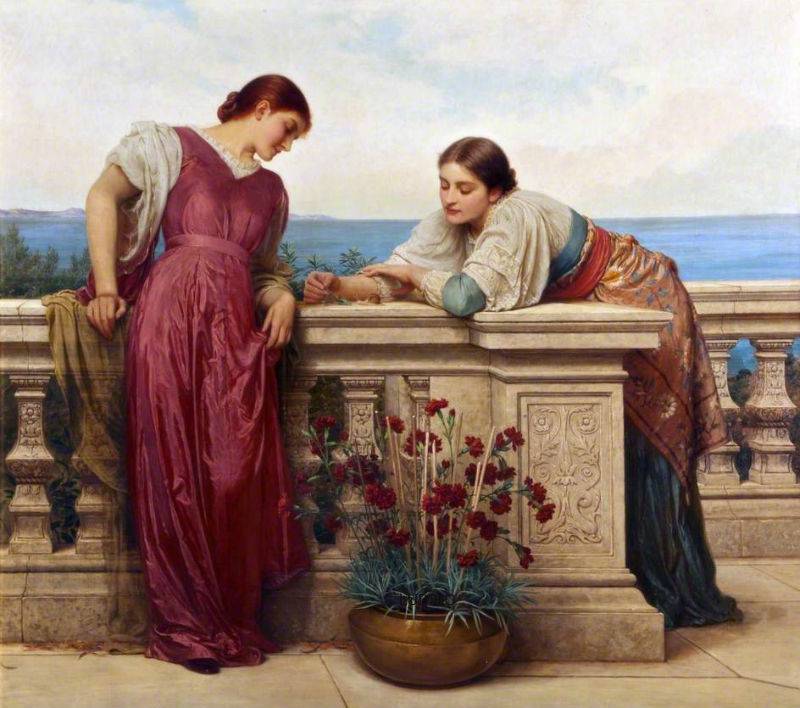
It’s almost August, time for those of us in the northern hemisphere to abandon the sweltering cities and go to indulge in a bit dolce far niente where it’s more comfortable. While we’re doing that, let’s put aside all those busy paintings of active people. Our art needs to chill out too.

The Italian phrase dolce far niente means (literally) sweet doing nothing: it’s the very enjoyment of being idle, the indulgence of relaxation, blissful laziness. If ever there was a hallmark of a painting from the Aesthetic movement, surely it’s a canvas titled dolce far niente. This weekend, I look at paintings with that title, and a small selection of others that stand out for their blissful laziness.

Prior to 1800, there don’t appear to have been any significant (surviving) paintings with the title Dolce Far Niente, and relatively few other contenders.

winterhalterdolcefarniente Franz Xaver Winterhalter (1805–1873) Dolce Far Niente…

View original post 1,031 more words

Categories
Uncategorized

Gratitude to Old Teachers – Robert Bly – Comments

richinaword's avatarmy word in your ear

Gratitude to Old Teachers

When we stride or stroll across the frozen lake,
We place our feet where they have never been.
We walk upon the unwalked. But we are uneasy.
Who is down there but our old teachers?

Water that once could take no human weight—
We were students then— holds up our feet,
And goes on ahead of us for a mile.
Beneath us the teachers, and around us the stillness.

Robert Bly (1926 – 2021)

I did like this simple poem as Robert Bly is not always easy to fathom (excuse the pun).

The journey of life is like a walk across a frozen lake. And I remember as an eight-year-old testing a frozen pond with parts too thin to walk on. Our walk or life journey is unique, and we walk on the unwalked.

We have underneath support from others all our life. Sometimes completely…

View original post 178 more words

Categories
Uncategorized

Debussy: La Fille aux Cheveux de Lin

At Sunnyside - Where Truth and Beauty Meet's avatarAt Sunnyside - Where Truth and Beauty Meet

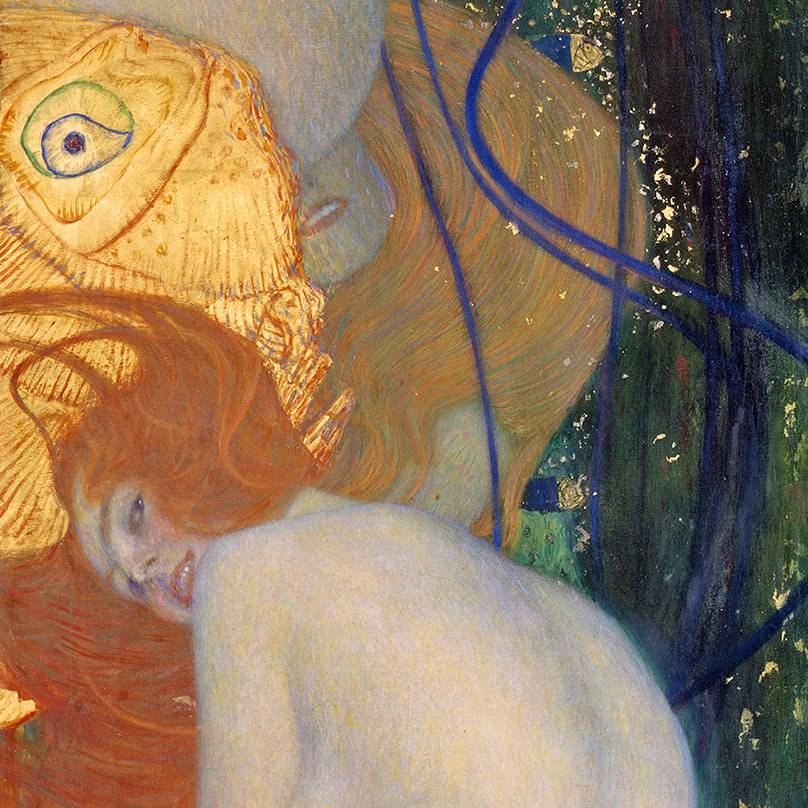
Gustav Klimt, Goldfish, (detail)

Claude Debussy Préludes, Premier Livre, L. 117: No. 8, La fille aux cheveux de lin Transcr. for Violin and Piano by A. Hartmann, Alessandro Clerici, violin , Elena Brunello, piano

Thanks for Visiting 🙂

~Sunnyside

View original post

Categories
Uncategorized

Paintings of William Shakespeare’s Plays 8: A Midsummer Night’s Dream 2

hoakley's avatarThe Eclectic Light Company

In the first of these two articles showing paintings of the first act of this play, the fairies attending Titania had just sung her to sleep, allowing Oberon to drop the herbal juice onto her eyelids, which would make her fall in love with the first creature she saw when she woke up.

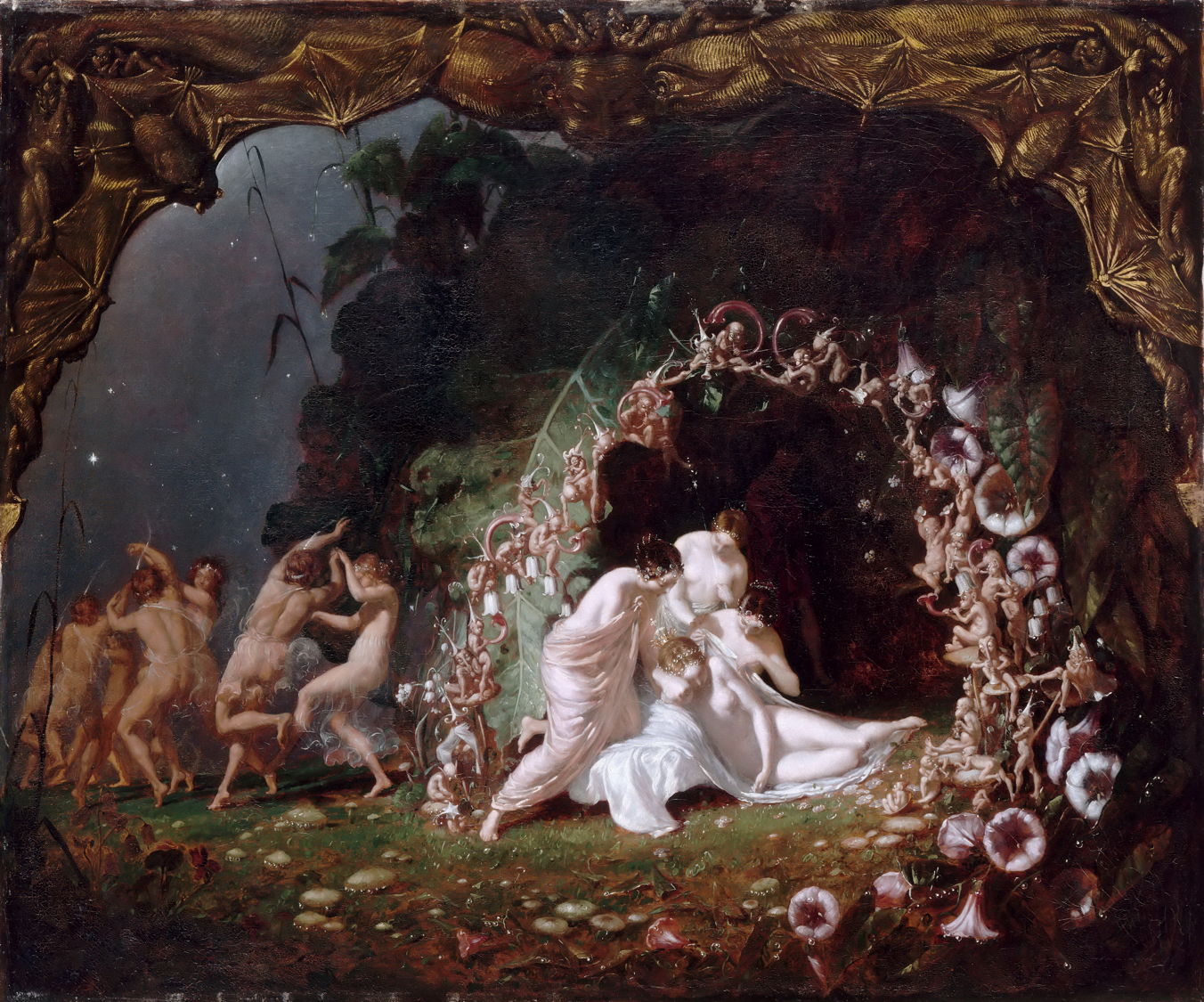
daddtitaniasleeping Richard Dadd (1817–1886), Titania Sleeping (c 1841), oil on canvas, 59.7 x 77.5 cm, Private collection. Wikimedia Commons.

Richard Dadd’s Titania Sleeping from about 1841 is another elaborate example of faery painting with its intricately detailed human-like creatures. The naked queen has just fallen asleep at the mouth of a grotto. Framing that scene are toadstools, morning glory flowers, and an arch of bats.

huskissonmidsummernight Robert Huskisson (1820-1861), The Midsummer Night’s Fairies (1847), oil on mahogany, 28.9 x 34.3 cm, The Tate Gallery (Purchased 1974), London. © The Tate Gallery and Photographic Rights © Tate (2017), CC-BY-NC-ND 3.0…

View original post 1,415 more words

Categories
Uncategorized

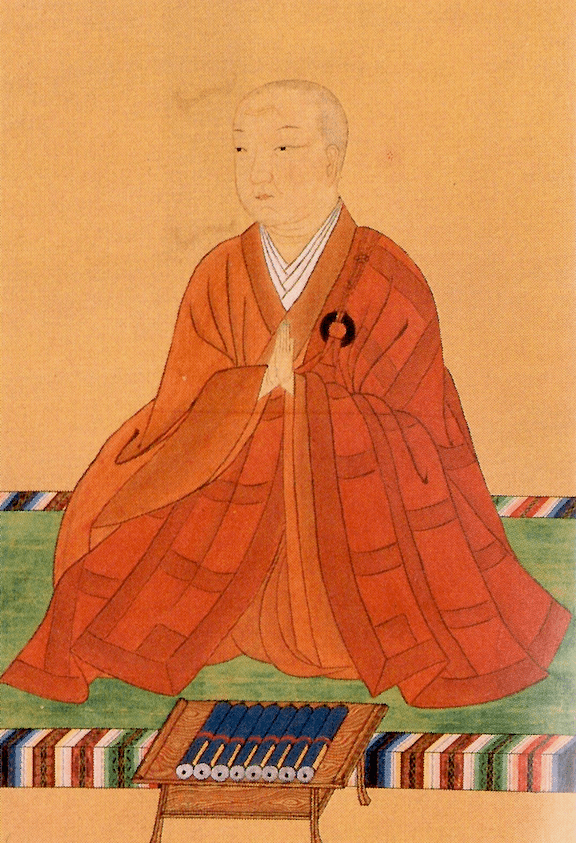
Autoportrait Day 207~ Teruko, Princess Ake

Categories
Uncategorized

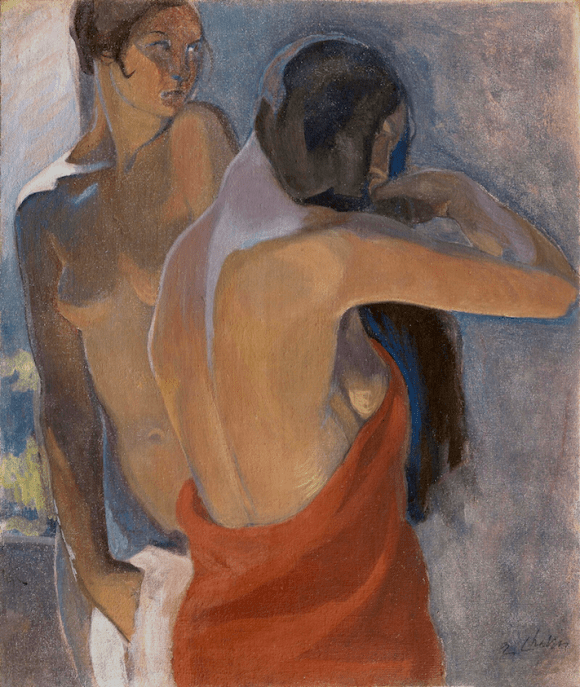
Autoportrait Day 205~ Elisabeth Chaplin

Categories
St Ives West Cornwall (and local history)

Some Cornish History Sound Links

Michael Bird is an engaging and perceptive writer and broadcaster and his work deserves attention. Here are some impressive sound programmes-

Broadcasting

This programme on the Solomon Browne Lifeboat Tragedy is at https://www.bbc.co.uk/sounds/play/m0012plp

Categories
Penwith Poetry Uncategorized West Cornwall (and local history)

Schools out!

Schools out and all that entails.

Sun shines on mountains of tomatoes, avocados and oranges.

Tourists looking for something shuffle up Causewayhead.

Locals mostly look a bit lost- some injured or otherwise afflicted.

Seems that about a quarter of shops are closed;

no carpets, no papers and no haircuts.

Pigeons warble and peck under

regimented baskets of scarlet petunias

adding a patina of civic cheer.

In here, a voluble teenager

pronounces and pontificates on

the unlikely history of India,

seemingly annoyed that the food

has not turned up in time.

Lost in the gap between fantasy

and the arrival of the fatty sausage sandwich.

September, results and Speech Day await.

Categories
Uncategorized

Leuthen – C.F. Scherenberg

Wunderbar!

paulskin's avatarPreußische Kuriositäten

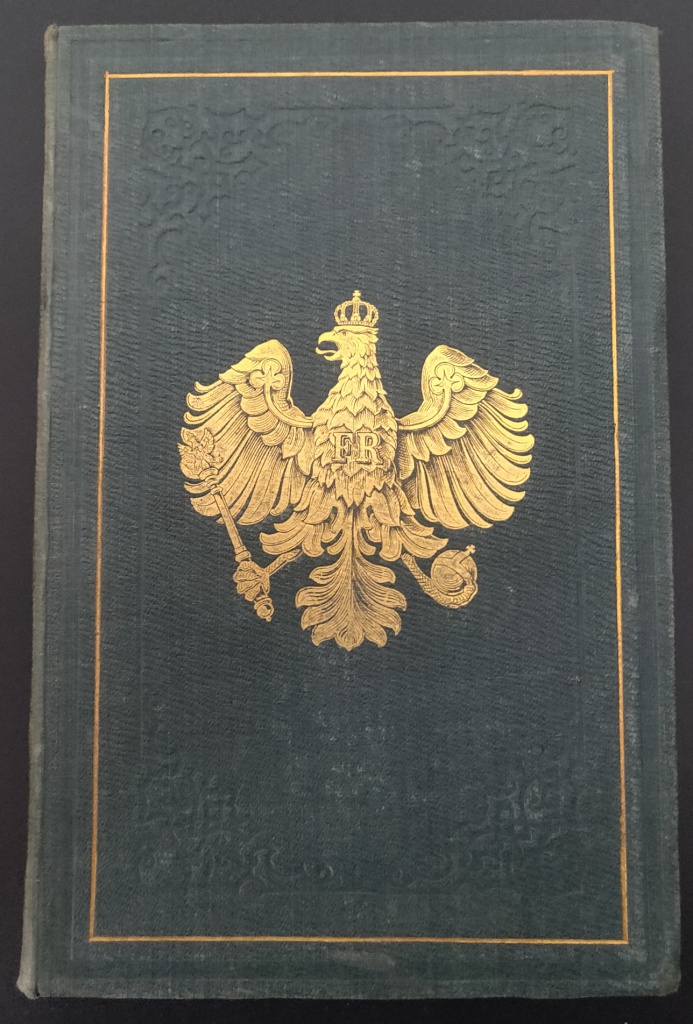
Another acquisition this month; Leuthen (Gedicht) by Christian Friedrich Scherenberg.

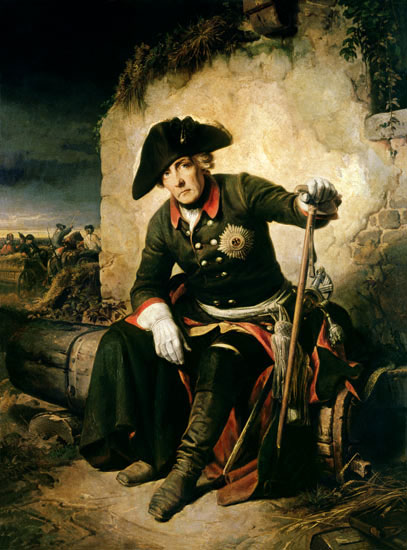
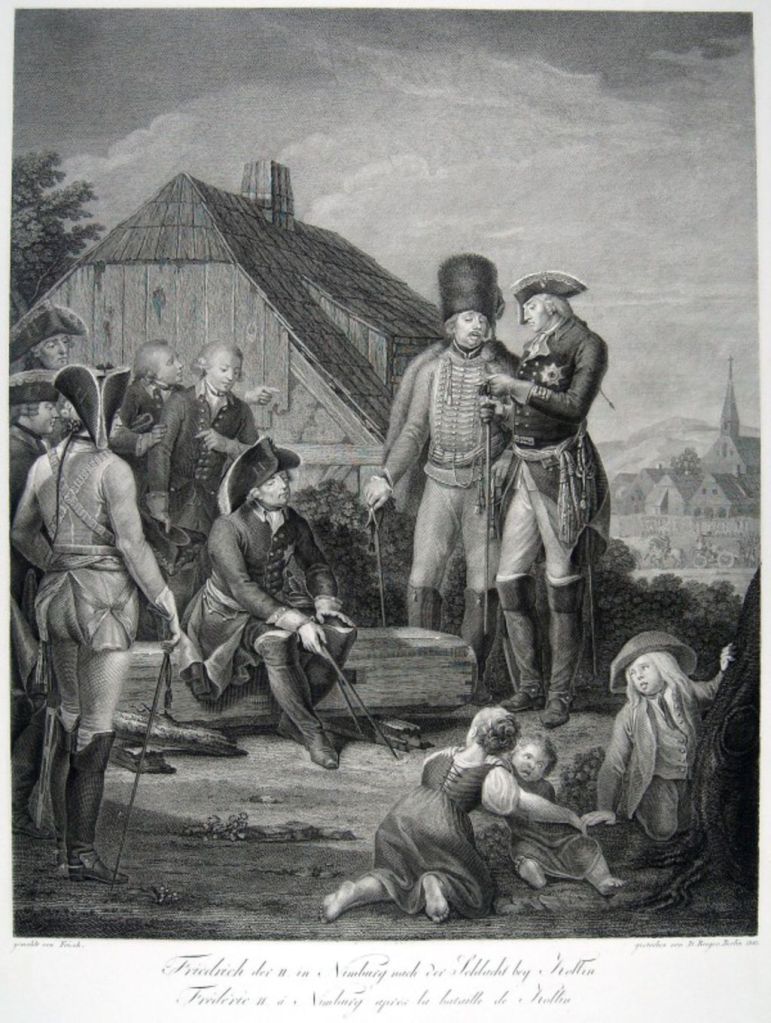
I have yet to read it all, but the first verse seems to fit well with the famous painting of Fritz after the battle of Kolin.

In Nimburg am Brunnen, die Schatten über sich,
Auf einem alten Röhrstamm sitzt König Friedrich,
Von seiner Zeit schlechtweg der König titulirt,
Wiewohl noch mancher König zu seiner Zeit regiert,
Und malt mit seinem Krückstock, der aller Welt bekannt,
Versunken in sich selber, Figuren in den Sand.

Or indeed the one below, which I’ve never seen before, both painted before the book was written (1852).

To finish, a Zungenbrecher:

Der Leutnant von Leuthen befahl seinen Leuten nicht eher zu läuten, bis der Leutnant von Leuthen seinen Leuten das Läuten befahl.

Does anybody still say this after all these years?

View original post