Categories
Film Literature Poetry

If you forget me -Pablo Neruda


“I want you to know
one thing.

You know how this is:
if I look
at the crystal moon, at the red branch
of the slow autumn at my window,
if I touch
near the fire
the impalpable ash
or the wrinkled body of the log,
everything carries me to you,
as if everything that exists,
aromas, light, metals,
were little boats
that sail
toward those isles of yours that wait for me.

Well, now,
if little by little you stop loving me
I shall stop loving you little by little.

If suddenly
you forget me
do not look for me,
for I shall already have forgotten you.”

This poem contains some moving imagery which reminds me of ice and fire. Glowing embers and decay which are capable of re-igniting. Images which are intangible and sadly to me at least it conveys ambivalence. He is dependent upon being loved and his memory depends upon this too. There is a deep fragility here which makes the poem more beautiful. There is also the strong possibility of exile under discussion. The ash appears to rise like a prayer towards Heaven like little sailing boats of childhood dreams.

Further discussion is at https://theculturetrip.com/south-america/chile/articles/the-most-famous-poems-by-pablo-neruda/

Neruda (2016) | Official Trailer HD - YouTube


Categories
Uncategorized

Thoughts on “The Western Canon” by Harold Bloom

Well, a fascinating and absolutely lengthy list which could understandably convert anyone to intensive analysis of short passages. I certainly wish I had read the Classics in greater depth years ago- esp. Greek drama. The few books that I have managed in French and German have become memorable. Interesting, that you met Bloom and I wonder how you might update the canon?

Categories
Uncategorized

Paintings of 1920: Landscapes 3

Some very interesting paintings here from 100 years ago and the advent of Modernism.

hoakley's avatarThe Eclectic Light Company

In this final look at a selection of paintings which were completed in or around 1920, I include more landscapes in more modern styles from around the world.

My first landscape artist is something of a misfit here, as he was on his journey to Surrealism at the time.

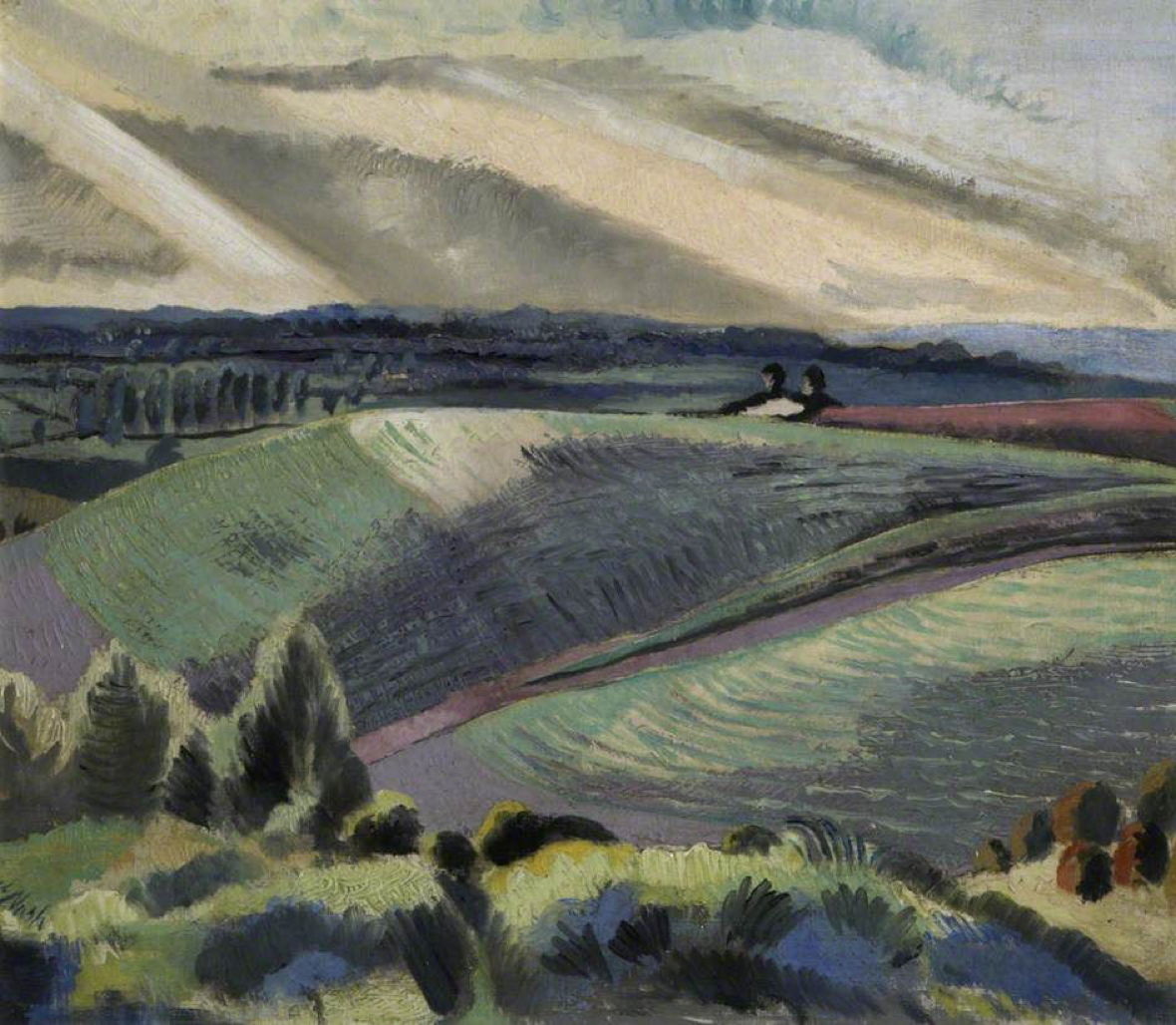
nashpcotswoldhills Paul Nash (1892–1946), Cotswold Hills (c 1920), oil on canvas, 49.1 x 59.2 cm, Plymouth Museum and Art Gallery, Plymouth, England. The Athenaeum.

Paul Nash’s view of the Cotswold Hills shows the rolling countryside near his family home in Buckinghamshire, England. Although it breaks from the military regularity and desolation of his war paintings, the shafts of sunlight are disturbingly reminiscent of those in his war painting of the Menin Road from just a couple of years before.

More popular among the landscape artists of the day were various degrees of Impressionism and post-Impressionism.

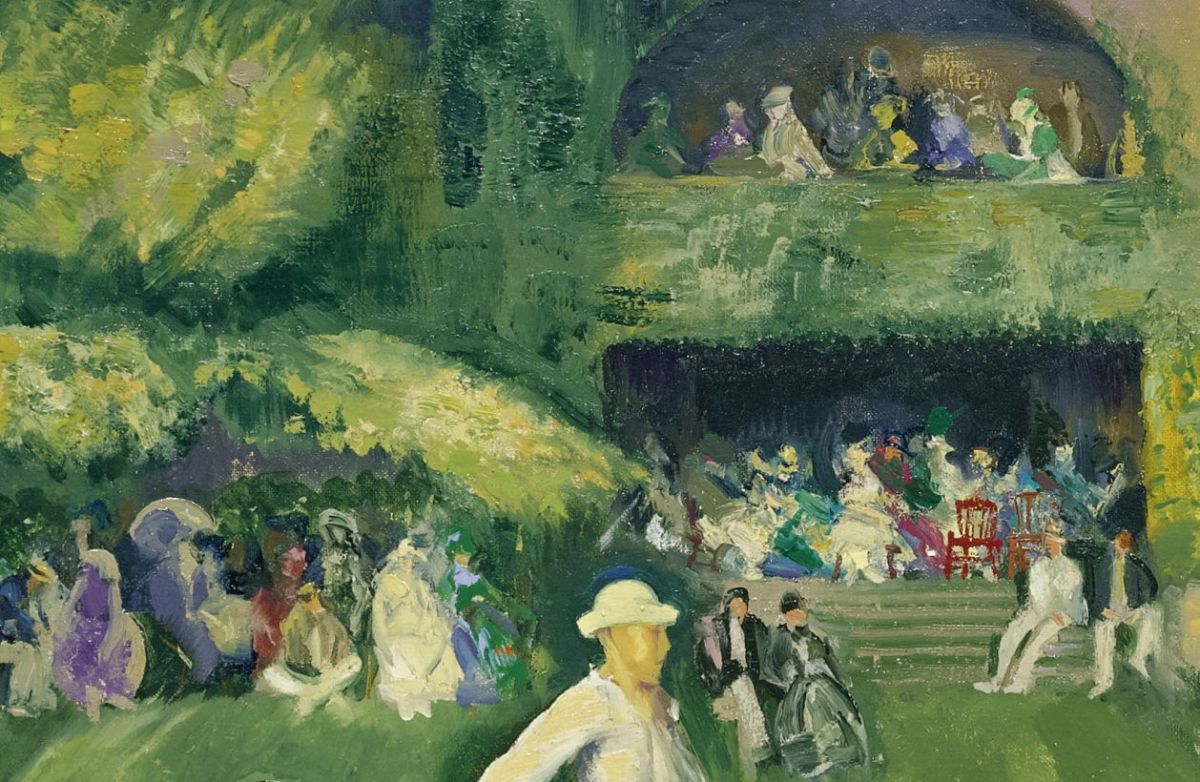
hillsspellofthesea Anna Althea Hills (1882-1930), Spell of the…

View original post 745 more words

Categories
Uncategorized

Unexpected pleasures

Well, I wasn’t too sure about travelling as I like many others have been somewhat locked down. In the midst of packing the stress was a little relieved when an old friend told me of his birdwatching activities somewhere in Suffolk. He had seen some rare type of Artic traveller which no one else in his group had glimpsed. I asked him had he perhaps imagined this. Fortunately my voice modulation must have kicked in and he didn’t hear this question.

My cases were less heavy than expected and I was able to use the bus rack easily.The driver greeted me by name and I realised it was a friend and laconic poet who asked me my destination. He writes amusing and whimsical poems about his experiences at the wheel. A lady on board was telling of her success at University Challenge. She had worked out the origin of a Polish dog as being Pomerania. Upon arriving at the Station I had expected a phalanx of officials impeding any travel. Clearly, I have been reading too many novels like Anna Seghar’s Transit.

Instead I was in fact welcomed by Railway staff with coffee, biscuits and offered drinking water. This is totally unexpected and quite cheering too. Even the usually locked down waiting room was open. Here two elderly fellows were cheering each other like characters in a late Kingsley Amis novel. One was telling of his experiences at a recent wedding where one gentleman was surrounded by multiple ex-wives at the celebration table. Then he remarked of another jolly lady who spent some six hours at the event. “All that time” he related,”she had two glasses, one in each hand”. Hence, people are ticking over in their every day lives. We could do with Molly Panter Downes or her contemporary equivalent to record such matters.

Read Panter-Downes at Persephone Books

Categories
Literature Poetry

“In Exile” and “Quarantine” – two poems by Eavan Boland

This poem may be found in Eavan Boland’s book of collected poems on page 157 and it is from her sequence outside history. It starts thus:-

The German girls that came to us that winter and

the winter after and who helped my mother fuel

the iron stove and arranged our clothes in wet

thicknesses on the wooden rail after tea was over,


spoke no English, understood no French.

We are in Boland’s childhood in Ireland and the political situation in Europe has isolated these girls and put them into linguistic isolation, perhaps similar to that experienced in childhood. This long starting sentence sets the lamenting pace with which this poem is infused. She continues to say that they spoke rapidly; “syllables in which pain was radical, integral; and with what sense of injury the language angled for an unhurt kingdom….I never knew

Renowned poet Professor Eavan Boland dies at 75 | Stanford News


The memory of these exile voices reminds Boland of her own exile from the darkness of Ireland and “the drizzle in the lilac, the dusk at the back door” but also of “the tinkers I was threatened with” She is imagining the guttural voices some forty years on and the sadness and pain mixed with these sounds as she reexperiences her loss of her homeland, now teaching in America.

These searing memories she recalls in a very different place-

Among these salt boxes, marshes and the glove-tanned colours of the sugar maples, in this New England town at the start of winter. ” She appears to miss the past and its pains and ends by saying memorably that; “Here in this scalding air my speech will not heal.I do not want it to heal”

This poem I find appealing to the sense we presently have of dislocation due to the Covid crisis. Trying to retrieve some sense of the normal everyday and usual social interaction. In a sense we have all become exiles and I hear Leonard Cohen’s “and all men shall be sailors then until the sea shall free them” There are reminders for me in this poem of the sense of loss of control which so many feel with Brexit and the separation from the cultural and political values which Europe aspires.


Categories
Uncategorized

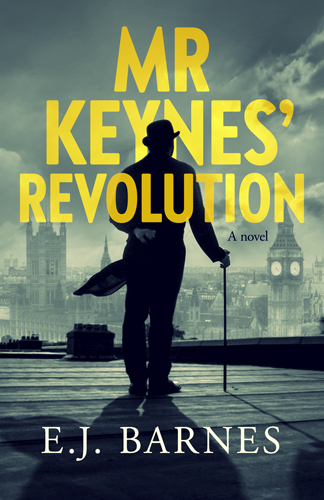
Emma Barnes ~ Mr Keynes’ Revolution

Maynard- the man who got the magic money tree to multiply!

Charlie Bury's avatarCharlie Finch

John Maynard Keynes wanted to change the world through economics. Arguably, he succeeded, because he had to. The world was in a giant slump after the Great War, and Britain had an unprecedented unemployment crisis. He was the intellectual as well as the governmental voice behind, namely, higher government expenditure and lowering of tax rates to help economic demand during the instability between the wars. Yet putting all that aside, Keynes also lived a personal life of great fascination. It is the brilliance of Emma Barnes’ book about him that she manages to capture both the man and the mind in a highly informative and charming novel; one trusts in an important history lesson, whilst one also joins in with the joys and quarrels of ‘high society’.

Lydia Lopokova, a pretty, quirky Russian ballet dancer, is another key element to the tale and our understanding of Keynes’ life. An unlikely…

View original post 307 more words

Categories
Uncategorized

Root Vegetables and Exotic Fruits Month~ December 20

Lovely print!!

Christy's avatarThe Misty Miss Christy

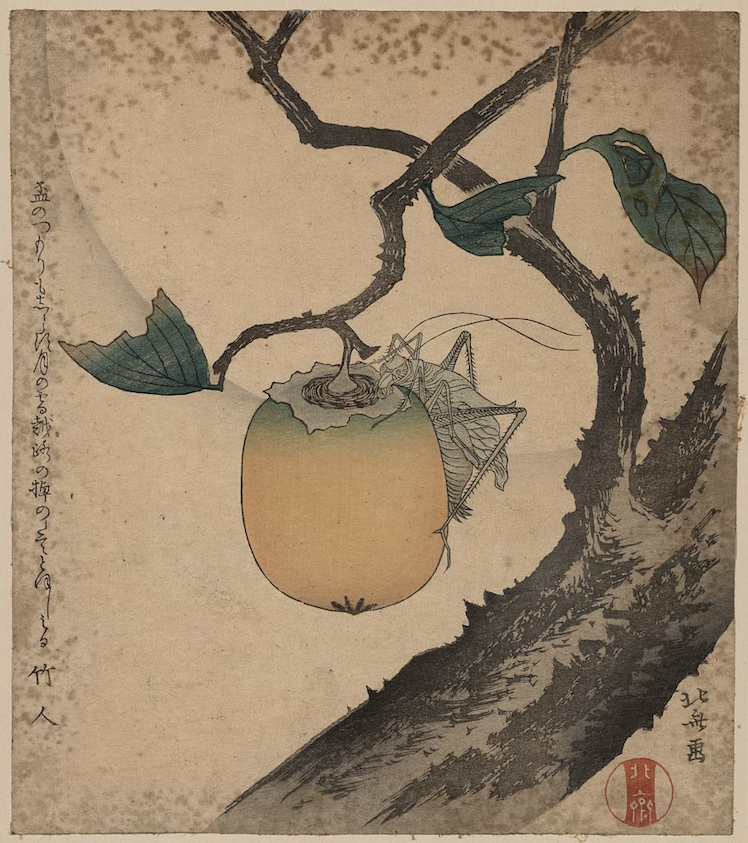
Persimmon and Cicada, with poem by Chikujin (or Takehito)
Attributed to Katsushika Hokusai

Edo period / Surimono woodblock print in shikishiban format
7 11/16″x6 13/16″ / Various collections, including Harvard Art Museums, Cambridge, MA

[There are five embedded links above]

View original post

Categories
Uncategorized

Paintings of 1920: Genre and landscapes 1

An interesting range of styles of work here from 100 years ago. Only the vivid colours in the last few pictures seem more modern.

hoakley's avatarThe Eclectic Light Company

This week’s look back at paintings from exactly a century ago moves on from the narrative and figurative works I showed last week to a selection of genre paintings, and makes a start on the many landscapes to come.

Although Naturalism and ‘social realism’ are supposed to have faded away by the twentieth century, after the Great War there were still plenty of fine painters who were depicting scenes from everyday life in realist style. Among them was Friedrich Eckenfelder, who reminds us that, while motor taxis may have been crowding the streets of the cities, in the German countryside little had changed.

eckenfelderwhitehorsesjolly Friedrich Eckenfelder (1861–1938), White Horses with a Jolly Peasant Group in the Wagon (c 1920), oil on canvas, 86.5 x 112.5 cm, Private collection. Wikimedia Commons.

White Horses with a Jolly Peasant Group in the Wagon is one of Eckenfelder’s largest studio paintings, and shows a merry…

View original post 786 more words

Categories
Book Reviews Literature Poetry St Ives

Histories of War as seen by two indispensible Poets-Part Two

The St Ives September Festival had a range of controversial poets come to visit. I remember there being a huge stir when D.M.Thomas came to read and the proctor’s of moral rectitude in the unlikely form of delegates from the Town Council were said to have occupied the back row to ensure that an unseemly did not take place. Then Gavin Ewart arrived one evening to give a reading in the decorative surroundings of the Penwith Gallery. I am most vague as to when I heard him -around the mid eighties I think. I remember how he was said to have been influenced by Auden and spending a very entertaining evening listening to the poet reading in an amusing and cultured voice that sounded very English some edgy and clever poems. I have been reading Martial at the moment and I have an inkling that Ewart might well have been entranced by that Latin satirist.

Gavin Ewart : London Remembers, Aiming to capture all memorials in London

Consider the poem which is entitled “The Death of W.S.Gilbert at Harrow Weald” which may be found on the net. It tells of the demise of the famous lyricist of the Gilbert and Sullivan operettas:-

Imagine that flat glassy lake in 1911,

a very Victorian part of the prosperous house,

(architect: Norman Shaw),

a beautiful hot summer’s day in 1911.

It proceeds to describe how two Victorian ladies in “decorous bathing garments” enter the lake where the younger gets into difficulties and Gilbert plunges to the rescue:-

He swims to her, shouts advice: ‘Put your hands on my shoulders!’

She feels him sink under her. He doesn’t come up.

She struggles to the bank, he is dead of heart failure.

and finishes with a typical Ewart touch in the next stanza with sweet advice to older men not to fool about with ladies –

But all the same it is good to die brave 

on a beautiful hot summer’s day in 1911.

Returning to the theme of my previous posting I think this a great poem-

This sanitisation of what war means and how it can falsely be portrayed parallels my previous posting of the poem by Tom Paulin.


Categories
Uncategorized

“Sonnet 39: O, how thy worth with manners may I sing” by William Shakespeare

Interesting Sonnet and separated from another interestingly at 37 on a similar theme. Patterson mentions the restless quality of the final sestet.