Daphne
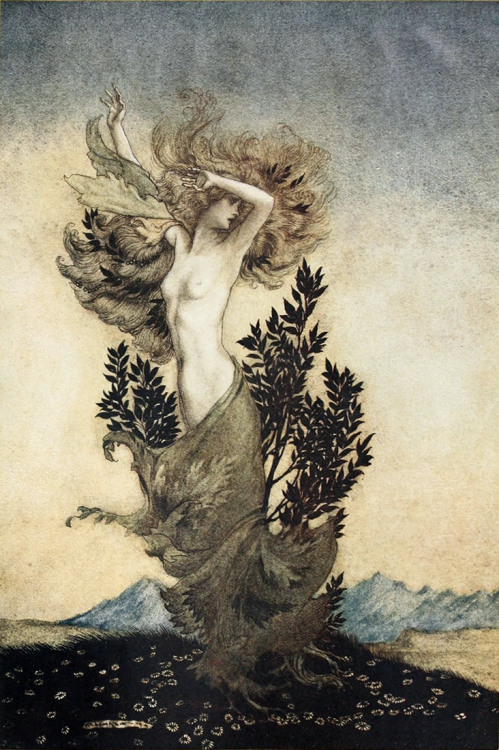
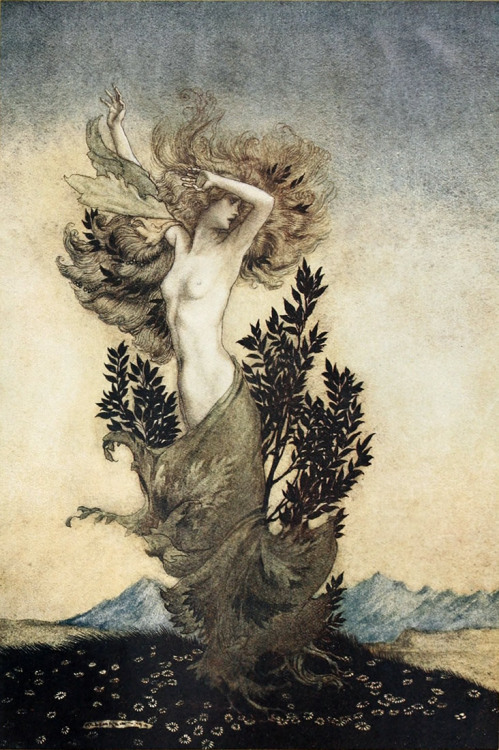
Daphne is the name of a naiad (a female nymph who presided over fountains, wells, springs, rivers, streams, brooks, and any type of fresh water) in Greek mythology. One day she caught the eye of the god Apollo and he pursued her in spite of her rejections. Just as he was about to catch her, Daphne called out to her father, the river god Ladon, for help (in some versions it’s the goddess of the earth, Gaia) and was transformed into a laurel tree. Since than, Apollo adopted the laurel as one of his symbols and a wreath of laurels was given as a prize for the victors in games. Daphne means “laurel, bay” from Ancient Greek which may be derived from a much older source, possibly pre-Greek, but that’s uncertain.
Origin: Ancient Greek
Variants:
- Daphné (French)
- Daphnée (French)
- Dafni (Modern Greek)
- Dafina (Albanian, Macedonian)
- Dafne (Italian)
View original post 2 more words
Guttapercha und der Tote aus Borneo
Das kurze, aber bewegte Leben des Frachtdampfers „Fürth“
Kein neuer Commissario
– Guttapercha –
Keine Sorge, Guttapercha ist nicht noch ein neuer “Commissario” und der Tote aus Borneo auch keine exotische Leiche. Aber eins nach dem anderen!
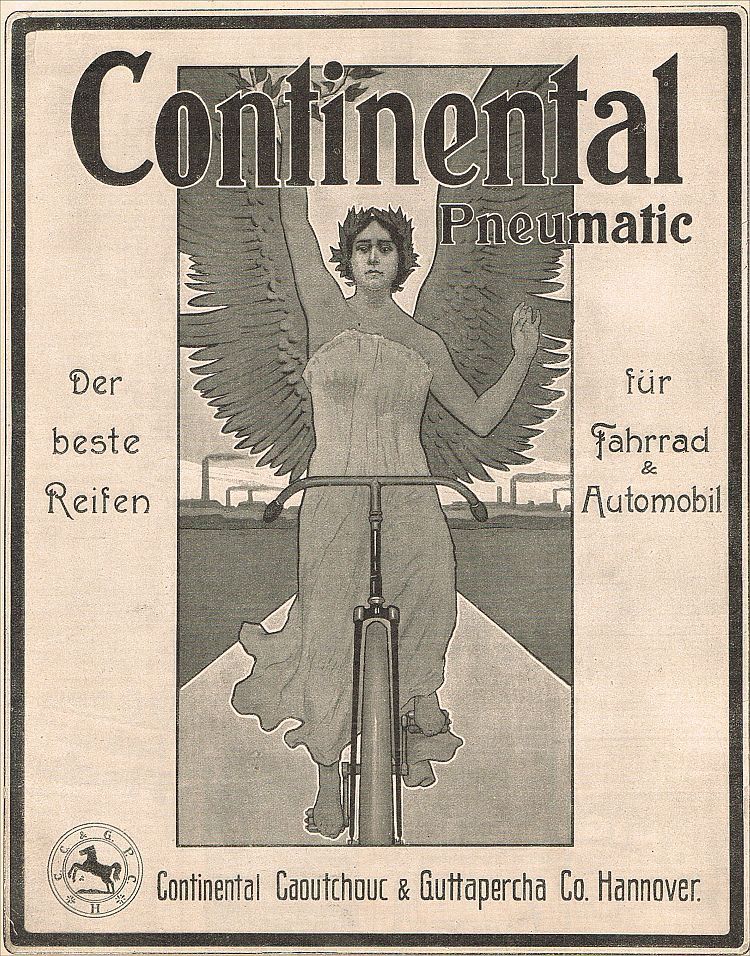
Auf den Fahrten der „Fürth“ treffen wir einige Waren an, die heute weitgehend in Vergessenheit geraten sind, wie zum Beispiel die Guttapercha oder auch nur kurz Gutta genannt. Wenn Sie nicht gerade in einem Dentallabor arbeiten, sind Sie wahrscheinlich noch nie in Berührung mit diesem, zur Zeit unseres Dampfschiffes „Fürth“, sehr begehrten Rohstoff gekommen. Ich auch nicht.
Und wer weiß heute schon noch, dass der weltweite Erfolg des größten deutschen Industrieunternehmens, der Firma Siemens, zu einem großen Teil auf dieser Substanz und ihrer Verarbeitung beruht?
Aber beginnen wir auf der Insel Java, wo die „Fürth“ regelmäßig Batavia, Soerabaya und auch Tjilatjap anlief (heute Djakarta, Surabaya und Cilacap) und Guttapercha nach Europa brachte.
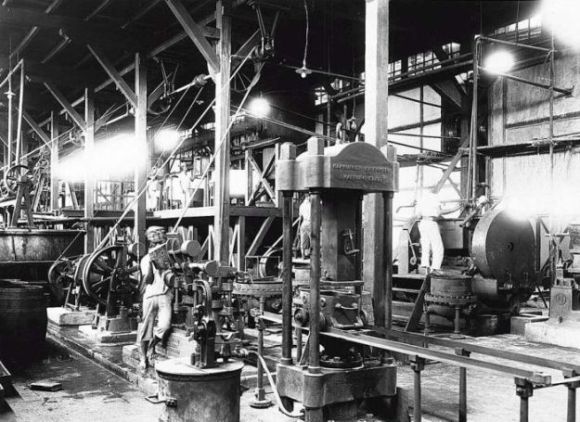
Guttapercha-Verarbeitung auf Java (ca. 1920/1930); Quelle: commons.wikimedia.org, File:COLLECTIE TROPENMUSEUM…

View original post 885 more words
Direct-Actu.fr le blogzine de la culture pop et alternative
Succès de l’été cette adaptation de la trilogie littéraire verra-t-elle une suite sur netflix? (Livre disponible ici). Ce film est tiré d’un roman de Jenny Han qui a également écrit la trilogie L’été où… Du coup de quoi parle tout simplement ce film? On suit les premières histoires d’amour de la jeune lycéenne Lara Jean Covey, que personne ne regarde va devenir le centre d’attention de plusieurs garçons suite à une erreur, des lettres qu’elle a écrites se sont retrouvées à être envoyées aux différents garçons concernés, que ce soit de simple béguins ou de véritable sentiments, bref la demoiselle va devoir faire face à plusieurs péripéties.
View original post 367 more words
Lovely and in my view still contemporary essentially!
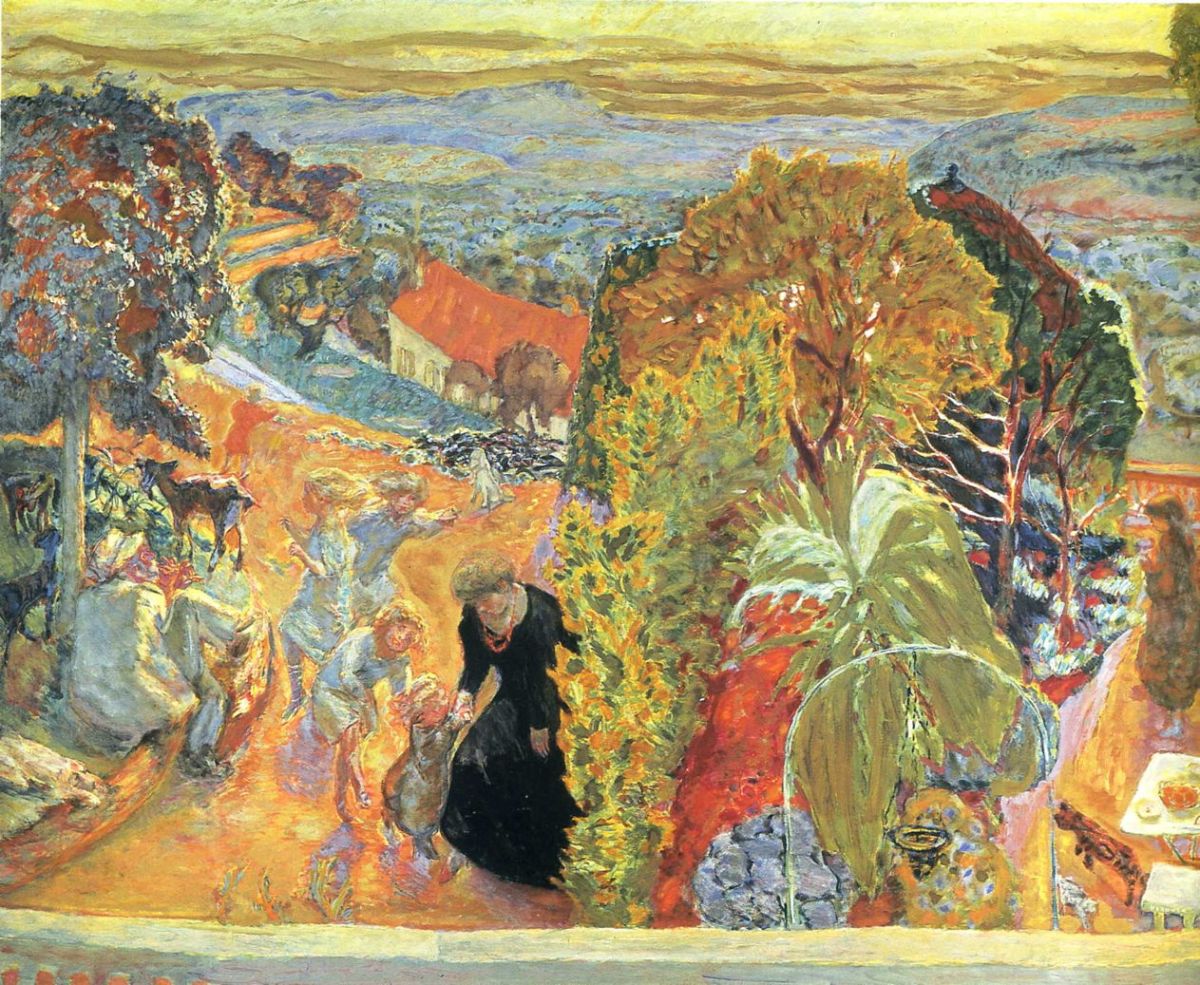
Today, Pierre Bonnard is probably most famous for his paintings of women, particularly those of Marthe in the bath, which I surveyed last week. Throughout his career, even from the years before he met Marthe, he was an avid landscape painter. In researching this series, I have been amazed at the many landscapes which he painted, not just in his later years at Le Cannet, but throughout the period that he worked primarily in the north of France.
Bonnard started painting as a resident in central Paris, and maintained a flat and studio there into his late years. He travelled extensively, though, and in the early twentieth century started to migrate slowly to the south of France, settling in the small town of Le Cannet. In this small selection of some of his finest landscapes, I give simply the title, year, and approximate location of the view.
I hope…
View original post 688 more words
“Der September
Das ist ein Abschied mit Standarten
aus Pflaumenblau und Apfelgrün.
Goldlack und Astern flaggt der Garten,
und tausend Königskerzen glühn.

Das ist ein Abschied mit Posaunen,
mit Erntedank und Bauernball.
Kuhglockenläutend ziehn die braunen
und bunten Herden in den Stall.
Das ist ein Abschied mit Gerüchen
aus einer fast vergessenen Welt.
Mus und Gelee kocht in den Küchen.
Kartoffelfeuer qualmt im Feld.
Das ist ein Abschied mit Getümmel,
mit Huhn am Spieß und Bier im Krug.
Luftschaukeln möchten in den Himmel.
Doch sind sie wohl nicht fromm genug.
Die Stare gehen auf die Reise.
Altweibersommer weht im Wind.
Das ist ein Abschied laut und leise.
Die Karussells drehn sich im Kreise.
Und was vorüber schien, beginnt.”
(Aus: Kästner, DIE DREIZEHN MONATE)
Well here is a rough translation by a good friend.
It´s September
This is a farewell with flags
coloured plum-blue and apple-green.
The garden is flagging wallflowers and asters,
and thousand mulleins glow.
This is a farewell with trombones,
with guldize and farmers´ ball.
Tolling their cowbells the brown
and colourful herds are stable bound.
This is a farewell with scents
of a long forlorn world.
Jams and Jellies simmer in the kitchens.
Potato fire smoulders in the field.
This is a farewell with turmoil,
with chicken on skewer and beer in jug.
Swingboats want to go to heaven
But they might not be piously enough.
The starlings start their journey.
Gossamer waves in the wind.
This is farewell noisy and gentle.
The merry-go-rounds are spinning in circles.
And what seemed past, starts.
Review – Levi, “The Periodic Table”
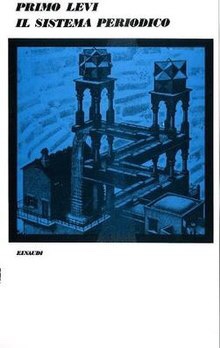
Primo Levi, “The Periodic Table” (translated from the Italian by Raymond Rosenthal) (1975) – What is there to say about Primo Levi? As far as I can tell, he might be the most universally respected of the great twentieth century literary figures. No late-career slump, no shilling for oppressive regimes, no ego spiral, no sexual predation… just a dude saying what he saw, as best he could.
I’m both trying to be more brief with these reviews (especially of fiction) and am about two weeks late with this one- between my birthday and everything, stuff just got pushed. This is a book of short stories about Levi’s life, mostly before and after his time in Auschwitz. Each is themed after one of the elements on the periodic table- Levi was a chemist by vocation. They range a lot. There’s a discussion of the old Italian Jewish community the came from…
View original post 135 more words
Lovely sonnet!
Last August’s Slavonic blog post looked at new literature from Ukraine. A year on, particularly with the centenary this month of the foundation of the Vernadsky National Library of Ukraine, it feels appropriate to look at some of this summer’s most recent Ukrainian-language arrivals.
Links to iDiscover records: book on left — middle book — book on right
View original post 352 more words
Pierre Bonnard: Marthe
Beautiful palatte-wonderful paintings-thanks indeed.
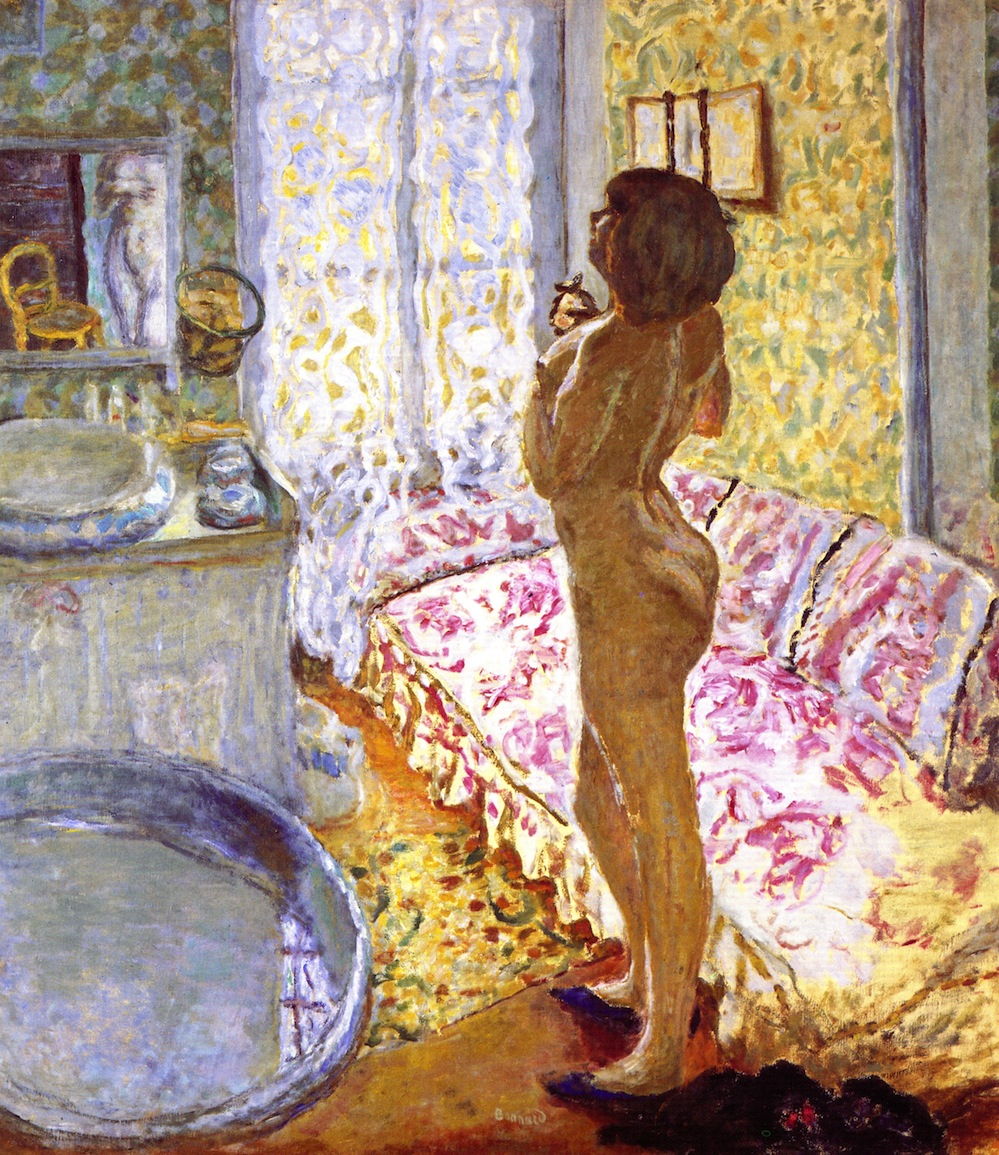
Pierre Bonnard (1867-1947) lived with Marthe Bonnard (1869-1942) for almost fifty years. Their relationship spanned the great majority of his professional career, and is reflected in a high proportion of his paintings and drawings. Here is a small selection which may help you trace their relationship as well as his artistic development. As this consists of over thirty paintings (for which I make no apology), I will keep my comments to a minimum.
Pierre and Marthe met in Montmartre, Paris in 1893. Her real name was Maria Boursin, but she lived under the name of Marthe de Méligny. She claimed to be sixteen when they met, but if the year of her birth is correct, she would have been ten years older.
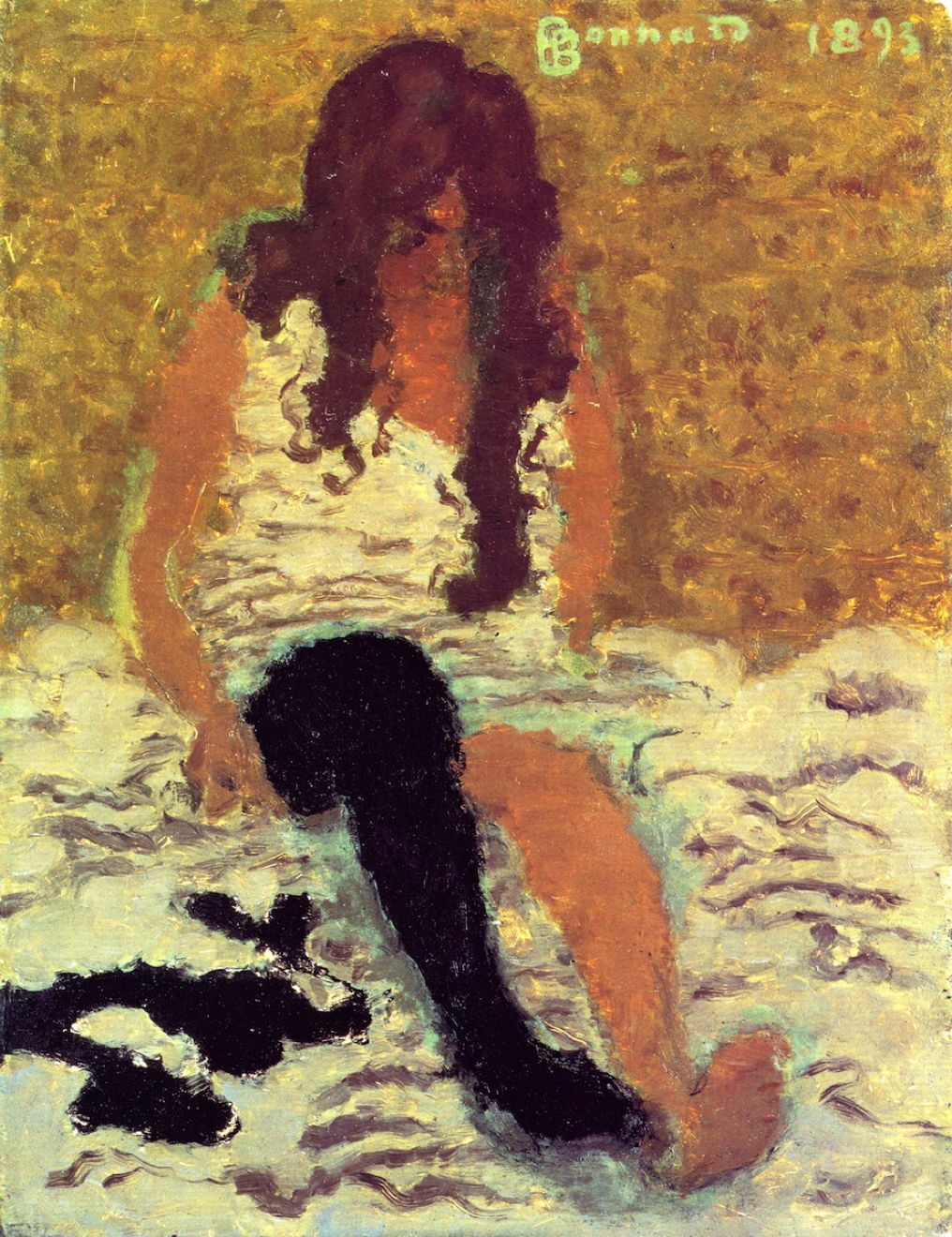
Pierre Bonnard (1867-1947), Woman Pulling on her Stockings (1893), oil on board, 35.2 x 27 cm, Private collection. The Athenaeum.
Woman Pulling on her Stockings (1893), probably one…
View original post 1,305 more words