A very interesting and detailed article. Amazing to read how psychoanalysis has flourished again in South Africa after such an upheaval. Many thanks for posting!
The current exhibition in the Penlee Museum in Penzance lasts until 19th November and is certainly worth seeing for many reasons: its variety of styles, the contrasts between her life in Scotland and St Ives, the photographs, her green transparent glaciers and the more abstract endeavours of her later years. There are paintings which are reminiscent of Christopher Wood, bright touches that are reminiscent of Cezanne and the harmonies of Paul Klee can be glimpsed in the waves and beach scenes. 
The view above was painted in 1940 http://www.barns-grahamtrust.org.uk/ -and features the Catholic Church on the left as well as the Church of St Ia almost in the middle. The buildings are vertically elongated which gives them an interesting attenuated quality, The grass of the Island and the roof tiles appear in orange against the predominate blue of the sea. The tide is half way in and the crane on the West Pier is just about visible.
Just a few years before, in early summer 1937, much the same scene was painted by Sir Stanley Spencer. It is interesting to compare the resulting works.
The foreground in Spencer’s painting show palm trees and in general the perspective is given a detailed treatment. There is a large boat alongside the pier. The West Pier is shown in full from this angle and the Island and Downalong shown in considerable detail. The tide level is just a little further inshore. The Mariner’s Church and slipway are both clearly delineated. Spencer became a member of the St Ives Society of Artists. He painted other pictures of the town including this atmospheric painting evidently from the promenade.
Here too is a painting showing the coluration of the rocks and fishing boats equipped with sails along with the coast beyond Hayle in the background. Perhaps painted from the rocks on the town side of Porthgwidden. The lighthouse at Godrevy as made famous by Virginia Woolf in 1927.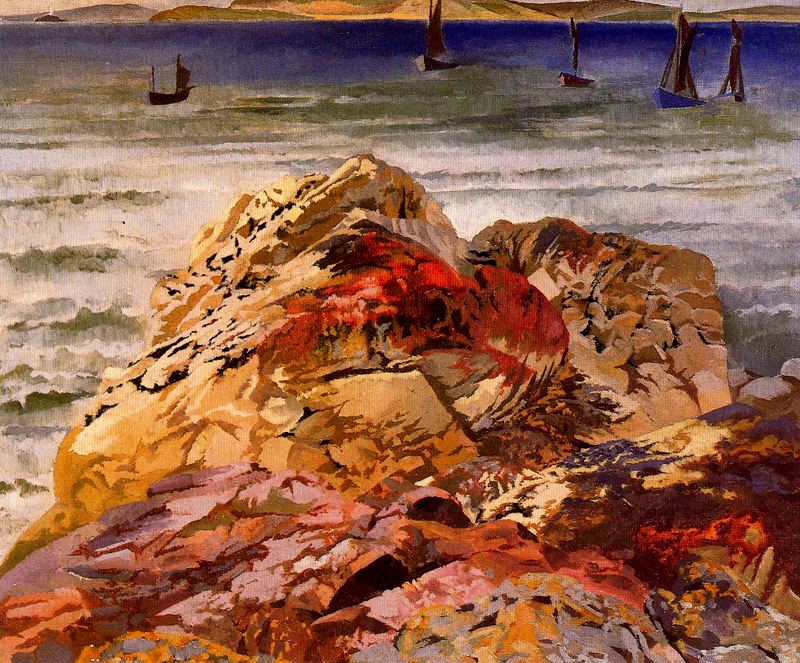
Barns- Graham excels in her sketches which are often interesting in their composition and dabs of spare but effective colour. The palette of yellow against grey below shows this in a view crested by The Island.

Categories
ERNST LUDWIG KIRCHNER
Kirchner is discussed interestingly in Florian Ilse book “1913” -great posting!


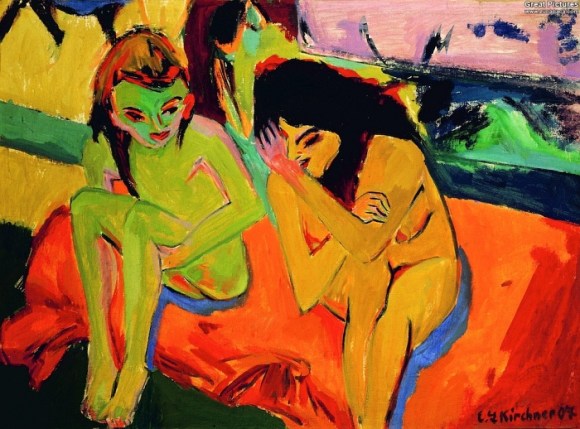
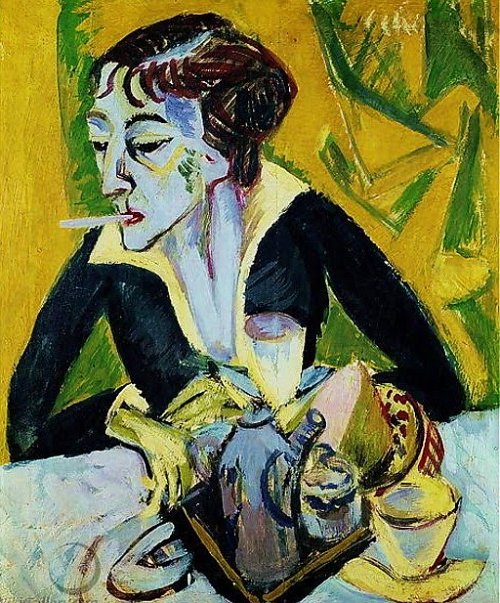
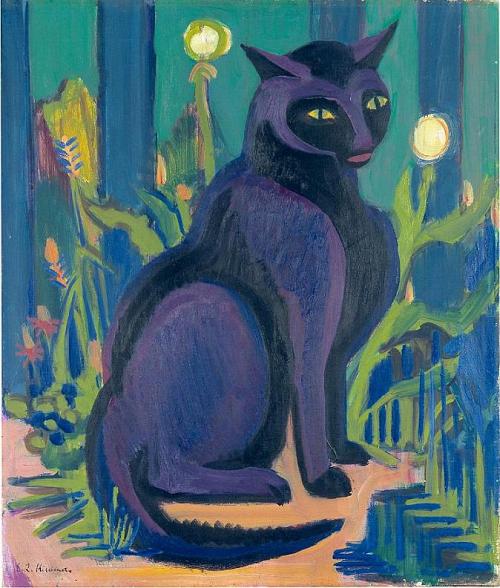
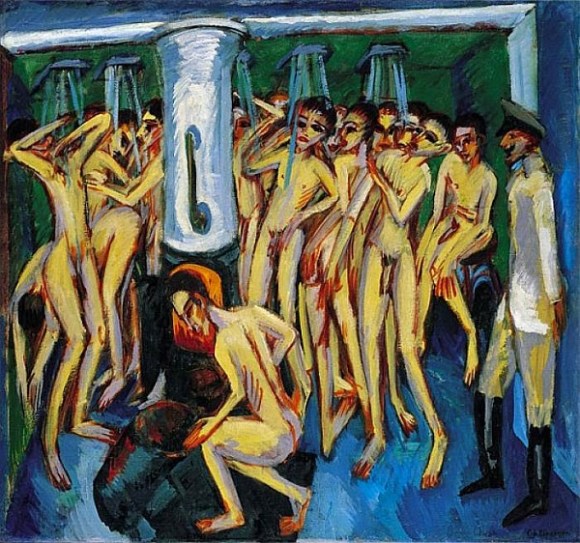

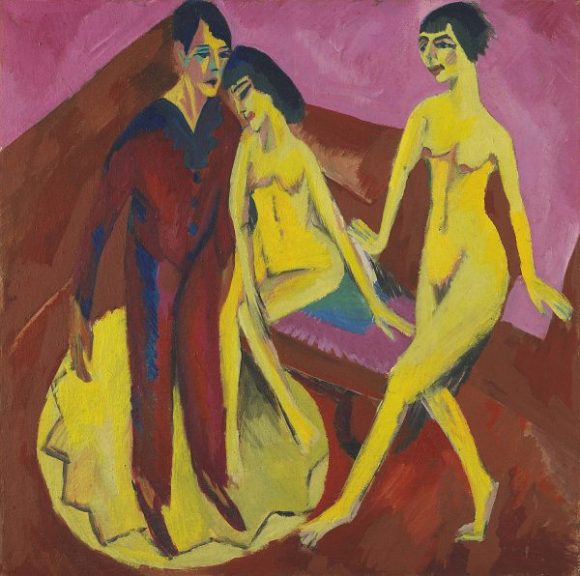
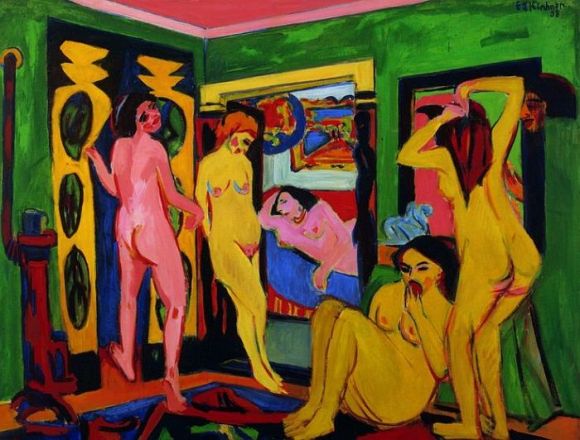

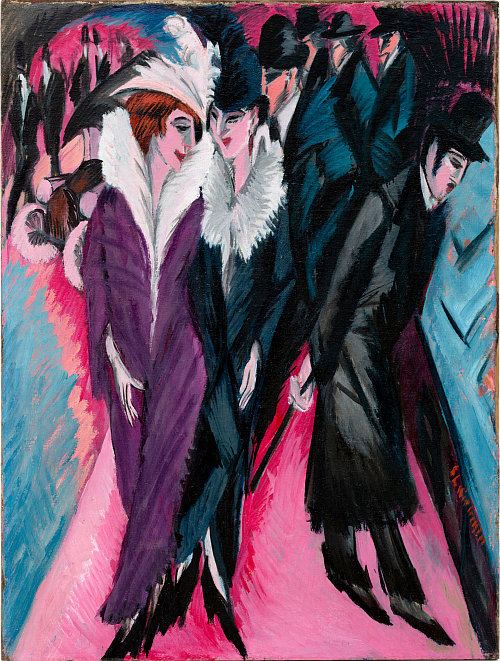
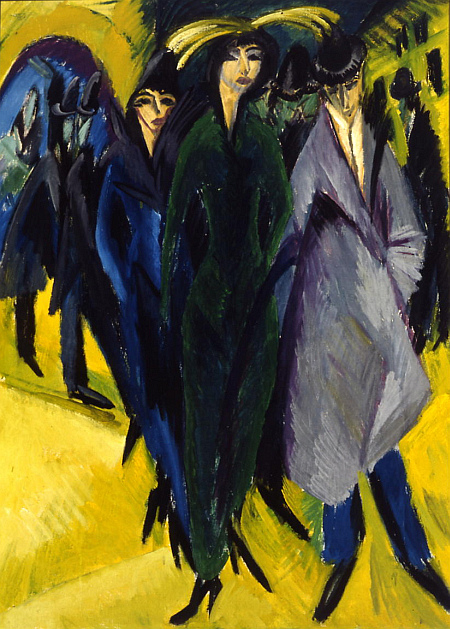
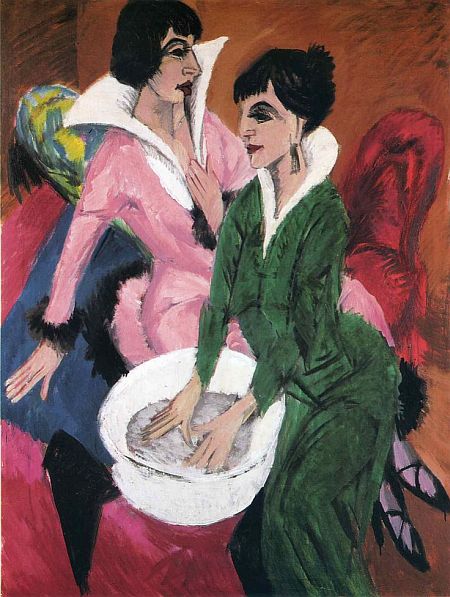
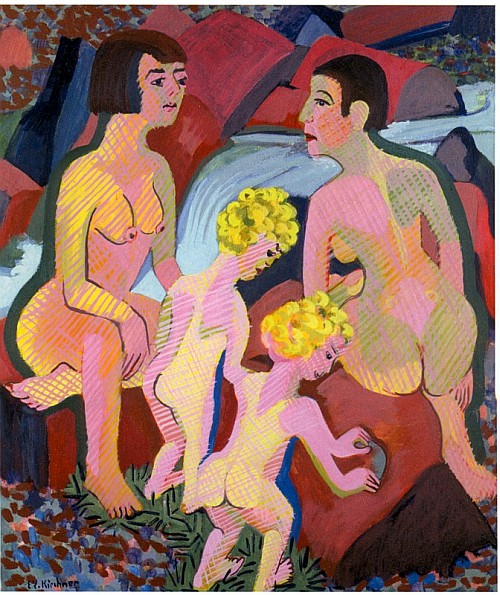

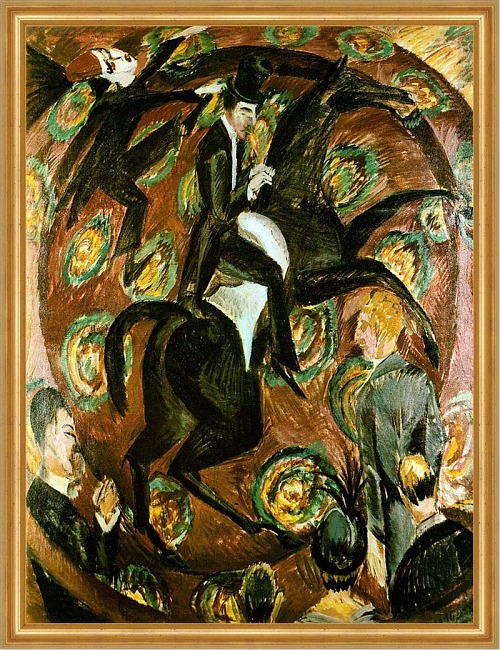
These look worth investigating further:-
Categories
BERLIN´S TWILIGHT, BERLIN´S DAWN
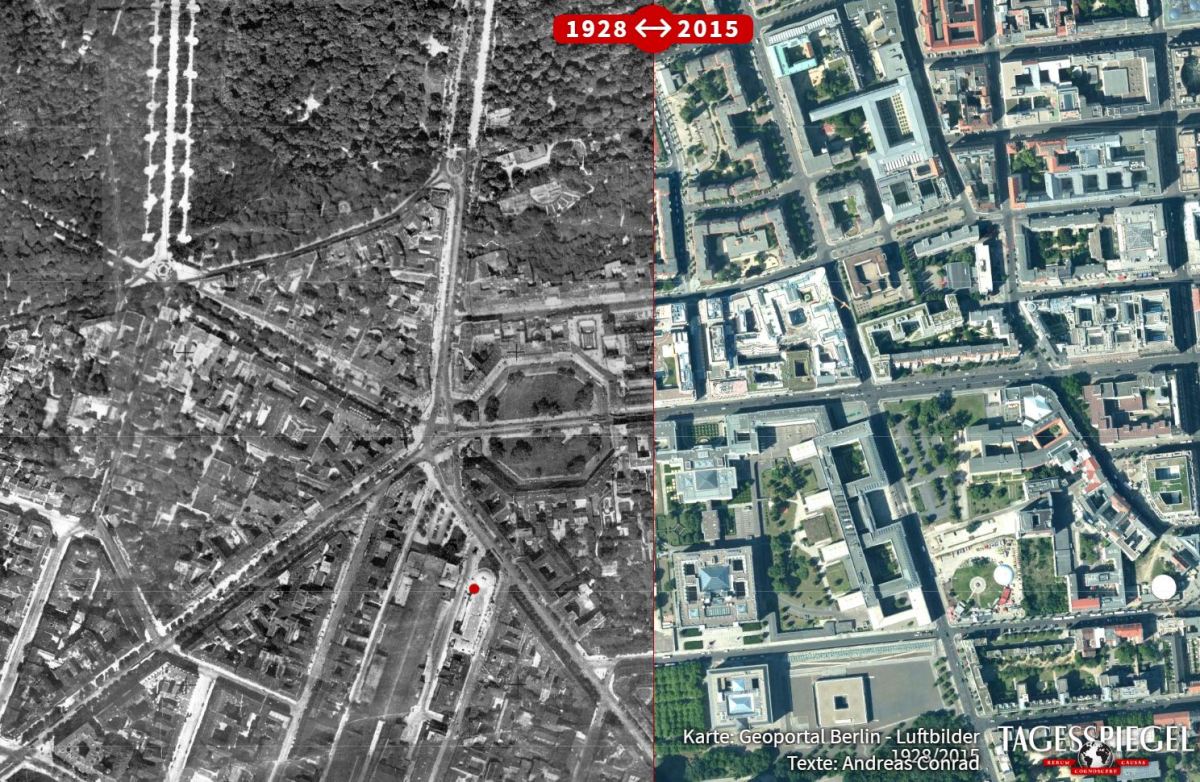
Nice combination of imagery!

H.G. Wells, the author of “The Time Machine”, once said that “the past is the beginning of the beginning and all that is and has been is but the twilight of the dawn.”
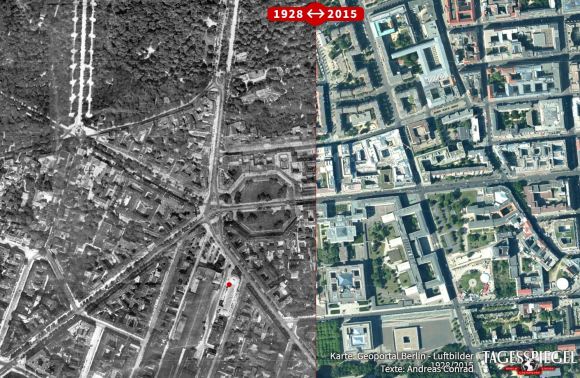
Look at those two astoundingly detailed aerial maps of Berlin published by a popular local newspaper, “Der Tagesspiegel”: those interactive images of city from 1928 and 2015 respectively contain both Berlin´s twilight and its dawn. Or paraphrasing Karl Scheffler and what must be the most popular Berlin quotation, in those two maps you can see Berlin´s “never being” and “forever becoming”.
Please click the image below and enjoy travelling in time!
Another indication of an escalation-very concerning.
Categories
Austria photo gallery
Some great photographs from Vienna!
Categories
L’Angoisse (Verlaine)
Been discovering Verlaine
Categories
Austrian Election 2.0
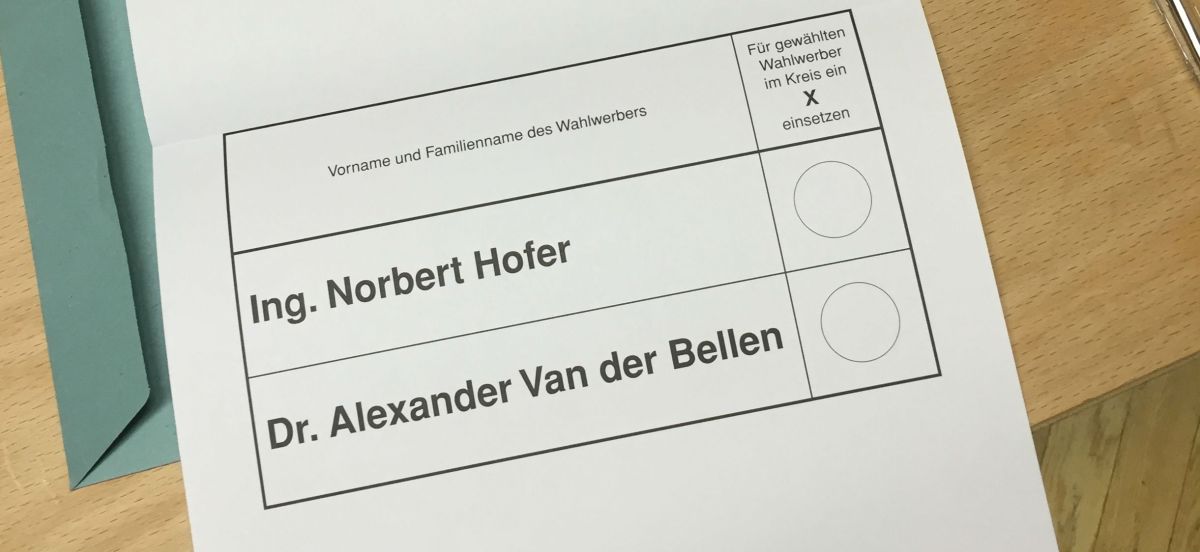
Another election needing to be carefully watched. Thanks for posting

Hillary Clinton is all over the news, with the occurrences at the 9/11 memorial.But as I’ve mentioned I’m also following the Austrian election very interested.
Some days ago the next failure in this never ending election led to a postponement, and again the postal vote is in the center of the events. This time it happened before they even voted.
The glue that sealed the envelopes of the postal votes failed. Several voters noticed opening envelopes and that would mean invalid votes. And a number of invalid votes because of irregular envelopes would make the whole election invalid.
Because the part of the postal voters was over 10%, a legally correct election would not be possible, and so the election was moved back two month. Alexander Van der Bellen, the candidate from the “Greens” supported this, while his opponent Norbert Hofer was against this decision, because he believes that…
View original post 73 more words
I have seen much of this fascinating collection in the Literaturhaus in Munich. Zweig continues to fascinate and been the subject of an excellent film this year. Thanks for posting!

I had started my collection in an amateurish way as a boy of fifteen, and in all these years, thanks to a great deal of experience, more money than when I first began and even greater passion, I turned a mere assortment of separate items into an organic structure, transforming it, I think is fair to say, into a genuine work of art in itself.
– Stefan Zweig, The World of Yesterday
Stefan Zweig (1881-1942), despite being somewhat forgotten today, was in his own time one of the most widely read authors in Europe. During his short career, which tragically ended in suicide in 1942 after he had escaped his native Austria and beloved Europe to exile in South America, he authored dozens of novels, short stories, biographies, plays, and one work of memoir, The World of Yesterday.
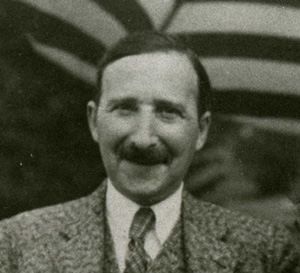 Stefan Zweig. The Reed Library, State University of New York at Fredonia. http://fredonia.libguides.com/archives/zweig
In
View original post 822 more words
 penwithlit