
Read More
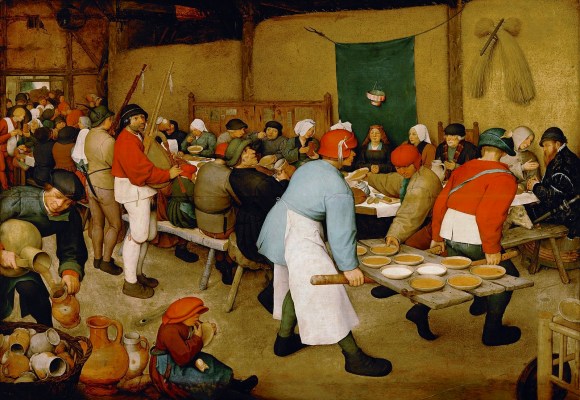
The Peasant Wedding at wikiwand
The Peasant Wedding at Google Arts and Culture
If, like me, you can’t keep all these Brueghels straight, go to Brueghel Family Tree
Thanks for Visiting 🙂
~Sunnyside
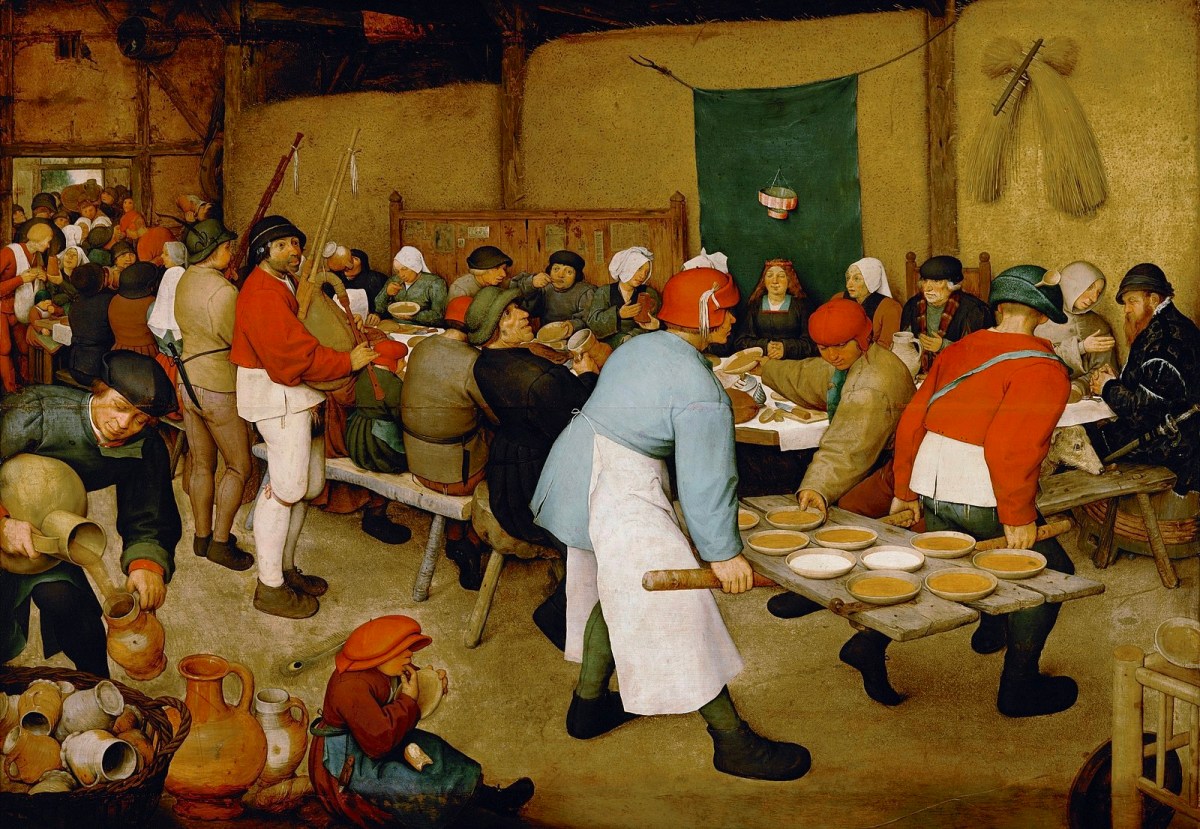
The Peasant Wedding at wikiwand
The Peasant Wedding at Google Arts and Culture
If, like me, you can’t keep all these Brueghels straight, go to Brueghel Family Tree
~Sunnyside
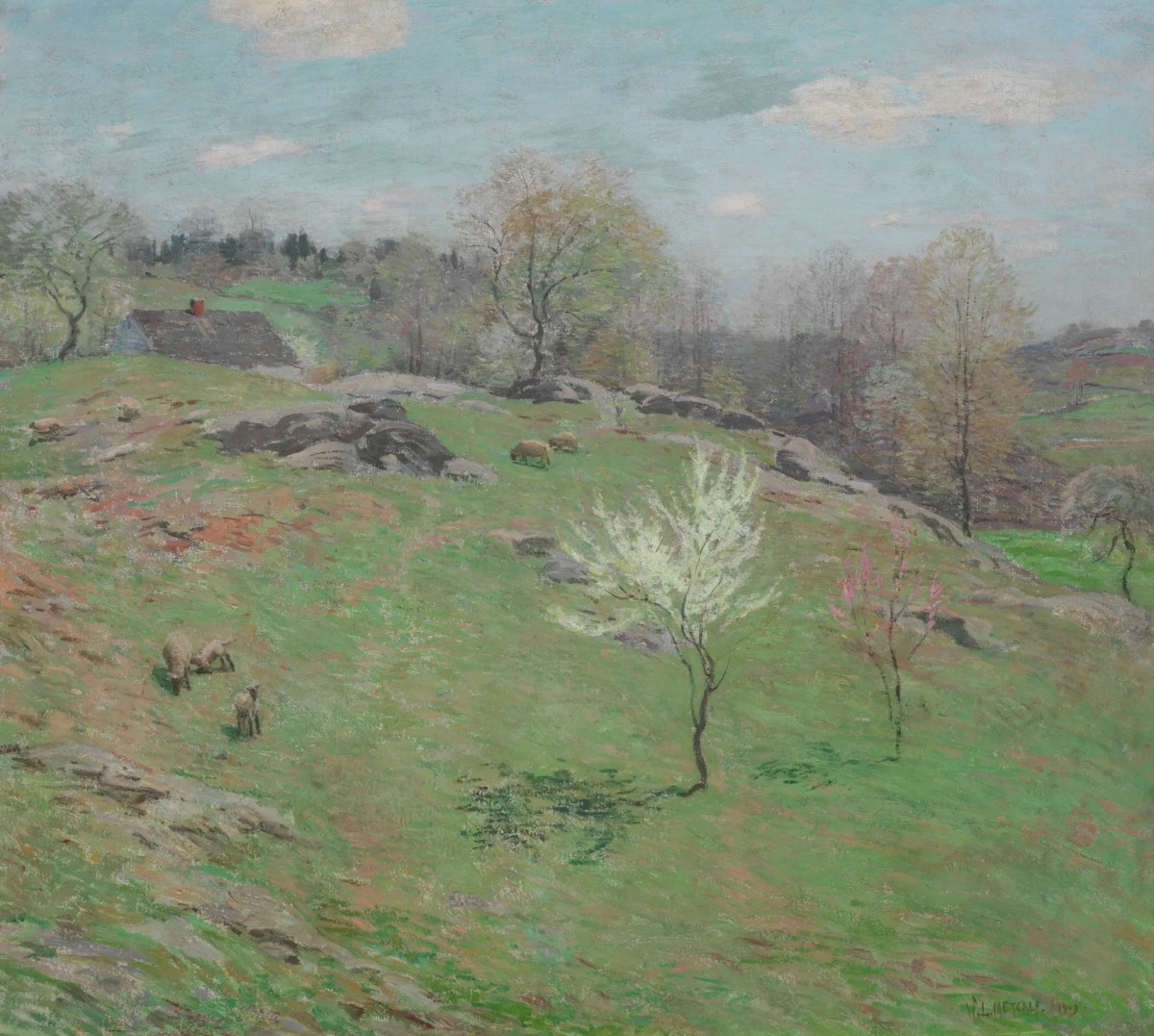
A rite of Spring!
“Unfolding Buds” by Willard Metcalf. This painting hangs at the Detroit Institute of Arts
Willard Leroy Metcalf at Florence Griswold Museum
Willard Leroy Metcalf at wikiwand
Willard Leroy Metcalf at Artcyclopedia
Willard Leroy Metcalf at Christie’s
Willard Leroy Metcalf at Sotheby’s
Willard Leroy Metcalf at wikimedia
Willard Leroy Metcalf at Google Arts and Culture
Willard Leroy Metcalf at Art Renewal Center
~Sunnyside
Interesting how the theatre becomes a metaphor for the political domain. Superb images here!

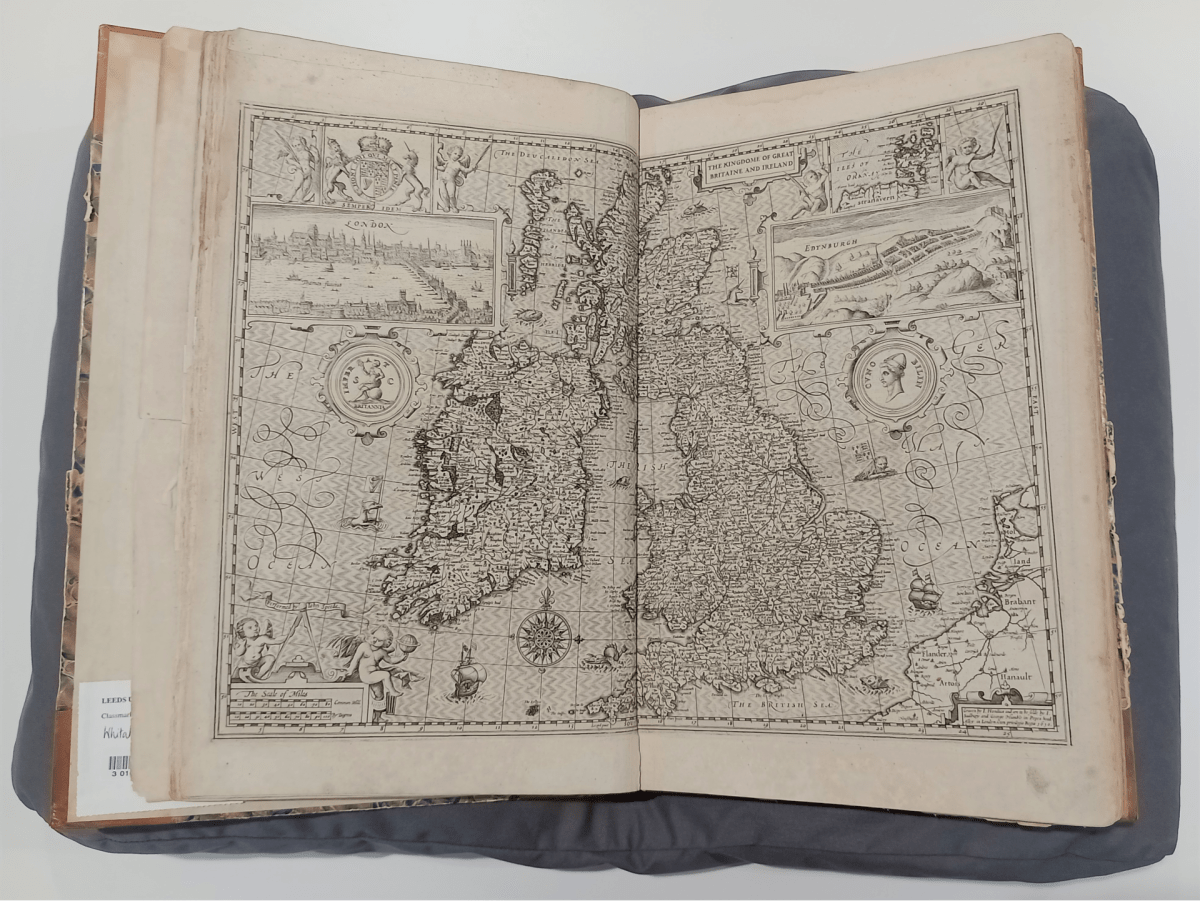
In a two part post Joseph Massey, Team Assistant, explores how the concept of ‘Great Britain’ hugely intrigued Jacobean cartographers, historians, poets and playwrights.
When James VI, King of Scots, ascended to the English throne as James I, his succession resulted in the Union of the Crowns as England and Scotland now shared a monarch. However, they remained independent kingdoms because the English and Scottish parliaments refused to legislate a formal union. Despite this on 20 October 1604, James declared himself ‘King of Great Britain’—though in reality England and Scotland remained separate countries until 1707.
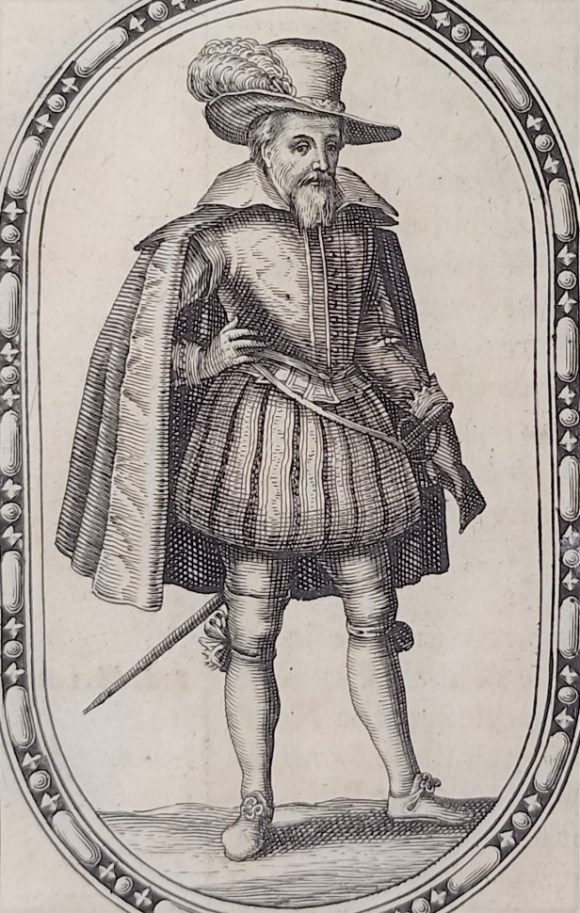
Many people asked what was Great Britain? What did it mean to be British? Had Great Britain already existed in the distant…
View original post 614 more words
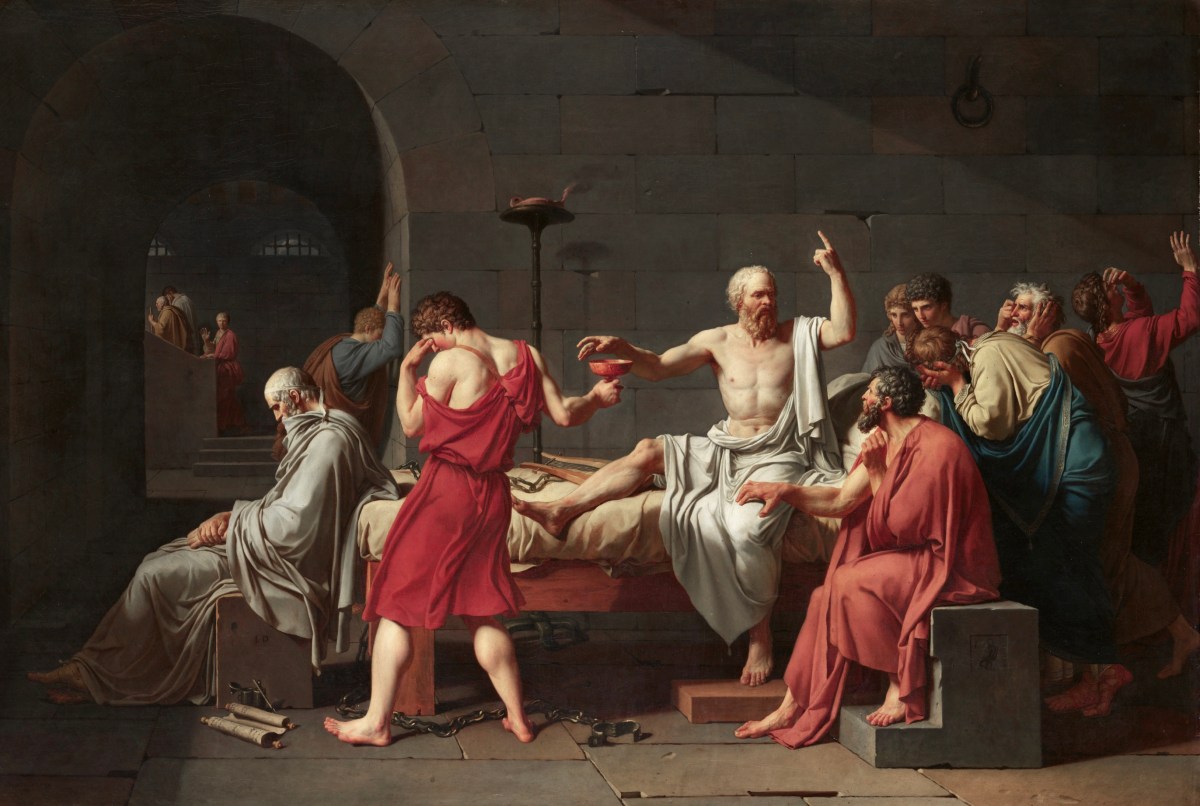
“In this landmark of Neoclassical painting from the years immediately preceding the French Revolution, David took up a classical story of resisting unjust authority in a sparse, frieze-like composition. The Greek philosopher Socrates (469–399 B.C.) was convicted of impiety by the Athenian courts; rather than renounce his beliefs, he died willingly, discoursing on the immortality of the soul before drinking poisonous hemlock.”
READ MORE: Metropolitan Museum of Art
This work at The Metropolitan Museum of Art
High Resolution Images:
Dr. Beth Harris and Dr. Steven Zucker, “Jacques-Louis David, The Death of Socrates,” in Smarthistory, October 26, 2022, accessed January 30, 2023, https://smarthistory.org/jacques-louis-david-the-death-of-socrates/.
View original post 12 more words

Amazing!
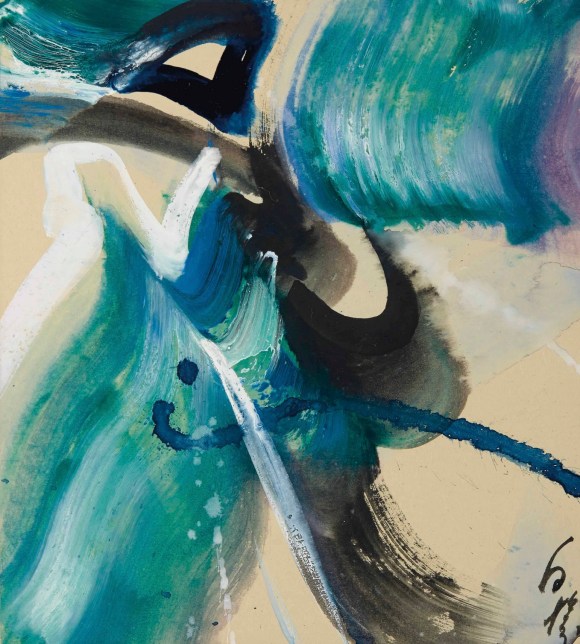
Many thanks to Friedrich Zettl for introducing me to this video in his post Project in the home straight – almost.
~Sunnyside
Sounds a really interesting read and still highly relevant to understanding German attitudes today.
Described by the publishers as ‘a ground-breaking classic of post-war German literature’, Siblings is the first of Brigitte Reimann’s novels to be translated into English, and what an interesting rediscovery it is – bold, edgy and evocative with a style all of its own! Originally published in Germany in 1963, the novel is narrated by Elisabeth Arendt, a young, idealistic painter whose steadfast beliefs in the possibility of building an egalitarian socialist future in the GDR bring her into conflict with her beloved older brother, Uli, a disillusioned engineer.
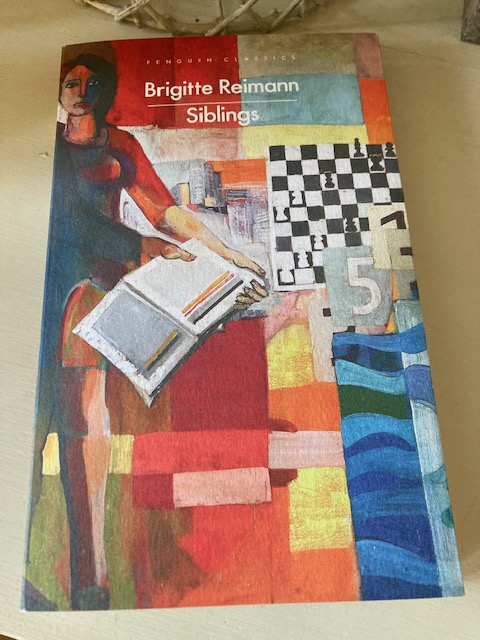
Set in 1960, before the construction of the Berlin Wall, the novel is bookended by snippets from the same conservation between the siblings, giving the narrative a circular feel. While Elisabeth is determined to fashion a fulfilling life for herself in the East, Uli feels constrained by the Party structures and ways of working, fuelling his desire to defect to the…
View original post 841 more words

Enchanting!!

Frederick Carl Frieseke at wikiwand
Frederick Carl Frieseke At Sunnyside
Frederick Carl Frieseke at Google Arts and Culture
~Sunnyside
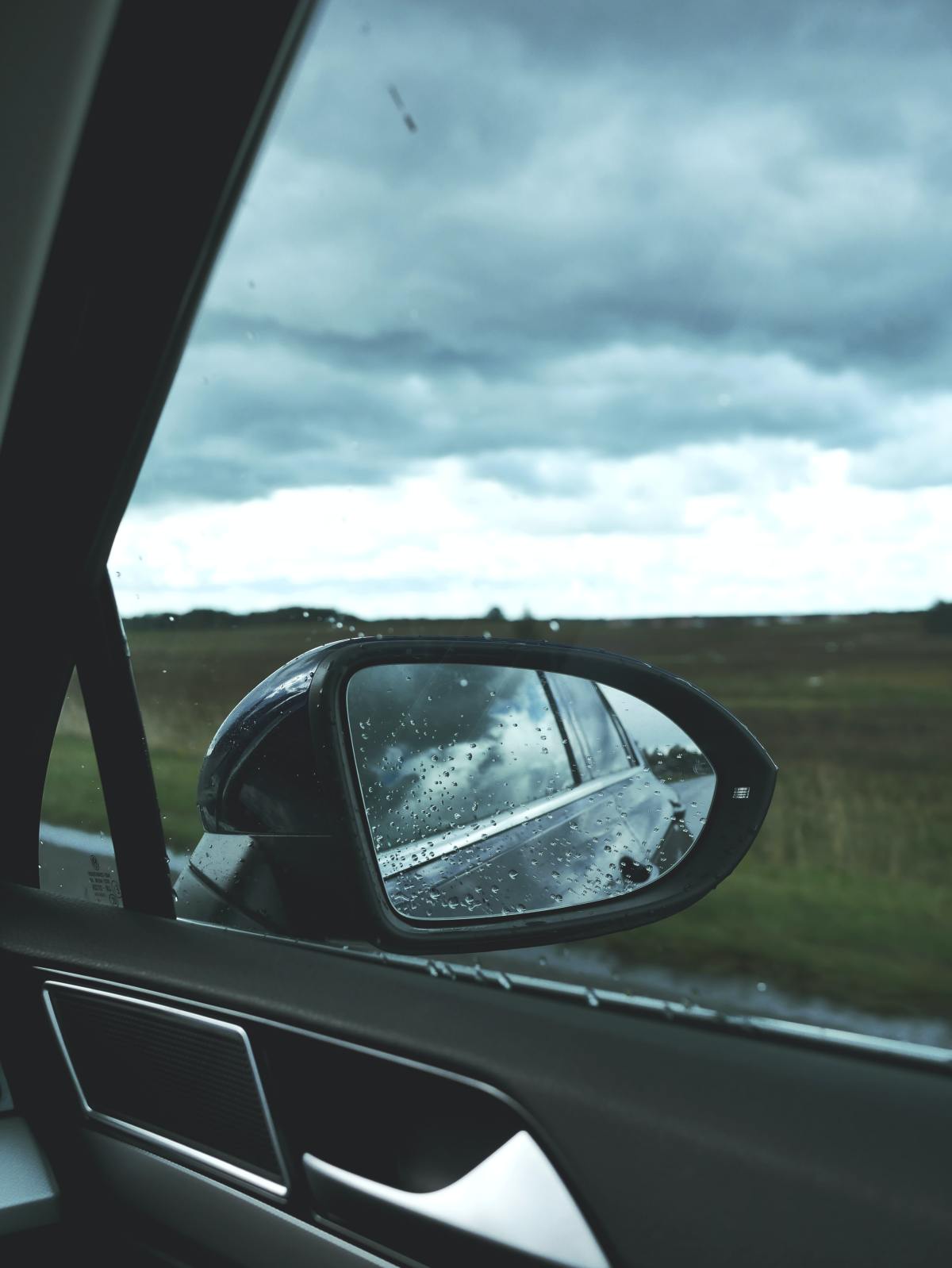
Interestingly paradoxical line; connection with buried trauma. Surely detachment is at a distance to trauma? The Lincolnshire image, with which you conclude sounds like an echo of Sebald in this context.

I’m circling back to writing up the last of the Lithuania-related cultural events that I experienced last year, with a Lithuanian psychological thriller that I saw in October at the second London Baltic Film Festival, held at Riverside Studios. I could have watched several Baltic movies over the course of a weekend, but in the end only made it to only the one screening, which was followed by a Q&A with writer and director Laurynas Bareiša.
Pilgrims (Pilgrimai) is a gritty 92-minute film, which was screened in Lithuanian with English subtitles. It was shot during lockdown on a low budget, in and around a B&B that is featured in the film, and was selected to represent Lithuania in the Best International Feature Film category at the 2023 Oscars. It won the Orrizonti award for Best Film at the Venice Biennale in 2021.
The movie focuses on Paulius and…
View original post 251 more words
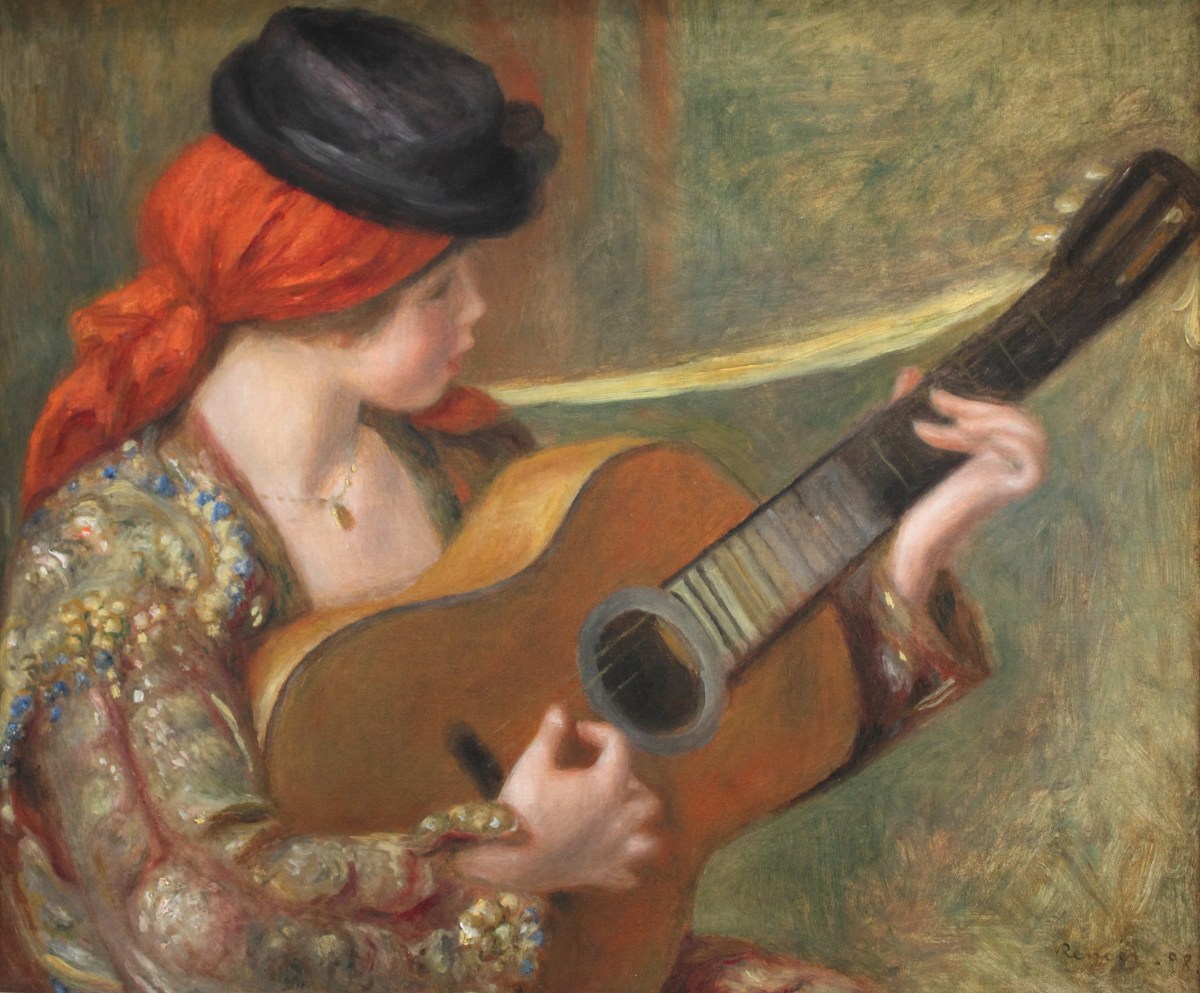
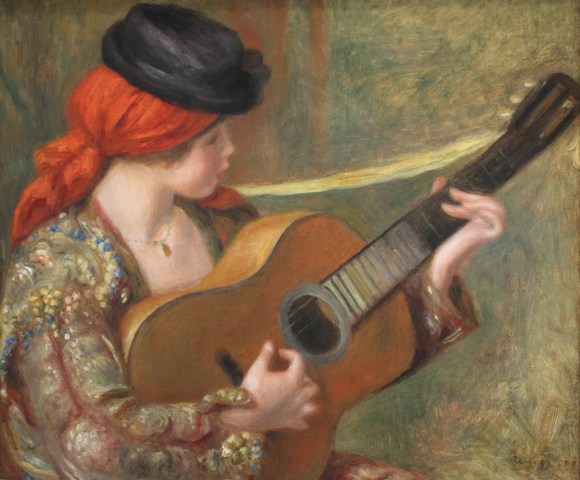
Tag: Pierre-Auguste Renoir At Sunnyside
~Sunnyside



 penwithlit