Categories
Aspen Cathedral, Vail, Colorado
Categories
Lake Reflection, Hungary
What a beautiful country …..
An interesting resolution- perhaps not an easy read- more challenging however,

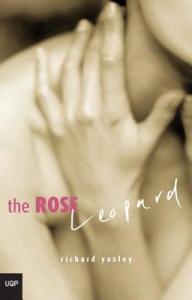 The Rose Leopard is a debut novel that’s now two decades old. The author, secondary school teacher Richard Yaxley, has gone on to have a distinguished literary career, receiving an OAM (Order of Australia) in 2011 for services to education, literature and performing arts. He writes across genres, and has won or been nominated for many awards, mainly in YA and Children’s Lit. The following is a list of his novels from his website:
- Harmony (Scholastic 2021; Long-listed for the ARA Historical Prize – CYA Section)
- A New Kind of Everything (Scholastic 2020)
- The Happiness Quest (Scholastic 2018; CBCA Notable Book for Older Readers 2019)
- This Is My Song (Scholastic 2017; ACU Book Of The Year 2019; Winner of the 2018 Prime Minister’s Literary Award for Young Adult Literature; Finalist in the 2017 Queensland Literary Awards; also published in the Czech Republic by Albatros Media)
- Joyous and Moonbeam (Scholastic…
View original post 1,090 more words
Categories
Peder Mork Monsted: Winter (1914)

Very lovely, deep and crisp and even….in most places.

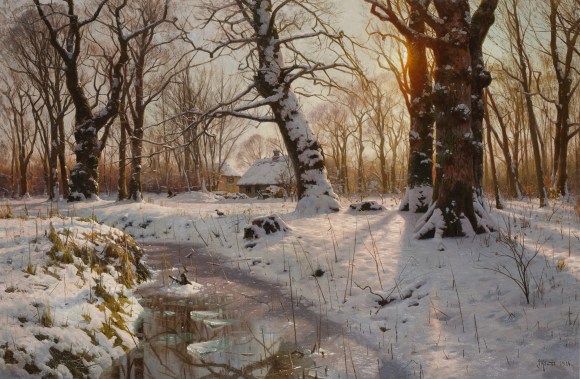
“This snowy scene epitomizes Mønsted’s photographically crisp winter landscapes. True to his paintings of verdant forests with streams running through them, here too his masterful observation of water and surrounding snowis central to the composition….While visiting Paris in 1883, he worked in the studio ofWilliam Bouguereau, under whose tutelage he further honed his rigorous academic style which he applied to landscape.”
READ FULL ESSAY: Sotheby’s
See More
Peder Mork Monsted at Sotheby’s
Peder Mork Monsted at Christie’s
Peder Mork Monsted at wikimedia commons
Read More
Peder Mork Monsted at wikiwand
Thanks for Visiting 🙂
~Sunnyside
Categories
before and again
Some great sketches very colourful!


I had made small drawings as preparations for paintings before. I like using pastel when I work directly from a motif because it’s so easy to use. You open the box of pastels and begin drawing. There’s no mixing of paints (though you can blend sticks of color together on the page). And as the light changes, you find that you’ve spent most of the time actually describing the scene rather than pausing for cleaning a brush or refreshing the paint. Then the drawings are there to use to create a painting, and the painting is thus slightly removed from the actual objects and opens a passage for imagination. Or so it seems to me. Every artist has his own way of working that feels right.
I paint in different ways. The idea of creating fully realized drawings to then…
View original post 278 more words
Categories
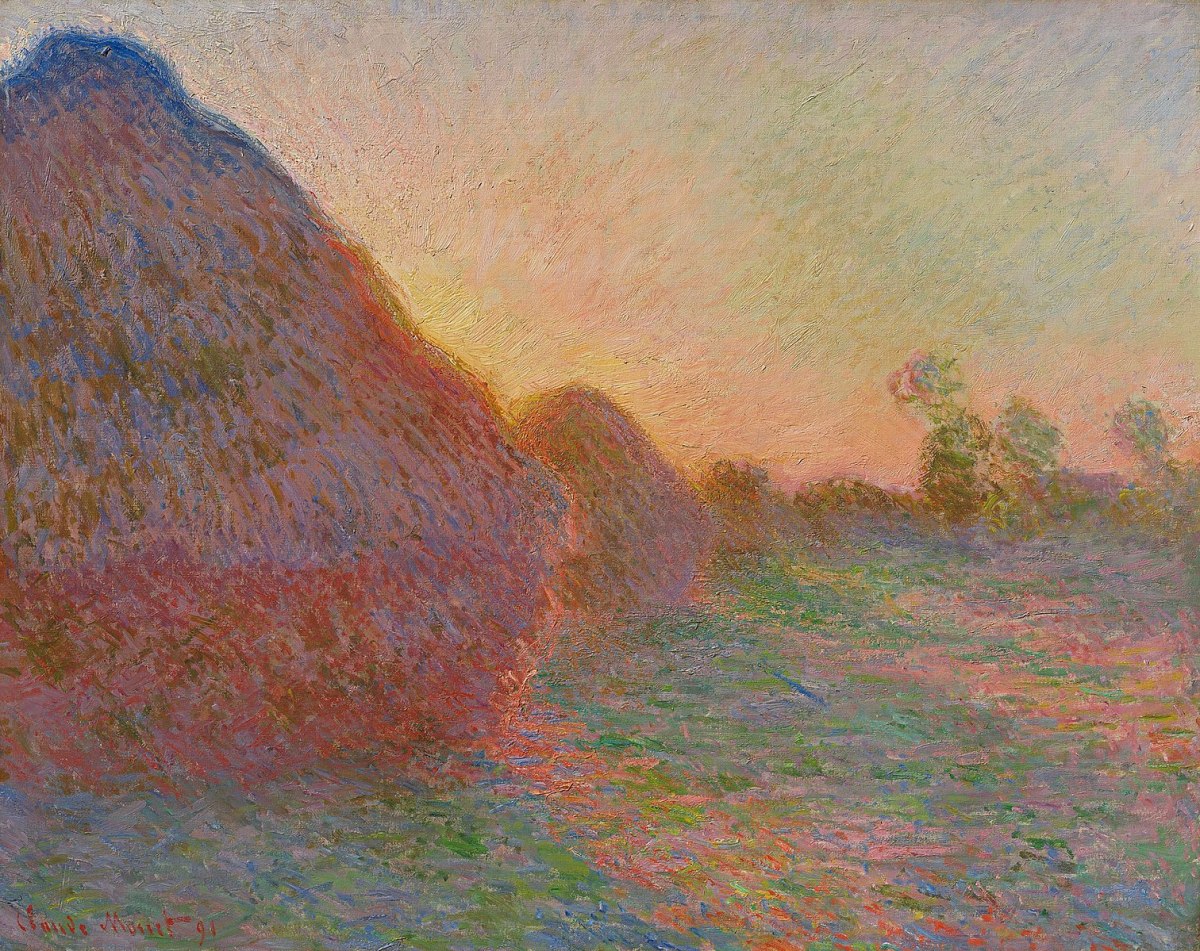
Monet’s Grainstacks II
Wonderful paintings!
“Monet’s paintings from this series bear the French title Meules, a word that can be translated as “stacks.” For a long time the title was misinterpreted as Haystacks; however, the objects in Monet’s paintings are actually sheaves of grain. In the agriculture of nineteenth-century Normandy, conical stacks of unthreshed grain were covered with straw or hay to protect the valuable harvest from moisture and rot. Monet, who had a fine sensibility for the structure of the landscape, must have been fascinated by these quasi-sculptural objects of considerable size that appeared at the same time every year in the fields surrounding his house, covering the meadows in a kind of temporary installation. The motif also had symbolic character for the predominantly agricultural community of Giverny…
View original post 212 more words
Categories
Snow Lake, Stevens Point, Wisconsin
Categories
Phantasie
Very interesting- especially the philosophical speculations.

»Phantasiestücke« hat Schumann mehrere seiner Klavierzyklen betitelt. Die Frage ist, was er damit gemeint haben könnte – wenn er denn darunter etwas Bestimmtes verstanden wissen wollte und der Titel nicht bloß als ein mehr oder weniger unverbindlicher Platzhalter für irgendetwas, das sich den vorgeprägten Formschemata nicht fügt, figuriert. Dafür spricht freilich wenig bei jemandem, der nicht nur komponierte, sondern Musikschriftstellerei auf höchstem Niveau betrieb. »Phantasie« ist offenbar ein bewusst gesetzter Kontrapunkt zu den Veranstaltungen der Vernunft, die auch in die Seelensprache der Musik eingedrungen sind. Die großen Formen, allen voran die der Sonate, die sich entäußern, um sich hernach zum Werk zu runden, das fest und kristallgleich in sich ruht; die großen Gebäude der Symphonie, die es verstehen, gewaltige Zeitmassen in sich aufzuhäufen und abzuspeichern – das, was die Phantasie produziert, ist das alles irgendwie NICHT. Es ist Musik als Prozess, folgend dem Gesetz von Differenz und Wiederholung, oder dem…
View original post 321 more words
Categories
Debussy’s Clair de Lune III
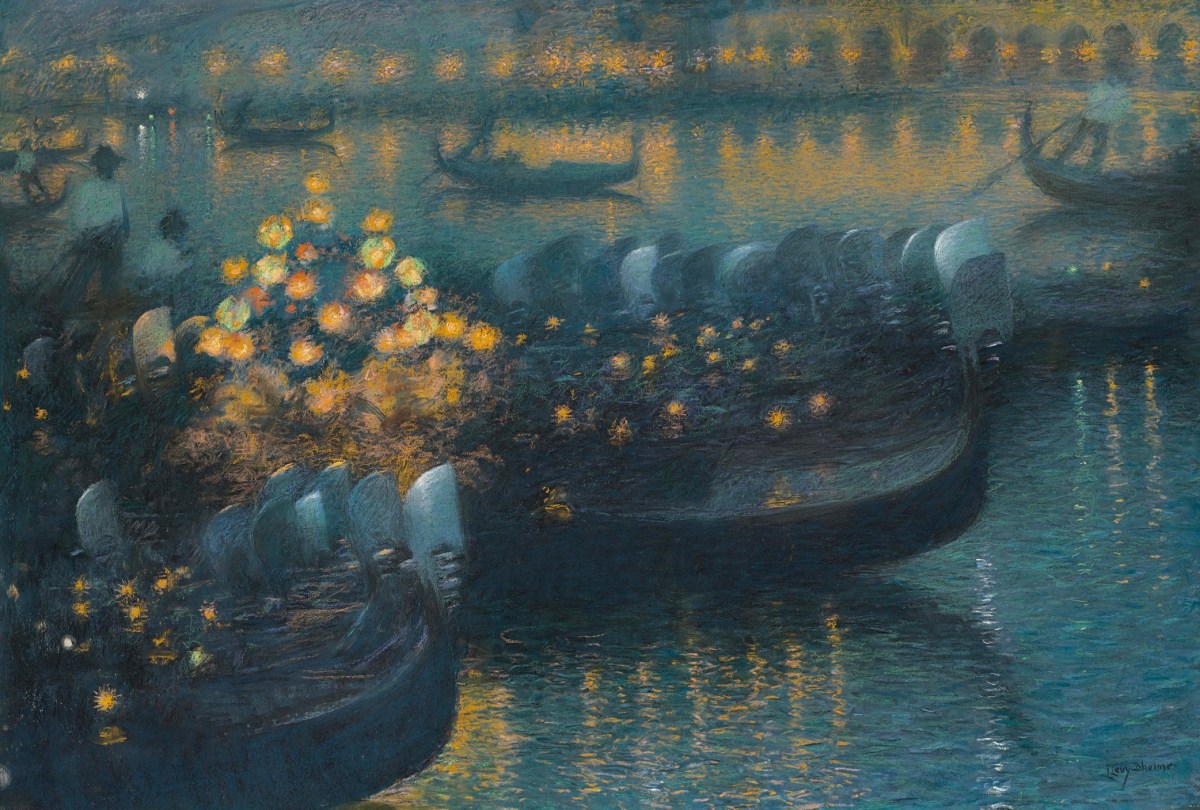
Wonderful, gorgeous Debussy
Well-versed in Rodenbach’s Symbolist ideas, Lévy-Dhurmer has similarly captured the mood of a late evening in Venice in the present work, contrasting a symphony of the blue and silver tones of moonlight playing across the water and the gondolas with the dazzling, brilliant yellow and orange tones of glowing orbs of man-made light. In some areas, it is not clear what is itself a light source, and what is reflection, and these glowing orbs seem to cluster together above the empty gondolas almost like fireflies. The resulting composition is less an exact depiction than an evocation of the mood of the emptying city illuminated by moonlight.
Note: Clair de Lune – Start: 59:34 21. End: 1:03:17
View original post 51 more words
 penwithlit
