Loss is waiting everywhere,
Because I’ve felt the shape it makes
I try to lose it in the crowd,
Taking shortcuts down alleyways,
Wearing black and changing my hair.
I relish the rain because it covers everything,
Only stopping to linger in a stranger’s stare,
I try to keep all my pages blank, then perhaps
Loss will not know that I’m still there.
Leave –a sonnet
Another coast, some late hour, my feet bare.
Someone loved this place,
there are colours everywhere.
I am drifting in a shipwrecked bed,
an exposed room, a worn wooden floor.
The light fell in, still and unbroken, a silent day,
except for the footsteps, that stopped at the door,
now turning, now walking quietly away.
Once my body knew a rough song,
the sound of our staggered breaths.
Since I sighed a hundred little deaths,
rootless, I went the way of the birds.
Empty places I have known, what could’ve been,
once wound tight, an unravelling dream.
Auf einmal ist aus allem Grün im Park
man weiß nicht was, ein Etwas fortgenommen;
man fühlt ihn näher an die Fenster kommen
und schweigsam sein. Inständig nur und stark
ertönt aus dem Gehölz der Regenpfeifer,
man denkt an einen Hieronymus:
so sehr steigt irgend Einsamkeit und Eifer
aus dieser einen Stimme, die der Guß
erhören wird. Des Saales Wände sind
mit ihren Bildern von uns fortgetreten,
als dürften sie nicht hören was wir sagen.
Es spiegeln die verblichenen Tapeten
das ungewisse Licht von Nachmittagen,
in denen man sich fürchtete als Kind.
Before the Summer Rain
Suddenly, from all the green around you,
something-you don’t know what-has disappeared;
you feel it creeping closer to the window,
in total silence. From the nearby wood
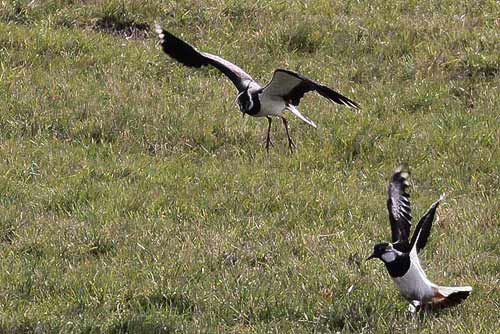
you hear the urgent whistling of a plover,
reminding you of someone’s Saint Jerome:
so much solitude and passion come
from that one voice, whose fierce request the downpour
will grant. The walls, with their ancient portraits, glide
away from us, cautiously, as though
they weren’t supposed to hear what we are saying.
And reflected on the faded tapestries now;
the chill, uncertain sunlight of those long
childhood hours when you were so afraid.
You know how this is:
if I look
at the crystal moon, at the red branch
of the slow autumn at my window,
if I touch
near the fire
the impalpable ash
or the wrinkled body of the log,
everything carries me to you,
as if everything that exists,
aromas, light, metals,
were little boats
that sail
toward those isles of yours that wait for me.
Well, now,
if little by little you stop loving me
I shall stop loving you little by little.
If suddenly
you forget me
do not look for me,
for I shall already have forgotten you.
If you think it long and mad,
the wind of banners
that passes through my life,
and you decide
to leave me at the shore
of the heart where I have roots,
remember
that on that day,
at that hour,
I shall lift my arms
and my roots will set off
to seek another land.
But
if each day,
each hour,
you feel that you are destined for me
with implacable sweetness,
if each day a flower
climbs up to your lips to seek me,
ah my love, ah my own,
in me all that fire is repeated,
in me nothing is extinguished or forgotten,
my love feeds on your love, beloved,
and as long as you live it will be in your arms
without leaving mine.
Un plato para el obispo, un plato triturado y amargo,
un plato con restos de hierro, con cenizas, con lágrimas,
un plato sumergido, con sollozos y paredes caídas,
un plato para el obispo, un plato de sangre de
Almería.
Un plato para el banquero, un plato con mejillas
de niños del Sur feliz, un plato
con detonaciones, con aguas locas y ruinas y espanto,
un plato con ejes partidos y cabezas pisadas,
un plato negro, un plato de sangre de Almería.
Cada mañana, cada mañana turbia de vuestra vida
lo tendréis humeante y ardiente en vuestra mesa:
lo apartaréis un poco con vuestras suaves manos
para no verlo, para no digerirlo tantas veces:
lo apartaréis un poco entre el pan y las uvas,
a este plato de sangre silenciosa
que estará allí cada mañana, cada
mañana.
Un plato para el Coronel y la esposa del Coronel,
en una fiesta de la guarnición, en cada fiesta,
sobre los juramentos y los escupos, con la luz de vino de la madrugada
para que lo veáis temblando y frío sobre el mundo.
Sí, un plato para todos vosotros, ricos de aquí y de allá,
embajadores, ministros, comensales atroces,
señoras de confortable té y asiento:
un plato destrozado, desbordado, sucio de sangre pobre,
para cada mañana, para cada semana, para siempre jamás,
un plato de sangre de Almería, ante vosotros, siempre.
A dish for the bishop, a crushed and bitter
dish , a plate with traces of iron, with ashes, with tears,
a submerged dish, with sobs and fallen walls,
a dish for the bishop, a dish of blood from
Almería.
A dish for the banker, a plate with
children’s cheeks of the happy South, a dish
with detonations, with crazy waters and ruins and horror,
a dish with split axes and trodden heads,
a black dish, a dish of blood from Almeria.
Every morning, every cloudy morning of your life
you will have it steaming and hot at your table:
you will separate it a little with your soft hands
so as not to see it, so as not to digest it so many times:
you will separate it a little between bread and grapes,
this plate of silent blood
that will be there every morning, every
morning.
A dish for the Colonel and the wife of the Colonel,
in a party of the garrison, in every party,
on oaths and squirts, with the light of early morning wine
so that you can see it trembling and cold on the world.
Yes, a dish for all of you, rich here and there,
ambassadors, ministers, atrocious diners,
ladies with comfortable tea and seats:
a dish smashed, overflowing, dirty with poor blood,
for each morning, for each week, forever never,
a dish of Almeria’s blood, before you, always.
(A translation of this poem by the famous Nany Cunard is available in The Penguin Book of Civil War Verse}
During the Spanish Civil War the city of Almeira was shelled by the German Navy, with news reaching the London and Parisian press about the “criminal bombardment of Almería by German planes”.[6]Almería surrendered in 1939, being the last Andalusian capital city to fall to Francoist forces.
Don’t go far off, not even for a day, because —
because — I don’t know how to say it: a day is long
and I will be waiting for you, as in an empty station
when the trains are parked off somewhere else, asleep.
Don’t leave me, even for an hour, because
then the little drops of anguish will all run together,
the smoke that roams looking for a home will drift
into me, choking my lost heart.
Oh, may your silhouette never dissolve on the beach;
may your eyelids never flutter into the empty distance.
Don’t leave me for a second, my dearest,
because in that moment you’ll have gone so far
I’ll wander mazily over all the earth, asking,
Will you come back? Will you leave me here, dying?
Pablo Neruda, original name Neftalí Ricardo Reyes Basoalto, (born July 12, 1904, Parral, Chile—died September 23, 1973, Santiago), Chilean poet, diplomat, and politician who was awarded the Nobel Prize for Literature in 1971. He was perhaps the most important Latin American poet of the 20th century.
Al giardino spettrale al lauro muto
de le verdi ghirlande
a la terra autunnale
un ultimo saluto!
A l’aride pendici
aspre arrossate nell’estremo sole
confusa di rumori rauchi grida la lontana vita:
grida al morente sole
che insanguina le aiole.
S’intende una fanfara
che straziante sale: il fiume spare
ne le arene dorate; nel silenzio
stanno le bianche statue a capo i ponti
volte: e le cose già non sono più.
E dal fondo silenzio come un coro
tenero e grandioso
sorge ed anela in alto al mio balcone:
e in aroma d’alloro,
in aroma d’alloro acre languente,
tra le statue immortali nel tramonto
ella m’appar, presente.
Autumn garden
A last salute to the spooky garden to the silent laurel
of the green garlands
and the autumn land!
At the arid
rugged slopes reddened in the extreme sun,
confused with raucous noises, the distant life
cries : shouts to the dying sun
that bloody the flowerbeds.
It is meant a fanfare
that is excruciating salt: the river spare
and its golden arenas; in silence
are the white statues at the head of the bridges
sometimes: and things are no longer there.
And from the background, silence like a
tender and grandiose chorus
arises and longs up at my balcony:
and in the aroma of laurel,
in the aroma of bitter, acrid laurel,
among the immortal statues in the sunset
she appeared to me, present.
Dino Campana, (born Aug. 20, 1885, Marradi, Italy—died March 1, 1932, Florence), innovative Italian lyric poet who is almost as well known for his tragic, flamboyant personality as for his controversial writings.






 penwithlit