Categories
Uncategorized

Changing Times: Lovis Corinth, 1898-1900

A very interesting and informative article, many thanks!

hoakley's avatarThe Eclectic Light Company

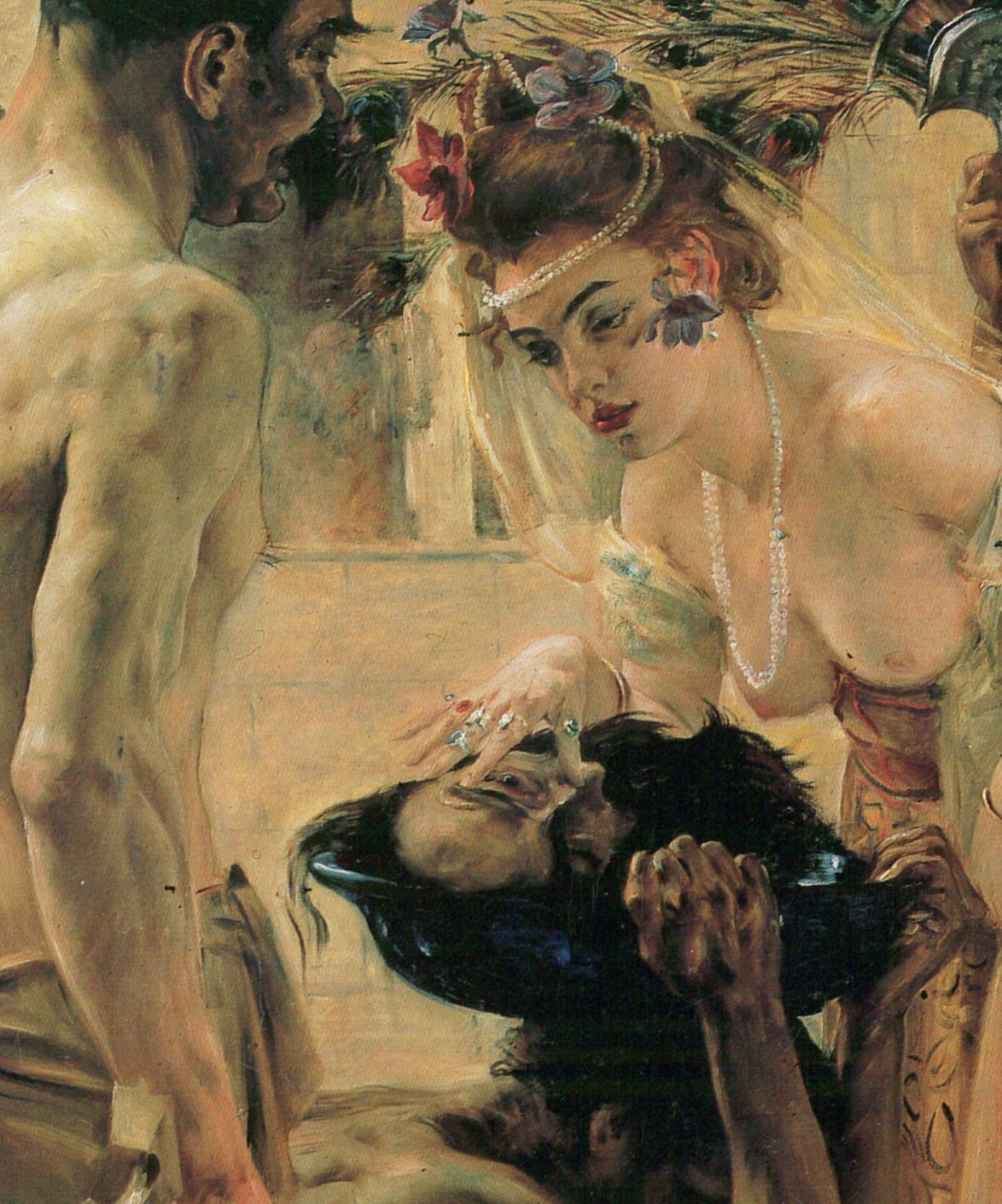
Lovis Corinth didn’t just spend his time in Munich drinking red wine and champagne, but experimented in his painting and evolved his mature style. In 1897, he moved studio within Munich, and started to make increasingly frequent visits to Berlin, where he was able to obtain lucrative commissions for portraits. When the Berlin Secession was founded in 1898, Corinth was among its members. By 1900, he was renting a studio in Berlin, and in the autumn of 1901, he closed his studio in Munich and moved to Berlin.
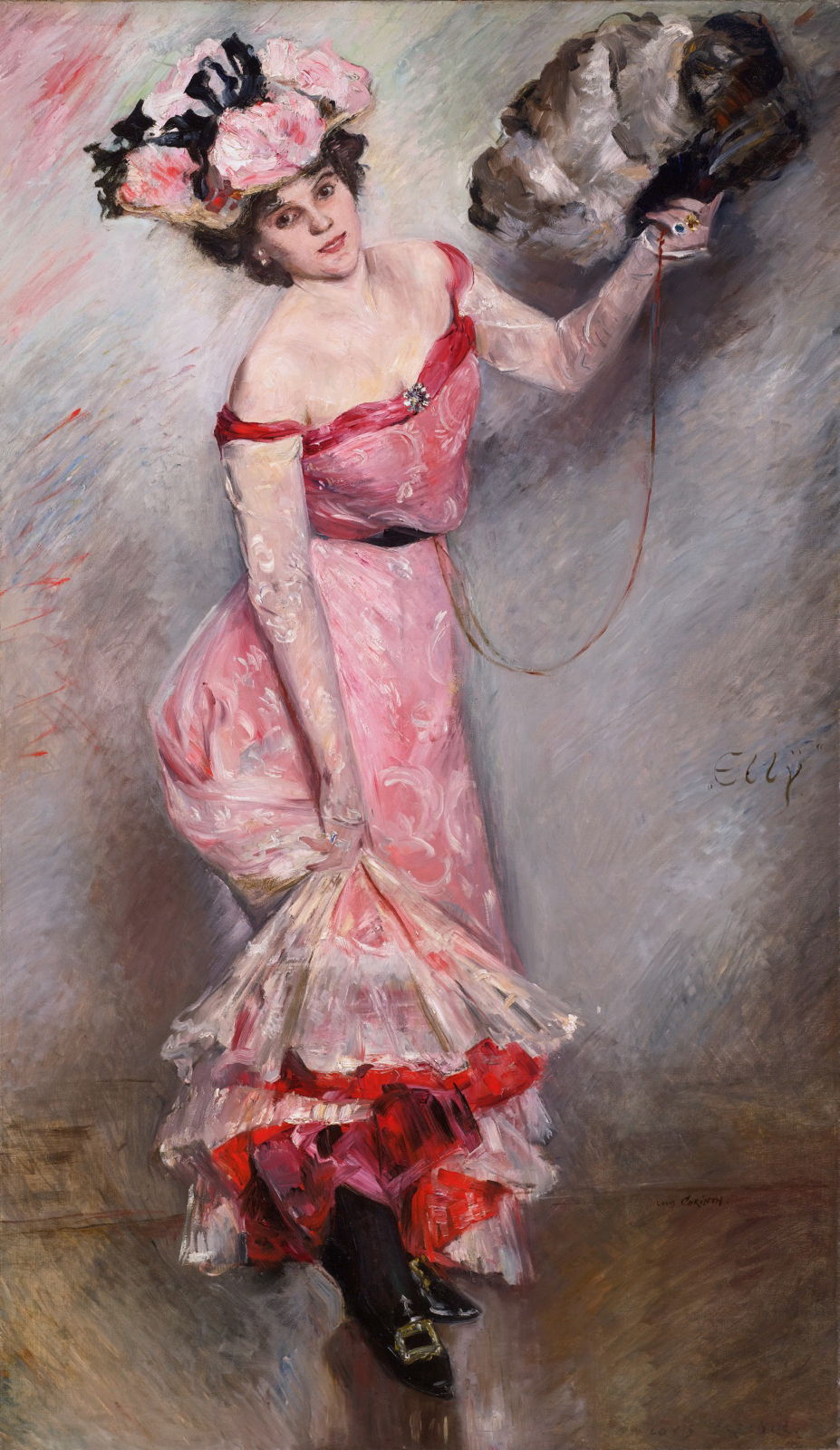
corinthelly Lovis Corinth (1858–1925), Ellÿ (1898), oil on canvas, 192.1 x 112.1 cm, Private collection. Wikimedia Commons.

He had no shortage of attractive young women, like Ellÿ (1898), to paint. But he pressed on with his campaign to improve his style and technique.
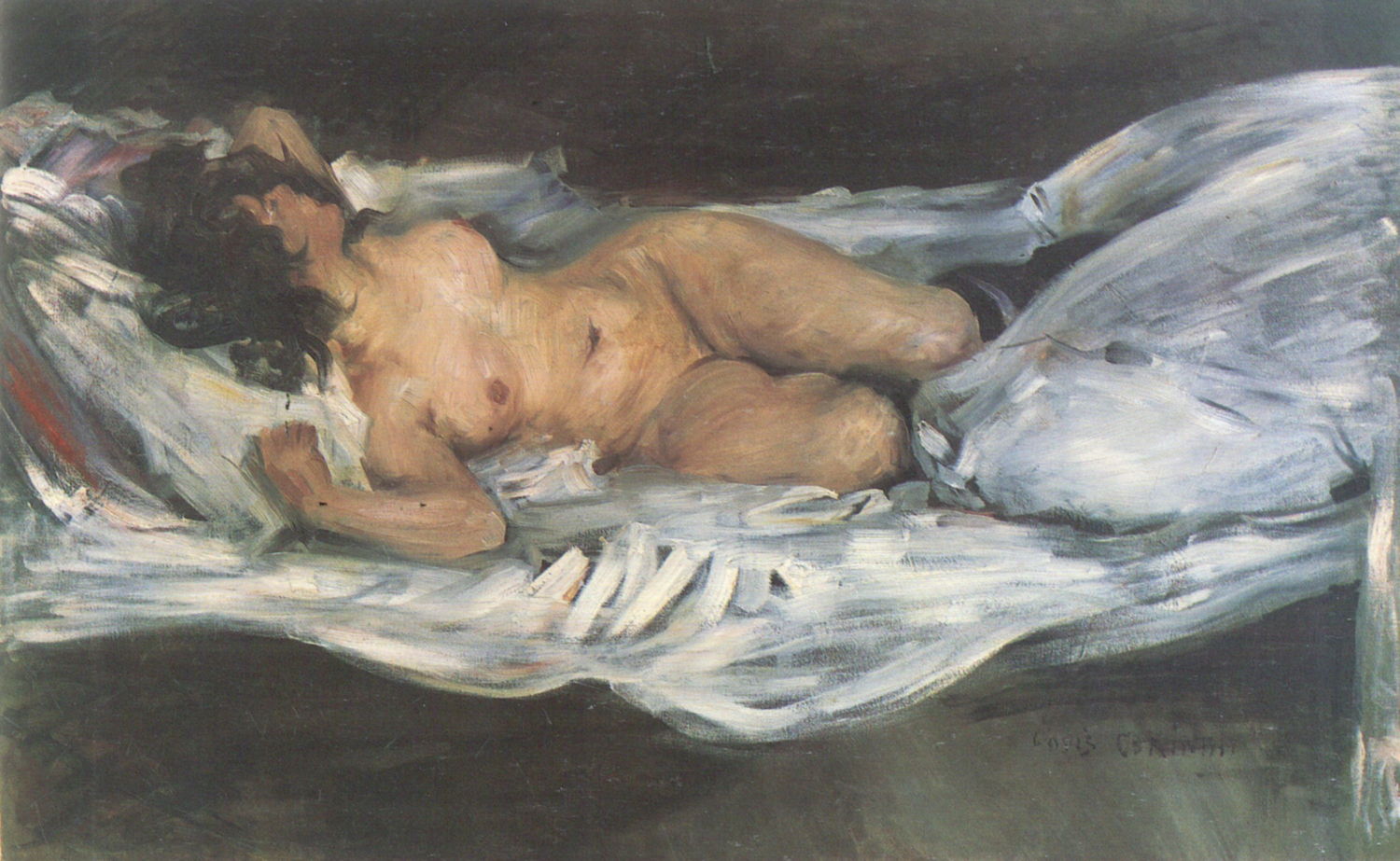
corinthrecliningnude Lovis Corinth (1858–1925), Reclining Nude (1899), oil on canvas, 75 × 120 cm, Kunsthalle Bremen, Bremen. Wikimedia Commons.

Reclining Nude

View original post 1,236 more words

Categories
Uncategorized

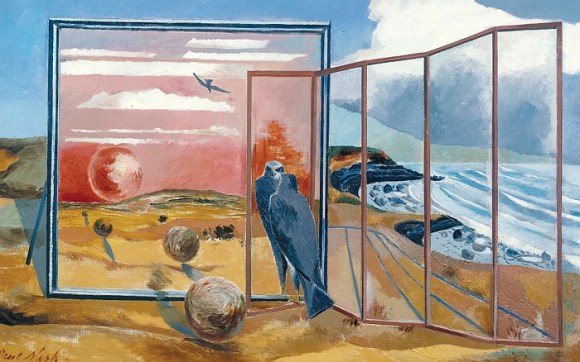
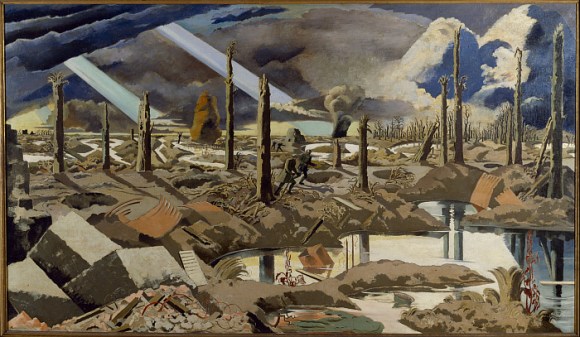
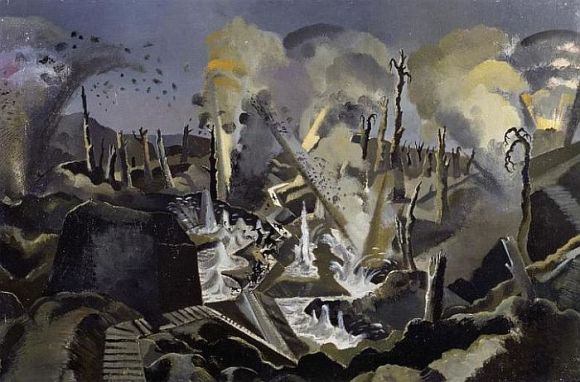
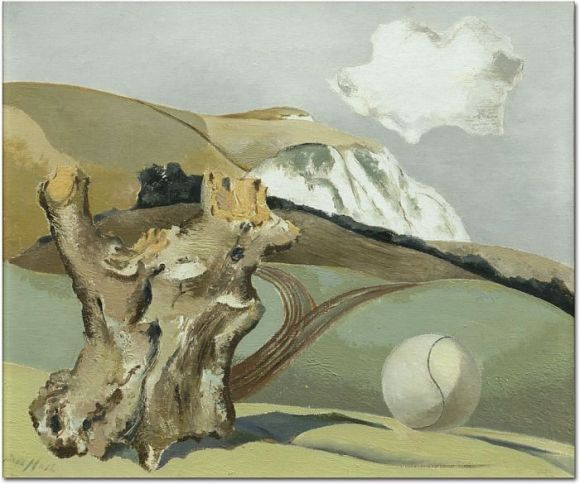
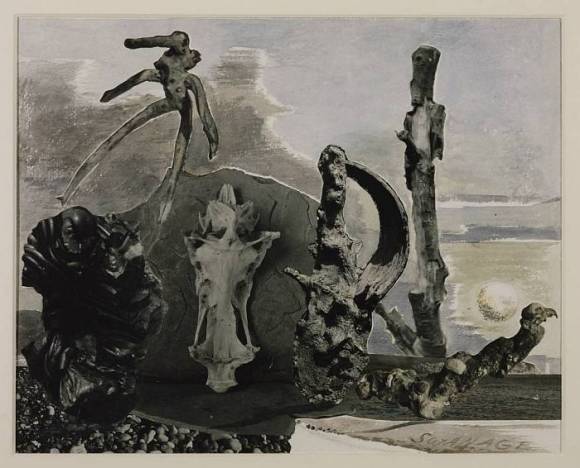
PAUL NASH

Categories
Uncategorized

NATHALIA GONTCHAROVA

Like Zenadia Serabriakova, avery great artist -see more at https://en.wikipedia.org/wiki/Natalia_Goncharova

Categories
Uncategorized

At Tate Modern

Must get to London…

ms6282's avatarDown by the Dougie

PC180156

There’s just too much to see in one visit to Tate Modern. Here’s a few works that captured my interest during our recent visit

From Louise Bourgeois’ Artist’s Room

PC180135

PC180139

PC180141

IMAG6373

From the Living Cities exhibition

Untitled (Ghardaïa) 2009 Kadar Attia. A city made of cous cous (I’ve seen this one before in Tate Liverpool)

PC180145

You can walk on this map of Beiruit

PC180155

PC180149

Mogamma, A Painting In Four Parts: Part 3 (2012) by Juli Mehretu

PC180150

Back over in the “Boiler House” (as the original building is now called)

Abstract in White, Green, Black, Blue Red, Grey and Pink (c1963) by Victor Passmore

PC180158

Quarante Huit, Quai d’Auteuil (1935) an early abstract work by Winifred Nicholson

PC180166

Holes (1954) by Shozo Shimamoto

PC180183

Guano (1958-62) by Judit Reigl

PC180185

Pictures of Spatial Growths – Pictures with Two Small Dogs (1920-39) by Kurt Schwitters

PC180187

View original post

Categories
Uncategorized

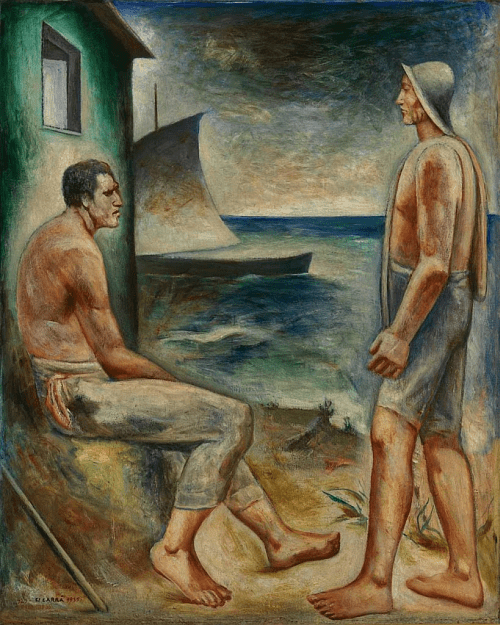
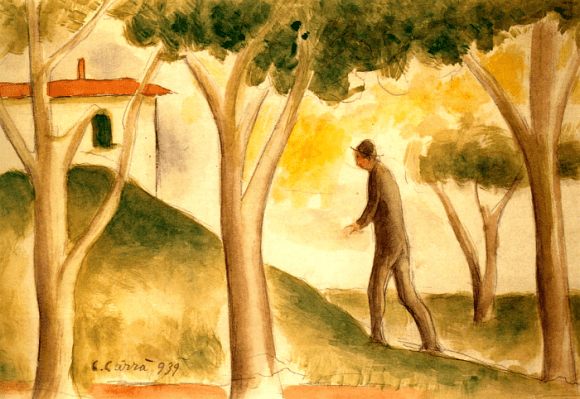
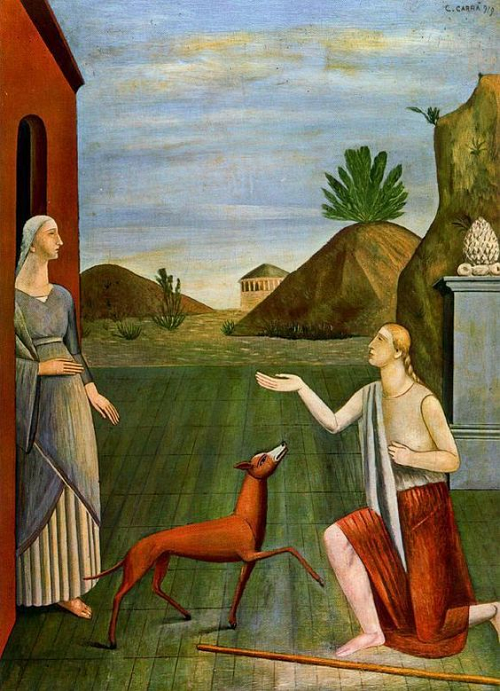
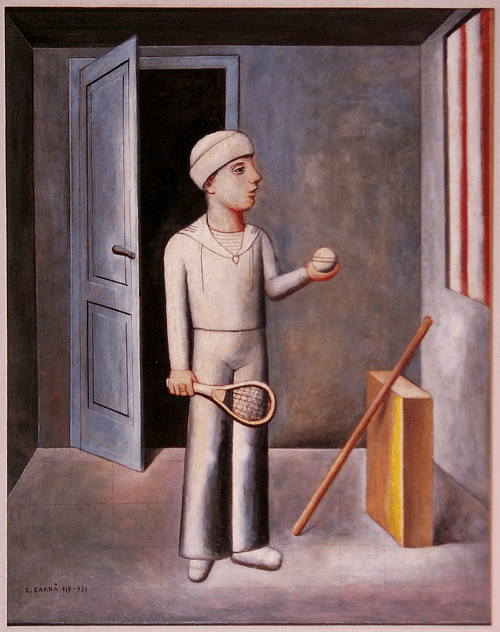
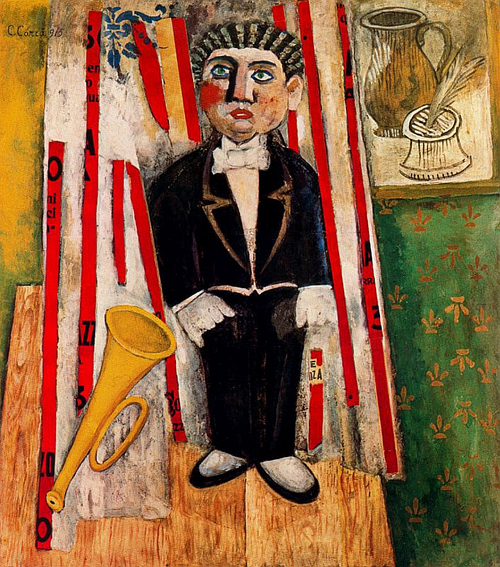
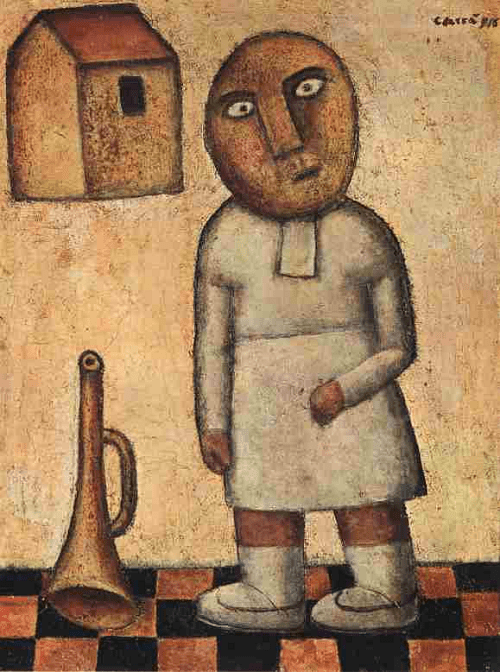
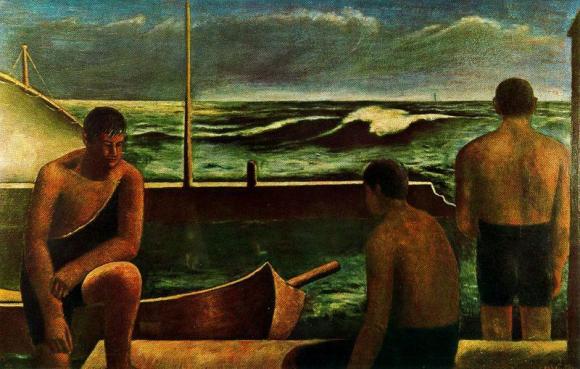
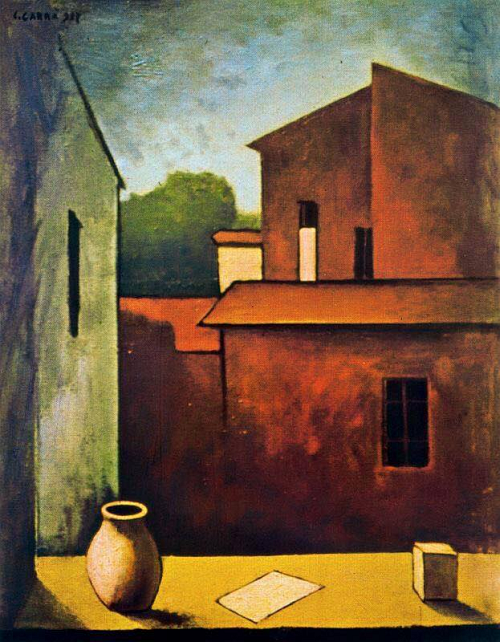
CARLO CARRÀ

Finding Italian artists very interesting……

beautybellezzabeaute's avatarBeauty Bellezza Beauté

Carlo Carrà (1881-1966).

Carlo Carrà1Carlo Carrà2Carlo Carrà6Carlo Carrà93Carlo Carrà4Carlo Carrà91Carlo Carrà94Carlo Carrà5Carlo Carrà8Carlo Carrà7

View original post

Categories
Uncategorized

10 Things A Person With Autism Wishes You Knew

An interesting, insightful and useful post!

Categories
Uncategorized

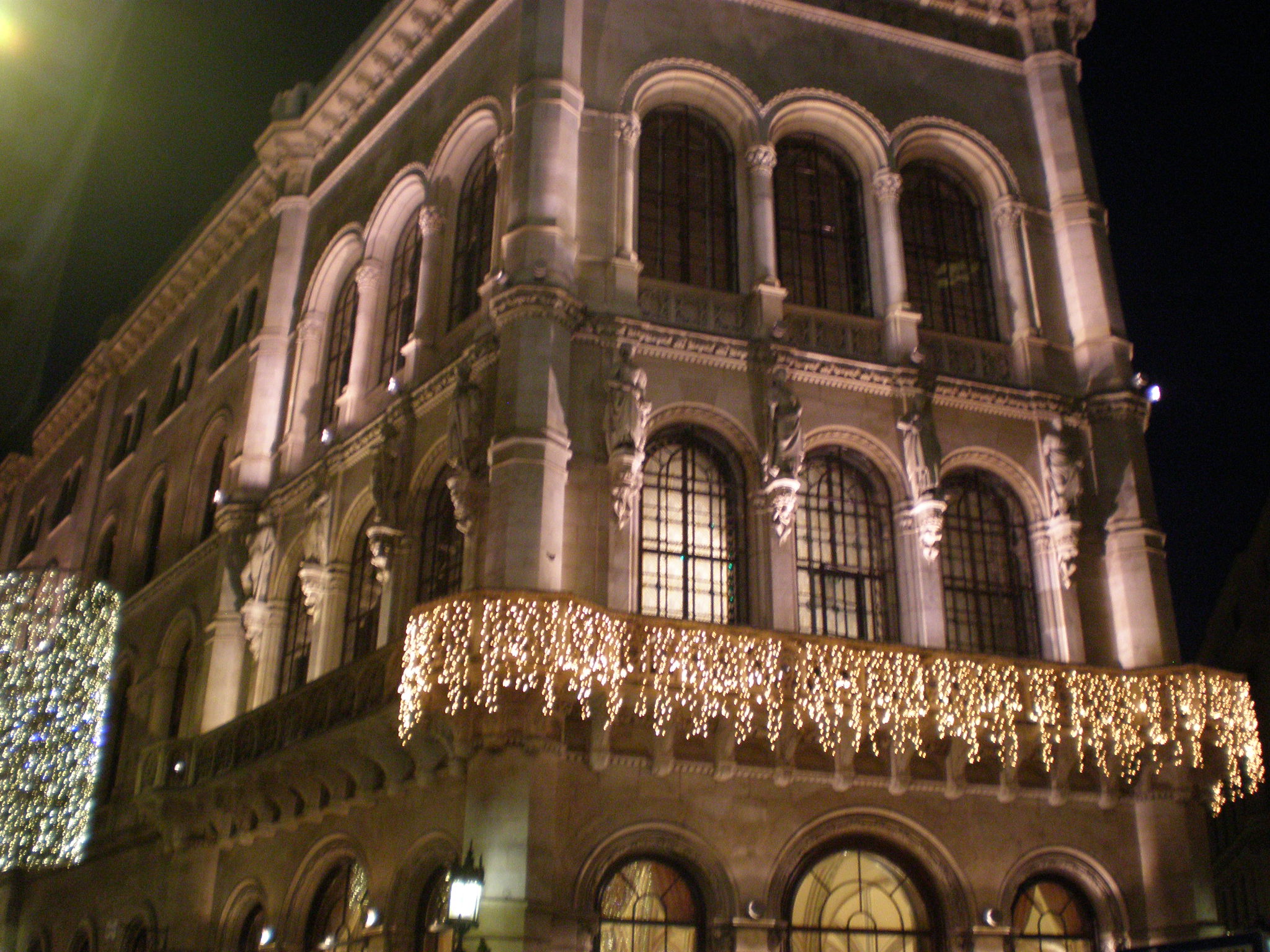
Have some cake at Café Central, Vienna

Delicious cakes, conversation and all the cultural Zeitschriften on display on the side.

Tanja's avatarthe Red Phone Box travels

Cafe Central, Vienna Cafe Central, Vienna

„Central is not a coffeehouse like any other – it’s a philosophy.“

(Alfred Polgar)

If you want to rub shoulders with the likes of Sigmund Freud and Trotsky, you should visit Café Central in Vienna. Though, you’ll only see Mr Freud & his friends if you can see ghosts! Today this historical beautiful coffeehouse is overrun with the tourists but they don’t diminish its old-style charm.

The café culture is still strong in Vienna so during the week and off-season (if there’s such a time of the year when there are less tourists in Vienna) this café is still frequented by the locals. But if you’re visiting during Christmas season be prepared to wait in the cold to get in this very popular café/patisserie.

Housed in a grand old palace (Palais Ferstel) Cafe Central has been opened since 1876. It offers breakfast, lunch, dinner, desserts and…

View original post 549 more words
Categories
Uncategorized

Echt Silber oder was? – Susanne Haun

Sketching the family silver!

Susanne Haun's avatarSusanne Haun

Vorgestern las ich auf Martin Häuslers Blog Rumgekritzelt den Beitrag “Endlich wieder Silberbesteck” (siehe hier), auf den er vom Silberbesteck seiner Familie berichtete. Ich kann nur empfehlen, den Beitrag zu lesen!

Silberbesteck im Kasten (c) Foto von Susanne HaunSilberbesteck im Kasten (c) Foto von Susanne Haun

Wir haben uns köstlich amüsiert, vor allem, weil wir seit dem Sommer überlegen, was wir mit dem “na ja” Silberbesteck meiner Tante Rohrbeck machen, dass ich schon im Alter von 12 Jahren erbte und seit her tapfer von Wohnung zu Wohnung schleppe, ohne es je benutzt zu haben. Es hat eine dunkle Patina angesetzt, wahrscheinlich ist es auch das letzte mal von meiner Tante geputzt worden ….
Ich mag im täglichen Gebrauch mein wmf “Lübeck” Besteck, das meine Eltern zur Hochzeit bekamen und das sie mir vor knapp 10 Jahren schon zu Mamas Lebzeiten übergaben. Ich wusste auch einmal, wie die Dame heist (oder hieß), die dieses Besteck designt…

View original post 144 more words
Categories
Uncategorized

BR 470 – Weihnachtszug

Categories
Uncategorized

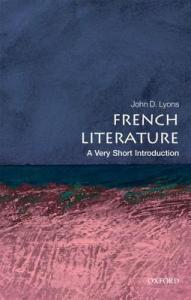
French Literature, a Very Short Introduction, by John D. Lyons, #1

Lisa Hill's avatarANZ LitLovers LitBlog

french-literature-a-very-short-introductionJohn D. Lyons is the professor behind the Cambridge Companion to French Literature and I bet he spent long hours deciding how to whittle that tome down to 132 pages for this French Literature, a Very Short Introduction for the Oxford University Press VSI series.  Since I picked this up from my stash of VSIs at this time because I was interested in Maupassant (my review of Like Death is coming shortly), I went straight to the index, but woe! Zola and Balzac are there, but not Maupassant.  Bother! I was hoping to have erudite things to share about his place in French Literature…

That brief disappointment aside, this VSI is most illuminating.  The Introduction made me realise that I have a limited view of what French Lit is.  I thought of it as novels and poetry coming from the geographical borders of France, with a proud history of 19th century authors like Zola, Balzac…

View original post 868 more words