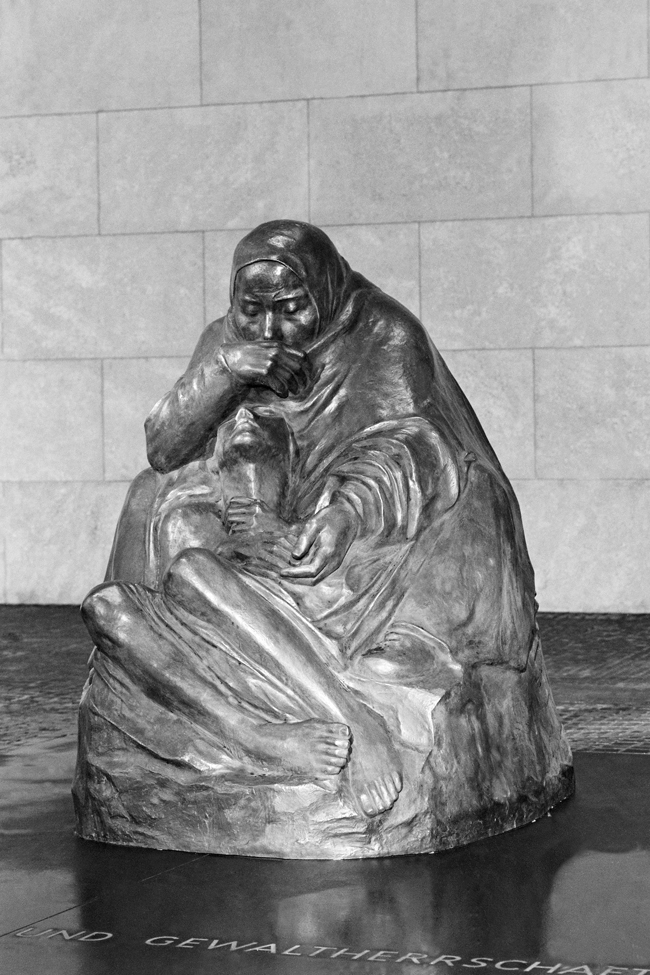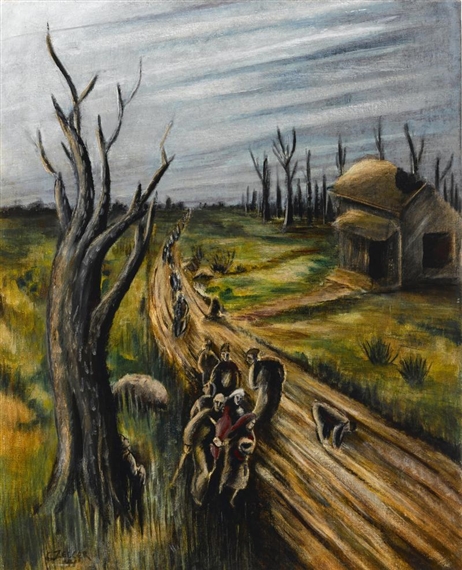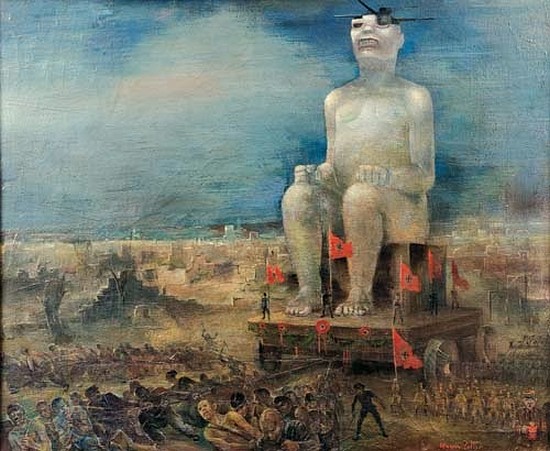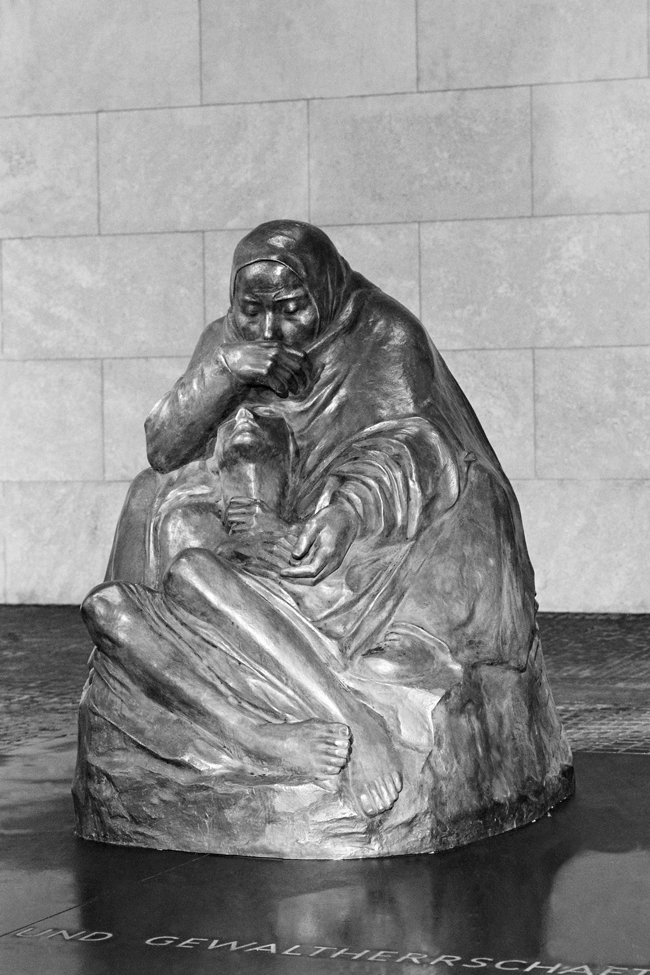
The whole setting of this statue and the work itself is deeply moving.
KREUZBERGED - BERLIN COMPANION
View original post 506 more words
The whole setting of this statue and the work itself is deeply moving.
KREUZBERGED - BERLIN COMPANION
View original post 506 more words
Was meinst Gluten bitte? Schone Posting!
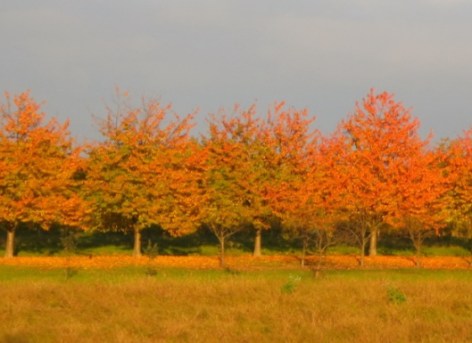
Foto: ©Constanze
~ Bewegter November ~
Trag dein Feuer bis zum Himmel, trag,
bald schon dämmert dir ein lichter Tag,
wie ein Baum im Herbst verschwende
blattgleich Gluten ohne Ende;
lebe, leb, fang stets von Neuem an,
jedem Augenblick gib seinen Klang,
fühl den Wind in Wipfeln, Zweigen schwingen,
geht durch alles, lässt es zitternd singen,
leis verklingen…kalt, hinab
Blatt um Blatt ins Erdengrab!
©Constanze
Great photos!
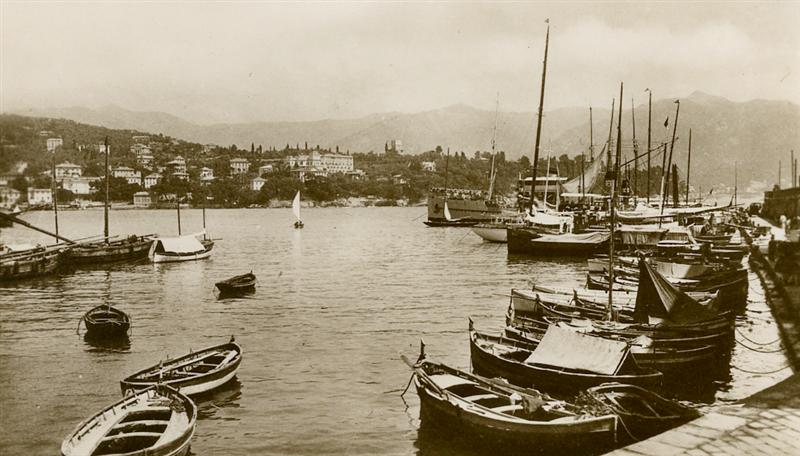
santa margherita ligure, genova, liguria, italy
original black & white print 6×9 cm
pre-scan 800×600 pixel
not edited …
more old photos on our web site – http://orbis-pictus.photo/
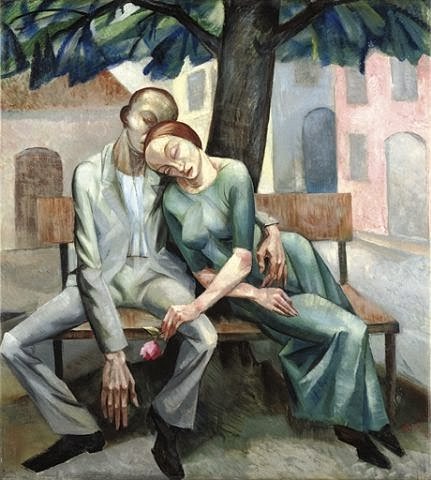
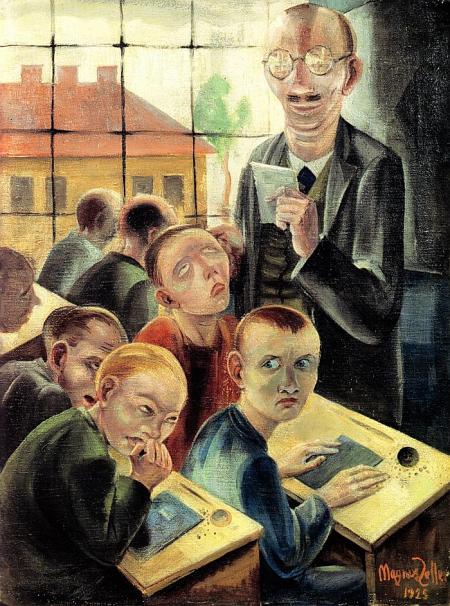
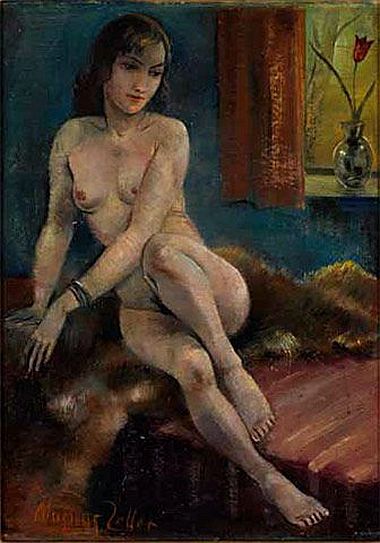
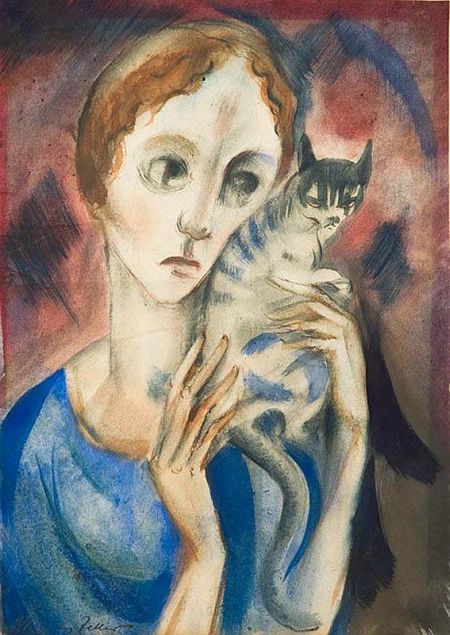
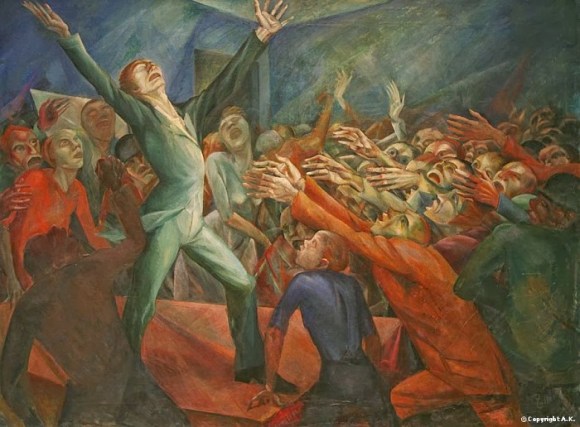
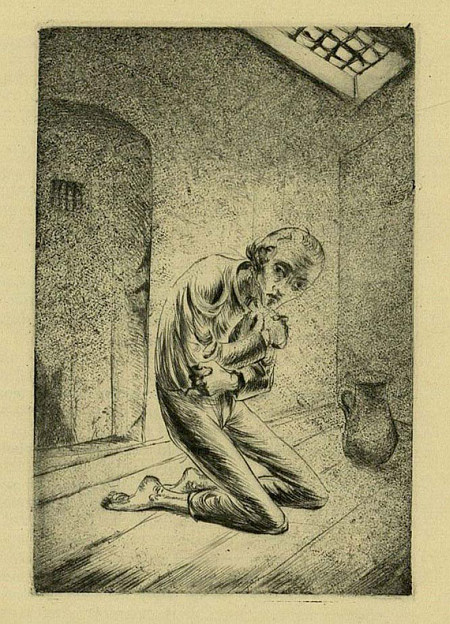
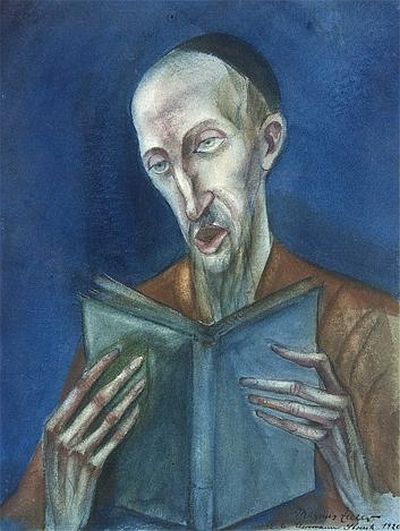
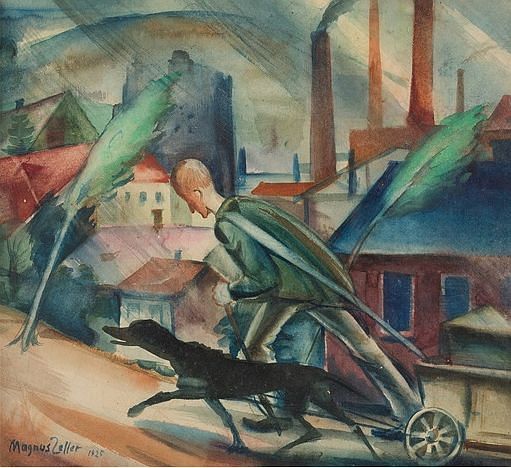
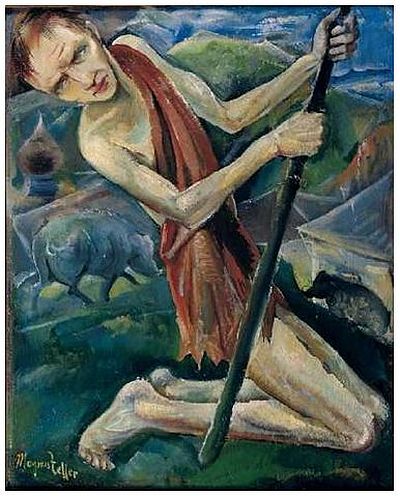
Fascinating work-have just looked him up at https://de.wikipedia.org/wiki/Magnus_Zeller
Goes well with the Fruhstuck at the Backerei!
KREUZBERGED - BERLIN COMPANION
Trust the “Berliner Morgenpost” to make your day: whether a chance reader or a subscriber; whether you prefer their paper edition (which finds its way into our mailbox each morning) or enjoy it online, this is – next to the “Tagesspiegel” – THE Berlin paper. And both dailies are famous for sharing pretty much incredible collections of Berlin images.
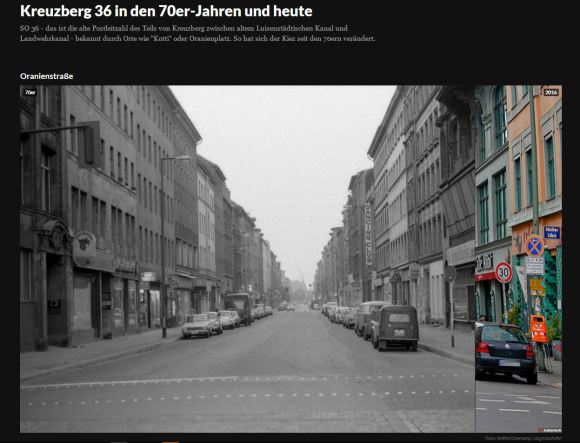
Here´s the latest batch of the said pictures: Berlin-Kreuzberg in the 1970s and today. Hard to believe, perhaps, but even Kotti was once a quiet and peaceful place. The question is, was it better?;)
Enjoy it!
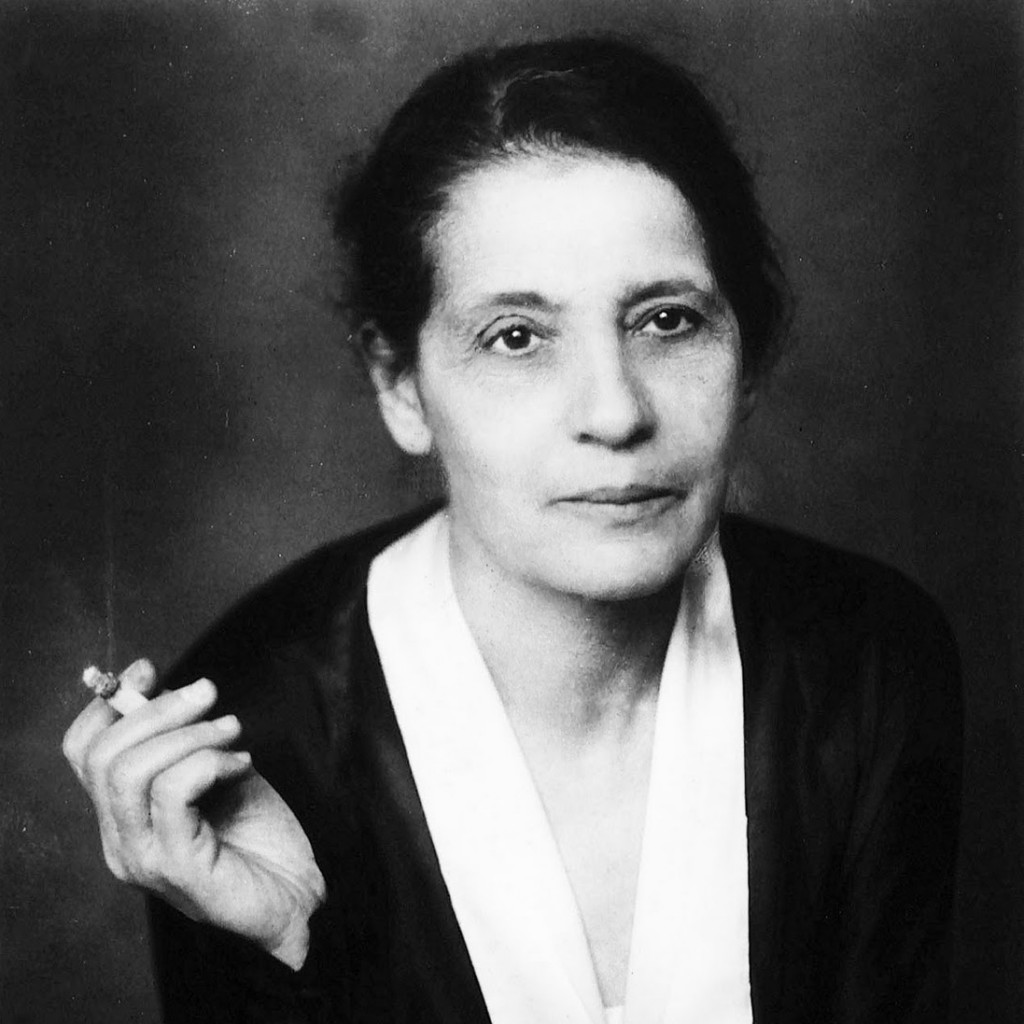
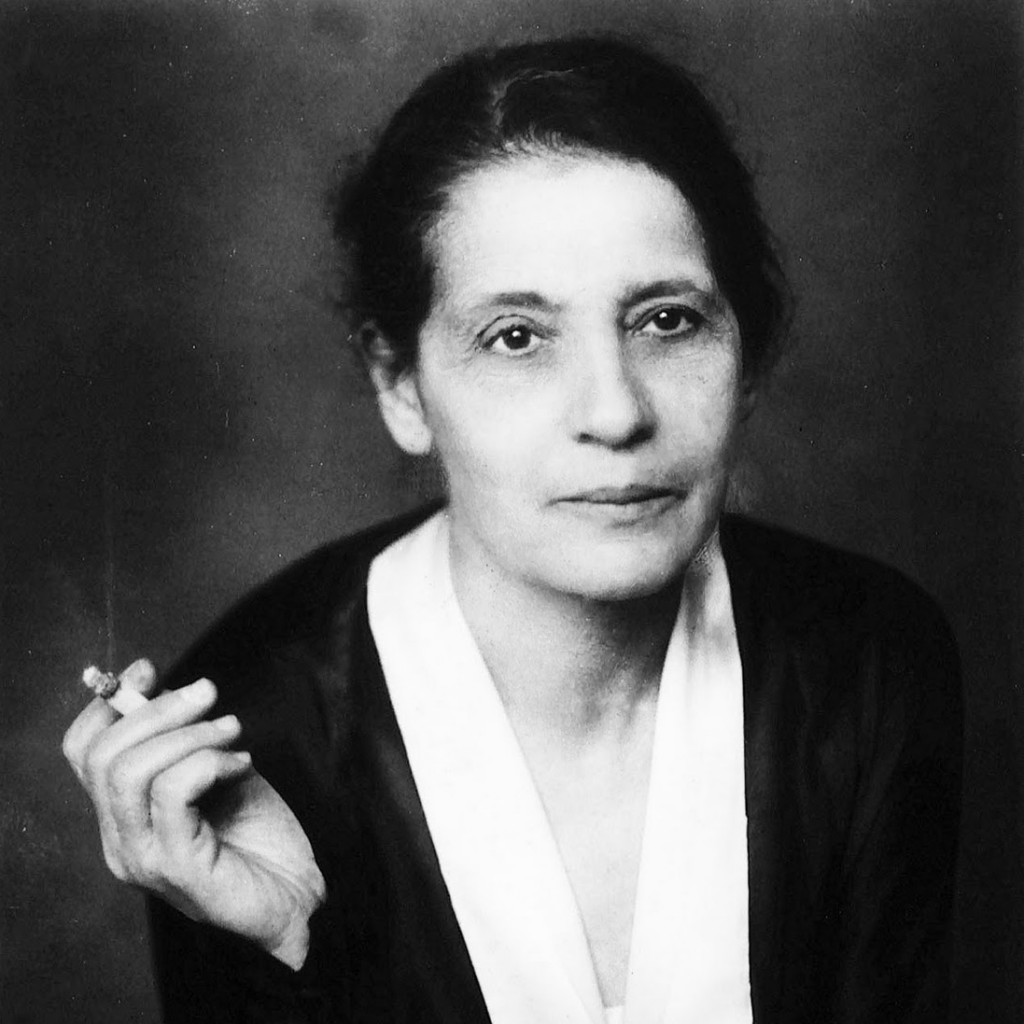
A clever and brave woman!
This months scientist is recognised for the discovery of nuclear fission although never officially. She was also the first female professor at the university of Berlin. This outstanding scientist is of course:
Miss Lise Meitner
Born: 7, November, 1878 – Austria
Died: 27, October, 1968 – Cambridge, UK.
Noted for: Discovery of nuclear fission.
Why scientist of the month?
In 1901, Meitner enrolled at the University of Vienna (they finally let women in in 1899) and studied physics under the renowned Ludwig Boltzmann. She received a doctorate in physics in 1906, the second woman to do so. She sent a letter to Curie to see if she could work with her in Paris but there was no room. So she then went to Berlin to study under Otto Hahn and Max Planck in 1907. Meitner worked very closely with Hahn for nearly thirty years at the Kaiser Wilhelm Institute for Chemistry…
View original post 154 more words
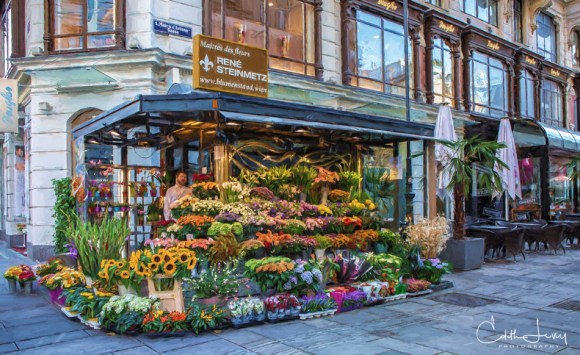
Flowers in the middle of a city are evocative!
I used Topaz Impression to create this image, it’s one of my favourite Topaz plug-ins. Starting with the base image I sampled different pre-sets before settling on the one that closely matched my vision and then I started adjusting the brush strokes, amount of paint, blending mode, etc.
Click on the image to enlarge (it really does look better) or to Purchase a Print.
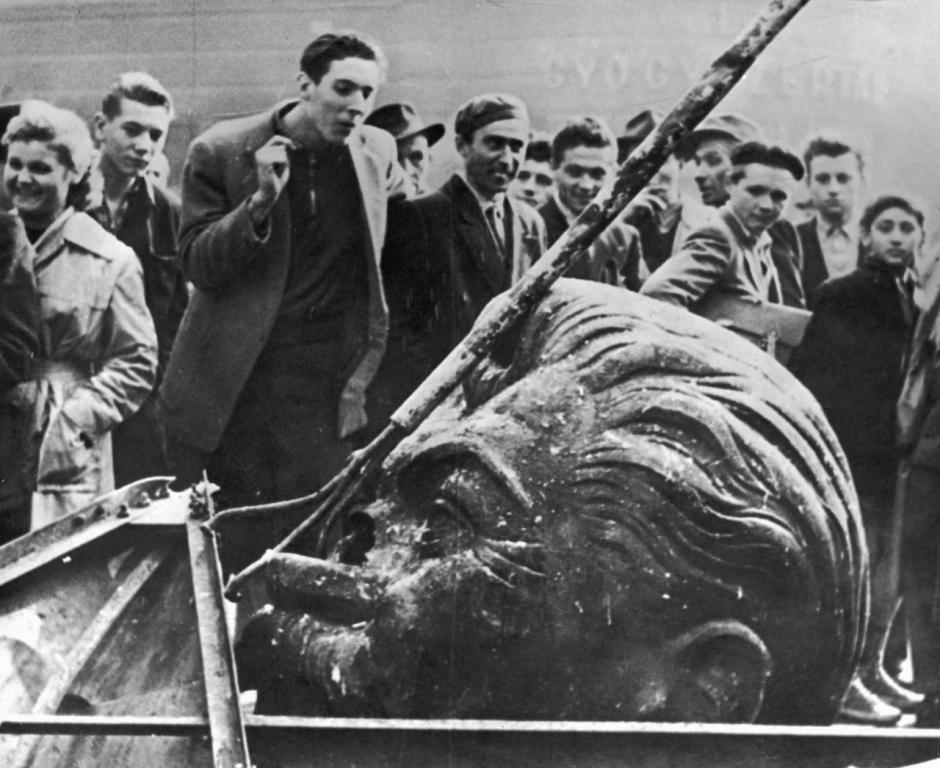
Not so far back in the collective memory!
On October 23, a large group of unarmed students gathered outside the Budapest radio station and demanded that their 17-point programme of democratic demands be broadcast. After the police opened fire the government dominated by Erno Gero, a Kremlin stooge, called on the Soviet leadership to send in troops.
On October 24, Russian tanks and artillery fired on demonstrators in Budapest killing and wounding hundreds of men, women and children. It was this which sparked the armed resistance.
This response was published in November 1956 by the the British “orthodox” Trotskyists. The fact that in all likelihood it was written by the proven political gangster, thug and rapist Gerry Healy does not detract from its value, or from the essential truths it contains (in the face of persisting Stalinist lies about the uprising being “fascist”). The “orthodox” Trotskyist view of the world is reflected in the article’s repeated and excessive insistence upon denouncing “world imperialism and its agents” and warning against…
View original post 5,046 more words
I have visited Berlin quite recently and find there is always masses more to explore. Your posting also shows some things I enjoyed and some things I evidently missed. Thanks
I had to admit I had great expectations of Berlin before arriving, which is unusual for me. More generally my attitude to life (while positive) aligns to that of the insightful German political theorist Hannah Arendt who noted that she lived by the following mantra
‘prepare for the worst; expect the best; and take what comes’.
So I packed a chunky parka alongside my favourite over-sized scarf for protection against inclement weather and stepped off the S-Bhan ready for what Berlin had to offer. I am glad to report that it didn’t disappoint. I have always had a soft spot for Germans and since heading to Hamburg last year have grown to greatly admire their culture and attitude.
I stayed with my friend,who has been to Berlin many times and is currently residing there for a few months. She cast a careful eye over my itinerary that was hastily scribbled…
View original post 1,474 more words
I have read and seen pictures of this in Jason Lutes’s Graphic Novel “Berlin Steinerne Stadt”. There is also a great description of Potsdamer Platz where Ludwig Kirschner painted in Florian Illes great read “1913”.
KREUZBERGED - BERLIN COMPANION
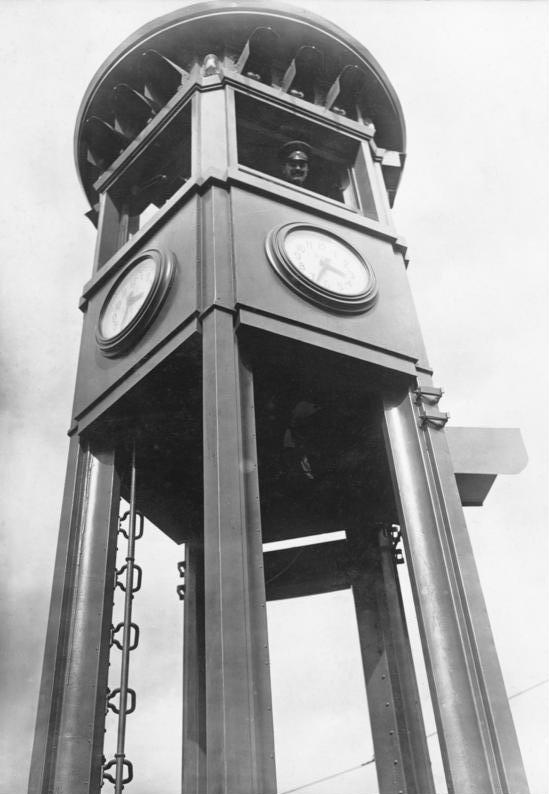
The persistent rumour that the traffic light in Potsdamer Platz was the first such light in the world (or at least in Europe) is as unrelenting as it is incorrect. Despite what the guidebooks or travel pages may tell you, the light installed at the top of the original, over 10-metre tall traffic tower constructed on Potsdamer Platz on the night of October 20, 1924, was neither the first traffic light in Europe nor even in Germany.
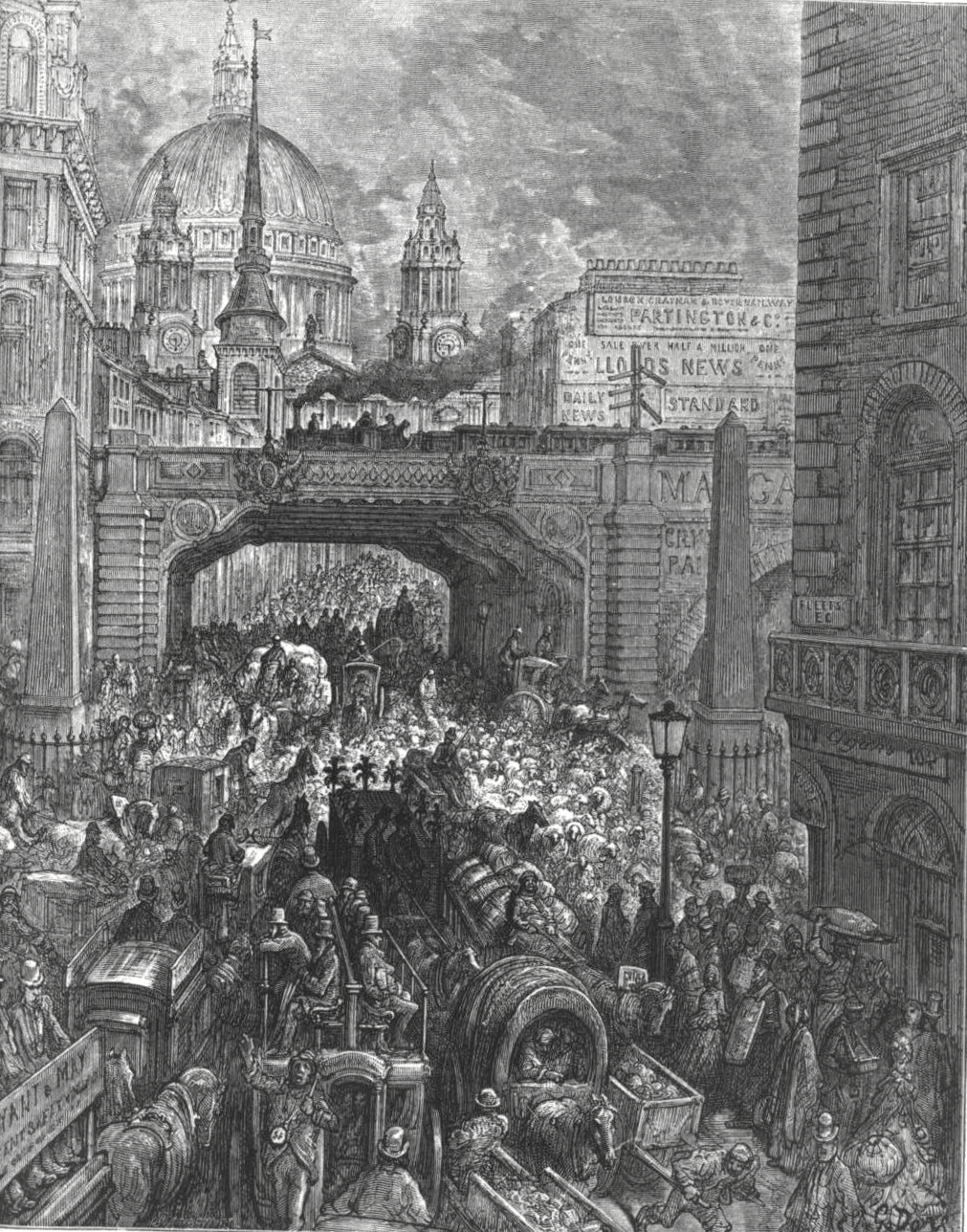
Traffic in London at Ludgate Hill in 1872 (by Gustav Doree).
A gas traffic light designed by John Peake Knight, a railway engineer from Nottingham, appeared in London’s Westminster as early as 1868 (although the first tests go back to 1866); this light, meant to help contain the chaos that the area around the Westminster Bridge had become, had, however, the unfortunate tendency to explode, causing even more chaos on the roads and…
View original post 420 more words