Categories
Uncategorized

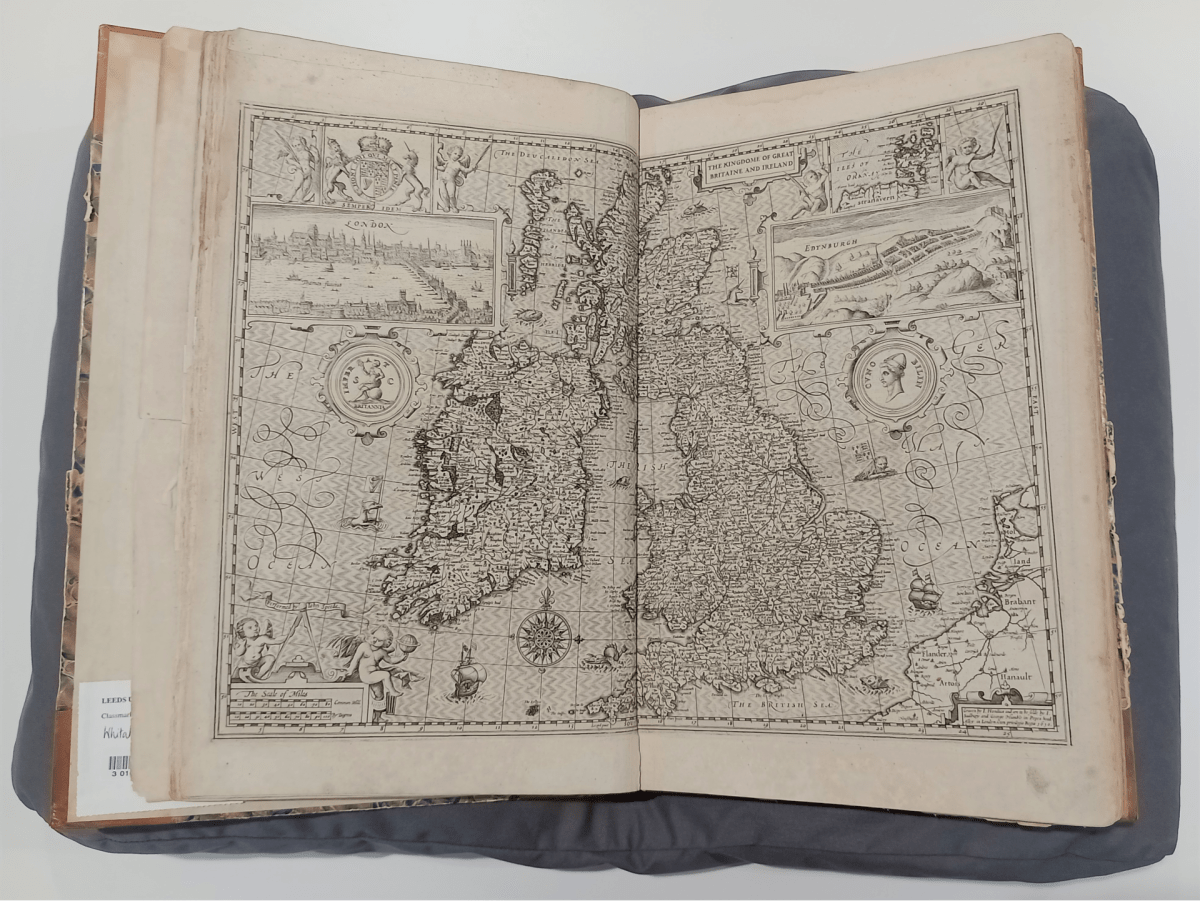
Mapping Out Jacobean Britain: John Speed’s ‘The Theatre of the Empire of Great Britain’

Interesting how the theatre becomes a metaphor for the political domain. Superb images here!

karenasayers's avatarLeeds University Libraries Blog

In a two part post Joseph Massey, Team Assistant, explores how the concept of ‘Great Britain’ hugely intrigued Jacobean cartographers, historians, poets and playwrights.

When James VI, King of Scots, ascended to the English throne as James I, his succession resulted in the Union of the Crowns as England and Scotland now shared a monarch. However, they remained independent kingdoms because the English and Scottish parliaments refused to legislate a formal union. Despite this on 20 October 1604, James declared himself ‘King of Great Britain’—though in reality England and Scotland remained separate countries until 1707.
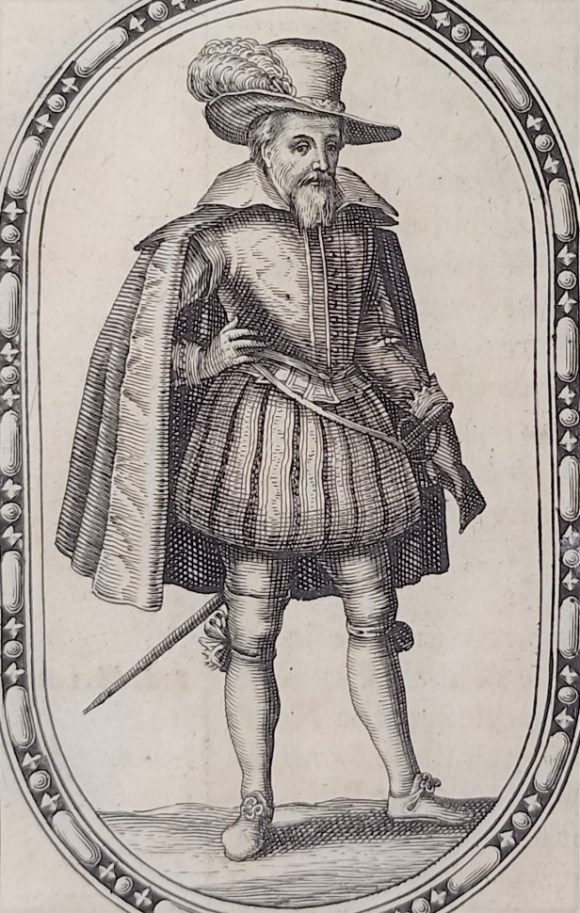
black and white drawing of James VI & I of England and Scotland standing
James VI & I as shown on the map of Scotland in Speed’s ‘The Theatre of the Empire of Great Britain’ (1611-1612). Whitaker Collection 9 Fol., Image credit Leeds University Library.

Many people asked what was Great Britain? What did it mean to be British? Had Great Britain already existed in the distant…

View original post 614 more words
Categories
Uncategorized

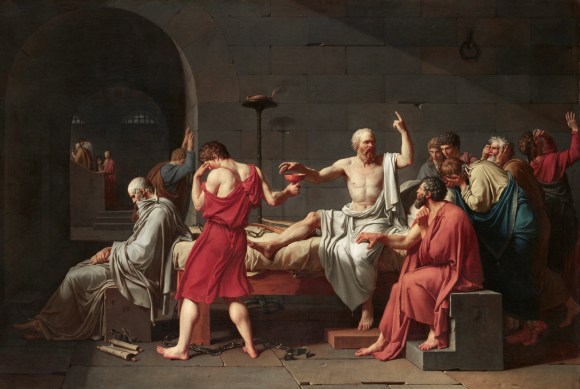
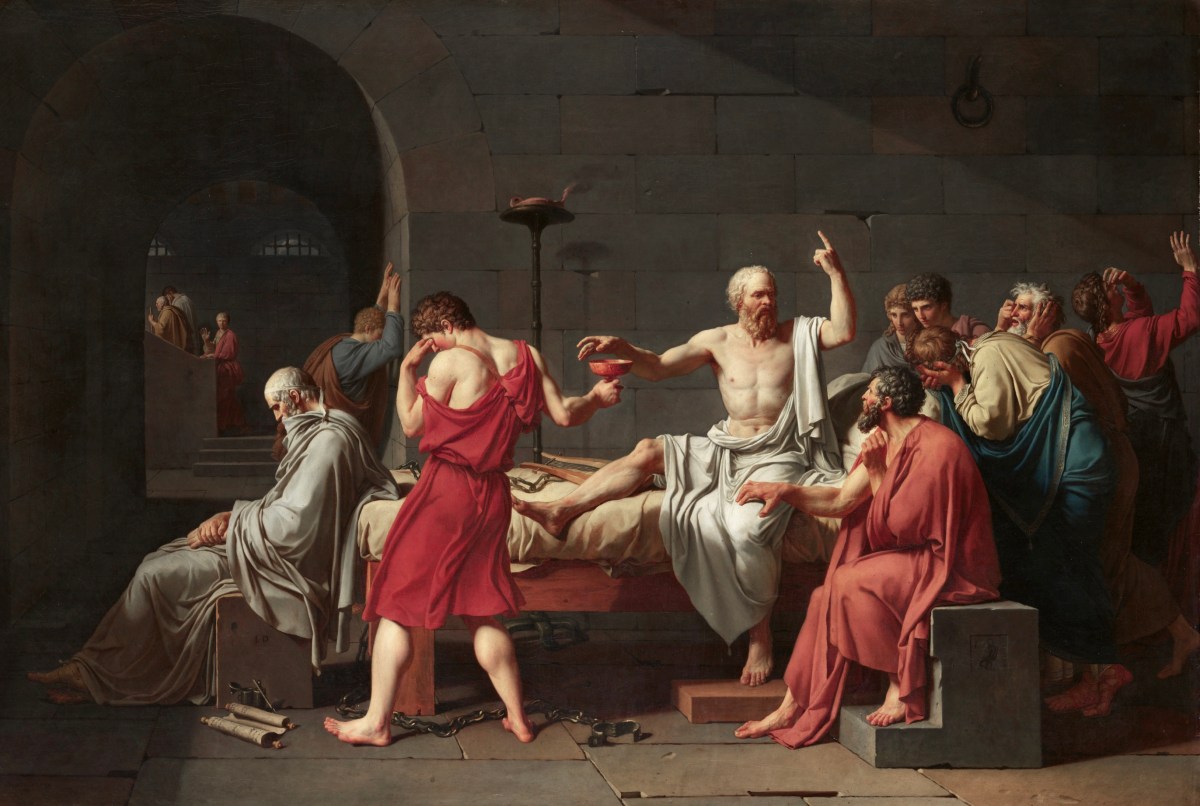
Jacques-Louis David: The Death of Socrates, Part I

At Sunnyside - Where Truth and Beauty Meet's avatarAt Sunnyside - Where Truth and Beauty Meet

Jacques-Louis David, The Death of Socrates (1787), Oil on canvas, 129.5 × 196.2 cm (51.0 × 77.2 in). Metropolitan Museum of Art, New York

“In this landmark of Neoclassical painting from the years immediately preceding the French Revolution, David took up a classical story of resisting unjust authority in a sparse, frieze-like composition. The Greek philosopher Socrates (469–399 B.C.) was convicted of impiety by the Athenian courts; rather than renounce his beliefs, he died willingly, discoursing on the immortality of the soul before drinking poisonous hemlock.”

READ MORE: Metropolitan Museum of Art

Jacques-Louis David, The Death of Socrates by Dr. Beth Harris and Dr. Steven Zucker

See More

This work at The Metropolitan Museum of Art

High Resolution Images:

Dr. Beth Harris and Dr. Steven Zucker, “Jacques-Louis David, The Death of Socrates,” in Smarthistory, October 26, 2022, accessed January 30, 2023, https://smarthistory.org/jacques-louis-david-the-death-of-socrates/.

Read More

Jacques-Louis David at…

View original post 12 more words

Categories
Uncategorized

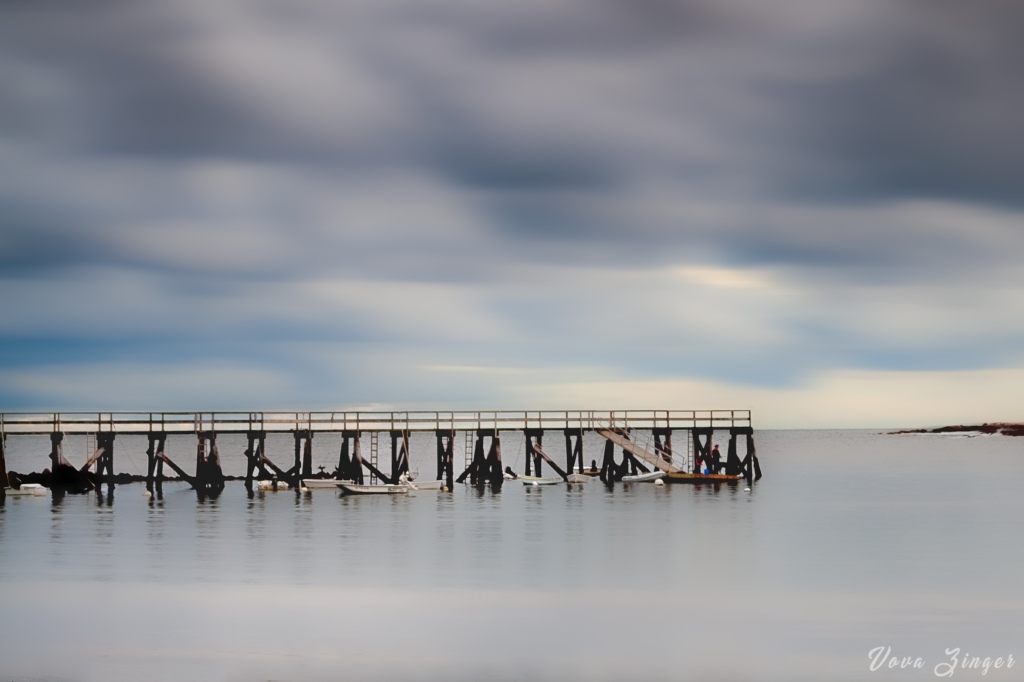
Pier

Categories
Uncategorized

Dame Mitsuko Uchida: Mozart Sonatas

Amazing!

At Sunnyside - Where Truth and Beauty Meet's avatarAt Sunnyside - Where Truth and Beauty Meet

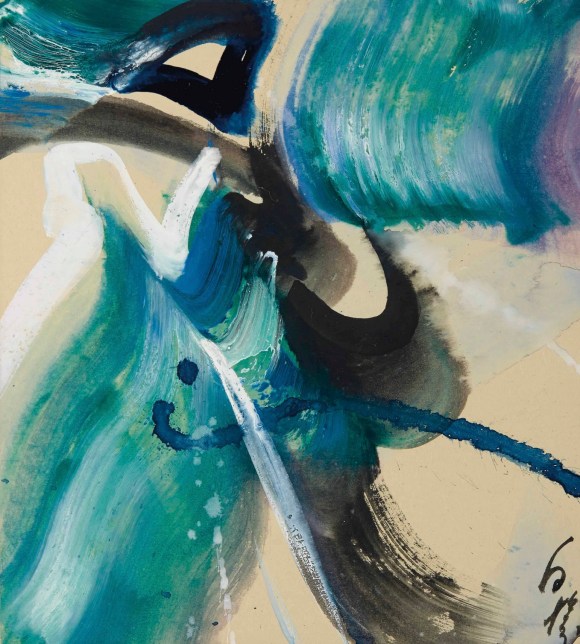
KAZUO SHIRAGA (1924-2008), Emerald, signé en japonais (en bas à droite); inscrit en japonais et porte un cachet (au dos) encre, aquarelle et gouache sur carton, 27 x 24 cm. (10 5/8 x 9½ in.), Image Source: Christie’s

Hat Tip

Many thanks to Friedrich Zettl for introducing me to this video in his post Project in the home straight – almost.

Thanks for Visiting 🙂

~Sunnyside

View original post

Categories
Uncategorized

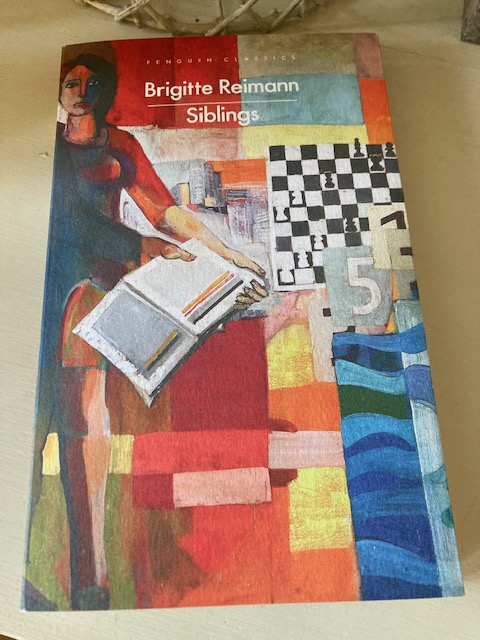
Siblings by Brigitte Reimann (tr. Lucy Jones)

Sounds a really interesting read and still highly relevant to understanding German attitudes today.

JacquiWine's avatarJacquiWine's Journal

Described by the publishers as ‘a ground-breaking classic of post-war German literature’, Siblings is the first of Brigitte Reimann’s novels to be translated into English, and what an interesting rediscovery it is – bold, edgy and evocative with a style all of its own! Originally published in Germany in 1963, the novel is narrated by Elisabeth Arendt, a young, idealistic painter whose steadfast beliefs in the possibility of building an egalitarian socialist future in the GDR bring her into conflict with her beloved older brother, Uli, a disillusioned engineer.

Set in 1960, before the construction of the Berlin Wall, the novel is bookended by snippets from the same conservation between the siblings, giving the narrative a circular feel. While Elisabeth is determined to fashion a fulfilling life for herself in the East, Uli feels constrained by the Party structures and ways of working, fuelling his desire to defect to the…

View original post 841 more words

Categories
Uncategorized

Vivaldi: Concerto for Two Violins and Two Cellos in D Major, RV 564

Enchanting!!

At Sunnyside - Where Truth and Beauty Meet's avatarAt Sunnyside - Where Truth and Beauty Meet

FREDERICK CARL FRIESEKE (1874-1939), The Parrots, signed ‘F.C. Frieseke-‘ (lower right), oil on canvas, 63 ½ x 51 in. (161.3 x 129.5 cm.), Painted circa 1910, Image Source: Christie’s

Voices of Music, Soloists: Kati Kyme, YuEun Kim, William Skeen & Elisabeth Reed.

Hear More

Voices of Music website

Read More

Frederick Carl Frieseke at wikiwand

See More

Frederick Carl Frieseke At Sunnyside

Frederick Carl Frieseke at Google Arts and Culture

Thanks for Visiting 🙂

~Sunnyside

View original post

Categories
Uncategorized

Film review: Pilgrims (Lithuania, 2021)

Interestingly paradoxical line; connection with buried trauma. Surely detachment is at a distance to trauma? The Lincolnshire image, with which you conclude sounds like an echo of Sebald in this context.

imogen's avatarImogen is Reading and Watching the World: On Books, Film, Art & More

I’m circling back to writing up the last of the Lithuania-related cultural events that I experienced last year, with a Lithuanian psychological thriller that I saw in October at the second London Baltic Film Festival, held at Riverside Studios. I could have watched several Baltic movies over the course of a weekend, but in the end only made it to only the one screening, which was followed by a Q&A with writer and director Laurynas Bareiša.

Pilgrims (Pilgrimai) is a gritty 92-minute film, which was screened in Lithuanian with English subtitles. It was shot during lockdown on a low budget, in and around a B&B that is featured in the film, and was selected to represent Lithuania in the Best International Feature Film category at the 2023 Oscars. It won the Orrizonti award for Best Film at the Venice Biennale in 2021.

The movie focuses on Paulius and…

View original post 251 more words

Categories
Uncategorized

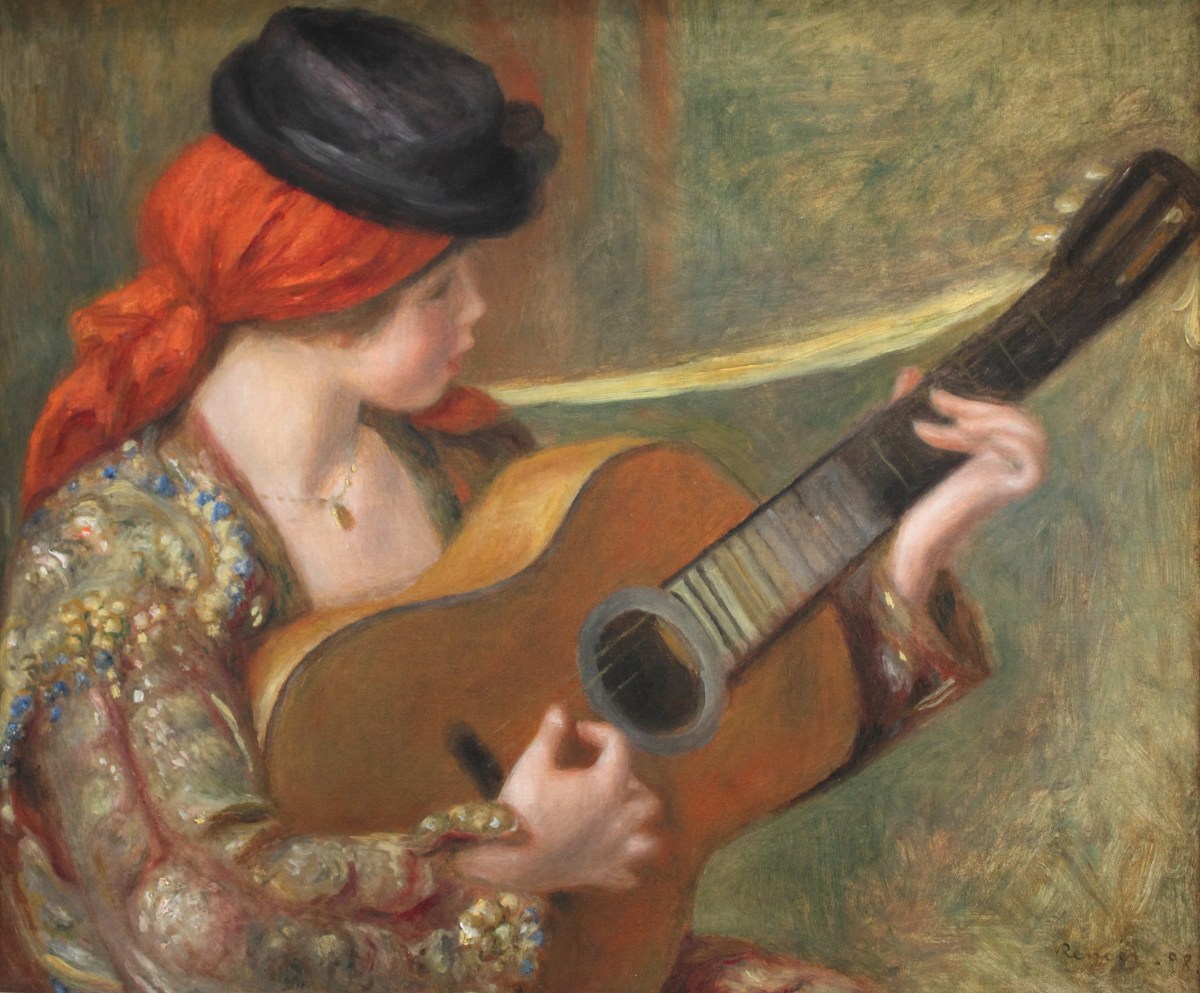
Pierre-Auguste Renoir: Young Spanish Woman with a Guitar (1898)

At Sunnyside - Where Truth and Beauty Meet's avatarAt Sunnyside - Where Truth and Beauty Meet

Pierre-Auguste Renoir, Young Spanish Woman with a Guitar, 1898, oil on canvas, National Gallery of Art (U.S.), Image source: Wikimedia

“…the best pieces from Spanish composers. Music written or transcribed for guitar by composers such as Tárrega, Albéniz, Sainz de la Maza, Sanz and Mompou.”

See More

Tag: Pierre-Auguste Renoir At Sunnyside

Renoir at Musee d’Orsay

Thanks for Visiting 🙂

~Sunnyside

View original post

Categories
Uncategorized

Blue Hills (1950), by Gwen Meredith

Lisa Hill's avatarANZ LitLovers LitBlog

For those of us whose childhood featured radio rather than TV, nostalgic memories of favourite programs are of children’s programs.  (The family lore is that I was named at my sister’s command after a character from Listen with Mother on the BBC.) But for adults, it was radio dramas.  In England there was The Archers, which is apparently still going, and here in Australia, there was Gwen Meredith’sBlue Hills. Blue Hills was broadcast from 1949 to 1976, but I never heard it. My parents were oblivious to popular culture. By the time I was old enough to choose my radio programs (and have my own ‘wireless’ in my bedroom!) I was listening to The Beatles…

Still, I seem always to have known about Blue Hills.  I can even hum its theme music because the introductory bars and the announcement (archived at the NFSA’s Australian Screen, listen here

View original post 1,154 more words

Categories
Uncategorized

Charles River at sunset