
A random survey of self-portraits created by women through the centuries
Catalan painter and illustrator Trinidad Sotos Bayarri (1927-2019)
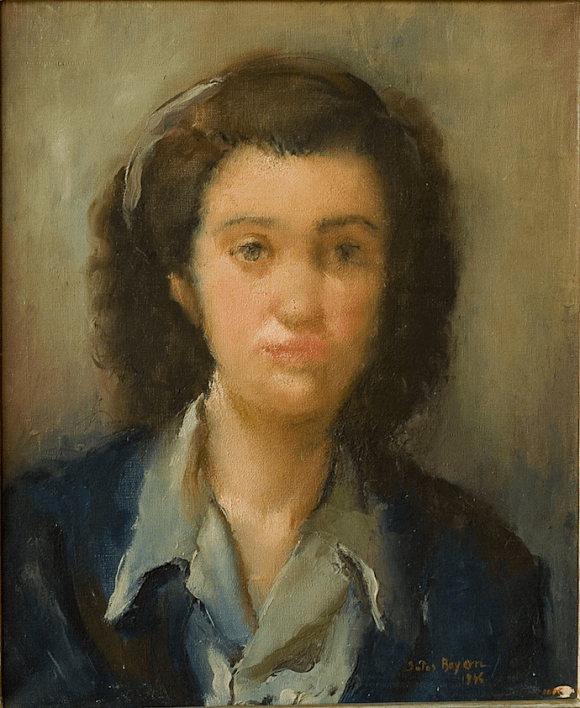
Self-portrait, 1946 / Oil on canvas / Sabadell Art Museum, Catalonia, Spain
Self-portrait, 1946 / Oil on canvas / Sabadell Art Museum, Catalonia, Spain
I am not here following the caretaker Prime Minister who has resigned but not. He appears to live in some sort of borderland theatre which has become boring beyond belief; I am referring to Boris Drayluk’s collection of poems My Holywood published by Paul Dry Books. I have just finished Jonathan Coe’s Mr Wilder and Me and am currently reading Nicholson Baker’s The Anthologist which seem to form a suitable background on which to project Drayluk’s moving collection.
His collection begins with a mixture of recollection and nostalgia-
This much is clear :the good old days have passed
Some giant fig trees, a few pygmy palms
deep broken shade on disenfranchised grass;
This magnificent collection by the Editor-in-Chief of the Los Angeles Review of Books has many lovely poems. Dralyuk has a stirring feeling for the dilapidated landscape of Los Angeles and a wide understanding of the hinterland of European Culture. He is a skilled translator and his poems have a deep moving quality appropriately relieved by wit and humour. Here is one short example-
OLD FLAME
Above the tongue-tip is an air so blue
I can compare it only to how you
who once consumed me in a yellow heat,
now scarcely singe me when we meet.
Dralyuk writes of loss and passing time and of memory under the condition of exile. I particularly enjoyed Stravinsky at the Farmer’s Market; here are two stanzas.
Christopher Isherwood is a disciple, slipping
off to the Viertals on the weekends far from Swami,
swimming naked. In Brentwood, Schoenburg lobs grapefruits
and insults at Feuchtwanger’s wife.
Herr Doktor Faustus, exile is no bargin.
You move von heute auf morgen.
Stravinsky lunches at the Farmer’s Market.
The Firebird is plucked, Petrushka’s henpecked.
Here there are layers of sorrow portrayed in a dream-like landscape. Here is a photograph of the poet and a YouTube interview on this collection.

Warum ist die gesperrte Schrift, wie man sie aus den Texten Nietzsches und Karl Kraus’, oder aus älteren, getippten Doktorarbeiten kennt, aus dem Schriftbild vollkommen verschwunden? Es ist ja nicht so, dass diese Zeitalter keine Kursive gekannt hätten. Wenn zum Beispiel in einer anderen Sprache zitiert wurde, kam sie zur Geltung. Verzichtet wurde in den letzten Jahrzehnten also auf eine bestimmte Form der schriftlichen Ausdrucks, wohl um eines einheitlichen Satzspiegels willen.
Daran, dass der Satzspiegel dadurch einheitlicher wurde, kann es auch keine Zweifel geben. Zu fragen ist also, was denn zuvor an der gesperrten Schrift so wichtig schien, dass man die Seite sich flecken ließ mit den hellen Stellen, an denen der Text fadenscheinig und gewissermaßen durchsichtig wurde auf das Blatt Papier, dass ihn trägt. Warum dieser offensichtlicher Verzicht auf die Schönheit der Seite?
Adorno hat einen schönen Text über Satzzeichen geschrieben. Seine Idee ist dabei, dass sie, die es…
View original post 359 more words
Sweet and lovely
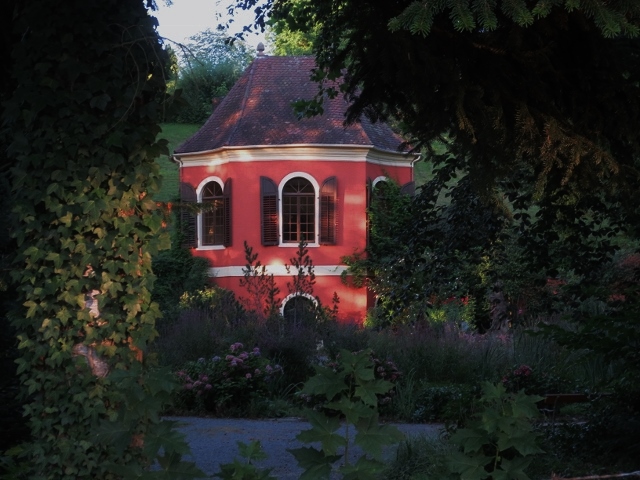 ©Constanze
🌿~Rendezvous mit dem Sommer~ 🌿
Erwarte dich im Park zur Dämmerstunde,
wenn seidensamt dein Atem mich umweht
und aus dem Dickicht der Gezweige geht
ein sanftes Rauschen, Flüstern in die Runde.
Auf jeder Blüte, über allem Grün
hast zärtlich süß Aromen du gebettet
und warme Zunder in die Nacht gerettet
vom letzten Funken eines Tags voll Glühn.
Von Blatt zu Blatt bezeichne mir dein Herz,
schick Schmetterlinge tanzend himmelwärts,
lass Mücklein spielen, Vögel singen Lieder
und ewig auch in mir – du hast mich wieder!
©Constanze
Steps down to the sea-reminds me of Bethesda Hill!!

Was ist ein kunstseidenes Mädchen? Aus welcher Perspektive wird erzählt? Wie urteilte die Kritik?
View original post 744 more words


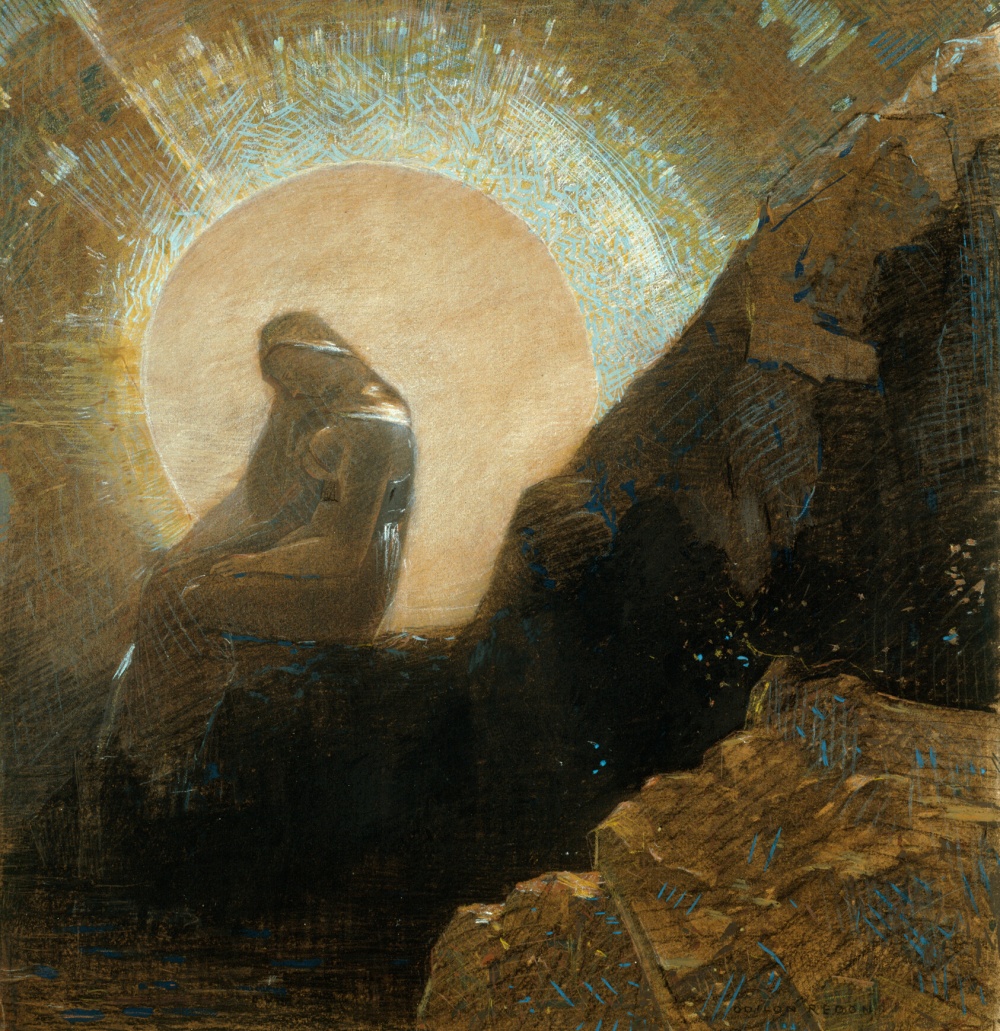
TRANSLATION:
Fly away, evil days
of my life, fly away!
Constant suffering has left me
less than half alive.
Bitters and affliction
have been my drink and daily bread.
My time has been spent in groans,
signs and wringing my hands.
~Sunnyside
The famous and redoubtable Annie!!
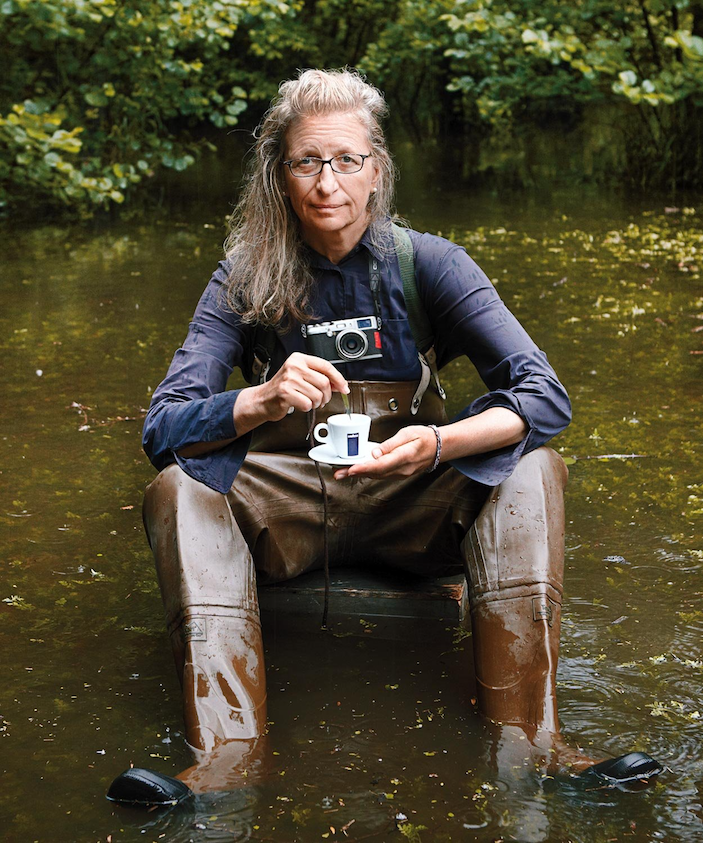
Self-portrait, 2011 / Photograph / “September”, 2012 Lavazza Calendar
I have been meaning to read this book which has been generally given positive reviews. I agree with “It’s a bizarre, looking-glass world that makes perfect sense when seen only from within, exactly like our own, if you just stop to think about it.” So true in the U.K. with politics like a play by Beckett or Ionesco!
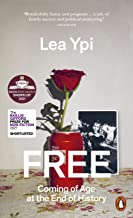 I have a rather strange relationship with Albania, and I have never been there. Some forty or more years ago, during the days of would-be socialist nations, I discovered the nightly English propaganda broadcasts on Radio Tirana, which were preceded by the strident call-sign With Pickaxe and Rifle, and always ended with the words, “Goodbye, dear listeners!” followed by a rousing version of the Internationale. The broadcasts were so over-the-top that they caused much amusement. And there was the Albanian Shop, purveyors of propaganda and the party daily from a basement shop in a Covent Garden back street. Then I discovered the astonishing novels of the only Albanian novelist I’m aware of, Ismail Kadare. You will find reviews of some in these pages, if you care to look.
I think I’ve also read some travel writing about the country. So this book, about growing…
View original post 536 more words
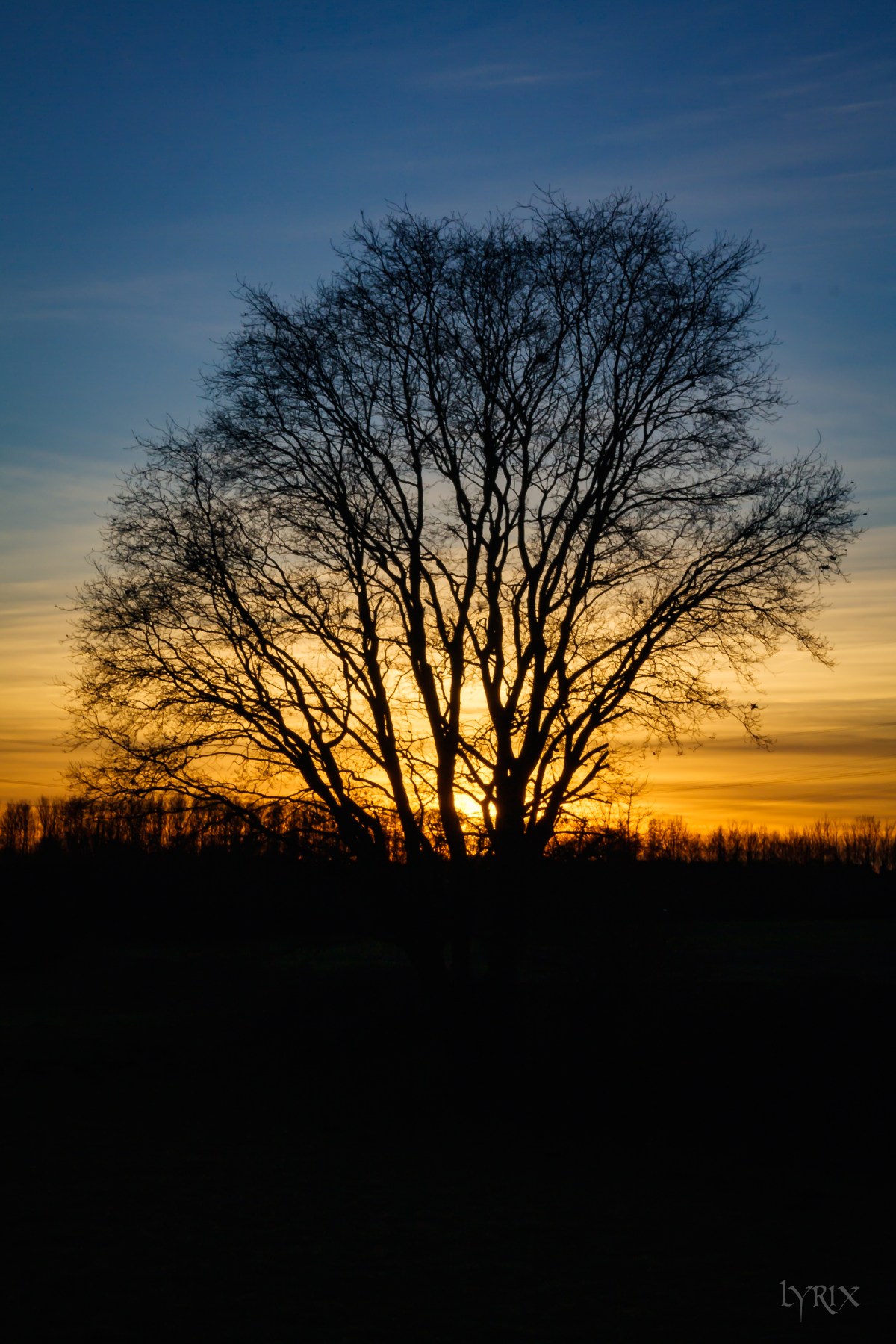
Picture by Lyrix, 2008
An old tree near my former home. I often watched the sun go down in the meadow where this tree stands. One day i threw a stick for my dog Tinka and unfortunately it ended up high in the trees branches. Faster than i was able to react, Tinka jumped on the tree, climbed up the branches and took her stick… in round about 8 or 9 metres height. Then she turned around, on a small branch that wasn’t thicker than my leg and ran down the tree, jumped the last 1-2 metres back on the ground, the stick in her muzzle. I nearly had a heart attack. My dog is totally crazy.


 penwithlit