Categories
Breaded cutlets and rowan gin sounds a delightfully formidable combination!

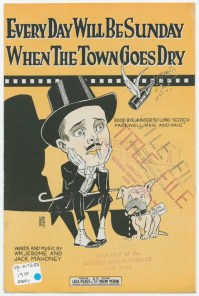
When our man Alexander Voloshin and his fellow émigrés, who had seen their share of suffering in the Old World, landed in the United States in the 1920s, they found much to celebrate — but one thing stuck in their craw. That something was prohibition and the Volstead Act, the puritanical law of the land, which wasn’t done away with until 1933. The émigrés had already had a taste of dry living. As I show in one of the first sections of 1917: Stories and Poems from the Russian Revolution, the Tsarist ban on the sale of alcohol during the Great War led to much frustration and, with the coming of the Revolution, to mass raids on cellars and warehouses where wine and vodka were stored. It also led to clever workarounds.
In the brief third chapter of the second part of his epic, On the Tracks and…
View original post 420 more words
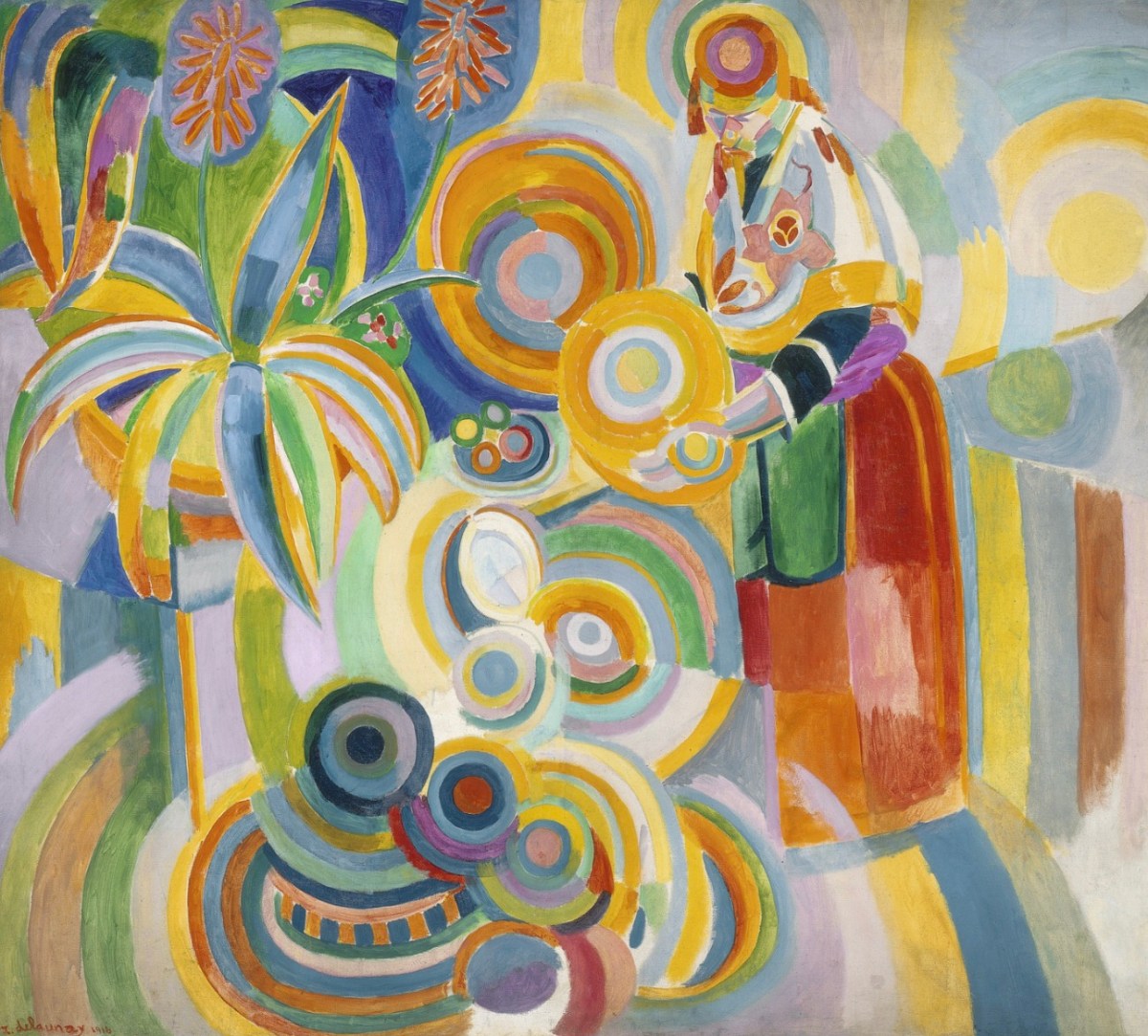

“The outbreak of the First World War found Robert and Sonia Delaunay vacationing in the Spanish resort of San Sebastián. After spending some time in Madrid, they lived from June 1915 to March 1916 in the Portuguese village of Vila do Conde, near Oporto. Both painters were fascinated by the warm, clear light of northern Portugal, which they captured in a series of paintings of country markets. Although Robert Delaunay had ventured into abstract art in 1912–13, unlike other painters, such as Kandinsky and Kupka, he never saw abstraction as an end in itself. Here, figurative and abstract elements merge to enhance the dynamic arrangement of colour. Delaunay maximised colour saturation by mixing oil with wax, a technique he abandoned after his stay in Portugal.”
READ FULL ESSAY: Tomàs Llorens…
View original post 36 more words
Categories
Discovering Levertov
I was thumbing through a copy of Contemporary American Poetry price six shillings, published 1962 that I borrowed from a friend at University. I couldn’t help noticing that there appeared to be only two woman poets in the collection by Donald Hall and of neither had I heard. At first perusal some of the poems by Denise Levertov seemed to be redolent of new perceptions of American springtime and then I read the blurb in the front-
DENISE LEVERTOV (b. 1923) comes from Ilford in Essex, England, and served as a nurse during the Second World War, when her poems were first published by Wrey Gardiner in London. She married an American and has lived in the United States since 1948. She published her first book, The Double Image, in England in 1946. Her American books are Here and Now (1957), Overland to the Islands (1958), With Eyes at the Back of our Heads (1960), and The Jacob’s Ladder (1961).

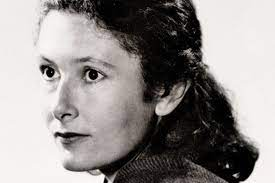
This delightful poem about origins and identities is immersed in beautiful place names both suburban and sylvan. Rivers run through it and there is the lovely image of the forlorn white statue standing in the old house garden. It is a reflection of childhood innocence and religious thoughts add to the majesty of the poetic voice. ( ” merciful Phillipa”, “multitudes” and “Simeon quiet evensong”) In the meeting and parting she brings together Belarus and Spain, the United States and Wales. It is about the expansion of the world as in the maps of a child’s imagination; the safety and containment of morning sunlight on garden walls.
Categories
Carlo Mannelli: Trio Sonatas Op.3
Artists: Ensemble Giardino di Delizie
Ewa Anna Augustynowicz, artistic director
See More
Read More
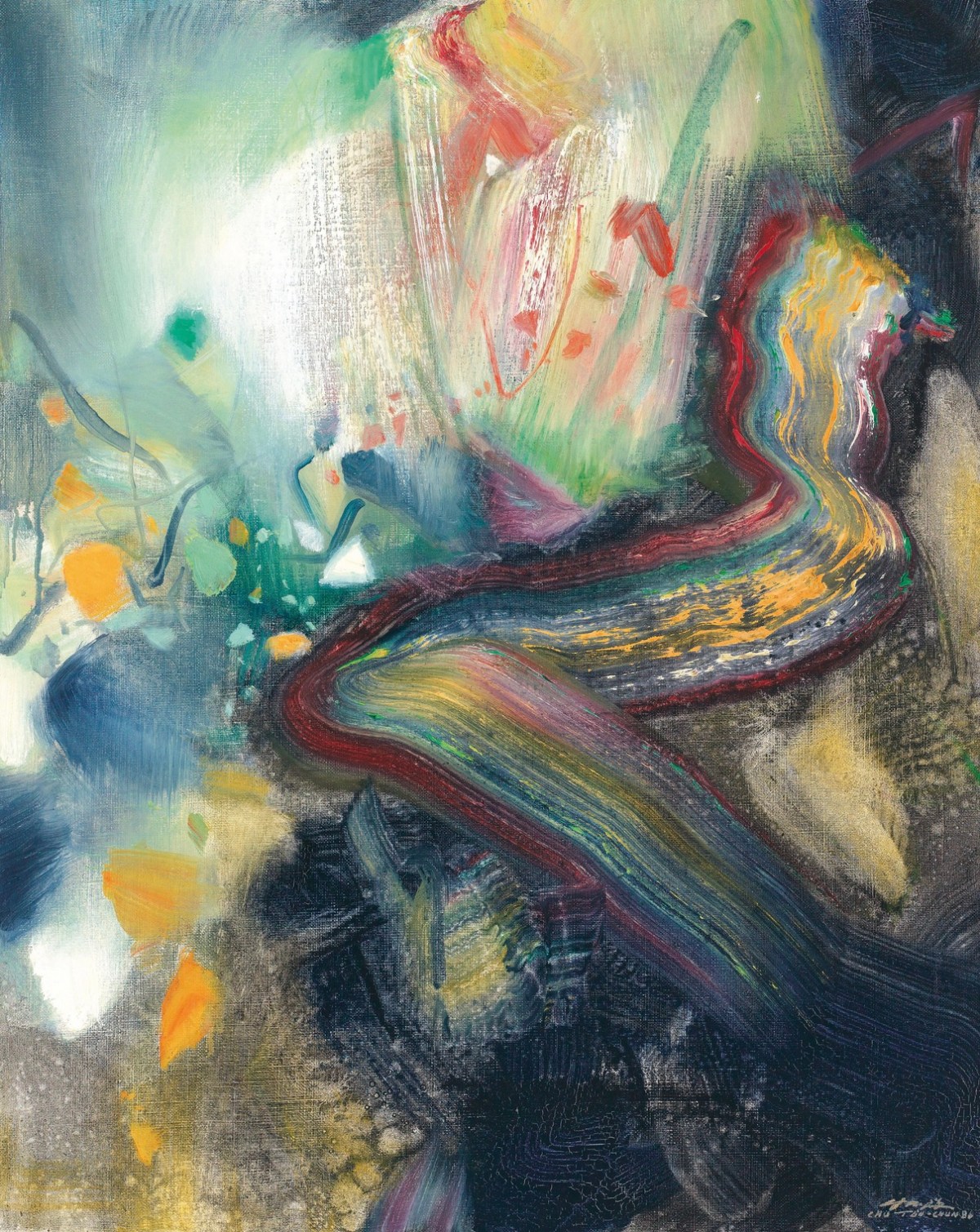
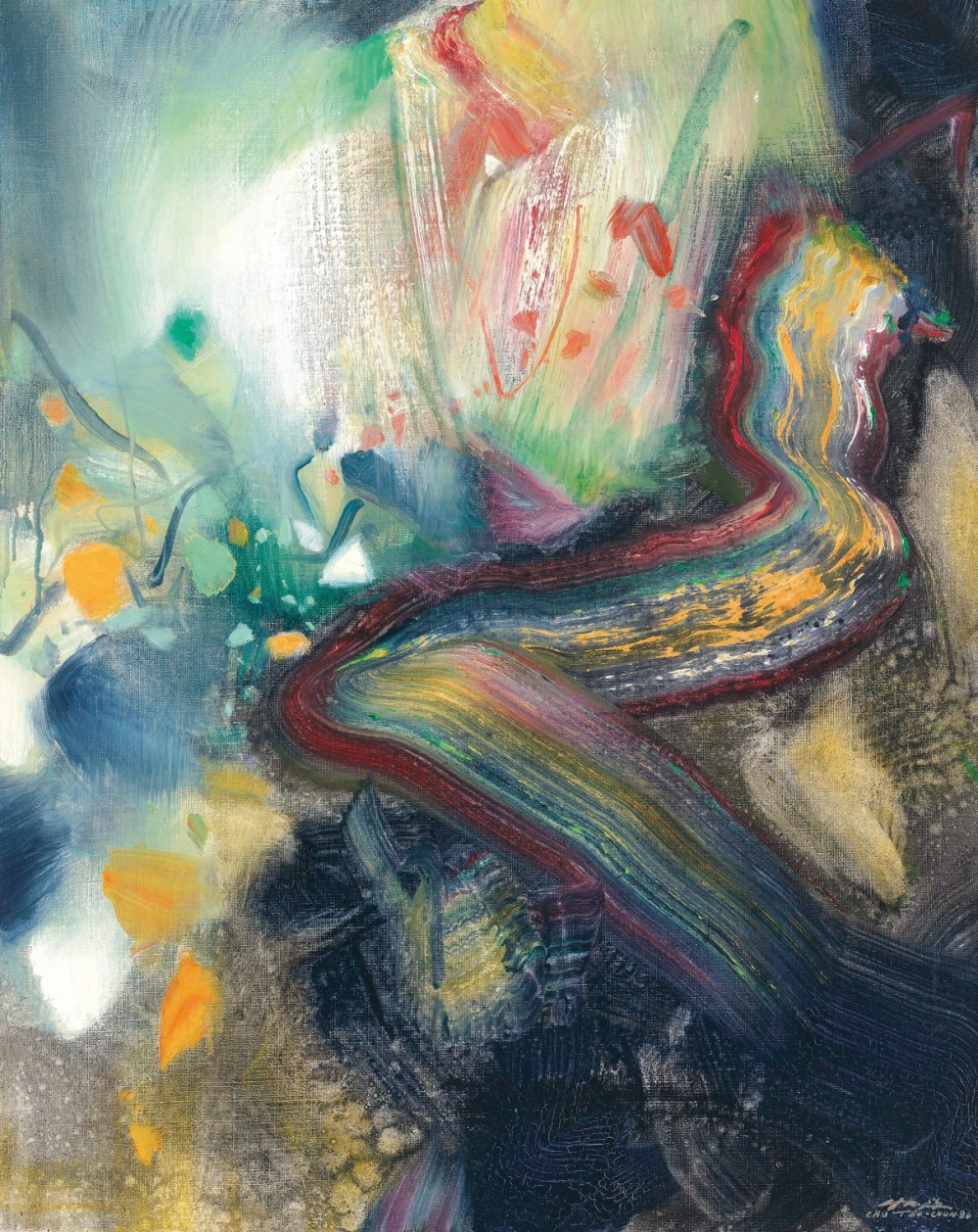
10 things to know about poet painter Chu Teh-Chun
Chu Teh chun: The Man Behind the Legendary Painter
Chu Teh-Chun in Three Works: Symphonic, Calligraphic, Lyrical
Thanks for Visiting 🙂
~Sunnyside
Categories
Bradford-Upon-Avon, England.
Categories
The Crucifixion in modern paintings
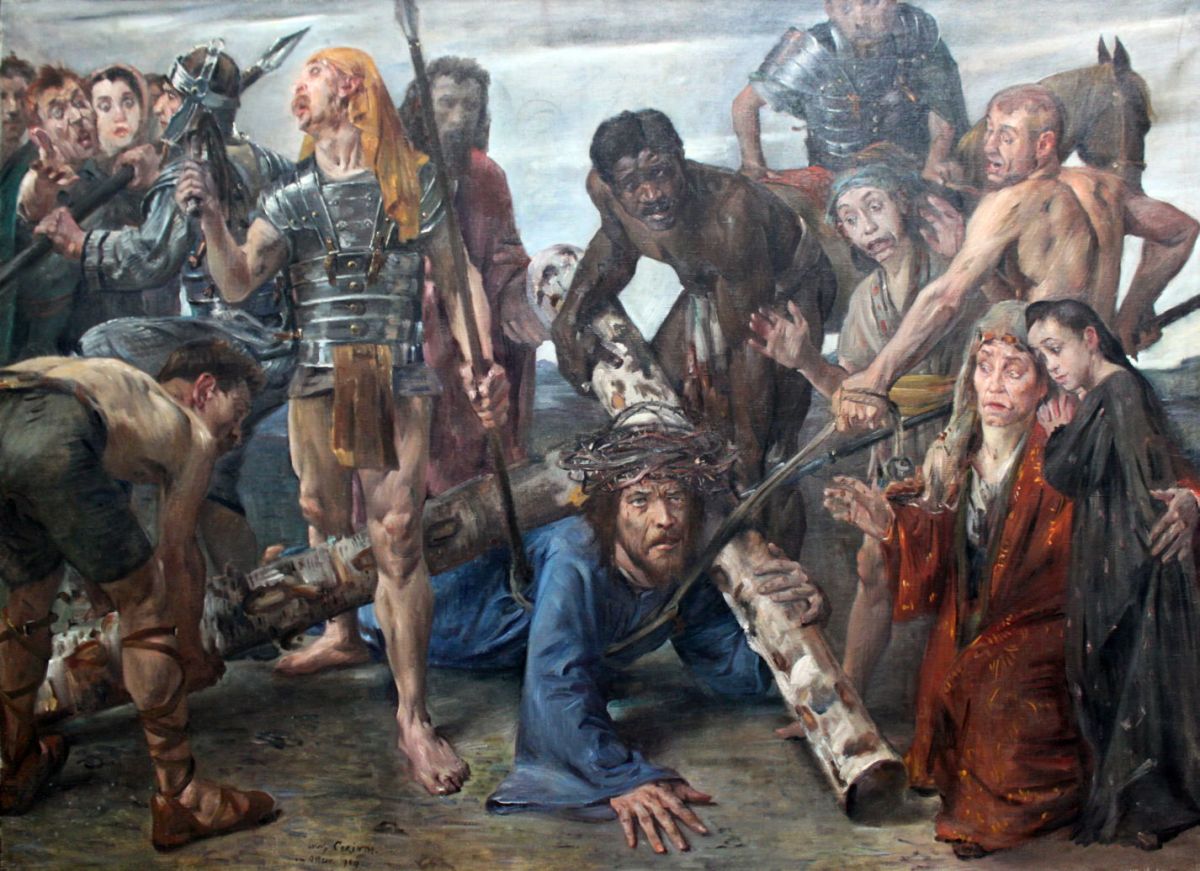
He died to save us all.

To mark Good Friday, this year I bring a selection of more modern depictions of the Crucifixion, starting with William Blake in the early years of the nineteenth century.
 William Blake (1757–1827), The Crucifixion: ‘Behold Thy Mother’ (c 1805), ink and watercolour on paper, 41.3 x 30 cm, The Tate Gallery (Presented by the executors of W. Graham Robertson through the Art Fund 1949), London. © The Tate Gallery and Photographic Rights © Tate (2016), CC-BY-NC-ND 3.0 (Unported), http://www.tate.org.uk/art/artworks/blake-the-crucifixion-behold-thy-mother-n05895
Blake’s The Crucifixion: ‘Behold Thy Mother’ from about 1805 is a traditional scene from the Passion, and refers to the Gospel of John, chapter 19 verses 26-27:
When Jesus therefore saw his mother, and the disciple standing by, whom he loved, he saith unto his mother, “Woman, behold thy son!” Then saith he to the disciple, “Behold thy mother!” And from that hour that disciple took her unto his own home.
View original post 781 more words
Categories
Tree Following, December 2022
Great song….from The Thomas Crown Affair. Great photos too!!

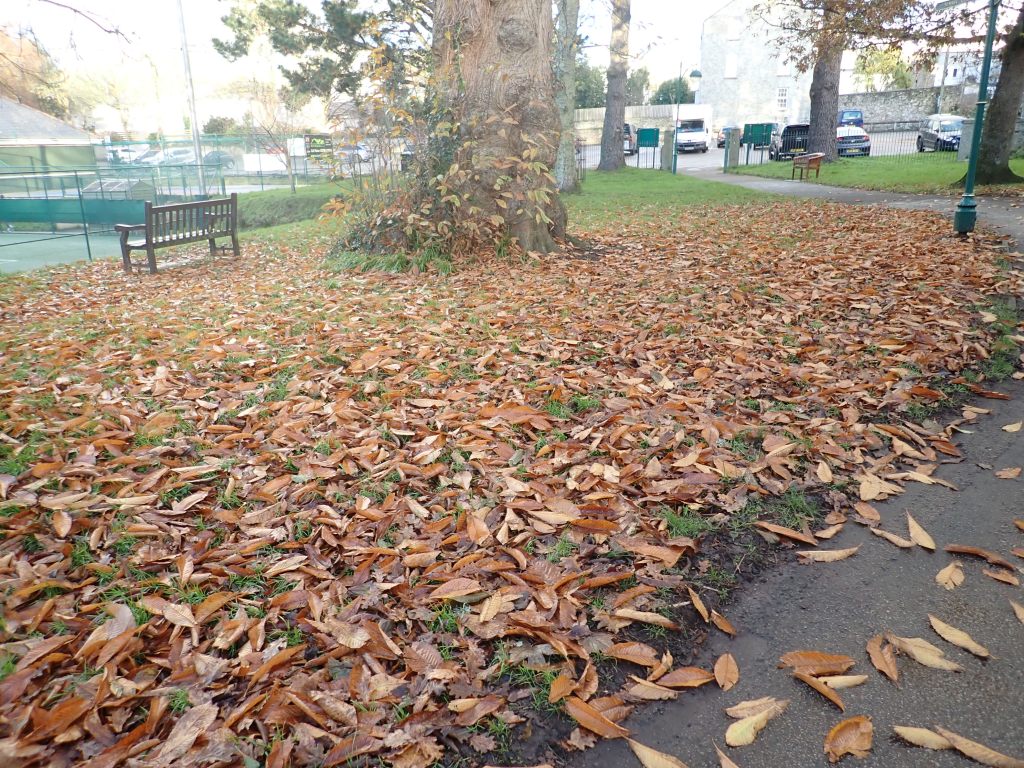
Sweet chestnut (Castanea sativa) in Penlee Park, Penzance
Just a week or so has made a lot of difference to the leaf cover. The leaves went a lovely golden colour before swooping down to the ground.
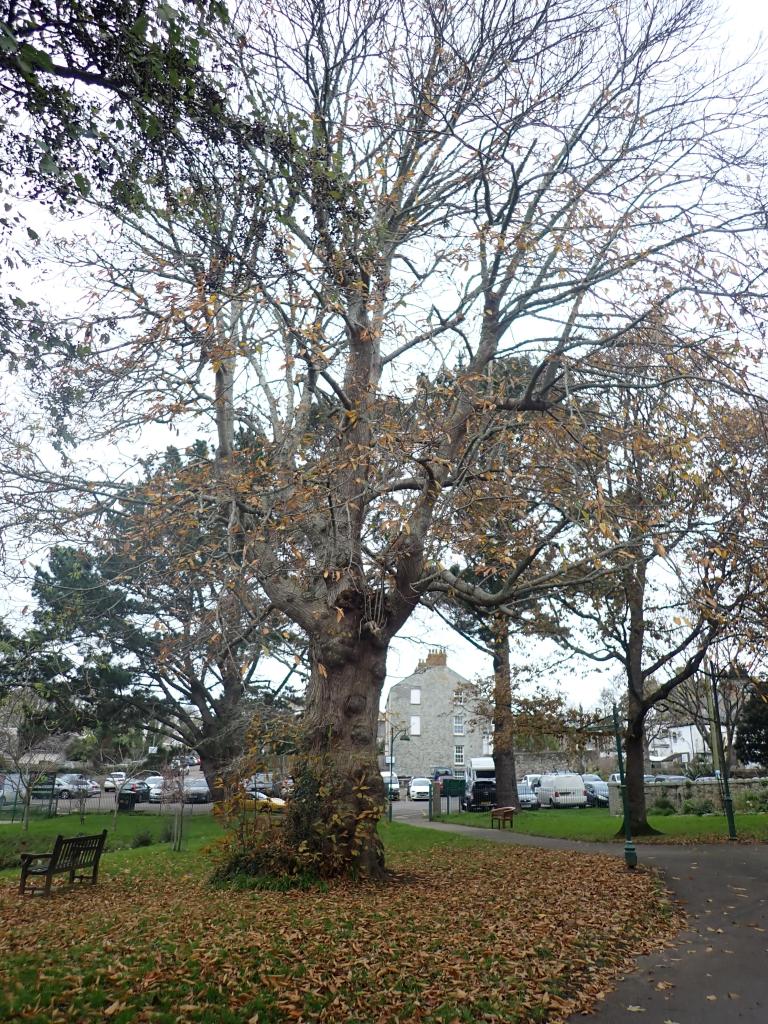
The first picture is at the end of November, the second is dated 10th December. The cold winds we have had here have done their work.
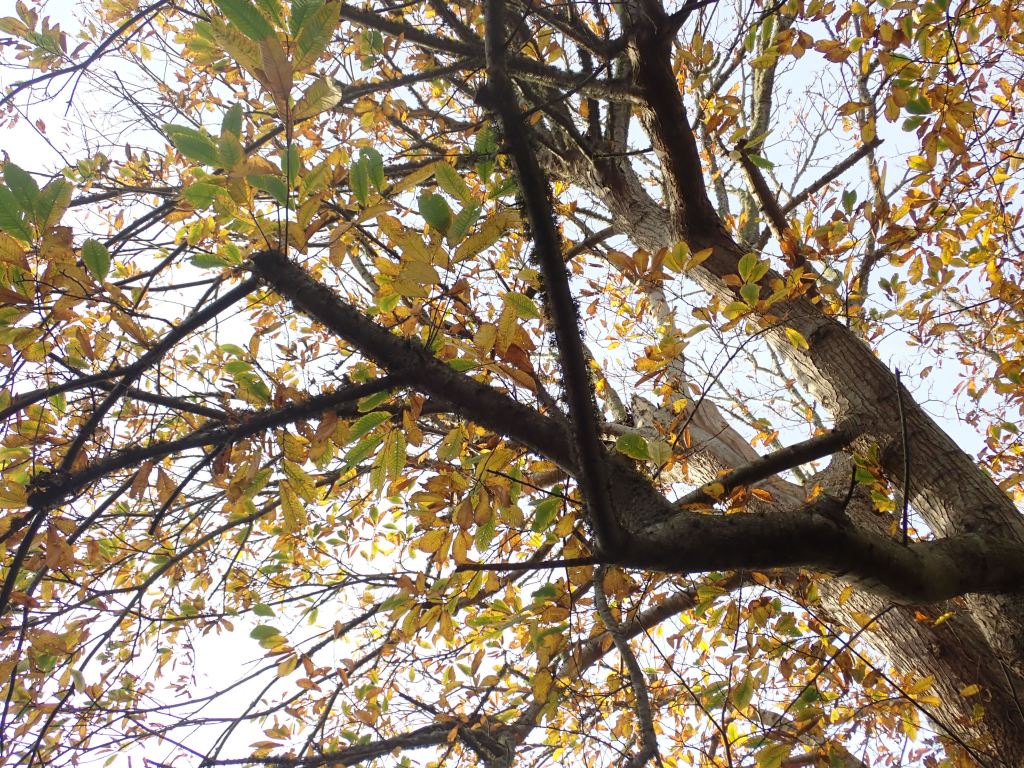
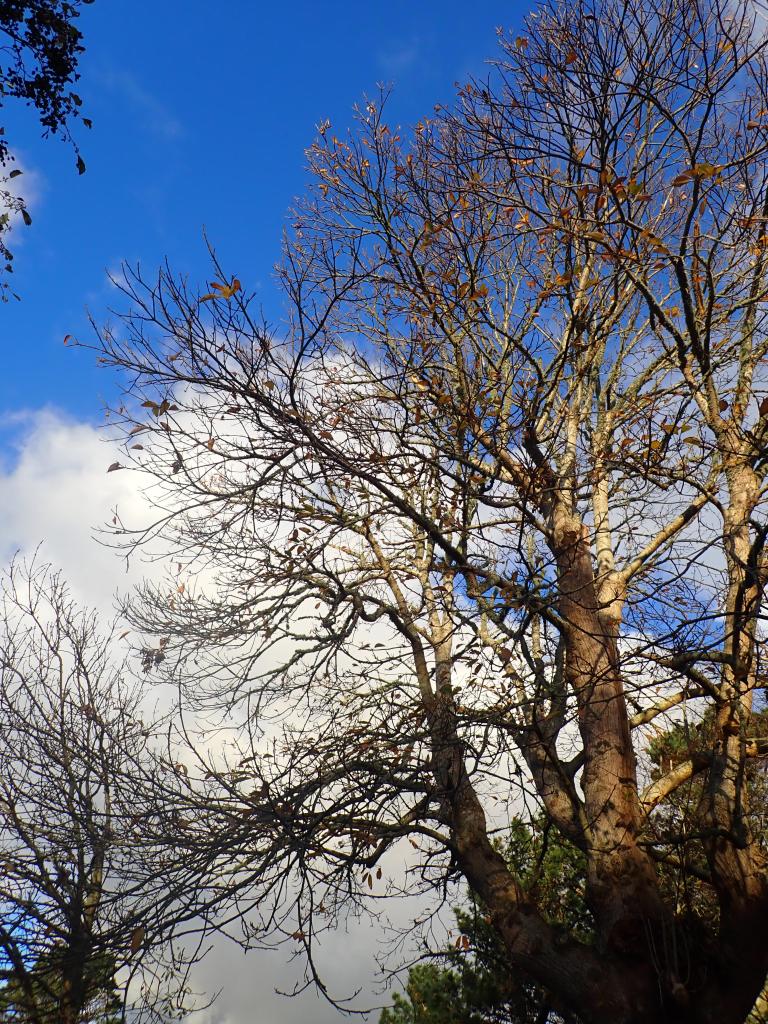
Some more sheltered leaves lingered longer. On the ground, the leaf litter is mixed oak and chestnut.
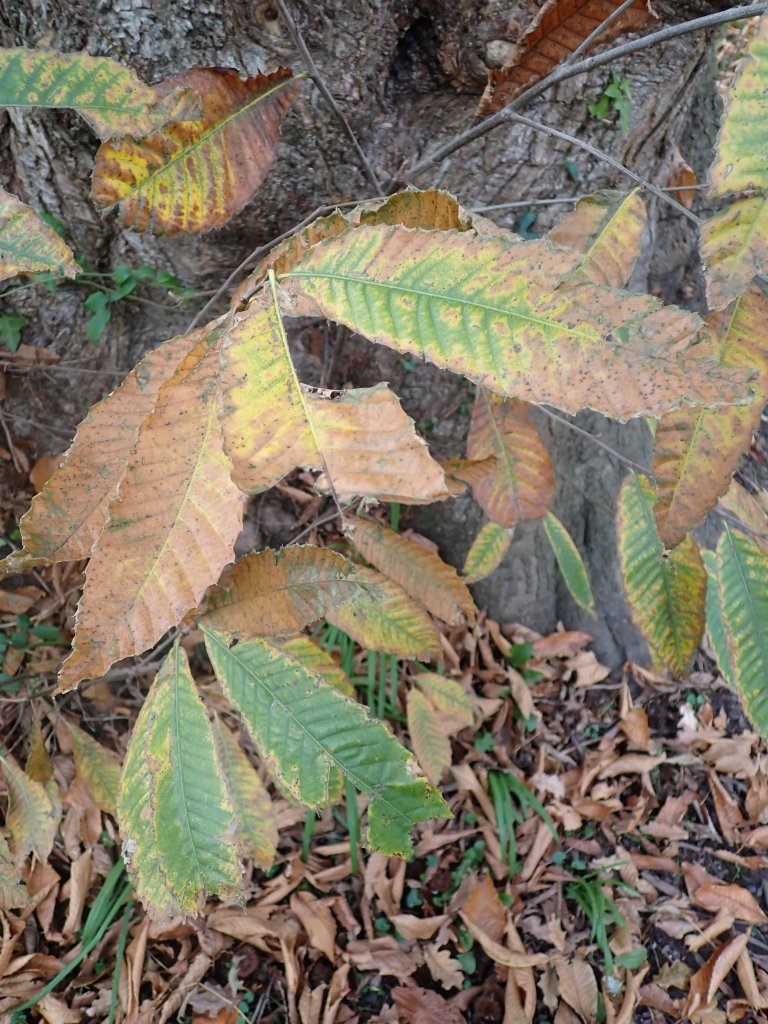
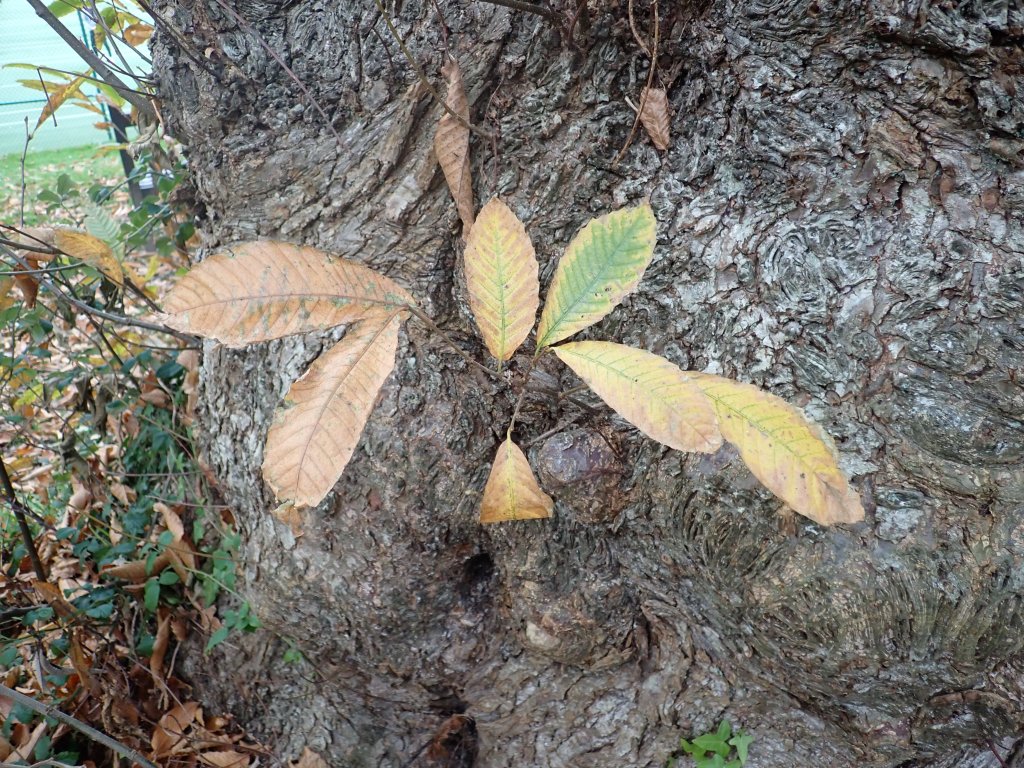

The colour of the chestnut leaves on the ground is – well, a rich chestnut.
Brief interlude for some song lyrics:
“When you knew that it was over you were suddenly aware
That the autumn leaves were turning to the colour of her hair“
From Noel Harrisons’ Windmills of Your Mind from 1969.
If you are too young to know it, here’s a You Tube link:
(Some…
View original post 91 more words

Traumatic childhoods can cause people to attempt to flee their lives by cultivating and pursuing fantasies, or utopic lives, believing that they’ll make up for all the sorrow and harmonize their existence. But, the fantasies never do, with reality pushing back relentlessly.
Throughout history, utopias were the dreamlands of serenity, wherein its residents remained immune from all forms of physical and emotional suffering. And because so many of us believe that we can’t confront and tolerate our negative emotions, we delusionally attempt to create our own knockoffs. The question I get asked most in my work is, “How can I stop feeling that?” ‘That’ can mean sad, angry, afraid, hurt, or guilty. Fundamentally, the person asking doubts their ability to stand those feelings. And doubts their ability to continue living their lives with them.
So, many of my clients are held captive.
But, can you live with guilt or sadness…
View original post 491 more words
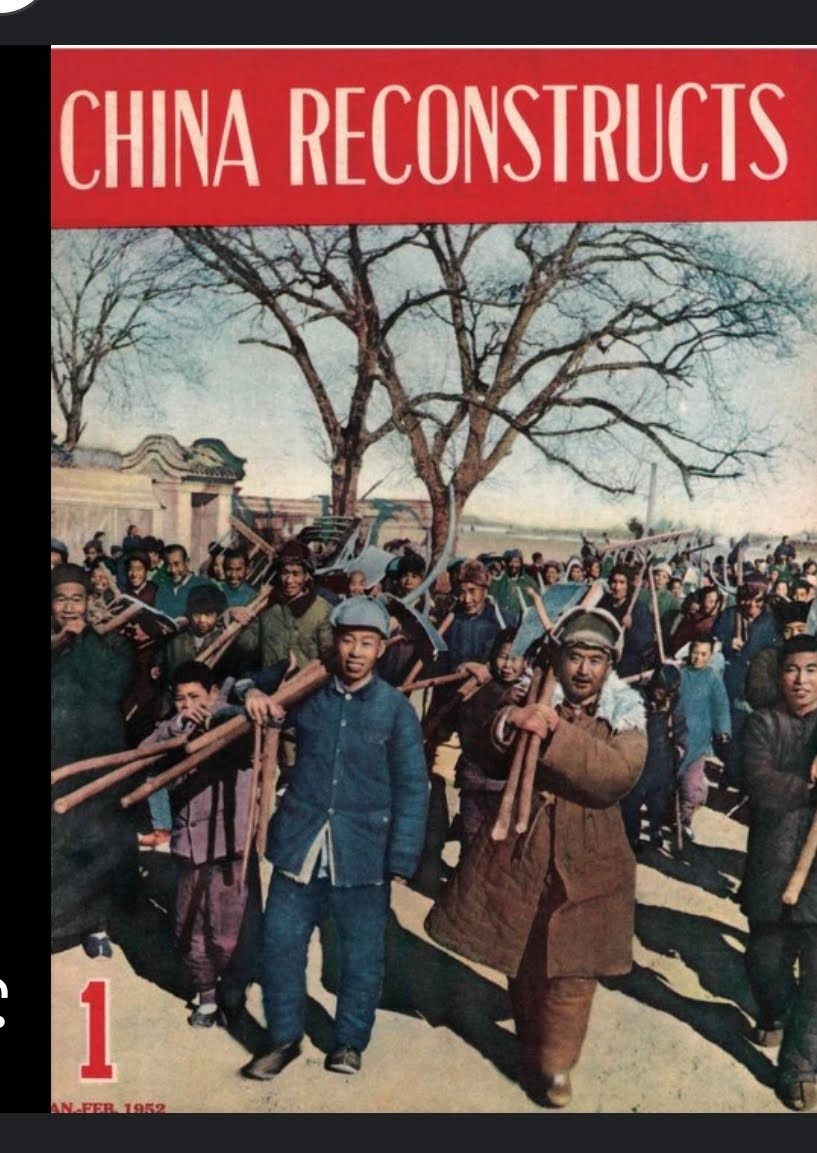
Many years ago my French Master, somewhat radically inclined, offered to teach me Chinese. The condition was that I had first to ensure my French was up to scratch. Unfortunately I was scarcely up to the mark with the language but have in recent years got as far as reading a very easy version of Flaubert with an immense amount of pleasure. I did however have at least one lesson of Chinese and can still recall one or two phrases about writing a character on a blackboard. I also recall seeing on my schoolmasters desk a few copies of a magazine called “China Reconstructs”.
In a very different study overlooking St Ives harbour and bay, I saw a copy of the same journal. This was the study of a friend’s father who had been a brave member of the Chinese Inland Mission. One of the achievements of this famous organisation was to encourage the unbinding of women’s feet. A task interrupted by the Japanese invasion. There was a magnificent cat wandering around the house called “La Fu” and meals at my friends were frequently taken using chop sticks.
Large parts of Cornwall have unfortunately been subject to neglect and decline. A situation which appears to have got still worse under the Tories and due to Brexit. Much reconstruction of public services is urgently needed to avoid further poverty, ill-health and decline. The view below shows another side to Cornwall but unfortunately is all too common.

 penwithlit