Categories
Uncategorized

The Liberation of Paris, 19-29 August 1944: “Images de notre délivrance” by Georges Duhamel and Claude Lepape

Inspiring time- worth recalling just now!

europeancollections's avatarLanguages across Borders

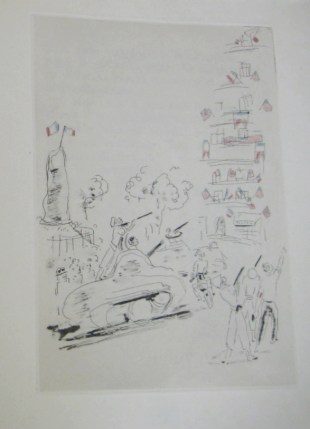
1On the 75th anniversary of the Liberation of Paris, we would like to talk about Images de notre délivrance (Liberation.a.7), published in December 1944 by the Editions du Pavois (the publisher in 1946 of L’Univers concentrationnaire by David Rousset, which was awarded the Renaudot prize, Liberation.c.119 and Liberation.c.918). The book, clearly of a bibliophile nature, is presented by the editor as a documentary, the result of an accidental collaboration between a writer, Georges Duhamel (1884-1966), and an artist, Claude Lepape (1913-1994), both reacting to a unique historical event:

Ce livre est un document. Il est né de la rencontre fortuite de deux sensibilités. L’Ecrivain et le Dessinateur ne se sont pas concertés, mais leurs réactions, si diverses et en même temps si proches, constituent l’un des documents les plus émouvants sur les glorieuses journées de la libération.

View original post 665 more words

Categories
Uncategorized

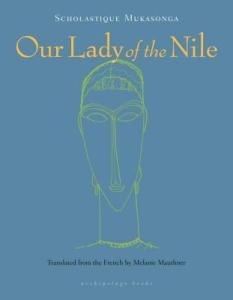
Our Lady of the Nile, by Scholastique Mukasonga, translated by Melanie L. Mauthner

Looks very interesting!

Lisa Hill's avatarANZ LitLovers LitBlog

This is a heart-breaking book. Our Lady of the Nile is a prelude to the Rwandan Genocide against the Tsuti, depicting in fiction the divisions in Rwandan society in the microcosm of an elite girls’ school. Scholastique Mukasonga is a Rwandan refugee now living in France, and I have previously read her searing memoir Cockroaches (2006, translated into English in 2016).  This novel (Notre Dame du Nil) followed in 2012 and was translated in 2014.
Our Lady of the Nile draws on the author’s own experience at the Lycée Notre-Dame-de-Citeaux, which she attended as one of the Tutsi quota. It was because she had fled to Burundi after being attacked by Hutu students at that school, that she did not witness the genocide, and escaped the slaughter of her family.

Like the elusive source of the Nile, the causes of ethnic hatred in Rwanda are hard…

View original post 1,291 more words

Categories
Art Exhibition Reviews Uncategorized

Felix Valliton

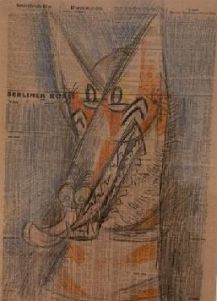
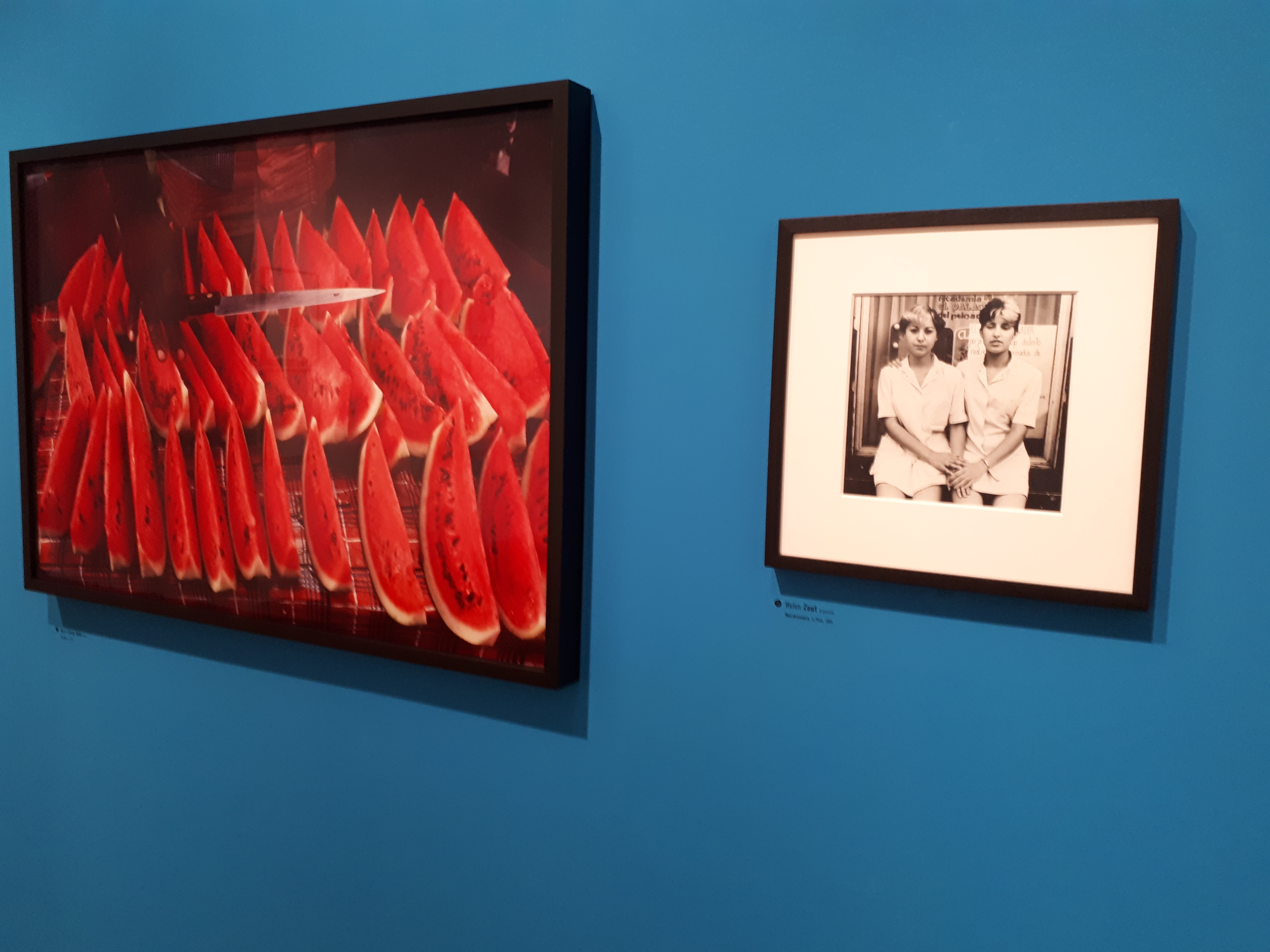
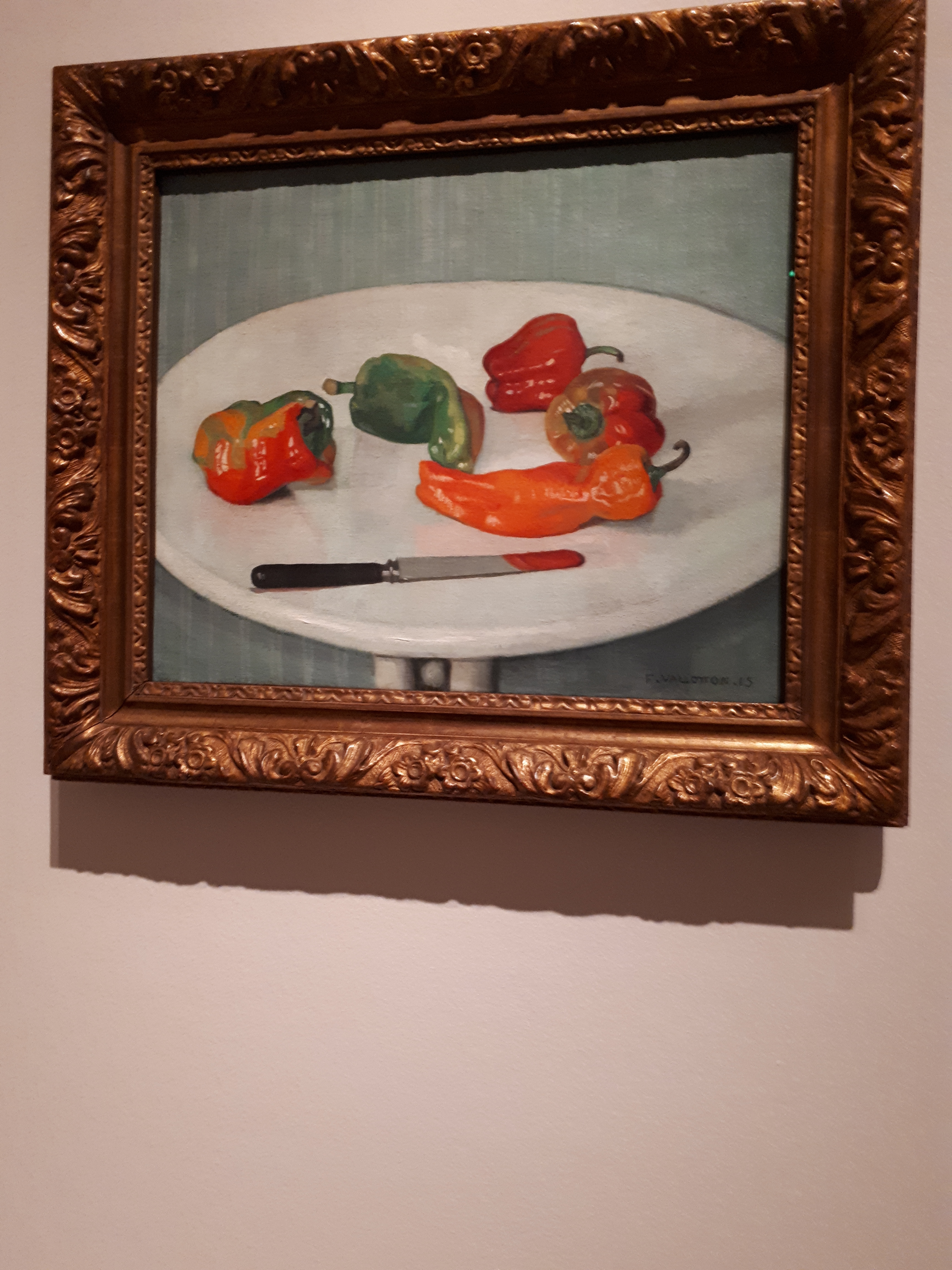
From the Latin American Expo at Photographer’s Gallery, the above photograph in the context of Latin American history brings up all the associations with the colour red. Melons with a knife implies the violence of the troubled history of South America. It also recalled the painting by Valliton which he painted upon the outbreak of the First World War- also a bloody image with another fruit/vegetable. I had seen this just a few hours before at the R.A. I ask myself what it is about these images that was so affecting. Perhaps it was that I was about to visit the Stanley Kubrick exhibition, perhaps also that they are reminders of how easily, in the current situation politically matters could go wrong.

Here are some further images of the Valliton from the R.A. I found his work dramatic and affecting on so many levels. A true modernist with a thoughtful face according to his self-portrait.

Valliton 1914
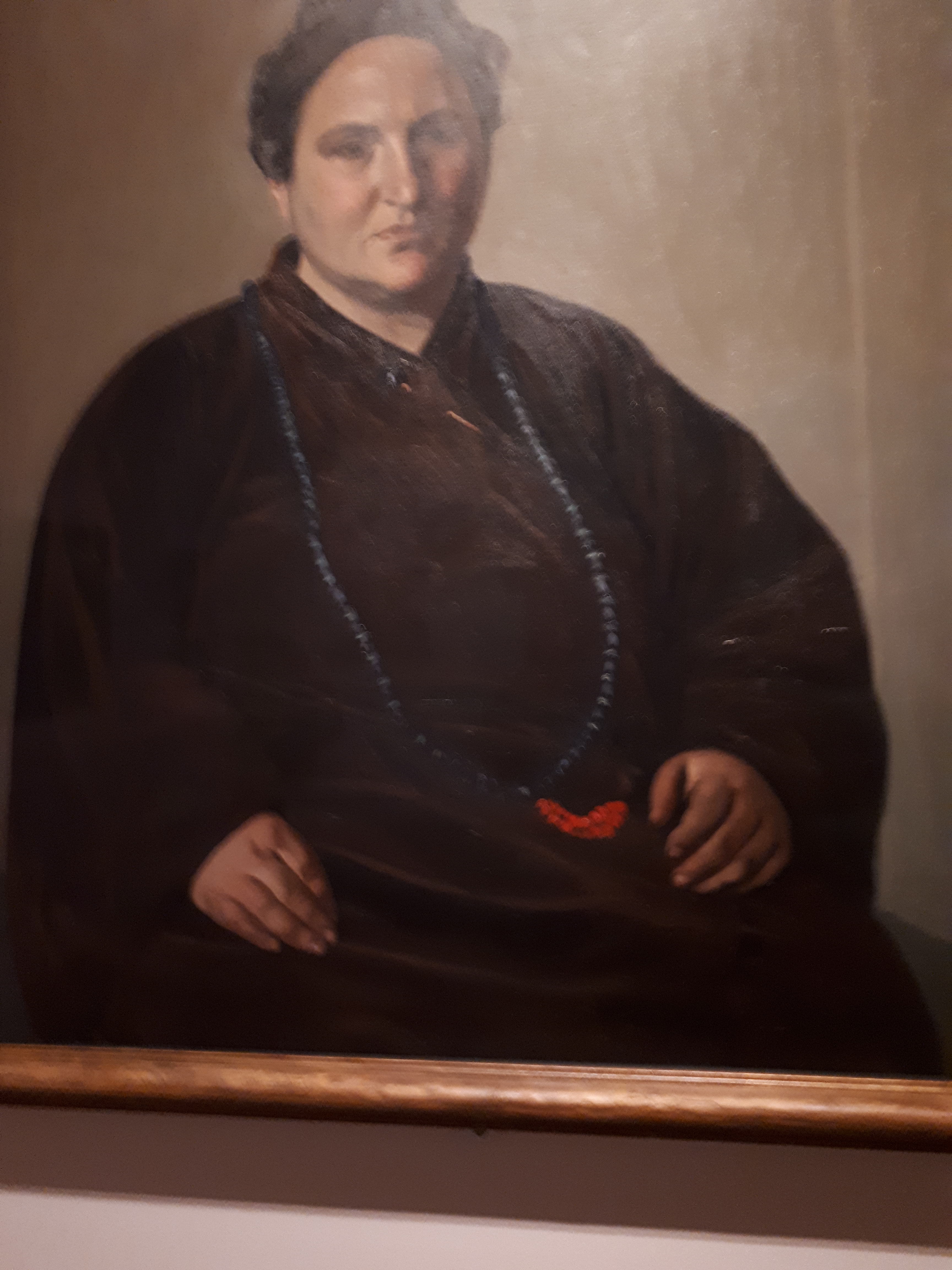
Gertrude Stein by V
Gertrude Stein by Valliton
Landscapes
Categories
Uncategorized

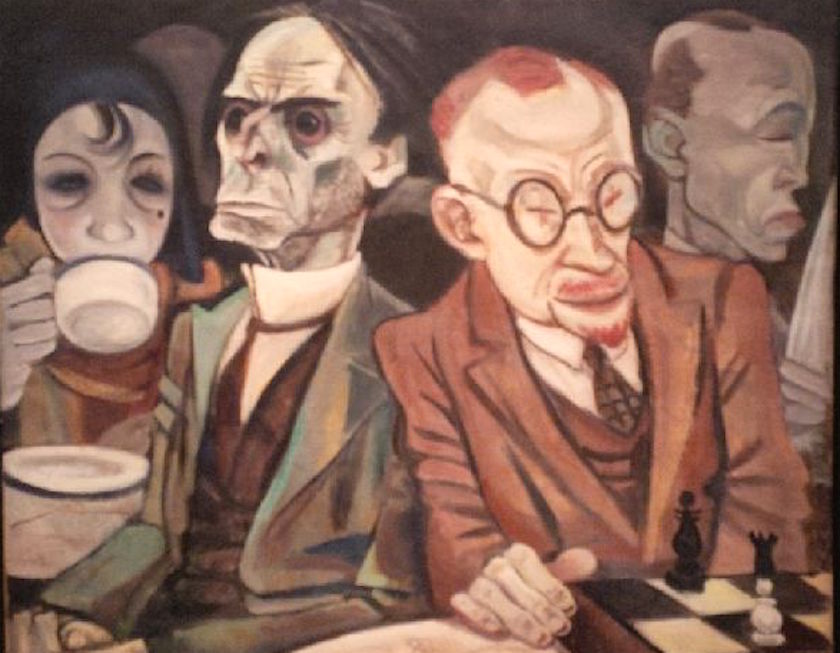
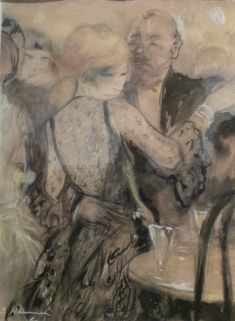
Jeanne Mammen at the Berlinische Gallerie

notesfromberlin's avatarAn Englishman in Berlin

Jeanne Mammen, BerlinJeanne Mammen (1890-1976) was a Berlin-based artist, most famous for chronicling life in the city during the 1920s.

Born in Berlin, she studied art in Paris and Rome and lived in France until the outbreak of World War One forced her to move. While her family relocated to Amsterdam, she chose to return to Berlin.

At first, Mammen struggled to support herself as an artist, and she took any work she could, creating artwork for movie posters, satirical magazines, books, and fashion plates.

Particularly striking are her sketches and watercolours that depict people from all walks of life with a sympathetic yet unsentimental eye. Much of her focus was on women. Some her works, which capture swinging, glittering 1920s Berlin could be mistaken for contemporary party scenes.

Jeanne Mammen 3But in addition to these more well-known works, the retrospective at the Berlinische Gallerie also shows how the artist’s work developed over decades, with 170…

View original post 130 more words

Categories
Uncategorized

thirty-five: Sean O’Brien, The Drowned Book

kayvee's avatarfifty-two poets

I have to confess I hadn’t heard of Sean O’Brien until recently, when I found out he’d won last year’s Forward prize for poetry. So it seemed appropriate to start with his prize-winning collection, The Drowned Book.

The blurb says that much of this collection ‘takes [its] emotional tenor and imaginative cue from [Sean O’Brien’s] acclaimed translation of Dante’s Inferno‘. Unfortunately I haven’t actually read the Inferno, so I felt like I was on a bit of a back foot from the start. That said, the opening poems – all about water, rivers, the sea – are undeniably compelling, drawing you into their dark, subterranean world. Water seems to be a place of memory, haunted by the dead – perhaps the borderlands between this world and another… I loved the dark, knowing, and, in places, comic tone of these poems.

There’s satire, too, on Britain’s current…

View original post 202 more words

Categories
Uncategorized

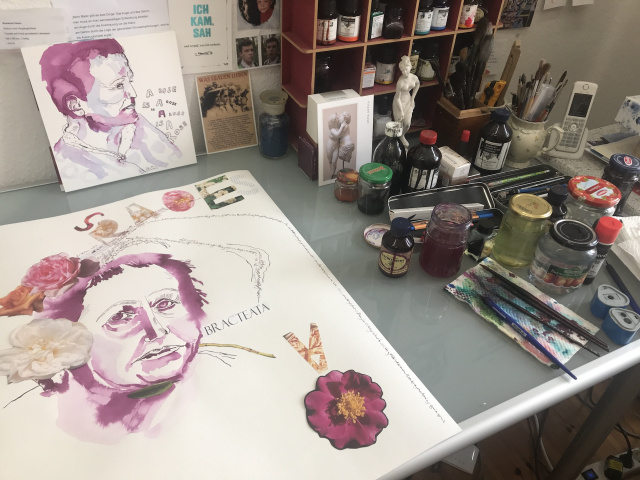
Mein Sinnbild von Gertrude Stein – Collage von Susanne Haun

I have a feeling that it was her brother that was really the great collector of Matisse and so on. She was not an easy character to fit in!!

Susanne Haun's avatarSusanne Haun

Entstehung Mein Sinnbild von Gertrude Stein, 65 x 50 cm, Tusche auf Hahnemuehle Aquarellkarton, Collage von Susanen Haun (c) VG Bild-Kunst, Bonn 2019Entstehung Mein Sinnbild von Gertrude Stein, 65 x 50 cm, Tusche auf Hahnemuehle Aquarellkarton, Collage von Susanen Haun (c) VG Bild-Kunst, Bonn 2019

Gertrude Stein war die Mutter der modernen Literatur.

Im großen von Uda Strädling herausgegebenen Gertrude Stein Lesebuch bezeichnet die Autorin die Literatin als “Sprachversucherin”, eine sehr gelungene Definition, wie ich finde. Hier eine Kostprobe ihres experimentellen Stils:

„Und worum geht es. Darum was vorgeht.
Was vorgeht führt ein anderes Wort ein
und das ist so gut wie ja.
Gertrude Stein, »Hört doch“

Bekannt dürfte Gertrude Stein vor allem durch den Textauszug “A Rose is a Rose is a Rose is a Rose …” sein. Die Anzahl der Rosen variiert dabei je nach Veröffentlichung. Diese simple Aussage begleitet mich schon eine geraume Zeit durch mein Leben und hat mir tatsächlich des öfteren als Weisheit in meinem Werdegang geholfen.

Die Collage von Gertrude Stein sollte eigentlich schon zur Ausstellung

View original post 402 more words

Categories
Uncategorized

Thoughts on “The Queen of the South” by Arturo Perez-Reverte

Always meaning to read this fellow-caught up with Geoff Dyer’s writing at the moment having just finished Thomas Burkhard.

Categories
Uncategorized

Lee Miller (1907-1977)

Categories
Uncategorized

Fontane – 200

I really like his poetry- over the Tay Bridge Disaster u.sw.

europeancollections's avatarLanguages across Borders

200 years ago, on December 30, 1819, Theodor Fontane, one of the best-known 19th century German authors, was born. He grew up in Neuruppin, a small town in the Mark Brandenburg north of Berlin. He trained and worked as a pharmacist before embarking on a literary career, starting as a journalist before becoming one of the most prolific novelists of the 19th century.

The 200th anniversary of his birth is being celebrated throughout this year with numerous exhibitions and events in the Brandenburg region (more details here). The main exhibition is being held in Neuruppin from March 30 to December 30 and aims to give an insight into Fontane’s authorial practice. This exhibition is accompanied by a catalogue which the library has acquired (C202.b.3557).

View original post 282 more words

Categories
Uncategorized

Anything But Bland

Sounds an important and interesting read.

thomaspeebles's avatartomsbooks

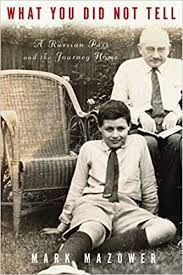
Mark Mazower, What You Did Not Tell:

A Russian Past and the Journey Home (Other Press) 

            Mark Mazower, the Ira D. Wallach Professor of History at Columbia University, is one of contemporary America’s most eminent historians of modern Europe, the author of several books on Greek and Balkan history, along with others on 20th century Europe generally.  Born in Britain in 1958, Mazower grew up in the Golders Green neighborhood of North London.  His home environment bordered on bland: it was thoroughly stable if unflashy, but most assuredly not a place where his parents dwelled upon the family’s past.  Before writing this affecting family memoir, What You Did Not Tell: A Russian Past and the Journey Home, Mazower probably did not realize the extent to which his family background, at least on his father’s side, was anything but bland.

            Mazower’s quest to learn more about his father’s…

View original post 3,245 more words