Splendid…..
Categories
Splendid…..
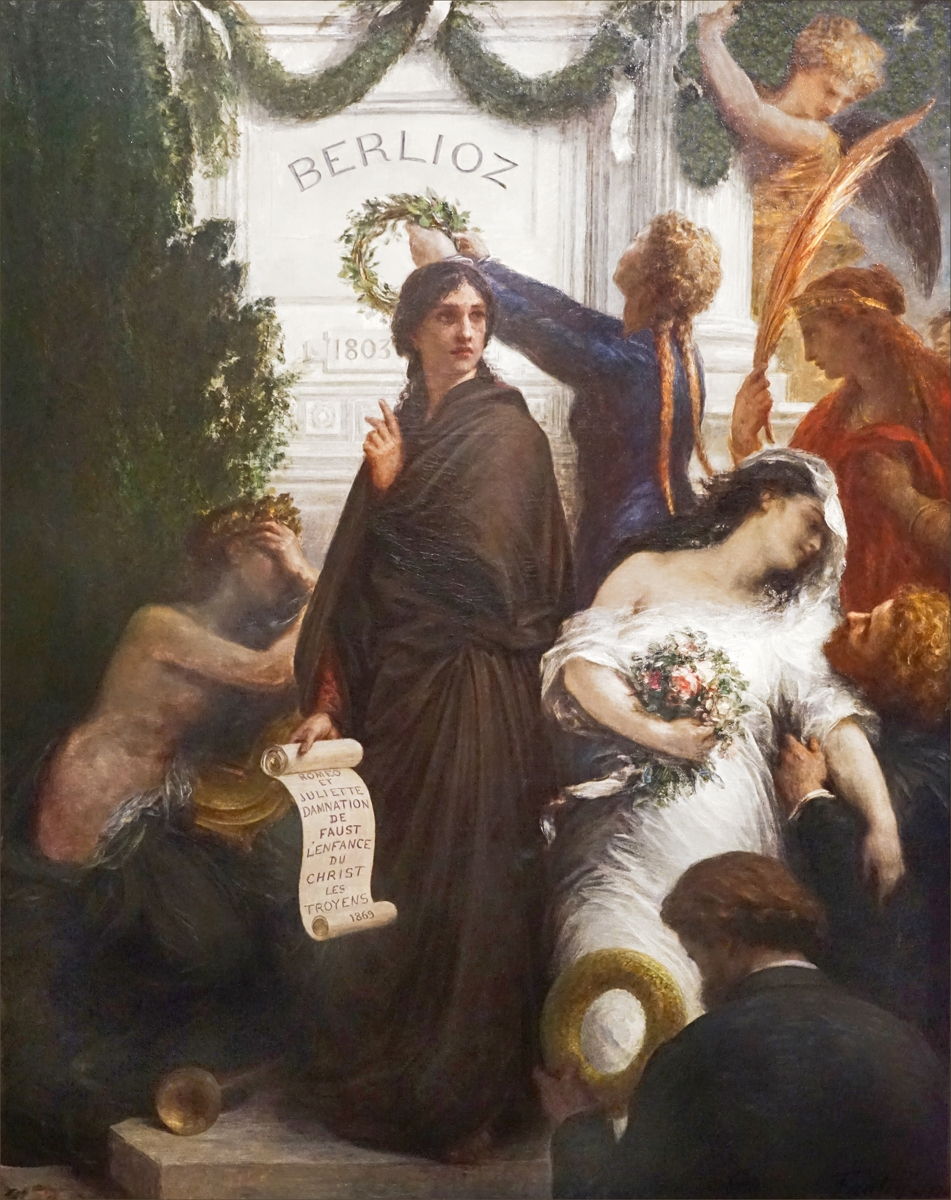
Dark and richly romantic!
As the destruction and slaughter of the Paris Commune subsided in 1871, Henri Fantin-Latour (1836–1904) emerged from his father’s Paris apartment, where he had been hiding since the start of the Franco-Prussian War the previous summer. He then made a start on his next major group painting, which he completed the following year.
 Henri Fantin-Latour (1836–1904), By the Table (1872), oil on canvas, 160 x 225 cm, Musée d’Orsay, Paris. Wikimedia Commons.
Another large canvas, By the Table was only just finished in time for the 1872 Salon because one of its figures refused to appear alongside those who he termed “pimps and thieves”. Although outside the Francophone world today you might wonder who these drably-dressed figures are, this was Fantin’s most famous painting, as it shows all the major avant-garde poets of the time.
The figures are:
View original post 878 more words
Great stuff!!
Magnificent elephant study!
A very great director and a sad loss.
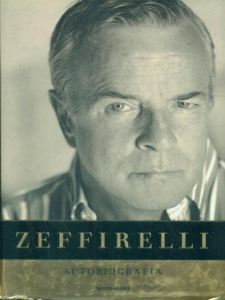 We were sad to hear of the recent death of Franco Zeffirelli, one of the best known Italian directors and producers of film and opera of the 20th century. Hugely influential and iconic, he stood at the heart of Italian film for decades.
Born Gian Franco Corsi Zeffirelli, he was the illegitimate child of a fashion designer and Florentine wool and silk merchant. After the death of his mother when he was six, he was brought up by the English expatriate community in Florence, who took him under their wing – this part of his story was immortalised in his semi-autobiographical film Tea with Mussolini, set in the pre-war Florence of the “scorpioni” (the English community there, represented by the inspirational Maggie Smith, Judi Dench and Joan Plowright) and in the Tuscany of the war years as war took hold. He enrolled to study art at the University…
View original post 636 more words
I love these lines from this Polish Nobel Prize-winning poet, Wislawa Symborska:-
“We stand in the meadow where it became flesh,
and the meadow is silent as a false witness.
Sunny. Green. Nearby, a forest
with wood for chewing and water under the bark-
every day a full ration of the view
until you go blind. Overhead, a bird-
the shadow of its life-giving wings
brushed their lips. Their jaws opened.
Teeth clacked against teeth.
At night, the sickle moon shone in the sky
and reaped wheat for their bread.
Hands came floating from blackened icons,
empty cups in their fingers.” They come from her poem “Some like poetry” which can be read at http://famouspoetsandpoems.com/poets/wislawa_szymborska/poems/11678
Her poems are also available in German from Suhrkamp
Elegant!!
Fascinating portraits!
Schöne und sehr Süß
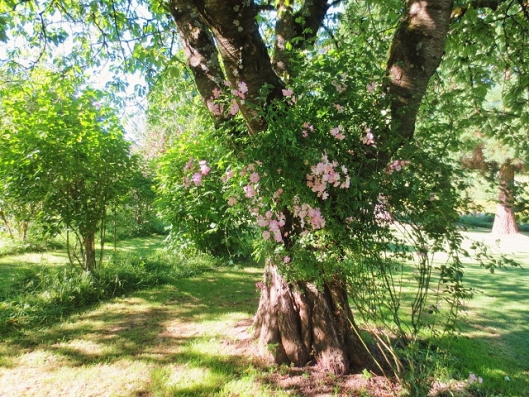 Foto: ©Wolfregen
Frühsommertage
Juni, Holunder- und Rosenmond,
Unter den Bäumen ein Zauber wohnt,
Freunde, geht es euch ebenso?
Ich bin beides: traurig und froh.
Niemals im Jahr sonst, nichts eilt hinfort,
Fühl ich vergänglicher Zeit und Ort,
Sommerfenster zur Ewigkeit,
Alles grünt und atmet befreit.
Blühende Gärten im hellen Licht,
Liegend im Schatten die Stille spricht,
Tagtraum schimmert so süß und bleich,
Blauen Himmel spiegelt der Teich.
Sonne, was treibt dich nach Norden nun?!
Pan lässt am Mittag mein Herz nicht ruhn,
Stört ihn goldenes Flötenspiel?
Nie ist Sehnsucht näher am Ziel…
©Wolfregen


 penwithlit