Categories
Category: Uncategorized

Lovely lively and brilliant work- thanks for this introduction!

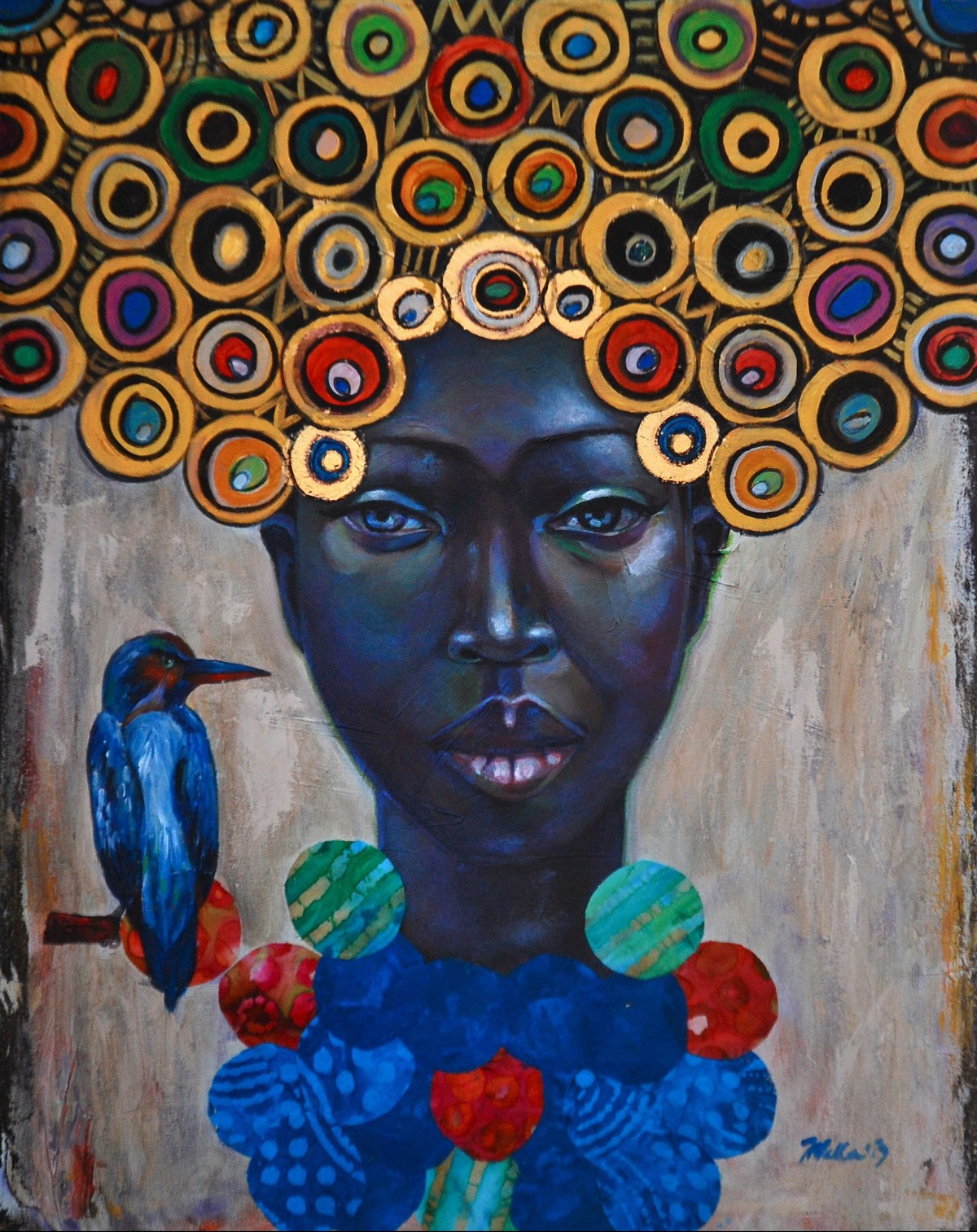
 Tamara Natalie Madden, unknown title and date
Tamara Natalie Madden (1975 –2017) was a Jamaican-born mother, mixed-media artist, and professor of art and visual culture at Spelman College in Atlanta. On November 4, 2017, she died at her home in Snellville, Georgia, only two weeks after being diagnosed with Stage 4 ovarian cancer. She was 42.
“Out of Many, One People”

Though Tamara Natalie Madden was born in Kingston, Jamaica, she spent her teenage years in Madison, Wisconsin. Born with dark skin to a mother with light skin, Ms. Madden observed endemic racist behavior from people of color, both in Jamaica and in the United States – based solely on the degree of darkness of skin; thus began Ms. Madden’s desire to show other black children that they are beautiful through her art.
She said in an interview with Daniel Solomon, “At home, we never thought of color…
View original post 1,665 more words

Recently the famous leftist, Perry Anderson, wrote two articles in the London Review of Books about Anthony Powell comparing his work with that of, amongst others, Proust.Additionally, Hilary Spurling has recently written an acclaimed biography https://www.spectator.co.uk/2017/09/anthony-powell-gets-the-superb-new-biography-he-deserves/
I had quite recently read one of Powell’s early works “The Afternoon Men”
I find Powell’s account in Dance to the Music of Time very interesting. The so-called upper classes offer the rest of us an opportunity for a certain very English form of voyeurism. The novels are also fascinatingly written with wry humour and the distance and curiosity of an evaluating psychoanalyst. The time at which I read them influenced my perception, particularly of social life in a way no other writer has managed. The prose is mandarin and the references to paintings add another appealing dimension.

Quite clearly, Powell’s socialist characters are treated fairly harshly and this vein comes through more strongly in his diaries. Working class people are reduced to the status of rude mechanicals. His portrayal of women is arguably stereotypical. None of which entirely detracts from the elegiac and reflective passages of these novels, nor their comedy either.
For anyone interested in A.P. I strongly recommend reading John Aubrey about whom Powell wrote in May 1946 (John Aubrey and his Friends).Aubrey was, of course, a splendidly gossipy biographer and antiquarian and much else besides. I saw Roy Dotrice play Aubrey in a remarkable one man play in 1968 at the Criterion. Dotrice is now famous for his performance in Game of Thrones but his two and a half show at that time was truly brilliant. He would pretend to fall asleep motionless through the half-hour interval. This appears to be available on DVD http://www.cinemind.com/aubrey/
 Ruth Scurr has written an intriguing biography of Aubrey which has been reviewed by the Guardian
https://www.theguardian.com/books/2015/mar/13/john-aubrey-my-own-life-ruth-scurr-review-biography
Ruth Scurr has written an intriguing biography of Aubrey which has been reviewed by the Guardian
https://www.theguardian.com/books/2015/mar/13/john-aubrey-my-own-life-ruth-scurr-review-biography
![John Aubrey: My Own Life by [Scurr, Ruth]](https://images-eu.ssl-images-amazon.com/images/I/51wZteLLLJL.jpg)
Ruth Scurr has written an intriguing biography of Aubrey which has been reviewed by the Guardian
https://www.theguardian.com/books/2015/mar/13/john-aubrey-my-own-life-ruth-scurr-review-biography
Magnificent, prolific and proficient Schiele!!

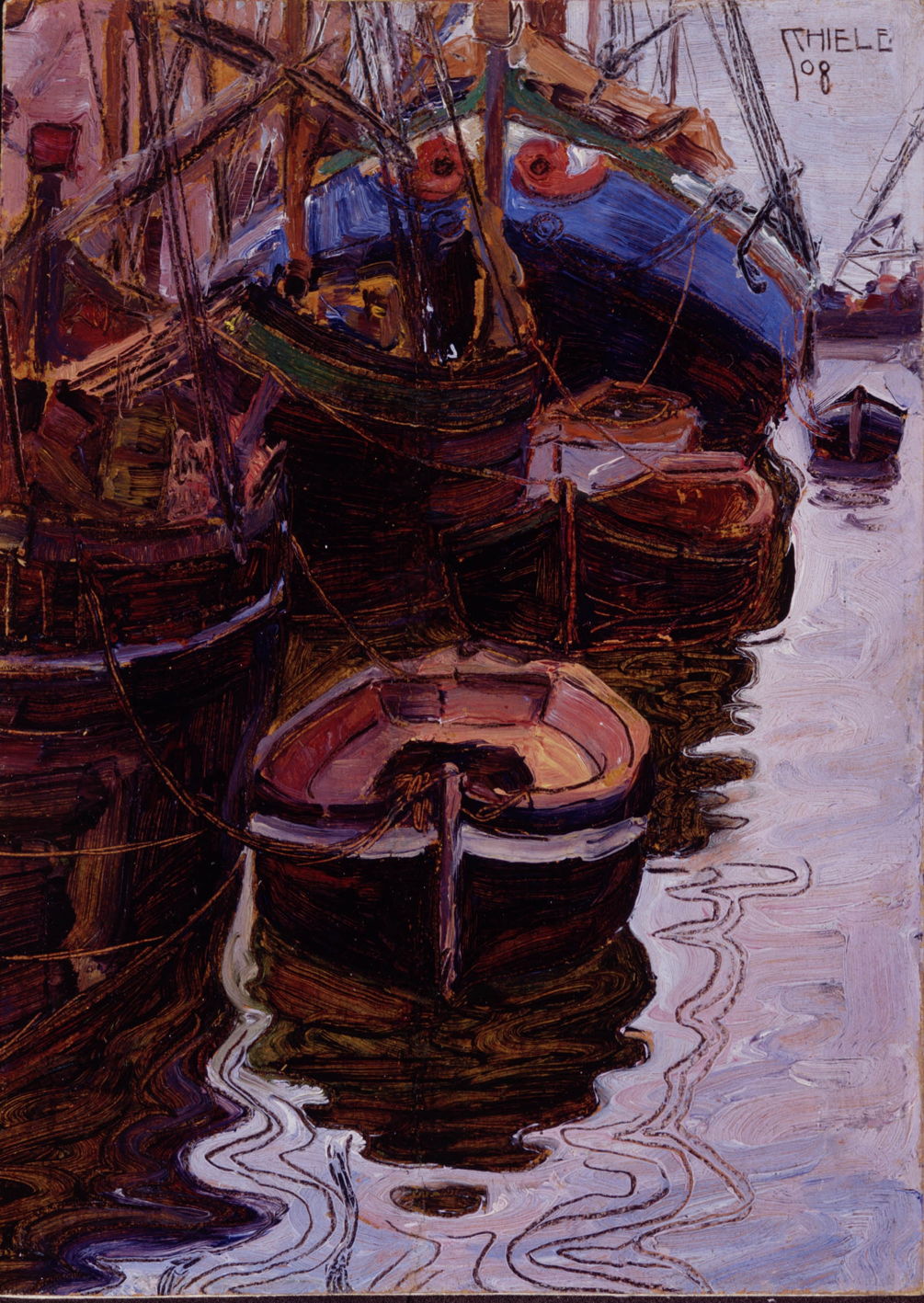
The last of my group of great central European artists who died a century ago this year is Egon Schiele (1890–1918), a protégé of Gustav Klimt who was greatly influenced by him, and in his brief life carved a new course in twentieth century art.
There’s a lot of Schiele’s art which I don’t particularly like, and some which I find deeply disturbing. However, he is an important artist, started a very promising career which was tragically cut short, and was so prolific that I hope I can steer a course through his work which is neither unrepresentative nor offensive. I will therefore look broadly across his output, focussing particularly on his landscapes, which I find most interesting.
Egon Leo Adolph Schiele was born on 12 June 1890 in the small town of Tulln an der Donau in Lower Austria. His father worked for the railway company, and the family…
View original post 1,078 more words

In 2017, Cambridge University Library became a partner in the two-year AHRC project “Cartonera Publishing : Relations, Meaning and Community in Movement.” The Library then agreed to build a collection of 200 items from cardboard publishers (editoriales cartoneras), with a focus on Mexico, Brazil and Argentina.
View original post 450 more words
Everybody knows about Ruth Klüger or Primo Levi; Imre Kertész won the Nobel Prize in literature in 2002, and Elie Wiesel was awarded with the Nobel Peace Prize in 1986. These authors are famous for their autobiographical texts about the Shoah, which they wrote after having survived the Nazi extermination camps. Their books are well known, they became part of the literary canon and have led to a lot of scholarly research.
The Chadwyck-Healey Liberation Collection in Cambridge University Library offers a promising addition to that field of research, because the collection keeps very similar, though much lesser known books. As the Liberation Collection focuses on books published between the Liberation of Paris in August 1944 and the end of 1946, the collection’s accounts of the Holocaust rank among the earliest testimonies of Nazi crimes, deportation and mass murder during the Second World War. These testimonies range from written accounts…
View original post 1,530 more words

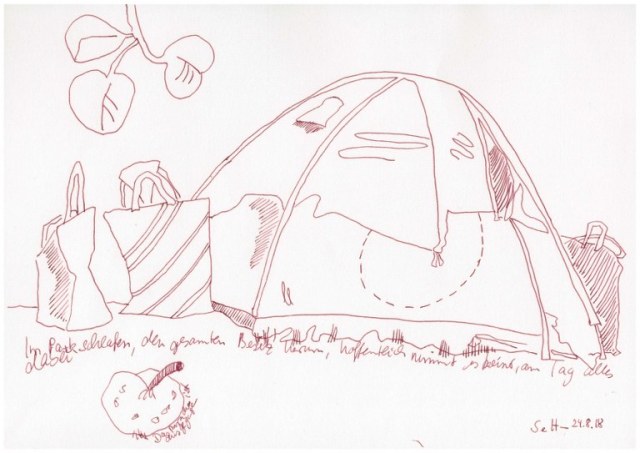 Im Zelt – Obdachlos – 30 x 40 cm – Zeichnung von Susanne Haun (c) VG Bild Kunst, Bonn 2018
Als erstes kaufte ich mir einige Bücher, um mich über das Thema Obdachlosigkeit zu informieren.
Beim Googeln fand ich zuerst das Buch von Richard Brox, Kein Dach über dem Leben. Richard Brox ist durch sein Buch und seinen Blog http://ohnewohnung-wasnun.blospot.com/ in Deutschland bekannt geworden.
Sein Buch habe ich mit Interesse gelesen und einiges über die Obdachlosigkeit erfahren. Ich habe großen Respekt und Hochachtung vor seiner Leistung, die er innerhalb seiner Möglichkeiten erbrachte.
Ich denke besonders über Richard Brox Umgang mit Frauen, der im Buch durchklingt, nach. Ich kann mir gut vorstellen, wie gut es tut, eine Weile seßhaft zu sein und bei einer Frau zu wohnen. Ich vermute, jede der Frauen, bei denen Richard Brox lebte, hatte die Hoffnung, er würde bleiben. Ich glaube auch, dass Herr Brox nicht…
View original post 261 more words
Categories
Elisha


Elisha is a Hebrew male name meaning “my God is salvation” and is the name of a prophet in the Hebrew Bible, the New Testament, and the Quran. Although it’s more commonly used as a male given name, it has had use as a female given name, surging in popularity in the 1980s. I don’t know whether the name was inspired by the Biblical figure or whether it was used as a variant spelling of Alicia or a combination of both, although in Hebrew Elisha is pronounced e-LIE-sha (similar to Elijah).
Origin: Hebrew

Variants:
- Elysha (English)
- Elishua (Biblical Hebrew)
- Eliseus (Biblical Latin, Latin)
- Eliseo (Italian, Spanish)
- Elisie (Macedonian)
- Elissaios (Ancient Greek)
- Alyasa (Arabic)
- Elyesa (Turkish)
Categories
Indio
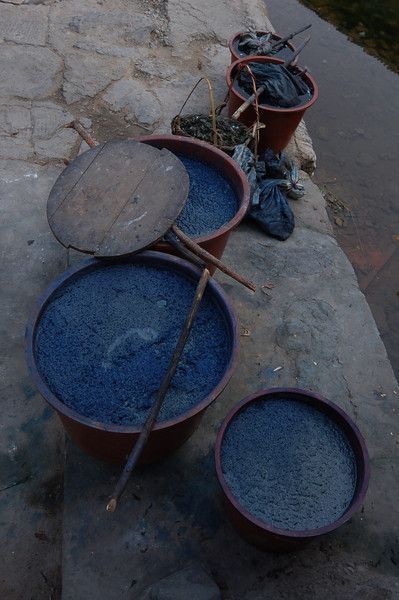
Indio seems to be either a male form of India, the name of a country in South Asia; the name comes from Sanskrit Sindhu meaning “river, stream; flood, waters; sea, ocean”. I’ve also seen it listed as a variant form of Indigo, the color of a purplish-blue color. The word comes from Ancient Greek indikon meaning “of India” or “Indian dye” in reference to the dye extracted from plants and exported from India to the Ancient Greeks and Romans. Indio is also a Spanish, Galician, and Portuguese word meaning “Indian”.
Origin: Sanskrit
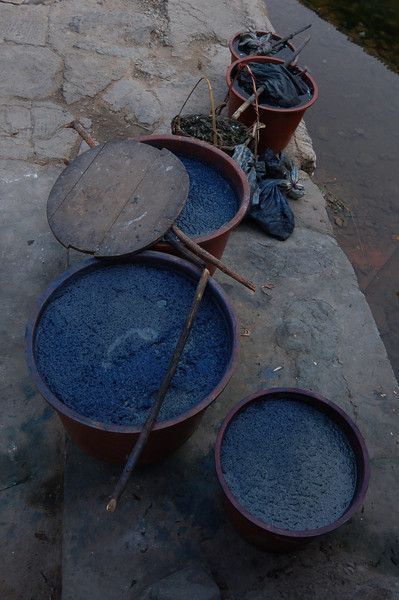
Variants:
- Índio (Portuguese)
- India (English)
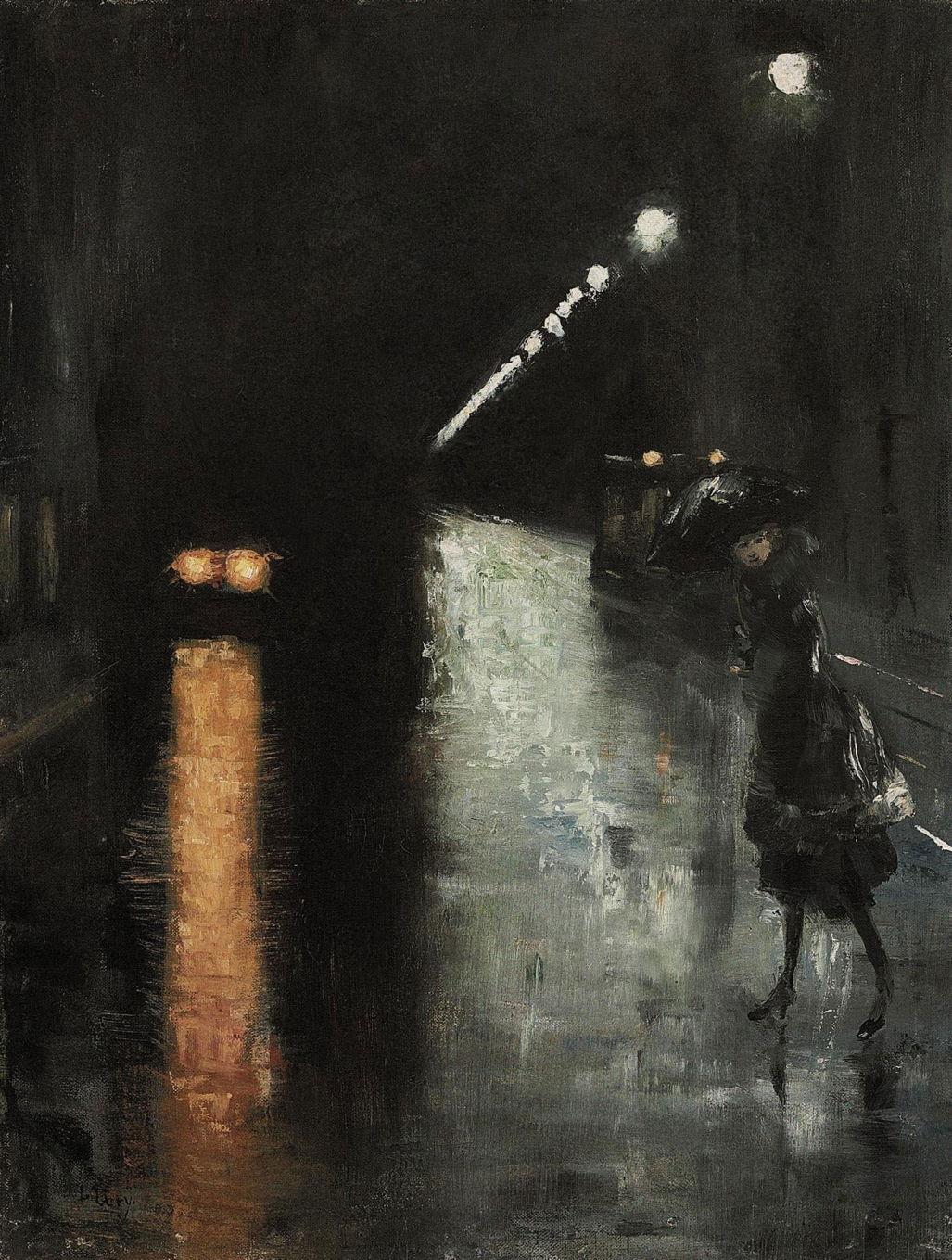
Captured much of the essence of Berlin which remains still today- for example Nollendorfplatz- the same today.
In the first of these two articles about the life and work of the German Post-Impressionist painter Lesser Ury (1861–1931), I looked at his paintings up to 1903.
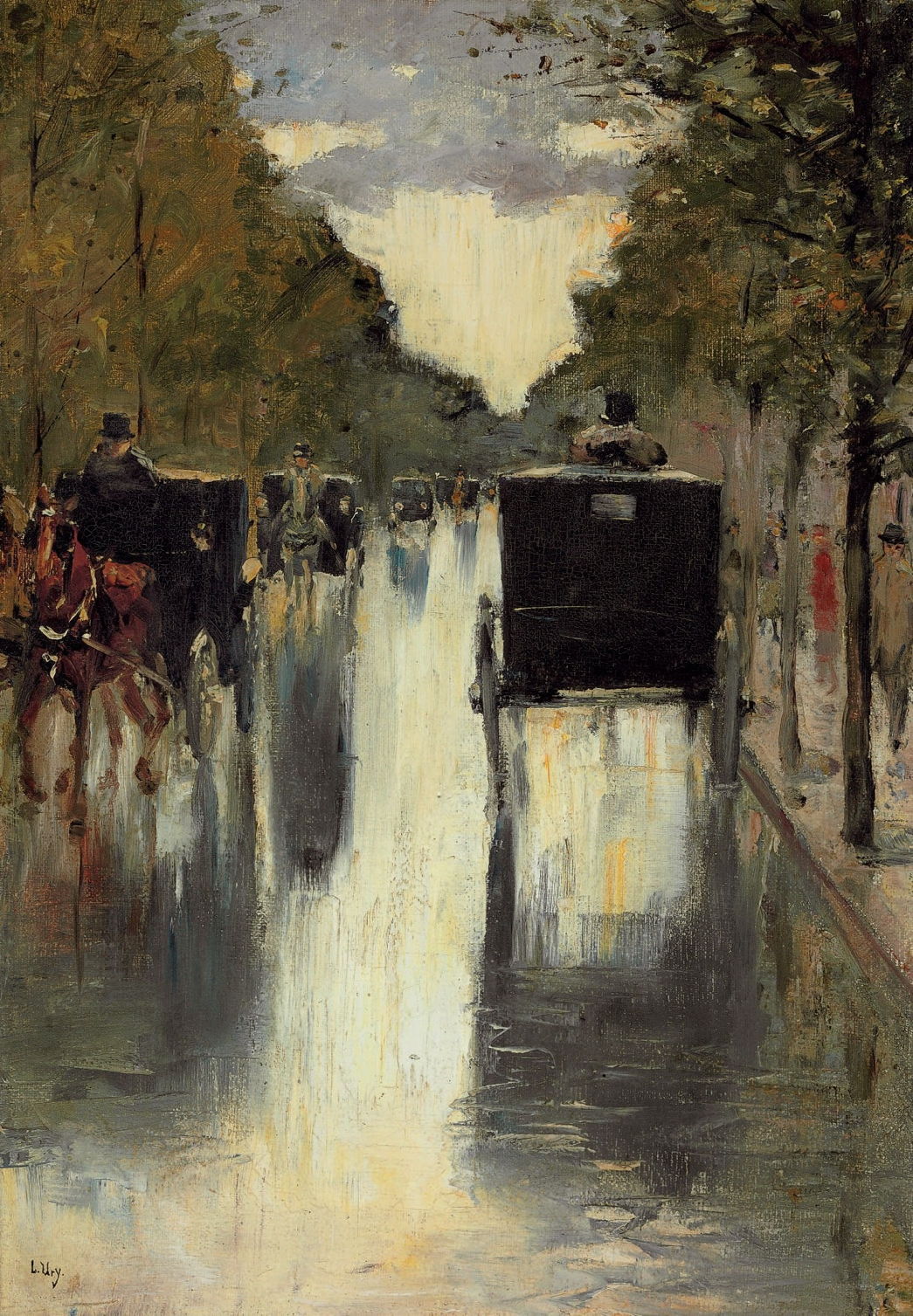 Lesser Ury (1861–1931), Berlin Street Scene with Horse-Drawn Cabs (1900-10), oil on canvas, 50.8 x 35.6 cm, location not known. Wikimedia Commons.
Painted sometime during the first decade of the twentieth century, Ury’s Berlin Street Scene with Horse-Drawn Cabs closes in on his formula for success. Although he retains considerable detail in the trees and horse-drawn cabs, the wet road now looks like a real water surface, with its reflections perfect. The dull daylight makes it hard to simplify the image any further, though.
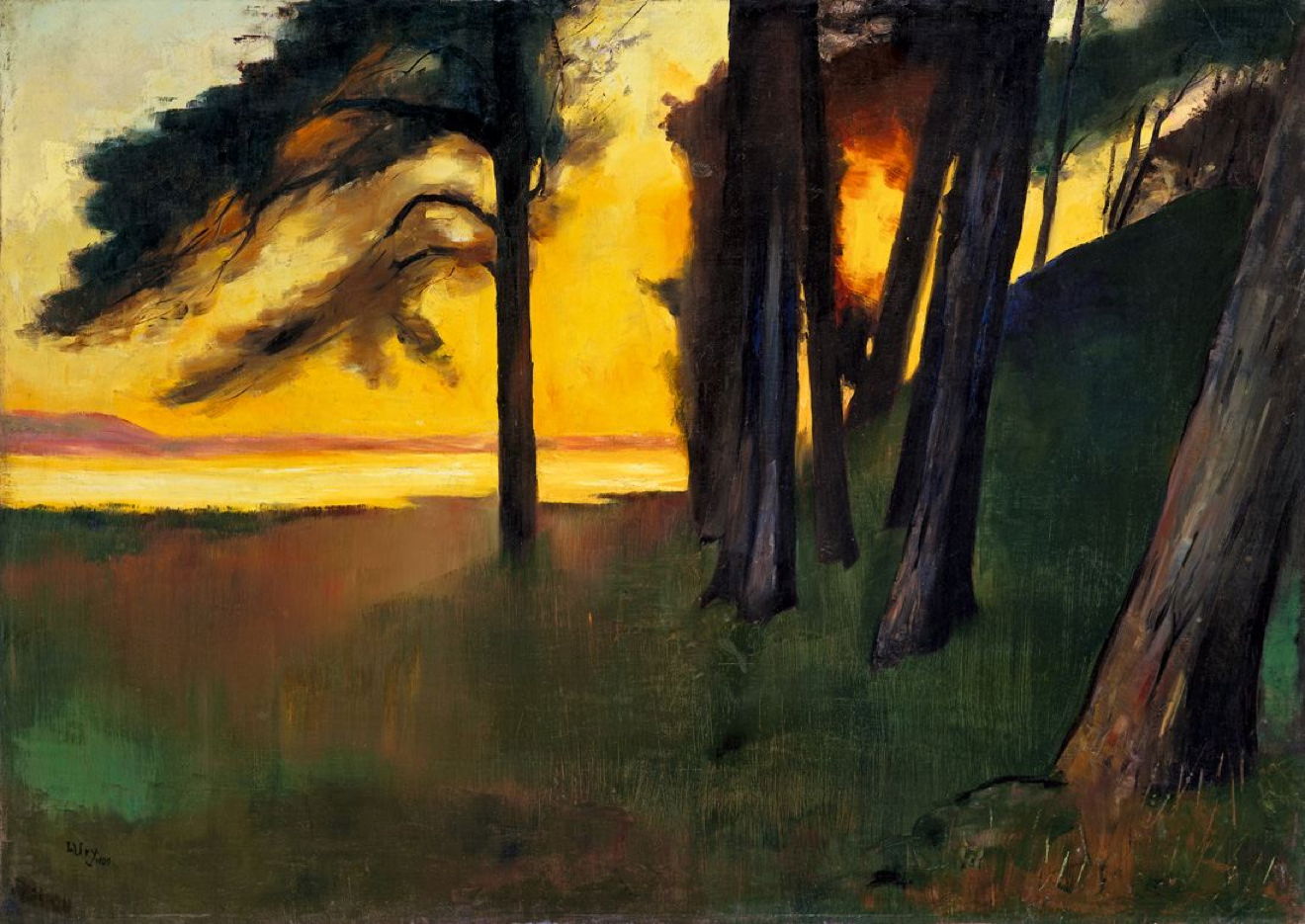 Lesser Ury (1861–1931), Evening at a Lake with a Pine Forest (Grunewaldsee?) (1909), oil on canvas, 75.5 x 106.5 cm, location not known. Wikimedia Commons.
His other landscapes of this period were also becoming more distinctive and memorable.
View original post 717 more words
 penwithlit