Categories
Uncategorized

Turner, painted propaganda, and the birth of Modern Europe

Very interesting such history painting being a major theme that painters were to react against. I think there are still major differences below and above the line of Roman occupation. Many thanks for your efforts!

hoakley's avatarThe Eclectic Light Company

Sometimes you have to dig around a bit to understand what is going on in a painting, particularly some of JMW Turner’s.

The Opening of the Wallhalla, 1842 exhibited 1843 by Joseph Mallord William Turner 1775-1851 Joseph Mallord William Turner (1775–1851), The Opening of the Wallhalla, 1842 (1843), oil on mahogany, 112.7 x 200.7 cm, The Tate Gallery (Accepted by the nation as part of the Turner Bequest 1856), London. © The Tate Gallery and Photographic Rights © Tate (2016), CC-BY-NC-ND 3.0 (Unported), http://www.tate.org.uk/art/artworks/turner-the-opening-of-the-wallhalla-1842-n00533

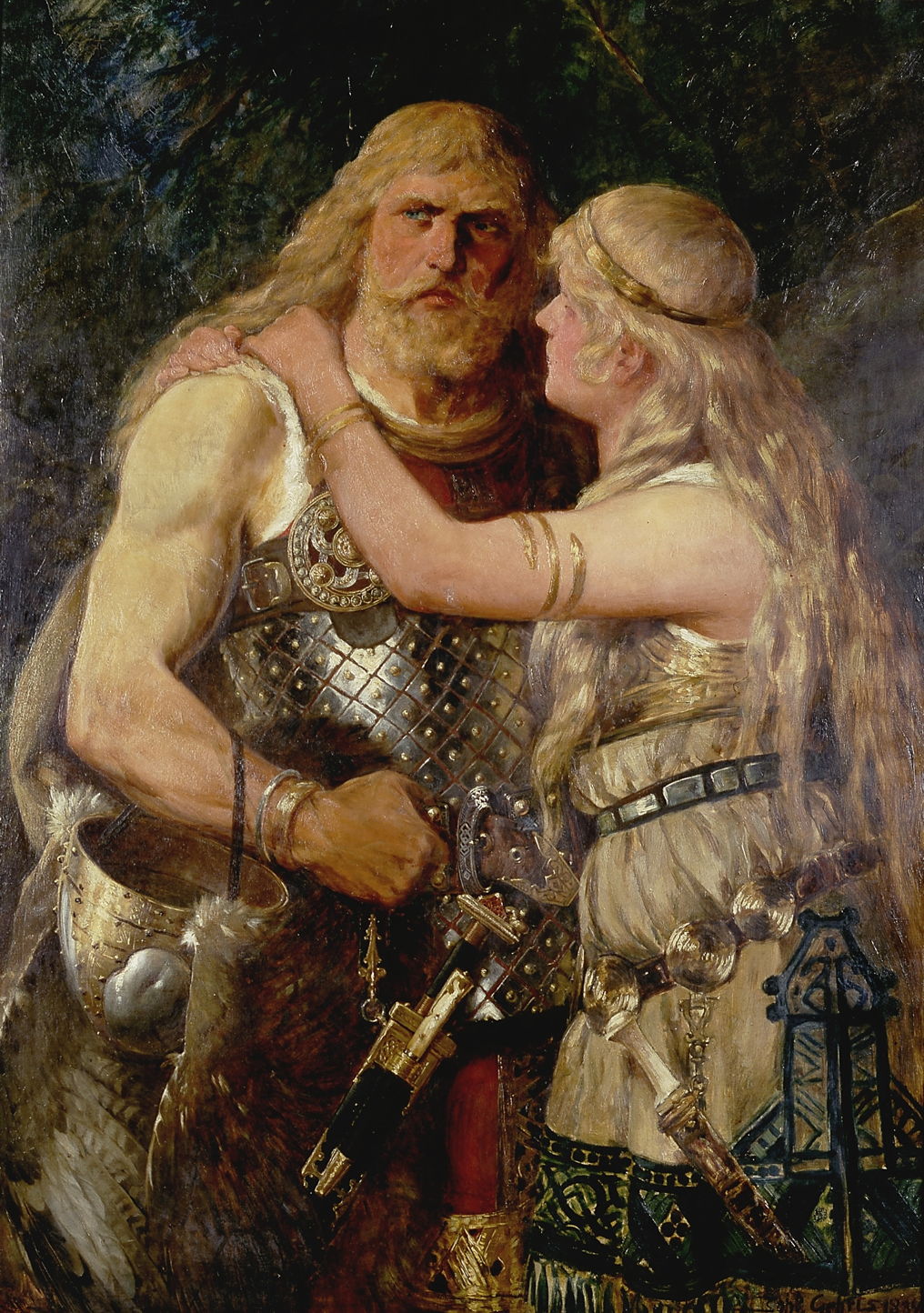
Here, my puzzle is The Opening of the Wallhalla, 1842 (1843), which shows a classical building resembling the Parthenon in Athens, and a huge crowd of people gathered on the opposite bank of the river below it. Valhalla is, of course, the mythical majestic hall to which half of the Vikings went when they died in battle, in preparation for Ragnarök.

The Walhalla (to spell it correctly) which Turner shows is a very long way from the lands of the…

View original post 1,412 more words
Categories
Uncategorized

Used to teach there-great place!!!

Categories
Uncategorized

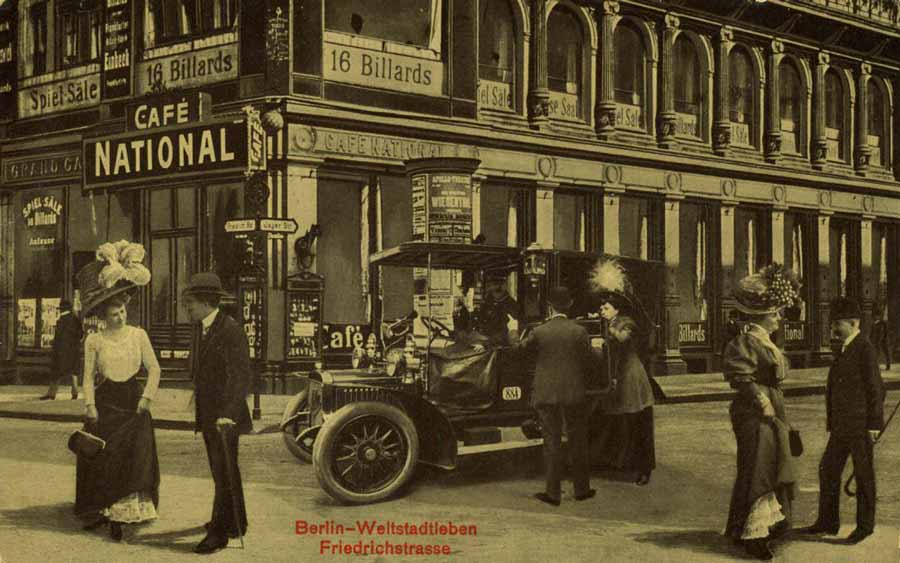
NIGHTS AT THE “CAFE NATIONAL”

The Galarie Lafayette in Berlin seems larger than the one in Paris!

Berlin Companion's avatarKREUZBERGED - BERLIN COMPANION

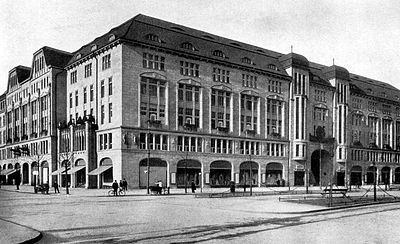
Cafe National, Friedrichstraße 76 in Berlin-Mitte.

“Cafe National” on the corner of Friedrichstraße No. 76 and Jägerstraße in Berlin-Mitte (quite obviously a collage, which explains an amusing proportion-ratio between various objects).

The place was once famous as the “largest billiard club in Berlin” (posters in the upper-floor windows bear witness to that) and in the 1920s became a favourite address for the Friedrichstraße prostitutes working between this street and Leipziger Straße to come, warm up and have some rest.

They particularly enjoyed the four Venetian glass mosaics decorating the walls: designed by Wiener, they symbolised four different nations and were made for the cafe by Dr. Salviati, a renown mosaic-maker whose own shop was located at No. 149.

The building were the cafe was located was destroyed during the Second World War – the site houses a large department store,”Galerie Lafayette”, now.

View original post

Categories
Uncategorized

ONCE UPON A TIME AT THE KADEWE

1998? An interesting background to a remarkable building.

Berlin Companion's avatarKREUZBERGED - BERLIN COMPANION

Last night #RBB (Rundfunk Berlin-Brandenburg) – for obvious reasons our favourite German TV station – treated its viewers to another episode of its highly appreciated documentary series Geheimnisvolle Orte (Secret, or Mysterious, Places).

This time it is all about the KaDeWe: since its opening in 1907 Berlin´s Kaufhaus des Westens (the Department Store of the West) remains an elegant temple of shopping, the Mecca of jet-setting keen buyers.

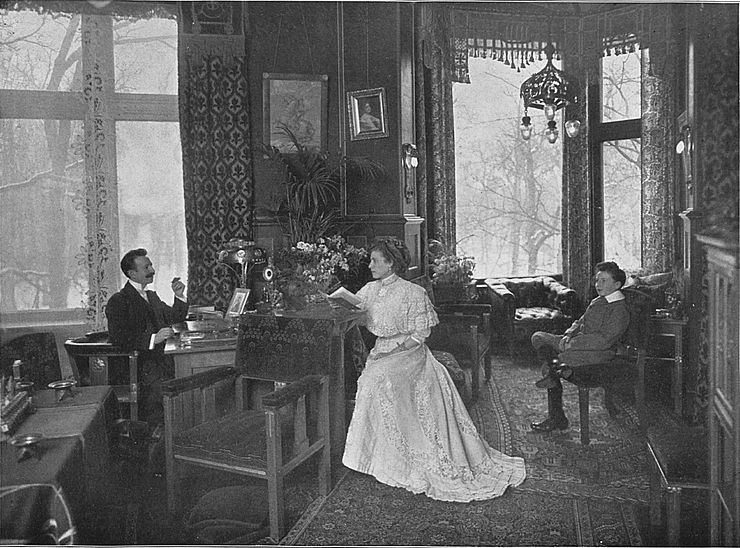
Adolf Jandorf and family in their villa in Tiergartenstraße, 1908 Berlin (image by R. Siebert).

Its story is a rich tapestry of anecdotes and historically significant moments. Its fate reflects that of Berlin itself almost one-to-one: the Wilhelminian show-off opulence, braggadocio and drama, the Weimar Republic “wild & wasteful” craze and sudden financial slump, the Nazi-era tragedy of the Jewish management and staff, followed by the Second World War wreckage and the resurrection; division of Berlin and the 1960s anti-capitalist, anti-authoritarian, anti-government…

View original post 132 more words

Categories
Uncategorized

Käthe Kollwitz: Life, Death, War at the NGI

ms6282's avatarDown by the Dougie

Leaving the Vermeer and the Masters of Genre Painting exhibition at the National Galley of Ireland I spotted that there was an exhibition of works by Käthe Kollwitz in the Print Gallery.

IMG_2720

Käthe Schmidt was born in Königsberg, 150 years ago on on 8th July 1867  in what was then in East Prussia (today Kaliningrad, Russia). However she lived most of her life in Berlin where she studied and later married Karl Kollwitz, a doctor living for the half century in Prenzlauer Berg, a working class suburb of North Berlin and one of the city’s poorest neighbourhoods. Her husband worked for a workers’ health insurance fund and often treated the working poor free of charge. Initially trained as a painter, Kollwitz began to focus on the graphic arts – drawing, etching, woodcuts – and sculpture. Influenced by the writings of Emile Zola, her subjects were ordinary people, the downtrodden and the…

View original post 354 more words

Categories
Uncategorized

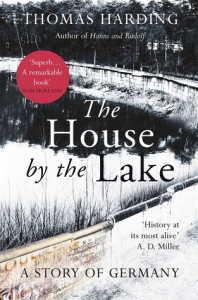
The House by the Lake, by Thomas Harding

Lisa Hill's avatarANZ LitLovers LitBlog

Thomas Harding’s The House by the Lake is in some ways similar to Penelope Lively’s A House Unlocked which I read and reviewed back in 2009.   Lively’s book tells the stories of objects in her family’s country house that her grandparents bought in 1923, and in doing so creates a social history of her time, covering the period of rapid change in the interwar years as well as WW2.  However in one crucial respect,  Harding’s memoir of his family’s house and its people is different: whereas the Lively house always stayed in family hands, for the house by the lake in Germany there were five changes of ownership during the tumultuous 20th century.
A hundred years after Otto von Wollank’s estate had run into economic trouble after the First  World War; after the collapse of Imperial Germany, the Weimar Republic, the Third Reich, communism and reunification; after five families had fallen in love with the…

View original post 461 more words

Categories
Uncategorized

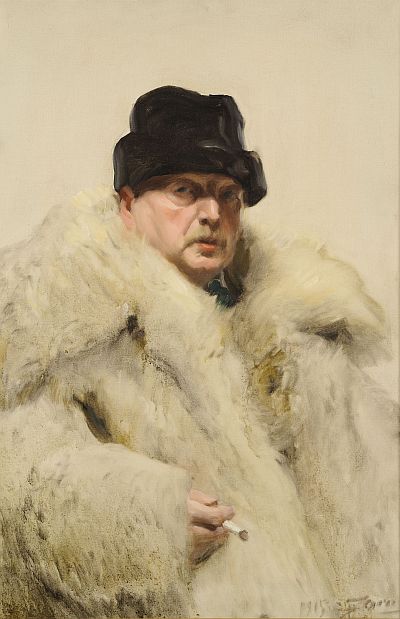
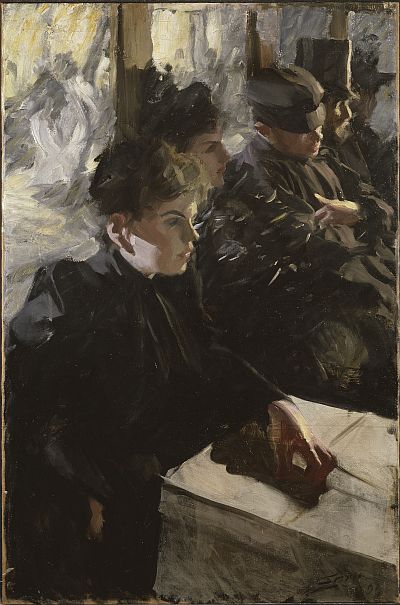
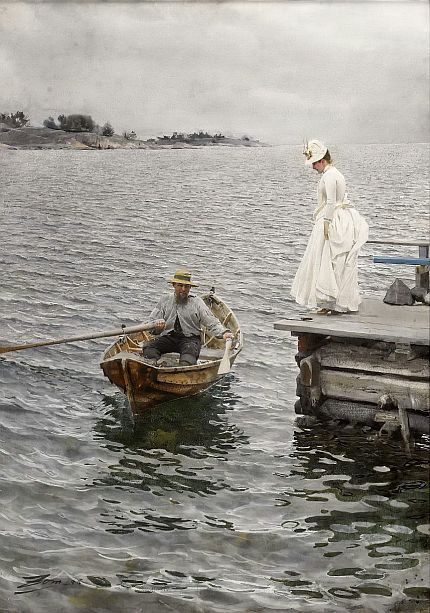
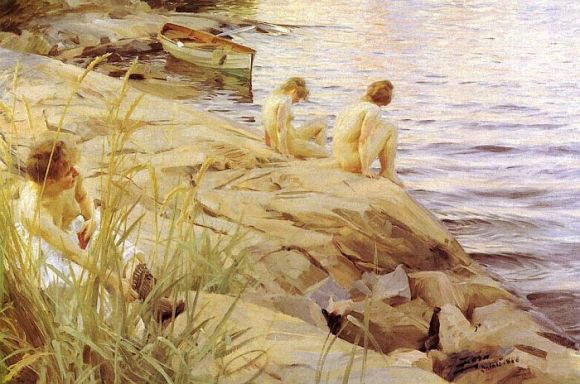
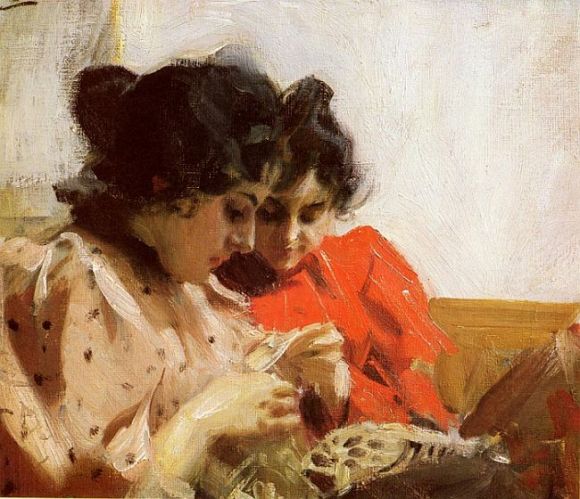
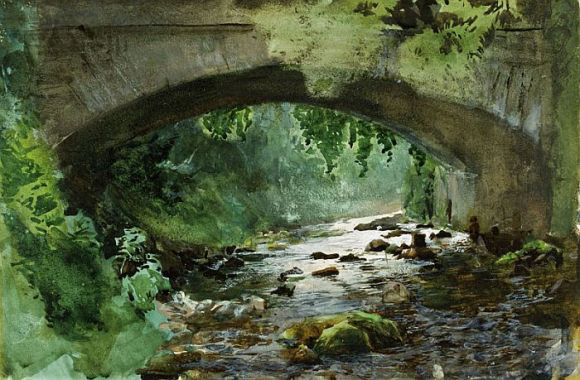
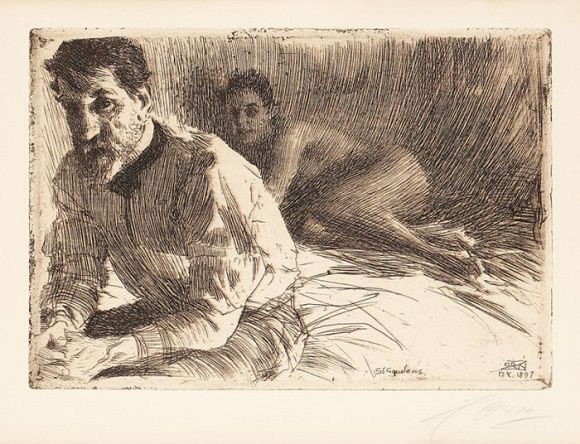
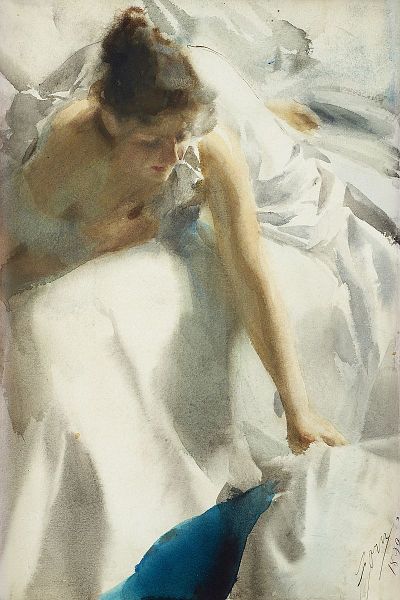
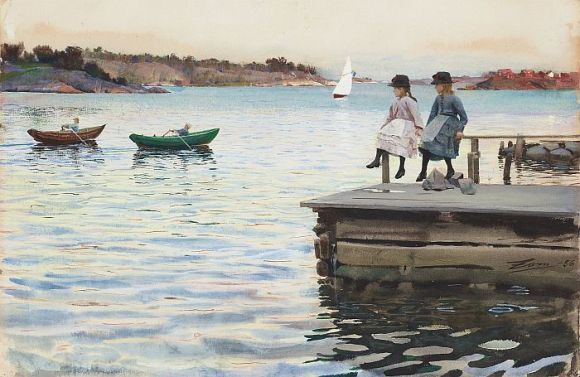
ANDERS ZORN

According to David Tovey,Zorn was a significant figure in the St Ives art community.

beautybellezzabeaute's avatarBeauty Bellezza Beauté

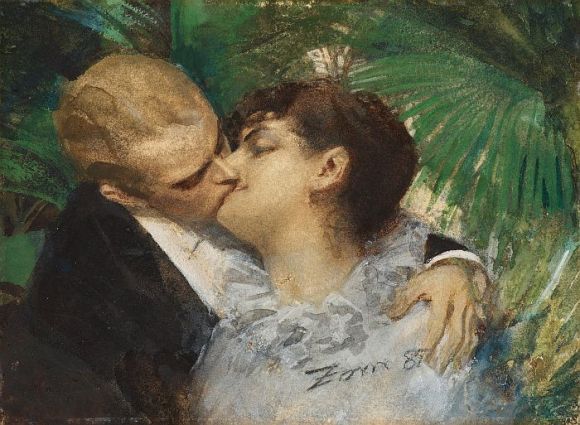
Anders Zorn (1860-1920).

zorn1zorn2zorn3zorn4zorn5zorn6zorn7zorn8zorn9zorn91zorn92zorn90

View original post

Categories
Uncategorized

Edgar Degas: A life in twelve paintings

A great summary! Thanks!

hoakley's avatarThe Eclectic Light Company

Later this month, we will be remembering the life and work of Hilaire Germain Edgar Degas, who died a century ago. Degas is not my favourite artist of the group known as the French Impressionists, but is one of the most fascinating painters, draughtsmen, and print-makers of the nineteenth century.

Over the next three weeks or so, I will look at different areas of and themes in his art; rather than attempt a full biography and chronological account of his paintings, this article gives a concise summary, written around twelve of his key works, as an introduction to more detailed articles later.

Edgar Degas was born in Paris on 19 July 1834, into an affluent family. His father was a banker from Naples, Italy, and his mother’s family were merchants in New Orleans. In the summers of his childhood, the family visited Saint-Valery-sur-Somme, on the northern coast of France. His…

View original post 2,680 more words

Categories
Uncategorized

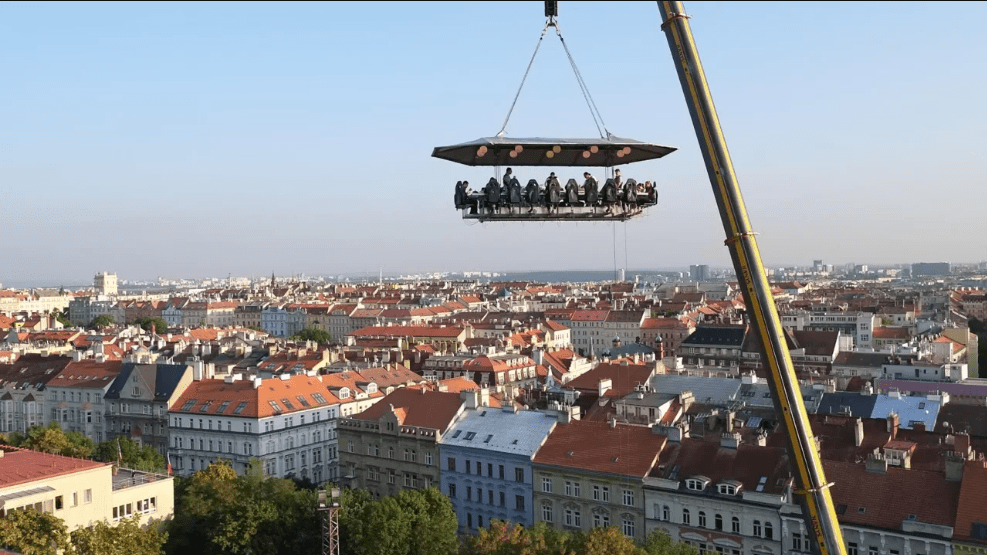
Unmissable Events in Prague-Vienna-Budapest | September 2017

Categories
Uncategorized

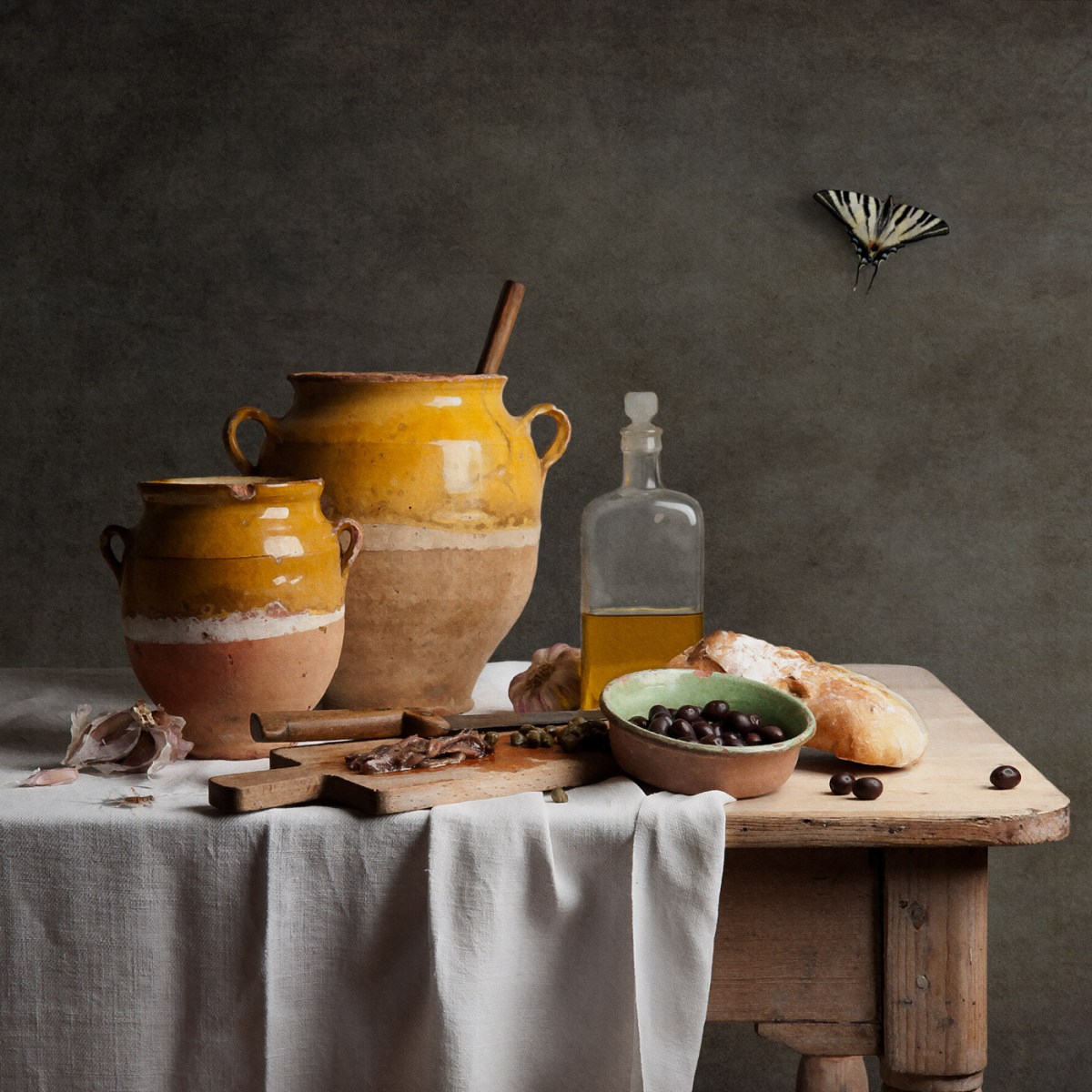
Both a Photograph and a Painting: Still Life Arrangements and Portraits by Tineke Stoffels

Tulika Bahadur's avatarOn Art and Aesthetics

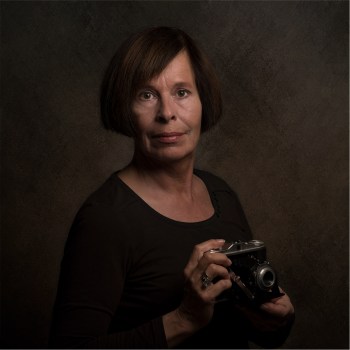
Tineke Stoffels

Seeds, petals, loafs of bread, egg shells, orange peels, pots of honey, jars of oil arranged and exhibited carefully in indoor spaces – photographer Tineke Stoffels (born 1957, Den Helder, the Netherlands) captures the beauty of everyday objects in a style that resembles the still life paintings of the Dutch Golden Age. “One often wonders upon seeing my work,” writes the artist, “whether it’s a photograph or a painting. For me it’s both.”

Tineke’s stunning portfolio is divided into series: “Uyt Eenen Tijt”, “Momento Mori”, “Terroir”, “Recettes Provençales”, et cetera. Each project looks at specific themes, which may be a celebration of local cuisine, a reminder of the transience of life, the splendour of imperfection or the importance of temperance.

“Photography for me as a means of expression is the ideal combination of technology and design,” writes Tineke. “Because I think mainly in pictures, the camera helps me…

View original post 380 more words