Some great photographs from Vienna!
Categories
Some great photographs from Vienna!
Been discovering Verlaine
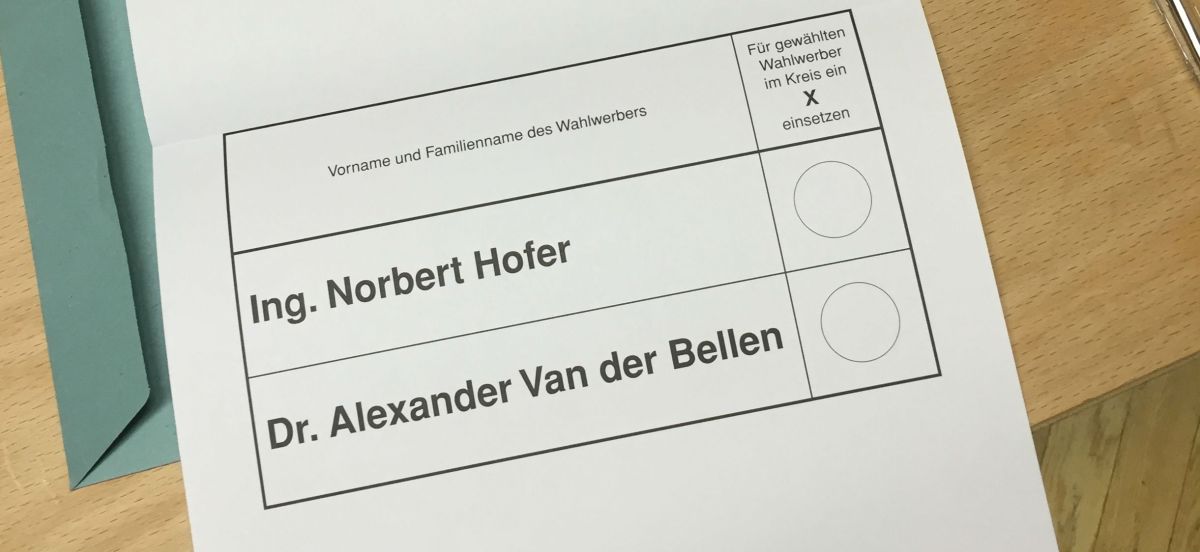
Another election needing to be carefully watched. Thanks for posting
Hillary Clinton is all over the news, with the occurrences at the 9/11 memorial.But as I’ve mentioned I’m also following the Austrian election very interested.
Some days ago the next failure in this never ending election led to a postponement, and again the postal vote is in the center of the events. This time it happened before they even voted.
The glue that sealed the envelopes of the postal votes failed. Several voters noticed opening envelopes and that would mean invalid votes. And a number of invalid votes because of irregular envelopes would make the whole election invalid.
Because the part of the postal voters was over 10%, a legally correct election would not be possible, and so the election was moved back two month. Alexander Van der Bellen, the candidate from the “Greens” supported this, while his opponent Norbert Hofer was against this decision, because he believes that…
View original post 73 more words
I have seen much of this fascinating collection in the Literaturhaus in Munich. Zweig continues to fascinate and been the subject of an excellent film this year. Thanks for posting!
I had started my collection in an amateurish way as a boy of fifteen, and in all these years, thanks to a great deal of experience, more money than when I first began and even greater passion, I turned a mere assortment of separate items into an organic structure, transforming it, I think is fair to say, into a genuine work of art in itself.
– Stefan Zweig, The World of Yesterday
Stefan Zweig (1881-1942), despite being somewhat forgotten today, was in his own time one of the most widely read authors in Europe. During his short career, which tragically ended in suicide in 1942 after he had escaped his native Austria and beloved Europe to exile in South America, he authored dozens of novels, short stories, biographies, plays, and one work of memoir, The World of Yesterday.
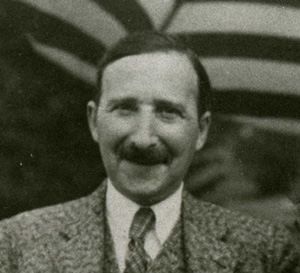 Stefan Zweig. The Reed Library, State University of New York at Fredonia. http://fredonia.libguides.com/archives/zweig
In
View original post 822 more words
Great pics!
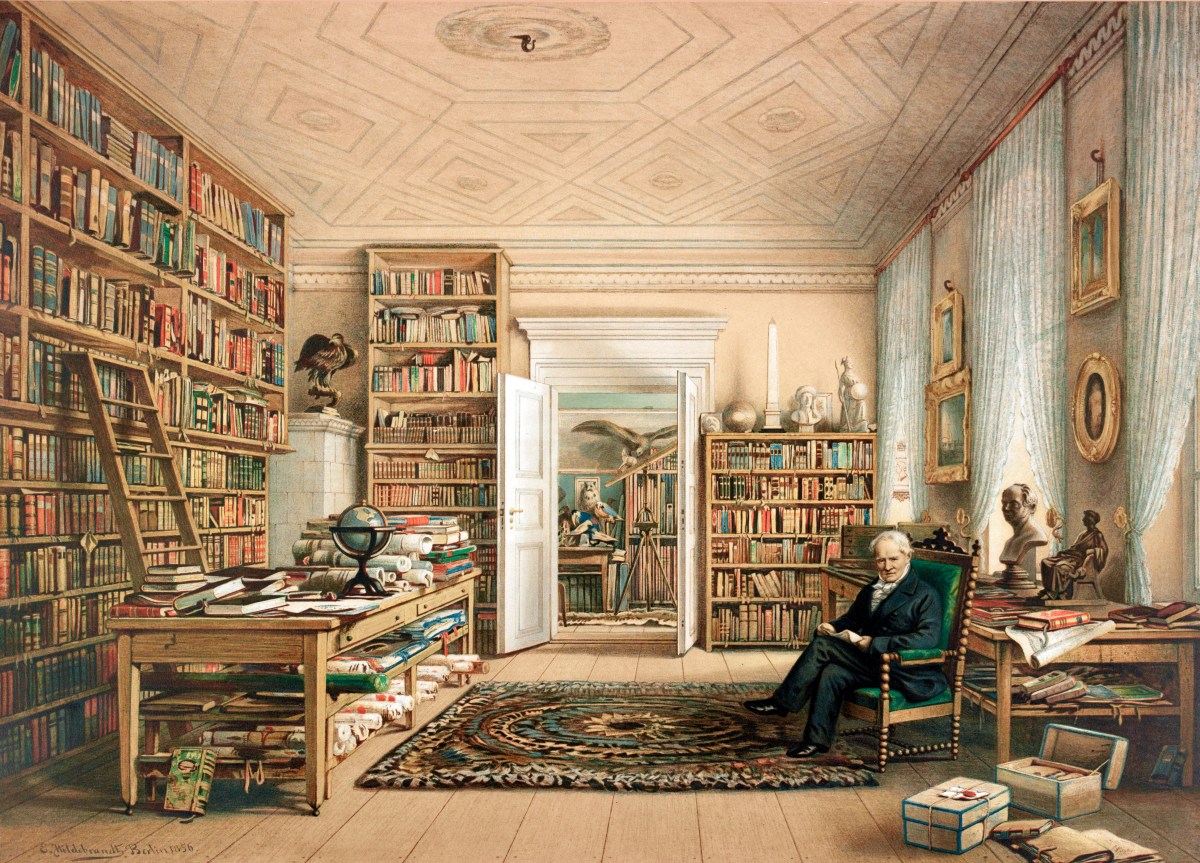
A great man subject of two recent books and a film-I think!

Here´s a man who needs no introduction. In fact, it would be far easier to name the things Alexander von Humboldt did NOT do than to properly quote all of his achievements. He was “the last universal man” whose death in 1859 is often said to have marked the end of a great era of science, curiosity and of open-minded intellectual pursuit.
Born in Jägerstraße in Mitte (the house does not exist anymore), he and his equally famous brother, Wilhelm, spent their childhood in Tegel: Schloß Tegel with its beautiful park located on the northern shore of the Tegel Lake was Wilhelm´s and Alexander´s playground and their first site for curious exploration. The park is home to an approximately 800-year-old oak tree – the oldest tree in Berlin – which the boys named “Fat Mary” (Dicke Marie) after the family cook.
Alexander von Humboldt´s travels and the accounts…
View original post 370 more words
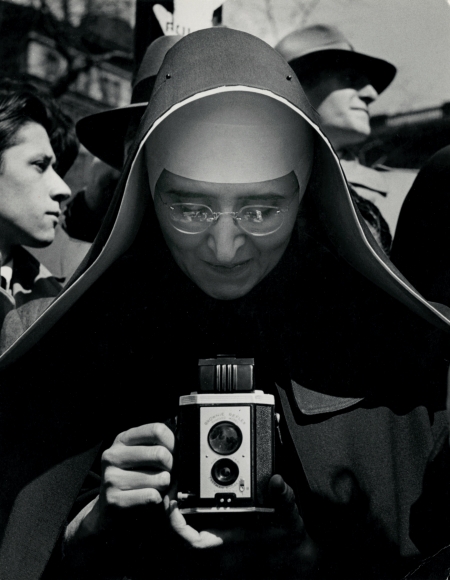
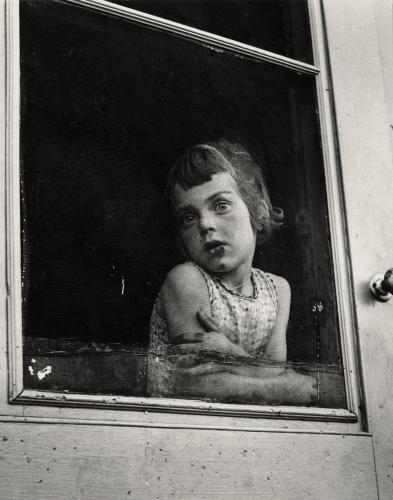
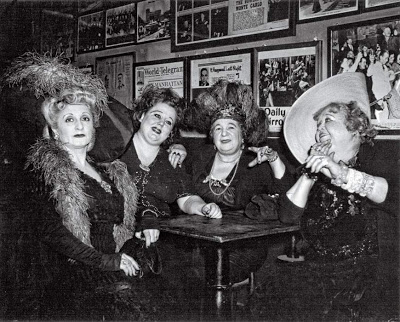
More than twenty years ago there was an excellent bookshop at the bottom of Station Hill in Truro. It was manned by a man who looked like a taller version of Alan Bennet who wore a white pullover and so the shop became known in our family as the “White Man’s”. He may well have read English at University because there was an excellent stock of poetry, criticism and literary collections. It was in the front part of the shop that art and photography books were stocked. It was here that I discovered a magnificent book of photographs by Roman Vishniac. (https://en.wikipedia.org/wiki/Roman_VishniacI }that was called “Children of a Vanished World” and was more than I could then afford. It was, however, quite stunning to peruse and an astonishing invocation of the past. As one reviewer on Amazon writes:-
“In this book we can see the faces of the children who disappeared a few years later in the Shoah. Just look at them, they are children like all the others in the world; beautiful, funny, playing, studying, and so on. Lives which were brutally cut in the most monstrous way in human history. If they had lived, they would have been merchants, rabbis, doctors, lawyers; some of them would have been known as novelists, scientists, and so on. Why had the world to live without their talents they wanted to show us?”

Vishniac photographed many subjects including microscopic biological specimens but it is this collection about the Shtetel which made him famous. In a way it provides a complement to the magical paintings of Chagall. Also I started to read “Shtetel” by Eva Hoffmann which is also interesting on this topic.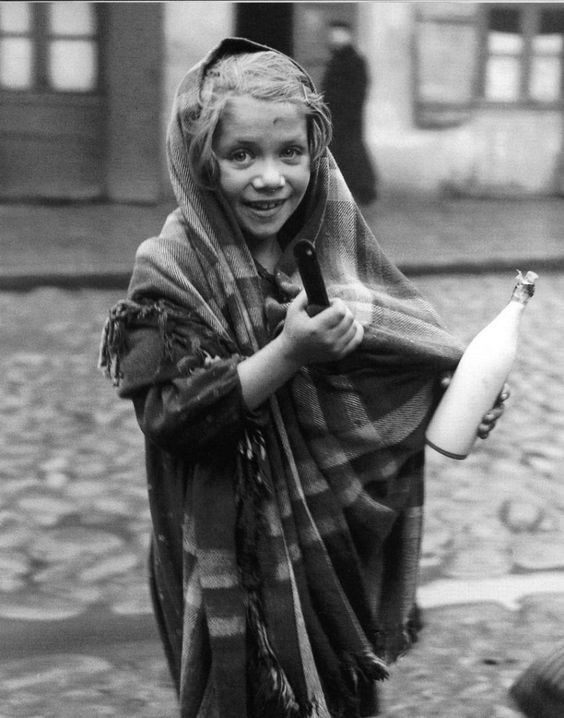

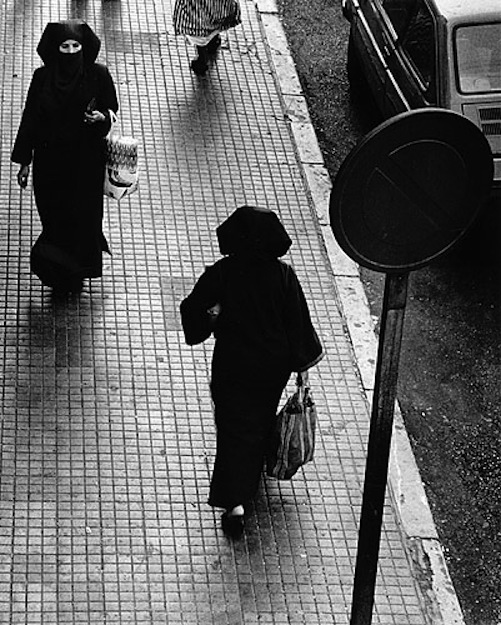
However, more recently,it is the Berlinische Galerie which opened my eyes to two further interesting photographers in their collection-http://www.berlinischegalerie.de/en/museum-berlin/forschung/grant/ These are Steffi Brandl and Erich Salomon. Brandl’s work is remarkable for it’s portrait and figure photography. Her compositions are unfailingly interesting and captivating. So captivating that I made sketches whist viewing them.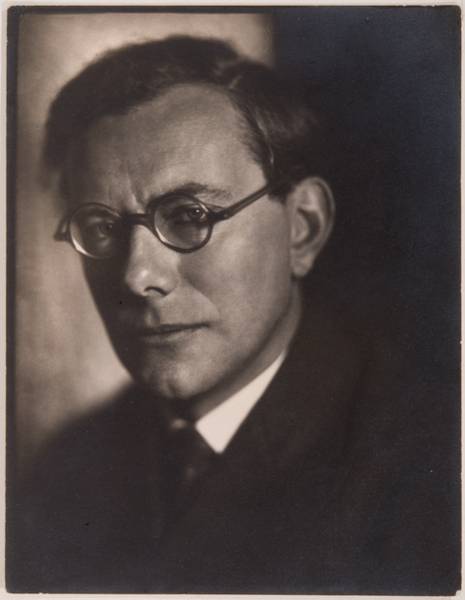
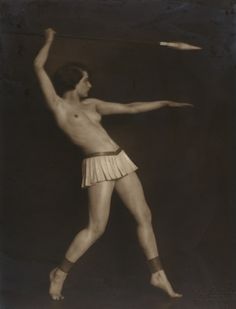 These are sophisticated photographs that work to capture the essence of the subjects in the lens. She was born in Vienna in 1899 as Stephanie Olsen and trained there under Trude Fleischmann and then married an architect, Ernst Brandl moving to Berlin in 1926. She had a studio at 211 on the Kurfurstendamm and was forced to emigrate to England in 1933-she moved to New York where she died in 1966.
Erich Salomon’s work is similarly of great interest. In talking of his technique, wikipedia.de says the following:-
Übliche Arbeitsgeräte der Pressefotografen waren seinerzeit unhandliche Plattenkameras für Glasnegative bis 13 × 18 cm. Salomon erwarb wenige Monate nach seinen ersten fotografischen Erfahrungen eine Ermanox-Kamera. Diese war ein neu entwickelter, relativ kleiner Fotoapparat mit dem seinerzeit lichtstärksten serienmäßig hergestellten Objektiv (1:2) und einem Schlitzverschluss, der Belichtungszeiten von 1/20–1/1000 sec erlaubte. Mit der Ermanox waren Momentaufnahmen auch bei schwachem Licht, Fotos in Innenräumen ohne Stativ und Blitzlichtmöglich. Als fotografisches Bildmaterial dienten Glasplatten von 4,5 × 6 cm in Einzelkassetten, von denen man problemlos eine größere Anzahl bei sich tragen konnte. 1930 kam eine Leicahinzu – noch leichter und unauffälliger als die Ermanox.
Esentially this says that press photographers used to have to use large glass plates 13x18cm in size, However, Salomon developed the technique by using a newly developed Ermanox camera which was small with a mass produced lens that allowed exposure times of 1/20 to 1/1000 sec and could therefore be used in low light conditions i.e. indoor photography using flash so that the size of the plates were considerably reduced.and a number of plates could be stored in the box which the photographer manhandled. Hence a series of shots might be made.By the 1930s the even smaller and less conspicuous Leica was developed.
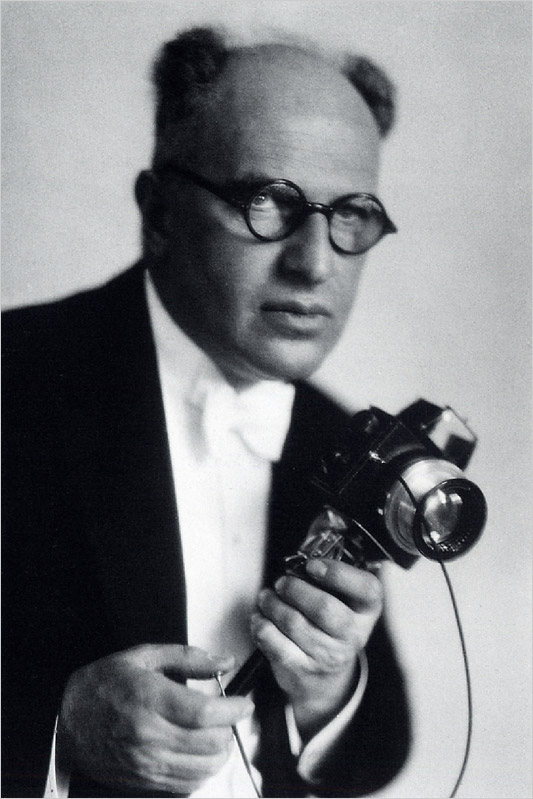
Much more can be said about the dramatic life of this photographer who would indeed make a good subject for a film. Among the images which interested me that Salomon made was a photograph in 1938 taken in the Austrian Embassy in London. It shows, of course King George and the young Queen but also the Austrian Chancellor Kurt Alois Josef Johann Schuschnigg whose attempts to keep Austria independent were just about to fail before the Anschluss. After the invasion by Nazi Germany he was arrested, kept in solitary confinement and eventually interned in various concentration camps. Salomon’s fate was worse- as a Jew attempting to escape he was caught in 1940 in the Low Countries and died in Auschwitz in 1944. 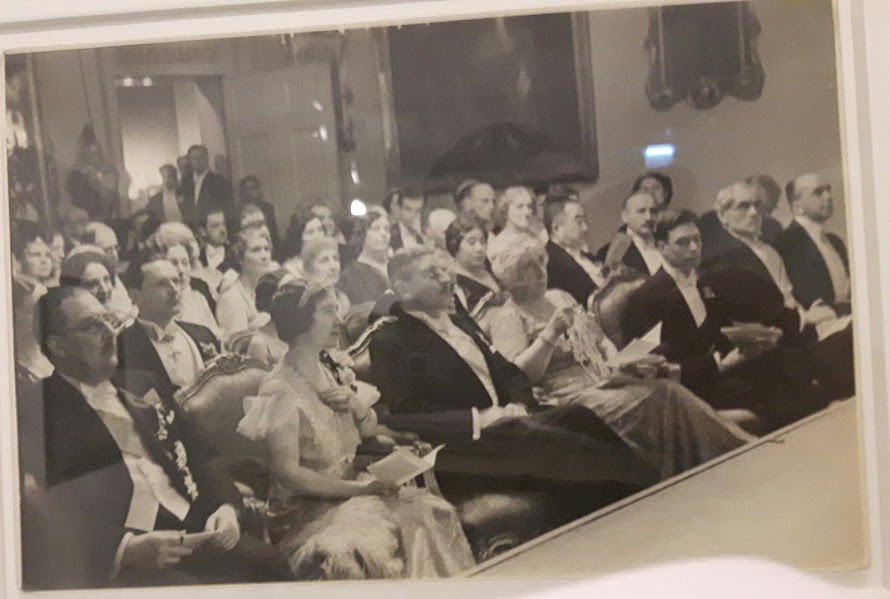
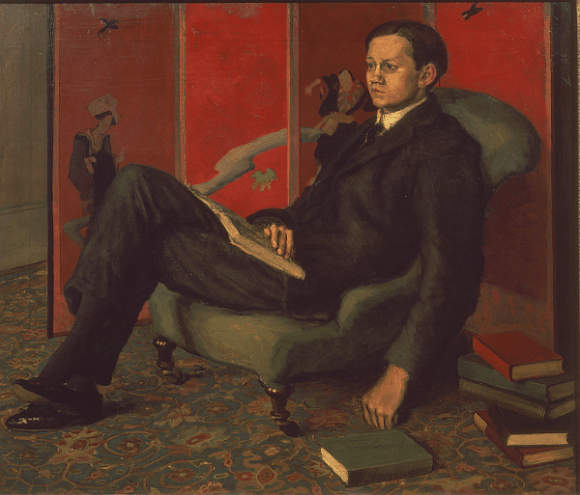
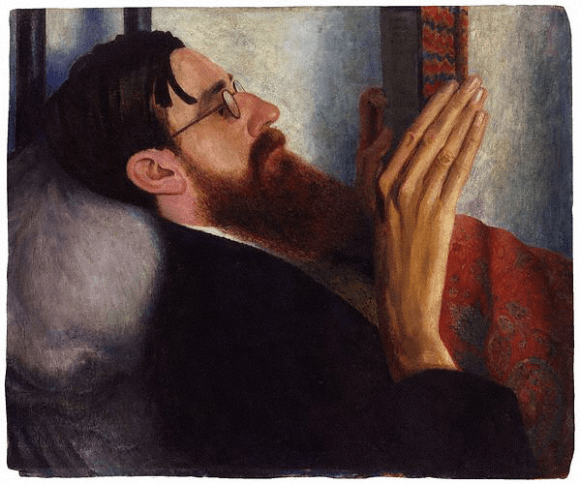
“Lytton Strachey” by Michael Holroyd is a wonderful biography-very moving about Carrington. “Carrington” is also a great DVD.
These look very lively!
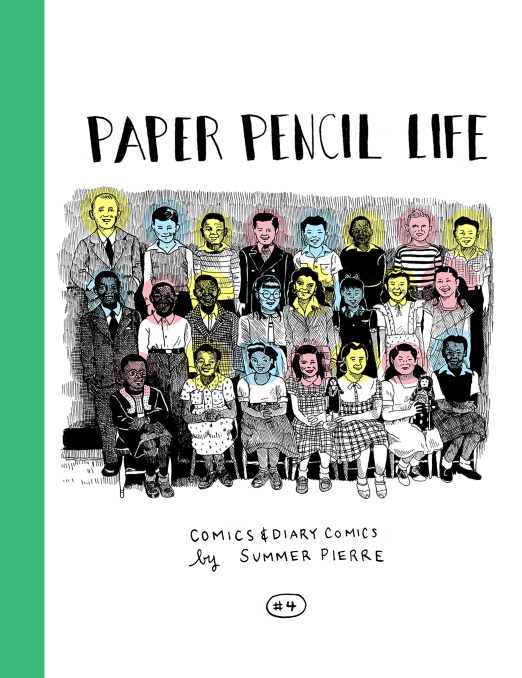
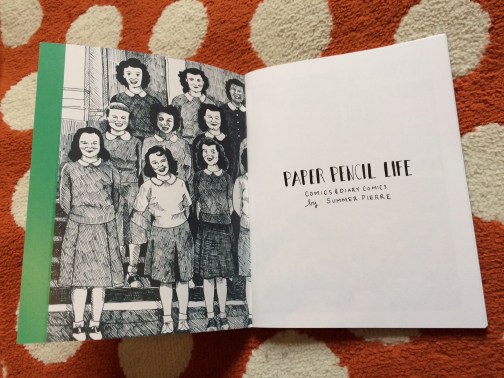
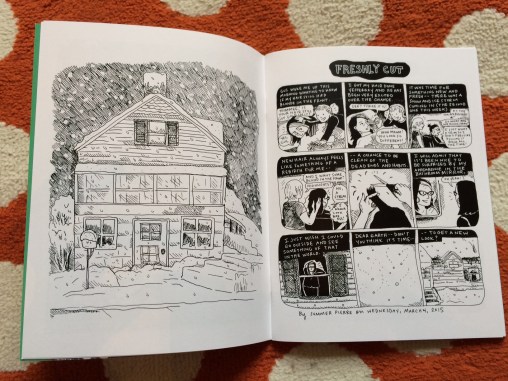

Excuse me while I do a little dance! My latest collection of comics and diary comics, Paper Pencil Life #4, is at last available to purchase! 52 pages of comics in beautiful black and white! Stories about road trips, the artistic life, strange mothers, anxiety, and so much more! All for just $8.00!
I have to tell you that I am immensely proud of this work–I think it is my best issue yet. It has my favorite stories I’ve made in it–plus I just love how it looks!
Also–THIS JUST IN: I’ve also added a limited edition 4 pack of all 4 issues of Paper Pencil Life in my shop–4 issues for the price of 3! This way you can get the whole shebang and for a cheaper price!
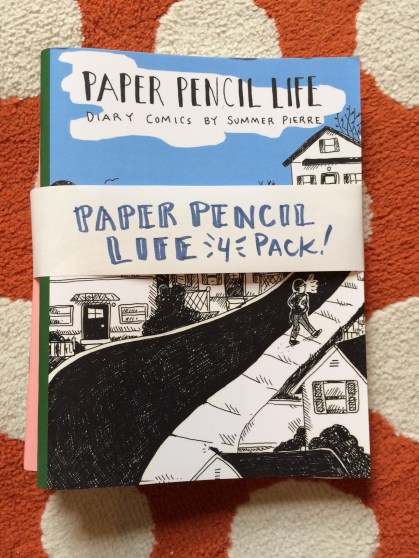
I’m thinking about not reprinting Issue #1 after this conference season to make room for more stuff (although the jury is…
View original post 88 more words
Useful background for travellers here:-


As part os Eastern Europe, particularly the Balkans, are still developing when it comes to tourism, I thought I’d pass on some tips for fellow travellers that may be of use if you’re planning a similar trip to our recent one.
Initially we thought about picking up a hire car in Split and then driving it all the way to Belgrade, but the problem was that in going to another country, every company then whacked a relocation fee on top of the hire fee, making it too expensive to justify. Public transport it was then.
Travelling around Bosnia and Serbia is not the easiest, however, as the infrastructure just isn’t there yet, so it’s harder to be spontaneous about how to get to places. Trains are pretty much non-existent, but there are buses, and with some forward planning you should be fine.
It’s always a good idea to have…
View original post 1,411 more words



 penwithlit