Just a few images around and about Penzance in the past few weeks.
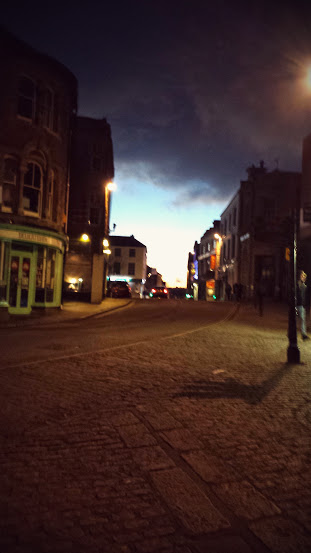
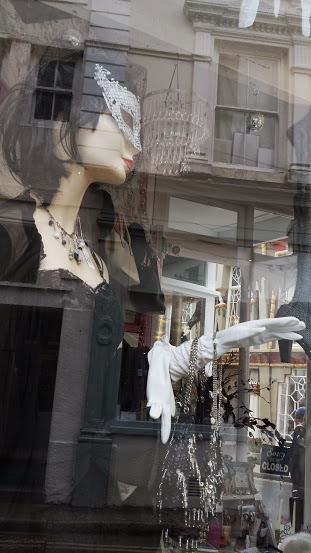
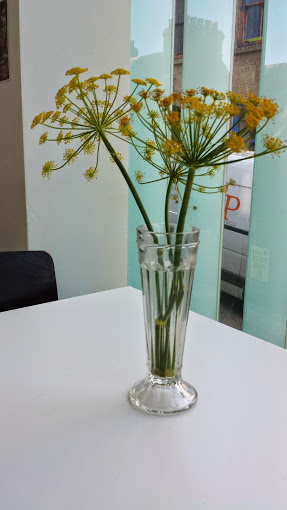
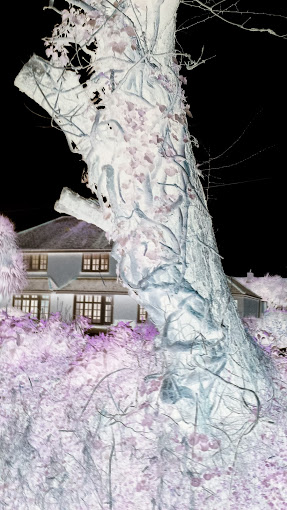
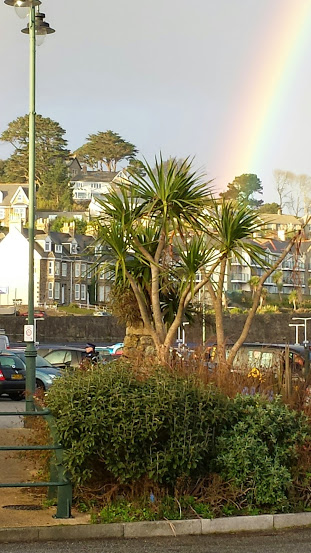
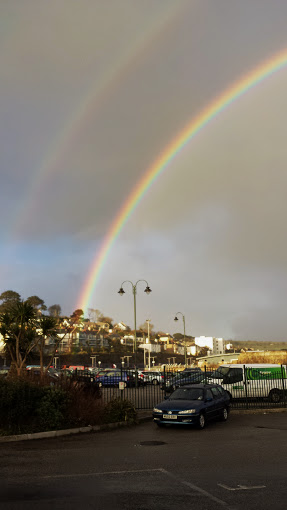
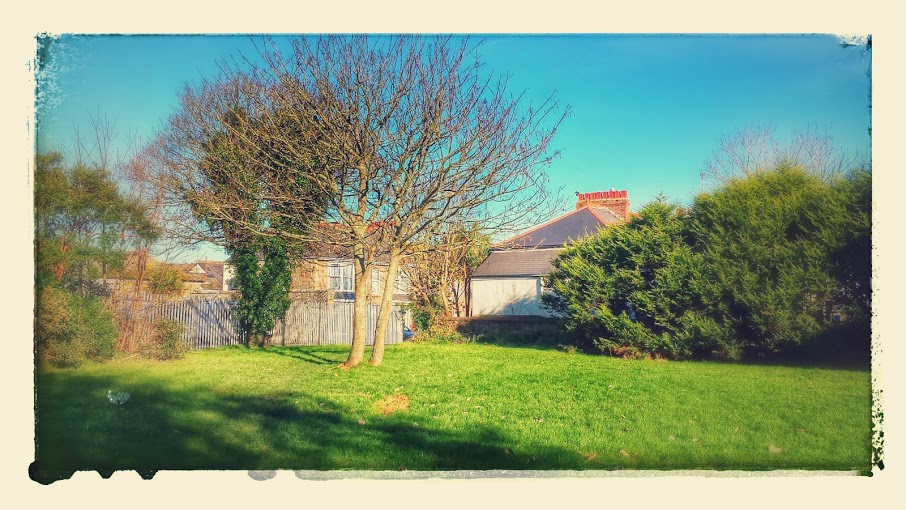
Just a few images around and about Penzance in the past few weeks.
Rose Zimmer, a feisty American communist radical, takes on many good and great causes. These include everything from feminism and racism to the changing course of Stalinism in the American C.P. but most of all; her biggest causes are the people around her. The effects upon them are diverse and devastating. She often propels them to success but at the same time they feel battered and must escape in order according to their own needs. Her affections are real but invasive. Rose keeps a shrine to Abraham Lincoln. Rose’s self-assertion within the perimeters of the German-designed 20th Century New York suburb of Queens, a multi-cultural suburb and a planned housing development similar to Hampstead Garden City provide the setting for Jonathan Lethem’s Tour de Force.
Reading Dissident Gardens is rather like taking a plane to New York and perhaps linked into a time-machine to peruse 80 years of political tensions that stress three generations. Lethem, who trained as an artist, is quite superb at visually rendering the city brown brick tenements, elevated railways, grand bridges and squares and together with their uses. Some of the latter, for instance, under the influence of socially concerned denizens like Rose, have been commandeered into communal gardens. Additionally, you even get a taste of the food from iced bear-claws, milkshakes and salt-beef sandwiches. His ear is at least as strong as his eye and the salty, saucy language carries the vigorous impact of Italian, Irish, Hispanic and Yiddish all gemischt. The reader will benefit from access to a good dictionary of urban slang to navigate this environment as much as his or her GPS so as not to lose your way in this city jungle.
As with a city break, the most interesting aspect of any visit is meeting the locals. Here Lethem provides panoply of fabulous characters. His technique is such that you he reveals not just the stream of consciousness but also the fractured and sometimes damaged nature of their sudden preoccupations. There is Cicero Lookins, the brilliant, angry, black, gay and overweight college lecturer. He has the dubious privilege of becoming Ross’s protégé and carries the burden of growing up the son of a nurse who is suffering from chronic lupus and a conventional heroic policeman from the NYPD who has become Rose’s lover. Cicero is a volatile mixture of intelligence, cynicism and compulsive sexuality. His lecturing style challenges the young and indolent yawning student audience that attend his social philosophy lectures. He is reading Robert Musil’s grand scarcely completed novel, The Man Without Qualities. He has become imprisoned by his own psychological defences and just how this developed is lucidly, believably and eloquently explained with a certain ironic sympathy.
Each chapter can almost be taken as a story within itself. This is a satisfying approach as there is little in the way of a page-turning narrative to speed the story forward. Indeed, this is a novel that casts light upon what has happened in previous chapters as well as links with other persons. It jumps around and resonates in time. This backward linking is intriguing in itself and gradually makes the relationships between the characters memorable. Dissident Gardens is not always easy to read but the detail, texture and breadth of the writing weaves a brisk believable magic as the story progresses. Idealism is often exposed in its naivety in this novel. The characters, as in real life, are often deeply wounded by losses but remain authentic in their striving.
This is a novel which spreads itself over the globe whilst embracing wide belief systems. Nicaraguan armed resistance, passive resistance, the Occupy movement, East German authoritarian Marxism are but a few of the topics encompassed. However, this is not in the usual sense a novel of ideas. It is critical of grand narratives in a manner that the renowned American pragmatic philosopher, Richard Rorty might have approved. It is the individual enclosed within the fascinating psycho-geography of New York that keeps the reader interested. For instance, there is Rose’s daughter who cannot possibly meet her mother’s expectations. Miriam Zimmer survives her mother’s physical attack and seeks an alternative belief within Hippie Greenwich Village of the 1960s. She is pursued by her hustler cousin Lenny whose interests also include chess and numismatics. She falls for an Irish protest singer who is attracted by prospects of living in a commune and attending meetings with the Society of Friends. However, in certain ways Miriam cannot easily escape her mother or her authoritarian distant father.
Reading about Lethem’s writing methods- said to be on an exercise machine using a voice operated word processor- accounts for the energy of the writing. The style is sometimes abrasive but also beguiling. This novel can be described as both tragic and comic. Tragic in the sense that the characters often seem isolated and comic because the reader will recognise some of his own impulses and be encouraged to laugh at them. I am left reminded by the words of a song from the musical Hair: – “Do you only care about the bleeding crowd? How about a needing friend? I need a friend” If there is a message from this novel, it is about our need for human closeness and how the grand systems we erect prevent us getting in touch with each other.
Frühlingsorakel
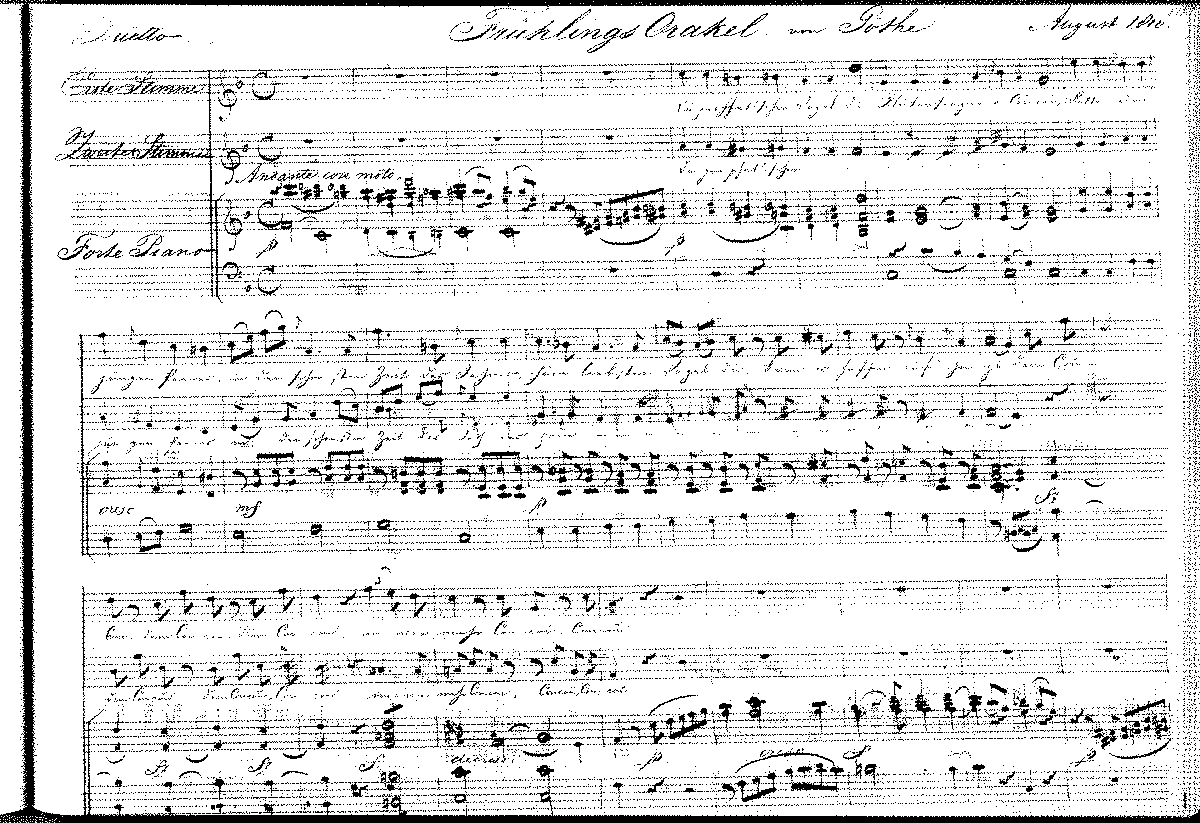
Du prophetscher Vogel du,
Blütensänger, o Coucou!
Bitten eines jungen Paares
In der schönsten Zeit des Jahres
Höre, liebster Vogel du;
Kann es hoffen, ruf ihm zu:
Dein Coucou, dein Coucou,
Immer mehr Coucou, Coucou.
Hörst du! ein verliebtes Paar
Sehnt sich herzlich zum Altar;
Und es ist bei seiner Jugend
Voller Treue, voller Tugend.
Ist die Stunde denn noch nicht voll?
Sag, wie lange es warten soll!
Horch! Coucou! Horch! Coucou!
Immer stille! Nichts hinzu!
Ist es doch nicht unsre Schuld!
Nur zwei Jahre noch Geduld!
Aber, wenn wir uns genommen,
Werden Pa-pa-papas kommen?
Wisse, daß du uns erfreust,
Wenn du viele prophezeist.
Eins! Coucou! Zwei! Coucou!
Immer weiter Coucou, Coucou, Cou.
Haben wir wohl recht gezählt,
Wenig am Halbdutzend fehlt.
Wenn wir gute Worte geben,
Sagst du wohl, wie lang wir leben?
Freilich, wir gestehen dirs,
Gern zum längsten trieben wirs.
Cou Coucou, Cou Coucou,
Cou, Cou, Cou, Cou, Cou, Cou, Cou, Cou, Cou.
Leben ist ein großes Fest,
Wenn sichs nicht berechnen läßt.
Sind wir nun zusammen blieben,
Bleibt denn auch das treue Lieben?
Könnte das zu Ende gehn,
Wär doch alles nicht mehr schön.
Cou Coucou, Cou Coucou :,:
Cou, Cou, Cou, Cou, Cou, Cou, Cou, Cou, Cou(Mit Grazie in infinitum)
Johann Wolfgang von Goethe
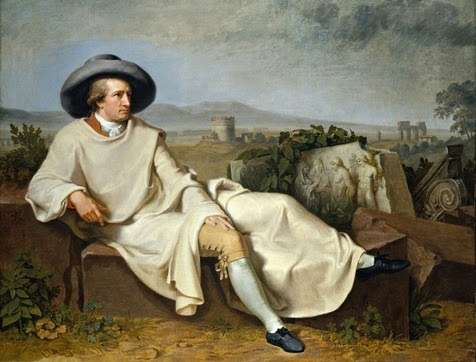

Alone on stage, ennervating the audience mostly with the voice and a glance or a gesture has a singularly dramatic effect. This is what the Falmouth theatre-studies graduate, Jak Stringer achieved with her performance of “Walks with Wilkie” at the now well-established literary festival in Penzance in mid-June last year. The venue in the Acorn, once a Victorian chapel added an extra ambience to the subject, Wilkie Collins the eccentric friend of Charles Dickens and author of classics like “The Moonstone” and “The Woman in White”. Less remembered are his plays and less for his travel writings in Cornwall by means of which he initially gained fame. Curmudgeonly in some respects and daring in others, Jak Stringer has fell for him hook, line and sinker.
Jak Stringer, who has also received rave reviews from the NME as a musical impresario, shows herself to be an assured and energetic performer. In the year previous to this performance she retraced the footsteps of Wilkie Collins, bringing the stories from his somewhat forgotten classic, ”Rambles beyond Railways subtitled ‘Notes on Cornwall taken a-foot’, to life on the Acorn stage. This she does with verve and alacrity. Jak displays a range of emotions; at first sounding like a naive and almost, but not-quite, over-enthusiastic primary school teacher and rising to the eeriness of a Macbeth Witch into her recollection of an ancient lynching or parochial haunting. She poses Wilkie’s dilemmas from the 1850s-“Did the people of Looe consume their rats?”and “What made the women of Saltash clean the boots of strangers for sixpennyworth of beer?” and dauntingly examines the evidence for his finding a tavern filled with babies at the Lizard.

Creeping around the stage and sometimes not averse to a little appropriate melodrama, this performance was a continuous pleasure to watch-not least because Stringer varied the tempo and maintained a narrative pace throughout. She also used humour. She also showed her initial pleasure at receiving Collin’s bound volumes through the post. These she waived invitingly at the audience. In fact she used few props, none more effective than her woollen shawl sometimes drawn around her to convey poverty or want, at others spread to show joy at the reception which Collin’s work eventually received.
Looked really great!
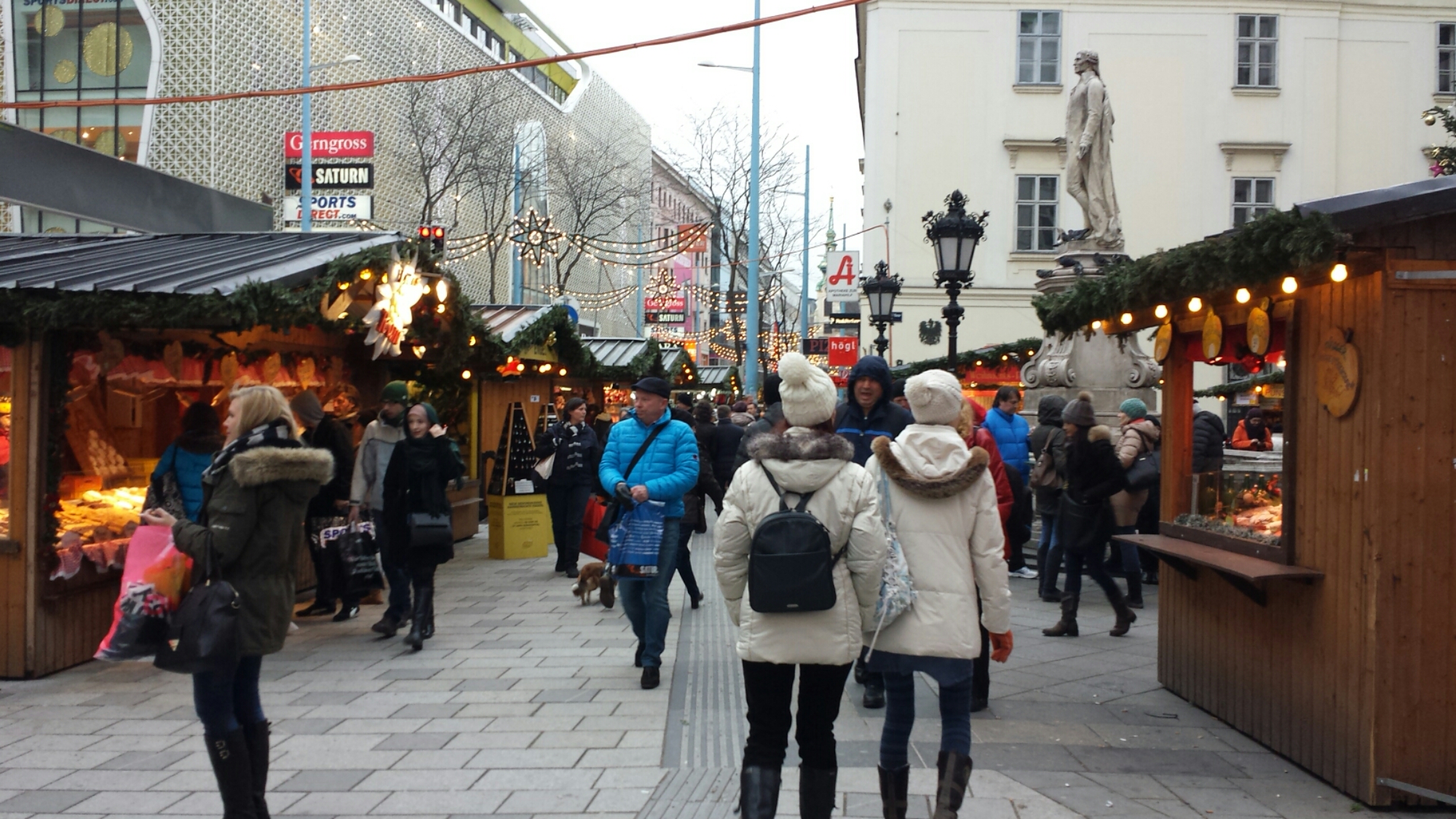
This wee market on Mariahilferstrasse is still open for business. Today was the big shopping day. 🙂
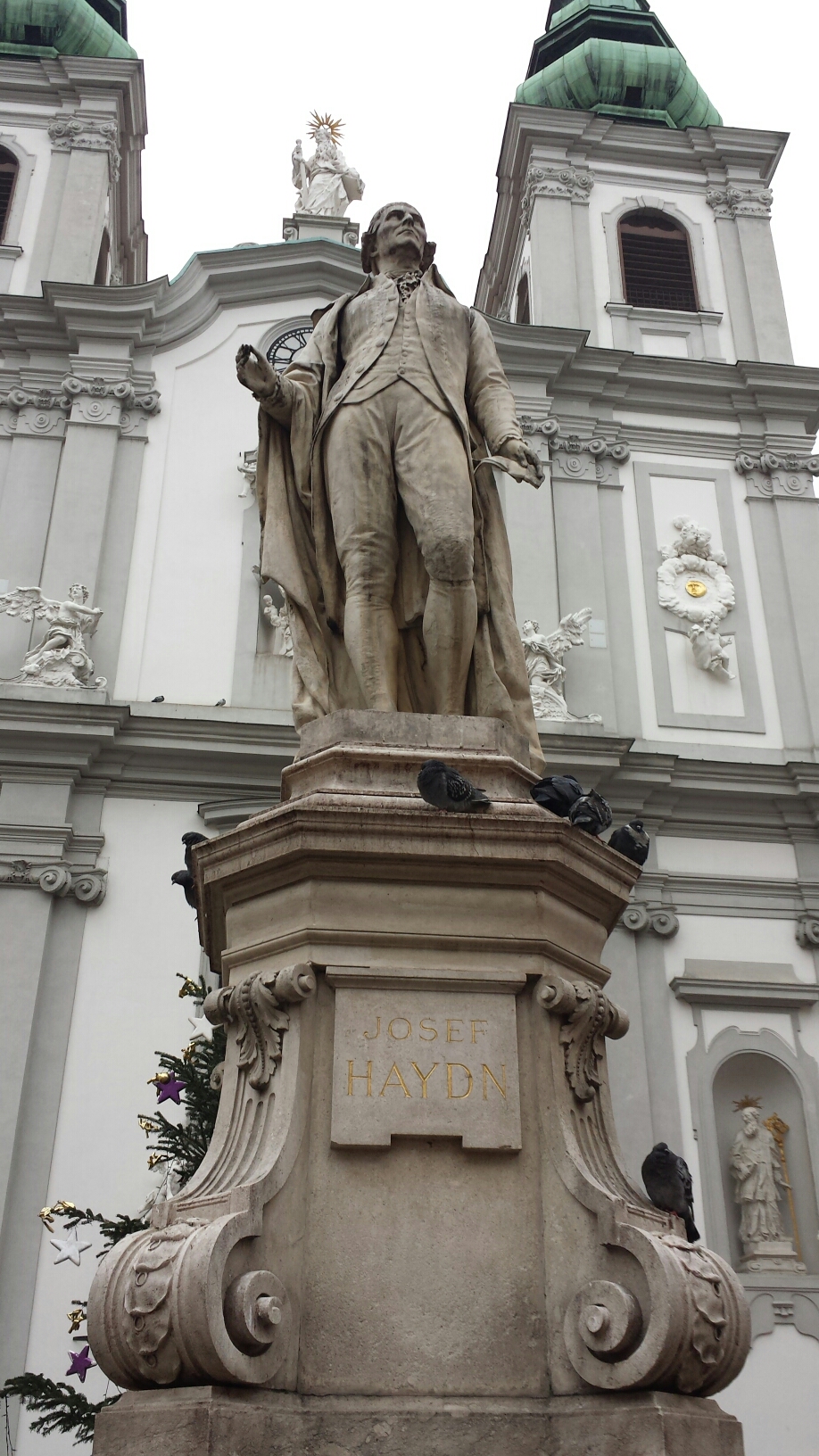
The market is surrounding the statue of Haydn in front of the church.
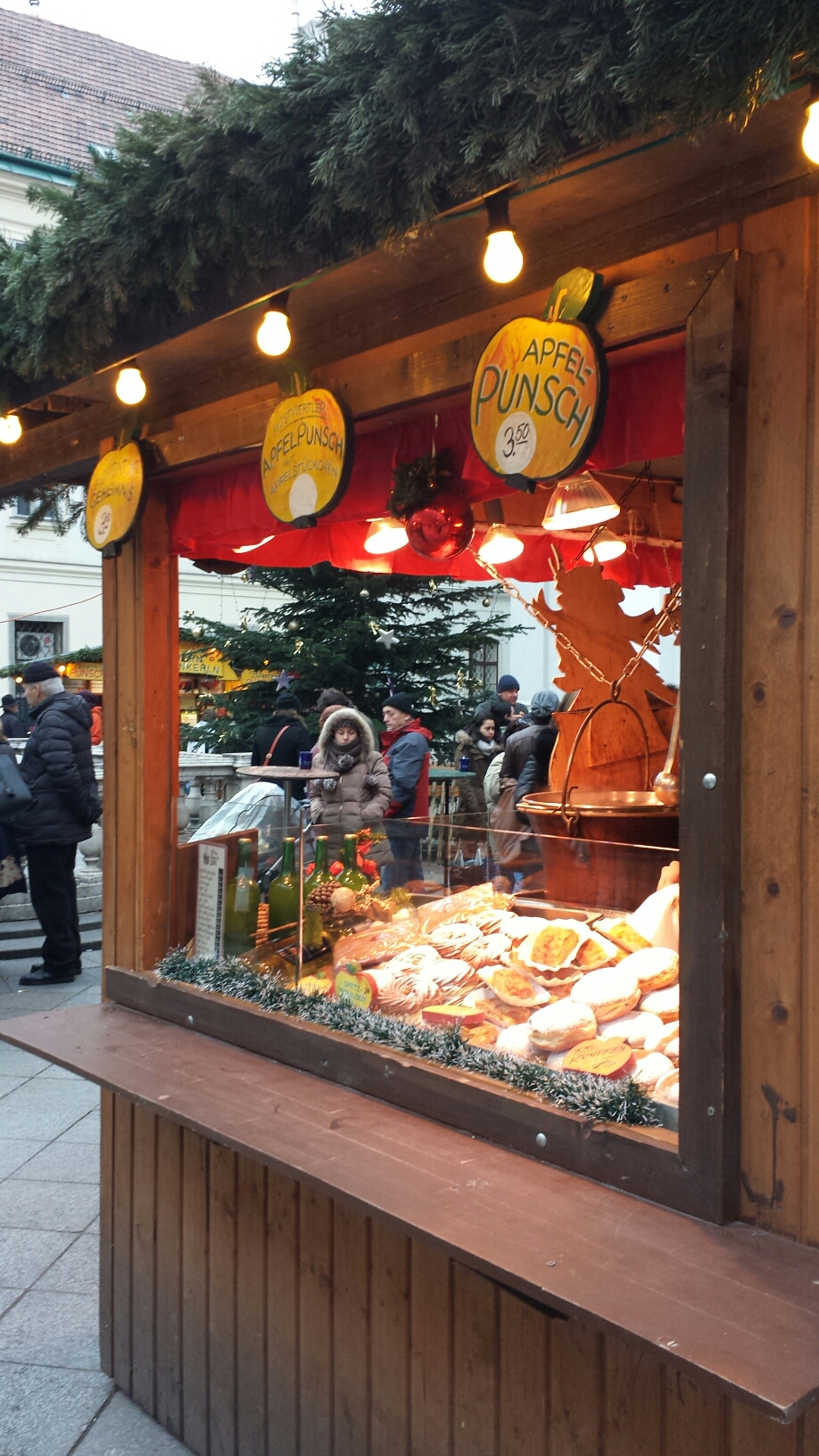
There are a few nice stalls. This is definitely not the biggest market, but it’s got some character anyhow.

If you’re out shopping in the madness of Christmas deals, you can take a break here. 🙂 it’s good for Punsch, not so much for getting other stuff.
Another interesting Russian artist:-
I came across Bubnova on LiveJournal, and was then happily directed onto sundry museum sites and the Wikipedia. Varvara Bubnova was born in 1886 and died in 1983, and was one of a small set of Russian emigre artists that headed not west, but east – to Japan. She spent 35 years in that country, till 1958. A puppet to politics, she found herself declared an undesirable alien in Japan in 1936, while during the war years, she was stripped of her Soviet citizenship for ‘allying with the enemy’. Evidently her citizenship was restored to her, because she was allowed to return to the USSR, spending time in Sukhumi, before settling in St Petersburg, where she spent the last years of her life.
Bubnova was one of the artists who participated in the famed Donkey’s Tail and Jack of Diamonds exhibitions in 1913, along with the likes of Tatlin, Malevich, Goncharova, Rozanova…
View original post 97 more words
Thirty paintings by Claude Monet are part of a new exhibition investigating his influence on Austrian artists.
Vienna’s famous Belvedere (www.belvedere.at) set up the exhibit called “Im Lichte Monets. Österreichische Künstler und das Werk des großen Impressionisten” (Looking at Monet. The Great Impressionist and His Influence on Austrian Art) in its Orangerie (Lower Belvedere).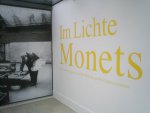
More than 40 works of art by renowned Austrians are on display to show the immense impact Monet’s oeuvre had on their creations. Several Attersee lake scenes as well as various garden depictions and coastline impressions demonstrate the remarkable achievements of Gustav Klimt, Emil Jakob Schindler and many others. While most of Monet’s works are rather large paintings, Schindler’s small creations present a welcome contrast. Surprising additions are paintings by Herbert Boeckl and Max Weiler – artists who were influential in the middle of the 20th century.
The only, but significant downer is the lack of…
View original post 107 more words
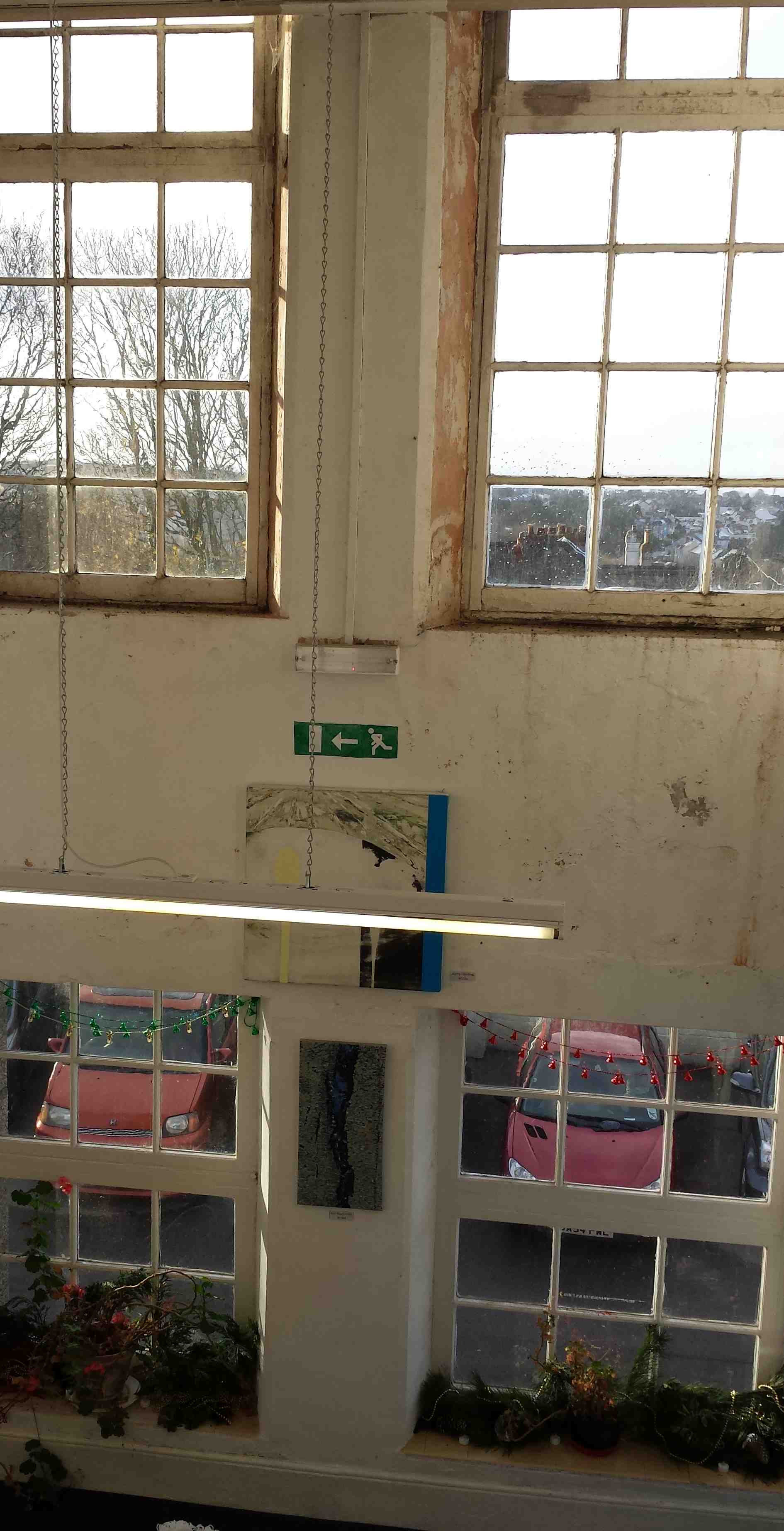
Kerry Harding’s soft and evocative canvases take the natural world around the North

Coast with it’s trees, hedges and seasonal variations as a starting point. Her website may be found at http://www.kerryharding.co.uk/. Kerry was very interesting on the topic of the famous Dresden artist, Gerhard Richter https://www.gerhard-richter.com/en/ mentioning his process, his photographic work and his continuous experimentation using a wide variety of methods and sometimes controversial subject matter. She also mentioned his ability to work on different projects simultaneously. She worked very hard to create a welcoming atmosphere in her space- as she says on Twitter, “studio almost ready, tinsel and fairy lights then its done.” A lovely 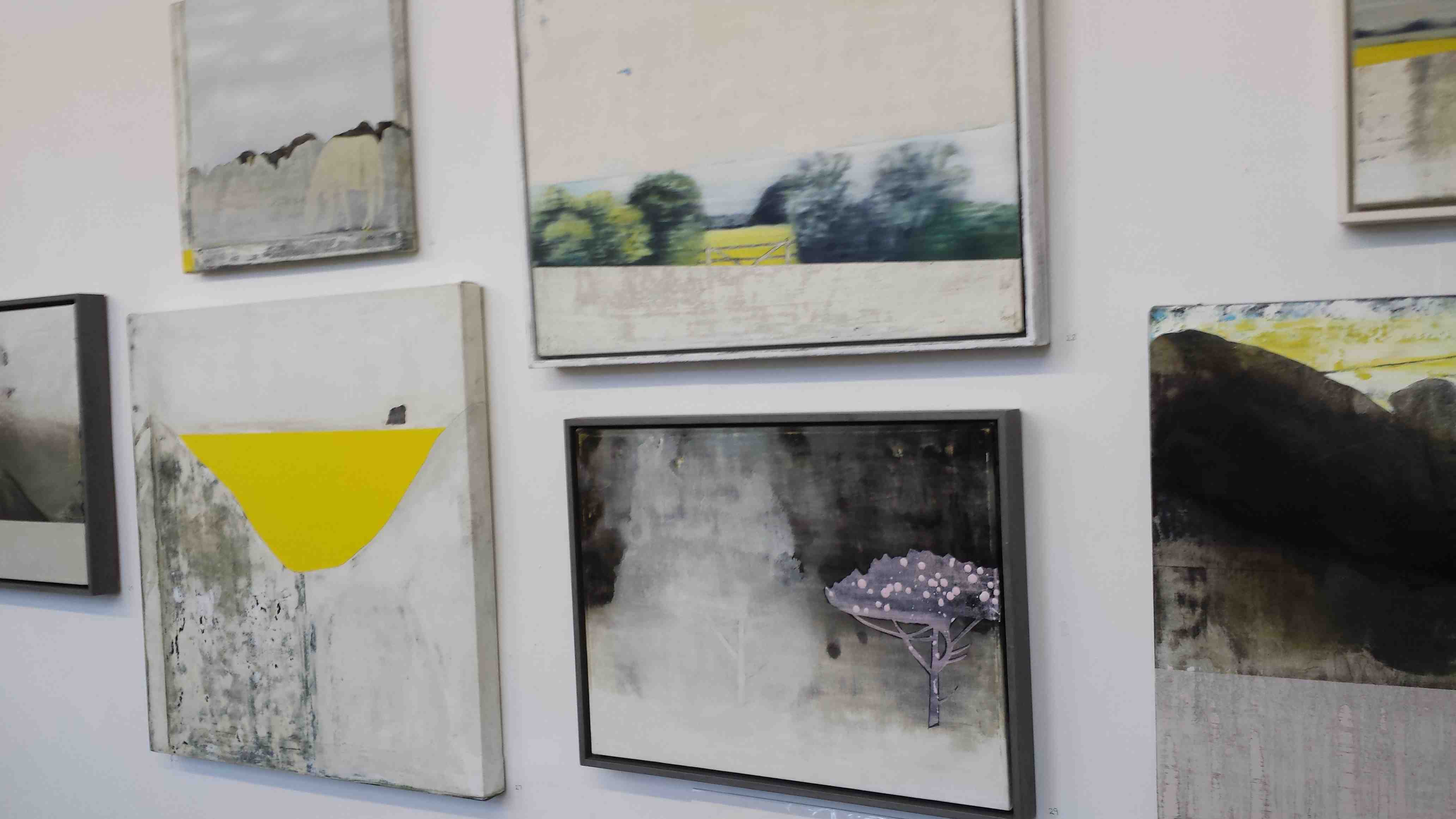 range of paintings that I found so interesting that I
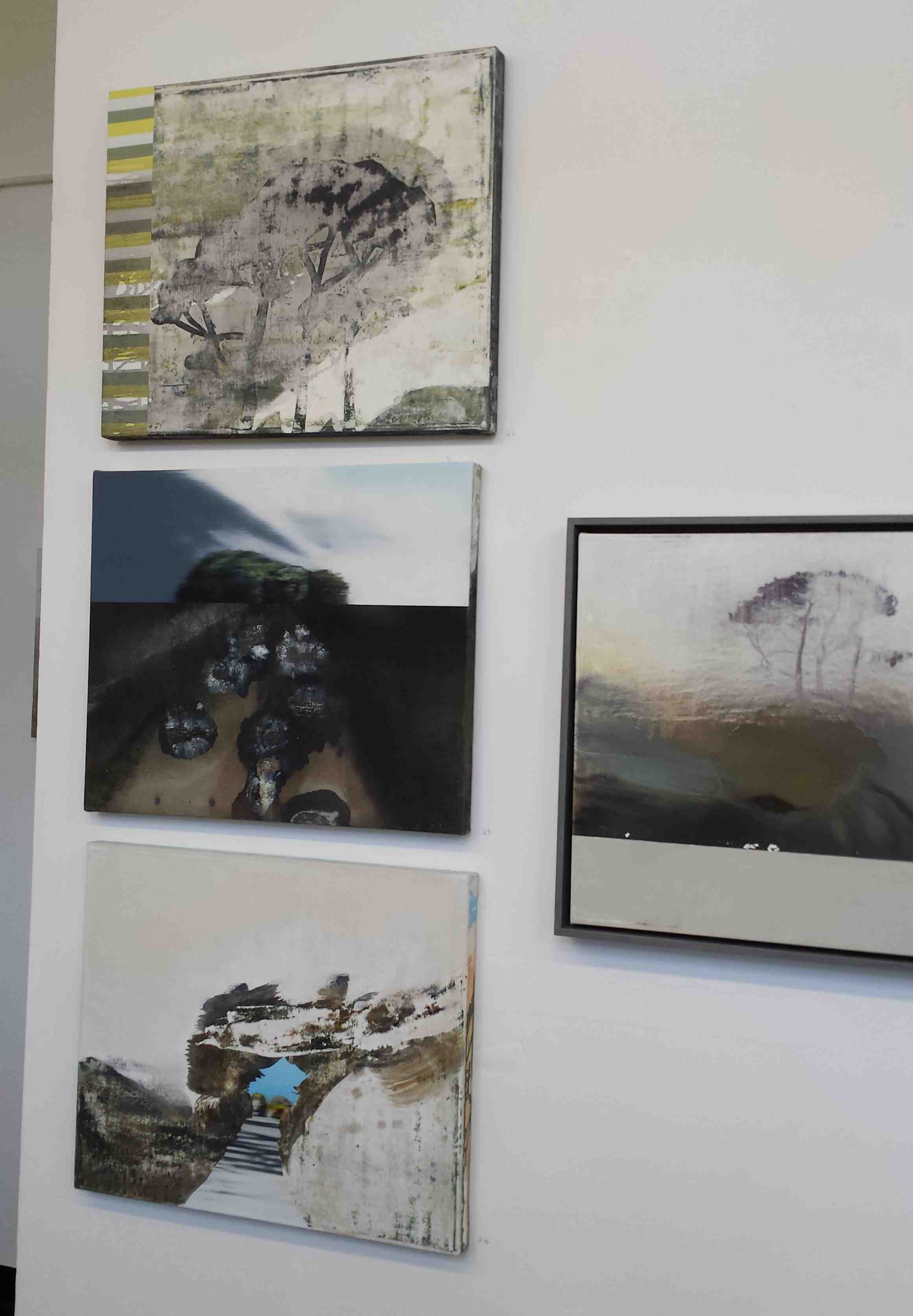 came back to browse them for a second time. It was also informative to hear how some canvases were composed of many underpaintings-up to ten or more layers.
Kathryn Stevens, http://kathrynstevens.co.uk/, clearly rejoices in the freedom of working on a large scale. The billowing colours of her canvases express the joy of painting in bright colours. Some of them have a feathery and eloquent quality that puts one in mind of Georgia  O’Keeffe (or perhaps Otto Gottlieb) but here we have an abstract expressionism with an upbeat and optimistic feel. She told me how she works freely, sometimes with music and chatted with the same exuberance that her work conveys. I was particularly taken by a study in
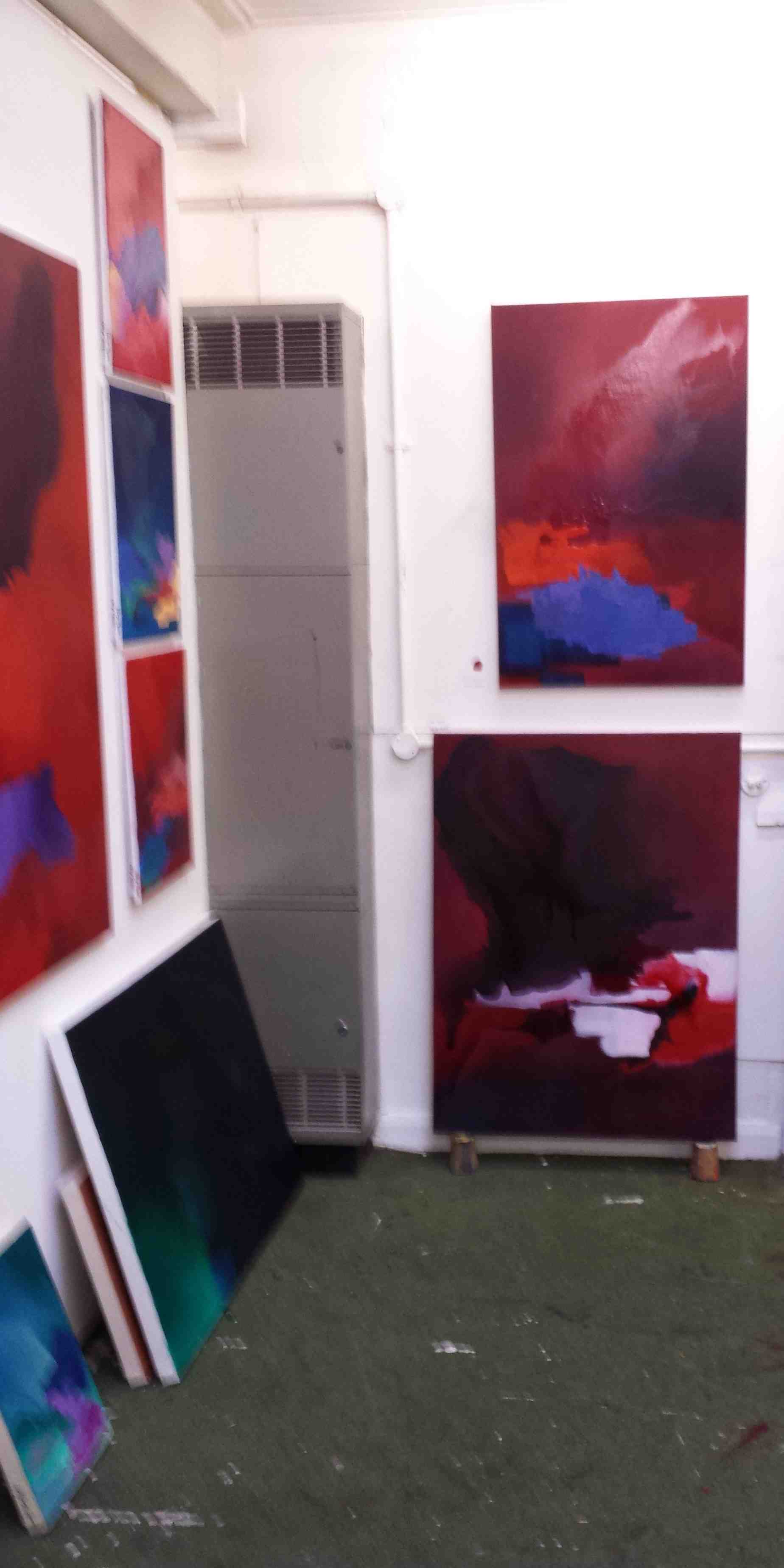
crimson, scarlet and white. She hails from St Ives and her paintings exhibit the wondrous light for which the town has become famous.
In short there was much to add cheer on a cold Sunday. It was good to see the Siobhan Purdy’s work again- which adorns the wall opposite as I write, the Mexican and Maya themed prints in the Apex space and to talk again with Naomi Singer whose glass works continue to thrive. Interesting too were the textile pieces by Zoe Wright.
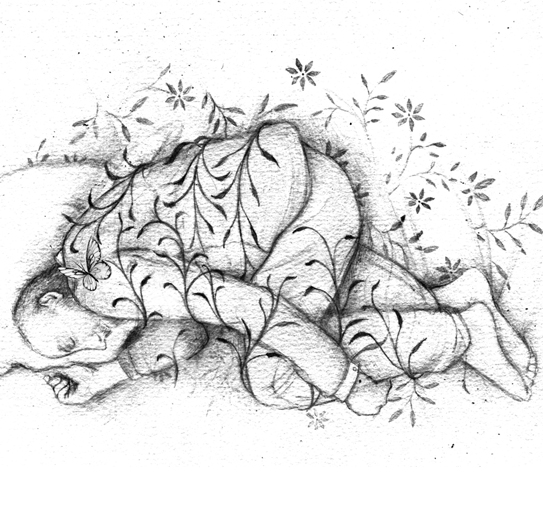
Before returning to the Melting Pot once again, I went into see the illustration work of Esther Connon and was much taken by her story of The White Butterfly which can be seen on http://www.estherconnon.co.uk/stories.html?s=5. I wondered if it would be possible to animate some of this according to the methods of http://thepapercinema.com/ and this fascinating method may be seen both on videos on the papercinema site and on the community project in St Ives filmed earlier this year by my friend Alban. Altogether with the new building project at Krowji already under-way, great developments can be expected from this artistic phoenix rising from the ashes of the Grammar School at Redruth.
Click on Loop the Loop here:-http://stivestv.co.uk/category/art/
Wohin man sieht, sieht man Hotels.
Und ringsherum liegt Schnee.
Die Tannen tragen weissen Pelz,
Die Damen Seal und Feh.
Die Leute fahren Bob und Ski
am Hange hinterm Haus.
Ja, und von weitem sehen sie
wie Sommersprossen aus.
Das Publikum ist möglichst laut.
Was tut das der Natur?
sie wurde nicht für es gebaut.
und schweigt. Und lächelt nur.
Im Kreise ihres Damenflors
sind alle Mann im Schnee:
Direktors, Doktors und Majors.
und Blubbers-Übersee.
Of course!
Wohin man sieht, sieht man Hotels.
Für Schnee ist kaum noch Platz.
Die Luft ist dick von Ouis und Well’s
Und Five o’clocks mit Jazz.
Die Berge und der Wasserfall
verlieren jeden Sinn.
Am Donnerstag ist Lumpenball.
Da passen manche hin!
Sie können nie bescheiden sein
und finden alles nett.
Und glauben, die Natur sei ein
Komfort wie das Klosett.
Lawinen sausen dann und wann
und werden sehr gerügt.
Was gehn den…
View original post 9 more words
Es schwanken im Flusse die roten
Lichter von kreuzenden Booten,
Die zitternde Spiralen
In tiefschwarze Wasser malen,
Mit glimmenden Spuren die Ufer verbinden,
Von Brücke zu Brücke hinhuschen und schwinden.
Durch hundert Brücken und Bogen
Geheimnisschauernd geflogen,
Wo die Laute rauschend verschwimmen
Und von wirrphantastischen Stimmen
Hohldunkle Wölbungen wiederhallen
Wie von Opfern, der schweigenden Tiefe verfallen.
Dumpf Murmeln, Flüstern und Raunen
Von Kronos rasenden Launen,
Von Glorias glühendem Kosen
Mit bleichen, blutigen Rosen,
Von Höllentriumph, gotttrunkener Macht
Ein Echo, hinsterbend in Schatten der Nacht …


 penwithlit