Categories
Uncategorized

The Crucifixion in modern paintings

He died to save us all.

hoakley's avatarThe Eclectic Light Company

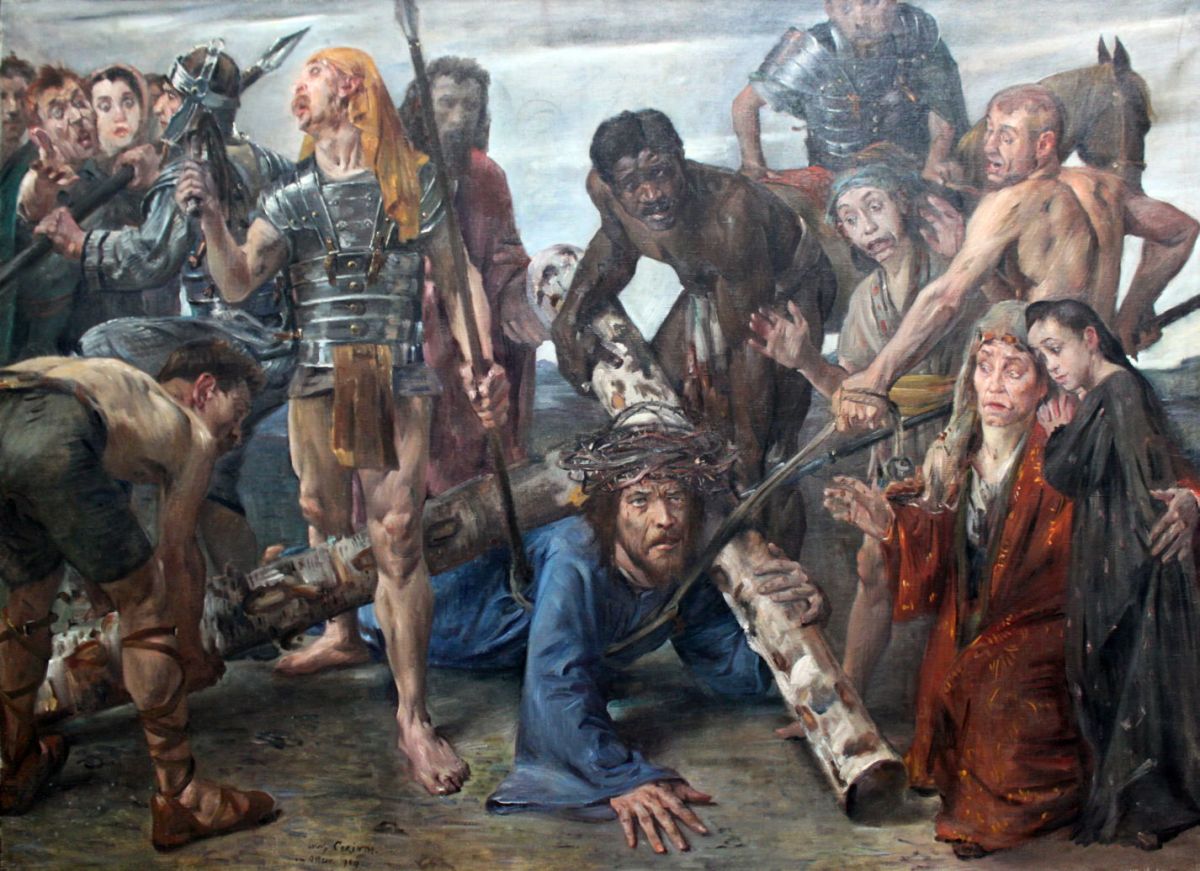
To mark Good Friday, this year I bring a selection of more modern depictions of the Crucifixion, starting with William Blake in the early years of the nineteenth century.

The Crucifixion: 'Behold Thy Mother' c.1805 by William Blake 1757-1827 William Blake (1757–1827), The Crucifixion: ‘Behold Thy Mother’ (c 1805), ink and watercolour on paper, 41.3 x 30 cm, The Tate Gallery (Presented by the executors of W. Graham Robertson through the Art Fund 1949), London. © The Tate Gallery and Photographic Rights © Tate (2016), CC-BY-NC-ND 3.0 (Unported), http://www.tate.org.uk/art/artworks/blake-the-crucifixion-behold-thy-mother-n05895

Blake’s The Crucifixion: ‘Behold Thy Mother’ from about 1805 is a traditional scene from the Passion, and refers to the Gospel of John, chapter 19 verses 26-27:
When Jesus therefore saw his mother, and the disciple standing by, whom he loved, he saith unto his mother, “Woman, behold thy son!” Then saith he to the disciple, “Behold thy mother!” And from that hour that disciple took her unto his own home.

View original post 781 more words

Categories
Uncategorized

Tree Following, December 2022

Great song….from The Thomas Crown Affair. Great photos too!!

JayP's avatarAmblings around Penwith

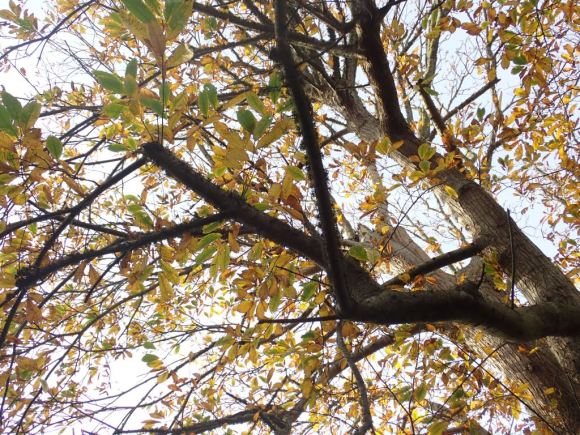
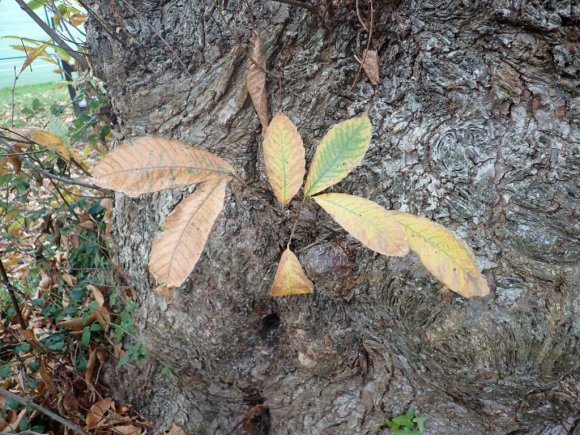
Sweet chestnut (Castanea sativa) in Penlee Park, Penzance

Just a week or so has made a lot of difference to the leaf cover. The leaves went a lovely golden colour before swooping down to the ground.

The first picture is at the end of November, the second is dated 10th December. The cold winds we have had here have done their work.

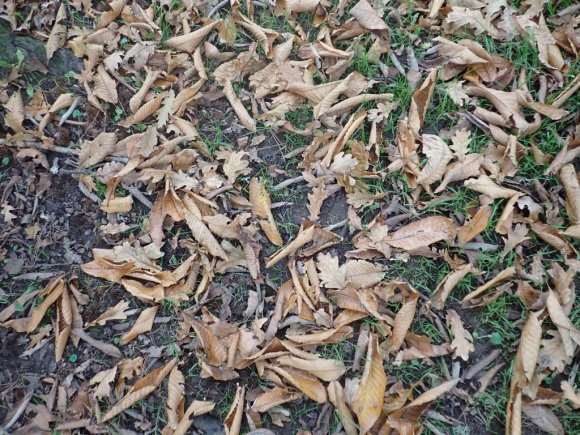
Some more sheltered leaves lingered longer. On the ground, the leaf litter is mixed oak and chestnut.

The colour of the chestnut leaves on the ground is – well, a rich chestnut.

Brief interlude for some song lyrics:

When you knew that it was over you were suddenly aware
That the autumn leaves were turning to the colour of her hair

From Noel Harrisons’ Windmills of Your Mind from 1969.

If you are too young to know it, here’s a You Tube link:

(Some…

View original post 91 more words

Categories
Uncategorized

Learning How to Listen to and Tolerate Your Negative Feelings

Leon Garber, LMHC's avatarLeon's Existential Cafe

Traumatic childhoods can cause people to attempt to flee their lives by cultivating and pursuing fantasies, or utopic lives, believing that they’ll make up for all the sorrow and harmonize their existence. But, the fantasies never do, with reality pushing back relentlessly.

Throughout history, utopias were the dreamlands of serenity, wherein its residents remained immune from all forms of physical and emotional suffering. And because so many of us believe that we can’t confront and tolerate our negative emotions, we delusionally attempt to create our own knockoffs. The question I get asked most in my work is, “How can I stop feeling that?” ‘That’ can mean sad, angry, afraid, hurt, or guilty. Fundamentally, the person asking doubts their ability to stand those feelings. And doubts their ability to continue living their lives with them.

So, many of my clients are held captive.

But, can you live with guilt or sadness…

View original post 491 more words

Categories
Uncategorized

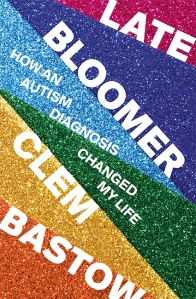
Author Talk: Clem Bastow, and Late Bloomer (2021)

Sounds thoroughly thought provoking.

Lisa Hill's avatarANZ LitLovers LitBlog

Yesterday, a friend and I went to hear  Melbourne-based writer and researcher, Clem Bastow talk with Claire Halliday about her book, Late Bloomer, How an Autism Diagnosis Changed My Life.  This was an event for World Autism Awareness Day at the Brighton Branch of Bayside Library.
This is the blurb for the book, from Clem Bastow’s website:

Late Bloomer is a heartfelt coming-of-age memoir that will change the way you think about autism. Clem Bastow grew up feeling like she’d missed a key memo on human behaviour. She found the unspoken rules of social engagement confusing, arbitrary and often stressful. Friendships were hard, relationships harder, and the office was a fluorescent-lit nightmare of anxiety. It wasn’t until Clem was diagnosed as autistic, at age 36, that things clicked into focus.

The obsession with sparkly things and dinosaurs. The encyclopaedic knowledge of popular music. The meltdowns that would come…

View original post 820 more words

Categories
Uncategorized

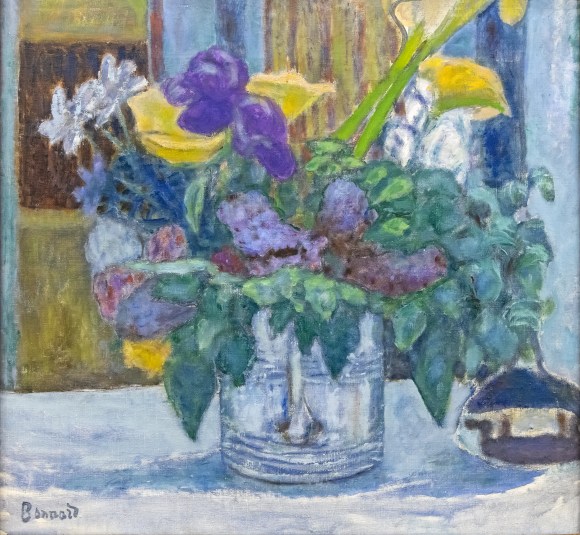
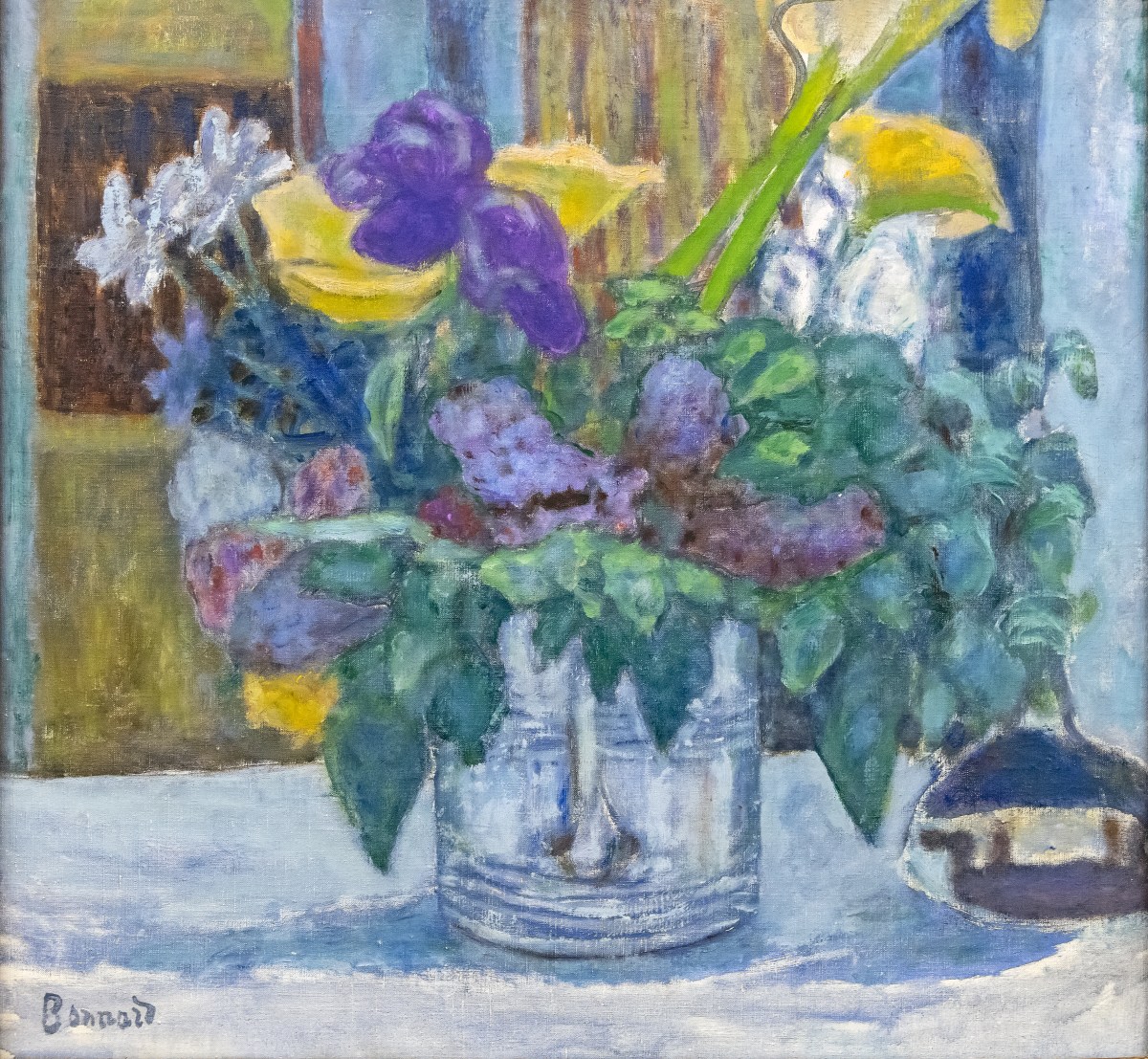
Pierre Bonnard: Iris et lilas (1920)

Very lovely combination!

At Sunnyside - Where Truth and Beauty Meet's avatarAt Sunnyside - Where Truth and Beauty Meet

Pierre Bonnard, Iris et lilas (1920), oil on canvas, Fondation Bemberg, Image Source: wikimedia

Read More

Les Nabis on Wikiwand

Pierre Bonnard on Wikiwand

Japonisme on Wikiwand

The Nabis at The Art Story

Pierre Bonnard at The Art Story

Bonnard, Pierre, Colta Feller Ives, Helen Emery Giambruni, and Sasha M. Newman. 1989. Pierre Bonnard, the graphic art. New York: Metropolitan Museum of Art. http://libmma.contentdm.oclc.org/cdm/ref/collection/p15324coll10/id/92079 , (accessed 8 Nov 2018).

See More

Les Nabis At Sunnyside

Pierre Bonnard at wikimedia

Pierre Bonnard at Christie’s

Art by Theme at Giverny Museum of Impressionism

Thanks for Visiting 🙂

~Sunnyside

View original post

Categories
Uncategorized

5 Valuable Quotations On The Skills of Containment. By Dr Linda Berman

Interesting and very pertinent. There is an excellent exposition of Winnicott’s work by Adam Phillips

waysofthinking.co.uk's avatarwaysofthinking.co.uk

image

Guardian Hands – Charles Henry Sims. Wikioo.

What doescontainment actually mean?The concept of containment refers to an experience of holding another person so that they feel safe and protected. This ‘holding’ does not have to be in the form of a hug; it can be on an emotional level. We can have such an experience as this within the family, with friends, or in therapy.

Here are 5 quotations to explain the concept further:

Quote 1.

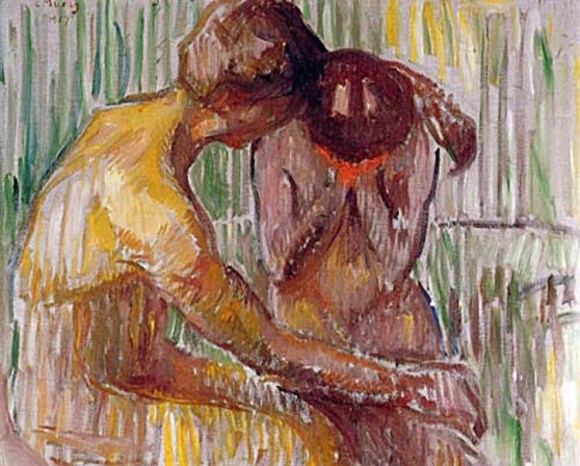
Comfort. 1907. Edvard Munch. Wikioo.

When we hold each other, in the darkness, it doesn’t make the darkness go away. The bad things are still out there. The nightmares still walking. When we hold each other we feel not safe, but better. “It’s all right” we whisper, “I’m here, I love you.” and we lie: “I’ll never leave you.” For just a moment or two the darkness doesn’t seem so bad.

Neil Gaiman

Knowing…

View original post 1,453 more words

Categories
Uncategorized

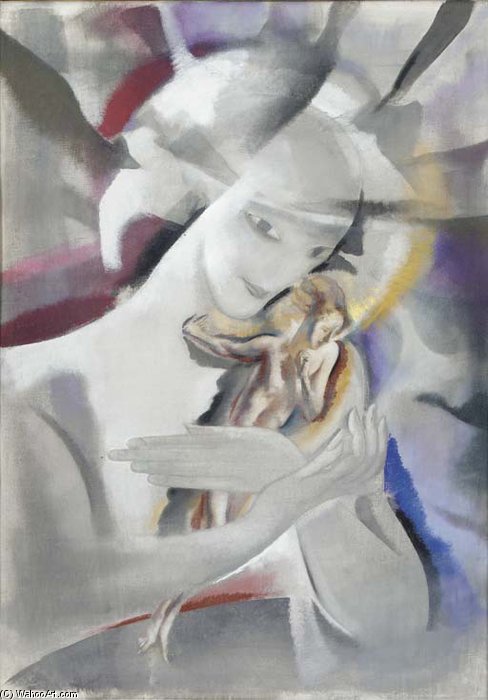
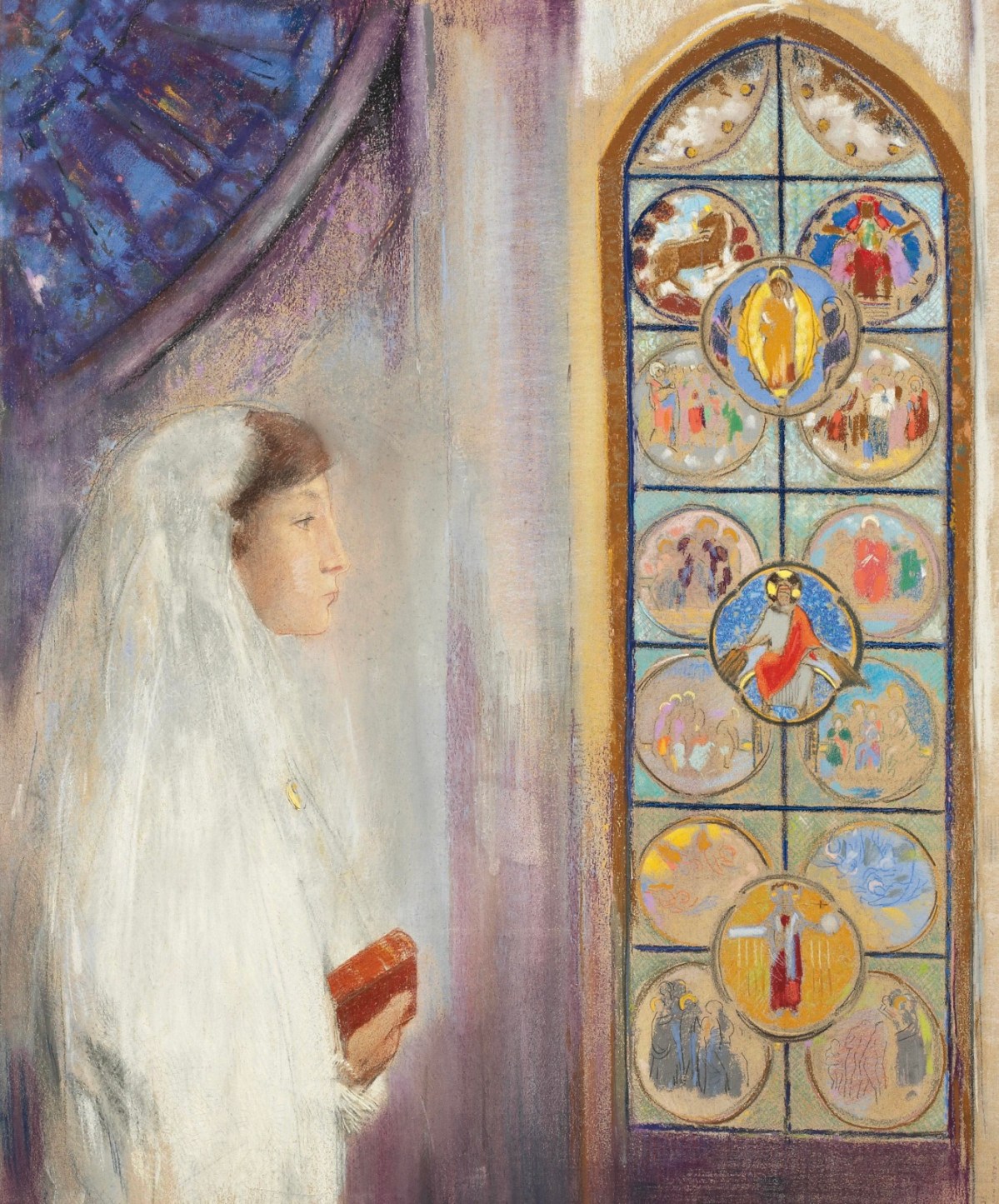
Odilon Redon: Simone Fayet en communiante (1908)

Lovely painting!!

At Sunnyside - Where Truth and Beauty Meet's avatarAt Sunnyside - Where Truth and Beauty Meet

ODILON REDON (1840-1916), Simone Fayet en communiante, signé et daté ‘1908 ODILON REDON’ (en bas à droite) pastel sur papier, 75 x 45 cm. (29½ x 17¾ in.), Exécuté en 1908, Image Source: Christie’s

“…Simone Fayet, Gustave Fayet’s daughter, is represented taking her first communion in front of a backdrop of stained glass. Like the portrait which Redon had painted of her two years earlier, Simone Fayet avec sa poupe, the young girl’s expression is serious and thoughtful...The composition of the work is unusual. Simone, seen in profile, occupies only the first third of the composition, the rest being devoted to scenery...the stained glass occupying half of the work is directly inspired by the stained glass at Chartres, for it was during a visit to the cathedral there with Fayet in June 1908 that the artist was commissioned to paint the portrait of his…

View original post 208 more words

Categories
Uncategorized

NYC Urban Sketchers Portrait Party 3

patgaig's avatarreclinerart

Moleskine sketchbook, Zebra, Fudenosuke and Pitt Brush Pens

View original post

Categories
Uncategorized

Book review: Fierce Appetites by Elizabeth Boyle (Ireland)

Sounds very powerful and lives up to its title!

imogen's avatarImogen is Reading and Watching the World: On Books, Film, Art & More

Fierce Appetites: Lessons from my year of untamed thinking is a collection of personal essays by Irish medieval historian Elizabeth Boyle. Sub-(sub-)titled Loving, Losing and Living to Excess in My Present and in the Writings of the Past, the book was published in 2022 by Penguin, and (appropriately enough) I’ve read it during Cathy‘s Reading Ireland month ’23

Part memoir and part deep-dive into medieval Irish poetry, it meditates on the interconnectedness of time and place, and describes a year in Boyle’s life, the pandemic year of 2020, which opens with her father’s death in January.

“My brother poured seventeen sachets of sugar into his black coffee. I muttered to him, ‘If dad dies while you’re adding all these fucking sugars I will never speak to you again.’

We walked back to the ward. Dad had died…”

There are 12 chapters, broken down by month, containing personal meditations…

View original post 462 more words

Categories
Uncategorized

Glowing crocus