Categories
Uncategorized

Paul Nash: from ancient to surreal, 5 – 1943-1945

I have just come across a charming poem about Nash’s paintings by a poet called Robert Saxton in a collection called “Flying School”. The poem is called “Aerial Flowers”.

hoakley's avatarThe Eclectic Light Company

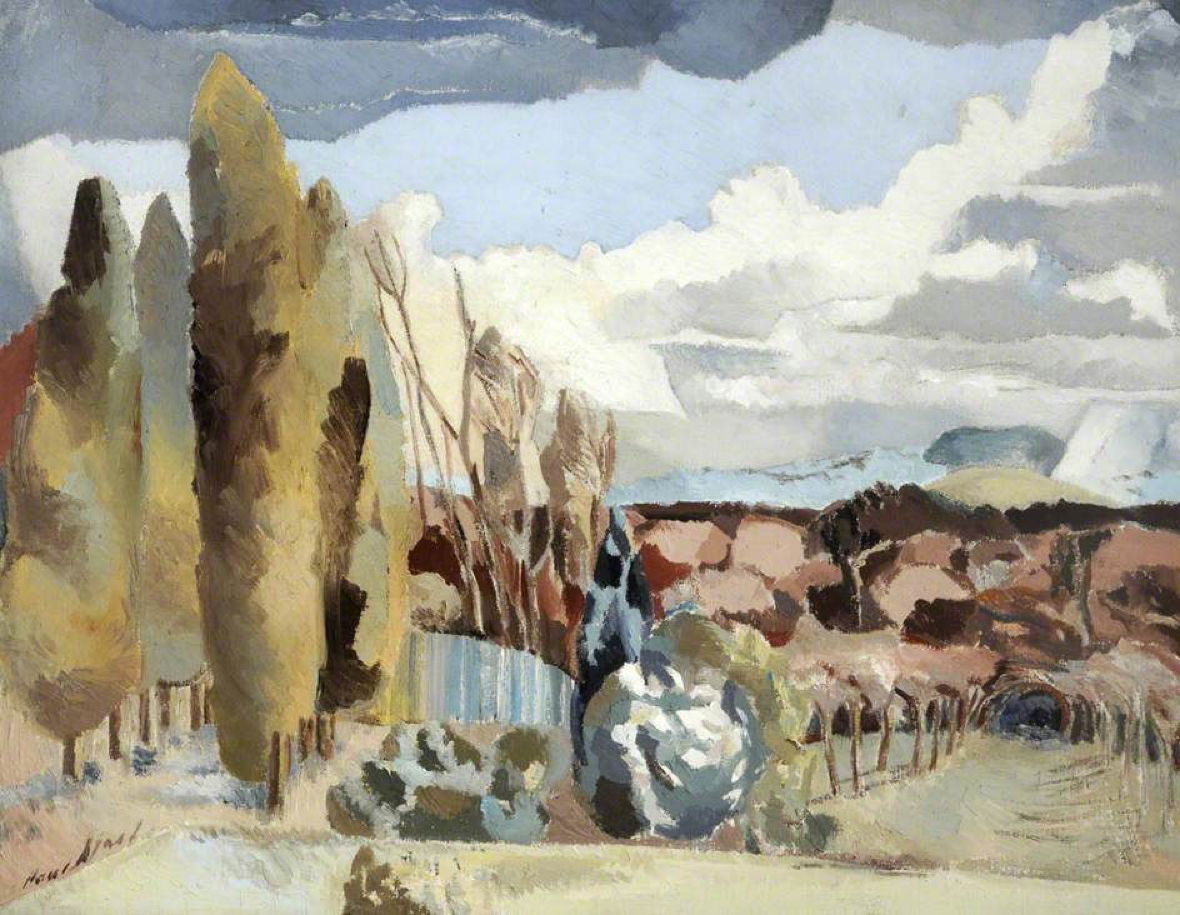
When Paul Nash was staying with Hilda Harrison in her house on Boar’s Hill, near Oxford, he could see a landscape which had come to obsess him from childhood: two hills (technically the Sinodun Hills) with clumps of trees at the top, the Wittenham Clumps. As he completed his final paintings of the Second World War, he turned to the Wittenham Clumps in series of paintings which accompanied his steadily declining health.
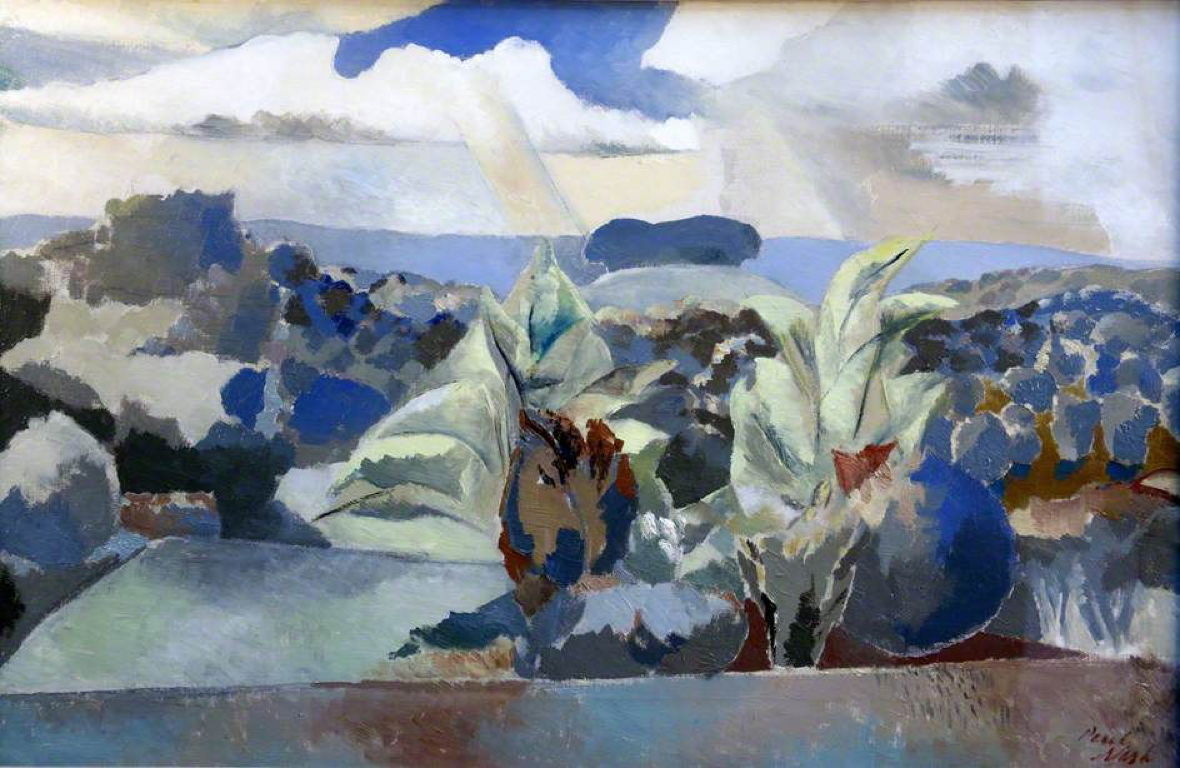
nashpbagleywoods Paul Nash (1892–1946), Landscape of the Bagley Woods (1943), oil on canvas, 56 x 86.3 cm, Private collection. The Athenaeum.

Not far from Boar’s Hill is an ancient wood, owned by St John’s College, Oxford, which Nash depicts in his Landscape of the Bagley Woods (1943). Using his oil paint with the subtlety of watercolour, the rolling fields of the foreground are quickly replaced by dense woodland. At the leading edge of the wood, some trees assume the…

View original post 1,108 more words

Categories
Uncategorized

#Paris in July 2021 “Charlotte”

There has been so much discussion about her. Her self portrait is magnificent. Thanks again for this delightful post!

Categories
Uncategorized

#Paris In July Honoré Balzac

Very interesting- I am currently reading Lire Magazine olume 19 which is on Balzac and hoping to improve my French. I am sure that you would agree that Austen and Balzac were very different writers. The wit exchanged in a Bath drawing room compared to the drama in a Parision atelier. Balzac makes you think hard and was concerned with the realistic dichotomies in levels of French society so I find myself thinking about George Eliot and we know he was an influence on Dickens. I wonder if Proust might not suit us both better. I keep wondering about tackling Lacan!!

Categories
Uncategorized

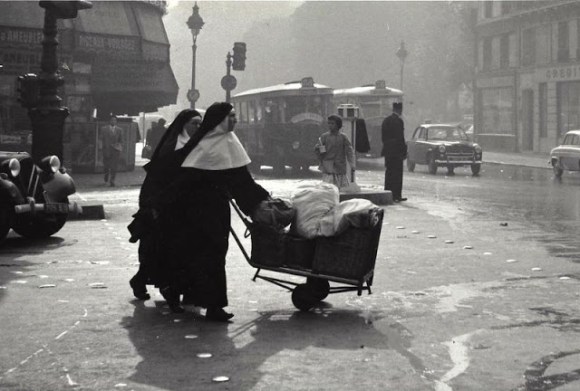
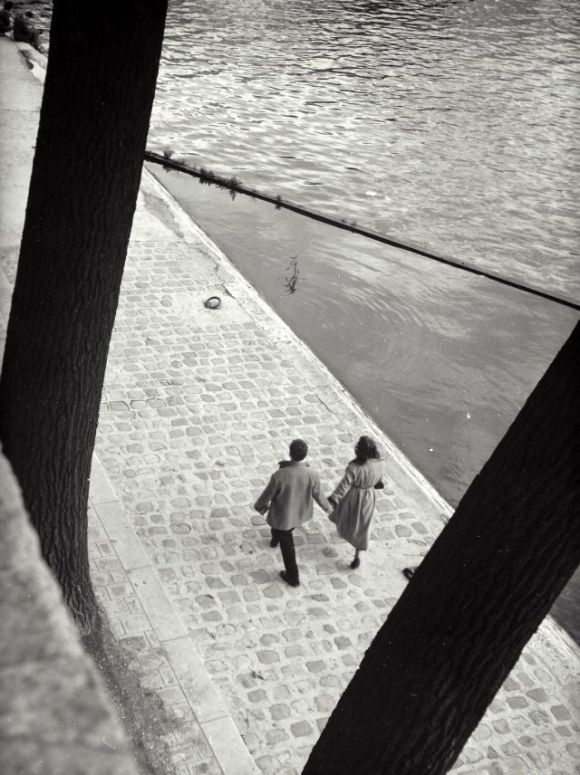
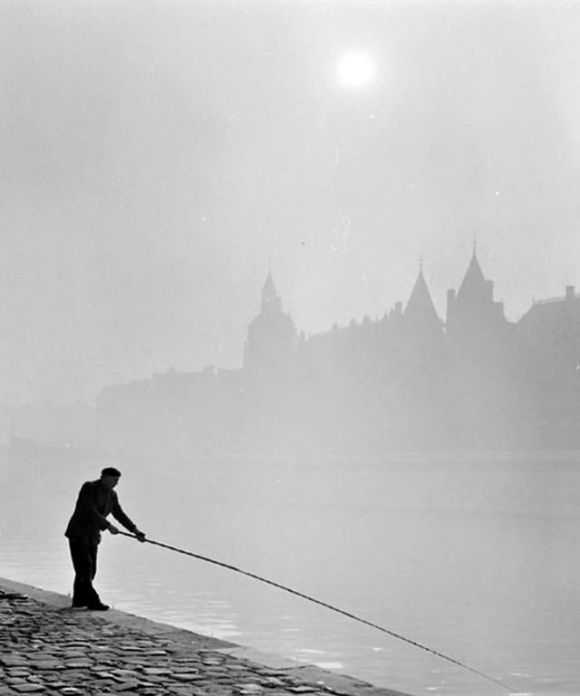
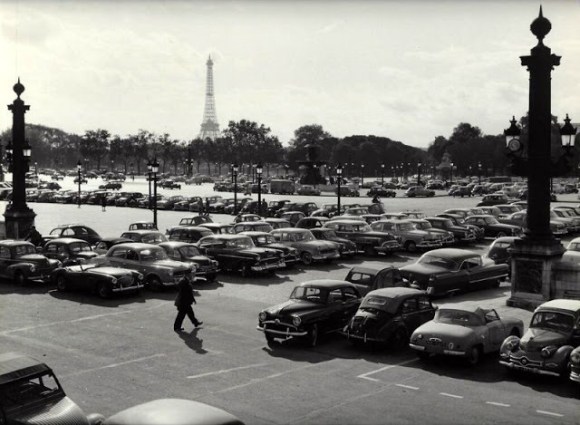
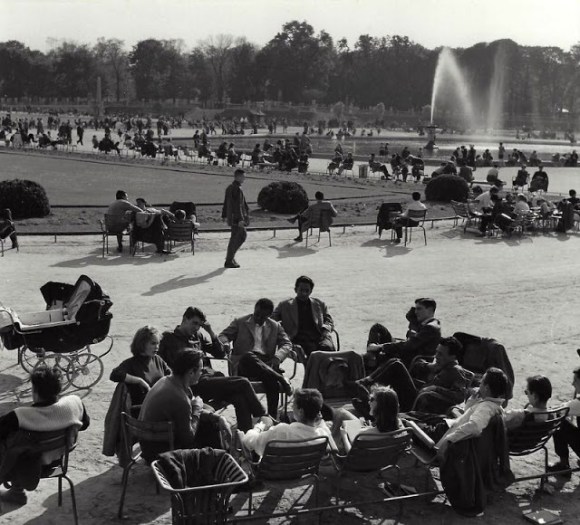
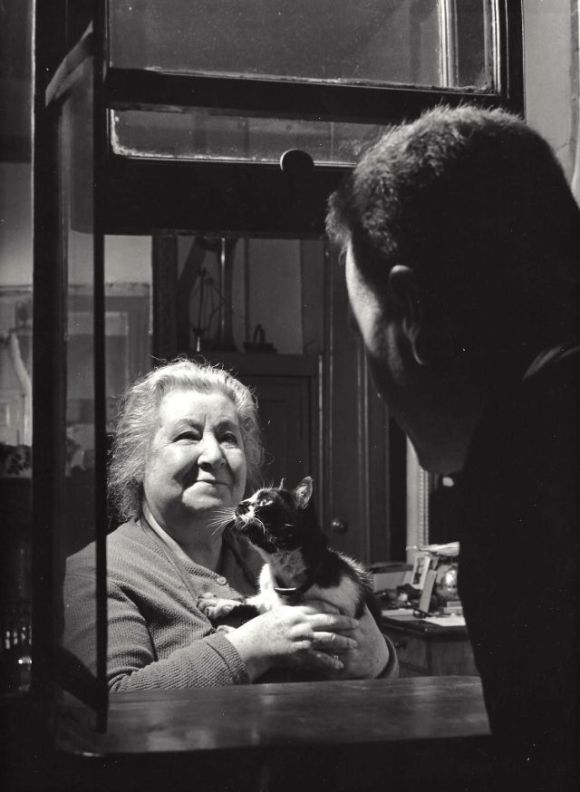
50 Amazing Vintage Photos Showing Paris During the 1950s

Lovely, lovely photographs– how can we return there??

Yesterday Today's avatarYesterday Today

Born 1920 in the Amsterdam working-class district called ‘de Jordaan’, Dutch photographer Kees Scherer began working as a freelance photographer and reached the pinnacle of photojournalism with high-profile reports about the flood disaster in the province of Zeeland (1953) and the Hungarian uprising (1956), shortly after WWII.

Scherer initiated World Press Photo in 1955 with Bram Wisman. In addition to his extensive work in color, Scherer’s early work in black and white has also been receiving increasing attention in recent years. He depicted his favourite cities in exhaustive detail, namely Paris, New York, and especially Amsterdam.

Scherer died in 1993 at the age of 73.

These amazing black and white photos are part of Scherer’s work that documented everyday life of Paris in the 1950s.

(Photo © Kees Scherer)

View original post

Categories
Uncategorized

The God of Small Things by Arundhati Roy (India)

I always meant to read this. It sounds really worthwhile as well.

imogen's avatarImogen is Reading and Watching the World: On Books, Film, Art & More

Review no 162

Book 5 of my #20booksofsummer

The God of Small Things is one of those books that everyone reading this will have heard of, but I don’t suppose everyone will have read. It won the Booker Prize in 1997 and rapidly became the biggest-selling work of Indian fiction by a non-expat writer. Arundhati Roy steered clear of fiction after writing her prize-winning novel, focusing on her political writing, although a second novel was published in 2017, some 20 years after her first.

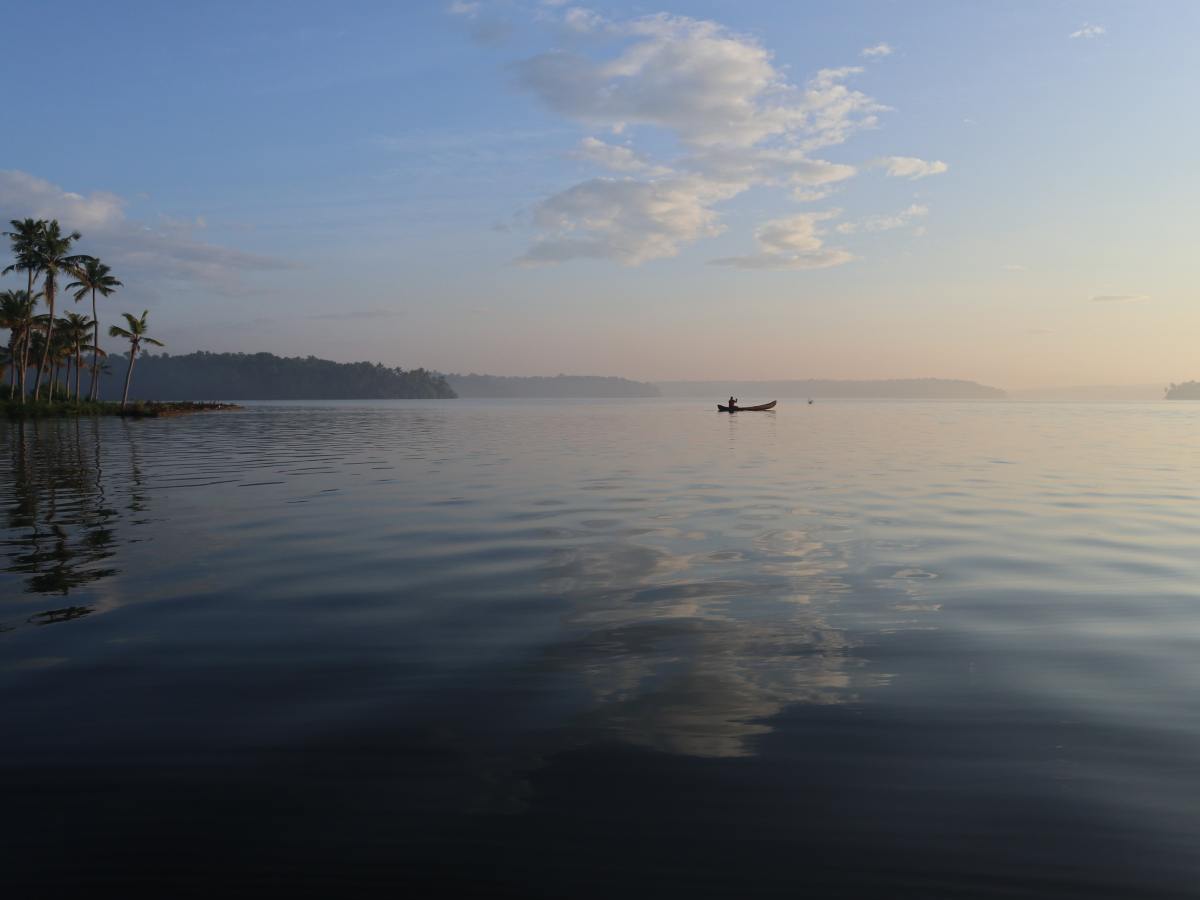
The story, set in the southern Indian state of Kerala, is concerned with the Ipe family, focusing in particular on disgraced adult daughter Ammu and her twin children. Ammu has returned to her family home in the small town of Ayemenem after divorcing her alcoholic husband, but lives miserably there, filled with “The infinite tenderness of motherhood and the reckless rage of a suicide bomber

View original post 475 more words

Categories
Uncategorized

Schopenhauer’s Porcupines – by Deborah Anna Luepnitz

I have been reading a little Schopenhauer recently whose approach I am pretty certain was an influence on Freud. This looks a very interesting if demanding read. Thanks for posting.

Categories
Uncategorized

The You-I Event: 5. The repressed unconscious

This is interesting but I probably need to read it over several times to accept or absorb it. It fits in with what is called relational psychoanalysis and Martin Buber that I have heard about recently. I will publish this and see if itis punished!!

Categories
Uncategorized

What is Logotherapy?

I often find myself thinking about Frankl and thinking about rereading his ideas. It also explains how the confusions around ovid are inhibitin when getting on with the normal purposiveness of everyday living.

Andrew Marshall's avatarMental Health Matters

Introduction

Logotherapy was developed by neurologist and psychiatrist Viktor Frankl, on a concept based on the premise that the primary motivational force of an individual is to find a meaning in life.

Frankl describes it as “the Third Viennese School of Psychotherapy” along with Freud’s psychoanalysis and Adler’s individual psychology. Logotherapy is based on an existential analysis focusing on Kierkegaard’s will to meaning as opposed to Alfred Adler’s Nietzschean doctrine of will to power or Freud’s will to pleasure. Rather than power or pleasure, logotherapy is founded upon the belief that striving to find meaning in life is the primary, most powerful motivating and driving force in humans.

A short introduction to this system is given in Frankl’s most famous book, Man’s Search for Meaning, in which he outlines how his theories helped him to survive his Holocaust experience and how that experience further developed and reinforced his theories…

View original post 2,180 more words

Categories
Uncategorized

Ornate Entrance, Peterhof, Russia

Categories
Uncategorized

What was the Vienna Psychoanalytic Society?

Would have been nice to have heard some of those discussions but my German would not quite have been up to it- especially with the Viennese accent!

Andrew Marshall's avatarMental Health Matters

Introduction

The Vienna Psychoanalytic Society (German: Wiener Psychoanalytische Vereinigung, WPV), formerly known as the Wednesday Psychological Society, is the oldest psychoanalysis society in the world.

In 1908, reflecting its growing institutional status as the international psychoanalytic authority of the time, the Wednesday group was reconstituted under its new name with Sigmund Freud as President, a position he relinquished in 1910 in favour of Alfred Adler.

During its 36-year history, between 1902 and 1938, the Society had a total of 150 members.

First Meetings

In November 1902, Sigmund Freud wrote to Alfred Adler, “A small circle of colleagues and supporters afford me the great pleasure of coming to my house in the evening (8:30 PM after dinner) to discuss interesting topics in psychology and neuropathology… Would you be so kind as to join us?” The group included Wilhelm Stekel, Max Kahane and Rudolf Reitler, soon joined by Adler. Stekel, a Viennese…

View original post 425 more words