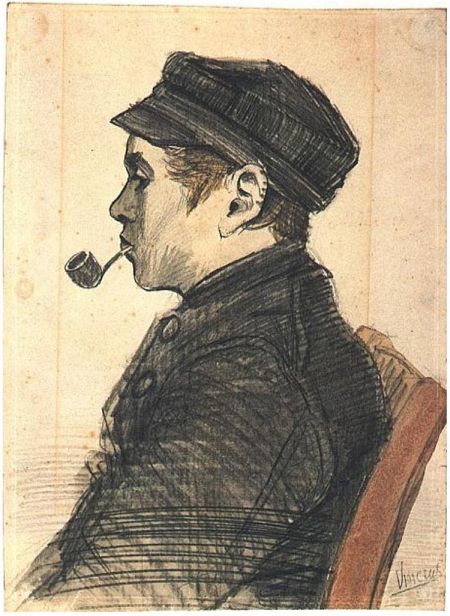
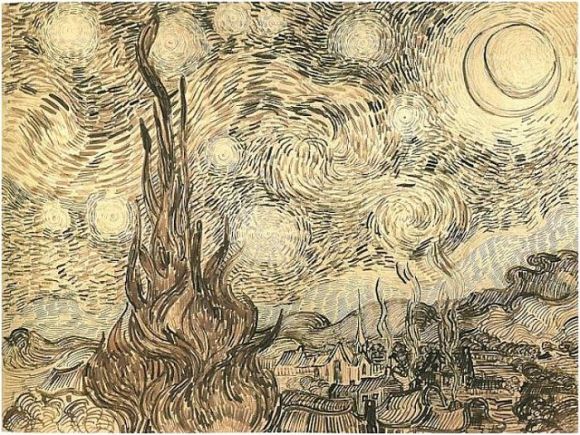
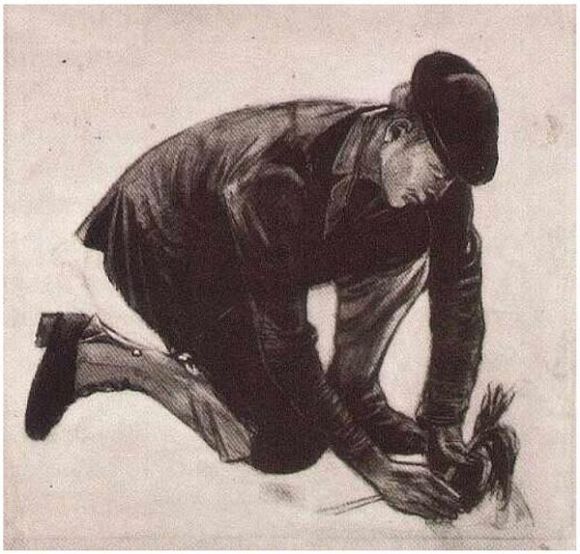
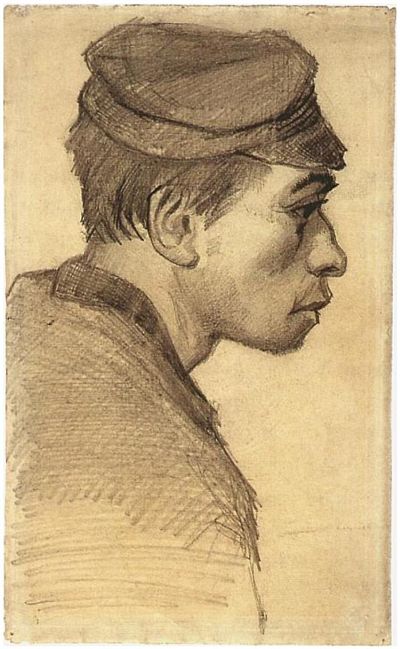
Some wonderful sketches here-many thanks!
Categories
Freelance writer and radio presenter
Some wonderful sketches here-many thanks!

Reproduction of Portrait of Lord Byron by Thomas Phillips
I have been reading Frederich Raphael on Byron-which is full of witty asides and ironic comments. It is also very perceptive and entertaining. However, Youtube fails on readings of his work-perhaps unsurprisingly.
However, put into the frame of mind by Byron I found this following clipagain, which I very much like this very old lovesong which has subtitles in French-good for the brain! The melody is enticing and certainly is both seasonal and lyrically delightful. As someone has commented;”Une perfection, une merveille…
Max Raabe est un très grand Artiste! Merci!”.
Giorgio Morandi
Für mich ist nichts abstrakt:
Letztendlich denke ich, dass nichts abstrakter ist als die Realität.
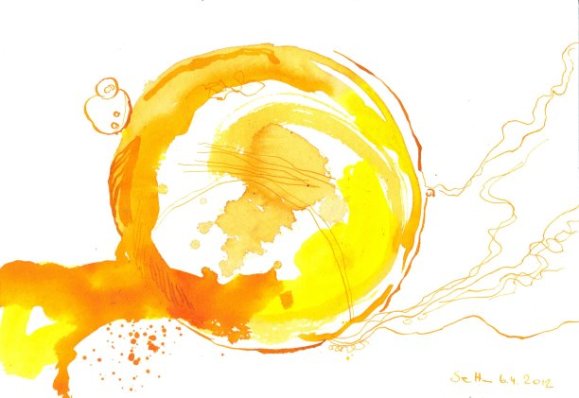 Vom Eiweiß verlassen – Eigelb in Tränen (c) Zeichnung von Susanne Haun
Per me non vi è nulla
di astratto: per altro ritengo
che non vi sia nulla di più
surreale e di più astratto
del reale.
For me nothing is abstract:
morover I feel that ther
is nothing more surrela and
more abstract than reality.
__________________________
Quelle:
Folder zur Ausstellung Novecento Italiano -Una Storia, Palermo Palazzo Reale, 25. Marzo – 31 Agosto 2017

The graffiti artist, political activist, painter, film director and long time fugitive that for years has gone by the pseudonymous name of Banksy, was arrested early this morning by Israeli police. After hours of questioning the suspect and a raid of his London art studio by police, his true name and identity have finally been revealed.
More information HERE.
More about Bansky HERE.

Lovely vignette
The landscaped acres of this island in the Danube make a peaceful (and pretty much cost-free) day out in the middle of the city
The woods are green with branches
And sweet with nightingales,
With gold and blue and scarlet
All flowered are the dales.
Sweet it is to wander
In a place of trees,
Sweeter to pluck roses
And the fleur-de-lys.
But dalliance with a lovely lass
Far surpasseth these.

Fronde nemus induitur
iam canit philomena
cum variis coloribus
iam prata sunt amena,
spatiari dulce est
per loca nemorosa,
dulcius est carpere
lilia cum rosa,
dulcissimum est ludere
cum virgine formosa.
(Source- Mediaeval Latin Lyrics by Helen Waddell -Constable and Co-first published 1929)

Koloman Moser (1868 – 1918) was an Austrian artist who exerted considerable influence on graphic art and many the most important artists of the Viennese secession. In the early 1890s he began to develop a highly innovative and individualistic Art Nouveau style, while working as an illustrator. He designed books, postcards, stamps, vignettes for magazines, stained glass, porcelain, ceramics andjewellery, etc. He was born in Vienna and studied at the Vienna Academy and at the School of Applied Arts, where he taught from 1899. As co-founder of the secession of Vienna, he joined Gustav KLIMT, Josef Hoffmann, and others, to establish a new form of art, moving far away from the academy. He was editor of the newspaper Ver Sacrum, and graphic designer for several years. In journalism he covered art and literature. In 1905, together with Gustav Klimt’s group, he separated from the secession of Vienna. The same year it married Editha Mautner von Markhof, daughter of one of the owners of one the large industrial fortunes of Austria. It will be noted that his work was heavily influenced by the Swiss painter,Ferdinand Hodler: who also ifluenced Gerstl and Giacometti.en.wikipedia.org/wiki/Ferdinand_Hodler


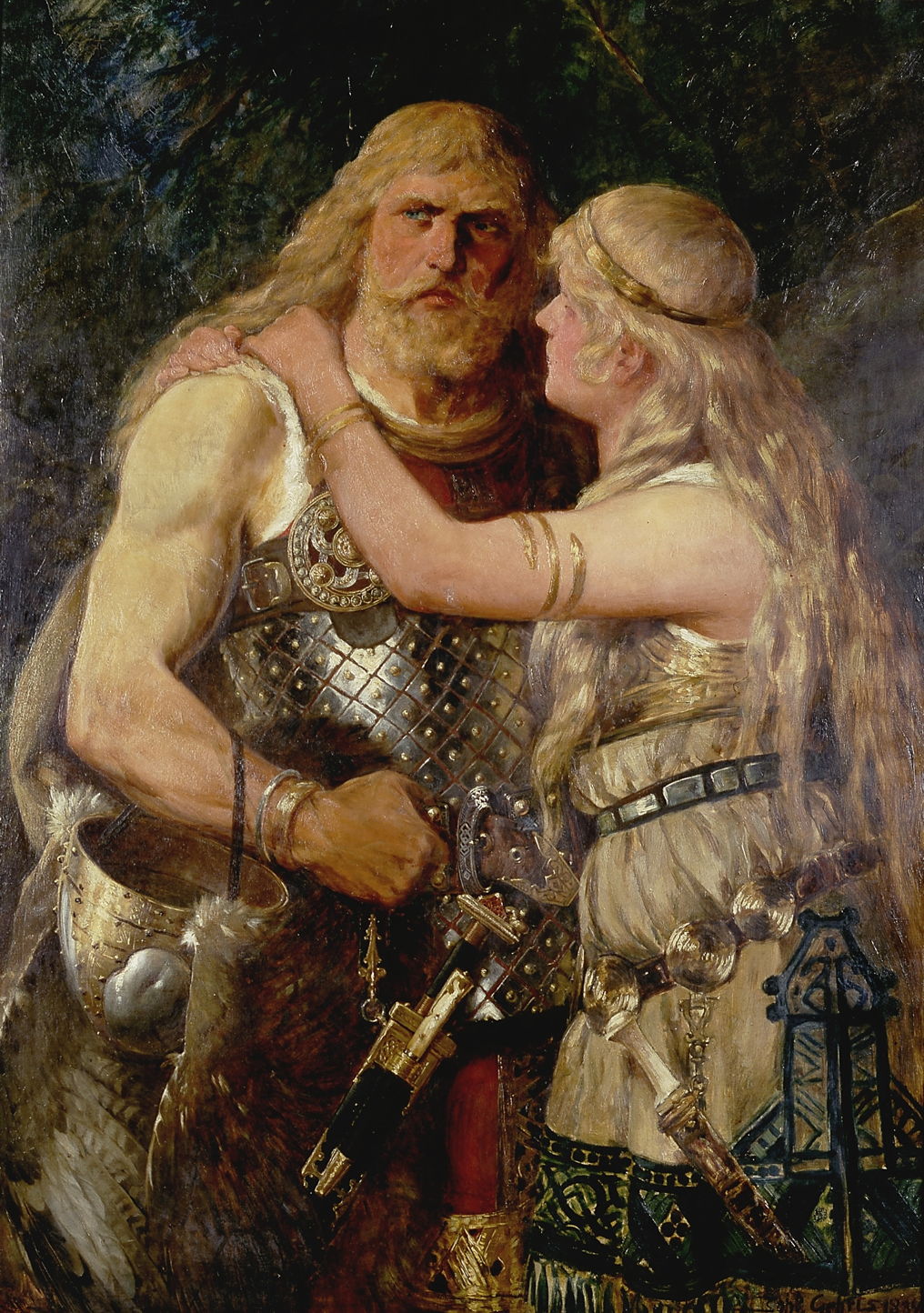
Very interesting such history painting being a major theme that painters were to react against. I think there are still major differences below and above the line of Roman occupation. Many thanks for your efforts!
Sometimes you have to dig around a bit to understand what is going on in a painting, particularly some of JMW Turner’s.
 Joseph Mallord William Turner (1775–1851), The Opening of the Wallhalla, 1842 (1843), oil on mahogany, 112.7 x 200.7 cm, The Tate Gallery (Accepted by the nation as part of the Turner Bequest 1856), London. © The Tate Gallery and Photographic Rights © Tate (2016), CC-BY-NC-ND 3.0 (Unported), http://www.tate.org.uk/art/artworks/turner-the-opening-of-the-wallhalla-1842-n00533
Here, my puzzle is The Opening of the Wallhalla, 1842 (1843), which shows a classical building resembling the Parthenon in Athens, and a huge crowd of people gathered on the opposite bank of the river below it. Valhalla is, of course, the mythical majestic hall to which half of the Vikings went when they died in battle, in preparation for Ragnarök.
The Walhalla (to spell it correctly) which Turner shows is a very long way from the lands of the…
View original post 1,412 more words
Used to teach there-great place!!!
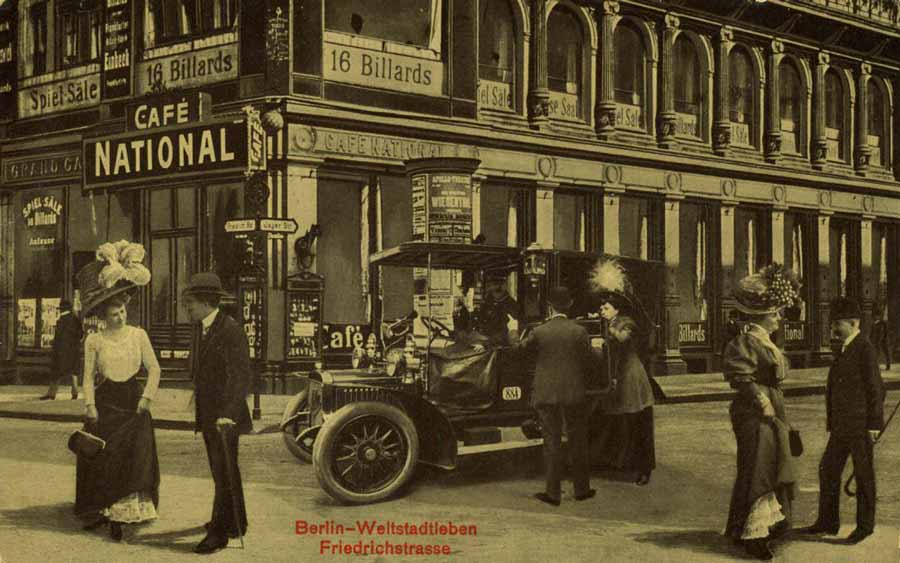
The Galarie Lafayette in Berlin seems larger than the one in Paris!

 Cafe National, Friedrichstraße 76 in Berlin-Mitte.
“Cafe National” on the corner of Friedrichstraße No. 76 and Jägerstraße in Berlin-Mitte (quite obviously a collage, which explains an amusing proportion-ratio between various objects).
The place was once famous as the “largest billiard club in Berlin” (posters in the upper-floor windows bear witness to that) and in the 1920s became a favourite address for the Friedrichstraße prostitutes working between this street and Leipziger Straße to come, warm up and have some rest.
They particularly enjoyed the four Venetian glass mosaics decorating the walls: designed by Wiener, they symbolised four different nations and were made for the cafe by Dr. Salviati, a renown mosaic-maker whose own shop was located at No. 149.

The building were the cafe was located was destroyed during the Second World War – the site houses a large department store,”Galerie Lafayette”, now.








 penwithlit