Categories
Uncategorized

Benjamin

apolla13's avatarNames Throughout the Ages

Benjamin is the son of Jacob and Rachel in the Bible. His name comes from Hebrew Binyamin meaning “son of the right” or “son of the south” made up from Hebrew benבֵּן (son) which derives from a Proto-Semitic word; and yamin יָמִין (right (hand), right side; south. Benjamin has also been interpreted as meaning “son of days”, probably referencing the advanced age of his father Jacob when he was born. Benjamin is also a surname originating from the given name.

Nicknames: Ben, Benji/Benjy, Benny/Bennie, Benj

Origin: Proto-Semitic

85c34edbc9ec6e5b9331e9d790418de9Pinterest

Variants:

  • Binyamin (Hebrew, Arabic)
  • Benjamín (Spanish, Czech, Slovak, Icelandic)
  • Benjámin (Hungarian)
  • Beniamino (Italian)
  • Benjaminas (Lithuanian)
  • Venijamin (Macedonian)
  • Benjamim (Portuguese)
  • Beniamin (Romanian, Biblical Latin, Biblical Greek)
  • Veniamin (Russian)
  • Venyamin (Russian)
  • Bünyamin (Turkish)
  • Peni (Hawaiian)

Female forms:

  • Benjamine (French)
  • Benjamina (English)

View original post

Categories
Poetry West Cornwall (and local history)

Summer Blues over coffee-Penzance

Sitting in Mr Billy’s, cappuccino drunk

I  watch the Golowan flag unfurl and roll

over the discount furniture store.

An elegant lizard design ruffled

as Hurricane Hector creeps to shore.


Caffine restores and clears the brain’s funk;

mind having been clogged with too many poets

read too superficially, such a rapid tour:-

Akhmatova, Garcia Lorca, Neruda

-several more.

all read in translation with growing piles

of biographies-Akhmatova’s by Elaine Feinstein

and just recovered, after much searching,

Pablo Neruda’s by Adam Feinstein.

The latter faintly and quaintly inscribed to ” Jessie G-

My passion in my life” signed Den

with five kisses -a bargain at three pounds forty nine.

Although I don’t know these signatories.

I remember the  Sixties, when a certain Jessie G occupied

my thoughts and feelings.


As the shoppers come and go- not thinking, I think

of Michelangelo,

I long for the enigmatic winds that energised us all-

when Co-Operative with its cheap and vivid green awning

was not just a shop.

As the street fills with delivery vans,

I long for the fervour again to discover,

Sous les paves, la plage!

Categories
Uncategorized

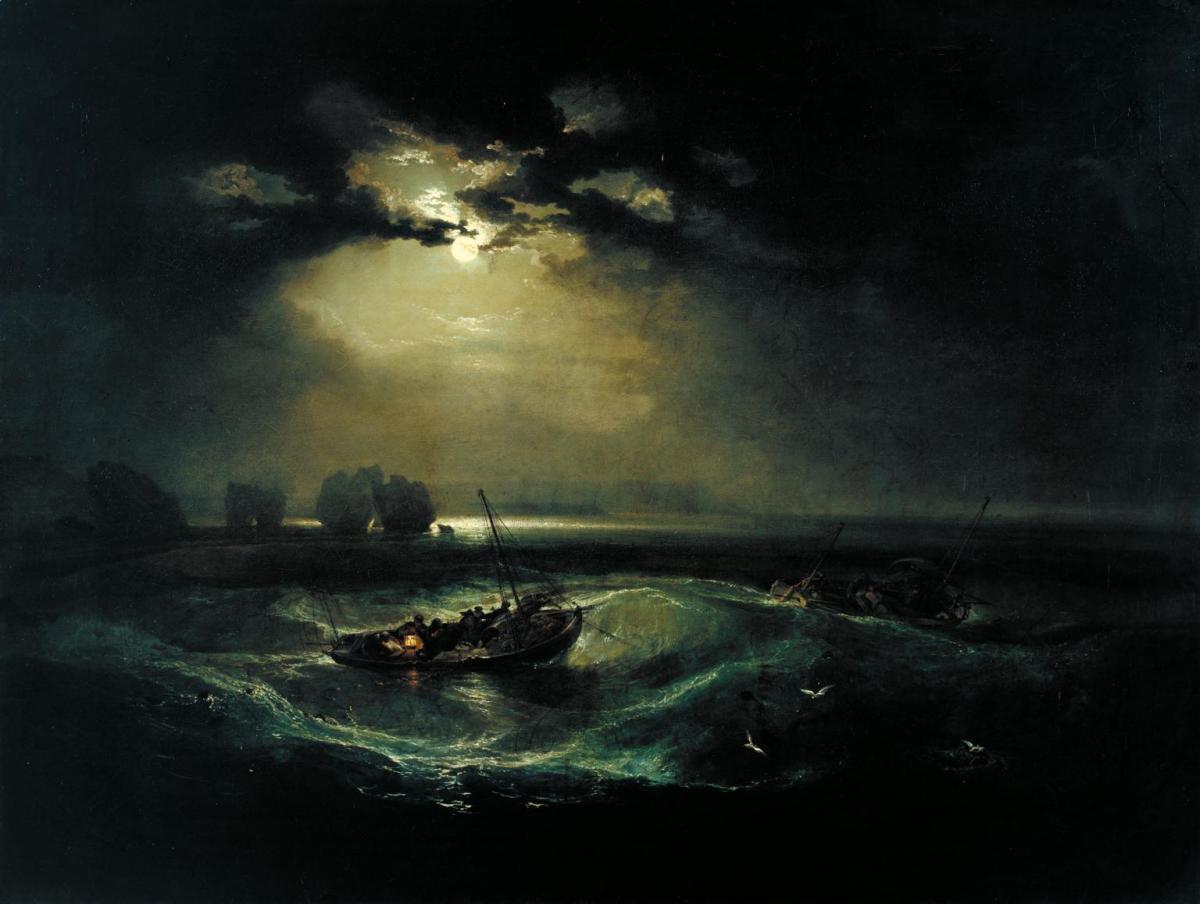
Out of darkness, light: The development of chiaroscuro 2

Interesting how the technique has been used to convey such different styles. I think there are direct parallels in literature with dramatic contrasts- tragedy interspersed with humour perhaps.

hoakley's avatarThe Eclectic Light Company

In the first of these two articles looking briefly at the history of ‘compositional’ chiaroscuro in painting, I traced some early examples from the Renaissance before showing a selection from its heyday between 1590 and 1650. With Caravaggio and those influenced by him gone, chiaroscuro returned to occasional use for special effects rather than lapsing into obscurity.

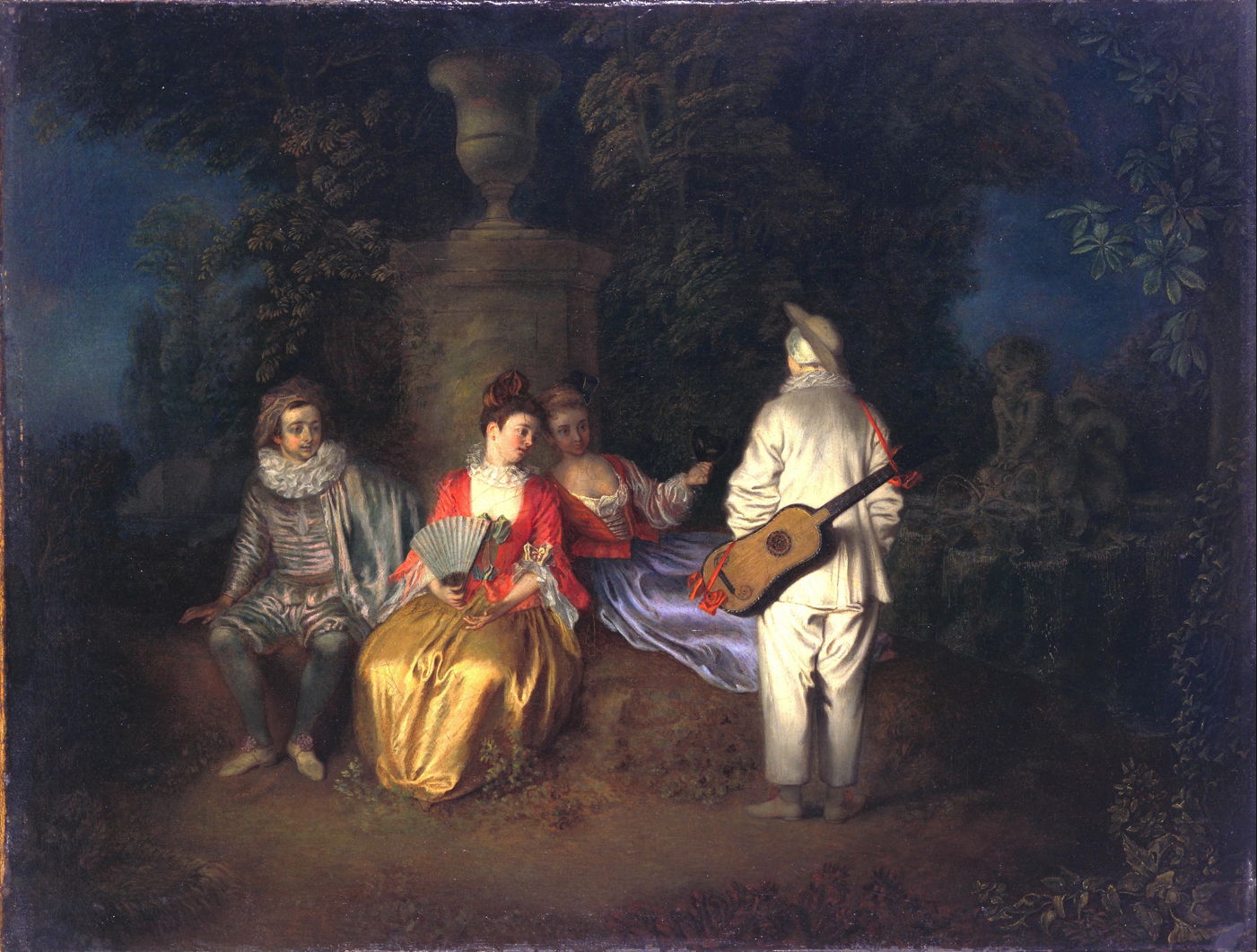
watteaufoursome Antoine Watteau (1684–1721), The Foursome (c 1713), oil on canvas, 49.5 x 64.9 cm, Fine Arts Museums of San Francisco, San Francisco, CA. Wikimedia Commons.

It still appeared in nocturnes, such as Antoine Watteau’s The Foursome from about 1713. You may have noticed that I’m not a great fan of paintings from this period, but I rather like this for its subtlety, and the details half-hidden in its darkness.

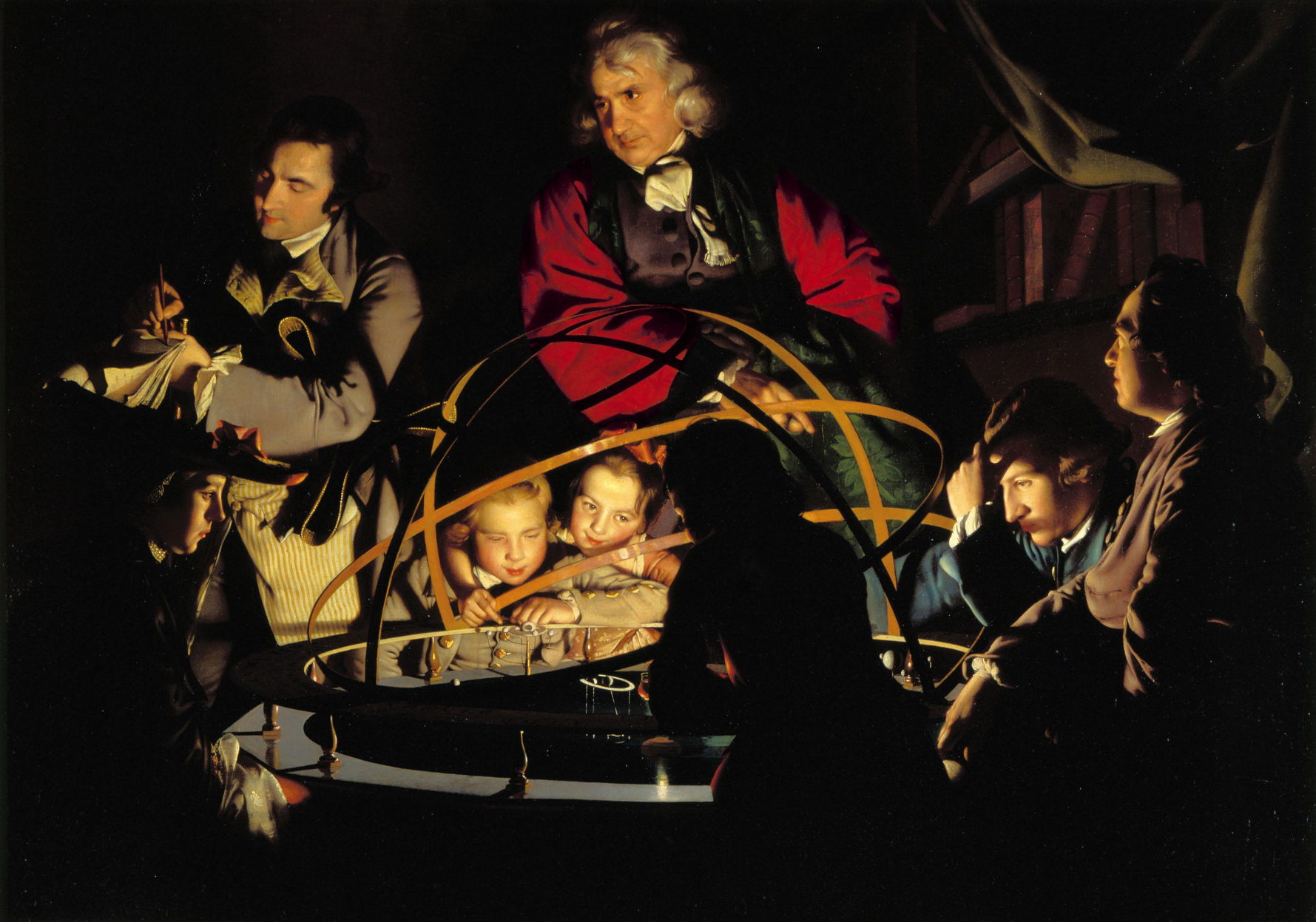
jwrightorrery Joseph Wright of Derby (1734–1797), A Philosopher Giving that Lecture on the Orrery, in which a Lamp is Put in Place of the Sun…

View original post 863 more words

Categories
Uncategorized

Hester

apolla13's avatarNames Throughout the Ages

Hester is the Latin form of Esther, a name of uncertain etymology though it could be related to a Persian word meaning “star”; it’s also possible that the name could be related to Ishtar, the Mesopotamian goddess of love, fertility, and war, though the meaning is unknown. Hester is also a surname though it originates from two different sources, the first being from Middle Low German hester meaning “beech”, likely a locational name for someone who lived near some beech trees; or it could be an anglicized form of Gaelic Ó hOistir meaning “descendant of Oistir”, the latter a name of unknown meaning.

Nicknames: Hettie

Origin: Persian

8eeaa653400aab82f779a9b4f5d3a9bePinterest

Variants:

  • Esther (English, French, Spanish, Dutch, German, Danish, Norwegian, Swedish, Hebrew)
  • Ester (Spanish, Catalan, Portuguese, Italian, Czech, Swedish, Norwegian, Danish, Icelandic, Finnish)

View original post

Categories
Uncategorized

Adventures in the GDR and women’s ‘inner eye’

Impressive photographs -where exactly is the Side Gallery?

the adventurous ethnographer's avatarthe adventurous ethnographer

The time is fleeing from the memories (Gundula Schulze Eldowy)

From September until December, an exhibition named ‘Inner Eye’ has been running at Side Gallery, the place I hang out on a Sunday. The exhibition focuses on photography in the GDR (German Democratic Republic) and shows images taken in East Germany by various photographers and filmmakers throughout the early seventies until the late eighties.  A few weeks ago,  I was lucky enough to help at the cinema and watch a number of documentaries in a mini-festival programmed to tie in with the exhibition. At these events some of the German photographers and directors working at that time spoke of their own practices too. This is pertinent to the Side Gallery as back then Amber (the film making collective that also run the Side) were making films in the GDR showing how there were similarities in social issues in both the…

View original post 847 more words

Categories
Uncategorized

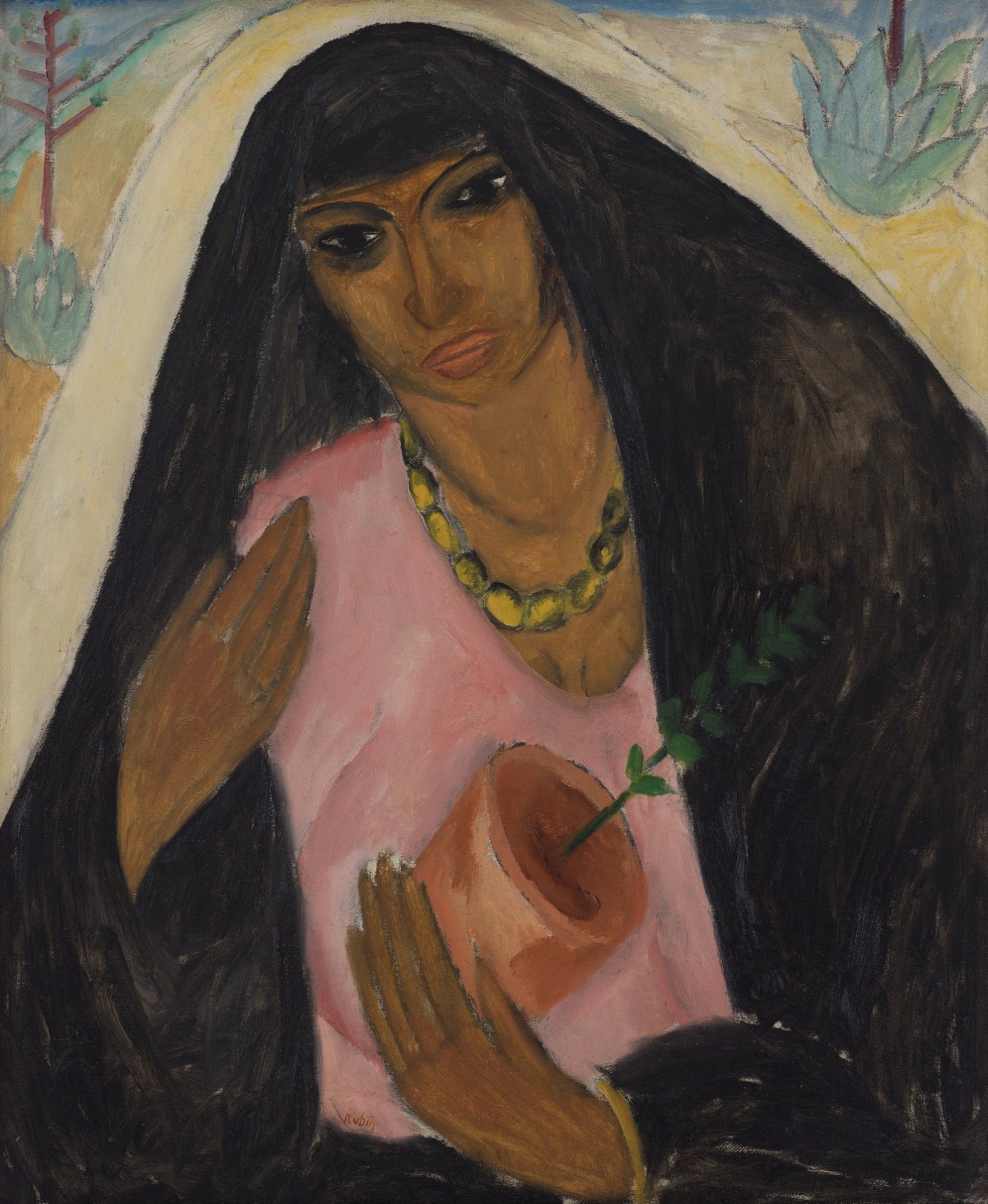
Reuven Rubin: Arab Woman With Potted Plant (1923)

At Sunnyside - Where Truth and Beauty Meet's avatarAt Sunnyside - Where Truth and Beauty Meet

Screenshot_2018-12-03 rubin, reuven arab woman with a figures sotheby's n09959lotb23ften Reuven Rubin, (1893 – 1974), ARAB WOMAN WITH A POTTED PLANT (1923), signed Rubin (lower center), oil on canvas, 23 5/8 by 19 3/4 in., 60 by 50 cm, Source: Sotheby’s,

Distinctively Israeli

Reuven Rubin is the eighth of 13 children born to a Romanian Jewish Hasidic family. Jewish Virtual Library states, “Although born in Rumania and trained in art in Paris and Rumania, Reuven Rubin in many ways is a distinctly and distinctively Israeli artist. (JVL)

Although he spends his life traveling between Romania, Paris, New York, and Israel, Engel Gallery explains Rubin’s importance to Israel:

Reuven Rubin is a central figure in the canon of Israeli art, who [succeeds] in defining modern Eretz Israel’s visual essence, famed both in Israel and abroad. When he first set foot in Eretz Israel, Rubin’s dream [is] to create art which will link between European and Asian art, ancient…

View original post 748 more words

Categories
Uncategorized

Two books for learning Spanish in 19th century England

europeancollections's avatarLanguages across Borders

The Spanish language started attracting widespread attention in Britain in the 19th century, when “Great Britain’s attitude to Spain was softening, and former prejudices were giving way to a new understanding” (The emergence and growth of Hispanic studies in British and Irish universities, 2018.11.705).

dav First issue of Bulletin of Spanish Studies (Dec. 1923) P744.c.6.1

Modern languages were officially introduced in the 19th century in universities such as King’s College London and University College London, and later, in the so-called redbrick universities (Birmingham, Liverpool, Leeds, Manchester, Sheffield and Bristol) – the term “redbrick” was coined by an influential English Hispanist, Edgar Allison Peers, Professor at Liverpool and founder of the Bulletin of Spanish studies (1923). These newer universities were more open to the study of modern languages than the historic universities, such as Oxford and Cambridge.

View original post 808 more words

Categories
Uncategorized

Fritz

apolla13's avatarNames Throughout the Ages

Fritz originated as a German diminutive of Friedrich, the German form of Frederick meaning “peaceful ruler” composed of Germanic elements frid (peace) and ric (ruler, power). Fritz is also a German surname originating from the nickname.

Origin: Proto-Indo-European

6ac53a7a9244ab7aeaa5cc8a3fca0410Pinterest

Variants:

  • Fred (English)

View original post

Categories
Uncategorized

Pupille, du premier regard à l’amour

Julien-James Vachon's avatarDirect-Actu.fr le blogzine de la culture pop et alternative

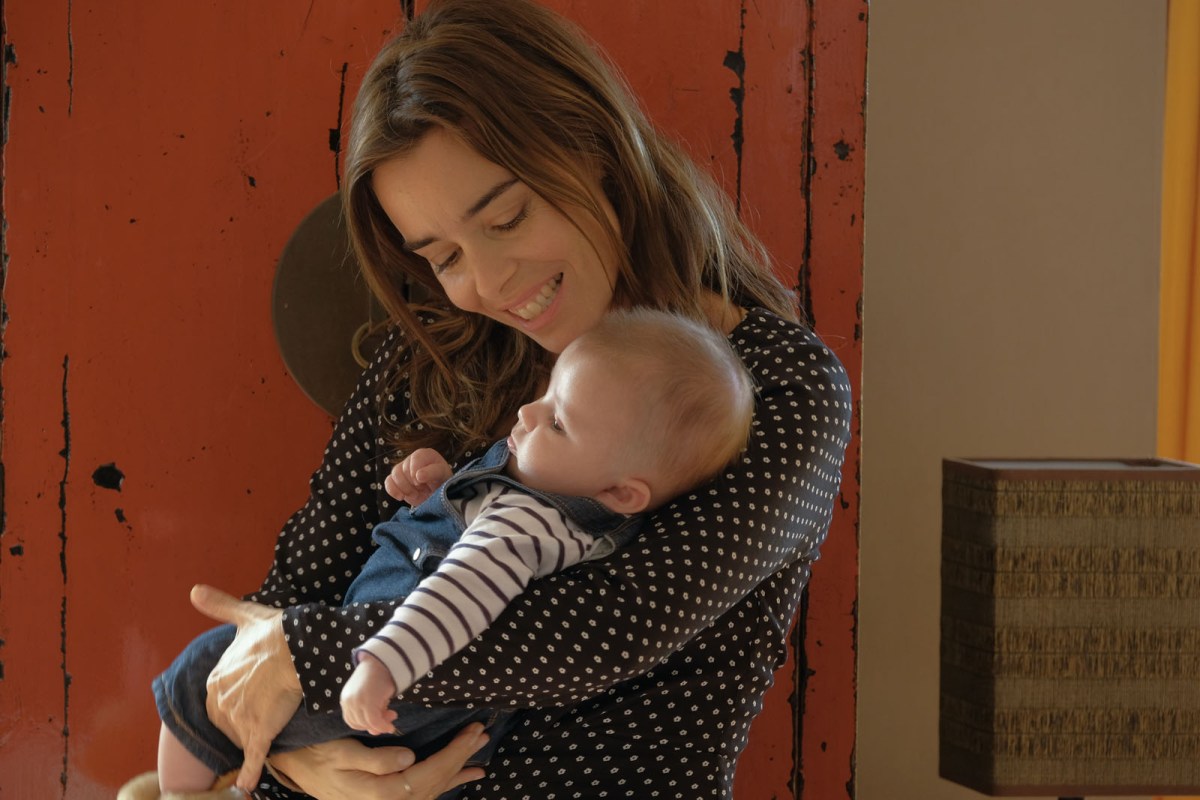
Avec un titre à double sens « Pupille » de l’Etat et les Pupilles des yeux qui regarde l’enfant avec amour et tendresse, ce film peut faire écho à plusieurs sorties récentes sur l’enfant, le rôle de l’autre et l’éducation. Que ce soit Amanda ou Mauvaises herbescette fin d’année est marquée par une qualité de production en France, où nous sommes loin de la simple comédie dramatique ou comédie sentimentale… Ce sont à première vue des films traitant avec sincérité des sujets sociaux. Dans cette macro-sociologie de la famille, deux films pose la question de l’amour, comment peut-on aimer un enfant qui n’est pas le notre, comment peut-on l’aider à grandir. Dans son second film Jeanne Herry s’est penché sur les semaines où une mère peut encore faire marche arrière pour récupérer son enfant. Cette période où l’enfant est mis dans le foyer d’un assistant familial, le choix d’un homme pour ce film…

View original post 391 more words

Categories
Uncategorized

Robert Delaunay: Eiffel Tower (c.1925)

Pylons and steel towers very popular in the intter-war years.

At Sunnyside - Where Truth and Beauty Meet's avatarAt Sunnyside - Where Truth and Beauty Meet

1950-134-43acrop-CX Robert Delaunay, (French, 1885 – 1941), Eiffel Tower, c.1925, Oil on burlap,(130.8 x 31.7 cm), The Louise and Walter Arensberg Collection, 1950, Philadelphia Museum of Art.

Who is Robert Delaunay?

Robert Delaunay (1885 – 1941) is a French artist who, with his wife Sonia Delaunay and others, co-founded the Orphismart movement, noted for its use of strong colours and geometric shapes. His later works were more abstract, reminiscent of Paul Klee. Delaunay’s key influence relates to bold use of colour and a clear love of experimentation with both depth and tone. (wikipedia)

Orphism is distinguished by “faceted compositions, vibrant color, and contemporary subject matter that together conveyed delight in the modern life and its technological innovations.” (TheArtStory.)

Though Delaunay’s paintings draw praise, his narcissistic need to be the center of attention causes conflict with family and colleagues. According to The Art Story

View original post 654 more words