Categories
Uncategorized

Die blaue Blume sehn’ ich mich zu erblicken

There’s a great novel in English about Novalis called “The Blue Flower” by Penelope Fitzgerald. Lovely sketch!

Susanne Haun's avatarSusanne Haun

Zur Einstimmung der Wiederaufnahme meiner Masterarbeit habe ich begonnen NovalisHeinrich von Ofterdingen zu lesen.

Dieser in Fragmenten gebliebene, nach dem Tod von Novalis von Friedrich Schlegel veröffentlichte Roman, passt ausgezeichnet zur Zeichnung von Franz Theobald Horny, die ich innerhalb meiner Masterarbeit diskutiere.

So wird es hier im Blog wieder etwas ruhiger um mich werden. Ich benötige meine Energie zum Zeichnen und Schreiben. Die Masterarbeit ist die letzte schriftliche Arbeit, die ich innerhalb meine Studiums der Kunstgeschichte noch anfertigen muss. Alle Hausarbeiten sind geschrieben und abgegeben, zwei Seminare sind noch aktiv und regelmäßig zu besuchen und dann bin ich nach diesem Semester scheinfrei. Als Ziel habe ich mir vorgenommen, die Masterarbeit Ende Juli zu beenden.

In meinem Rhythmus Zeichnung – Masterarbeit beginne ich mit der blauen Blume aus Novalis Roman, sie wurde bildhaft zum Symbol der Romantik.
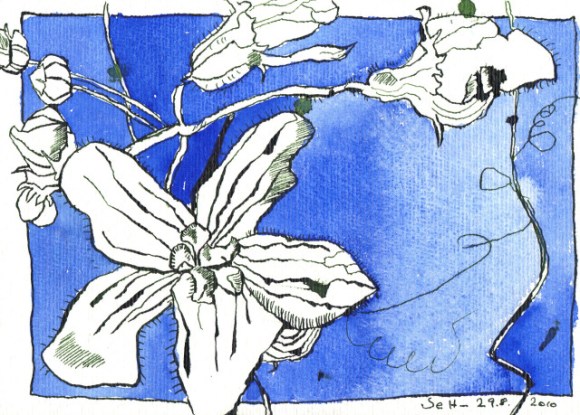
Blaue Blume - Zeichnung von Susanne Haun - 17 x 22 cm - Tusche auf Bütten

View original post

Categories
Uncategorized

Wunderkammer 2018: Hot off the Presses!

SchoolofArt's avatarFalmouth School of Art

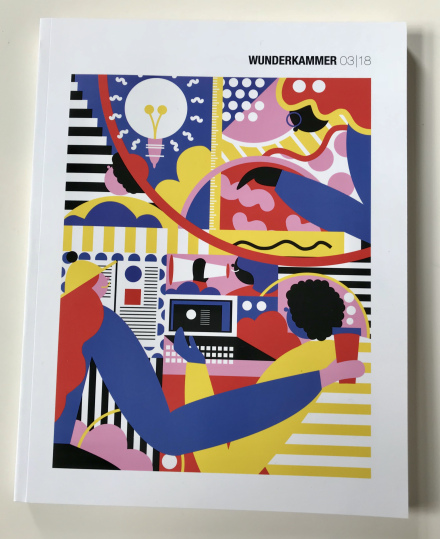
This year’s much anticipated edition of Wunderkammer flew off the presses literally a day before both London and New York study trips. This year’s cover has been illustrated by Falmouth Illustration alumna and rising star Ana Jaks.

The standard of work in this year’s book is extremely high, showing the full range of talent that is about to graduate from the BA(Hons) Illustration course here at Falmouth. All staff that have taught the current final year students through the course can, alongside the students, take a share in the high quality of the work published in the book. Particular credit goes to the third year staff for the huge effort that they have made to research, design co-ordinate the production of this book.

Thanks also go out to the alumni who have contributed insightful interviews. These include: Calum Heath, Beth Wheatley, Owen Gent and Hugh Cowling (Uncle Ginger), Jamie…

View original post 24 more words

Categories
Uncategorized

Riot at the King’s Theatre in 1813 – All Things Georgian

We used to have a small Georgian Theatre in Penzance!

First Night Design's avatarRogues & Vagabonds

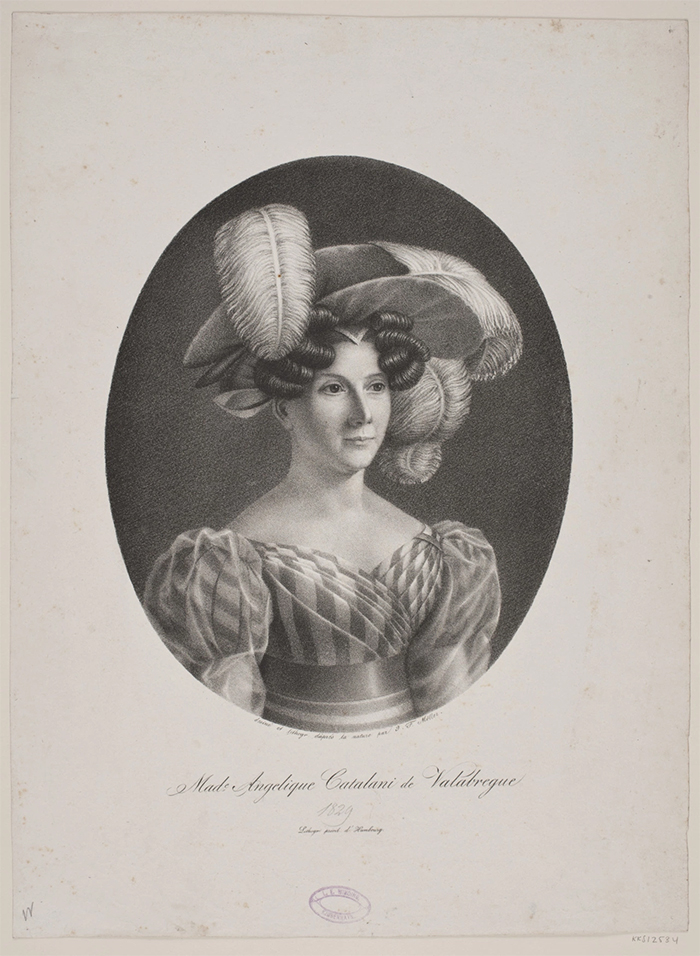
catalani Mme Angelique Catalani de Valabregue, J.F. Moeller, 1829. Courtesy of National Museum of Denmark
On Saturday 1st May 1813 at the King’s theatre a serious disturbance broke out, proceeding apparently a call from the audience for the reappearance of Madame Catalani, who had withdrawn her services from the theatre as they had not paid her monies owed for…

via Riot at the King’s Theatre in 1813 – All Things Georgian

View original post

Categories
Uncategorized

Von den Schwierigkeiten der Auftragsarbeit und einer gruenen Gerbera – Susanne Haun

Susanne Haun's avatarSusanne Haun

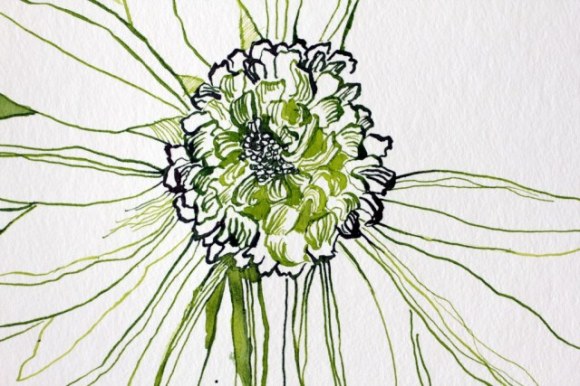
Entstehung Gerbera - 25 x 25 cm - Tusche auf Hahnemuehle Aquarellkarton (c) Zeichnung von Susanne HaunEntstehung Gerbera – 25 x 25 cm – Tusche auf Hahnemuehle Aquarellkarton (c) Zeichnung von Susanne Haun
Man sollte meinen, dass Blumen zeichnen kein Problem für mich darstellt.

Blumen gehören zu meinem Repertoire, weckt man mich in der Nacht auf und sagt “Zeichne eine Gerbara!” dann sollte ich die Blüte im Schlaf zeichnen können.

Und genau da liegt das Problem! Ich zeichne, was sich in meinem Inneren befindet und auch eine Blume muss aus meinem Inneren herauswollen. Ich benötige dafür Ruhe, Wollen, Lust und Freude!

Den Auftrag für die heute gezeichnete Gerbera bekam ich eine Woche nach dem Afrikaurlaub, heute habe ich endlich (!) Lust und Muse dafür gefunden und bin mit dem Ergebnis zufrieden.

Eigentlich kein Wunder, dass heute der Tag der Entstehung war, die Gerbera war in der Farbe Maigrün gewünscht und schließlich beginnt morgen der Mai!

Signiert habe ich die Blüte in den Blättern, denn so ist…

View original post 15 more words

Categories
Literature Poetry

Il giardino autunnale di Dino Campana

Giardino autunnale

Image result for giardino autunnale dino campana

Al giardino spettrale al lauro muto
de le verdi ghirlande
a la terra autunnale
un ultimo saluto!
A l’aride pendici
aspre arrossate nell’estremo sole
confusa di rumori rauchi grida la lontana vita:
grida al morente sole
che insanguina le aiole.
S’intende una fanfara
che straziante sale: il fiume spare
ne le arene dorate; nel silenzio
stanno le bianche statue a capo i ponti
volte: e le cose già non sono più.
E dal fondo silenzio come un coro
tenero e grandioso
sorge ed anela in alto al mio balcone:
e in aroma d’alloro,
in aroma d’alloro acre languente,
tra le statue immortali nel tramonto
ella m’appar, presente.


Autumn garden

A last salute to the spooky garden to the silent laurel
of the green garlands
and the autumn land!

At the arid
rugged slopes reddened in the extreme sun,
confused with raucous noises, the distant life
cries : shouts to the dying sun
that bloody the flowerbeds.
It is meant a fanfare
that is excruciating salt: the river spare
and its golden arenas; in silence
are the white statues at the head of the bridges
sometimes: and things are no longer there.
And from the background, silence like a
tender and grandiose chorus
arises and longs up at my balcony:
and in the aroma of laurel,
in the aroma of bitter, acrid laurel,
among the immortal statues in the sunset
she appeared to me, present.

Image result for dino campana

Dino Campana, (born Aug. 20, 1885, Marradi, Italy—died March 1, 1932, Florence), innovative Italian lyric poet who is almost as well known for his tragic, flamboyant personality as for his controversial writings.

Recommended:-  The Penguin Book of Italian Verse

Categories
Poetry Uncategorized West Cornwall (and local history)

Visiting Town Blues

Walking for my morning coffee

through the falling rain,

I feel again the cold and my toothache pain,

leaving the bus, negotiating the speeding traffic

through what to me feels a rush,

reaching the corner, a hush as

slipping along the side street,

avoiding sudden traffic, above the narrow pavement,

I notice the broken awning.

Here next to the closed, derelict barber’s shop,

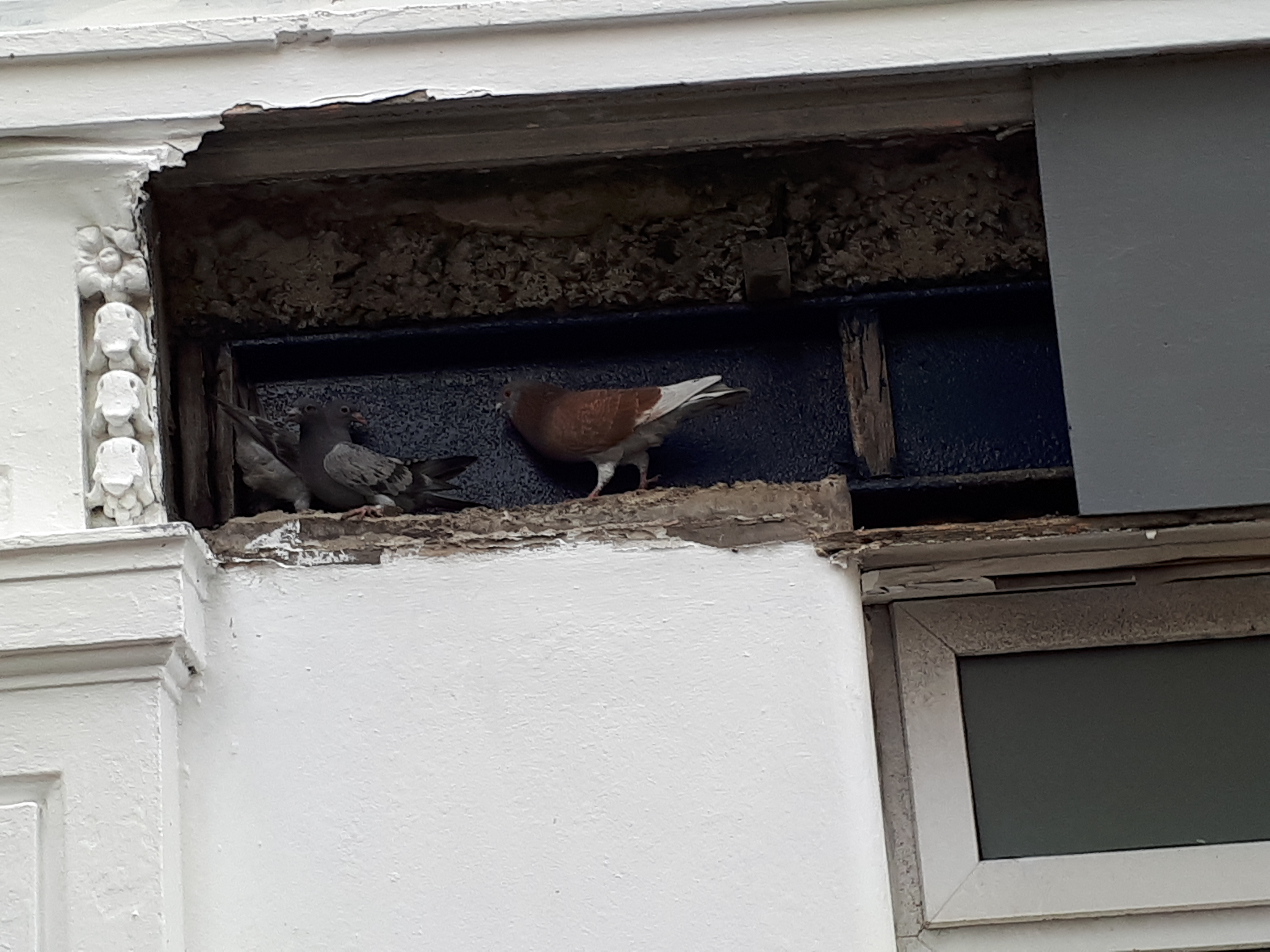
three gobbling pigeons have found

a box-shaped shelter; a tabloid sized hole

from where a torn out section of thin wood

and have made a home, an aviary,

a sort of “rus in urbe” among the tangled wires.

The birds bob and cheerfully chirp exchanges.

In this section life flourishes.

I stop to snap these jovial creatures that

triumph amidst the clutter,

defeating austerity, likewise

I recover my affection for broken places

….and the game is still on.


Categories
Art and Photographic History Uncategorized

Andrés Nagel Tejada-Basque painter, sculptor and engraver

Andrés Nagel Tejada (San Sebastián, 1947) is a Spanish painter, sculptor and engraver, one of the current Basque artists with the greatest international projection.

Image result for Andrés Nagel Tejada

An artist with eclectic tastes, a great traveller and with a history of many exhibitions, his work in painting, sculpture and engraving can be labelled as a postmodern figuration.  In working against the mainstream, in the years 60 and 70, he followed  an  abstract and informalist path.  Nagel addresses mostly social issues with some sarcasm and irreverence, in a style that at times echoes the New Madrid figuration and also adopted influences of pop art (in colourful and urban themes), surrealism (with shocking and humorous approaches) and Povera art ( using humble materials and wastes).

Further information in Spanish is at https://es.wikipedia.org/wiki/Andr%C3%A9s_Nagel

Categories
Uncategorized

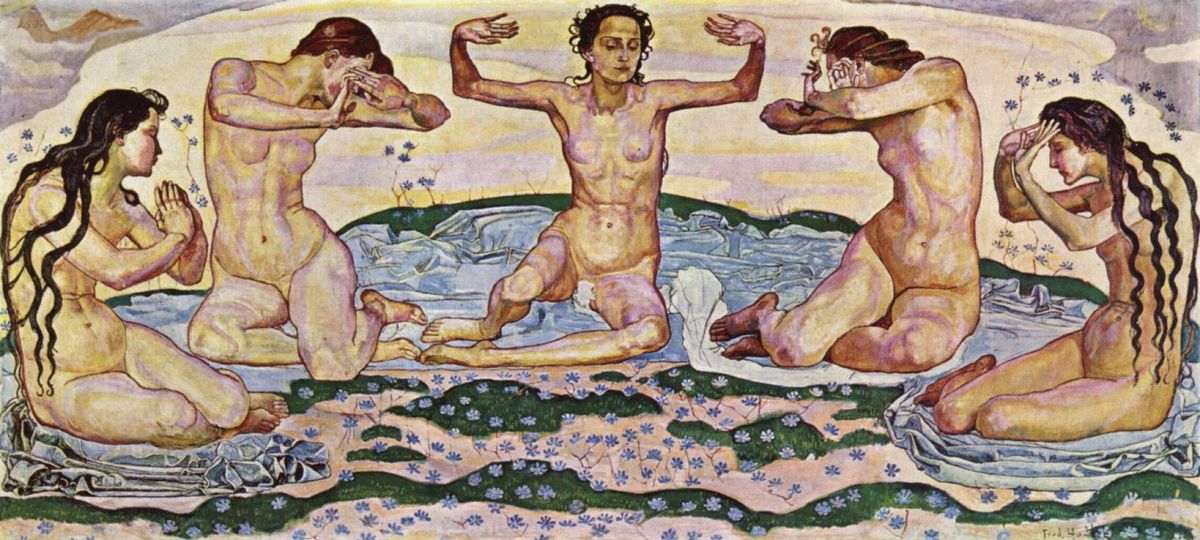
Ferdinand Hodler, Distant mountains, 1895-1902

Holder was a great influence on the Viennese painter Richard Gerstl. He also reminds me a little of the Cornish Symbolist Thomas Cooper Hitch.

hoakley's avatarThe Eclectic Light Company

By 1895, Ferdinand Hodler (1853–1918) was turning to more Symbolist paintings and developing his mature ‘Parallelism’ from there.

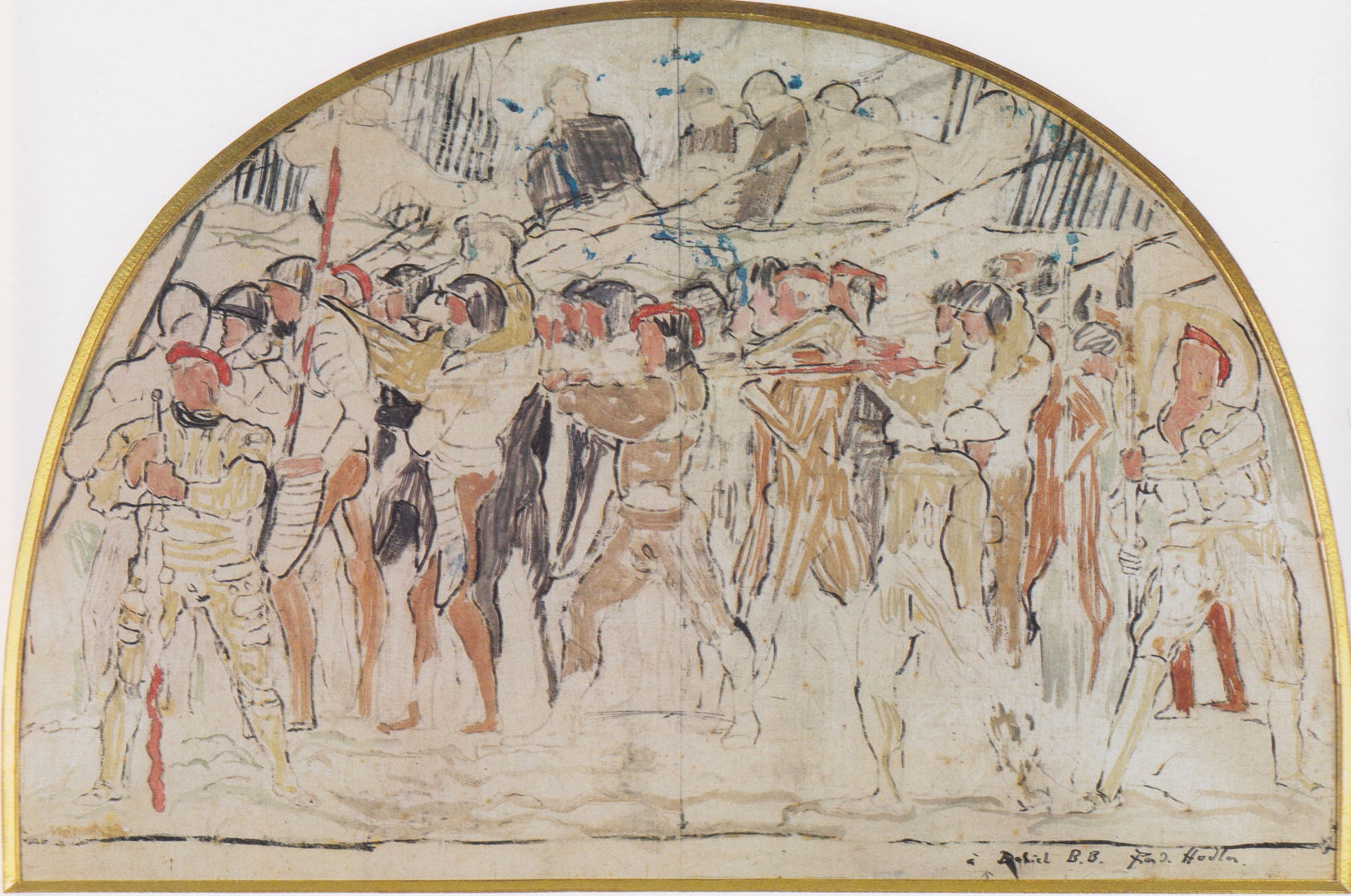
hodlerretreatmarignanocompostudy Ferdinand Hodler (1853–1918), Retreat from Marignano (composition study) (c 1897), pencil and gouache on fabric, 43 × 65 cm, Private collection. Wikimedia Commons.

In 1897, Hodler won the commission to paint a large fresco in the Weapons Room of the Swiss National Museum (Schweizerisches Landesmuseum) in the centre of Zurich. Oddly, Hodler proposed depicting the Battle of Marignano, fought between France and the Old Swiss Confederacy near Milan in 1515. The French had been the victors there, leaving the defeated Swiss with around 50% casualties.

This compositional study for Retreat from Marignano was made in about 1897, using pencil and gouache on fabric. From its inception, the painting is composed as a frieze in two planes, with most of its figures in the nearer plane.

hodlerretreatmarignanostudy Ferdinand Hodler (1853–1918), Retreat from Marignano (study)…

View original post 962 more words

Categories
Uncategorized

Mädchen mit Blumenkranz im Haar – Zeichnung von Susanne Haun

Susanne Haun's avatarSusanne Haun

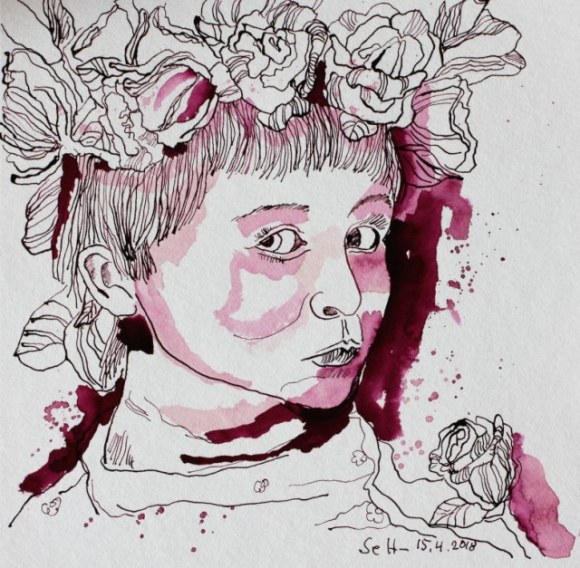
Heute war ich einfach den ganzen Tag müde,aber wie ein kleines Mädchen wollte ich lieber Zeichnen als ins Bett gehen.

So sind die beiden heutigen Portraits von einem Mädchen mit Blumenkranz im Haar entstanden. Ich sehe in der Zeichnung das Modell vor mir und ich sehe auch mich und meine Trotzhaltung darin. So ist die Ähnlichkeit zu meinem ursprünglichen Modell verlorengegangen aber der Augenblick festgehalten wo ich als Frau über 50 mich wieder in ein trotziges kleines Mädchen verwandele.

Deshalb mag ich diese beiden Portraitzeichnungen besonders.

Mädchem mit Blumen im Haar - 25 x 25 cm - Tusche auf Hahnemuehle Burgund - Version 1 (c) Zeichnung von Susanne HaunMädchem mit Blumen im Haar – 25 x 25 cm – Tusche auf Hahnemuehle Burgund – Version 1 (c) Zeichnung von Susanne Haun
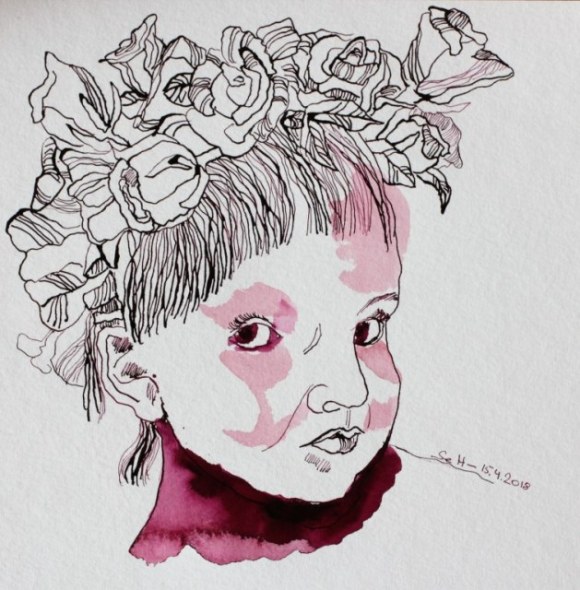
Mädchem mit Blumen im Haar - 25 x 25 cm - Tusche auf Hahnemuehle Burgund - Version 2 (c) Zeichnung von Susanne HaunMädchem mit Blumen im Haar – 25 x 25 cm – Tusche auf Hahnemuehle Burgund – Version 2 (c) Zeichnung von Susanne Haun
View original post

Categories
Uncategorized

Comparative Literature, a Very Short Introduction, by Ben Hutchinson #BookReview

This sounds really thoughtful and interesting!

Lisa Hill's avatarANZ LitLovers LitBlog

I can’t think of a better way to explain the complexities of the term ‘comparative literature’ than to quote the blurb for this book:

Comparative Literature is both the past and the future of literary studies. Its history is intimately linked to the political upheavals of modernity: from colonial empire-building in the nineteenth century to the postcolonial culture wars of the twenty-first century, attempts at “comparison” have defined the international agenda of literature. But what is comparative literature? Ambitious readers looking to stretch themselves are usually intrigued by the concept, but uncertain of its implications. And rightly so, in many ways: even the professionals cannot agree on a single term, calling it comparative in English, compared in French, and comparing in German. The very term itself, when approached comparatively, opens up a Pandora’s box of cultural differences.

Yet this, in a nutshell, is the whole point of comparative literature. To…

View original post 1,088 more words