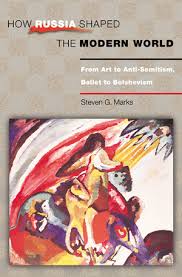
Steven Marks, How Russia Shaped the Modern World: From Art to Anti-Semitism, Ballet to Bolshevism
From the autocracy of the Tsars to the totalitarianism of Stalinist communism, and on to the authoritarianism of Vladimir Putin, over the last two centuries, Russia (and the Soviet Union, when it existed), have charted a path politically well removed from that of the democracies of Western Europe and North America. But if Russia has been depressingly resistant to the democratizing currents of the West, I have always assumed and never doubted for a moment that Russia was a indispensable part of European culture, a huge contributor to its every aspect, literature and art, music and dance and more. Steven Marks’ “How Russia Shaped the Modern World: From Art to Anti-Semitism, Ballet to Bolshevism,” which first appeared in 2003, did not dispel that assumption but added…
Today we had the first snow. I woke to a fine layer of white in the morning. I don’t think it will stay, it’s already raining. Nonetheless it is strange to write about a book set during a sultry, sweltering summer.
Occasionally critics wonder why Eduard von Keyserling is not as widely read in Germany as Theodor Fontane. I often wonder why he isn’t translated into English. After having read the novella Schwüle Tage (Sultry Days) I think I can say with great certainty that being compared to Fontane may be the reason for both. Not because he isn’t as good and the comparison would be unfavorable, no, just because it’s wrong or, at least, not entirely correct. There is another important author whose work is far closer to Keyserling and that is Arthur Schnitzler. The subconscious plays a far greater role in Keyserling than in Fontane. Suppressed emotions and…
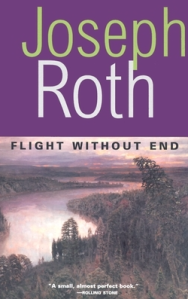
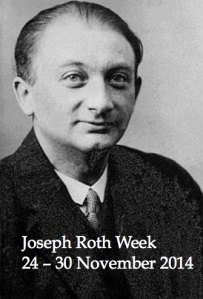
Jospeh Roth, one of the greats of Austrian literature, seemed like a wonderful choice, not only for the Literature and War Readalong in which we focus on WWI, but also as part of German Literature Month. And because he’s such a fine author, there will not only be a readalong but the last week of GLM ( 24 – 30 November) is dedicated to his work. After some rather unfortunate readalong choices, I’m confident this one will not disappoint.
Joseph Roth was an Austrian-Jewish writer and journalist. He died at the age of forty-seven in Paris. His early death was probably brought on by his alcoholism. His last book, called The Legend of the Holy Drinker, is inspired by his own battle with alcohol.
Today is the day when most Austrians make their way to a graveyard nearby, and light candles in remembrance of their departed. I decided to take my camera and tripod out to see what could be found at St. Marx Friedhof, which is one of the nicest ones (imho) in Vienna. Without a remote trigger though, I was very handicapped…..
The centre of the graveyard was full of lights that were put down by people. I’m fairly certain that Zentralfriedhof would have been more impressive, but this one is quite intimate, and holds the remains of Mozart. Somewhere. Seeing as Mozart was put to rest in an unmarked grave, they have put up a stone in his honour. So, we don’t know exactly where he was put down, only that it was at this graveyard. This wasn’t because he was a baddie or anything, it was just the custom of…
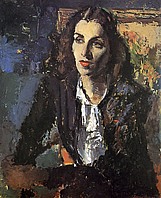
I came across this lovely painting by Sergius Pauser in the Leopold Museum in Vienna. Mädchen vor dem Spiegel was painted in 1931 and Öl auf Leinwand, 92×73 cm, so oil on linen. The limited range of colour, the tone and the style, that is to say, The New Objectivity (in German: Neue Sachlichkeit), along with the model’s expression give this painting an attractive and contemplative feeling. The subject is, of course, a common one for artists including Lovis Corinth (1918) and famously Picasso (1932). It is also similarly the subject of the self-portrait by Zenadia Serebryakova as mentioned in my earlier posting http://penwithlit.wordpress.com/2011/12/19/self-portraits-1900-1912-3-zinaida-serebryakova/. Other paintings by Pauser will be found at http://www.sergius-pauser.at/
Quoting from the above link, this passage is of considerable interest,”The writer Thomas Bernhard (1931-1989) wrote of Pauser: “Sergius Pauser uttered thoughts about people – Adalbert Stifter, for example – that I have never heard before or since; he succeeded in revealing the most concealed corners of poetic sensitivity; he was a tender and vigilant diviner on the landscape of world literature, a philosopher and an artist through and through.” And yet a painter like Sergius Pauser is barely known today; only a few of his works hang in Austrian galleries and many of his paintings cannot be traced due to the emigration of their owners.”
Pauser was considered unreliable by the Nazis and had a tough time as recorded by Wikipedia.de:-“In seiner Monographie berichtet Rupert Feuchtmüller (S. 22), dass Sergius Pauser im Herbst 1944 mit fünftausend sogenannten „Politisch Unzuverlässigen“ in ein Schanz-Lager bei Radkersburg gebracht wurde. Der Schauspieler Curd Jürgens, der auch bei diesem Transport war, schreibt über diese Zeit: „… Ich weiß, dass Sergius sowohl als auch Boeckl … recht viel Unangenehmes durchmachen mussten, da die SA-Bewacher mehr und mehr die Nerven verloren und dies an den Gefangenen ausließen.“ (Curd Jürgens in seinen „Erinnerungen“, Autobiographischer Roman, Droemer Knaur Verlag 1976)”
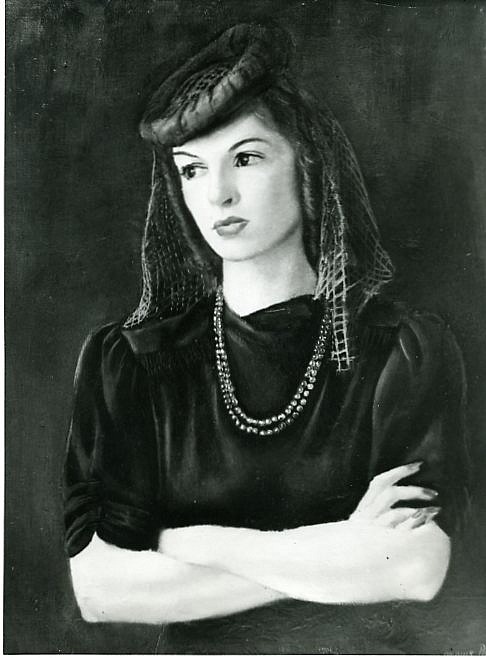
Here are three more paintings by Pauser that appeal to me. Amerikanerin1948,
Luis Trenker mit Kamera, 1938Amerikanerin
has an appealing delicacy and an optimistic and conversational appeal. The hardboard realism of Luis Trenker mit Kamera, 1938,Mischtechnik auf Hartplatte from an earlier period reminds me of a favourite painter, Christian Schad. I cannot find a colour image for Mädchen mit rotem Hut, 1942 Agathe Prinzessin von Ratibor but am intrigued to find that she was a Princess of a Polish town called Racibórz in Polish but very close to the Czech border and called Ratiboř.
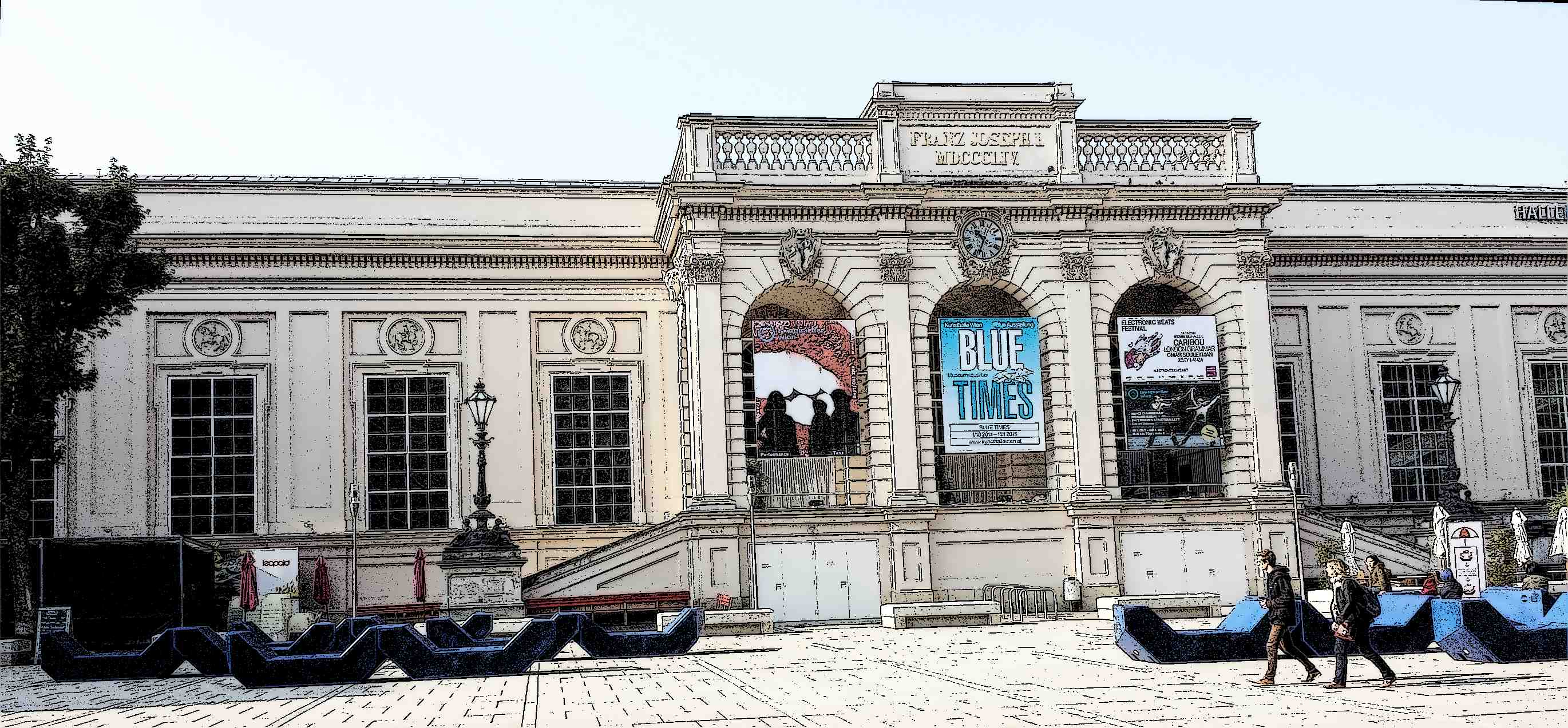
In the Leopold Museum in the Museum Quarter of Vienna, I discovered a number of artists about whom I had not previously heard. One of the most interesting was Egger-Lienz.
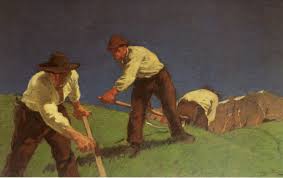
The oeuvre of Egger-Lienz includes many oil paintings. Several of his designs and drawings are available in various versions and images. Some subjects, such as the Mountain Mowers, are lithographs.
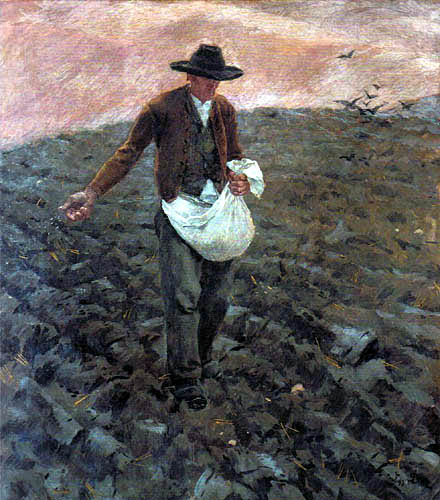
1904 Egger-Lienz turned to the theme of the sower, which kept him busy until the 1920s. The prototype for this was Jean-François Millet (The Sower , 1851), the other inspiration was actually a work of Giovanni Seganti. 36 major works were exhibited in 1901 at the Secession. Characteristic of Egger-Lienz is also the long time between recognising a source to its development or use.
1904/05 in South Tyrol The Pilgrims originated, whose formal conception parallels to Ferdinand Hodler’s picture The Truth (1903), which was exhibited along with 30 other works belonging to Hodler in the spring of 1904 in the Secession. Although the first drafts of The Pilgrims showed in the middle a seated Madonna with Child, Egger-Lienz replaced them, under Hodler;’s influence by the Crucified Christ. By means of this painting Egger-Lienz made a breakthrough to his “monumental-decorative period”
Christopher de Bellaigue, Patriot of Persia: Muhammad Mossadegh and a Tragic Anglo-American Coup
In this crisply-written biography, Christopher de Bellaigue provides an in-depth portrait of Muhammed Mossadegh, the leader of Iran at the time of a joint American-British covert operation in 1953 that deposed Mossadegh and gave new impetus to the regime of Shah Mohammed Raza Pahlavi. De Bellaigue terms the coup tragic and makes a strong case that this is precisely the right term. The coup was tragic for the ancient land of Persia, now called Iran, setting it off on a course that led to the Islamic revolution of 1979, and the taking of hostages from the American Embassy in Teheran later that year. But it was also tragic for Great Britain, the United States, and the West generally, converting Iran, potentially an ally and a stabilizing force in the Middle East, into a…
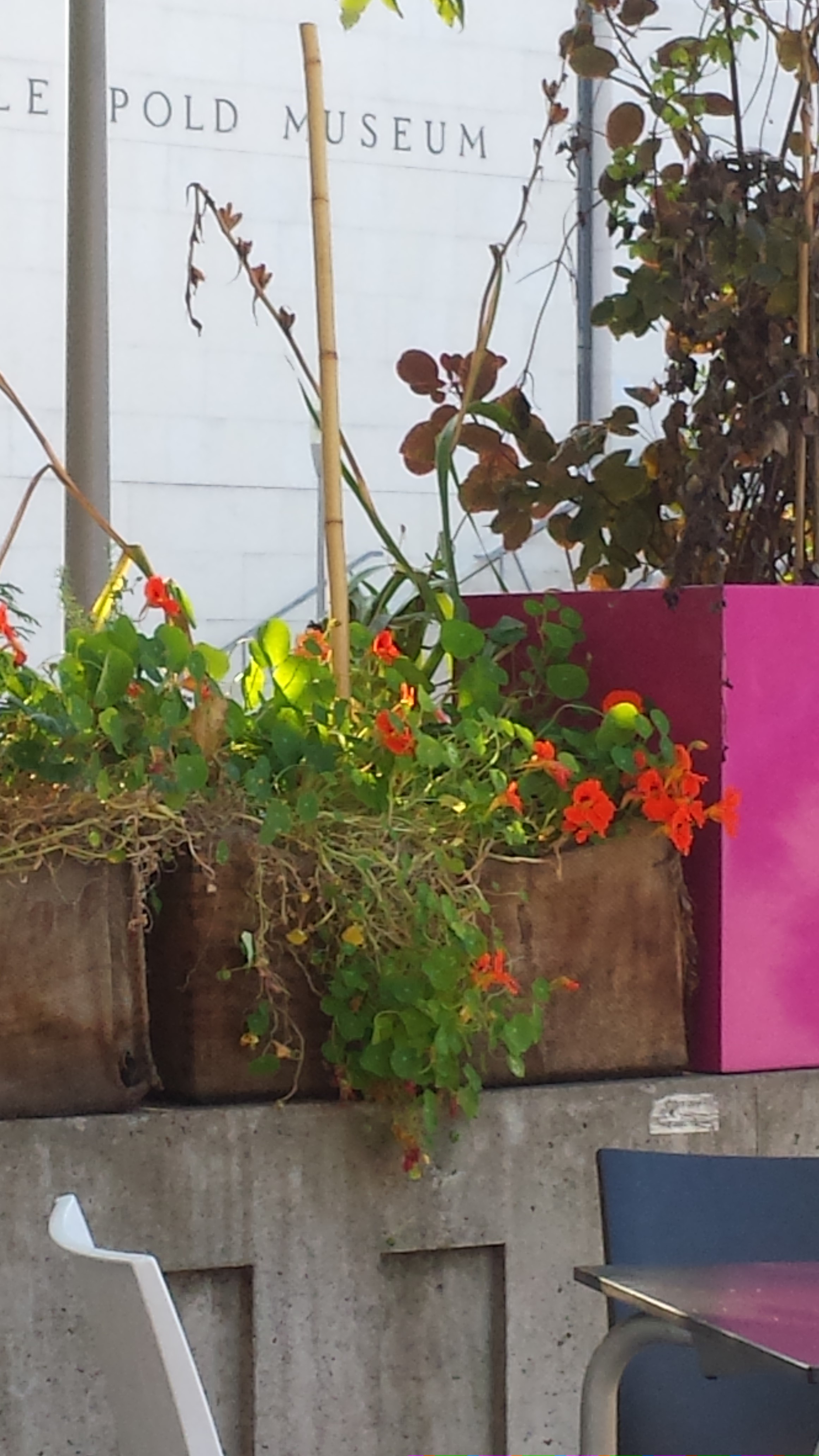
Half watching this French film which strikes me as typically French and discursive, in German seems unusual and interesting. Dubbing would have been better for my language skills. At least, it has given me time to play with my last two days of Wien photographs.
Kinder können nicht sagen wie heiß der Tag ist,
wie scharf der Duft der Sommerrose,
Kaffee und Kuchen
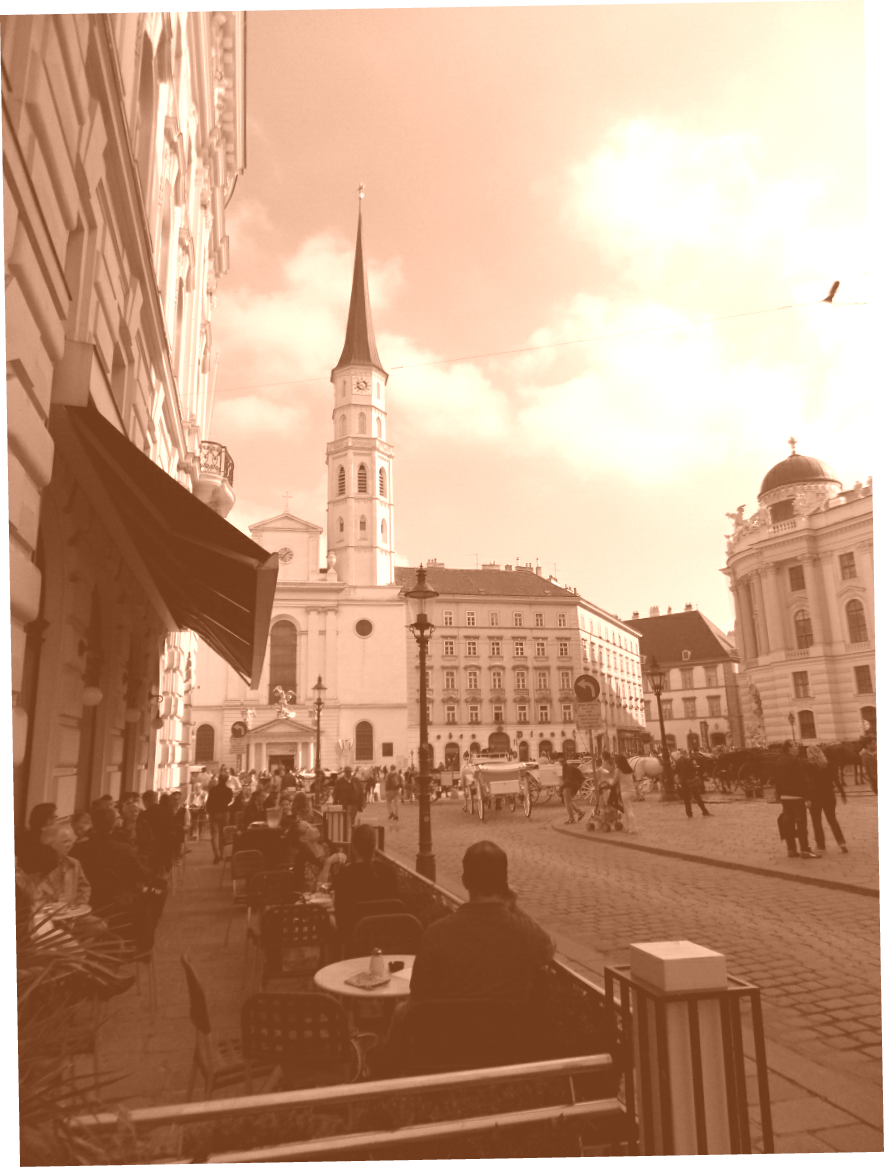
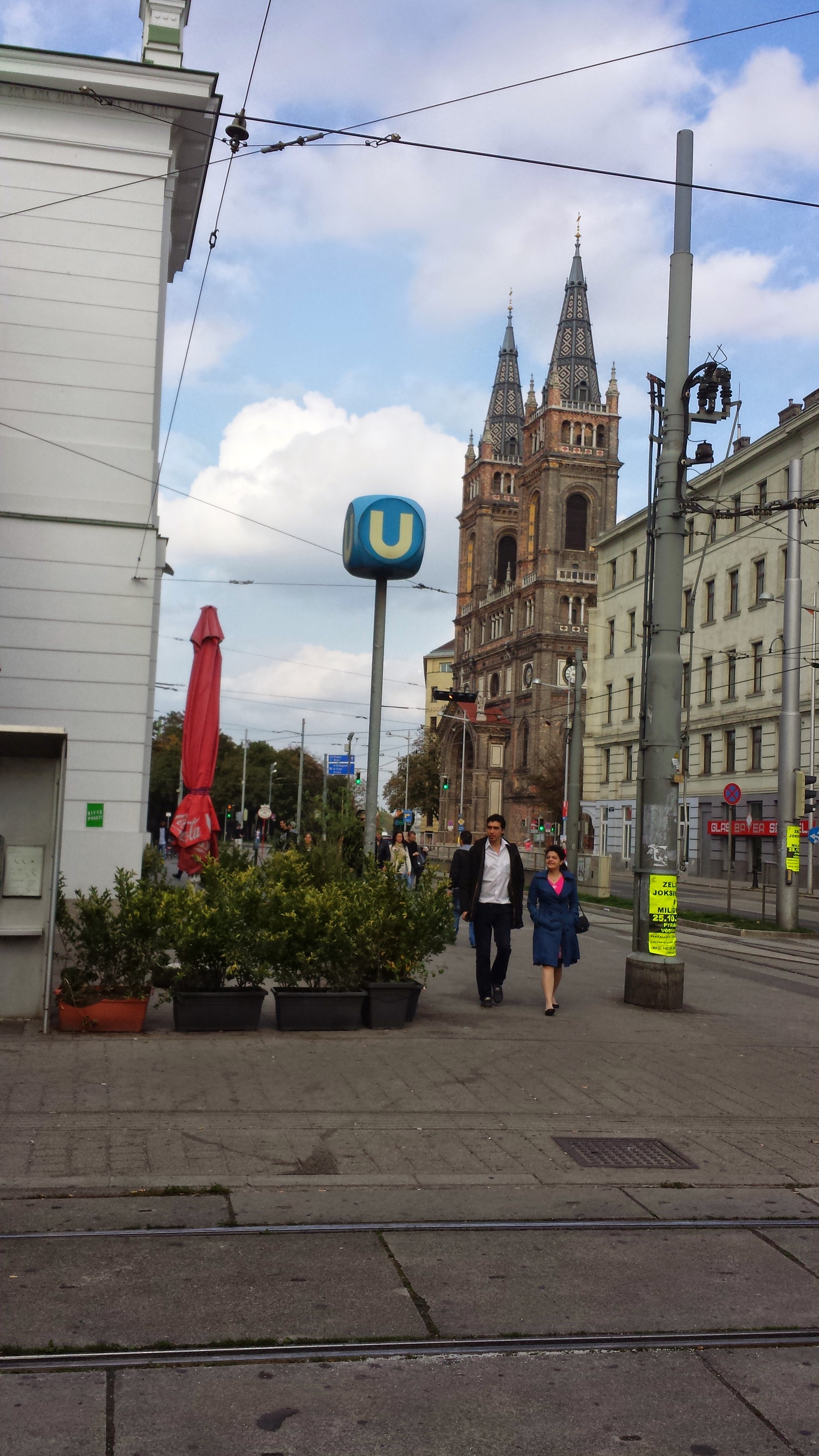
These evocative lines from Robert Graves indicate how some pots translate so very well. Yesterday, travelling around Vienna left me little time for reading -only perhaps for a few lines of poetry. I started by going North to the Landstrasse – and wandered Feclessly down the Hauptstrasse which had interesting markets. I tried using the Sun to navigate but wandered in a direction away from the Danube Canal. Easily distracted, as usual by a bookshop I found an excellent plastic sleeved grammar of German on three foldable sheets. Then found an excellent cafe where the small house torte was the best that I found in Vienna thus far. I then followed a friends advice and entered a Church founded after the second encirclement of Vienna by the Turkish forces.
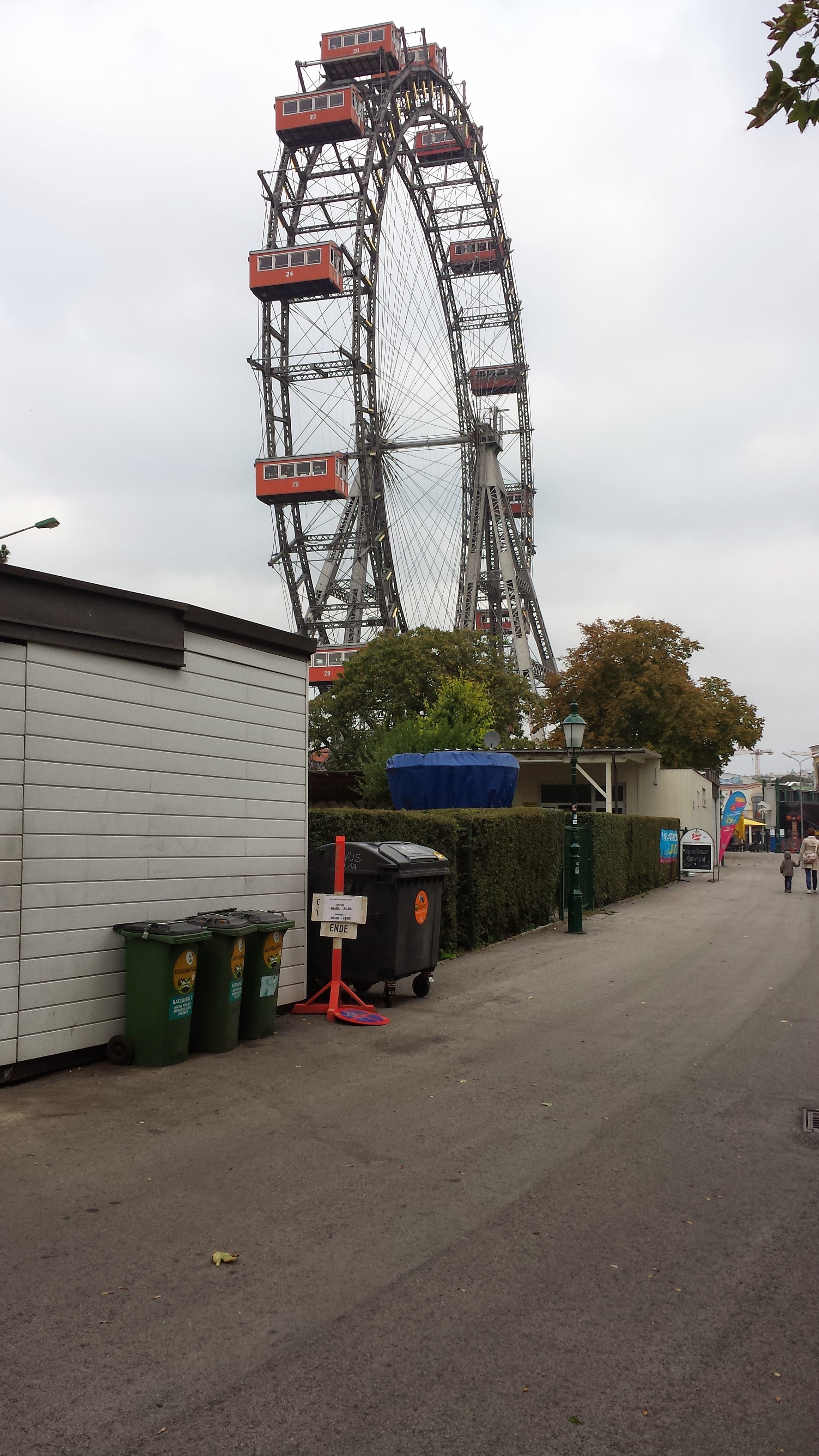
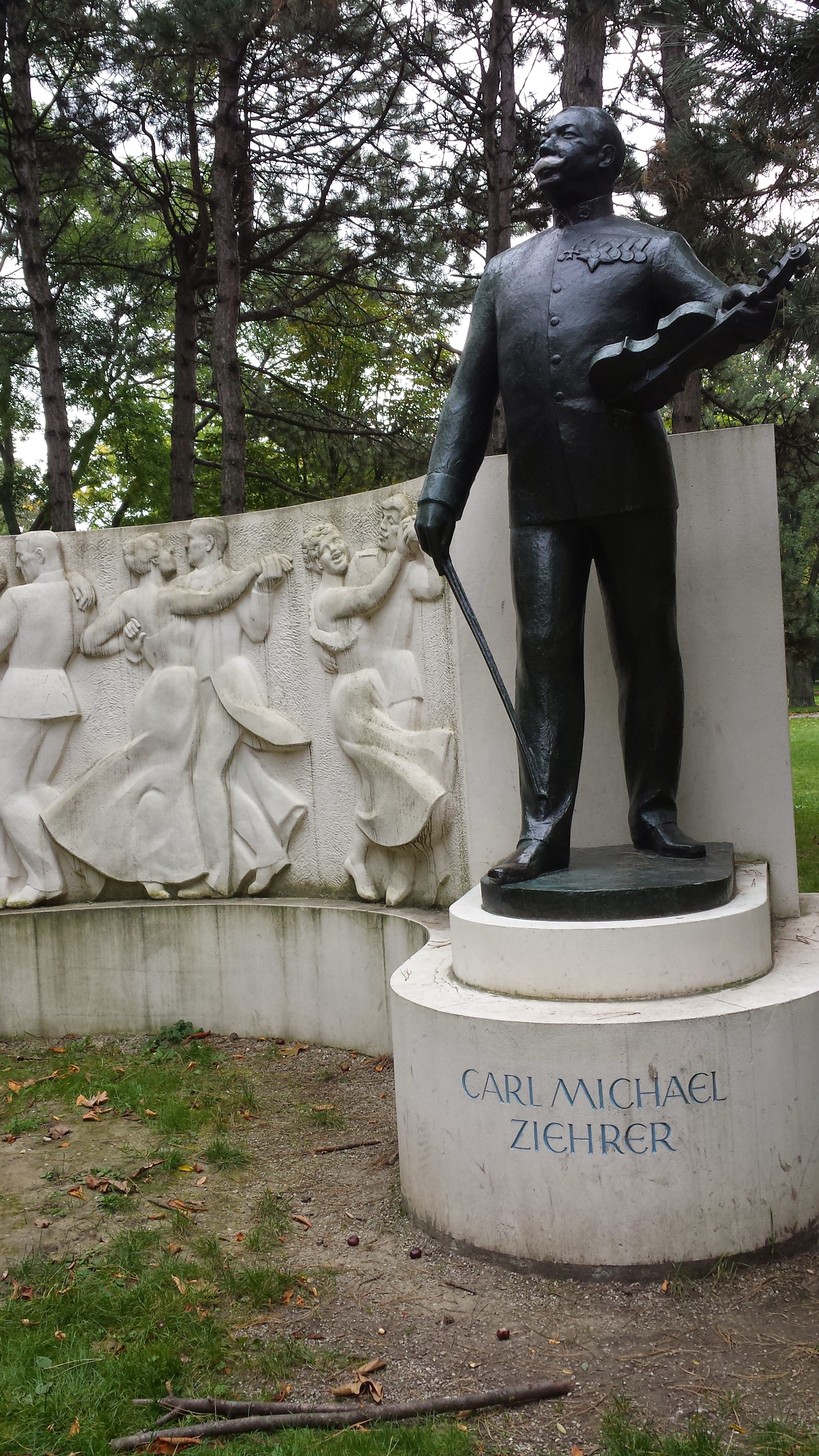
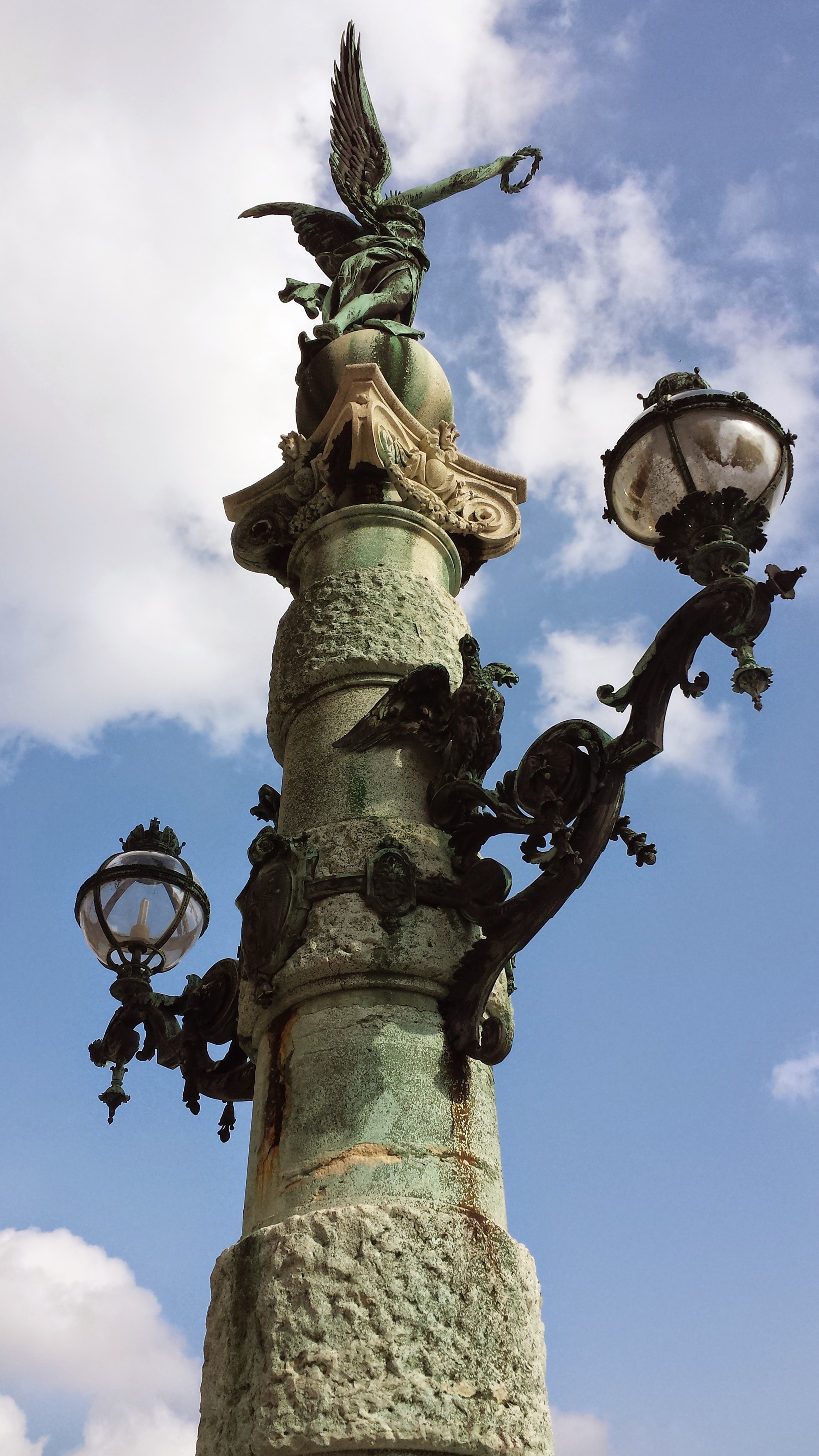
During a further digression around towards the Canal and the Prater, I discovered a pleasant Chemist/Herbal shop, bought some cough sweets for flying and generally forgot all my language skills explaining ludicrously St John’s Wort and its supposed benefits. I forgot the Latin name-hypericum.Walking over a 1950s bridge I arrived eventually in the Prater. Then there was a large tennis club and I wondered if this might be one that was referred to in Vienna by Eva Menasse. After apassing a cheerful group of blind children through tree-lined avenues, which neverthless gave thought to some reflection, I arrived at an interesting denkmal, the Habsburg composer, Carl M.Ziehrer. Finally looming out of the mid afternoon mists I saw the Prater wheel and felt Harry Lime must be about to emerge with a grotesque smile from the surrounding fun-park.
View from Hauptallee in the Prater
Karl Michael Ziehrer (also spelled as Carl Michael Ziehrer) (May 2, 1843 – November 14, 1922)[1] was an Austrian composer. In his lifetime, he was one of the fiercest rivals of the Strauss family; most notably Johann Strauss II[2] and Eduard Strauss.
What an amazing place! Recovering from the cost of a taxi from the airort I was amazed at the amount of industry-the light colour and the cleanliness of the scene into Vienna. Travelling around the city was veryeasy with U-bahn and strassenbahn and bus. The U-bahn gehen ueber, nichts unter. Most impressive are the massive wooden doors that form the entry to the U-bahn and most other large buildings.
After a brief wander around and past the Natural History Museum, I came across a lovely rising winding street and smaller gasse. I discovered what looked like a bohemian student bar -Kafka’s Bar. The Linselsuppe here was much the best value that I have discovered here on the first day. Then around another few corners opposite the Meerhaus, a lovely cafe-bar opposite in the late afternoon sunshine. Cappucino and crepes with honey and bananas and I felt I had already found my indulgent Vienna. A few steps later the social conditions, the dachtlos, influx of migrants from the East and people sleeping in doorways around the church showed another side of life here.














 penwithlit