Du lernst ihn in einer Gesellschaft kennen.
Er plaudert. Er ist zu dir nett.
Er kann dir alle Tenniscracks nennen.
Er sieht gut aus. Ohne Fett.
Er tanzt ausgezeichnet. Du siehst ihn dir an…
Dann tritt zu euch beiden dein Mann.
Und du vergleichst sie in deinem Gemüte.
Dein Mann kommt nicht gut dabei weg.
Wie er schon dasteht – du liebe Güte!
Und hinten am Hals der Speck!
Und du denks bei dir so: “eigentlich …
Der da wäre ein Mann für mich ! ”
My provisional and tentative translation for which is:-
You get to know him around and about.
He chats and seems friendly.
He knows who are the latest tennis stars.
He looks great-no fat anywhere.
He dances beautifully.
Then both of you remember your husband!
…and when you compare them in your thoughts
Your husband doesn’t come out of it very well!
Goodness, how he has become already!
The back of his neck like a lump of bacon.
You think to yourself, ”Well actually,
There goes the chap for me…”
These, however, are only the first two verses and then the implication neatly reverses again, delightfully….
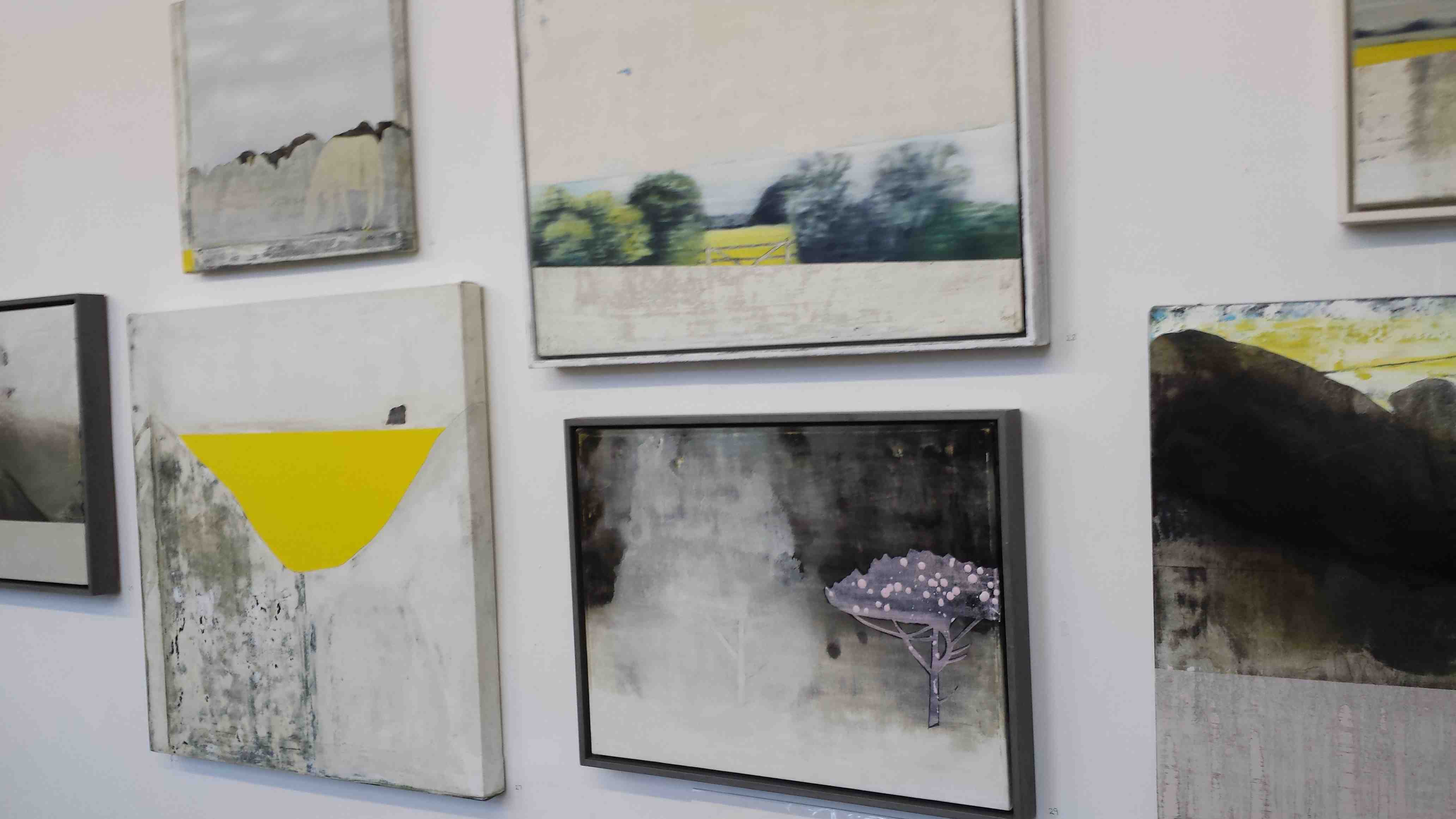
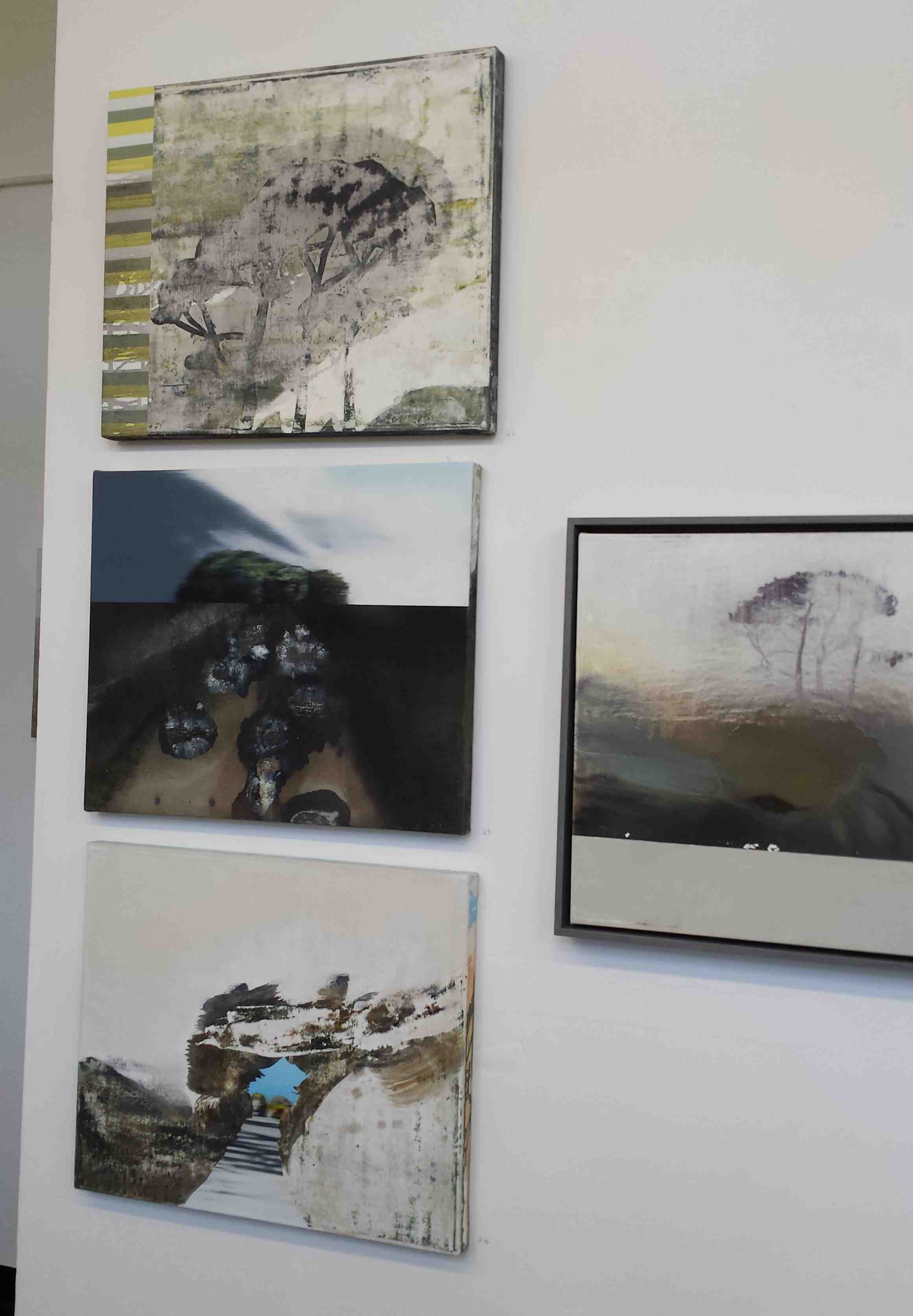
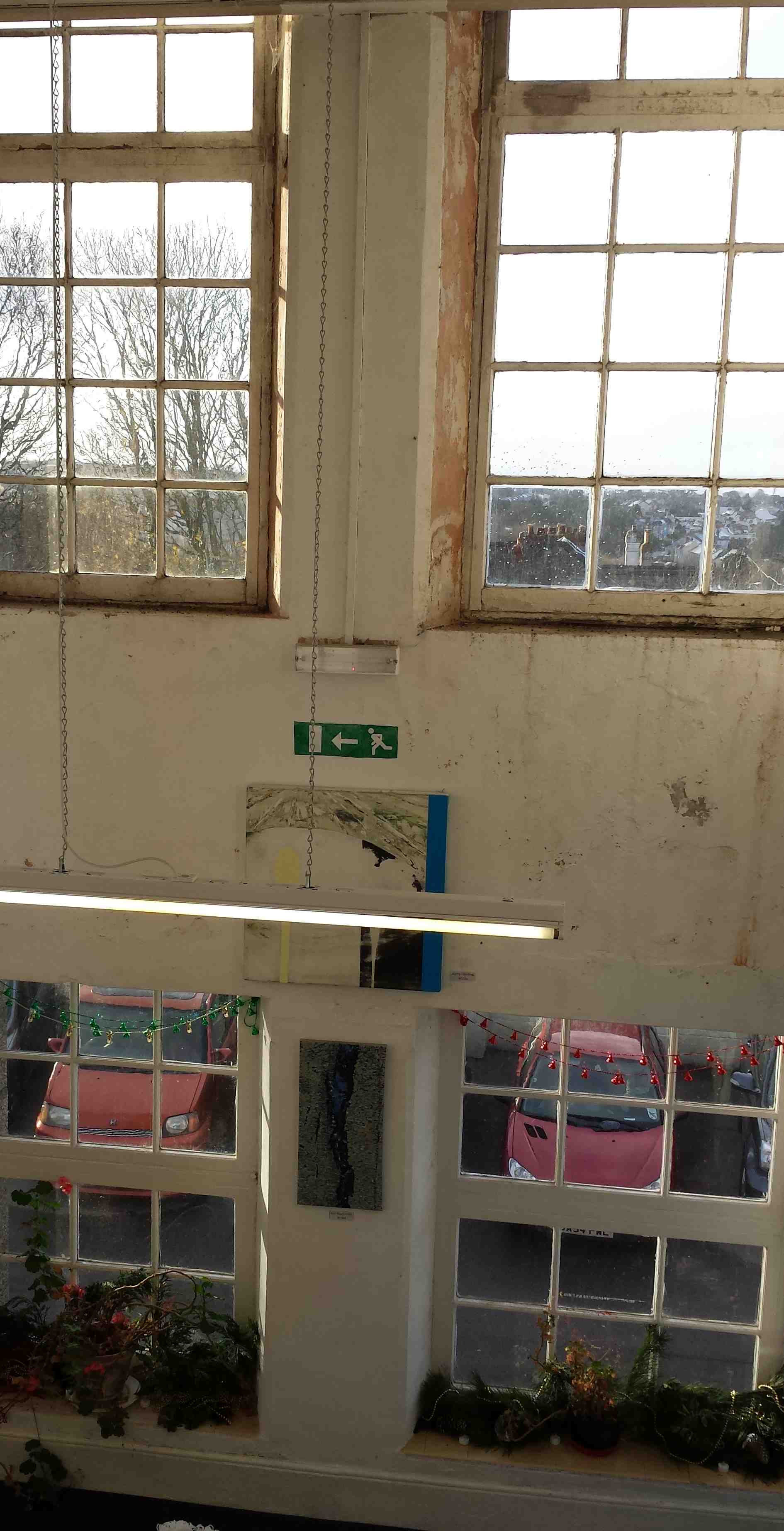
Kerry Harding’s soft and evocative canvases take the natural world around the North
Kerry Harding at work in her studio at Krowji
Coast with it’s trees, hedges and seasonal variations as a starting point. Her website may be found at http://www.kerryharding.co.uk/. Kerry was very interesting on the topic of the famous Dresden artist, Gerhard Richter https://www.gerhard-richter.com/en/ mentioning his process, his photographic work and his continuous experimentation using a wide variety of methods and sometimes controversial subject matter. She also mentioned his ability to work on different projects simultaneously. She worked very hard to create a welcoming atmosphere in her space- as she says on Twitter, “studio almost ready, tinsel and fairy lights then its done.” A lovely range of paintings that I found so interesting that I came back to browse them for a second time. It was also informative to hear how some canvases were composed of many underpaintings-up to ten or more layers.
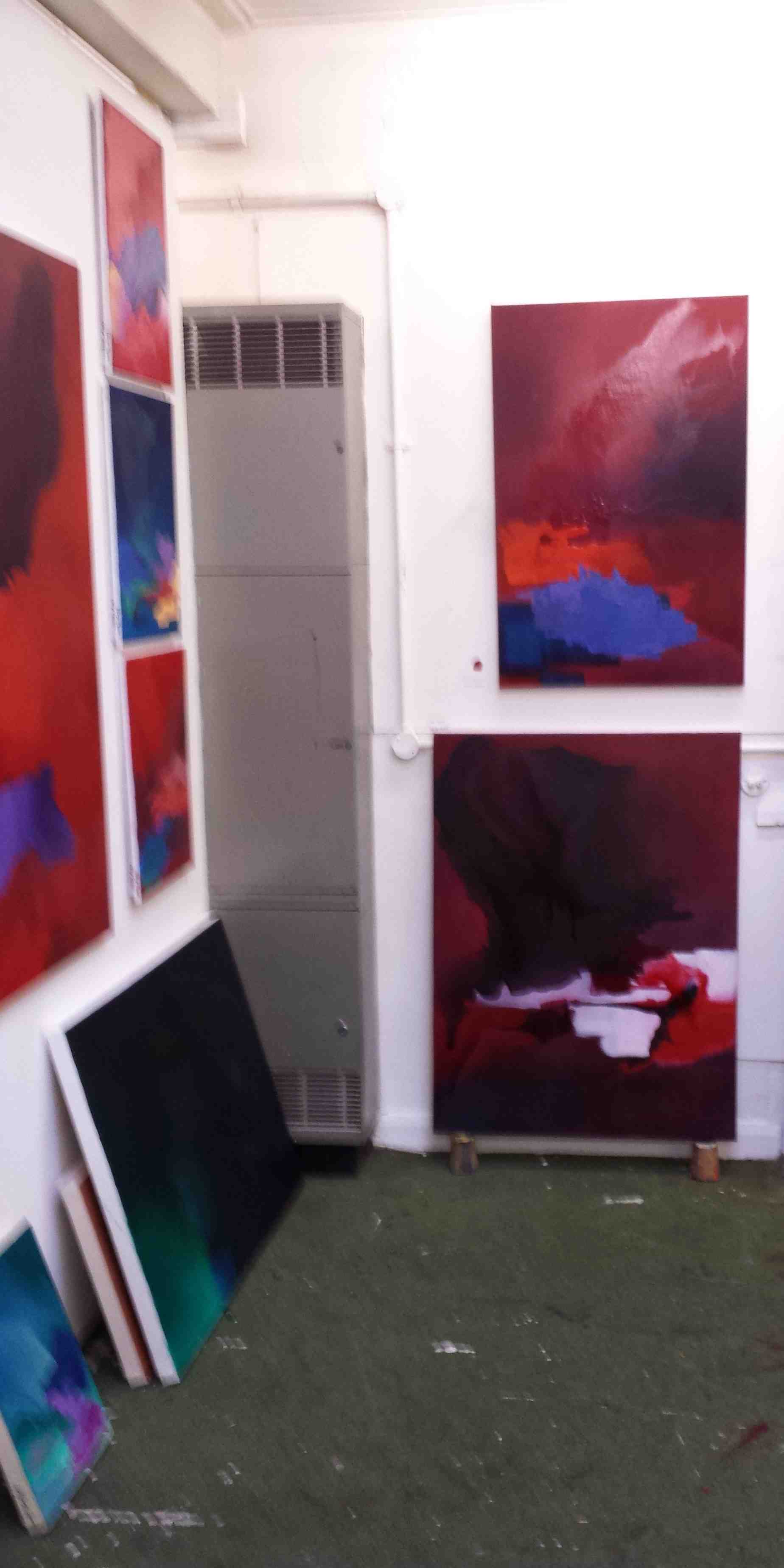
Kathryn Stevens, http://kathrynstevens.co.uk/, clearly rejoices in the freedom of working on a large scale. The billowing colours of her canvases express the joy of painting in bright colours. Some of them have a feathery and eloquent quality that puts one in mind of Georgia O’Keeffe (or perhaps Otto Gottlieb) but here we have an abstract expressionism with an upbeat and optimistic feel. She told me how she works freely, sometimes with music and chatted with the same exuberance that her work conveys. I was particularly taken by a study in
Kathryn Stevens’s studio
crimson, scarlet and white. She hails from St Ives and her paintings exhibit the wondrous light for which the town has become famous.
In short there was much to add cheer on a cold Sunday. It was good to see the Siobhan Purdy’s work again- which adorns the wall opposite as I write, the Mexican and Maya themed prints in the Apex space and to talk again with Naomi Singer whose glass works continue to thrive. Interesting too were the textile pieces by Zoe Wright.
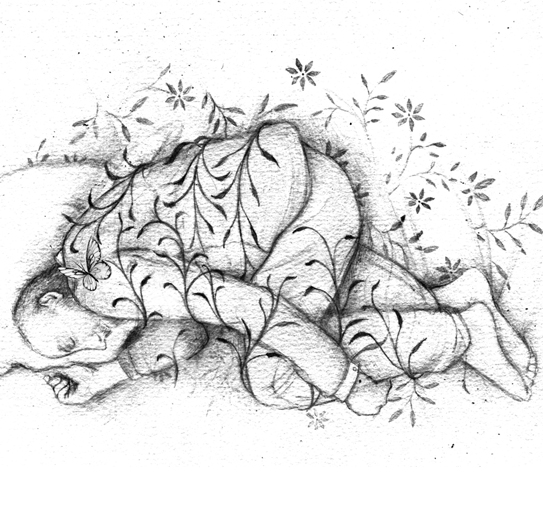
Esther Connon -Work in progress
Before returning to the Melting Pot once again, I went into see the illustration work of Esther Connon and was much taken by her story of TheWhite Butterfly which can be seen on http://www.estherconnon.co.uk/stories.html?s=5. I wondered if it would be possible to animate some of this according to the methods of http://thepapercinema.com/ and this fascinating method may be seen both on videos on the papercinema site and on the community project in St Ives filmed earlier this year by my friend Alban. Altogether with the new building project at Krowji already under-way, great developments can be expected from this artistic phoenix rising from the ashes of the Grammar School at Redruth.
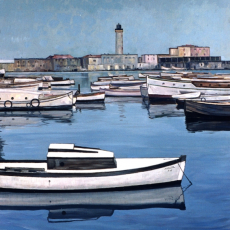
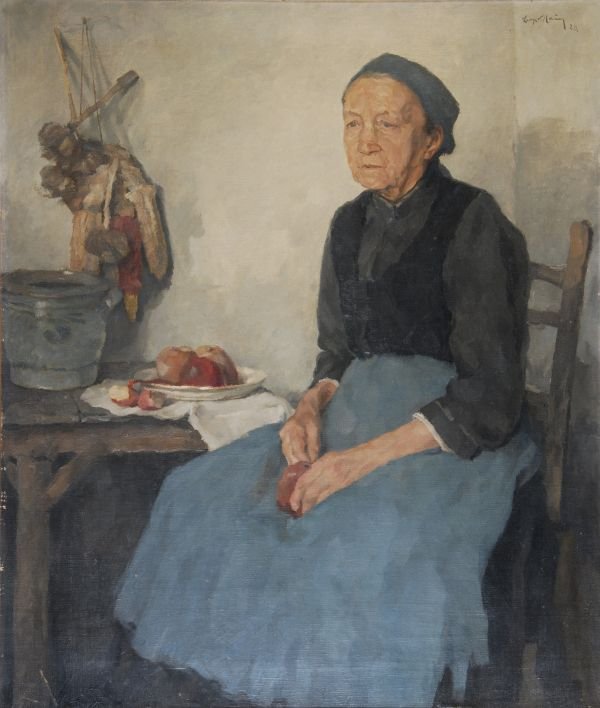
Between 1918 and 1924 Hauer studied at the Academy of Fine Arts in Vienna with Josef Jungwirth and Karl Sterrer . In 1927 he had his first solo exhibition at the Neue Galerie Vienna (with Otto Nirenstein-Kallir).
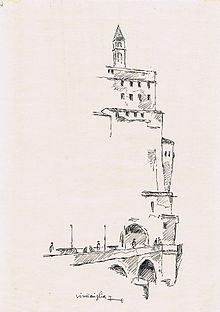
Ventimiglia 1955
Arthur Roessler the Austrian art historian (http://de.wikipedia.org/wiki/Arthur_Roessler) wrote in 1927 in an essay in “Austrian Art” about Leopold Hauer: “Finally, once again, we have a man that is not only painter, but a painter that is a true artist , A creative artist endowed with instinct and intelligence, one that does not just produce “Decorate your home with Pictures”. Rather a man who shows himself to us as a gifted or talented artist and an individualist, without as immediate predecessor to showed the way. He is not a naturalist nor is he doctrainaire, he promotes originality and translates his impressions. He has achieved this already with so much skill that anyone who views his pictures is capable of experiencing both their sensual captivating charm and the pure spiritual enjoyment which they induce.”
Schatz came from a family of civil servants and attended the Vienna School of Applied Arts.With 22 years of commitment to the political left, the artist had already appeared as a book illustrator for Arthur Roessler and also for Josef Luitpold Stern. Schatz illustrated books in the interwar period, especially literature from theStrom-Verlag(including Stefan Zweig , Jack London , Upton Sinclair’s “Co-op” and Peter Roseggers “Jakob the Last”).
“The Hope,” by Otto Rudolf Schatz.
1925 was the Great Treasure State Award, 1928-38 he was a member of the Hagenbund . He lived during the Second World War treasure in Brno, Prague and later in a sub-camp of Gross-Rosen concentration camp in Graditz admitted that he “jüdisch-versippt” -which apparently meant that by his marriage he was considered part of the Jewish “clan”. Schatz became, on his return, by the City Councillor for Culture. His first prize for the design of the Wiener Westbahnhofs remained unrealized.
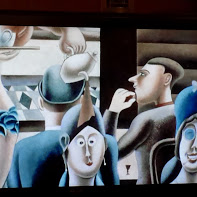
“Die Hoffnung” has the erotic interest that figures in much of Schatz’s work and is vaguely reminiscent of the sardonic style of Edward Burra, who has recently been the subject of a programme by Andrew Graham-Dixon called “I never tell anyone, anything”. This intriguing programme is available on You-Tube at https://www.youtube.com/watch?v=4BoLh8xgOdI
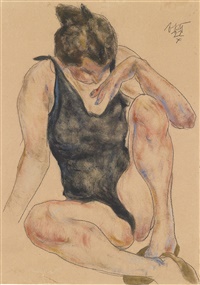
Extract from a painting by Edward BurraSitzende im schwarzgrüne Trikot
I came across this lovely painting by Sergius Pauser in the Leopold Museum in Vienna. Mädchen vor dem Spiegel was painted in 1931 and Öl auf Leinwand, 92×73 cm, so oil on linen. The limited range of colour, the tone and the style, that is to say, The New Objectivity (in German: Neue Sachlichkeit), along with the model’s expression give this painting an attractive and contemplative feeling. The subject is, of course, a common one for artists including Lovis Corinth (1918) and famously Picasso (1932). It is also similarly the subject of the self-portrait by Zenadia Serebryakova as mentioned in my earlier posting http://penwithlit.wordpress.com/2011/12/19/self-portraits-1900-1912-3-zinaida-serebryakova/. Other paintings by Pauser will be found at http://www.sergius-pauser.at/
Quoting from the above link, this passage is of considerable interest,”The writer Thomas Bernhard (1931-1989) wrote of Pauser: “Sergius Pauser uttered thoughts about people – Adalbert Stifter, for example – that I have never heard before or since; he succeeded in revealing the most concealed corners of poetic sensitivity; he was a tender and vigilant diviner on the landscape of world literature, a philosopher and an artist through and through.” And yet a painter like Sergius Pauser is barely known today; only a few of his works hang in Austrian galleries and many of his paintings cannot be traced due to the emigration of their owners.”
Pauser was considered unreliable by the Nazis and had a tough time as recorded by Wikipedia.de:-“In seiner Monographie berichtet Rupert Feuchtmüller (S. 22), dass Sergius Pauser im Herbst 1944 mit fünftausend sogenannten „Politisch Unzuverlässigen“ in ein Schanz-Lager bei Radkersburg gebracht wurde. Der Schauspieler Curd Jürgens, der auch bei diesem Transport war, schreibt über diese Zeit: „… Ich weiß, dass Sergius sowohl als auch Boeckl … recht viel Unangenehmes durchmachen mussten, da die SA-Bewacher mehr und mehr die Nerven verloren und dies an den Gefangenen ausließen.“ (Curd Jürgens in seinen „Erinnerungen“, Autobiographischer Roman, Droemer Knaur Verlag 1976)”
Here are three more paintings by Pauser that appeal to me. Amerikanerin1948,
Luis Trenker mit Kamera, 1938Amerikanerin
has an appealing delicacy and an optimistic and conversational appeal. The hardboard realism of Luis Trenker mit Kamera, 1938,Mischtechnik auf Hartplatte from an earlier period reminds me of a favourite painter, Christian Schad. I cannot find a colour image for Mädchen mit rotem Hut, 1942 Agathe Prinzessin von Ratibor but am intrigued to find that she was a Princess of a Polish town called Racibórz in Polish but very close to the Czech border and called Ratiboř.
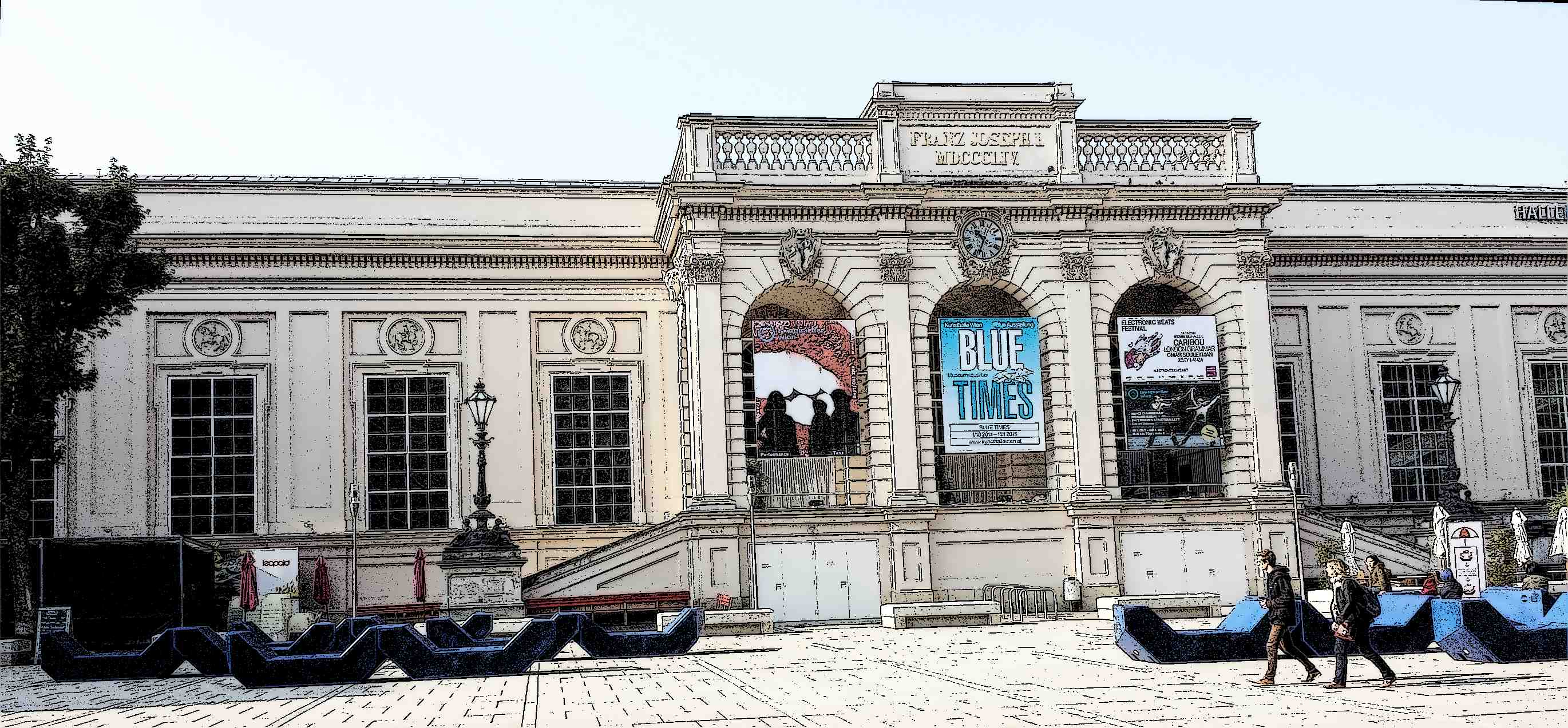
In the Leopold Museum in the Museum Quarter of Vienna, I discovered a number of artists about whom I had not previously heard. One of the most interesting was Egger-Lienz.
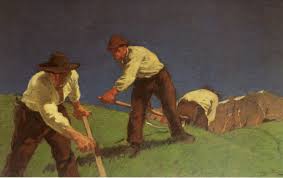
The oeuvre of Egger-Lienz includes many oil paintings. Several of his designs and drawings are available in various versions and images. Some subjects, such as the Mountain Mowers, are lithographs.
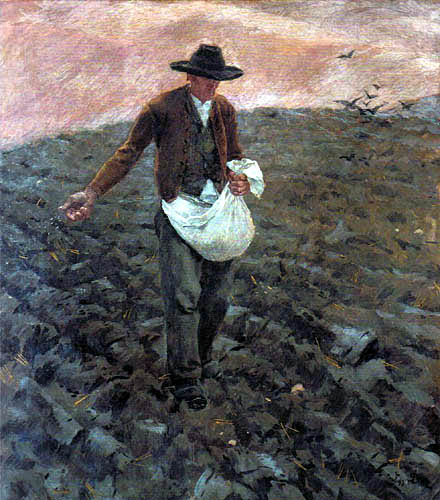
1904 Egger-Lienz turned to the theme of the sower, which kept him busy until the 1920s. The prototype for this was Jean-François Millet (The Sower , 1851), the other inspiration was actually a work of Giovanni Seganti. 36 major works were exhibited in 1901 at the Secession. Characteristic of Egger-Lienz is also the long time between recognising a source to its development or use.
1904/05 in South Tyrol The Pilgrims originated, whose formal conception parallels to Ferdinand Hodler’s picture The Truth (1903), which was exhibited along with 30 other works belonging to Hodler in the spring of 1904 in the Secession. Although the first drafts of The Pilgrims showed in the middle a seated Madonna with Child, Egger-Lienz replaced them, under Hodler;’s influence by the Crucified Christ. By means of this painting Egger-Lienz made a breakthrough to his “monumental-decorative period”
Komm in den totgesagten park und schau:
Der schimmer ferner lächelnder gestade,
Der reinen wolken unverhofftes blau
Erhellt die weiher und die bunten pfade.
Dort nimm das tiefe gelb, das weiche grau
Von birken und von buchs, der wind ist lau,
Die späten rosen welkten noch nicht ganz,
Erlese küsse sie und flicht den kranz,
Vergiss auch diese lezten astern nicht,
Den purpur um die ranken wilder reben
Und auch was übrig blieb von grünem leben
Verwinde leicht im herbstlichen gesicht.
Half watching this French film which strikes me as typically French and discursive, in German seems unusual and interesting. Dubbing would have been better for my language skills. At least, it has given me time to play with my last two days of Wien photographs.
It is difficult to sum up my impressions and also, on a short holiday, to get a complete impression anyway. I am constantly aware of how poor my knowledge of German is -especially on the spot. A few days ago, I wandered into what seemed a gemutlich place to eat and found it was basically, a bar. Also I was confronted with an unfortunate fellow, probably a bit lonely, who had a pronounced bodily tick and spoke about five sentences that I could not understand. These also were delivered in a pronounced Austrian accent. The whole area seemed somewhat run down and some places, at least this one, was not prepared for custom. So despite an Irish pub, a purple-lighted peep show and other unusual places, there was nowhere serving what I had thought to be ordinary Austrian food. Obviously when travelling, one should give up expectations, in order to actually discover what really is there.
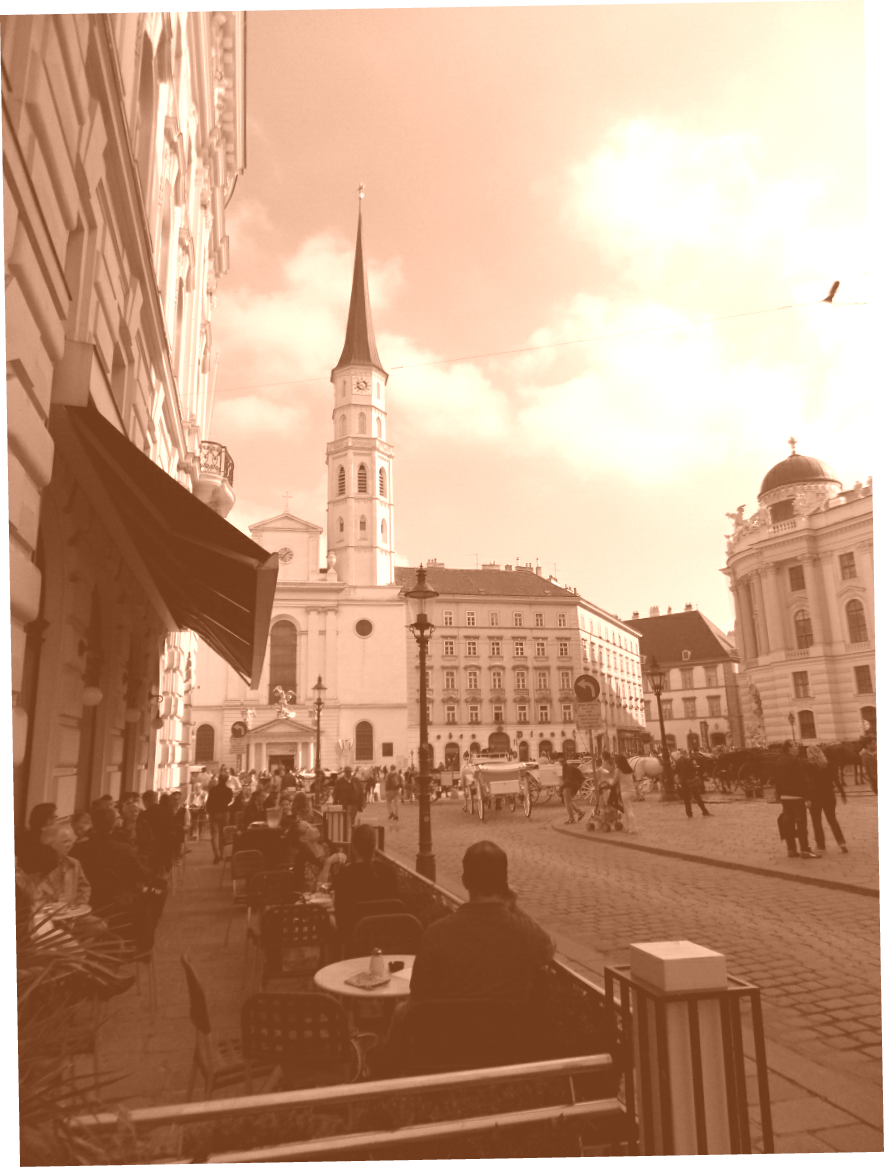
Cafe Central where Trotsky planned the Revolution
Actually, the outside of a hostelry can be quite confusing,as until you enter, there is no way of telling if you are in a beer keller, a coffee house or a wine bar. I suppose this could be fun unless you are in some degree of need for some particular type of produce. Unlike Berlin, which has many Italian restaurants, Vienna seems in short supply. I thought I saw Greek but it turned out to be Green; vegetarian requirements seem fairly well catered for. There are several Chineese and other asian establishments and in general they serve very good food.
Fast food, faster profits.
However big chains like Wimpy and MacDonalds are taking over in huge shopping complexes which are designed, it seems to be to cater for the very young. So Capitalism and fast food and quick money making dominate in glass complexes built over roads carrying speeding traffic. So far, I have heard almost no live music except for two quite good rappers in amongst the trams. Not many little bars like in film noir so far. There is a freedom over sexual mores and over smoking, however. I liked the Kafka Bar where nice soup and beer were accompanied by what sounded like an Anton Chekhov play in German which I could not understand. However, Cafe Central was as elegant as expected, no one was playing chess or writing novels, however. Surely there is someone playing a zither hereabouts!
The discovery of the Jewish areas has been fascinating and the bookshops are amazing. Books that you need fluent German to read; Walter Benjamin, Karl Kraus and Habermas to mention just three. Both in the Leopold, which is showing films from the 1930s and in the models of housing projects in the Jewish Museum you catch a glimpse of the advanced movement of socialist Vienna, There are some You-Tube clips on this and much on Wikipedia. The smiles on the faces of the children in swimming pools, clear evidence of their health and a feeling of optimism. All this before Britain had the NHS.{Must look up Peckham anarchist project once again.) Crushed by rural reaction and the artillery fire from the Nazis.Today, the news from the UK is the election of a UKIP MP–Absolutundvölligverrücktunddumm!
Kinder können nicht sagen wie heiß der Tag ist,
wie scharf der Duft der Sommerrose,
Kaffee und Kuchen
These evocative lines from Robert Graves indicate how some pots translate so very well. Yesterday, travelling around Vienna left me little time for reading -only perhaps for a few lines of poetry. I started by going North to the Landstrasse – and wandered Feclessly down the Hauptstrasse which had interesting markets. I tried using the Sun to navigate but wandered in a direction away from the Danube Canal. Easily distracted, as usual by a bookshop I found an excellent plastic sleeved grammar of German on three foldable sheets. Then found an excellent cafe where the small house torte was the best that I found in Vienna thus far. I then followed a friends advice and entered a Church founded after the second encirclement of Vienna by the Turkish forces.
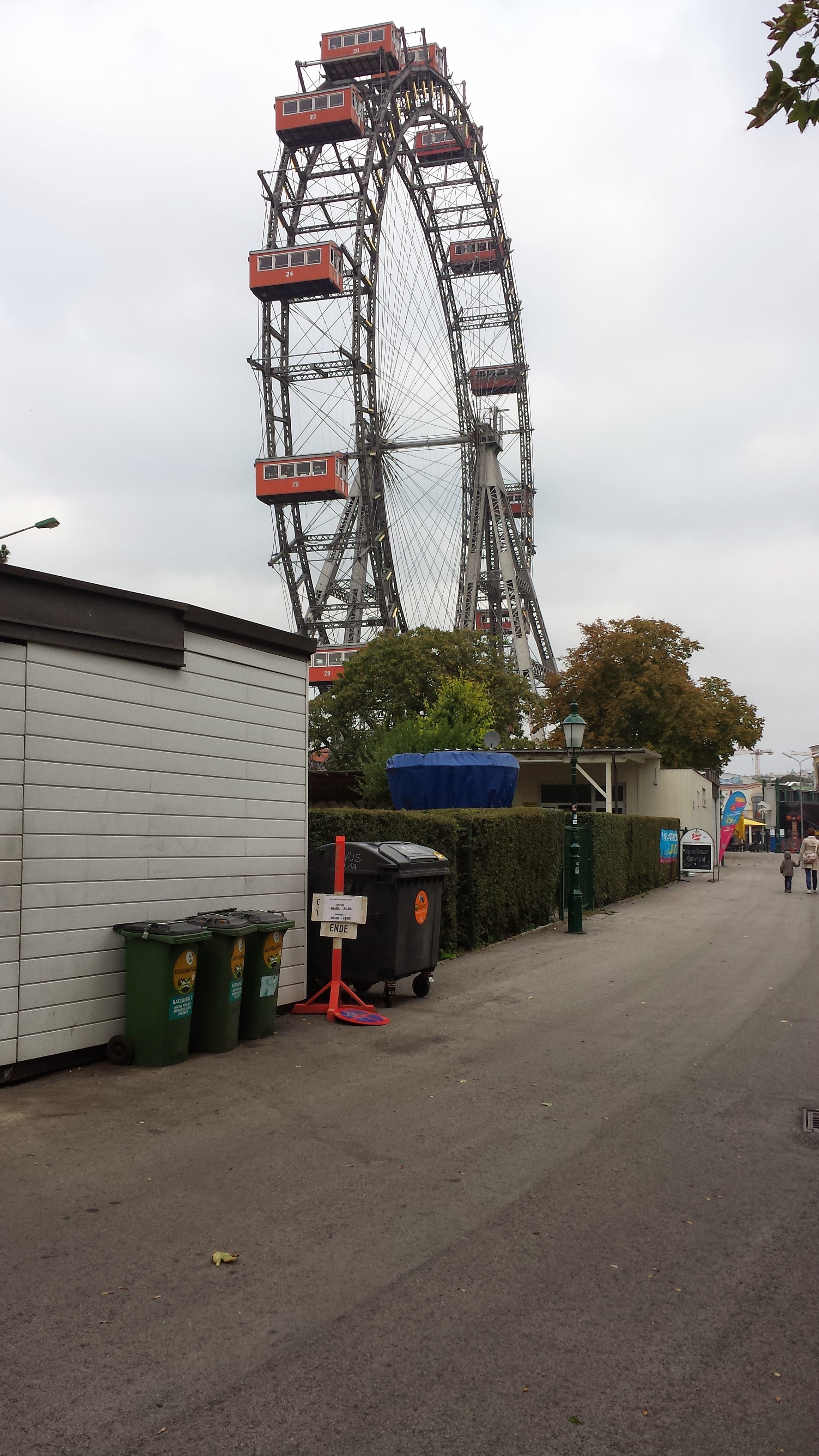
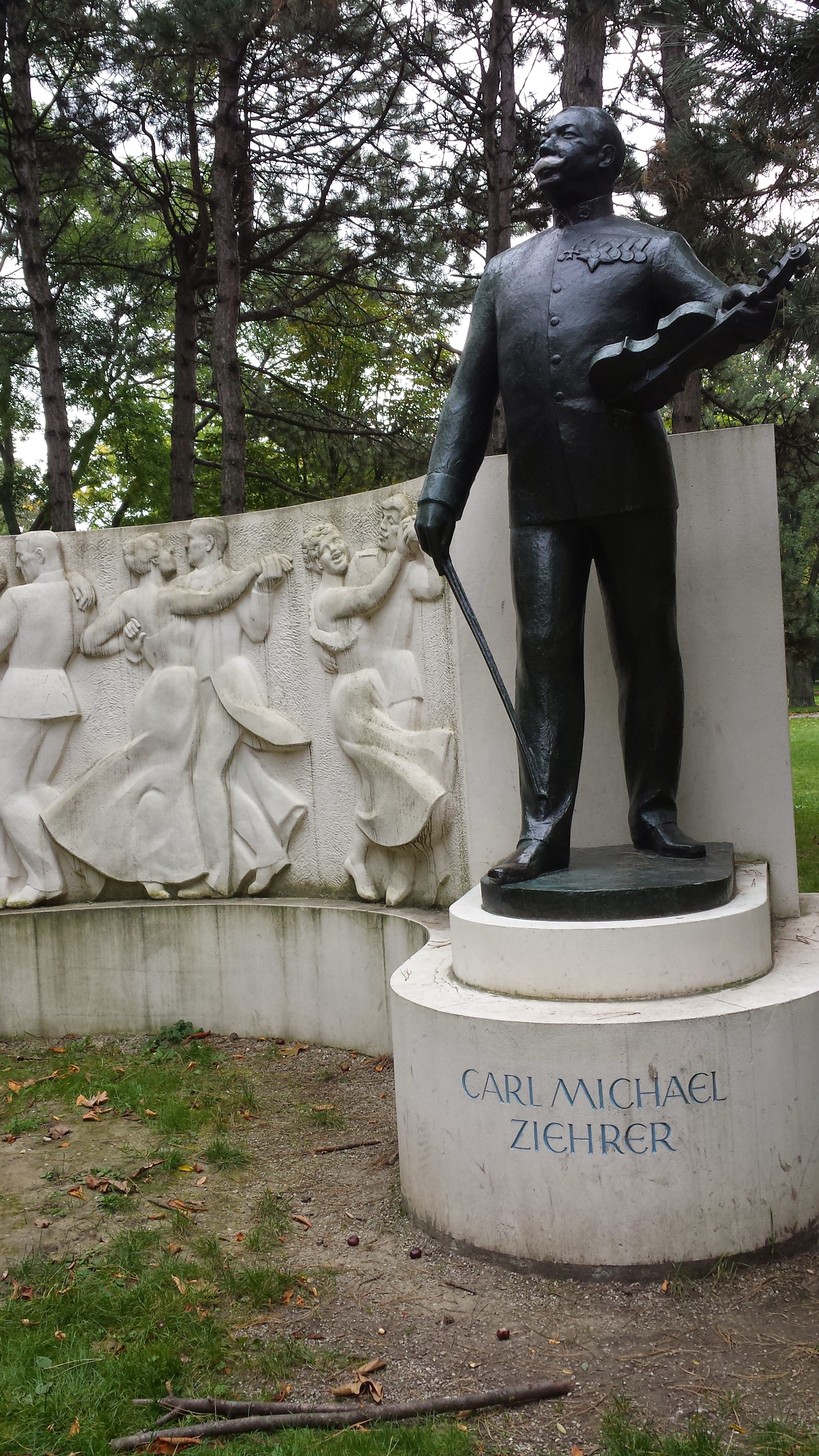
During a further digression around towards the Canal and the Prater, I discovered a pleasant Chemist/Herbal shop, bought some cough sweets for flying and generally forgot all my language skills explaining ludicrously St John’s Wort and its supposed benefits. I forgot the Latin name-hypericum.Walking over a 1950s bridge I arrived eventually in the Prater. Then there was a large tennis club and I wondered if this might be one that was referred to in Vienna by Eva Menasse. After apassing a cheerful group of blind children through tree-lined avenues, which neverthless gave thought to some reflection, I arrived at an interesting denkmal, the Habsburg composer, Carl M.Ziehrer. Finally looming out of the mid afternoon mists I saw the Prater wheel and felt Harry Lime must be about to emerge with a grotesque smile from the surrounding fun-park.
View from Hauptallee in the Prater
Karl Michael Ziehrer (also spelled as Carl Michael Ziehrer) (May 2, 1843 – November 14, 1922)[1] was an Austrian composer. In his lifetime, he was one of the fiercest rivals of the Strauss family; most notably Johann Strauss II[2] and Eduard Strauss.
















 penwithlit