Categories
Art and Photographic History Art Exhibition Reviews German Matters

The Berlin Art Fair 2015 (15th-20th September)

KLEISTER-Görlitzer-Straße-2014Berlin Art Fair actually lasts, not a week, but just five days. It is an event which stretches across the whole of central Berlin with for instance, more than 40 openings on just one evening. It comprises several separate art fairs; the ABC fair itself contains works from a hundred separate galleries and from 17 different countries. Another complete section is the POSITIONS fair and is a similarly large event spread across several large halls. Little wonder therefore that the brochure introduction by Christiane Meixner says, “Kunst kann schoen anstrengend sein”-art can certainly become stressful and hard on the feet too, as there is such a wide variety of art on display, and such a large quantity to see. There are, after all some 400 galleries in Berlin.

The significant fact that emerges from these crowded halls with a welter of visual display units and ingenious installations is the priority given to current social and political events. Much of the art on display concerned the ecology, relationship issues, gender identity, media simulacra but significantly as the refugees were streaming into Bavaria there were sketchess that addressed to designing buildings of safety for immigrants. As I write this review today, I have just heard too that the Berlinische Gallery will be making entry free to those escaping from strife in Africa and the Middle East.PG2

Perhaps, the artist who has attracted the most attention was Cindy Sherman. Her show displayed more than 60 photographs from every stage of the renowned American artist’s lengthy career. Sherman played both subject and artist by turns, displaying herself as a magazine centrefold, film starlet, or unhappy housewife, uncannily mimicking cultural stereotypes. She also experiments in exciting ways with the tropes of art history within her conceptual portraiture. Famed for the quiet horror of some of her images, these were works throughout her career which have been collected by the octogenarian Berlin collector, Thomas Olbricht. The works shown included the remarkable black and white “untitled film stills”.

PG3U.S. artist Paul McCarthy exhibited at the Schinkel Pavillon, a magical venue designed by the Bauhaus architect, Richard Paulick, once an official city guest house of the GDR. McCarthy worked with his son Damon for the Volksbühne, a program of walk-in installation, film, performance, music and painting, “Rebel Dabble Babble Berlin”(described as a meditation on architypes and oedipal tensions within family dynamics) accompanied by concerts, performances and discussions on Viennese Actionism, it was curated by Theo Altenberg under the motto “existence Palace”. In the Schinkel Pavillon, Paul McCarthy’s work dealt with the human body and its transitions; going to sleep, life and death, presence and illusion.

Many Berlin collectors grant the general public access to their spectacular collections, known as “Sammlungen”, during Berlin Art Week. Once the interest of famous critics and writers like Walter Benjamin and Stefan Zweig, this tradition is continued by wealthy software developers and Parisian architects. They all experience pleasure (Zeigefreude) in showing their magnificent assemblies. Naturally, their interests vary from concept art to retro-charm. The venues are equally spectacular from the brick dominated Backsteinarchitektur of what was once a margarine factory, with magnificent views over the Spree, to the claustrophobic walls of a former East German bunker now covered with works by Ai Weiwei (http://www.telegraph.co.uk/art/artists/inside-ai-weiweis-berlin-bunker/) and Alicja Kwade.( http://www.artberlin.de/kuenstler/alicja-kwade/)

The prospective joys of East Berlin

One of the encouraging developments during the Berlin Art Week was the emphasis placed upon independent and non-conformist work. There are many happenings taking place throughout the week and some of these may be referenced on You-tube. When I left Berlin, after a two week stay, I had to pay something like an extra 50 Euros in city-tax. I feel a little better about this now having discovered that one of its uses is to support a diverse network of Free Berlin Project Spaces. Since 2009 there have been something like 200 spaces around the city which retain the oddness and originality of an era when William Reich was being read in communes. Two are worthy of special mention. A park wall in Görlitzer Strasse in Kreuzberg has designed an outside project called “Kleister” or wallpaper paste. A group of photographers have stuck posters of their pictures on a park wall. The result will be marked soon by sun, rain, graffiti and theft! Another exhibition of interest because of its connection between places and images was the work of Stefan Schneider at Kurt-Kurt in the district of Moabit. One of images taken of old wooden boats on the beach at Dungeness has a particular lyrical charm.

Stefan Schneider at Kurt-Kurt

The whole art week is a tribute to the importance given to art in the capital city. The Art Week largely runs outside the exhibitions in the main galleries. However, the exhibition at the delightful Berlinische Galerie called “Radikal Modern” shows the incredible redevelopments of buildings and planning in general since 1960. The recovery of this city from the years of Nazi terror, bombing and Cold War division by The Wall is a tribute to the courage and imagination of its inhabitants that have recovered and built a new life from out of the rubble of the past. (http:/berlinischegalerie.de/ausstellungen-berlin/aktuell/radikal-modern/
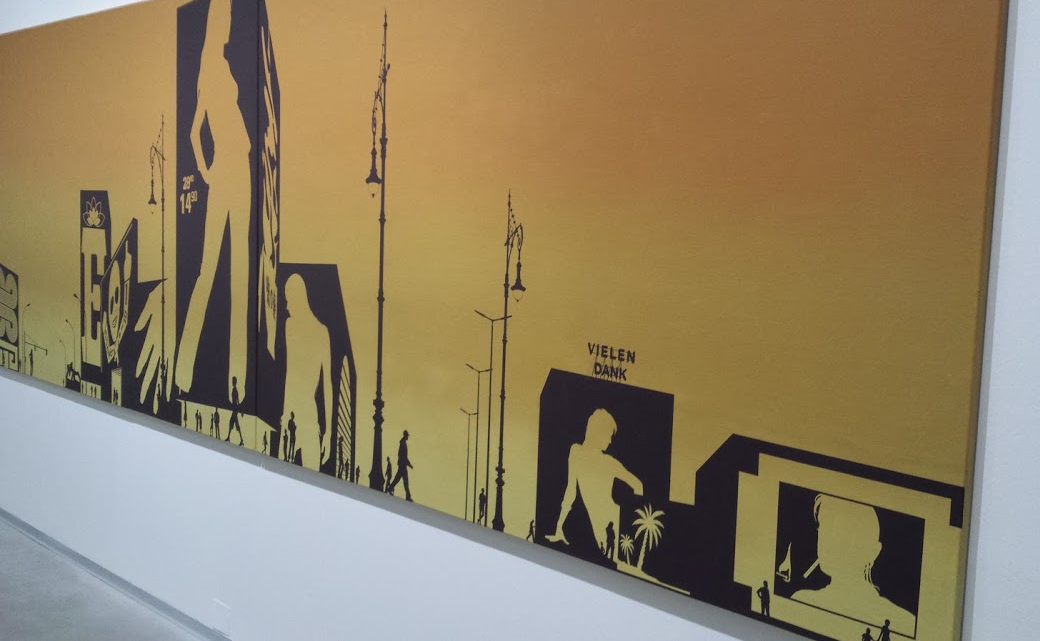
From Radikal Modern at the Berlinische Galarie

)


Categories
German Matters

Was machts du hier im Berlin, eigentlich?

Jugendstil im Kaffeehaus-Ku'Damm
Jugendstil im Kaffeehaus-Ku’Damm

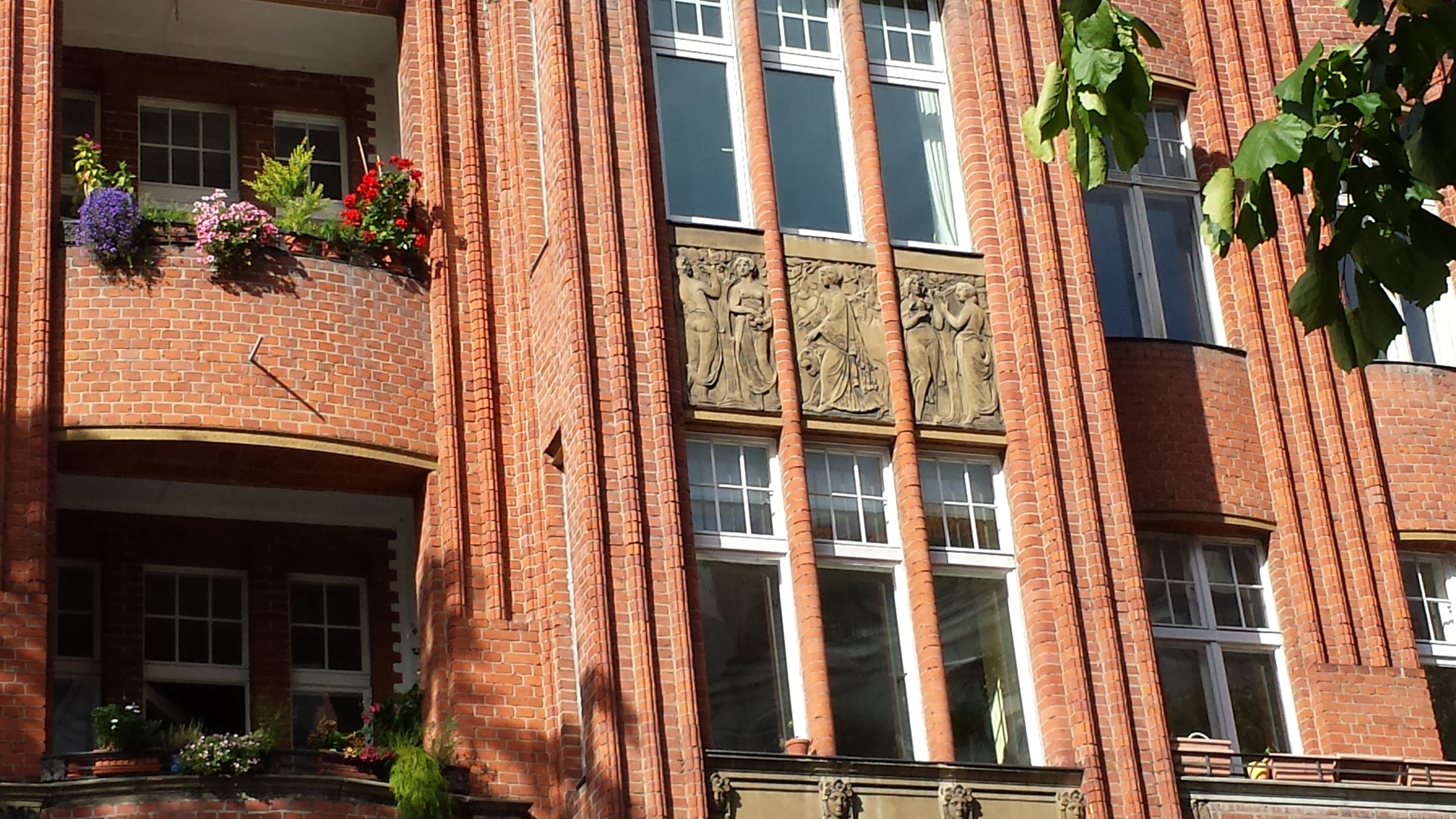
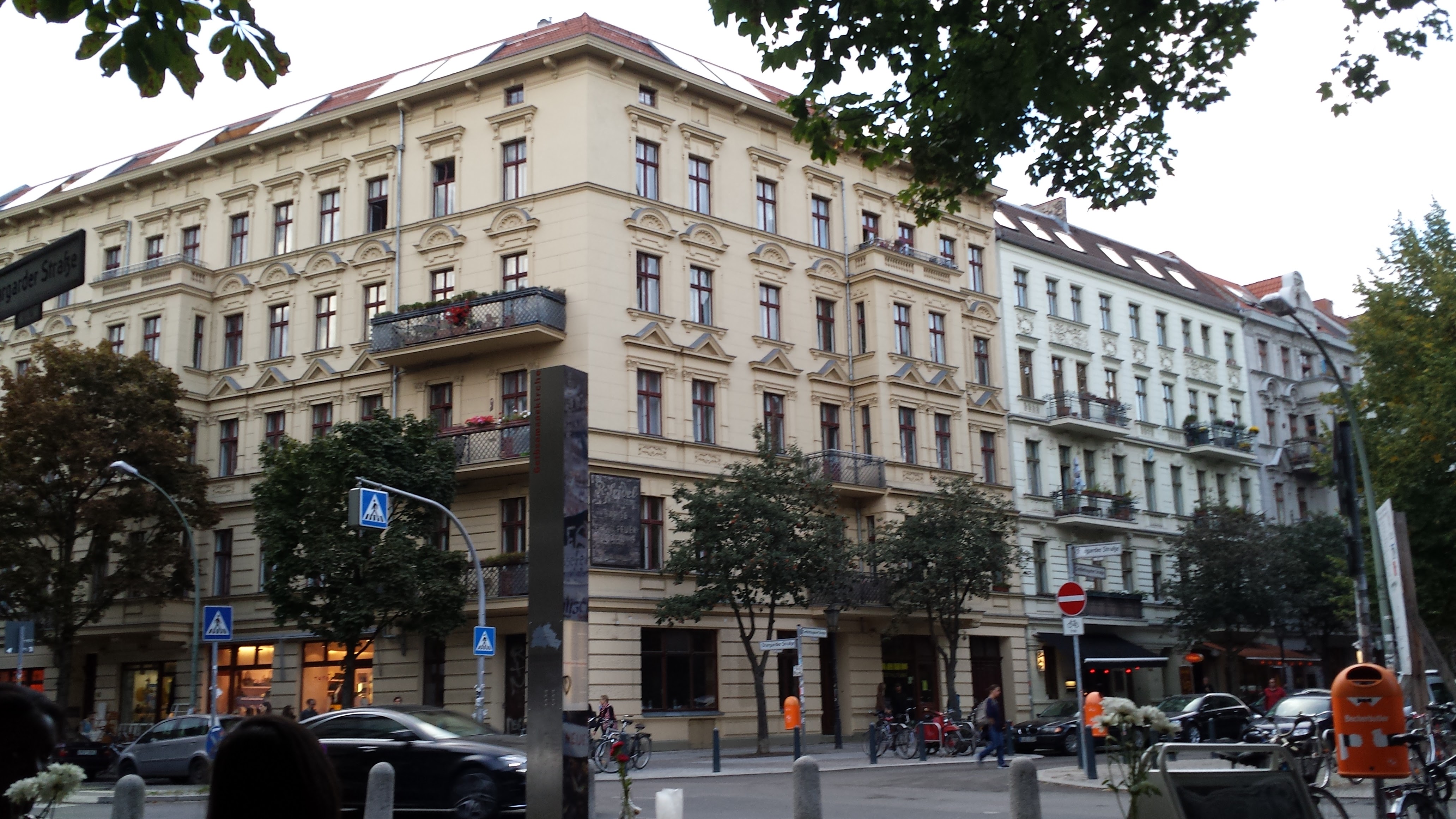
Keine Ahnung–well not really. Except the coffee is good, the beer is cheap and the company-when you meet the people is grossartig. Getting the internet to function and paying the eventual bill rather more difficul. Uploading pictures from my @Handy@ -yes on my transformer pad does @ for “-via bluetooth seems very difficult. So far simply connecting devices and logging into accounts has taken ages-I suppose that actually my ASUS transformer only has a very small brain. Anyway one answer is photographing the various Vorstaedte (Kieze??) and the splendid architecture.20150912_120053

Near my hotel
Near my hotel

20150915_184709

Categories
German Matters

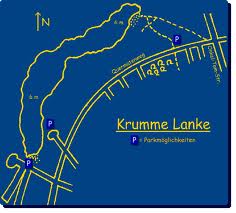
Das Lied von der krummen Lanke

KLVor zwei Jahren, im August
Da hatt’ ick noch nicht gewußt
Daß ick heute Klagelieder singen muß
Damals hatt’ ick erst, entfernt
Meine Emma kenn’ngelernt
Ach, und heute ist’s schon mit der Liebe Schluß
In ‘nem Grunewaldlokal
Sah ick sie zum erstemal
Sie trank Kaffee und aß Liebesknoch’n dazu
Und ick schlängelte mich ran
Und wir fing’n zu quatschen an
Und um achte sagten wir schon beide “Du”
Und dann saß ick mit der Emma auf ‘ner Banke
Über uns, da sang so schmelzend ein Pirol
Unter uns, da floß so still die Krumme Lanke
Vis-à-vis aß Einer Wurst mit Sauerkohl
Im Gebüsch, da zog sich Einer um vom Baden
Und wir konnt’n ihn noch im Badeanzug seh’n
Und die Emma fragte traut:
“Bist du auch so schön gebaut?”
Und dann gab sie mir’n Kuß, ach, war das schön!

KL1

More detail on the words may be found at http://cazoo.org/folksongs/KrummeLanke.htm where it is called a Scherz-Ballade- a kind of drollery or skitt-ballad.

Categories
German Matters Literature Poetry

September-Hermann Hesse

images

September

Der Garten trauert,
kühl sinkt in die Blumen der Regen.
Der Sommer schauert
still seinem Ende entgegen.

Golden tropft Blatt um Blatt
nieder vom hohen Akazienbaum.
Sommer lächelt erstaunt und matt
in den sterbenden Gartentraum.

Lange noch bei den Rosen
bleibt er stehn, seht sich nach Ruh.
Langsam tut er die großen,
müdgewordenen Augen zu.

(Hermann Hesse, 1927)

The part of this poem which interests me, as I seek to improve my German, is at the end of the 2nd verse. “Sommer lächelt erstaunt und matt” –erstaunt suggests amazement but carries the feeling of marvelling as well. It has the feeling perhaps of being suddenly halted or cut short. matt can mean faint, soft and even languid. Gartenraum is simply within the space of the garden and of course nicely rhymes with Akazienbaum. I am completely taken with müdgewordenen and finishes the poem sweetly.

Categories
Art and Photographic History German Matters Poetry

Kopfkino from Shakespeare

Weary with toil, I haste me to my bed,
The dear repose for limbs with travel tired;
But then begins a journey in my head,
To work my mind, when body’s work’s expired:
For then my thoughts (from far where I abide)
Intend a zealous pilgrimage to thee,
And keep my drooping eyelids open wide,
Looking on darkness which the blind do see:
Save that my soul’s imaginary sight
Presents thy shadow to my sightless view,
Which, like a jewel hung in ghastly night,
Makes black night beauteous and her old face new.
Lo, thus, by day my limbs, by night my mind,
For thee, and for myself, no quiet find.

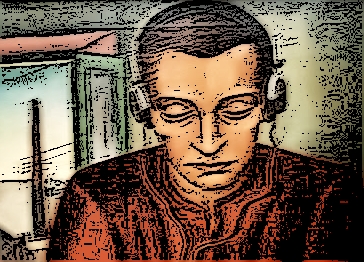
From Max Radler, Radio Listener, 1930

One translation of which into German is:-

Sonett 27

Von Müh’n erschöpft such’ ich mein Lager auf,
Die holde Ruhstatt reisemüder Glieder,
Doch dann beginnt in meinem Kopf ein Lauf,
Wach wird der Geist, sinkt schwach der Leib danieder.

Denn sehnsuchtsvoll sucht mein Gedanke Dich
Aus weiter Fern’ auf frommer Pilgerfahrt.
Die müden Augenlider öffnen sich
Und sehn nur, was der Blinde auch gewahrt.

Nur daß der Seele einbildsame Macht
Dem innern Auge Deinen Schatten beut,
Der wie ein strahlendes Juwel die Nacht
Verschönert und ihr alt Gesicht erneut:

So daß um Deinethalb am Tag die Ruh
Die Glieder flieht und Nachts den Geist dazu.

Übersetzt von Friedrich Bodenstedt (1866)

Kopfkino

and from another source http://gutenberg.spiegel.de/buch/sonette-2186/27 we have:-

Erschöpft werf’ ich mich auf mein Lager nieder
Zur Rast, die wohl nach langer Reise tut,
Doch dann beginnt in meinem Haupte wieder
Die Wanderschaft, ob auch der Körper ruht.
Zu dir gehn die Gedanken dann zurück
Von hinnen auf der Sehnsucht Pilgerfahrt,
Sie halten offen meinen müden Blick,
Der, wie der Blinde, Dunkel rings gewahrt;
Nur daß der Blick der traumbeschwingten Seele
Dein Bild vor meines Geistes Auge stellt,
Das in dem Graun gleich flammendem Juwele
Die Nacht verschönt und jugendfroh erhellt.
So wird um dich und mich, vom Schlaf gemieden,
Am Tag dem Leib, der Seele nachts kein Frieden.

For more information on the fascinating Max Radler go to https://prezi.com/w5qlyzsd6z7y/max-radler-radio-listener-1930/


)

Categories
German Matters Poetry

Selahattin Batu-türkischer Dichter


DU20150725_144639
Du – das weiß ich – bist die Stille hier,
Du tratst ein, und nun, ich lausche dir.
Niemand ist im Haus; alleine du .
Selbst dein Atem ist mein Atem nur,
Oh Verströmer, Warten, Sehnsuchtspein:
Du, wie ich, so unsagbar allein,
In der Flöte deiner Stimme Spur
Blick mit meinem Aug, mir: zugewandt,
Weich liegt meine Hand in deiner Hand,
Deine Stimme meines Rausches schwer.
Nur noch du bestehst. Ich bin nicht mehr.

Categories
German Matters Penwith Poetry

Baby, es regnet doch

Evelyn: Ich muss jetzt nach Haus‘
Bully: Baby, es regnet doch
Evelyn: Komm, lass mich hinaus
Bully: Aber, Baby, es regnet doch
Evelyn: Der Abend war schön
Bully: Drum sollst du noch lang‘ nicht geh’n
Evelyn: Ganz wunderbar
Bully: Du läufst im Regen nur Gefahr

Evely: Die Mutter wird sich schon sorgen
Bully; Das gibt sich schon bis morgen
Evelyn: Mein Vater regt sich auf, nicht zu knapp
Bully: Später regt er sich wieder ab
Evelyn: Ich war doch schon hier drei Stunden
Bully: Mir scheint nur drei Sekunden
Evelyn: Ich trinke noch ein letztes Glas Wein
Bully: Muss es denn das letzte Glas sein

Evelyn: Die Nachbarn im Haus
Bully: Ach Baby es hagelt bald
Eyelyn: Die schau’n nach mir aus
Bully: Dafür ist es viel zu kalt
Evelyn: Ich fühl’ mich ganz warm
Bully: Bestimmt nur in meinem Arm
Evelyn: Und wenn es schneit
Bully: Doch nicht um diese Jahreszeit
Evelyn: Ich sollte schon längst nicht mehr hier sein
Bully: Immer sollst du bei mir sein
Evelyn: Warum schaust du so zärtlich mich an
Bully: Weil ich einfach nicht anders kann
Evely: Jetzt hab’ ich schon Angst
Beide: Jetz hab‘ ich schon Angst,
was du verlangst von mir.

Evelyn; Jetzt ist es genug
Bully: Baby, noch lange nicht
Evelyn: Schau, sei doch mal klug
Bully: Baby, die Liebe spricht
Evelyn: Die Liebe macht blind
Bully: Das ist mir egal, mein Kind
Evelyn: Sei doch gescheit
Bully: Aber dafür hab’ ich im Alter Zeit
Evelyn: Was meine Schwester wohl denkt von uns beiden
Bully: Die kann uns doch nur beneiden
Evelyn: Mein Bruder nimmt bestimmt von uns an
Bully: Weißt du was Dein Bruder mich kann
Evely: Die Mädchen im Haus die schwätzeln
Bully; Lass doch die Ziegen hetzen
Evelyn: Auf jeden Fall wird das ein Skandal
Bully: Dann ist doch schon alles egal

Evelyn: Ich muss jetzt nach Haus‘
Bully: Baby es stürmt und blitzt
Evelyn: Egal, ich muss raus
Bully: Wie süß deine Bluse sitzt
Evelyn: Du, ich flieg’ zu Haus raus
Bully: Warum gehst du denn erst nach Haus
Evelyn: Für alle Zeit
Bully: Ich liebe dich in diesem Kleid
Evelyn: Das kommt davon, wenn ich trinke
Bully: Lass doch die Lippenschminke
Evelyn: Die Straßenbahn wird schon lang‘ nicht mehr geh’n
Bully: Wer könnte dir wiedersteh‘n
Evelyn: Jetzt ist‘s mir egal
Beide: Jetzt ist‘s mir egal,
küsse mich tausend Mal.
Bully: Aber Baby, es
Evelyn: Jaaa

IMG_0294e

Categories
German Matters Poetry

Das rote Zimmer -Li-TaiPe (von Klabund)

Es stampft mein Pferd. Der Blütenregen rauscht;
Und Blütenzweige streifen wolkig meine Wange.
Es kriecht der Fluß wie eine braune Schlange,
Auf der ein Segel sich wie eine Wespe bauscht.

Ein Mädchen lächelt. Bambusvorhang hebt
Sich unter ihrer Finger Mondenschimmer.
Und aus der Tiefe stürzt und lockt und schwebt
Ein dunkelrotes, ein ersehntes Zimmer –

Winkt mir, errötend, meines Mädchens Zimmer.

RR

Categories
German Matters Literature Poetry

‘August’ by Eric Kästner

Der August
Erich KästnerKae1

Nun hebt das Jahr die Sense hoch
und mäht die Sommertage wie ein Bauer.
Wer sät, muss mähen.
Und wer mäht, muss säen.
Nichts bleibt, mein Herz. Und alles ist von Dauer.

Stockrosen stehen hinterm Zaun
in ihren alten, brüchigseidnen Trachten.
Die Sonnenblumen, üppig, blond und braun,
mit Schleiern vorm Gesicht, schaun aus wie Frau’n,
die eine Reise in die Hauptstadt machten.

Wann reisten sie? Bei Tage kaum.
Stets leuchteten sie golden am Stakete.
Wann reisten sie? Vielleicht im Traum?
Nachts, als der Duft vom Lindenbaum
an ihnen abschiedssüß vorüberwehte?

In Büchern liest man groß und breit,
selbst das Unendliche sei nicht unendlich.
Man dreht und wendet Raum und Zeit.
Man ist gescheiter als gescheit, –
das Unverständliche bleibt unverständlich.

Ein Erntewagen schwankt durchs Feld.
Im Garten riecht’s nach Minze und Kamille.
Man sieht die Hitze. Und man hört die Stille.
Wie klein ist heut die ganze Welt!
Wie groß und grenzenlos ist die Idylle …

Nichts bleibt, mein Herz. Bald sagt der Tag Gutnacht.
Sternschnuppen fallen dann, silbern und sacht,
ins Irgendwo, wie Tränen ohne Trauer.
Dann wünsche Deinen Wunsch, doch gib gut acht!
Nichts bleibt, mein Herz. Und alles ist von Dauer.Kae4
 
 
Now, the year the Sense picks her up
and mows the summer days as a farmer.
 He who sows, must mow.
 And who mows must sow.
 Nothing remains, my heart.
 And everything is permanent.
Hollyhocks stand behind the fence
in their old, slender thread costumes.
The sunflowers, lush, blonde and brown
with veiled faces looking like ladies
making a trip to the County town

When did they travel? In a few days
They always shone golden in the stockades.
When did they travel? Maybe in a dream?
At night, as the scent of linden tree
blew sweet farewells over them?

In books it is clearly stated,
even the infinite is not infinite.
It twists and turns space and time.
It is cleverer than clever -and
the incomprehensible is incomprehensible.

A harvest wagon rumbles across the field.
And the garden smells of mint and chamomile.
One even sees the heat. And you can hear the silence.
How small the world appears today!
How great and boundless and idyllic …

Nothing remains, dear heart. Soon the day good night says.
meteors fall then, silver and gently,
into somewhere, like tears without sadness.
Then wish your wish, but pay close attention!
Nothing remains, my heart. And everything is permanent.


Kae3

Categories
Art Exhibition Reviews German Matters

Louise Bourgeois. Strukturen des Daseins:Die Zellen- Haus der Kunst,München

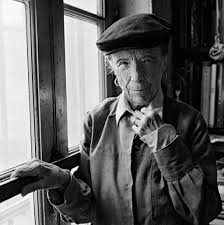
Just 100 years after the birth of Louise Bourgeois in 1911, her work is due to be re-considered and this display at the Haus Der Kunst in Munich affords an opportunity to evaluate a small but interesting section of it.LB4

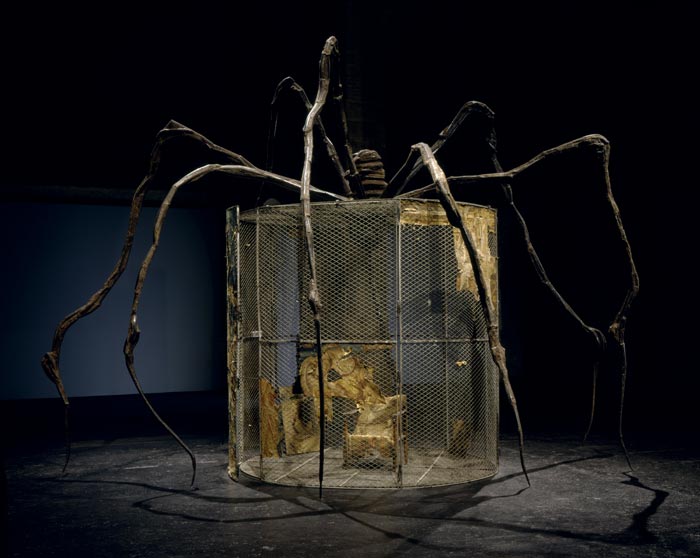
Her concerns flourished in a troubled personal and collective past. Here is revealed a land of mirrors, shadows and memory. The exhibition is dominated by large structures, perhaps up to 6m in height as cells, enclosures and gigantic spider like constructions. Their colours are sparse but significant. These units were created by Bourgeois from 1996 after the year 2000. It is impossible not to be aware from their imposing presence of surrealism, of Kafka and of both feminism and psychoanalysis. Having undergone analytical treatment, Louise Bourgeois’ work struggles with the emotions of early childhood; jealousy, fear, security, sexuality, voyeurism and mothering are prominent themes in this exhibition. The supporting frames and nesting shapes are reminiscent of her work inspired by Giacometti as well perhaps of Francis Bacon.LB_Cell_VI_01

The cells are enclosures which suggest relationships which may sometimes become claustrophobic. The insides are not entirely open to the viewer who may feel something of an intruder into a private and personal world. “Cell VI” for instance, consists of a metal stool placed inside a screen of four doors with a gap for the spectator all painted in a light blue suggests an interrogation or perhaps, self-accusation or possibly both. Seeing a number of such structures standing separately, cells or selves in isolation, portraying pre-occupation with past trauma, is reminiscent of Hesse’s evocative poem, “Der Nebel” and its daunting conclusion, “Jeder ist allein”.LB3

Yet despite the creepy insect structures, the wire netting, the discarded bottles, there is an underlying energy about Bourgeois’s work which involves the courage to confront the past. There is an implication of the possibility for communication. Bourgeois was deeply influenced by Leger who believed that together men could transform social relationships and build a better future. As D.H.Lawrence suggested, “One must learn to love, and go through a good deal of suffering to get to it, and the journey is always towards the other soul.”

More details at http://www.hausderkunst.de/ausstellungen/detail/louise-bourgeois-cells/

and about the artist at https://en.wikipedia.org/wiki/Louise_Bourgeois